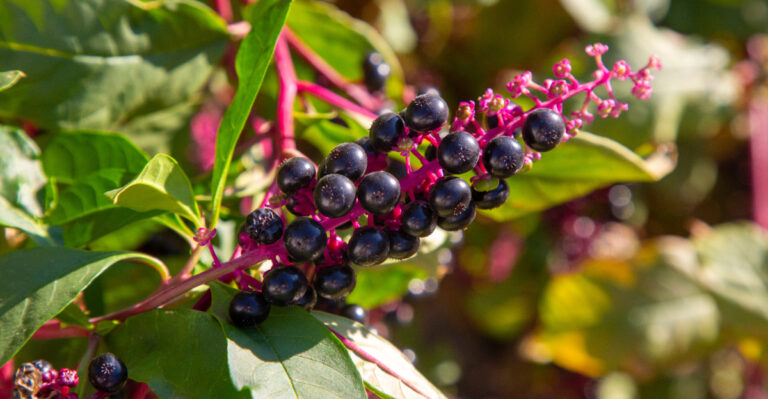
The Bright Purple Takeover Happening Along Alabama Fence Rows Right Now
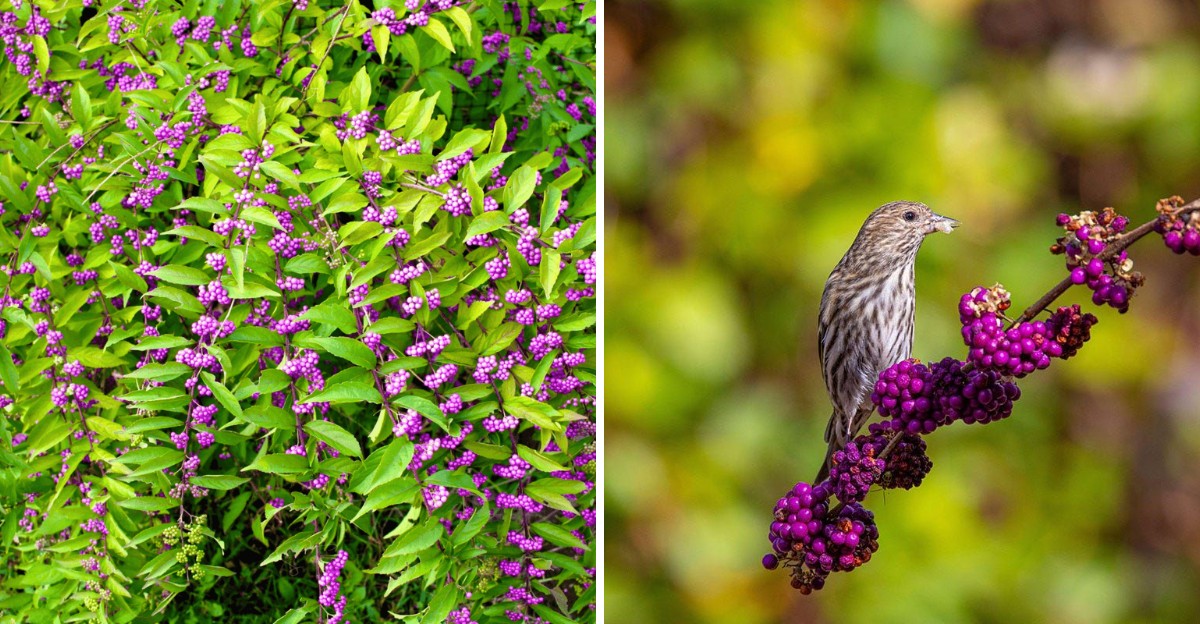
Bright purple beads suddenly flash at you from roadside brush. Birds arrive fast, clearing branches within hours of ripening. Alabama locals call this shrub by a name passed down for generations.
Farmers once rubbed its leaves to drive away stubborn biting insects. Fence posts and ditch banks suddenly turn into stages for this wild display. Woody stems wrap tight rings of vivid color around themselves.
September pushes this spectacle to its sharpest, brightest point. Few other plants compete with that exact shade of magenta. Your own patch of ground could host this same electric display.
Gardeners across Alabama are already digging up cuttings to replant. Timing matters because these berries disappear fast once birds find them. Curiosity alone won’t tell you what this native shrub actually offers.
Stories behind it stretch back further than nearby wooden fences. You need to see what happens next, because this story only gets stranger.
The Shrub Behind All That Color
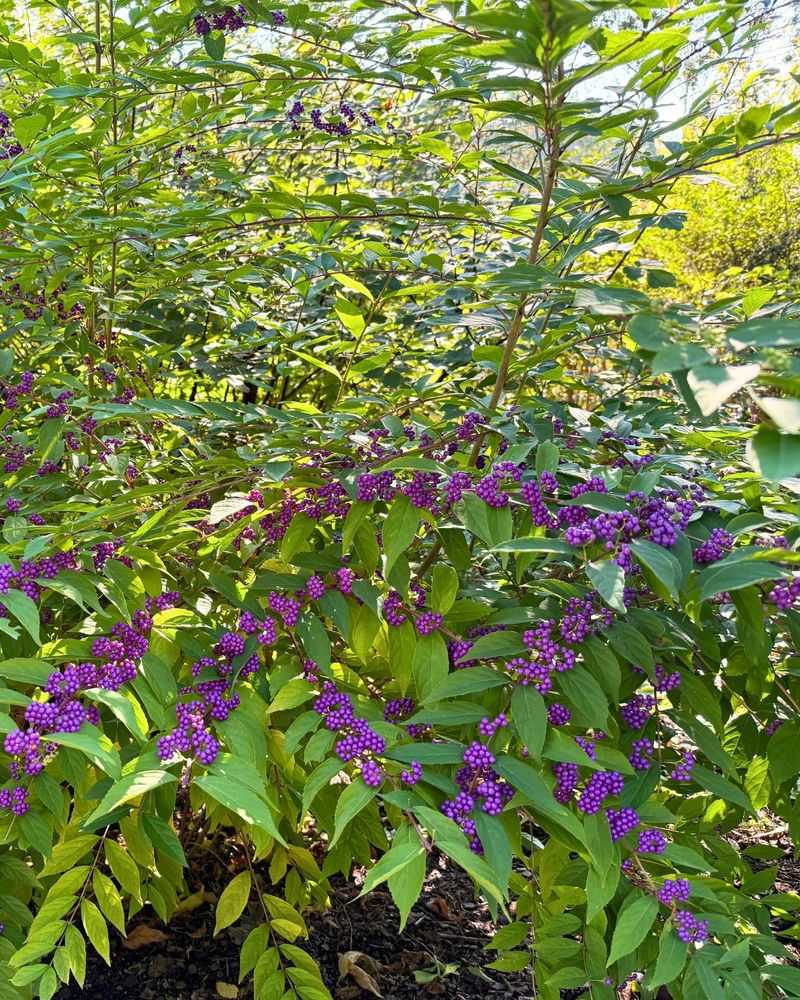
Callicarpa americana is the scientific name, but almost everybody in Alabama just says beautyberry. The shrub grows wild from Texas across to Virginia, and Alabama sits right in the sweet spot of its range.
Height usually lands somewhere between three and six feet, with arching branches that flop outward like a fountain. Leaves are soft, slightly fuzzy, and toothed along the edges, giving off a faint spicy smell when crushed.
The berries are the headline act. They grow in tight rings that hug the stem at each leaf joint, rather than dangling at the tips the way holly or dogwood fruit does.
That arrangement is what makes the plant so easy to identify from a moving car. You see stacked purple bracelets going up a branch, and there is really not much else in the Southeast that looks like it.
Color ranges from a deep violet to a shade closer to magenta, sometimes with a slight metallic shine in direct sun. A rare white-fruited form pops up now and then, and gardeners treasure it.
Beautyberry belongs to the mint family, which surprises people who expect something more shrubby and formal. That family connection helps explain the aromatic leaves and the square-ish young stems.
Wild plants show up in filtered shade at the edge of pine woods, hardwood bottoms, and old pastures. Fence rows suit it because birds perch on the wire, eat fruit, and leave seeds behind. Once you spot one, you tend to notice dozens more on the same drive.
Why Mid-September Is Peak Purple
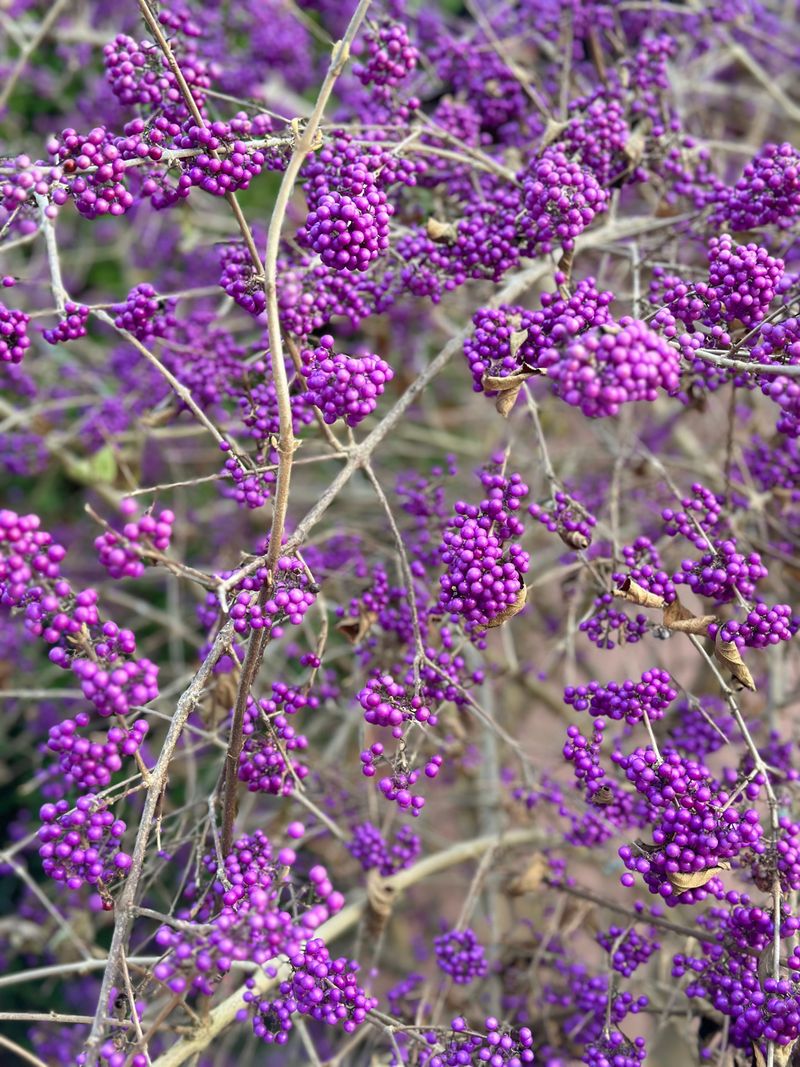
Timing is the whole trick with this plant. Small pinkish flowers open around June, so quiet that people walk past them without a glance.
Through July and August the fruit sits there green and hard, blending into the leaves. Then late summer heat starts easing off, the nights cool a few degrees, and color rushes in.
By mid-September, Alabama beautyberry usually reaches full strength. Clusters turn that unmistakable violet-magenta, and a single branch can carry a dozen rings of fruit.
Weather nudges the schedule a little each year. A wet spring often means heavier fruit set, while a long dry stretch in August can shrink the berries and dull the shine.
Your Alabama Garden Changes Every Week. Your Plan Should Too.
Gardening in Alabama changes quickly throughout the season. Every Friday you’ll receive a simple weekly plan showing exactly what to plant, prune, fertilize, harvest, and protect so you never miss the right timing.
North Alabama often colors up slightly later than the Gulf Coast, though the timing varies by year. Plants growing in more sun ripen slightly earlier than those buried in deep shade.
The display holds through October and sometimes into November, depending on how fast the birds work. Leaves drop first, which is honestly when the show gets even better.
Bare gray stems ringed with purple fruit look almost like jewelry hung in the woods. Photographers wait for that stage on purpose.
If you want to see it at its finest, head out on a slightly overcast afternoon. Flat light makes the color read as richer and deeper than harsh noon sun does. Right now is the window, so a short drive this weekend pays off nicely.
Fence Rows Turn Out To Be Prime Real Estate
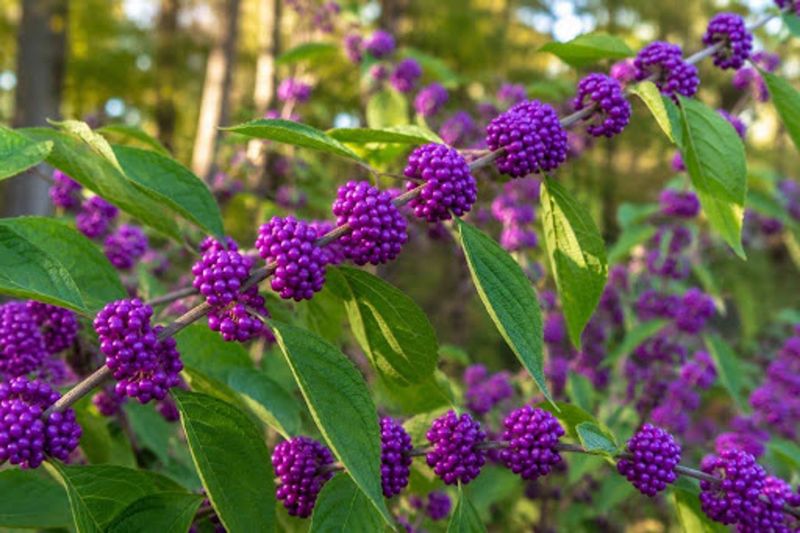
There is a reason the purple keeps showing up along fences instead of out in open pasture. Fence rows are edges, and edges are where a lot of Southern plants do their best work.
Mowers and tractors skip that strip, so woody plants get years to settle in. Cattle usually stay on the pasture side of the wire, leaving young stems alone.
Light conditions there hit a happy middle. Beautyberry gets a few hours of direct sun plus shade from the fence line trees, which is close to what it enjoys in the wild.
Birds are the real estate agents. Mockingbirds, cardinals, and thrashers perch on posts and wire, eat fruit, then drop seeds directly below in a tidy line.
That is why fence row beautyberry often shows up as a string of shrubs spaced like beads rather than one big patch. Birds effectively planted them from a perch.
Soil along old fences also builds up organic matter over decades from leaves and grass clippings piling against the wire. Loose, rich dirt suits the shrub’s shallow roots.
Ditch banks, powerline cuts, and the shoulder of gravel roads work the same way. Anywhere the mowing stops and the woods start, look for purple.
Landowners sometimes bush-hog these strips in late summer and lose the display entirely. Waiting until winter to trim keeps the fall color and feeds wildlife. Next time you pass a weedy fence line, give it a second look.
Birds Are Throwing A Party Out There
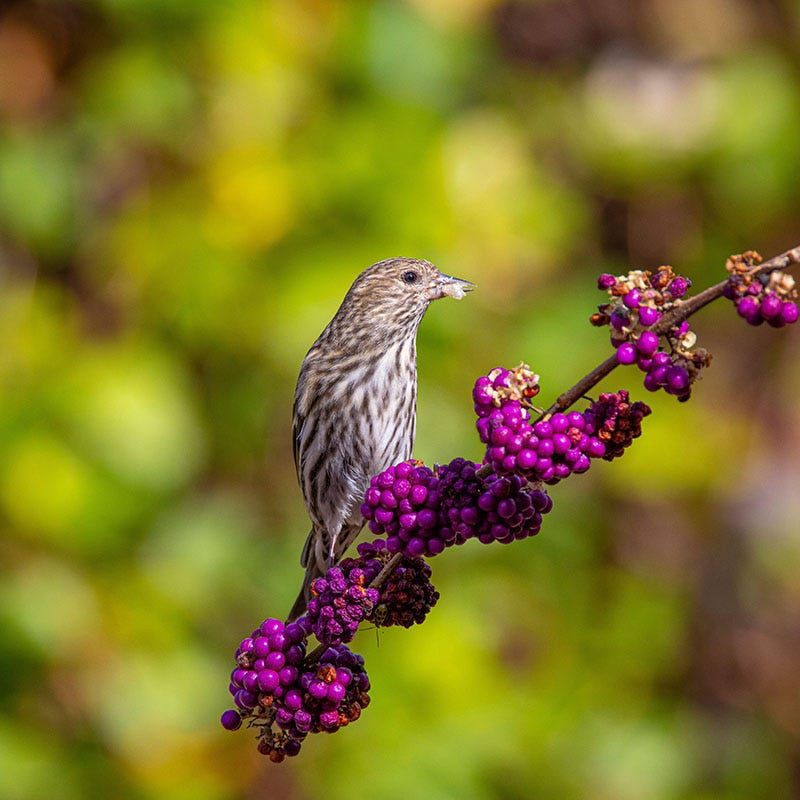
Watch a beautyberry patch for ten quiet minutes and the wings start showing up. Mockingbirds often claim a bush and defend it aggressively.
Cardinals, brown thrashers, catbirds, and robins all take a share. Bobwhite quail work the fallen fruit at ground level, and wild turkeys pass through when the crop is heavy.
Timing matters for migrating songbirds moving south through Alabama in September and October. A fence row loaded with fruit is a fuel stop at exactly the right moment.
The berries are not the sweetest option in the woods, which turns out to be a feature. Birds tend to clean out dogwood and pokeweed first, leaving beautyberry as a later-season backup.
That staggered schedule stretches the food supply deep into winter when choices get slim. Some clusters hang on until January in a mild year.
Deer browse the leaves and twigs, sometimes hard enough to shape a shrub into a rounded mound. Raccoons, opossums, and foxes take the fruit too.
Bees and small butterflies visit the summer flowers, so the plant earns its keep long before the color show starts.
If you want birds in your yard without setting up feeders, planting a couple of these does a lot of the work. Stick them near a brushy corner where birds already feel safe. Add a shallow water source nearby and the traffic picks up fast.
The Old Mosquito Trick Grandparents Swore By
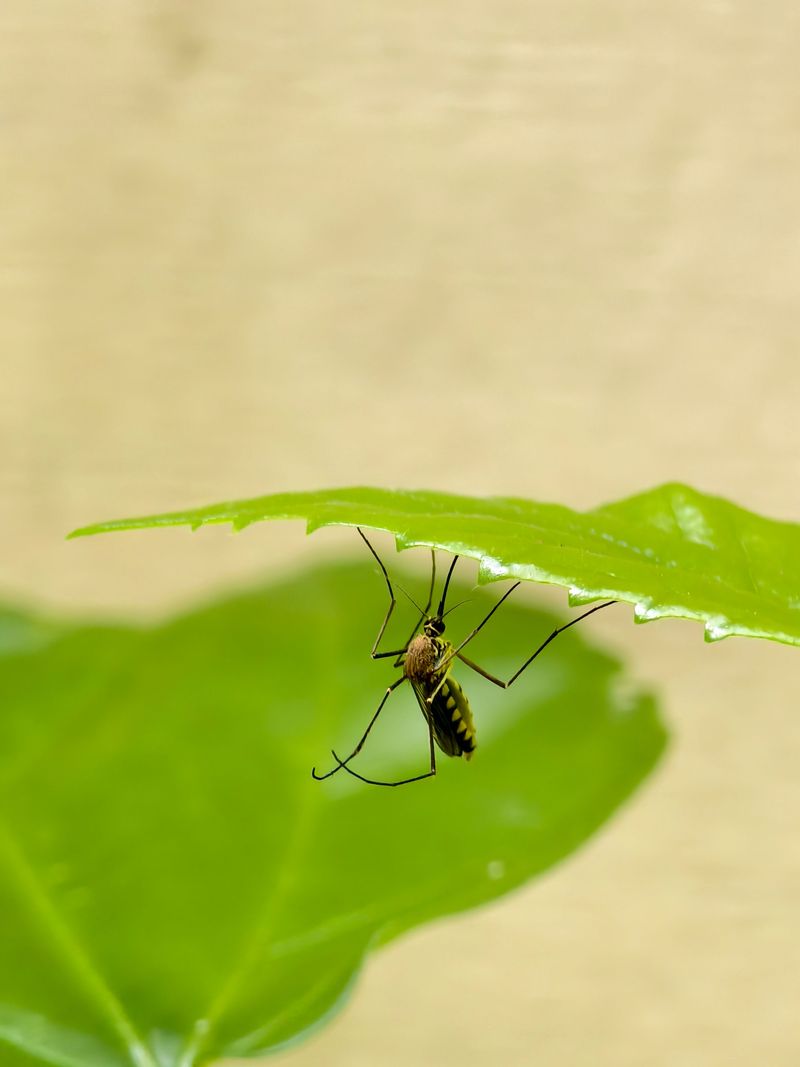
Ask an older Alabama farmer about beautyberry and you might hear about horses instead of berries. The old practice was to crush a handful of leaves and tuck them under a mule’s harness to keep biting insects off.
People rubbed the mashed leaves on their own arms and necks too. It was long treated as anecdotal folk knowledge, but later research supported it.
Then chemists with the USDA took a closer look. They isolated compounds in the leaves, including callicarpenal, and lab testing showed real repellent activity against mosquitoes and ticks.
That does not mean crushed leaves match a bottle of commercial repellent. Coverage is patchy, the effect fades quickly, and results vary plant to plant.
It’s a piece of Southern know-how that later research actually backed up. Kids especially get a kick out of trying it on a camping trip.
The leaves smell faintly herbal when bruised, a little like a mix of mint and something greener. That aroma is your clue that the plant carries oils worth noticing.
Traditional uses went beyond bugs. Some communities brewed root or leaf tea for stomach trouble and fevers, though home remedies like that are best left in the history column.
For a yard, the takeaway is simple. Plant beautyberry near a porch or a garden bench and you get color, birds, and genuine historical significance in one shrub.
You Can Eat Berries (With Some Caveats)
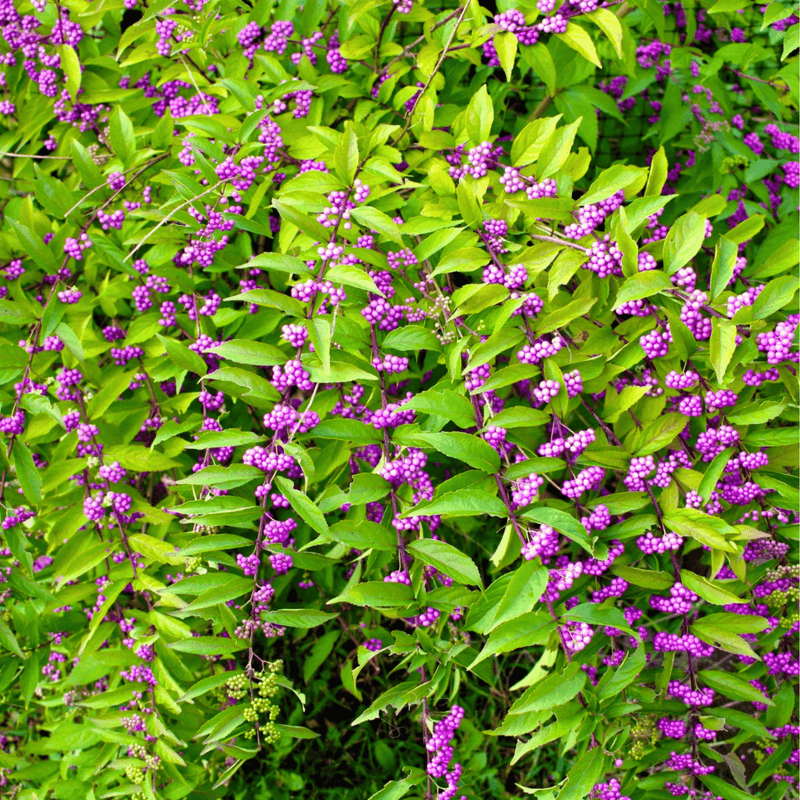
Straight off the branch, beautyberry tastes like mild disappointment. The flavor is faintly sweet, a little medicinal, and the texture is mostly seed.
Cooked down with sugar, though, the story changes. Beautyberry jelly is a real Southern tradition, and the finished color lands somewhere between rose and amber, not purple at all.
The usual method involves simmering ripe berries in water, straining the juice through cloth, then combining it with sugar and pectin. Lemon juice brightens the flavor and helps the set.
Taste runs surprisingly floral, with hints that people compare to elderberry or muscadine. Spread it on a hot biscuit and it disappears fast.
A few sensible rules apply. Harvest only from plants you are certain about, skip anything growing along a sprayed roadside, and eat the fruit cooked rather than by the handful.
Large amounts of raw berries can upset a stomach, so moderation is the smart play. Kids should ask before sampling anything wild, every time.
Picking is easy work since the clusters strip off with a pinch. One good shrub can yield a couple of quarts in a single afternoon.
Leave plenty behind for the birds, since that crop matters more to them than to your pantry. Taking a third of what you find is a fair split.
Some Alabama farmers markets may carry small jars in the fall, though availability varies. Check locally.