7 Things Every Texas Gardener Should Do Before October
October in Texas arrives with a shift that experienced gardeners learn to work with rather than react to.
Temperatures ease, fall planting windows open, and the garden that spent months in survival mode suddenly has real potential again.
But getting the most out of that potential requires doing certain things before October, not after the season has already changed around you.
The gardeners who hit the ground running in October are almost always the ones who prepared in September.
Some of these tasks take only a few minutes. Others require a little more planning. But all of them are more effective handled now rather than scrambled through once fall is already underway.
Here’s what every Texas gardener should do before October and why doing it now makes a meaningful difference in how the rest of the year plays out.
1. Refresh Your Soil With Compost
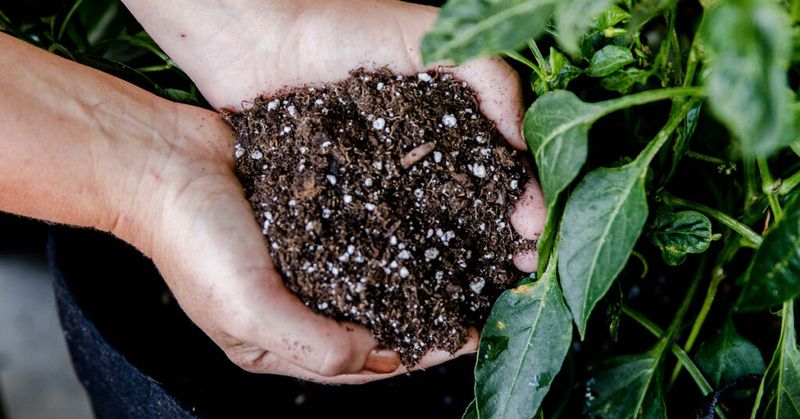
Tired soil is a garden’s biggest hidden problem, and summer in Texas really wears it out. The long heat drains nutrients and leaves the ground packed and dry.
Adding a few inches of compost right now brings that soil back to life. Compost feeds the tiny living things underground that help plant roots grow strong. It also helps sandy soil hold water and loosens up heavy clay so roots can spread.
You can buy bagged compost from a garden center or use your own from a backyard bin. Spread about two to three inches across your beds. Then mix it into the top layer with a rake or garden fork.
If you have a big area, a wheelbarrow makes the job much faster. Try to work on a cooler morning so you are not out in the harsh sun.
Water the soil lightly after mixing to help everything settle in. This gives the nutrients time to blend before you plant anything new.
Texas gardeners often skip this step and wonder why their fall plants look weak. Rich soil is the foundation for everything else you do.
Fun tip: coffee grounds and crushed eggshells make great compost add-ins. They break down fast and add extra nutrients your plants love.
Take your time and cover every bed you plan to use. The effort now means healthier, faster-growing plants in a few weeks.
Your soil will hold moisture better through dry spells too. That means less watering and less stress on your plants when the weather turns unpredictable.
2. Plant Cool-Season Vegetables
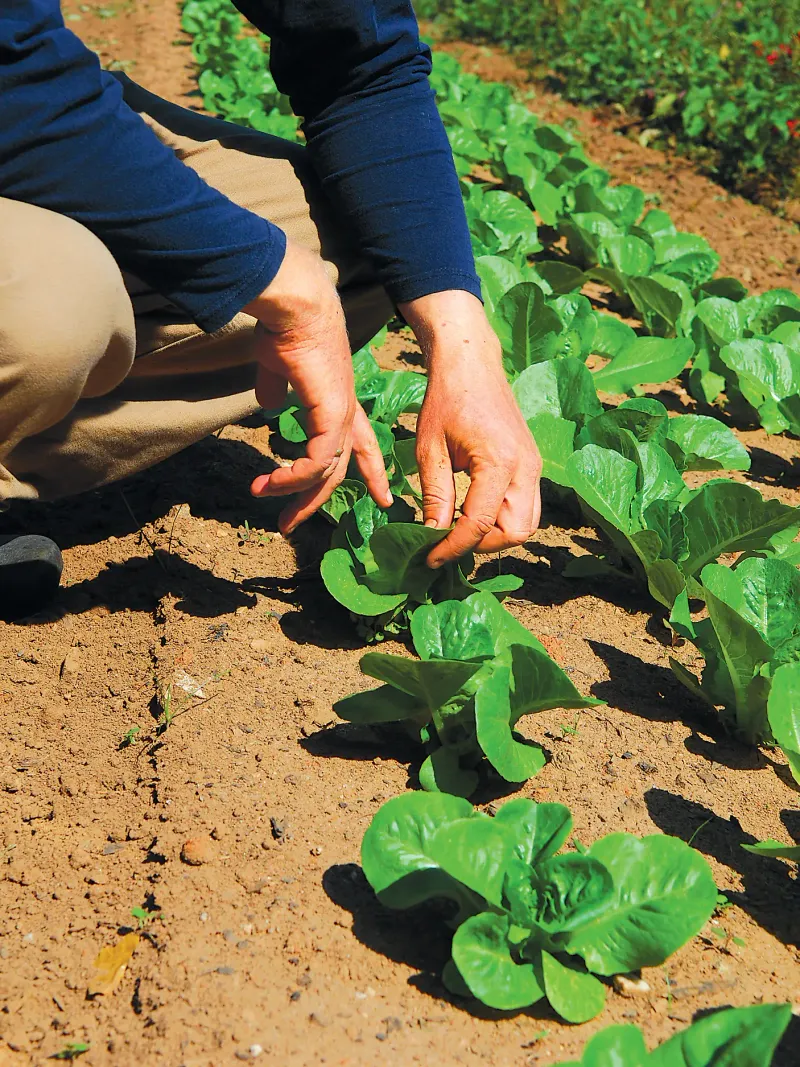
Fall is prime planting time in Texas, and the cooler weather is perfect for crops that hate summer heat. Vegetables like lettuce, spinach, broccoli, and carrots love this season.
Getting seeds or transplants in the ground before October gives them time to grow roots while the soil is still warm. Warm soil helps seeds sprout faster and stronger.
Leafy greens are some of the easiest picks for beginners. Lettuce and spinach grow quickly and you can harvest them again and again.
Root crops like carrots, radishes, and beets also do great in fall. They actually taste sweeter after a light chill in the air.
Your Texas Garden Changes Every Week. Your Plan Should Too.
Gardening in Texas changes quickly throughout the season. Every Friday you’ll receive a simple weekly plan showing exactly what to plant, prune, fertilize, harvest, and protect so you never miss the right timing.
Broccoli, cabbage, and kale need a bit more room, so give them space to spread out. These plants reward patience with big, hearty harvests.
Check the back of your seed packet for spacing and depth. Following those simple numbers makes a huge difference in how well things grow.
Water your new plants gently but often while they get started. Young roots need steady moisture until they settle in.
One smart move is to plant a few seeds every couple of weeks. That way your harvest comes in waves instead of all at once.
Texas fall gardens can produce right through the holidays if you start on time. Fresh greens on your table in November feel pretty rewarding.
Pick vegetables your family actually enjoys eating. Growing food you love makes the whole project more fun and keeps you coming back to the garden.
3. Trim Back Tired Summer Plants
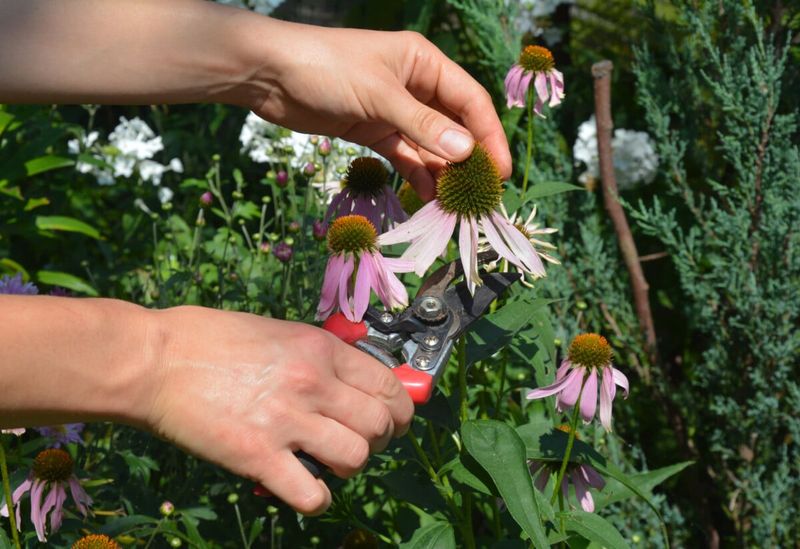
After a brutal Texas summer, many plants look worn out and leggy. Giving them a good trim helps them bounce back with fresh growth.
Cutting away spent flowers and dry stems tells the plant to focus its energy on new shoots. It also makes your garden look neater right away.
Start with your flowering plants that have stopped blooming. Snip off the faded blooms and any yellow leaves you see.
Shrubs and perennials often benefit from a light shaping too. Just avoid cutting too much at once, since that can shock the plant.
A sharp, clean pair of pruners makes the job easier and safer for the plant. Wipe the blades with rubbing alcohol between plants to stop spreading disease.
Toss healthy trimmings into your compost pile so nothing goes to waste. Skip anything that looks sick or covered in bugs.
Some plants, like salvia and lantana, will reward a good trim with a fresh burst of fall color. It feels like getting a second garden for free.
Be careful not to prune spring bloomers too hard right now. Plants like azaleas set their buds early, so heavy cutting means fewer flowers later.
Take a slow walk around your yard and note what needs attention. A little planning keeps you from over-trimming.
Cleaning up now also removes hiding spots for pests before they settle in for the season. Your fall garden will look and grow so much better with this simple refresh done early.
4. Add A Fresh Layer Of Mulch
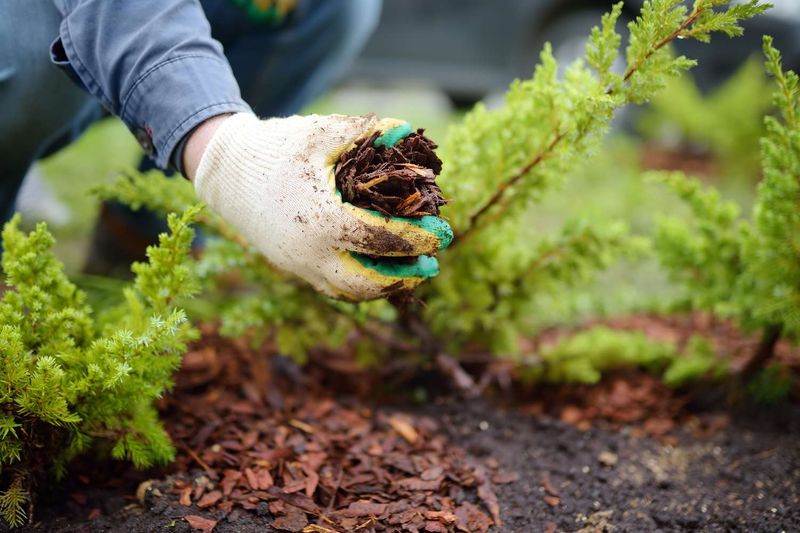
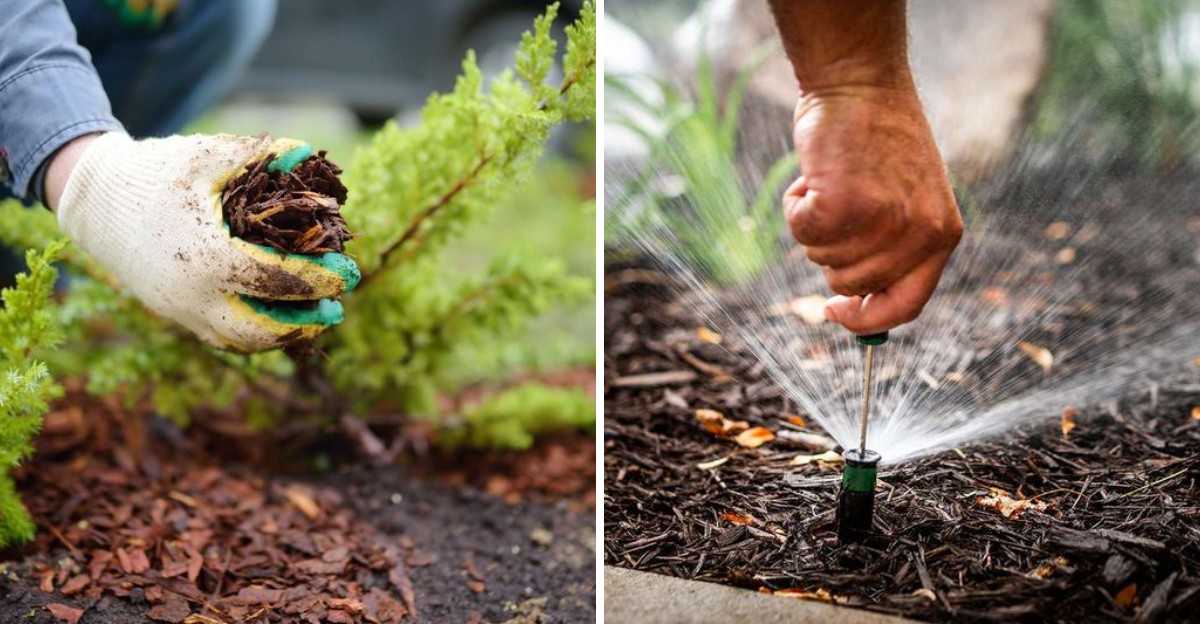
Mulch is one of the cheapest and most helpful things you can add to your garden. A fresh layer works hard all season long.
It locks moisture into the soil so you water less often. In Texas, where dry spells hit hard, that alone makes mulch worth it.
Mulch also keeps the soil temperature steady. Roots stay comfortable even when the air turns cold at night.
Another bonus is weed control. A thick layer blocks sunlight and stops most weeds from popping up.
You can use wood chips, shredded bark, straw, or even dried leaves. Each type works well, so pick whatever is easy for you to find.
Spread about two to three inches around your plants. Keep the mulch a few inches away from stems and trunks so they do not rot.
Fall is a smart time to mulch because it protects roots before winter cold arrives. Your plants will thank you when the temperature drops.
As the mulch breaks down over time, it feeds the soil too. That means richer ground for next spring without extra work.
Refresh old mulch that has gotten thin or faded. A new layer looks tidy and works better than worn-out stuff.
Cover your veggie beds, flower beds, and around trees and shrubs. Wherever there is bare soil, a blanket of mulch helps.
The whole job usually takes just an afternoon for a normal yard. Few garden tasks give you this much return for so little effort.
5. Check And Fix Your Watering System
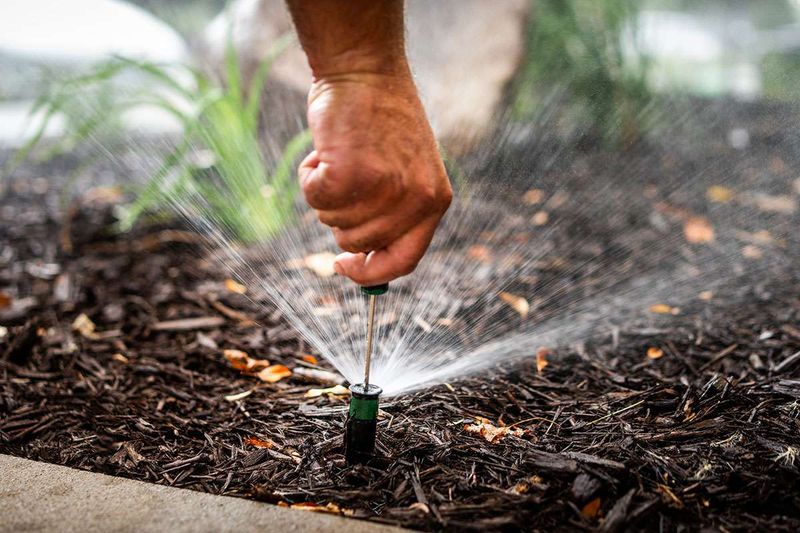
The summer heat is tough on hoses, sprinklers, and drip lines. Before fall planting, it pays to give your whole watering setup a checkup.
Cracked hoses and clogged sprinkler heads waste water and money. A quick inspection can catch small problems before they get worse.
Turn on your system and watch it run for a few minutes. Look for leaks, weak spray, or spots that stay bone dry.
Clean out any nozzles that seem blocked with dirt or minerals. A toothpick or small brush works great for this.
If you use a drip system, check that each emitter still drips steadily. These clog easily from Texas hard water.
Fall watering needs change as the weather cools. Plants use less water when it is not so hot, so adjust your timer to run less often.
Watering early in the morning is still the best choice. It gives plants a drink before the day warms up and cuts down on waste.
Setting up a rain sensor can save even more water. When storms roll through, your system skips a cycle automatically.
If you water by hand, make sure your hose reaches every corner of the garden. Dragging a short hose around gets old fast.
A well-tuned watering system keeps new fall plants healthy while they take root. Steady moisture is key during those first few weeks.
Taking an hour now saves you stress and higher water bills later. Your plants stay happy and your wallet does too when everything runs smoothly.
6. Plant Spring-Blooming Bulbs
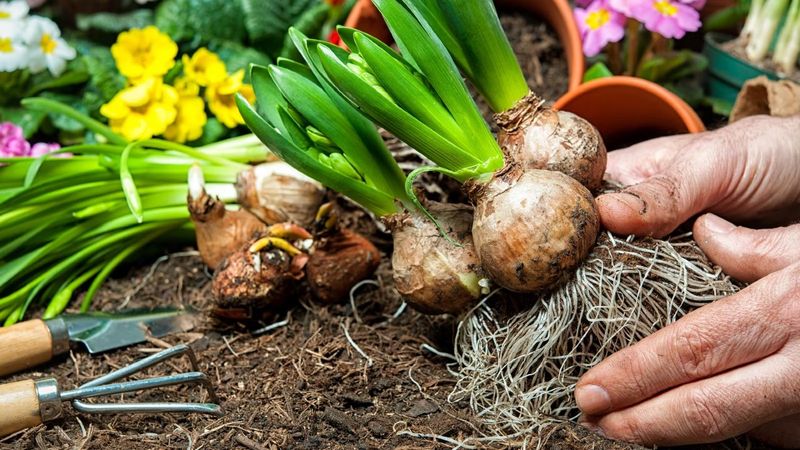
Here is a secret that surprises new gardeners: the flowers that bloom in spring get planted in fall. Bulbs need those cool months underground to get ready.
Planting daffodils, tulips, and other bulbs before October sets up a colorful spring show. It feels like sending a gift to your future self.
Bulbs are simple to plant, which makes them great for beginners. You just dig a hole, drop them in, and cover them up.
The rule of thumb is to plant a bulb about three times as deep as it is tall. Point the pointy end up toward the sky.
Some tulips need extra chilling in Texas, so pop them in the fridge for a few weeks first. This little trick tricks them into blooming well.
Daffodils and grape hyacinths handle Texas weather easily. They come back year after year with almost no fuss.
Pick a spot that gets good sunlight and drains well. Bulbs sitting in soggy soil will rot before they ever sprout.
Group them in clusters instead of straight lines for a fuller look. Clumps of color look more natural and cheerful.
Water them once after planting to help them settle in. Then let nature take over through the cooler months.
When spring arrives, you will have bright blooms popping up while everything else is still waking up. That early color is worth the small effort now.
Mark where you planted so you do not dig them up by accident later. A simple stake or tag does the trick perfectly.
7. Clean And Store Your Garden Tools
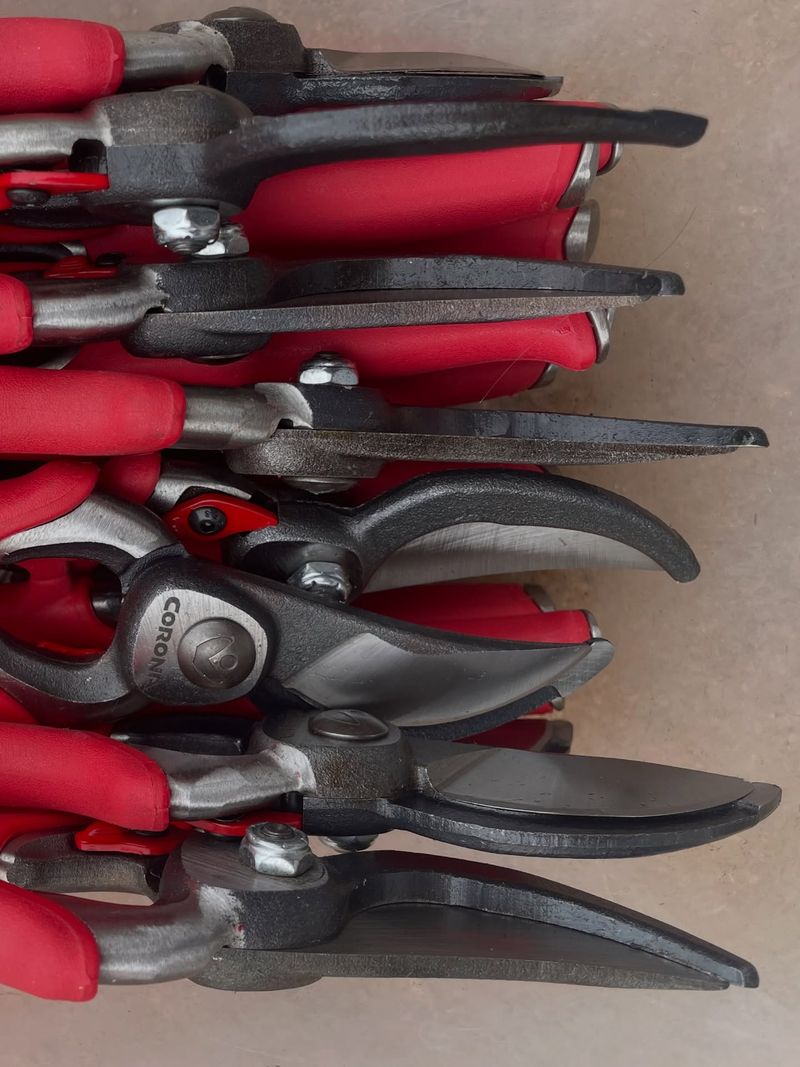
Garden tools take a beating all summer, and dirty tools do not work well. A little cleanup keeps them sharp and ready for fall projects.
Caked-on mud and rust make tools harder to use and can spread plant disease. Fresh, clean tools make every task easier.
Start by rinsing off dirt with a hose and a stiff brush. Get into the corners where grime likes to hide. Dry everything well so rust does not form overnight. A quick wipe with a rag does the trick.
Sharpen the blades on your pruners, shovels, and hoes. A sharp edge cuts cleaner and takes way less muscle. Rub a little oil on metal parts to keep rust away. Cooking oil or machine oil both work fine.
Check wooden handles for cracks or splinters. Sanding rough spots keeps your hands comfortable and safe.
Store tools in a dry shed or garage instead of leaving them outside. Weather is rough on tools left in the open.
Hanging them on hooks keeps them off the damp ground and easy to grab. An organized space saves you from hunting around later.
This is also a good time to toss anything broken beyond repair. Make a short list of tools you might want to replace.
Taking care of your gear means it lasts for many seasons. Good tools are an investment worth protecting.
When your fall planting days arrive, everything will be clean, sharp, and right where you left it. That smooth start makes gardening feel like a joy instead of a chore.