The Beetles Crowding Indiana Siding Each Fall Were Brought Here Deliberately

Early November in Indiana brings crisp air, bare maple branches, and an orange shimmer across sunny south-facing walls on the first warm afternoons. Step a little closer, and that orange shimmer starts crawling steadily toward your bright window screens.
Homeowners describe a soft tapping sound, like dry rice tossed gently against vinyl siding all afternoon long. By dusk, that tapping has moved indoors, hovering right above the living room curtain rod.
Most folks assume the whole swarm is random bad luck, blamed on Midwestern weather and aging caulk. The real story actually began decades ago, inside a government office, with paperwork and good intentions.
Somebody signed a form, ordered crates of tiny orange passengers, and released them across American farmland. The crates are long gone, the forms are filed, and your vinyl siding is the receipt.
A Crop Pest Solution That Outgrew Its Fields

Farmers in the early 1900s watched aphids chew steadily through pecan, soybean, and fruit crops. Agricultural scientists wanted a hungry natural predator instead of another expensive round of chemical spraying.
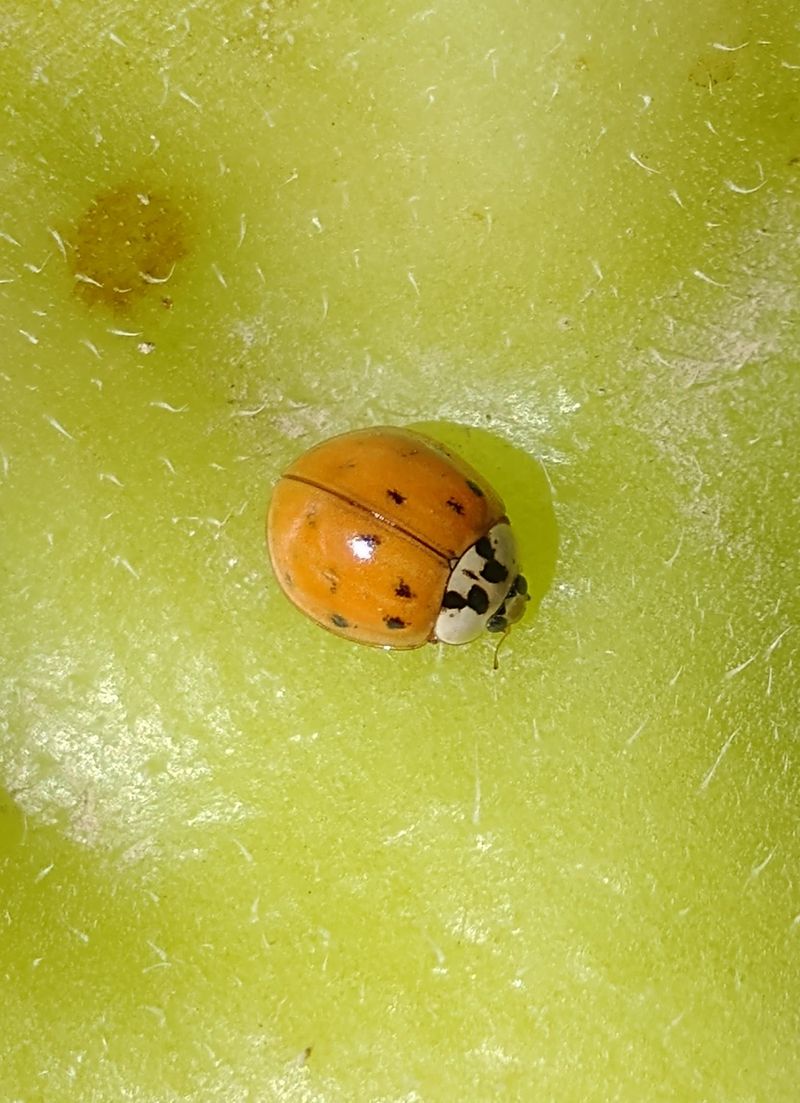
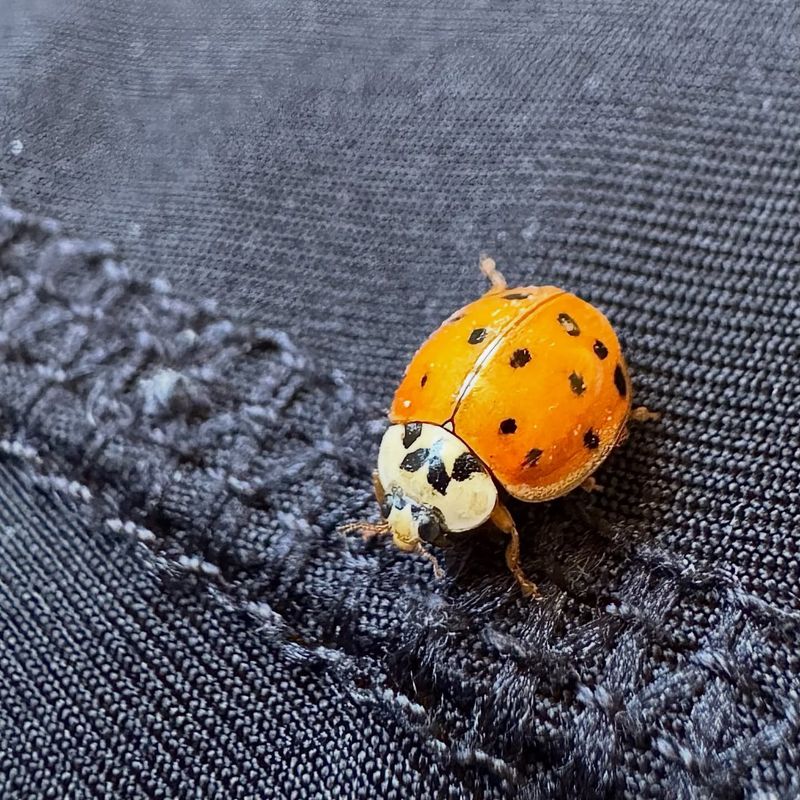
Their chosen answer arrived from Japan and eastern Asia, a spotted insect named Harmonia axyridis. Most Hoosiers know the same creature today by a friendlier label, the Asian lady beetle.
Federal researchers released batches of the beetles repeatedly between 1916 and the early 1980s. Those shipments stretched from Georgia pecan orchards to California farm fields and many points between.
One adult beetle can devour dozens of aphids daily without a farmer lifting a single finger. Indiana soybean growers still quietly benefit from that huge appetite during most warm summer months.
Trouble grew from one overlooked detail, the way these beetles spend winter back in Asia. Over there, they crowd into narrow cracks along pale limestone cliffs when temperatures finally drop.
Indiana offers very few limestone cliffs, yet it offers millions of pale, sun-warmed house walls. Your siding reads as premium winter real estate to an insect following ancient instructions.
Beetle numbers stayed modest for decades, then surged near New Orleans in the late 1980s. The population pushed north through the Mississippi valley and reached Indiana farms within a few years.
Nobody sat down and planned the siding situation, and the aphid control genuinely worked well. Good intentions simply arrived carrying a fine print clause written in fluent beetle language.
Sun-Warmed Walls And The First Cold Snap

The trigger is weather rather than calendar dates, though October and early November usually deliver the right combination. A few chilly nights followed by one sunny afternoon near sixty degrees starts the rush.
Beetles leave fields and woodlots in enormous numbers, drifting toward the tallest, brightest objects around. Pale siding facing south or west catches the most sunlight and the most winter visitors.
Contrast matters too, so houses with dark trim against light walls attract heavier landings. Barns, silos, and two-story farmhouses standing in open Indiana countryside tend to get hit hardest.
Once the first few land, they release a chemical signal telling nearby beetles to join. That scent turns a handful of scouts into a shimmering orange crowd within an hour.
Gaps around window frames, soffits, and utility lines become open doorways into attics and walls. A single beetle can squeeze through an opening roughly the width of a pencil lead.
Inside dark wall voids, they cluster together and settle into a sluggish, low-energy winter rest. Most homeowners forget about them until a stretch of February sunshine warms the attic.
Warm spells confuse them, so the beetles wake up and head toward glowing interior windows. That explains the mysterious January crawler marching across your bathroom ceiling during a thaw.
Real departure waits until early spring, when the survivors head back outdoors toward open fields. Until then, your house serves as a heated hotel with no checkout desk and free parking.
Common Indoor Reactions That Make Things Worse

Squashing one feels satisfying until the yellow smear settles permanently into your ceiling paint. That orange fluid is defensive blood, which stains light surfaces and smells sharply musty for days.
Grabbing a can of household bug spray indoors creates a far bigger mess than expected. The residue lingers on your surfaces while beetles hidden inside wall voids stay untouched for weeks.
Fogger bombs rank among the least useful purchases anyone makes for this particular situation. The fog cannot reach attic insulation or deep wall cavities where the real crowd sits.
Leaving a stuffed vacuum bag sitting in the closet invites a second wave of trouble. Trapped beetles crawl back out overnight, or their remains quietly attract hungry little carpet beetles.
Swatting at one hovering near your face sometimes ends with a surprising little nip. Their jaws can pinch bare skin, which startles anyone expecting a harmless spotted garden ladybug.
Sealing every crack after the beetles have settled traps the crowd already resting inside your warm walls. Those beetles then wander into living rooms instead of locating their original outdoor exit points.
Perfume-heavy air fresheners and citrus sprays rarely discourage determined insects that are chasing steady warmth. Simply hoping they leave on their own usually means finding them inside spring lampshades.
Waiting until beetles already cover the siding before acting outdoors wastes both money and effort. By landing day, the timing window for a helpful exterior treatment has already quietly closed.
Safer Indoor Removal With Simple Household Tools

A regular household vacuum handles the job gently once you add one cheap trick first. Slip a knee-high nylon stocking into the hose and secure it with a small rubber band.
The stocking catches beetles before they reach the machine, so nothing gets crushed inside. Pull the stocking out, tie the end, and carry the bundle outside to a woodlot.
Empty any bagless canister right away, because stragglers will escape through the lid overnight. Emptying it outdoors also keeps that musty smell far from your kitchen and laundry room.
Simple light traps work surprisingly well inside dark attics or unfinished basement corners at night. A black light mounted above a smooth-sided bucket draws wanderers in without any chemicals.
Sticky cards tucked behind curtains and beside window tracks quietly catch the daily indoor stragglers. Swap them every couple of weeks through winter, and your indoor numbers drop noticeably fast.
Stains respond best to quick action with warm water, mild soap, and a soft cloth. Blot instead of scrubbing, since hard rubbing pushes the yellow pigment deeper into the paint.
Keep a small handheld vacuum charged near the attic hatch during any warm winter spell. Two minutes of cleanup beats an afternoon of chasing beetles around the ceiling fan.
Skip bare hands, because rough handling triggers that defensive fluid and leaves a lasting odor. A folded index card slides neatly under a beetle and tips it into a jar.
Stains, Odors, And Bites Inside Indiana Homes
The lasting damage is rarely structural, which should ease most homeowners’ worries. Beetles do not chew wood, fabric, or wiring while they rest quietly inside your walls.
Their reflex bleeding leaves stubborn yellow-orange spots across curtains, lampshades, and freshly painted window trim. Light fabric holds those marks stubbornly, especially when nobody notices the spots for several weeks.
A musty, nutty odor builds when hundreds of them gather inside one attic or soffit. Some Indiana families describe the smell as old peanut shells mixed with slightly damp cardboard.
Allergy symptoms show up in sensitive people during heavy infestations, mostly across the late winter. Doctors have linked the scaly particles to runny noses, itchy eyes, and sudden asthma flare-ups.
Pinching bites happen occasionally, usually when a beetle lands on somebody’s warm, bare forearm skin. The nip stings briefly, seldom breaks the skin, and carries no known human disease risk.
Dogs sometimes mouth a whole cluster and end up with beetles stuck against the palate. Veterinarians recommend rinsing the mouth gently and calling the clinic if heavy drooling continues afterward.
Indiana grape growers watch these beetles closely, since a few crushed into a harvest bin can taint an entire crop’s flavor.
Leftover remains inside wall voids can feed carpet beetles, which do chew wool and stored fabric. So one imported guest quietly opens the door for a second, hungrier little houseguest.
Exterior Gaps And Early Fall Home Sealing
Prevention lives in August and early September, so treat this as next year’s checklist before the first cool autumn night arrives. After the beetles land, sealing turns into simple cleanup work rather than an actual defense.
Walk slowly around the outside of your house and look for daylight sneaking through gaps. Check around window frames, door casings, dryer vents, and every single pipe entering the wall.
Good exterior caulk handles the thin cracks, while expanding foam fills larger voids behind siding. Copper mesh stuffed into odd openings blocks insects without looking like a sloppy patch job.
Damaged screens matter more than most people think, since one small tear invites a crowd. Replace any torn mesh, then add fine screening behind attic vents and soffit openings.
Door sweeps and fresh weatherstripping stop that steady evening parade under your back kitchen door. Chimney caps and ridge vent screening close off two favorite highways straight into the attic.
A licensed applicator can treat the siding in early fall, roughly two weeks before landings, so book one for next September. Timing matters far more than the product choice, and a repeat application is often necessary.
Trimming branches back from the roofline removes some of the shaded launch pads beetles prefer. Fewer overhanging limbs mean fewer insects dropping straight down onto your upper story siding.
Perfect exclusion is unrealistic, so aim for a big reduction rather than a beetle-free house. A sealed and well-screened house by September usually means a much quieter fall indoors.