The Invasive Shrub North Carolina Gardeners Should Remove Before It Spreads Into Nearby Woods
Certain ornamental shrubs sold for decades in North Carolina nurseries have turned out to be far more aggressive outside the garden than most homeowners realize.
These shrubs often produce enormous numbers of seeds that birds and wind carry directly into nearby woodlands, where they take root and quickly outcompete native plants that local wildlife depends on.
Once established in a forest understory, these invasives can be extremely difficult to remove, forming dense thickets that block sunlight from reaching seedlings of native trees and shrubs.
Because the spread often starts from a single ornamental planting in someone’s yard, removing the shrub before it sets seed is one of the most effective ways to protect nearby natural areas.
Acting now, while the plant is still contained to one spot, prevents a much larger and more difficult problem down the road.
Autumn Olive
Picture a shrub that shows up uninvited and refuses to leave. Autumn olive, known by its scientific name Elaeagnus umbellata, came from Asia and was once planted on purpose across the United States.
People originally used it for erosion control and wildlife food, thinking it was a smart choice.
Over time, gardeners and land managers noticed something troubling. The plant did not stay where it was planted, and it began pushing into natural areas across North Carolina.
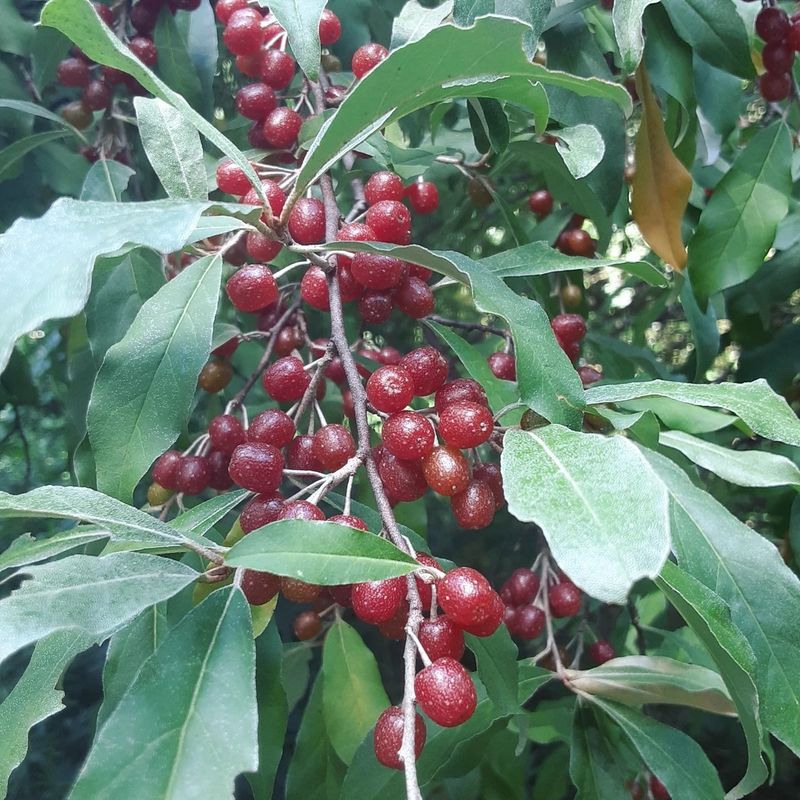
You can recognize this shrub by its silvery-green leaves that shimmer underneath, giving it a slightly dusty look. It grows fast, reaching heights of ten to twenty feet, and forms thick clumps that crowd out other plants.
Because it spreads so easily, North Carolina now lists autumn olive as an invasive species. That means it harms local ecosystems and should never be planted in yards or gardens.
Fun fact: the small silver spots on the leaves and berries are one of the easiest ways to tell autumn olive apart from native shrubs. If you see those tiny sparkles, pay attention.
Choosing native shrubs instead helps keep your local environment healthy and balanced. Plants like American beautyberry or serviceberry offer similar beauty without the risk of taking over.
Removing autumn olive early gives native species a fair chance to grow. The more gardeners understand this shrub, the better they can protect the wild spaces around their homes and neighborhoods.
Birds Spread The Seeds
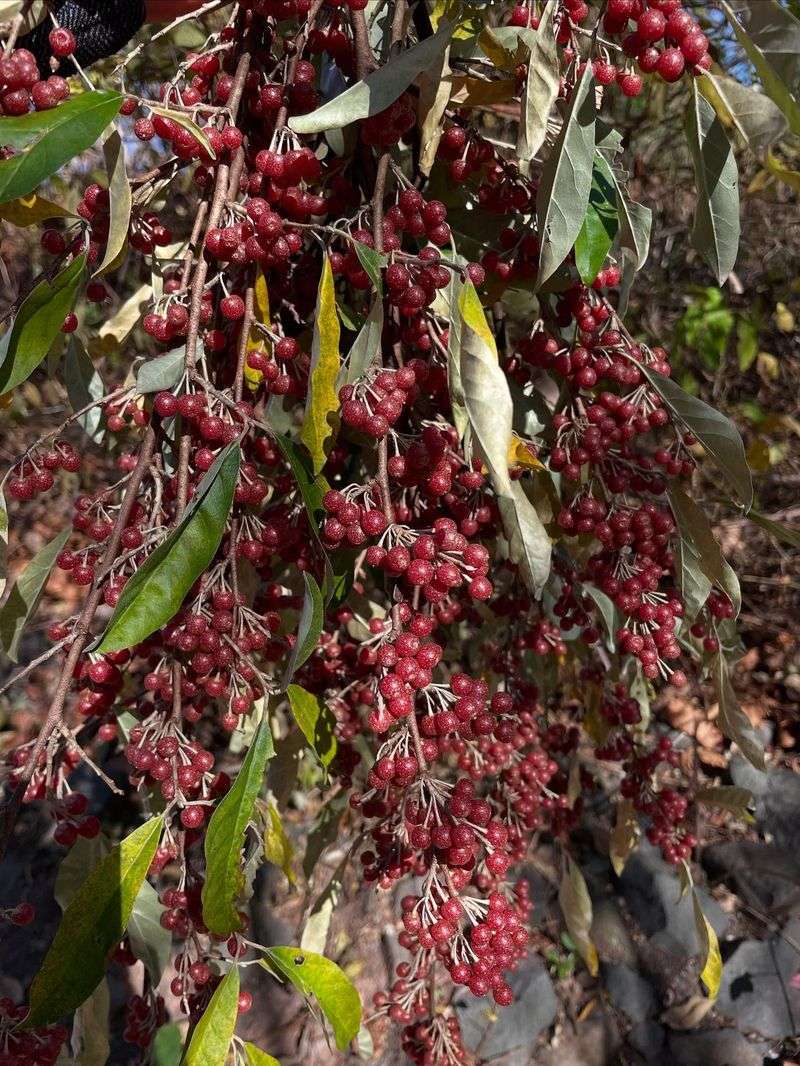
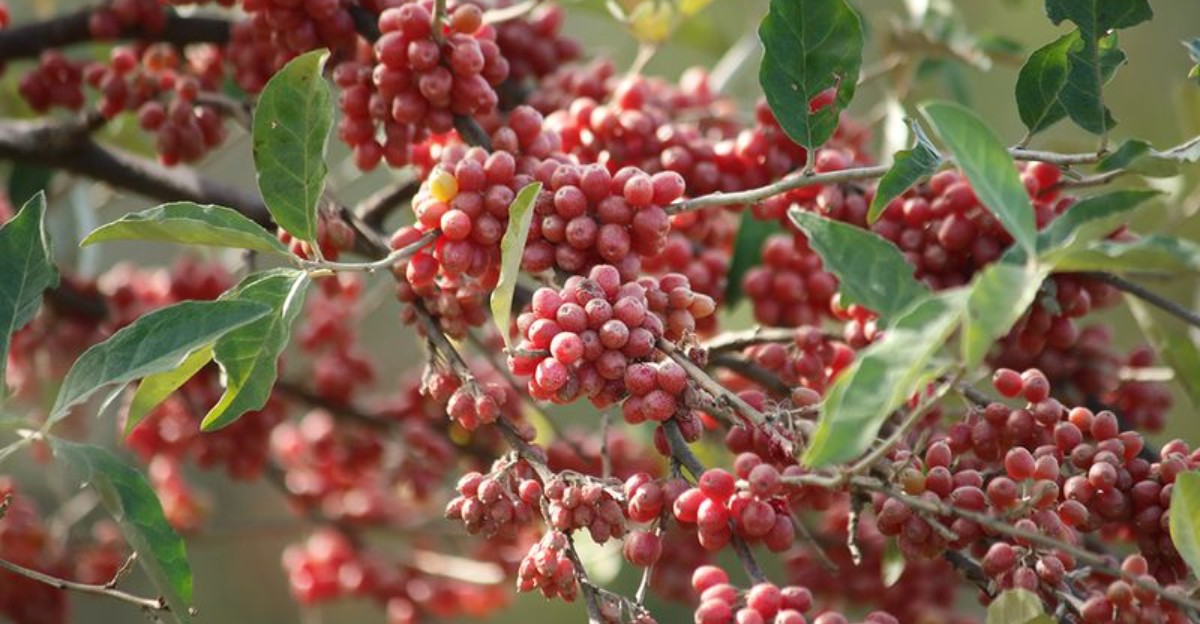
Birds love a free meal, and autumn olive offers plenty of them. The bright red berries hang in clusters during late summer and fall, making them an easy snack for robins, mockingbirds, and many other feathered visitors.
Here is where the real trouble begins. After a bird eats the fruit, it flies off to nearby fields, fence lines, and forest edges. Along the way, the seeds pass through the bird and land in brand new spots, often far from the parent plant.
Each little deposit comes with its own natural fertilizer, giving the seeds a head start. That means a single shrub in your backyard can lead to dozens of new plants popping up across the countryside.
Because birds travel so far, autumn olive spreads much faster than plants that rely only on wind or water. This is one of the main reasons it has moved into so many wild areas throughout North Carolina.
You might notice young shrubs sprouting under power lines, along trails, or at the edge of open pastures. These are usually the result of birds dropping seeds while they rest.
Knowing how the seeds travel helps explain why removing the plant early matters so much. Once berries form and birds start feeding, the spread becomes very hard to stop.
Keeping autumn olive out of your yard protects not just your property but the woods and fields miles away that birds visit every single day.
One Shrub Makes Lots Of Fruit
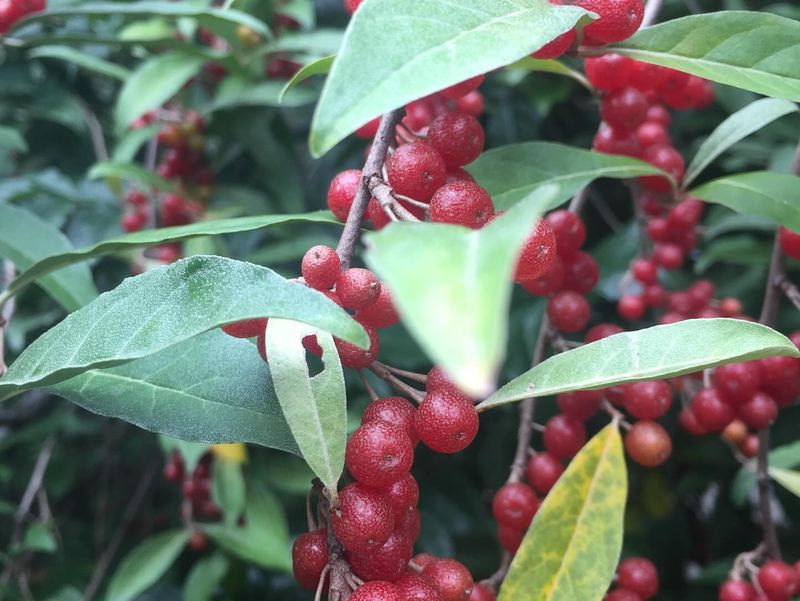
The numbers behind autumn olive are honestly surprising. A single mature shrub can produce a huge amount of fruit each year, sometimes weighing several pounds when fully loaded.
Inside all that fruit are thousands of tiny seeds. Some large shrubs create up to eighty pounds of berries in one season, and that adds up to an enormous number of chances for new plants to grow.
Think about it this way. Even if only a small fraction of those seeds sprout, you could still end up with hundreds of new shrubs from just one parent plant.
The berries also stay on the branches for a long time, giving birds and other animals plenty of opportunities to carry them away. This steady supply keeps the shrub spreading month after month.
What makes it worse is how quickly autumn olive reaches maturity. Young plants can start making fruit in just three to five years, so the cycle repeats again and again.
Because of this heavy fruit production, one overlooked shrub can quietly turn into a whole thicket over time. That is why catching it early saves so much effort later.
If you spot a shrub covered in speckled red berries, treat it as a warning sign. Removing it before those seeds scatter helps break the cycle and keeps the population in check.
Small actions really do add up. Handling one fruiting shrub today can prevent a much bigger problem for your local woods tomorrow.
It Thrives In Tough Soil
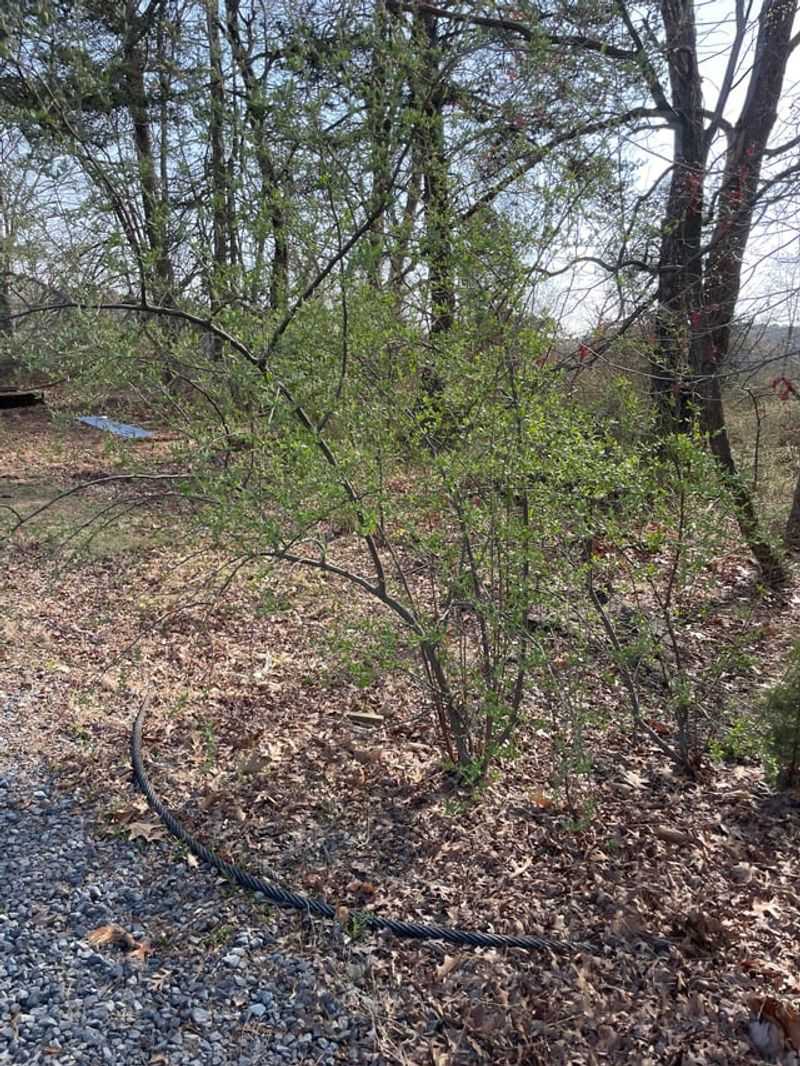
Most plants struggle in dry, rocky, or worn-out ground, but autumn olive treats those conditions like an easy playground. This toughness is part of why it spreads so successfully across North Carolina.
The shrub handles drought without much trouble, staying green and healthy even when rain is scarce. It also grows well in poor soil where other plants would give up quickly.
One of its secret weapons lives right in the roots. Autumn olive teams up with helpful bacteria that pull nitrogen from the air and turn it into food the plant can use.
This process, called nitrogen fixing, lets the shrub fertilize itself. Because of it, autumn olive can settle into bare, disturbed areas where nutrients are almost gone.
You will often find it thriving along roadsides, old mining sites, and eroded slopes. These are places where many native plants cannot get a foothold, but autumn olive moves right in.
While this ability sounds impressive, it actually creates problems. By adding extra nitrogen to the soil, the shrub can change the ground in ways that favor other invasive weeds over native species.
The plant even helps hold soil in place, which is exactly why people once planted it for erosion control. Unfortunately, that same strength makes it very difficult to remove later.
Understanding how autumn olive survives in harsh spots explains why it shows up almost everywhere. Knowing its tricks gives gardeners a better shot at stopping it before it settles in for good.
It Can Take Over Forest Edges
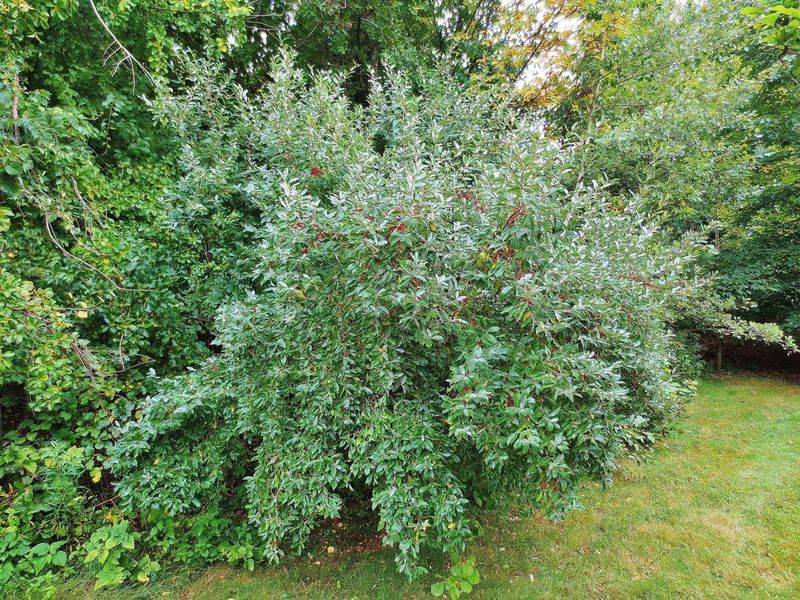
Forest edges are usually busy places full of wildflowers, young trees, and low shrubs. When autumn olive moves in, that lively mix can quickly change into something far less healthy.
The shrub grows tall and wide, forming dense thickets that block sunlight from reaching the ground. Plants that need that light to grow suddenly find themselves in deep shade.
Without enough sunlight, native wildflowers and tree seedlings begin to fade away. Over time, the forest floor loses much of its natural variety.
This loss matters more than it might seem. Native plants provide food and shelter for insects, birds, and other animals, and when they disappear, wildlife struggles too.
A forest with less variety is also weaker overall. Diverse plant communities recover better from storms, pests, and disease, while a thicket of one invasive shrub cannot offer the same protection.
You can often spot autumn olive taking over where woods meet open land. These transition zones are especially important for wildlife, which makes the invasion even more harmful.
Once a thicket forms, it shades out competitors and keeps spreading outward year after year. What starts as a few shrubs can slowly swallow an entire edge of forest.
Protecting these boundary areas keeps ecosystems strong and full of life. Removing autumn olive before it forms thick stands gives native plants room to grow and helps the whole forest stay balanced and beautiful for years to come.
Pull Small Plants Early
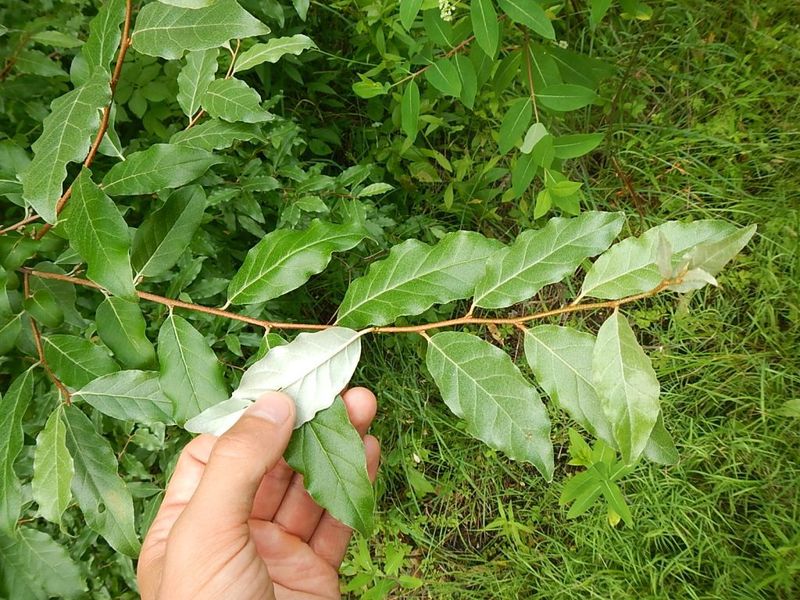
Catching autumn olive while it is still small is one of the smartest moves a gardener can make. Young plants have shallow, tender roots that come out fairly easily.
When the soil is moist, such as after a good rain, pulling seedlings by hand works well. The dampness loosens the ground and helps the whole root slide free.
The key is getting every bit of the root system. Autumn olive can regrow from pieces left behind, so a broken root can quickly turn into a new plant.
For slightly larger seedlings, a shovel or garden fork gives you extra leverage. Dig around the base first, then lift the plant out carefully to keep the roots intact.
Take a moment to check the hole afterward. If you spot any leftover root chunks, pull them out too so nothing gets a second chance to sprout.
Timing also helps a lot. Removing young shrubs before they produce berries stops seeds from spreading to new areas, which saves you from future headaches.
Wearing gloves keeps your hands comfortable and makes gripping the stems easier. A sturdy pair of boots helps when you push a shovel into tough ground.
Walking your property once or twice a year to look for fresh seedlings pays off in a big way. Small plants pulled today mean fewer thickets later.
Early action really is the easiest and most rewarding way to keep autumn olive from settling into your yard and the woods nearby.
Cutting Alone Is Not Enough
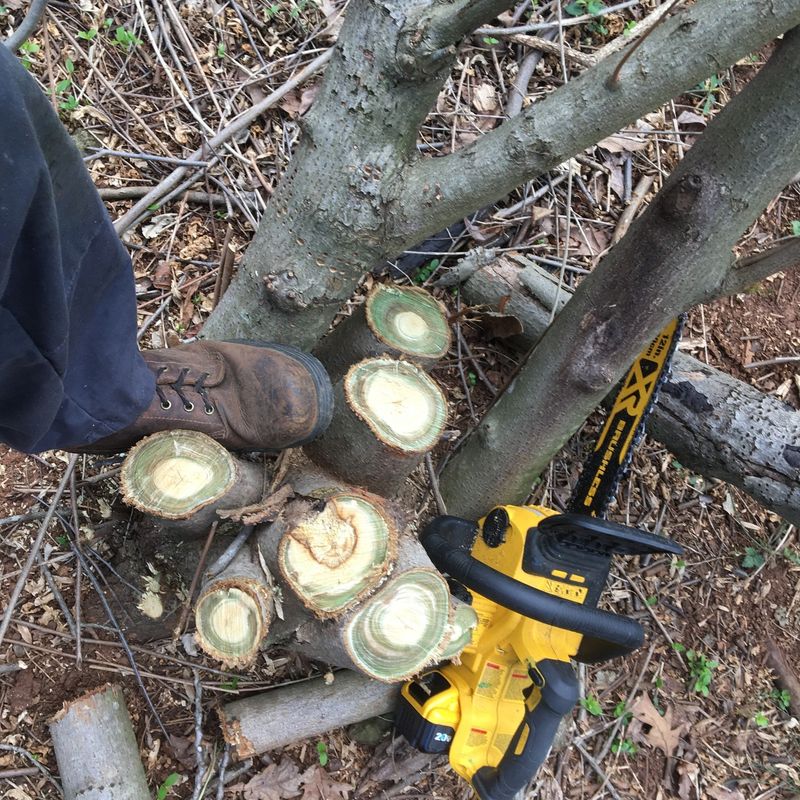
Grabbing a saw and cutting an autumn olive shrub might feel like a quick fix, but the plant has other plans. Larger shrubs bounce back with surprising energy.
After you cut the main stem, the roots often send up a burst of new shoots. Within weeks, several fresh sprouts can appear right around the old stump.
This resprouting can actually make the problem worse. Instead of one shrub, you may end up with a cluster of new stems all competing to grow tall.
Because of this, cutting by itself usually does not solve the issue for established plants. Bigger autumn olive needs a more complete approach to stay under control.
Many land managers use an approved control product applied to the fresh cut surface. Following the label directions closely is essential for safety and good results.
Reading and following those instructions protects you, your family, pets, and nearby plants. The label explains exactly how and when to apply the product correctly.
If you feel unsure, reaching out to your local North Carolina Cooperative Extension office is a great idea. They offer trusted advice tailored to your area.
Follow-up is another important step. Checking the site months later lets you catch any new sprouts before they grow large again.
Patience and persistence really pay off with stubborn shrubs like this one. By combining smart cutting with proper treatment and regular monitoring, you can finally keep autumn olive from returning and protect the woods around you.