What Feral Hogs Rooting Through A Florida Yard Are Actually After
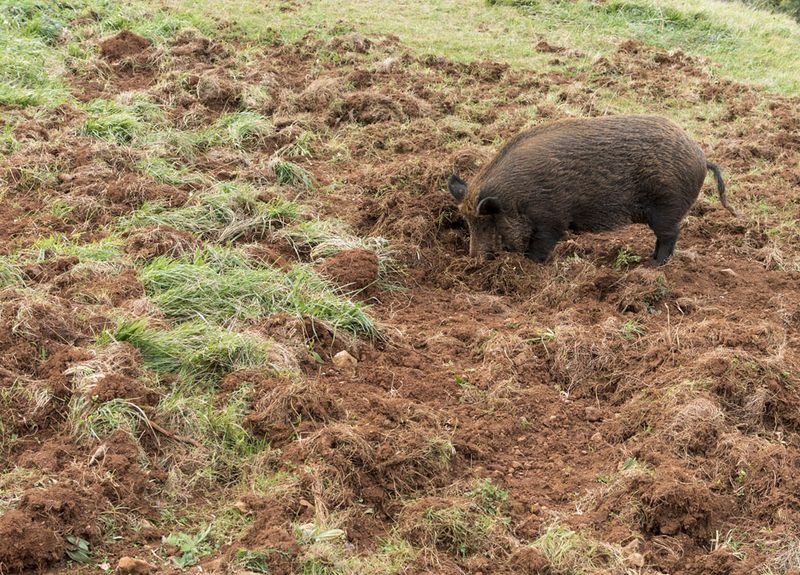
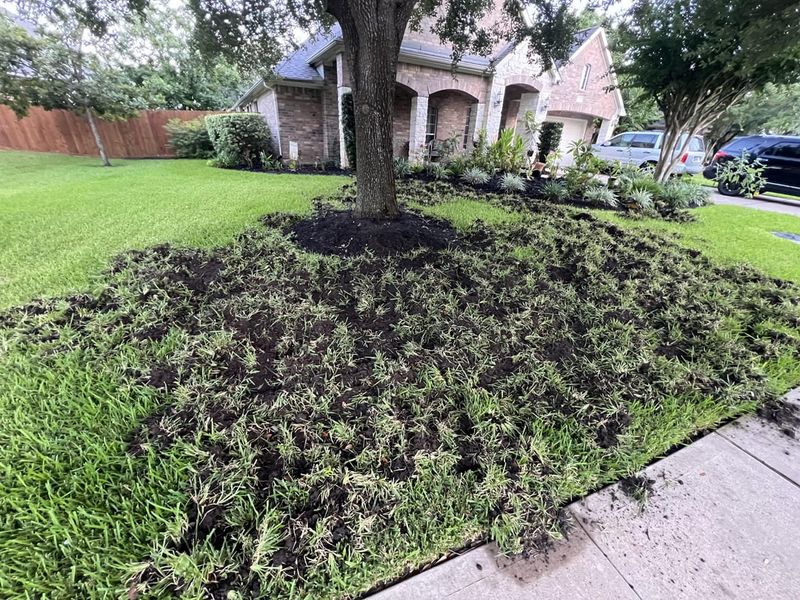
Six hundred pounds of turf, gone, overnight, and not a single hog in sight when the sun came up. Just trenches cut through the yard like something took a rototiller to it out of pure spite.
It wasn’t spite. Hogs don’t destroy a Florida yard for fun, they destroy it because something underneath was worth more to them than the risk of getting caught doing it.
Grubs. Earthworms.
Bulbs sitting a few inches down that a hog can smell from yards away with a nose built for exactly this job. The lawn isn’t the target.
It’s just what’s sitting on top of the target, and it loses every time.
Chase the hogs off and they’ll be back within days if whatever drew them stays right where it was. The fix isn’t a fence.
It’s figuring out what’s actually underground worth digging for.
1. The Real Prize Is Hiding Under The Sod
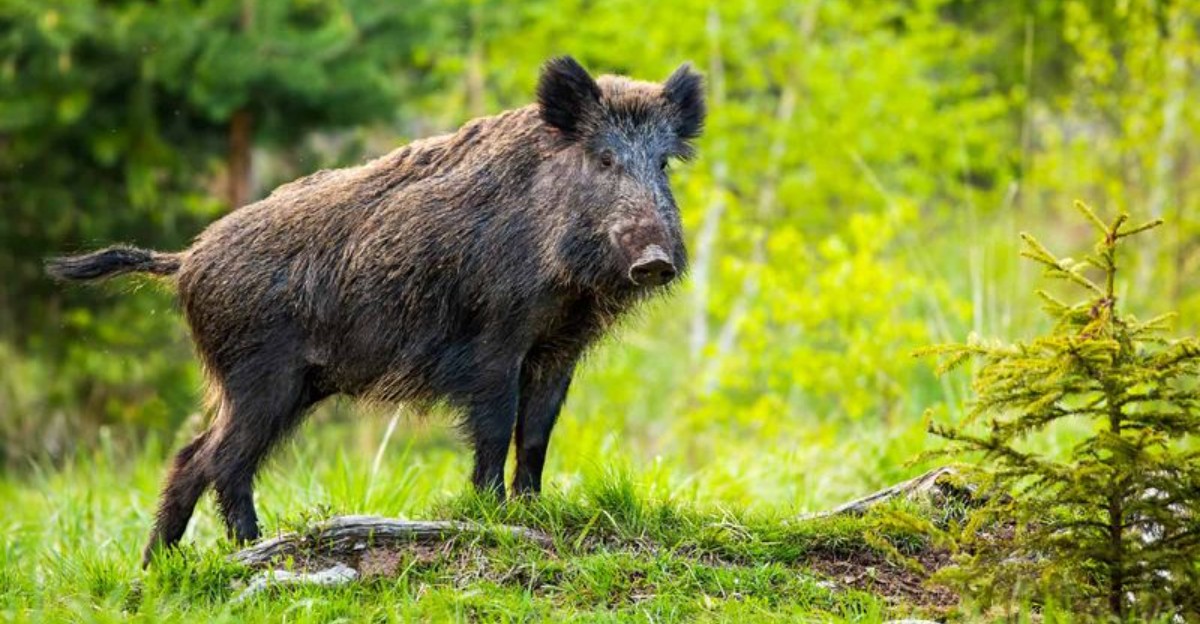
Picture a shovel with a nose attached, and you have a pretty good idea of how a feral hog works. That broad, muscular snout can lever up sod like a crowbar under a floorboard.
The grass itself is rarely the goal. Hogs are after what sits in the top few inches of soil, where moisture, warmth, and food all overlap.
Their sense of smell is sharp enough to pick up meals buried well out of sight, so they follow the scent and start flipping.
That is why damaged yards often look plowed rather than nibbled. Rows of overturned turf mean the animals were working a scent line, not grazing the lawn.
Homeowners in Florida see it most often along yard edges, near sprinkler heads, and beside flower beds where soil stays loose and damp. Loose ground is simply easier to lift.
Understanding that the prize is underground changes how you respond. Replacing sod without addressing what lives beneath it usually invites a repeat visit within days.
A quick check helps: peel back a flipped piece of turf and look at the soil. If you spot insects, thick roots, or soft organic material, you have found the menu item that brought company to your yard in the first place.
2. Grubs And Earthworms Can Turn A Lawn Into A Buffet
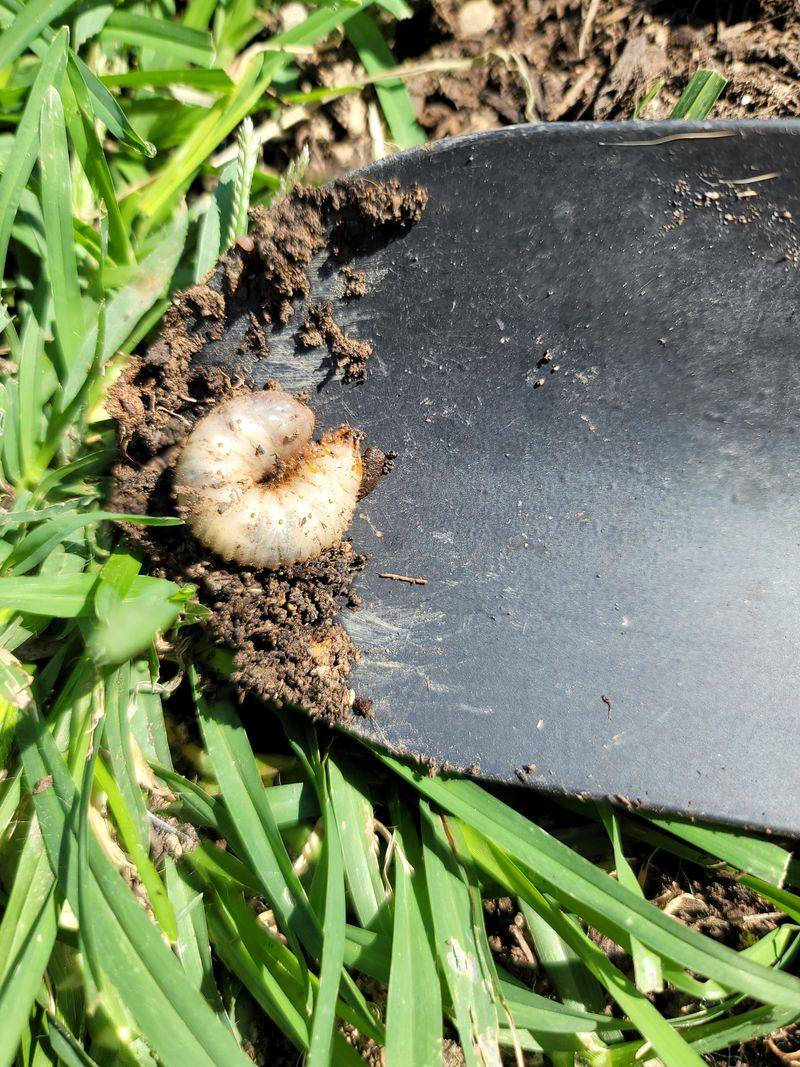
Protein is the headline act, and it wriggles. Grubs, earthworms, beetle larvae, and assorted soil insects make up a big share of what feral hogs pull from a lawn.
Spring and early summer tend to be the busiest stretch. Warm, damp soil pushes larvae closer to the surface, which means less digging for the same reward.
Hogs also happily take crickets, snails, slugs, crayfish, and other small critters they stumble across. They are omnivores with flexible appetites, and a healthy lawn can hold thousands of soil insects per square yard.
Here is the practical angle for Florida homeowners. A lawn already struggling with a grub problem is basically advertising dinner, and you may notice yellowing patches or spongy turf before the hogs ever show up.
Your Florida Garden Changes Every Week. Your Plan Should Too.
Gardening in Florida changes quickly throughout the season. Every Friday you’ll receive a simple weekly plan showing exactly what to plant, prune, fertilize, harvest, and protect so you never miss the right timing.
Treating a confirmed grub issue through your lawn care routine can quietly lower your yard’s appeal. Talk with a local extension office or lawn professional rather than guessing, since timing matters more than product choice.
Watch irrigated areas too. Over-watering keeps the soil soft and the insects shallow, which is a combination hogs seem to appreciate.
Cutting back on excess water and thick thatch buildup makes the buffet harder to reach, and harder usually means the animals move along to easier ground.
3. Roots Tubers And Fungi Reward All That Digging
Not everything on the menu moves. A surprising share of a wild hog’s diet comes from plant parts that grow below the surface, including roots, tubers, bulbs, and starchy rhizomes.
Think of it as vegetable mining. Those underground parts store energy for the plant, which makes them dense, filling, and worth the effort of digging.
Mushrooms and other fungi get eaten as well, often the ones fruiting in shady, humid corners after a rainy stretch. Florida yards produce plenty of those in summer.
Flower beds full of caladiums, elephant ear, canna, and other bulb plants can be especially tempting. Ornamental bulbs are basically prepackaged snacks sitting in loose, mulched soil.
If you keep losing bulbs, consider sturdy raised beds, buried hardware cloth beneath planting areas, or swapping in shallow-rooted plants that offer less payoff. Gardeners often find that changing the planting mix works better than fighting for the same bed year after year.
Weedy patches matter too. Nut sedge, wild potato vine, and similar plants carry starchy underground parts that draw rooting activity along fence lines and ditches.
Clearing those thick spots removes a food cache you may not have realized you were growing, and it makes the perimeter of your property far less interesting after dark.
4. Fallen Acorns Can Keep Hogs Coming Back
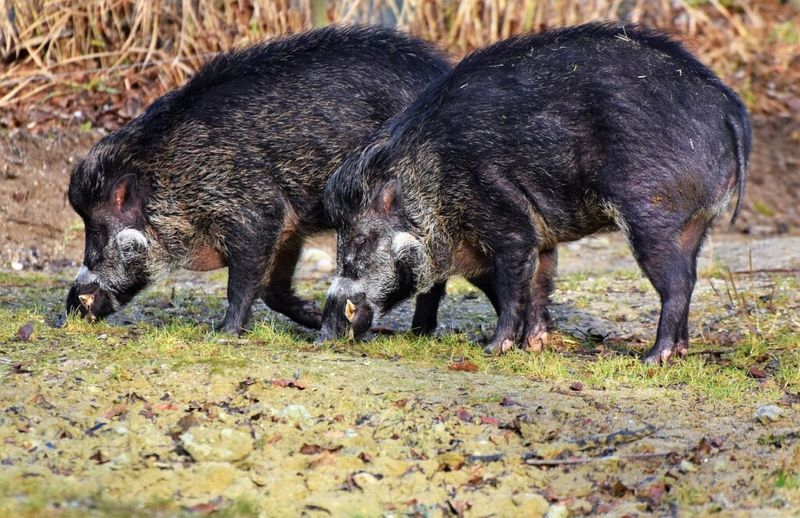
Ask anyone who studies wild hogs about their favorite food and acorns come up fast. When oaks drop heavily, hogs will travel and return night after night to the same trees.
Florida has plenty of live oaks, laurel oaks, and water oaks shading residential yards. That means many homeowners are hosting a seasonal acorn stand without realizing it.
Acorns are loaded with fat and carbohydrates, which helps hogs put on weight before cooler months. A good mast year can pull animals in from a wide area.
The tricky part is memory. Hogs learn productive spots and check back, so a yard that fed them last October is likely on the route this October.
Practical response? Rake and remove acorns regularly during heavy drop, and bag them rather than piling them at the yard’s edge.
A leaf vacuum or lawn sweeper makes the job less miserable.
Timing your cleanup with the first big drop tends to work better than waiting until the ground is carpeted.
Neighbors matter here as well. If oaks line the whole street, a coordinated cleanup effort does far more than one tidy yard surrounded by free food.
Hogs have an excellent sense of smell, so they can locate acorns and other food hidden beneath leaf litter and loose soil.
5. Fruit Trees And Garden Beds Offer An Easier Meal
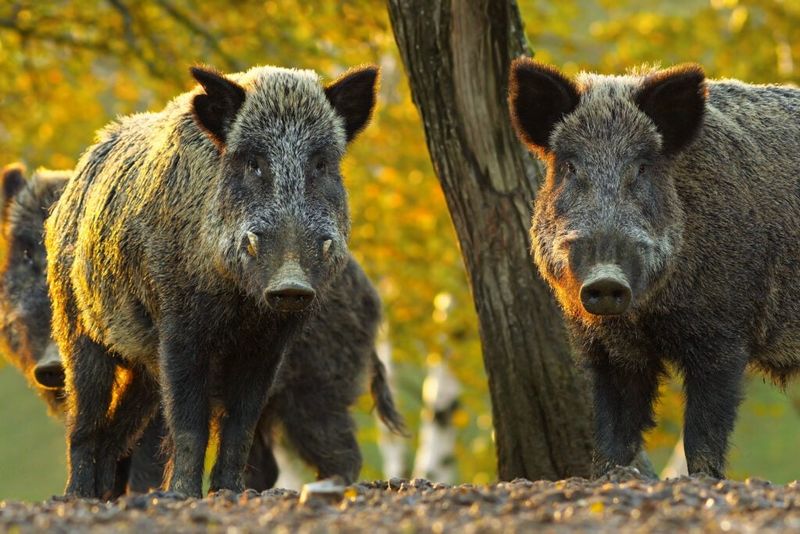
Why dig when dinner is already lying on the ground? Fallen citrus, mangoes, guavas, and loquats are about as easy as food gets for a hungry hog.
Wildlife observers in Florida have even watched hogs rise onto their hind legs to pull oranges straight off low branches. Determined does not quite cover it.
Vegetable gardens rank high too. Corn, melons, sweet potatoes, squash, peanuts, and leafy greens all get raided, and a small group can flatten a bed in one visit.
The lesson is simple: accessible calories beat buried calories. Anything sweet, starchy, and unguarded moves your property up the priority list.
Daily fruit pickup helps enormously, especially during peak drop season. Compost piles deserve attention as well, since open heaps of kitchen scraps smell like an invitation from a long distance away.
Use a closed bin and skip tossing melon rinds or corn husks into the yard.
For gardens worth protecting, hog-resistant fencing is the reliable answer. Sturdy woven wire staked low to the ground, or a couple of electric strands set near snout height, tends to discourage the habit before it forms.
Once a garden becomes a known food stop, breaking the routine takes a lot more effort than preventing it did.
6. Soft Wet Ground Makes Buried Food Easier To Reach
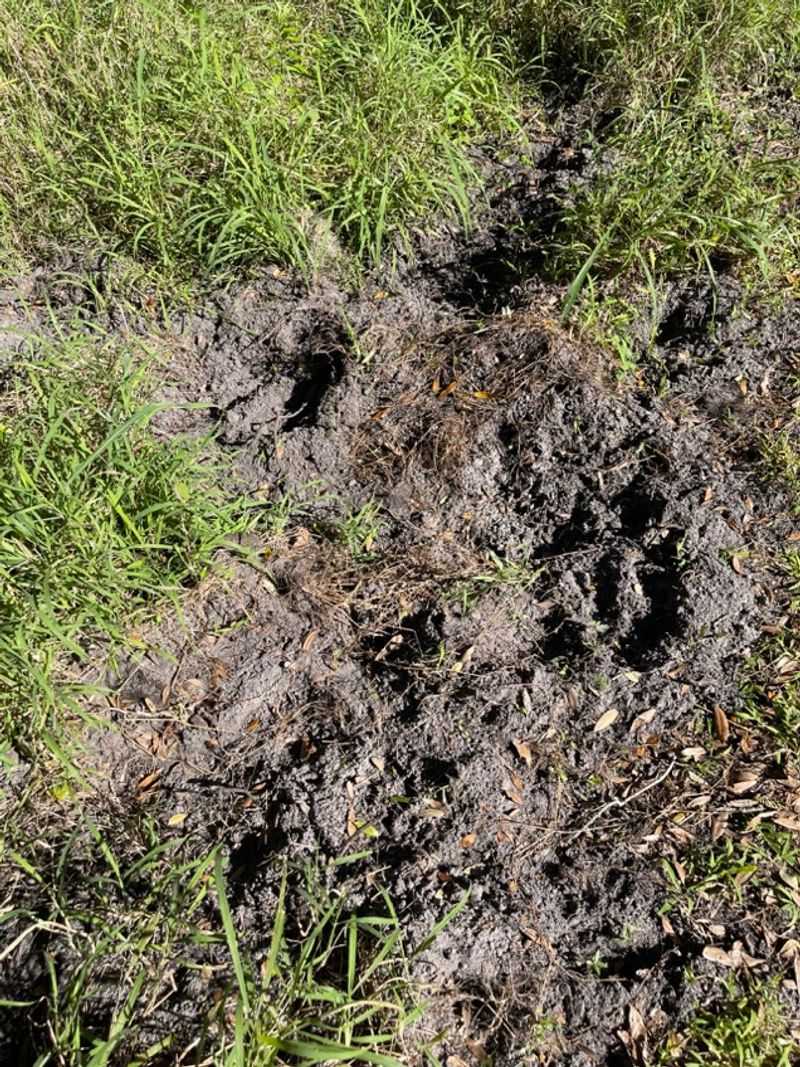
Rain changes everything. After a solid Florida downpour, soggy soil peels up like wet carpet, and hogs take full advantage of the softened ground.
Dry, compacted dirt fights back. Wet dirt surrenders, so a group of hogs can disturb a large stretch of turf in a single evening when conditions are right.
Moisture also brings worms and grubs closer to the surface, which stacks two advantages into one visit. Add Florida’s summer humidity and you get near perfect digging weather.
Hogs tend to favor wetter land anyway, partly for comfort. Hogs may use wet areas for wallowing and other thermoregulatory behavior, particularly during hot weather.
That is why damage often clusters near sprinkler zones, ditch banks, retention ponds, and low spots that hold water for days.
What can you actually do? Fix drainage problems, adjust irrigation schedules so soil dries between cycles, and repair leaky spigots or broken sprinkler heads.
Grading a soggy low area or adding a simple swale can make the whole yard less workable.
Expect activity to spike during the rainy season and taper in drier stretches. Knowing that pattern lets you time your prevention work instead of scrambling after the fact, and dry, firm turf is genuinely harder for a snout to lift.
7. Not Every Muddy Patch Means The Hogs Were Feeding
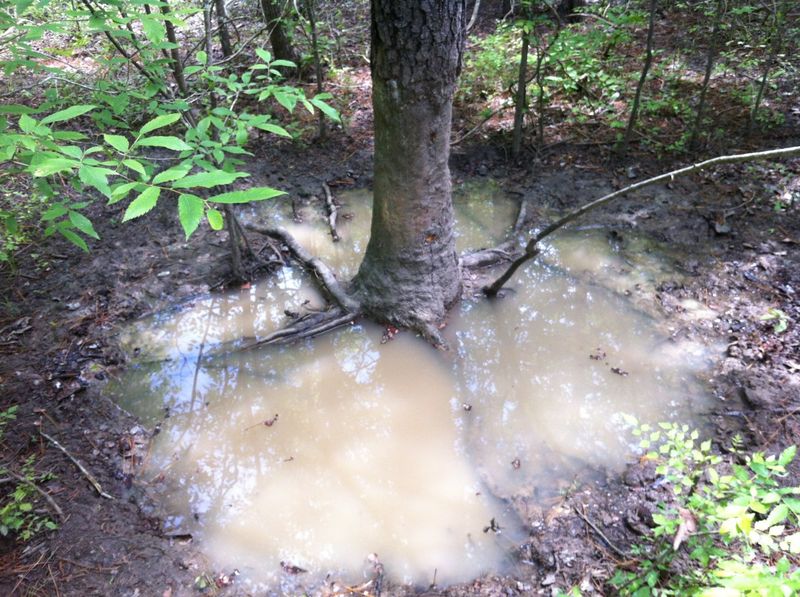
Detective work time. Some torn-up spots have nothing to do with eating, and reading the signs correctly saves you from chasing the wrong problem.
Feral hogs have limited ability to cool themselves through sweating, so wallowing in mud or water can help them regulate body temperature during hot weather. Those wallows show up as smooth, shallow, bowl-shaped depressions rather than scattered chunks of flipped sod.
Mud can help protect the skin from heat, insects, and other irritation, which is one reason wallowing is such common hog behavior.
After a good soak, hogs often rub against tree trunks, fence posts, or utility poles to scrape off mud and loose hair. Look for waist-high smears, coarse bristles stuck in bark, and worn patches on one side of a trunk.
Telling the difference matters. A wallow near your irrigation leak signals a comfort spot, while plowed rows across the lawn point to a food source underneath.
Comfort spots respond to different fixes, mainly eliminating standing water, patching leaks, and reducing shady mud pockets where animals can lie down.
Keep an eye out for tracks as well. Hog prints look rounder and blunter than deer prints, with tips that spread wider when the ground is soft.
Reading these clues tells you whether hogs were snacking, lounging, or simply passing through your property.
8. Easy Food Around The Yard Can Give Hogs Another Reason To Stay
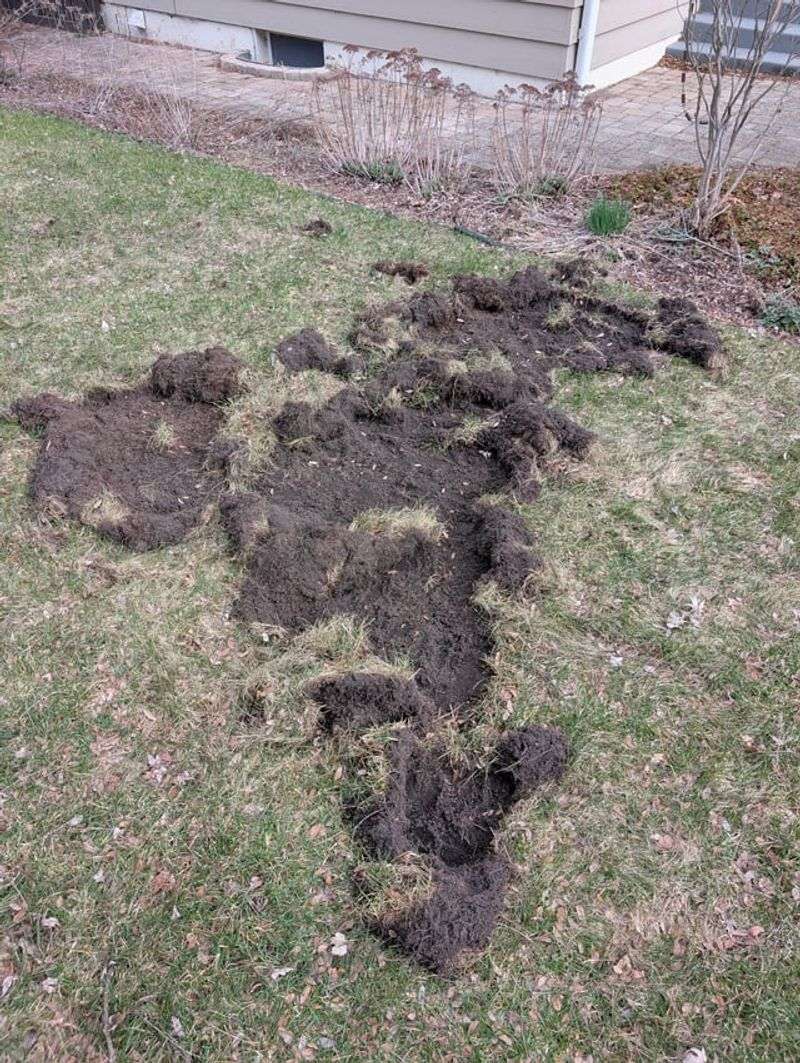
Sometimes the real attraction never touches the soil. Unsecured garbage cans, bird seed, pet bowls left on the porch, and bags of livestock feed pull hogs onto a property as reliably as any grub patch.
Feed sacks in an open shed are a particular favorite. Corn and sweet feed smell strong, store a lot of calories, and require zero digging.
Once animals connect your address with a free meal, visits become routine. Habits form quickly, and young hogs learn the route from the adults in the group.
The cleanup list is short and genuinely effective. Use cans with latching lids or store them inside a garage, feed pets indoors or pick up bowls before dark, and keep bird seed in sealed metal containers.
Livestock feed belongs behind a solid door, not under a tarp.
Also worth a thought: intentional feeding of any wildlife tends to backfire. A corn pile set out for deer is an open invitation, and Florida wildlife officials generally discourage practices that concentrate animals near homes.
Grease trays on grills, fallen chicken scratch, and compost scraps deserve the same attention. Removing these small freebies rarely costs much money, yet it takes away one of the strongest reasons a group of hogs keeps circling back.
9. Remove The Attraction Before Repairing The Torn-Up Turf
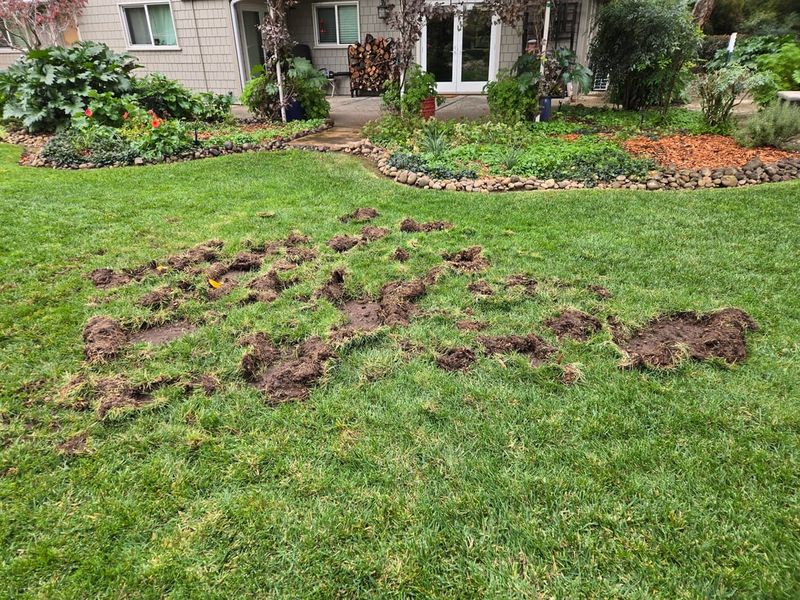
Order of operations makes all the difference. Laying fresh sod over a yard that still smells like dinner is a fast way to repeat the whole experience.
Start by removing the draw. Secure garbage and feed, gather fallen fruit and acorns, address any grub problem, and dry out soggy low spots.
Next comes the barrier. A sturdy perimeter fence designed to resist rooting can be an effective long-term barrier.
Where permitted and properly installed, an electric strand can provide an additional deterrent.
Hogs test fences with their snouts, which means the bottom edge matters more than the height.
Only then should you fix the turf. Stomp flipped sod back into place while the soil is still moist, fill deep gouges with topsoil, then patch bare areas with plugs or fresh sod and water them in.
Rolling the area lightly helps roots reconnect.
For persistent damage, homeowners can contact a qualified wildlife-control professional or check current Florida regulations governing feral hog removal on private property. Rules and available removal methods can vary by location and circumstance.
Keep notes on where and when damage appears. That record helps a professional target the right spots and helps you confirm your prevention work is actually holding up.