Why Kentucky Black Vultures Are Peeling Rubber Off Parked Cars
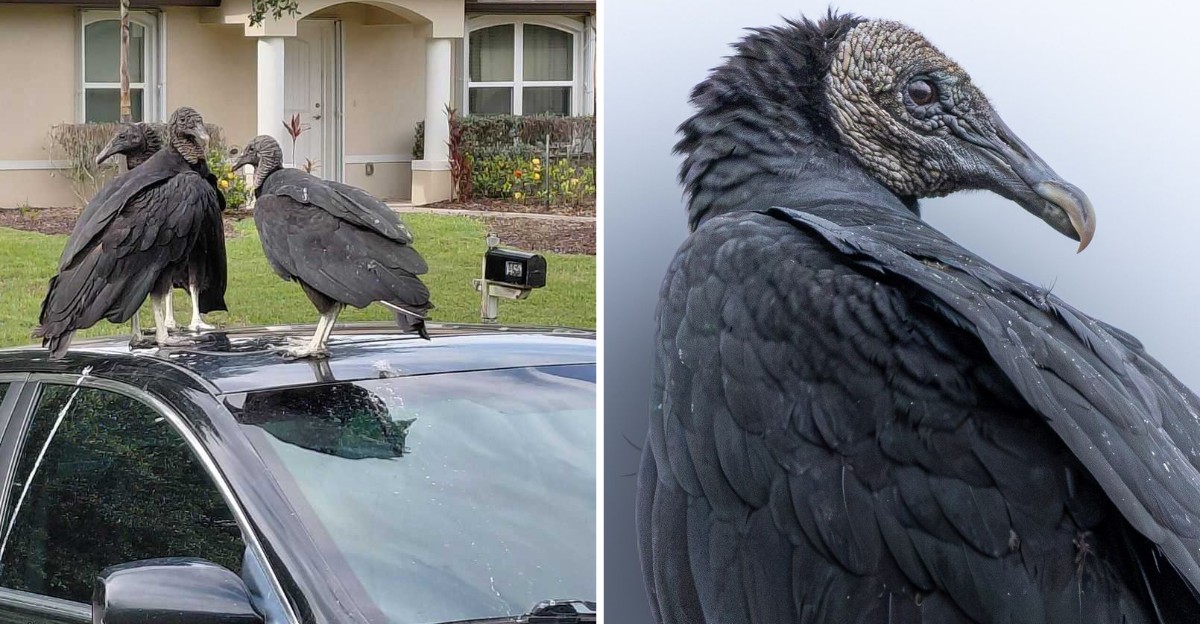
You step outside on a cool Kentucky morning, coffee in hand, ready for the usual drive. Something about the car looks wrong, and then you notice both wiper blades are simply gone.
Up on the neighbor’s roofline sits a row of dark birds, hunched and quiet as courthouse statues. They watch you with the calm patience of landlords who arrived to collect overdue rent.
All across the state, drivers keep finding chewed door seals, shredded gaskets, and missing strips of bumper trim. Body shops in small towns now recognize the damage pattern before the owner finishes the story.
The birds responsible carry federal protection, which makes the whole situation feel strangely formal and polite. Your truck quietly surrenders a wiper blade, and the guilty party walks away with legal immunity.
The Real Reason Behind The Shredded Wiper Blades
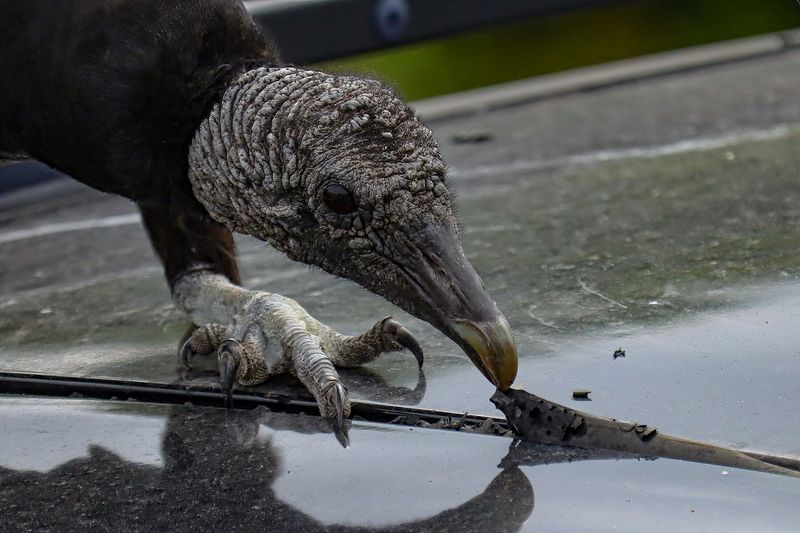
Rubber has no food value, yet these birds keep tugging at it with real enthusiasm. Wildlife biologists believe the soft, flexible texture feels a lot like hide or fat.
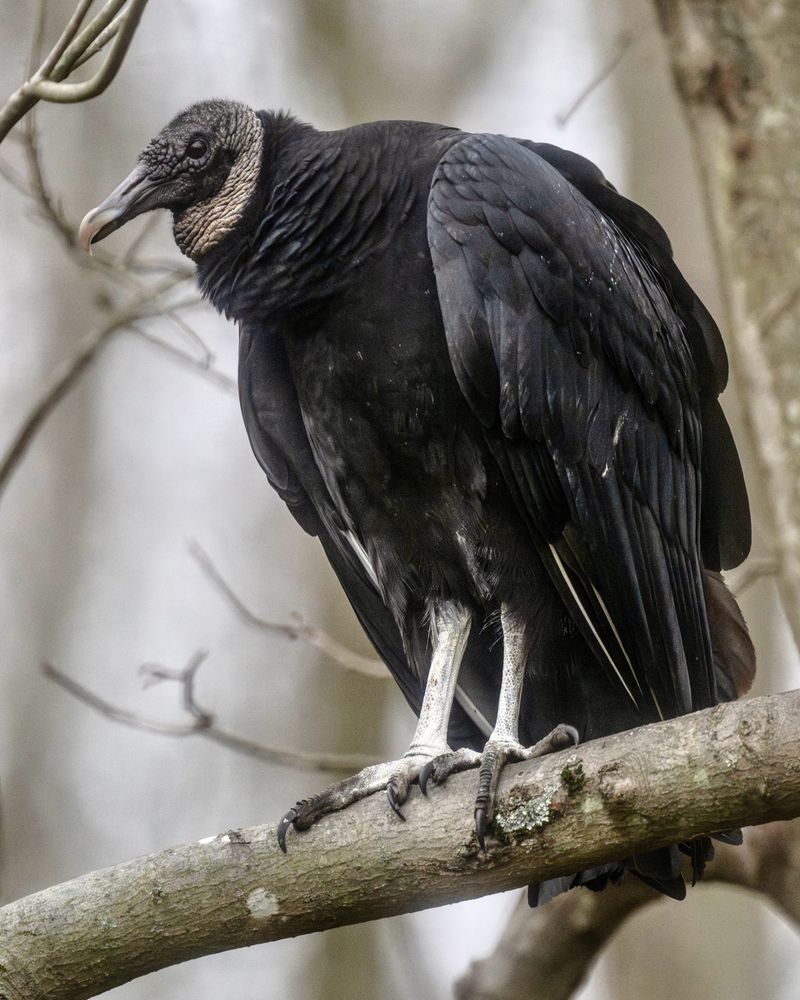
Black vultures find meals by sight and by touch, testing anything that gives way. A windshield wiper bends, stretches, and then tears, which rewards the bird with instant feedback.
Curiosity drives much of the behavior, since these scavengers explore new objects the way toddlers do. One bird starts pulling, neighbors copy the trick, and the habit spreads across the flock.
Warm rubber also holds smells of oil, road grime, and dust that seem worth investigating. Sun-baked trim gets softer, grippier, and far easier to peel away in long strips.
Boredom matters more than hunger here, especially when forty birds loaf on one metal roof. With hours to fill between meals, a parked truck becomes the most interesting toy around.
Shiny surfaces also draw extra attention, since vultures test anything glossy out of curiosity. Some owners find scratched hoods and mirrors after a bird spent time investigating the surface.
Kentucky sits along a growing northern range, so flocks keep finding fresh neighborhoods. Familiar roosts near lakes, bridges, and barns put vehicles right within easy reach.
Damage builds slowly over several visits rather than in one dramatic afternoon. A gasket may disappear inch by inch while the owner is away at work.
Knowing the motive changes everything, because chasing off one bird does little for the group. Once you understand the attraction, the rest of your defenses start making sense.
Seasonal Timing Of The Damage In Kentucky
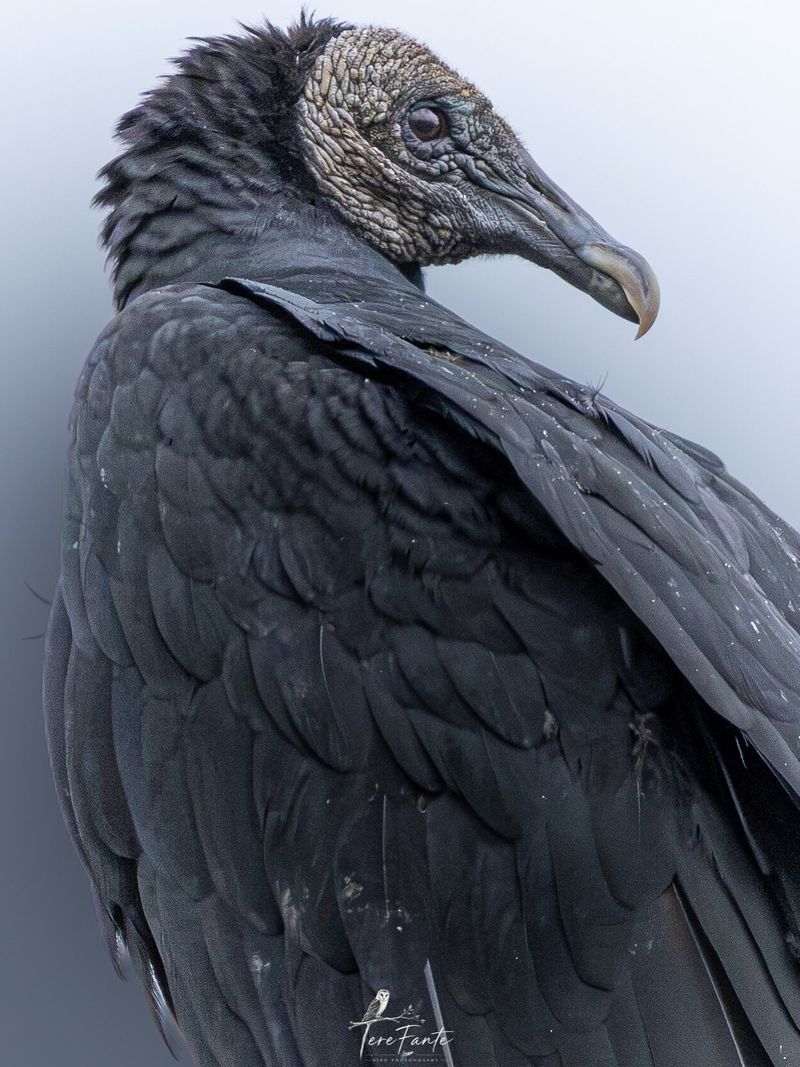
Late winter through early spring brings the heaviest complaints from Kentucky drivers. Birds gather in huge communal roosts then, and bigger crowds mean much more mischief.
February and March are courtship months, when black vultures grow bold, restless, and pushy. Young birds from last season still hang around, testing objects with fresh energy.
Cold mornings send flocks to warm surfaces such as metal roofs, chimneys, and dark car hoods. A vehicle that sat in afternoon sun radiates heat, which pulls birds closer.
Damage often shows up between dawn and mid-morning, while most people are still indoors. By the time you grab your keys, the wipers may already be ruined.
Your Kentucky Garden Changes Every Week. Your Plan Should Too.
Gardening in Kentucky changes quickly throughout the season. Every Friday you’ll receive a simple weekly plan showing exactly what to plant, prune, fertilize, harvest, and protect so you never miss the right timing.
Summer brings a lull, since food is plentiful and flocks scatter across the countryside. Attention returns in autumn as migrants from the north swell local roost numbers.
Farms see spikes during calving season, when birds linger near barns and feed lots. Tractors, feed trucks, and ATVs parked nearby often take the worst of it.
Weather also plays a part, because rain and fog keep flocks grounded and idle. Idle birds explore, and your bumper trim happens to sit within easy reach.
Roost sites shift year to year, so a quiet street can suddenly become a hotspot. Neighbors usually notice birds circling for weeks before anything gets chewed.
Tracking the calendar helps you plan, since protection matters most during a few predictable weeks. Park differently in February, and you may skip the whole repair bill.
Common Mistakes That Make A Vehicle A Target
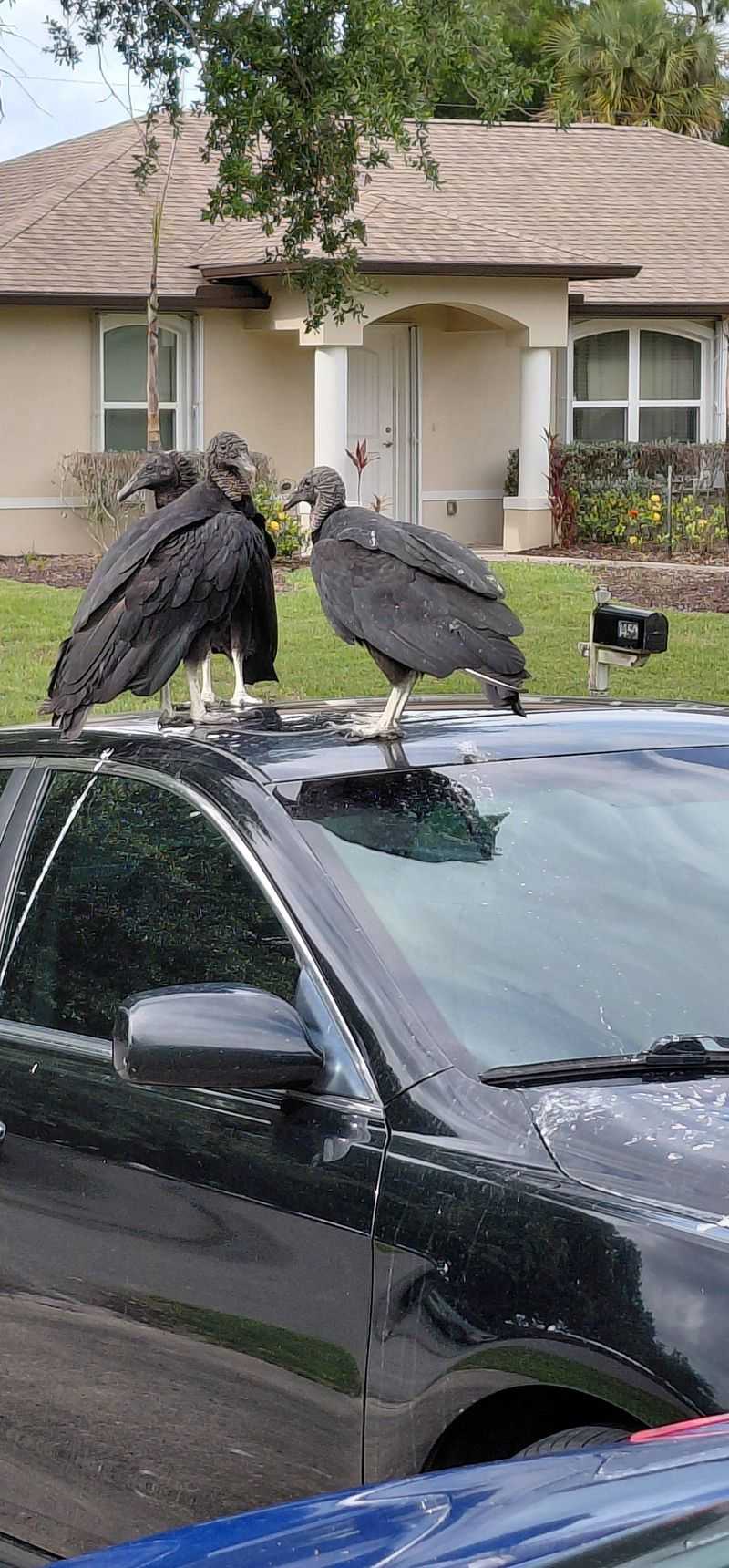
Plenty of drivers accidentally roll out the welcome mat without realizing it. Parking under a favorite roost tree remains the classic opening move.
Leaving a vehicle in the same spot for days gives birds time to experiment. Vultures return to objects they remember, and repetition turns curiosity into routine.
Food scraps, spilled milkshakes, or pet bowls nearby draw extra attention to the area. Anything that smells interesting invites a closer look at whatever sits beside it.
Shooing birds with shouts and arm waving works for roughly ninety seconds. They circle, land again, and quickly learn that people leave in a hurry.
Some owners cover the windshield only, forgetting that door seals and sunroof gaskets tempt birds too. Partial protection simply moves the chewing to the next soft edge.
Boat covers and loose tarps can backfire when they flap and rustle in wind. Loose fabric becomes another fun thing to grab, tug, and shred.
Harassing the flock during nesting season crosses a legal line under federal rules. Black vultures are protected, so aggressive responses can bring real penalties.
Waiting for the problem to fade on its own usually costs the most money. Flocks stay loyal to good roosts for years unless something changes.
Treating one car while ignoring the roost overhead leaves the source untouched. Fixing the perch matters far more than fixing yesterday’s scratched hood.
Neighbors who react separately rarely succeed against a flock that moves together. Coordinated effort across a street works better than one frustrated homeowner.
Practical Fixes For Protecting Trim And Seals
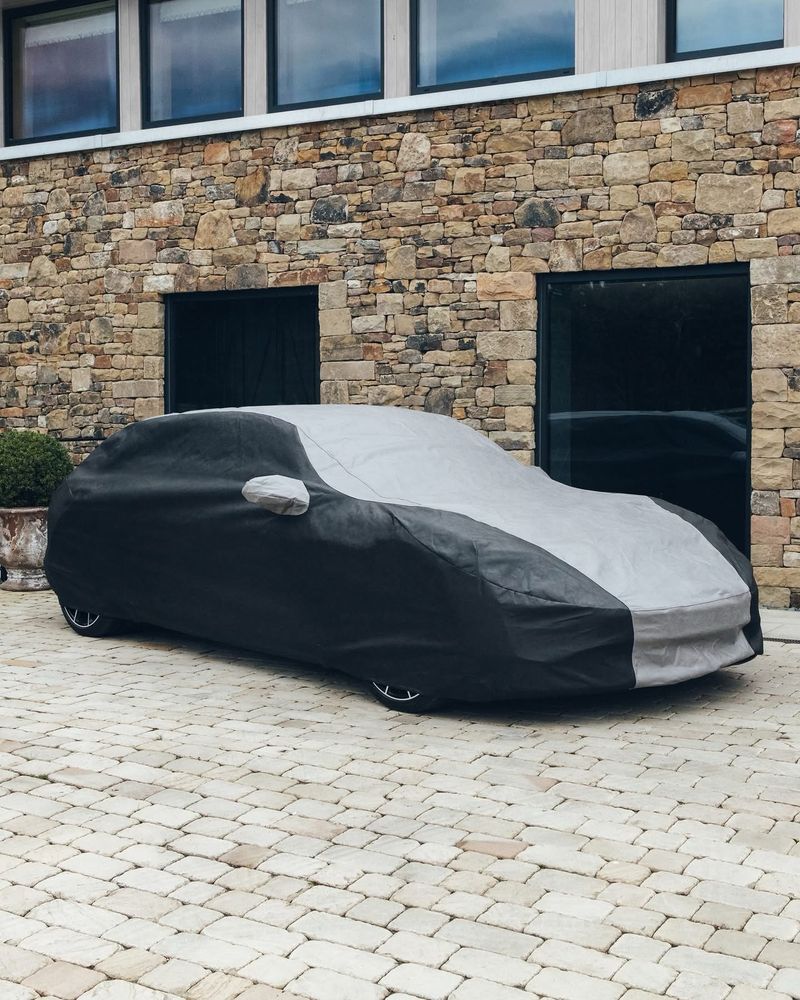
A cheap fitted car cover remains the most reliable defense that drivers report. Heavy fabric hides the soft rubber that makes vehicles interesting in the first place.
Fit matters, because a baggy cover flaps and invites the tugging it should prevent. Straps, grommets, and snug elastic hems keep everything quiet and boring.
Garages and carports solve the problem in most cases when one happens to be available. Even a simple metal roof over a gravel pad works wonders on a farm.
Shiny distractions help in open lots, since reflective tape and spinning pinwheels unsettle cautious birds. Move them around weekly, because vultures adjust to anything predictable.
Mylar balloons tied to mirrors look silly but have saved plenty of wiper blades. Sound matters less than movement, so pick items that dance in a breeze.
Motion-activated sprinklers guard driveways nicely and cost less than a single trim repair. Water startles birds without harming them, which keeps you on the right side of the law.
Wildlife officials often recommend hanging an effigy, a lifelike replica vulture suspended upside down. Flocks treat that signal seriously and usually relocate within a week or two.
Permits are required for certain actions, so contact USDA Wildlife Services before trying anything drastic. Staff there handle Kentucky calls regularly and can walk you through options.
Silicone protectant on wiper blades adds little help, despite popular advice posted online. Physical barriers beat sprays in almost every real driveway.
Start with the cheapest fix, then escalate if the flock ignores your first attempt. Many drivers never need to go past the first two steps, since the birds usually move along.
Repair Costs And Insurance Outcomes For Owners
A chewed wiper blade sounds trivial until the estimate reaches the mirror housing. Replacement rubber costs very little, while a sunroof gasket repair can run into the hundreds.
Door seals sit in the middle, often costing a moderate sum once installed. Leaks follow when seals fail, and water damage multiplies the original bill.
Insurance usually treats bird damage as comprehensive, not collision, which surprises many drivers. Your deductible still applies, so small repairs rarely justify filing a claim.
Insurance agents familiar with the issue tend to process these claims smoothly. Photograph the damage before repairs, since clear pictures speed approval considerably.
Rental cars and fleet vehicles create headaches, because contracts often assign blame to the driver. Reading the damage waiver early saves an awkward conversation at return.
Farm equipment adds another expense layer, since seat covers, hoses, and rubber seals on tractors attract the same interest. Repairs there climb fast, and downtime during planting hurts more than parts.
Recreational vehicles parked at Kentucky lakes are also at risk, especially where roof seals sit exposed to roosting birds. Sealant failure on an RV roof can quietly ruin an interior ceiling.
Body shops in vulture-prone areas see this damage often enough to recognize it quickly. Ask about timelines, because spring backlogs stretch repairs into several weeks.
Keeping receipts helps if your neighborhood eventually seeks assistance from wildlife agencies. Documented losses strengthen requests for permits and professional help.
The cheapest outcome remains prevention, which often costs less than one deductible. A cheap cover beats an expensive gasket repair by a wide margin.
Long Term Prevention Around Homes And Farms
Solving the roost solves the cars, and that takes patience more than gadgets. Flocks settle where perches, warmth, and quiet all come together nicely.
Thinning dense limbs on favorite trees removes comfortable seating for dozens of birds. Pruning during winter, before nesting begins, keeps everything legal and simple.
Bright lights and noise devices help when used in short, unpredictable bursts. Birds grow bored of steady patterns, so vary the timing and location often.
Effigies work well, though placement decides how effective they turn out to be. Hang one near the roost, visible from the air, and leave it several weeks.
Neighborhood cooperation multiplies results, because a flock pushed off one roof finds another nearby. Talk with folks on your street before spending money alone.
Livestock producers should handle animal remains promptly to reduce local attraction. Composting or burial under state guidance keeps flocks from settling permanently.
Federal law protects these birds, so permits come through USDA Wildlife Services offices. Kentucky landowners can request assistance and receive practical, tailored guidance.
Expect the whole process to take a season rather than a single weekend. Roost habits built over years rarely change after one noisy night.
Keep a cover handy during the transition, since birds test the area repeatedly. Consistency wears them down faster than any single dramatic effort.
Check the roost site each autumn, when traveling birds scout for winter housing. Early action beats a spring full of repair appointments.
Once the flock relocates, your driveway returns to boring, which is exactly the goal. Boring driveways keep wiper blades firmly attached.