The Utility Company Vegetation Rules California Homeowners Don’t Know About Until They Get A Notice
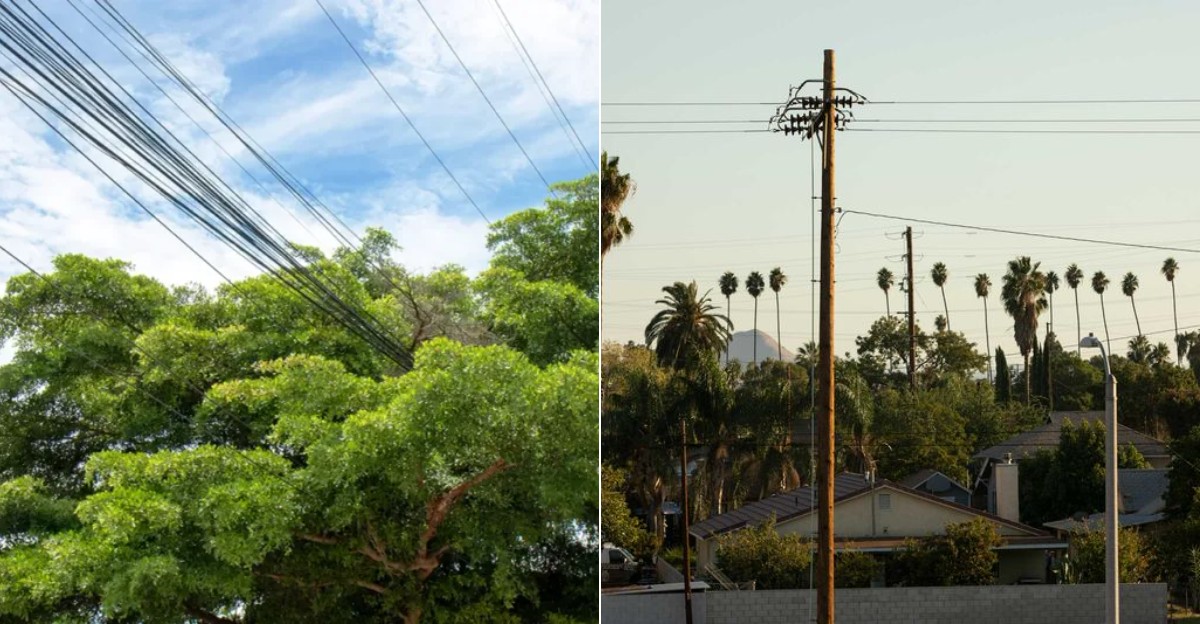
Your favorite tree or garden plants may look perfectly fine on your property, but they can become a concern when they grow too close to utility equipment.
Many California homeowners do not think about vegetation rules until a letter, inspection notice, or unexpected reminder shows up.
Power lines, poles, and other utility areas often come with specific clearance requirements designed to reduce safety risks and prevent service problems.
The tricky part is that these rules can affect plants you have cared for years, even if they are nowhere near the center of your yard.
Before you prune, remove, or redesign your landscape, it helps to know what utility companies can require and why.
A little awareness can help you avoid surprises and make smarter choices about the trees and plants you add around your home.
1. Why Utilities Can Require Tree Clearance
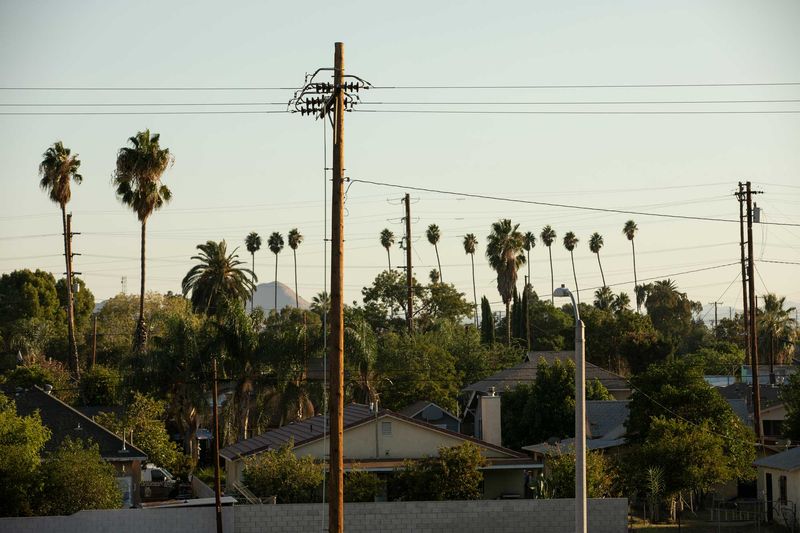
Power lines carry huge amounts of electricity, and trees that touch them can spark a fire or cause an outage. That is the main reason utilities have the legal right to keep plants away from their equipment.
State law and safety codes give companies like PG&E and SCE the authority to trim or remove trees near lines.
These rules are backed by the California Public Utilities Commission, which oversees electric safety across the state. Utilities are not just being picky when they send a notice.
They must follow strict standards to prevent fires and keep the lights on for everyone. A branch brushing a wire during a windstorm can create sparks that spread quickly. In dry areas, that spark can turn into a major wildfire in minutes.
Because of this, crews inspect lines regularly and mark trees that break the rules. Homeowners sometimes feel frustrated when their favorite tree gets flagged. It helps to remember the goal is public safety, not just company policy.
You still have rights during this process, and you can ask questions about why a tree was marked.
Knowing that the law supports these actions can make the whole thing easier to accept. When you understand the reason behind the rule, the notice feels less like a threat and more like a warning worth taking seriously.
2. Clearance Rules Change By Utility And Fire Zone
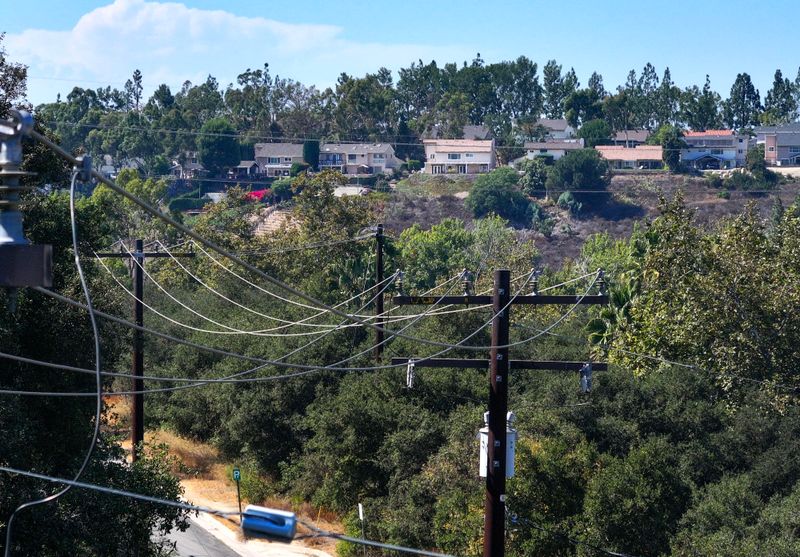
One thing that trips up a lot of homeowners is that clearance rules are not the same everywhere. How far a tree must stay from a line depends on where you live and how risky your area is for fire.
California divides land into fire hazard zones, and the highest risk areas have the strictest rules.
If your home sits in a high fire hazard severity zone, expect larger clearance distances. In lower risk areas, the required space may be smaller.
This means your neighbor a few miles away might follow different numbers than you do. The type of power line also matters, since bigger transmission lines need more room than smaller ones.
Weather patterns, wind, and dryness all factor into how these zones are drawn. A property near dry hills and heavy brush will face tougher standards than one in a wet, coastal town. You can look up your fire zone using state maps online.
Your California Garden Changes Every Week. Your Plan Should Too.
Gardening in California changes quickly throughout the season. Every Friday you’ll receive a simple weekly plan showing exactly what to plant, prune, fertilize, harvest, and protect so you never miss the right timing.
Knowing your zone before a notice arrives gives you a big advantage. It lets you plan your landscaping around the rules instead of fighting them later. If you are planting new trees, choose spots well away from lines.
Checking your zone once a year is smart, because these maps can be updated. Staying informed helps you avoid surprises and keeps your yard both beautiful and safe.
3. PG&E And SCE Do Not Use The Same Numbers
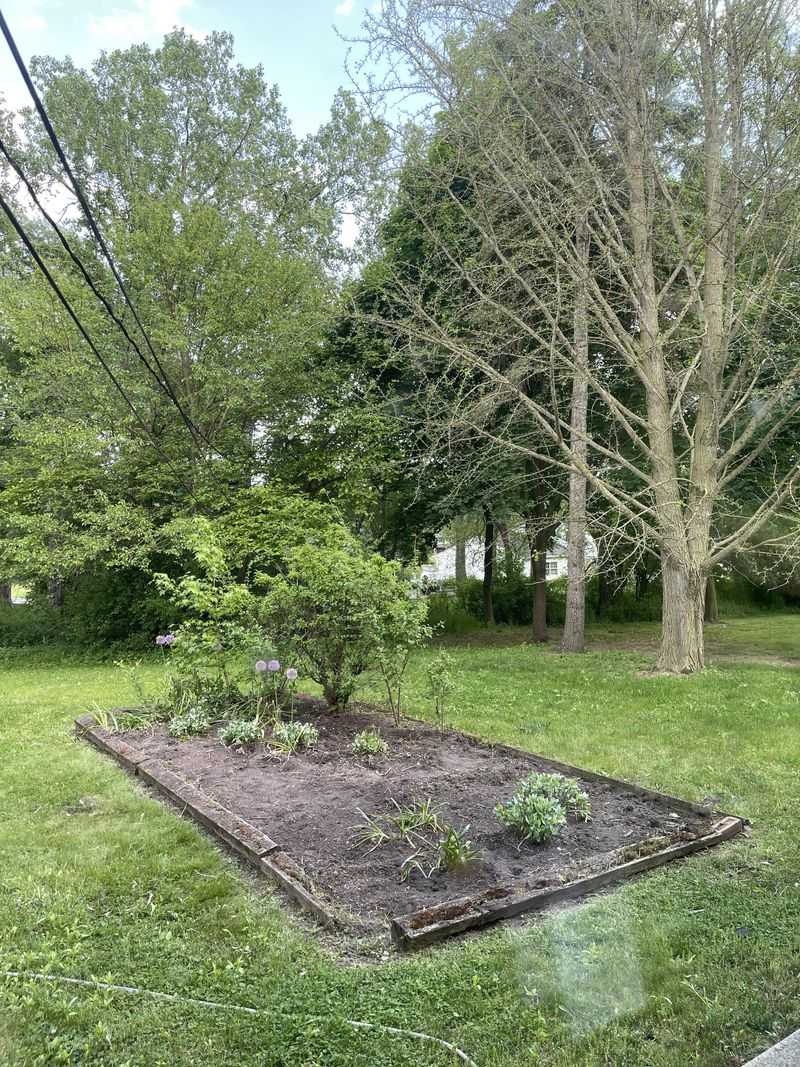
Assuming all utilities follow identical rules is a common mistake. PG&E and Southern California Edison serve different regions, and their clearance requirements can differ in the details.
While both follow state safety codes, each company sets its own vegetation management practices within those limits.
That means the exact distance PG&E wants around a line might not match what SCE requires. The size of the line and the season can shift these numbers too.
During fire season, some utilities enforce larger gaps to be extra safe. Growth also plays a role, since crews plan for how much a tree will grow before the next inspection.
If you move from a PG&E area to an SCE area, do not assume the rules carry over. Always check with the utility that serves your specific address. Their websites list vegetation guidelines, and their customer service can answer questions.
Some homeowners get confused when they compare notes with friends in another region. The difference is not a mistake, it is just how the two companies operate.
Reading the notice carefully will tell you which standard applies to your tree. When in doubt, call the number on the letter and ask for specifics.
Getting the right information from the right utility saves you from guessing and helps you follow the correct clearance for your property.
4. A Tree 200 Feet Away Can Still Be Flagged
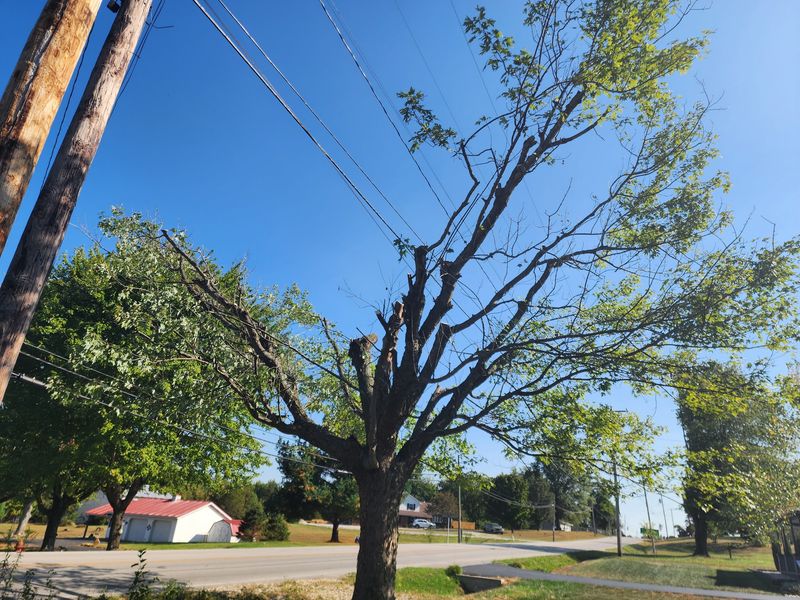
Here is a surprise that catches many people off guard. A tree that looks far from any power line can still get marked for trimming or removal.
The reason is something called a strike zone. Inspectors think about what would happen if a tall tree fell or leaned during a storm. If a tree is tall enough to reach a line when it topples, its distance on the ground does not matter as much.
A pine that stands 100 feet tall could still hit a wire even if its trunk is far away. Crews measure the height and lean of trees, not just how close the base is.
This is why a tree in the back of your yard might get flagged when a shorter one closer to the line does not. Wind direction and slope also affect the risk. Trees on hillsides can slide or fall toward lines below them.
Understanding the strike zone helps this rule make sense. It is not about the exact spot the tree grows, but about where it could land. If you have very tall trees on your property, take a moment to picture where they would fall.
That simple check can help you predict which ones might draw attention. Planning ahead means fewer shocks when the inspector comes through.
5. Who Is Responsible For The Tree?
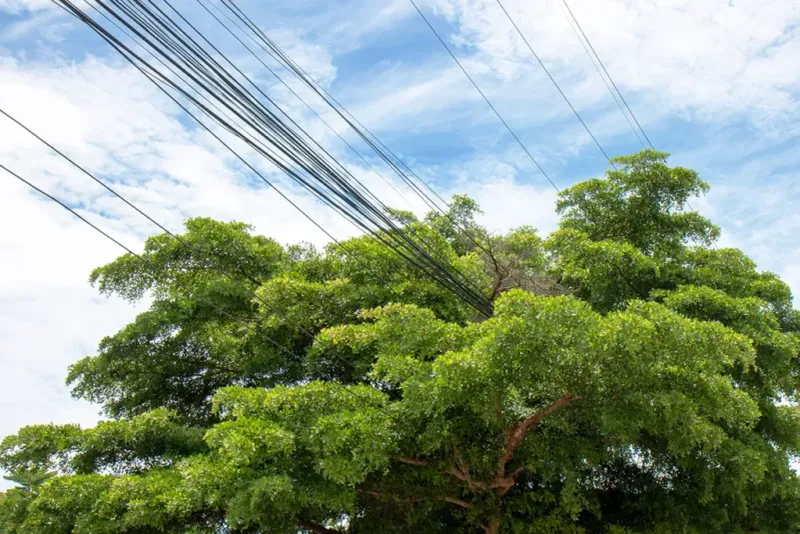
Figuring out who has to deal with a tree can feel like a puzzle. The answer usually depends on where the tree sits and which line it is near.
In many cases, the utility handles trees growing near the main power lines that run along the street. They send their own crews to trim these at no charge to you. But responsibility can shift depending on the situation.
Trees on your private property that threaten the main lines are often trimmed by the utility. Yet other plants and smaller lines may fall on your shoulders. It helps to know the difference between the big distribution lines and the smaller wires.
The notice you receive should explain what the utility plans to do and what they expect from you. If it is unclear, calling to ask is always a good idea. Never assume you must pay before checking.
Sometimes homeowners hire a private tree service for work the utility would have done for free. Reading the notice closely can prevent that costly mistake. Property lines matter too, since a tree on a neighbor’s land might be their duty.
Keep records of any notices and calls you make. Clear communication with the utility saves confusion later. When you understand who owns which responsibility, handling a tree issue becomes far less stressful.
6. The Service Drop May Be Your Responsibility
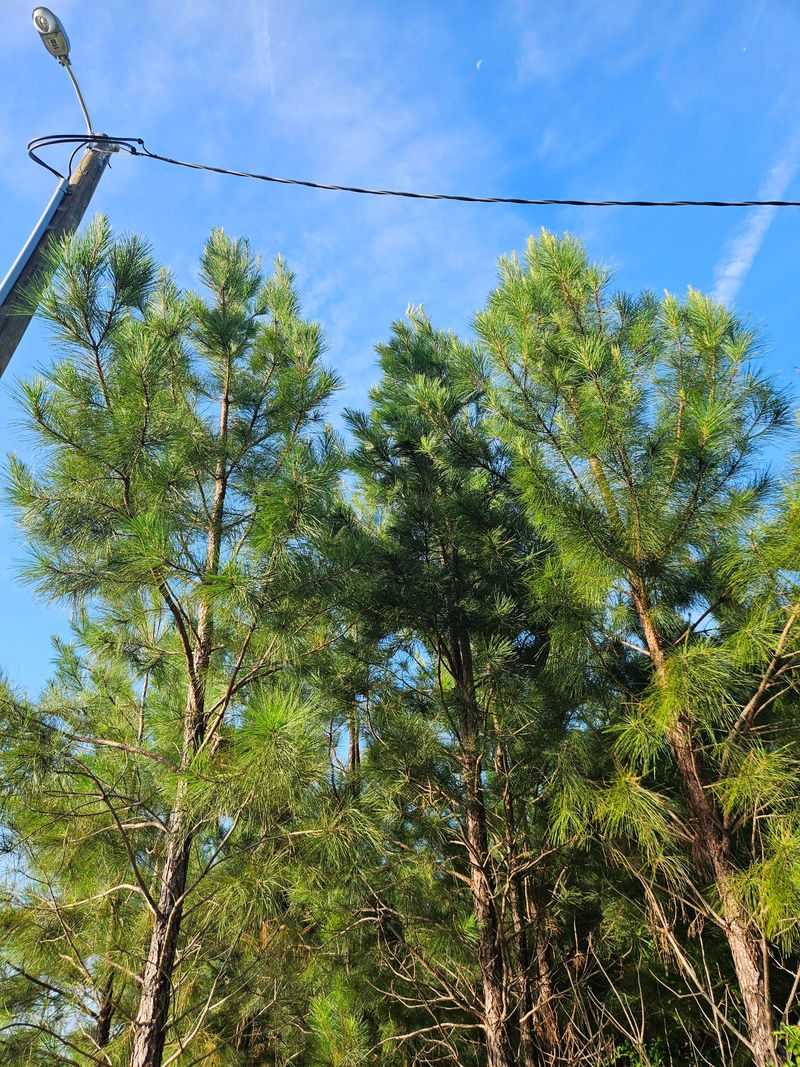
There is one wire that surprises almost everyone, and it is called the service drop. That is the line running from the pole to your house.
Many homeowners assume the utility handles every wire, but the service drop is often different. Vegetation touching this wire may be your job to clear. The main lines get utility crews, but the drop to your home can be treated as your responsibility.
This catches people off guard because the wire clearly connects to utility poles. Still, the rules often place the smaller connection in the homeowner’s hands. If a branch is rubbing against your service drop, you may need to trim it yourself or hire someone.
Working near any power line is dangerous, so never try to trim close to a live wire alone. Call the utility first to ask if they can temporarily shut off power or offer guidance. Safety always comes first with electricity.
Some utilities will help with the service drop in certain cases, so it never hurts to ask. Checking your notice will tell you which wires they mean. Keeping the area around your service drop clear year round is a smart habit.
It prevents outages and reduces fire risk right at your home. Knowing this wire is often yours helps you stay ahead of problems before a notice arrives.
7. Ignoring A Notice Can Create Liability
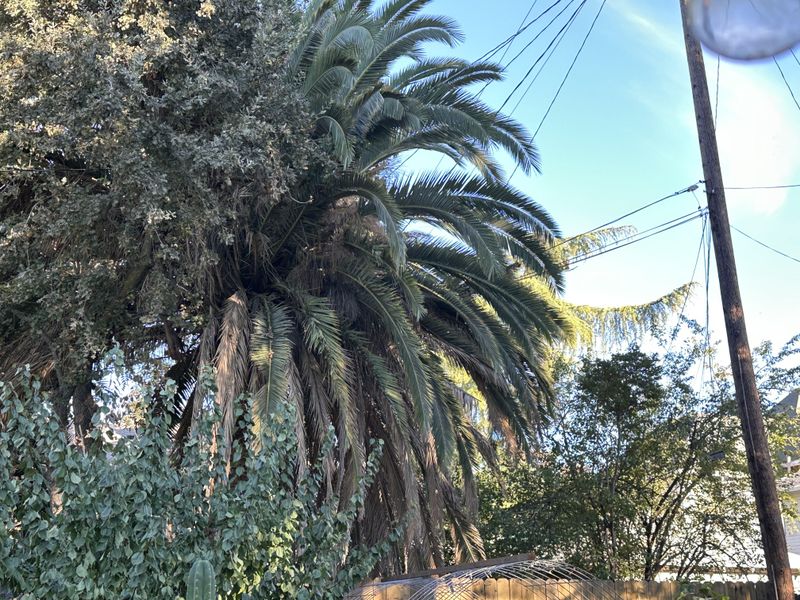
Tossing that notice in a drawer and forgetting about it is a risky move. Ignoring a vegetation warning can leave you holding real responsibility if something goes wrong.
When a utility tells you a tree is a hazard, they have put the problem in writing. If that tree later causes a fire or an outage, the notice proves you were warned. That paper trail can make you liable for the damage.
Liability means you could be held responsible for costs, and those costs can be huge in a wildfire. Insurance companies may also look at whether you acted on the warning. Failing to respond could affect your coverage.
Beyond the legal side, ignoring a notice puts your neighbors at risk too. A single spark can spread far in dry conditions. Taking action shows you did your part to keep everyone safe.
The smart move is to respond quickly, even if you just call to ask questions. Utilities are usually willing to work with homeowners who reach out. Keep copies of every notice and write down who you spoke with.
If you disagree with a decision, there are ways to appeal, but you must act within the time given. Staying silent almost never helps your case.
Handling the notice promptly protects your wallet, your home, and your peace of mind for years to come.
8. Some Tree Removal May Cost You Nothing
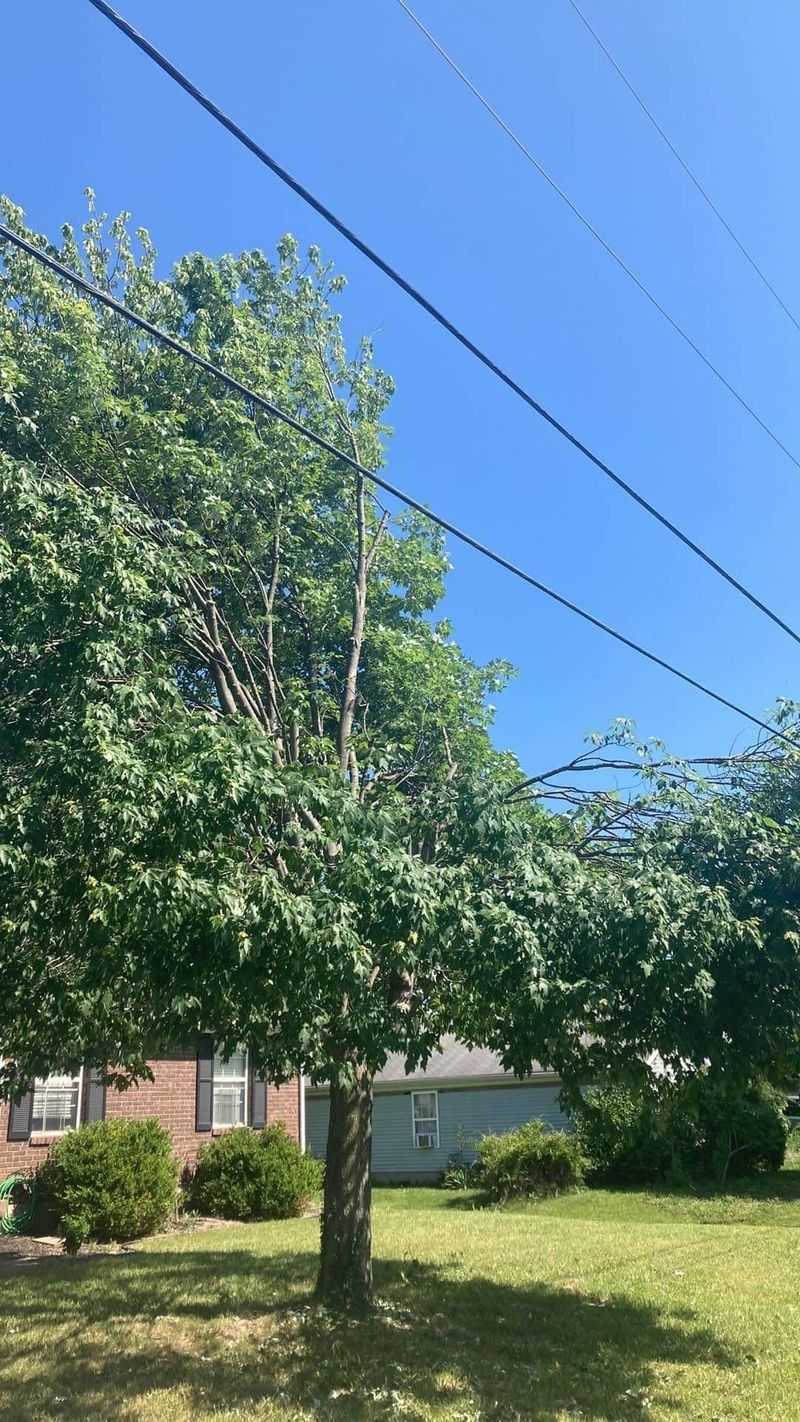
Here is some good news that many homeowners miss. Certain tree work near power lines can be done at no cost to you.
When a tree threatens the main distribution or transmission lines, the utility often covers the trimming or removal. Their crews come out, do the work, and you do not pay a dime. This is part of their duty to protect the grid.
Some utilities even run programs during high fire risk seasons to remove dangerous trees for free. These programs aim to reduce wildfire hazards across whole regions. It never hurts to ask if your tree qualifies.
Before hiring an expensive private service, call your utility and describe the situation. You might learn the work is already covered under their vegetation program. Homeowners sometimes spend hundreds on jobs the company would have handled.
Keep in mind that free work usually applies to trees near their equipment, not general yard cleanup. The utility focuses on lines, not landscaping. Still, that focus can save you real money on the trees that matter most for safety.
If a crew removes a large tree for free, you may need to plan for the stump or replanting yourself.
Ask about what happens after the work is done. Knowing these programs exist turns a stressful notice into a chance to get help at no charge.