Why September Can Be A Tricky Time To Prune Florida Oleander
September in Florida smells like wet pavement, warm mulch, and whatever the afternoon thunderstorm dragged across the street. Your yard looks shaggy after a long summer, and your fingers start itching for the garage shelf.
All that growth piled up while you hid indoors with the air conditioner humming at full blast. Now everything sprawls sideways, and one sweaty Saturday feels like the obvious cure for the mess.
Hold that thought, because this particular month plays by stubborn local rules that surprise plenty of newcomers. Timing matters far more than effort down here, and the calendar has opinions you may dislike.
One wrong weekend can cost you months of color, plus a decent chunk of gardening pride. The plants are patient, the weather is not, and the tools on that shelf are alarmingly persuasive.
The Late-Season Growth Trap
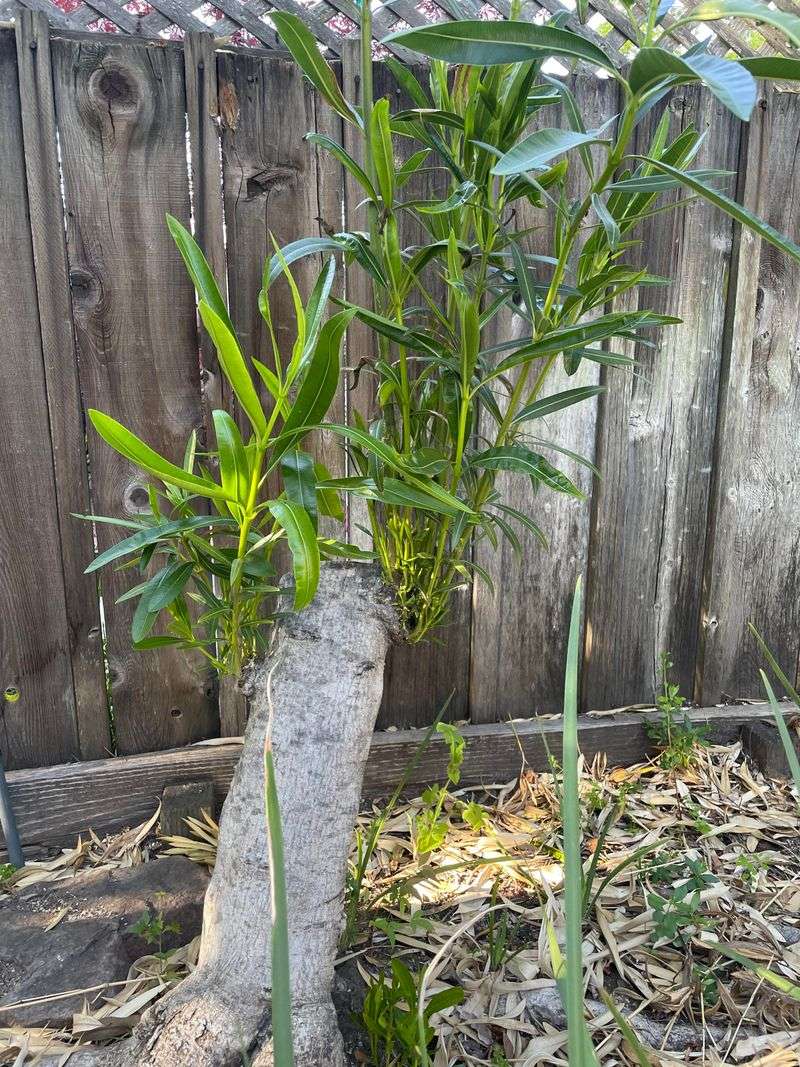
Snip an oleander in September and it answers fast, pushing soft shoots within about two weeks. That speed sounds great until you remember what Florida weather does next.
Warm, wet days keep the plant growing long after a Georgia shrub would slow down. The new stems stay green and tender instead of hardening into sturdy wood.
When the first cool front slides through, usually in November or December, that soft growth suffers. North Florida gardeners see the worst of it, with blackened tips and ragged branch ends.
Oleander flowers form on new wood, so fresh cuts also erase the late bloom show. You trade September color for a shrub that looks bare through the holidays.
The plant itself rarely gives up, since oleander shrugs off heat, salt, and drought. Recovery just takes longer than most folks expect, sometimes stretching well into spring.
Central and South Florida escape the cold damage, yet the bloom loss still stings. Buds that would have opened in October end up in the yard waste bin.
A good rule is to picture the calendar before the shears touch anything. Growth started now has roughly eight weeks to toughen up, which is cutting it close.
Think of September cuts as an invitation the plant cannot refuse. It will show up, but the timing works against both of you.
Waiting a few months costs you nothing but patience. The shrub keeps flowering, and your winter view stays green instead of scorched.
Storm Season Pressure On Florida Shrubs
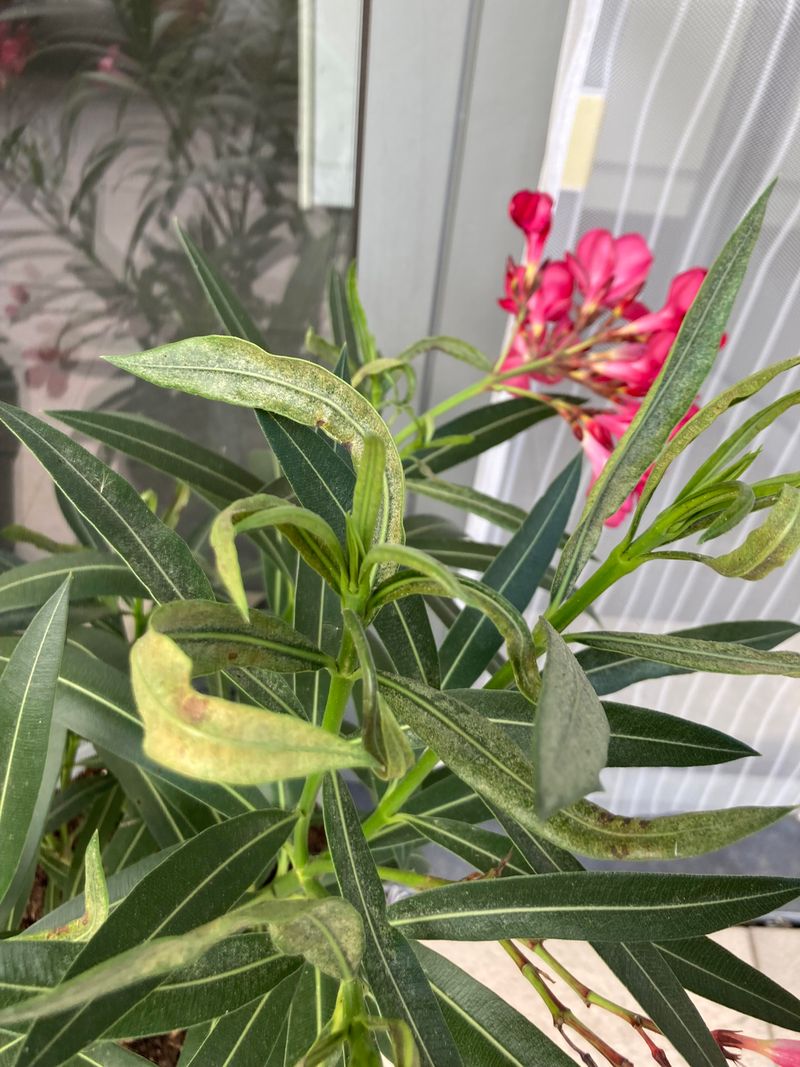
September sits at the loud center of hurricane season, with peak activity around the tenth. Any shrub you open up now faces wind before it has healed.
Fresh cuts create wounds, and wounds plus blowing rain make an easy door for fungus. Oleander handles salt spray well, though soggy bark tells a different story.
Heavy pruning also throws off the balance between roots and top growth. A lopsided shrub can rock in gusts, loosening the root ball in sandy soil.
Some gardeners cut hard before a storm, hoping to reduce wind resistance. That choice usually backfires, because stubby branches sprout weak shoots that snap later.
Light thinning is different, and removing one or two crossing limbs stays reasonable. Skip the buzz cut and save the shaping for calmer months.
Your Florida Garden Changes Every Week. Your Plan Should Too.
Gardening in Florida changes quickly throughout the season. Every Friday you’ll receive a simple weekly plan showing exactly what to plant, prune, fertilize, harvest, and protect so you never miss the right timing.
Debris matters too, since clippings left in the yard turn into projectiles. Bag them quickly, and keep the pile away from storm drains and pool cages.
Coastal counties feel this most, from Pensacola down through the Keys. Salt, wind, and rain arrive together, and open wounds soak up all three.
If a storm already damaged your shrub, tidy the broken pieces and stop there. Cleanup cuts are repair work, not a full makeover.
Storm season winds down by late November in most of Florida. That calendar gap is exactly when shears do their best work.
Patience during September protects the shrub and your weekend. Nobody enjoys chasing branches across the neighborhood after a squall.
Hard Cutbacks And Other Early-Fall Missteps
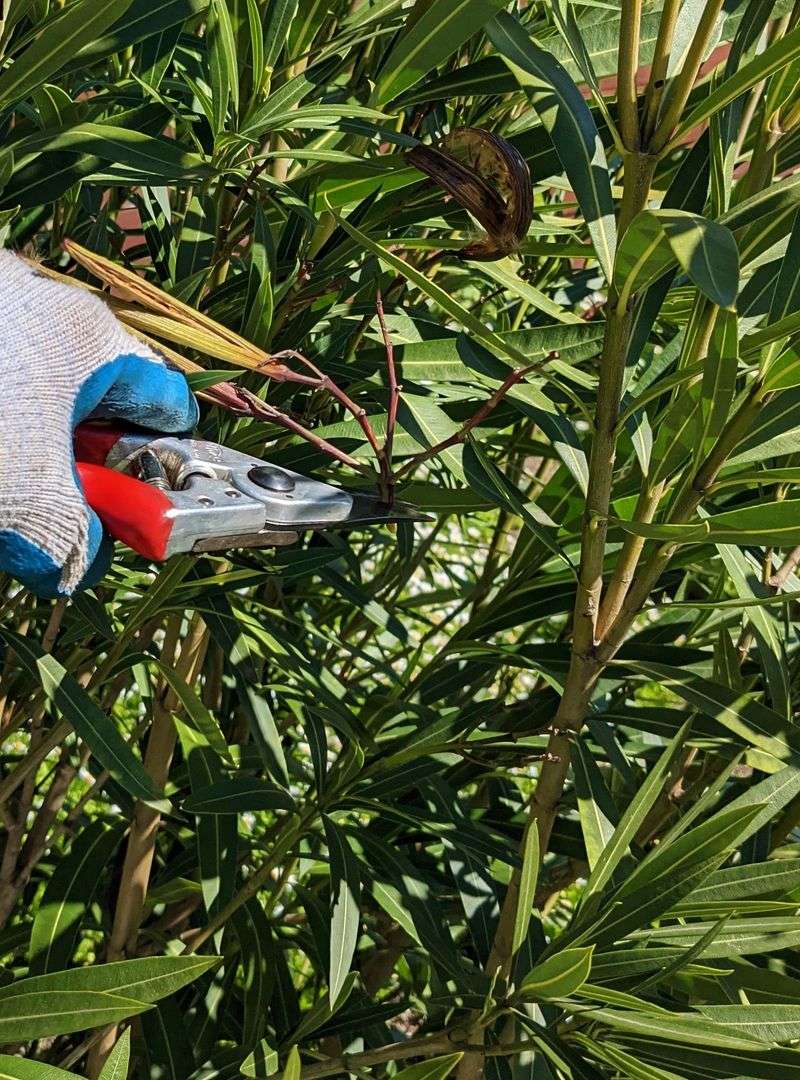
Ask ten Florida neighbors about oleander care and you will hear ten different rules. The most common one involves whacking everything down to knee height each fall.
Severe cutbacks force the plant to spend stored energy at the worst possible moment. Roots empty their reserves for shoots that face cooler nights weeks later.
Shearing the outside into a green meatball causes trouble as well. Sunlight cannot reach the middle, so the interior thins out and looks hollow.
Dirty tools rank high on the mistake list, especially in September. Bacterial and fungal problems can hitch a ride on blades and move between plants easily.
Wipe pruners with an isopropyl solution between shrubs and between heavy cuts. Thirty seconds of cleaning beats a year of watching branches brown out.
Skipping gloves is another regret, because oleander sap irritates skin and eyes. Most parts of the shrub are harmful if swallowed, so keep pets and kids clear.
Burning the clippings is a hard no, since the smoke carries the same trouble. Bag the trimmings for pickup instead of adding them to a backyard fire.
Topping tall specimens leaves blunt stubs that sprout in odd, crowded clusters. Reach into the plant and remove whole stems at their base for cleaner results.
Mistakes rarely ruin an oleander, which is part of the problem. The shrub survives, then quietly punishes you with fewer flowers next summer.
Consider September a planning month rather than a demolition month. Your back and your blooms will both appreciate the break.
A Lighter Touch For September Cleanup
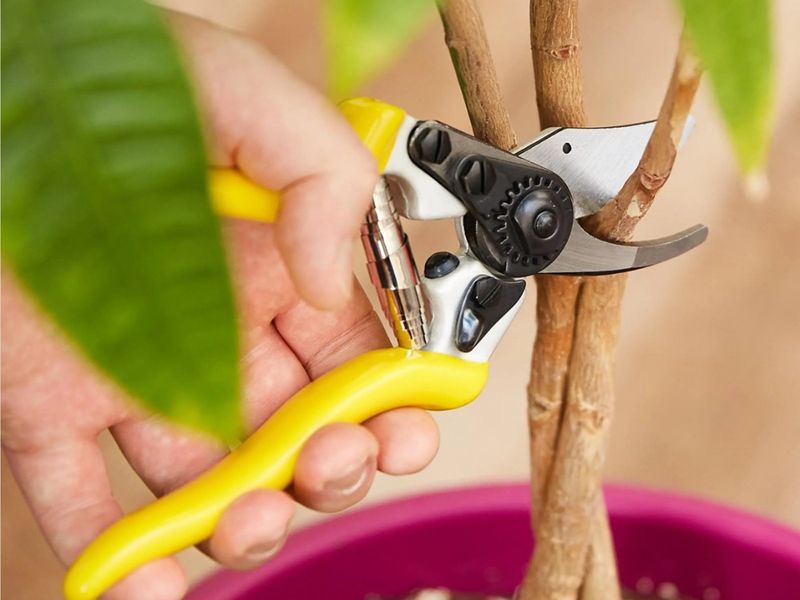
Maybe your oleander looks shaggy right now and you cannot stand another week of it. Light grooming in September is fine when you keep the goal small.
Focus on the obvious problems first, like broken limbs, rubbing branches, and spent flower clusters. Removing seed pods sends energy back into leaves rather than into pod production.
Aim to take less than a tenth of the total growth. Small snips barely register with the plant, so regrowth stays modest and manageable.
Morning work beats afternoon work in September, when heat and thunderstorms both peak. Cool hours are easier on you and on the freshly opened wounds.
Cut just above a leaf node or branch junction, using clean and sharp blades. Ragged tears heal slowly, and slow healing invites problems during humid weeks.
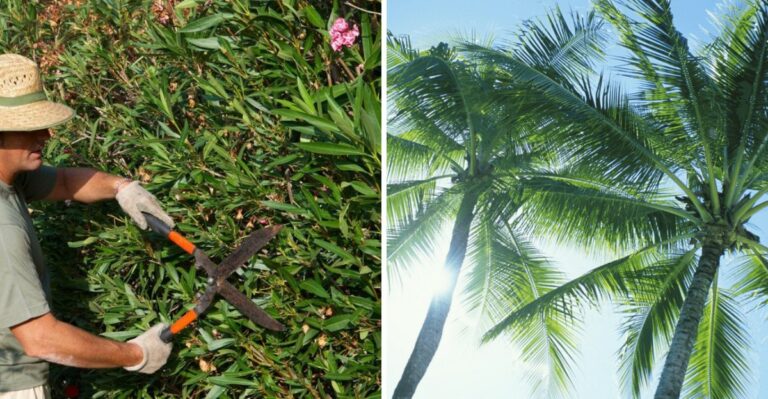
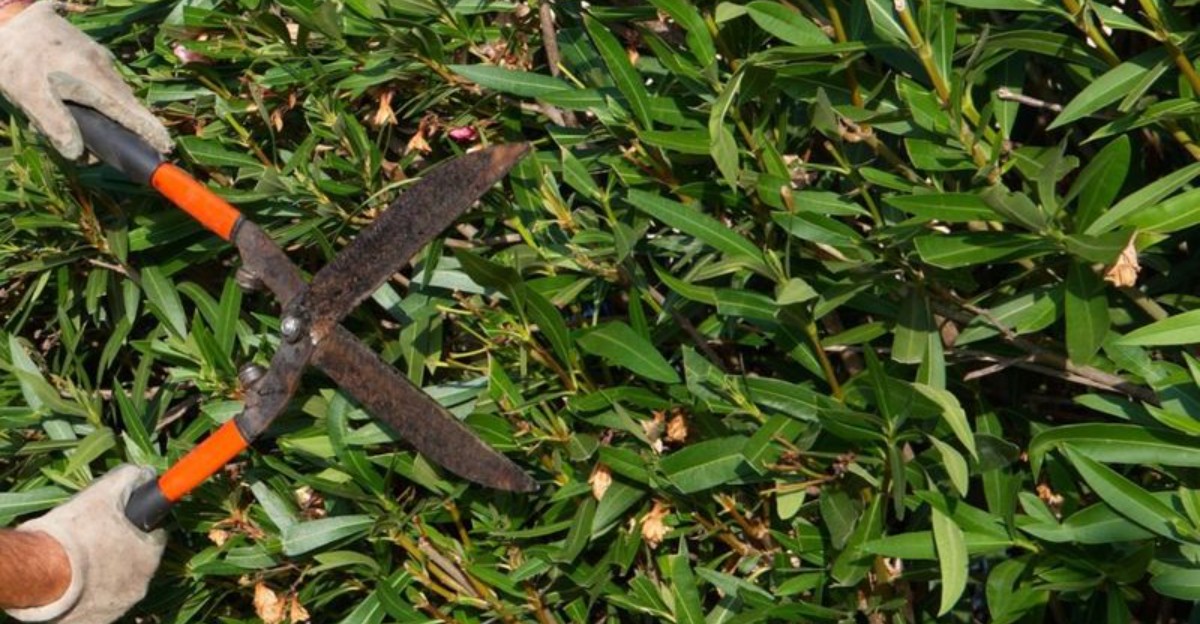
Hand pruners handle most of the job, while loppers cover thicker canes. Hedge shears tempt everyone, yet they create that hollow shell nobody wants.
Hold off on fertilizer after any September trim, especially high nitrogen blends. Feeding pushes even more soft growth, which is the outcome you are avoiding.
Water normally, since drought stress plus fresh cuts equals a grumpy shrub. Mulch a few inches deep, keeping the layer off the main stems.
Step back often and look at the whole silhouette before making another cut. Oleander looks best a bit loose and vase shaped, not boxy.
Light work now leaves room for real shaping later. Think tidy haircut, not a full renovation project.
Bloom Loss, Pests, And Other Aftereffects
Picture next June with half the flowers you expected, and you have the main aftereffect. Heavy September cuts remove the wood that carries the biggest early summer show.
Oleander caterpillars also peak in warm months, arriving orange and fuzzy in noisy groups. A freshly trimmed shrub with tender new leaves is basically a buffet sign.
Those caterpillars skeletonize leaves fast, leaving lacy brown foliage across whole branches. Handpicking with gloves works, and a strong hose blast knocks many of them off.
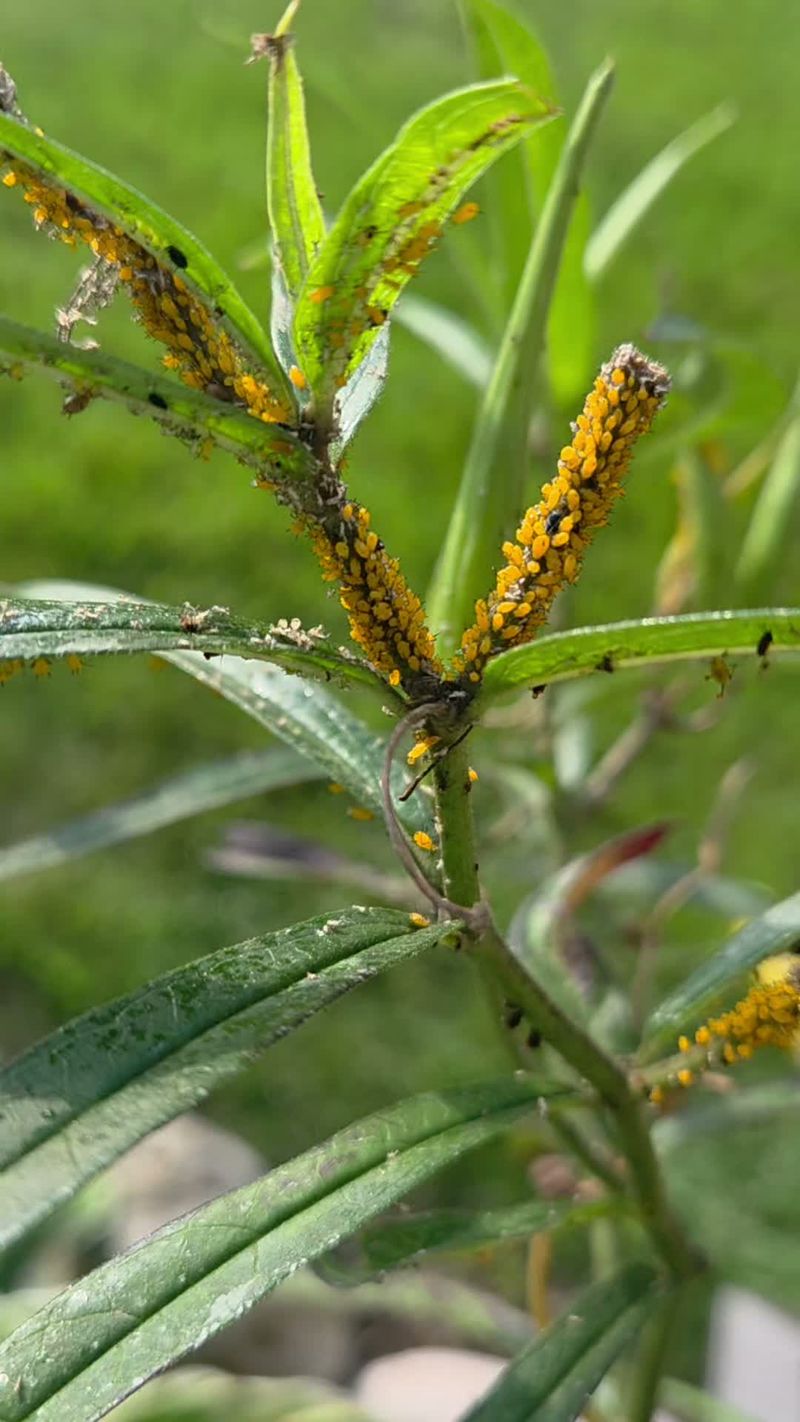
Aphids show up on soft new tips too, trailing sticky honeydew behind them. Sooty mold follows the honeydew, coating leaves in a dull gray film.
Cold damage in the Panhandle shows as crispy tips by January. The shrub usually pushes new growth in March, but it looks rough all winter.
Bare, stubby plants also lose their screening value along fences and property lines. Privacy disappears right when snowbird season fills the neighborhood with visitors.
Flower loss hits pollinators as well, since oleander blooms feed butterflies through fall. Fewer blossoms means fewer wings drifting around the yard on warm afternoons.
None of these outcomes are permanent, which is worth remembering before you panic. Oleander bounces back, though the recovery year is rarely the prettiest one.
Knowing the tradeoffs helps you decide whether the shears can wait. Usually they can, and the plant will thank you with color.
September restraint pays off in flower count more than anything else. That is a decent return for doing less work.
A Smarter Calendar For Next Season
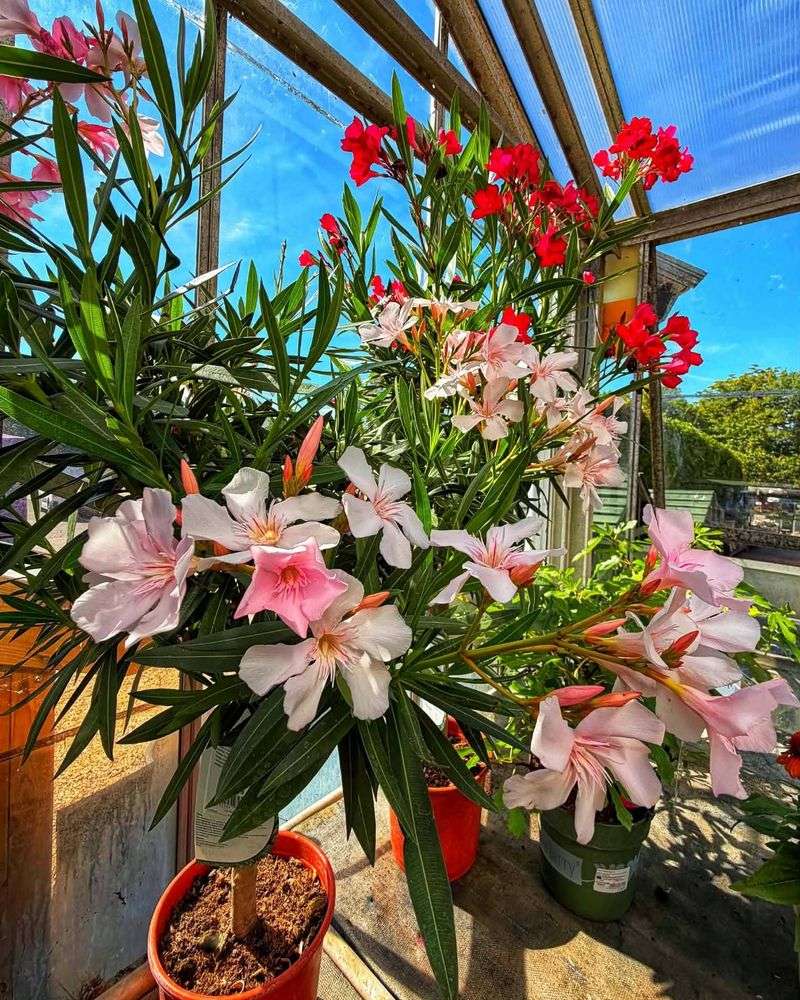
Florida gardeners get two solid windows for oleander work, and September is not one of them. Late winter, roughly February into early March, sits at the top of the list.
Cuts made then heal as temperatures climb, and the plant rebuilds quickly. New growth arrives with plenty of warm months ahead to harden off.
The second window opens right after the main flower flush fades in summer. Light shaping in June or early July still leaves time for regrowth.
Mark those dates on a phone calendar now, while the frustration feels fresh. Future you will appreciate the reminder when the shrub gets leggy again.
Plant placement prevents most pruning battles before they start. Standard oleander reaches twelve feet tall, so give it room away from walkways.
Dwarf types like Petite Pink stay near four feet and need far less attention. Choosing the right size beats fighting a giant shrub with shears every year.
Rejuvenation cuts, taking old canes to the ground, belong in late winter only. Remove about a third of the oldest stems and let younger ones fill in.
Keep tools clean, sharp, and stored dry between sessions. Sharp blades make cuts that seal faster, no matter which month you choose.
September works nicely for watching, planning, and sketching the shape you want. Set the shears down and enjoy the last of the season flowers.
Timing is the cheapest tool in any Florida garden shed. It costs nothing and fixes most oleander headaches.