What To Do About The Black Walnuts Piling Up On Your Tennessee Driveway
Your driveway just turned into an obstacle course overnight. Green orbs crash down without warning, denting your car below. Tennessee air turns sharp and citrusy right outside your door.
You feel the crunch under your tires before noticing it. Brown stains spread fast across your driveway. Neighbors grumble and sweep your walkway, missing the real prize.
Cash, cookies, and clean pathways sit hidden in your yard. People across Tennessee turn this mess into your money. Underneath that tough green shell sits your next reward.
Few people bother opening one for your own taste. Rich, earthy flavor waits past that stubborn shell for you. Handled wrong, this harvest stains your hands for days.
Sorted right, it stocks your pantry and pays you back. Timing matters more than anything else for you. October changes much, and your options start to shrink. What happens next decides whether you profit or just clean up.
1. Scoop Them Up Before They Turn To Mush
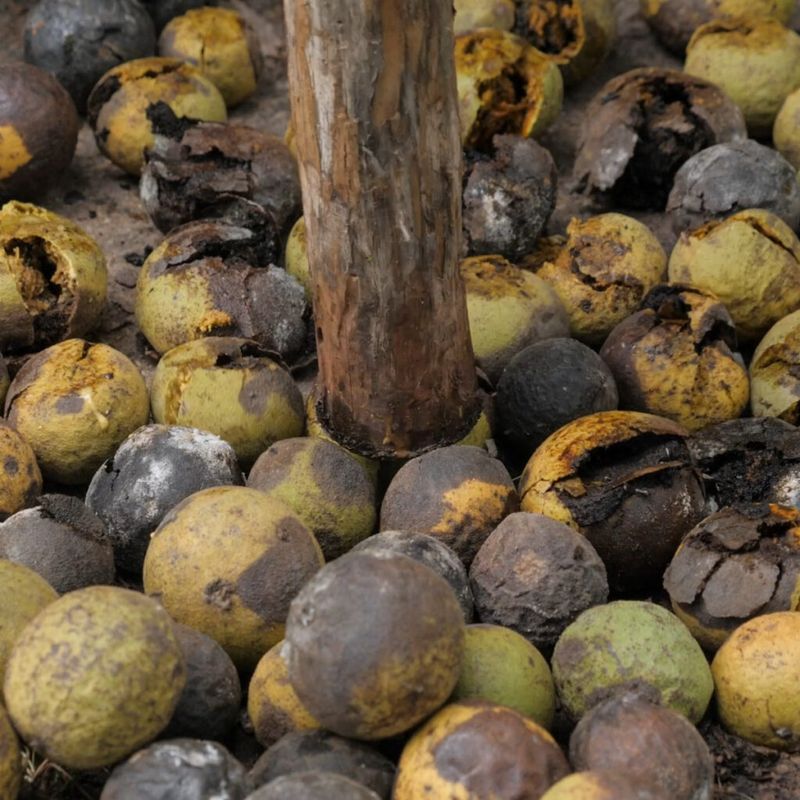
Loose nuts underfoot create a real tripping hazard, and September in Tennessee creates a lot of debris to manage. The green orbs drop fast once nights cool off, and a single mature tree can shed hundreds in a week.
Timing matters more than muscle here. Fresh drops with firm, lime-green husks are easier to handle, and the nut inside tastes better than one that sat in the sun for weeks. Once husks go black and squishy, the flavor can turn sharp and the mess doubles.
Make collection a daily habit rather than a weekend marathon. Five minutes with a bucket after work beats two hours of scraping stained pulp off concrete later.
A rolling nut picker saves your back and works fast on flat pavement. Wire-basket versions from garden shops pop the nuts out over a bucket with one quick squeeze.
For grass edges and flower beds, a stiff leaf rake pulls them into piles you can shovel. Some folks swear by a snow shovel and a wheelbarrow, which handles sloped Middle Tennessee yards well.
Keep a lidded bin near the garage so the harvest has somewhere to go right away. Squirrels will help themselves if you leave open buckets, and curious pets may nose around husks that have started to mold.
One more trick from longtime Tennessee homeowners is parking elsewhere during peak drop season. Falling nuts hit hard enough to dent a hood or crack a windshield, and a tarp over the car is cheaper than body work.
2. Gear Up Before You Touch A Single Husk
Ask anyone who has husked walnuts barehanded and you will hear the same confession about brown fingers. The juice in those husks stains skin for a week or two, and it does the same to towels, car seats, and light-colored concrete.
Thick rubber or nitrile gloves are the first line of defense, and disposable ones make cleanup simple. Old jeans and a long-sleeved shirt you do not care about round out the uniform.
Safety glasses sound fussy until a husk squirts juice toward your face. Anyone stomping or smashing nuts should wear them, especially kids who want to help.
Your Tennessee Garden Changes Every Week. Your Plan Should Too.
Gardening in Tennessee changes quickly throughout the season. Every Friday you’ll receive a simple weekly plan showing exactly what to plant, prune, fertilize, harvest, and protect so you never miss the right timing.
Closed-toe shoes with grip matter too, since loose nuts roll like marbles on a sloped drive. Boots also keep husk juice off your socks.
Set up a work zone on grass, gravel, or a tarp instead of the driveway itself. Stains on porous concrete can linger through winter, and pressure washing only fades them partway.
Some people react to husk juice with itchy skin, so wash up with soap and cool water when you finish. Barrier cream under gloves helps if you have sensitive hands.
Fun bit of history: pioneers and Civil War era Tennesseans used walnut husks to dye cloth and yarn a deep brown. Your stained gloves are carrying on a very old craft, whether you wanted to or not.
Keep a bucket of water and a scrub brush nearby so tools get rinsed before the pulp dries. Dried husk residue turns gummy and sticks to rakes, wheelbarrows, and glove fingers.
3. Protecting Your Concrete During Husking
Here’s an important detail about that green covering. It needs to come off within a few days of the drop, because husk oils can seep through the shell and leave the nutmeat tasting bitter and rubbery.
The classic Tennessee method is the driveway roll. Spread the nuts on gravel, drive over them slowly, and the husks split open so you can pick out the shells.
Gravel beats concrete for that job, since the stain sinks into smooth pavement and sticks around. A scrap sheet of plywood works if gravel is short.
Hand huskers include a corn sheller, a board with a nut-sized hole, or a sturdy boot heel. Push the nut through and the husk peels back in one motion.
After husking, dump the nuts in a bucket of water and stir them with a stick. Floaters are usually hollow or wormy, so set those aside for the compost heap.
Rinse the keepers with a garden hose until the water runs clear. Leftover husk bits attract flies and can mold once the nuts go into storage.
Husk flies are common across Tennessee in late summer, and their little maggots live in the pulp rather than the nut. Prompt husking keeps that crowd from settling in near your garage.
Work outdoors and downwind if you can, because the smell is strong and oddly citrusy. Many families make an afternoon of it with buckets, folding chairs, and a radio going. Gloves stay on for the whole session.
4. Curing And Storing Nuts For Winter Baking
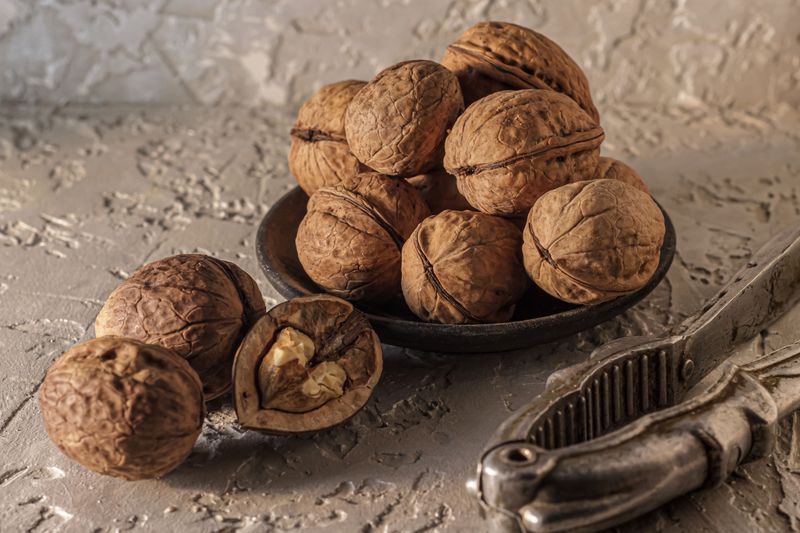
Patience pays off once the shells are clean. Freshly husked walnuts need two to three weeks of drying before the flavor mellows into the rich, earthy taste folks love in fudge and banana bread.
Spread them one layer deep on screens, old window frames, or slatted crates. A garage, shed, or covered porch with moving air works, as long as rain stays off them.
Squirrels and mice consider your drying rack a buffet. Hardware cloth over the top, or a wire cage, settles that argument quickly.
Test for readiness by cracking one open. If the nutmeat snaps rather than bends, the batch is cured.
Cracking black walnuts takes real force, more than a standard kitchen nutcracker can provide. A bench vise, a hammer on a brick, or a heavy-duty cracker built for hard shells handles it.
Store shelled nutmeats in the freezer, where the oils stay fresh for a year or more. In-shell nuts keep for months in a cool basement or root cellar.
Tennessee cooks have leaned on these nuts for generations in applesauce cake, divinity candy, and holiday cookies. The flavor is bolder than English walnuts, almost smoky, and a little goes a long way.
Label your freezer bags with the year, because you may lose track after a good season. One productive tree can hand you more nutmeat than a family uses by spring.
A shelling party with neighbors turns a tedious chore into an evening of stories and shared buckets. Everyone leaves with a jar.
5. Keep Husks Away From Tender Garden Beds
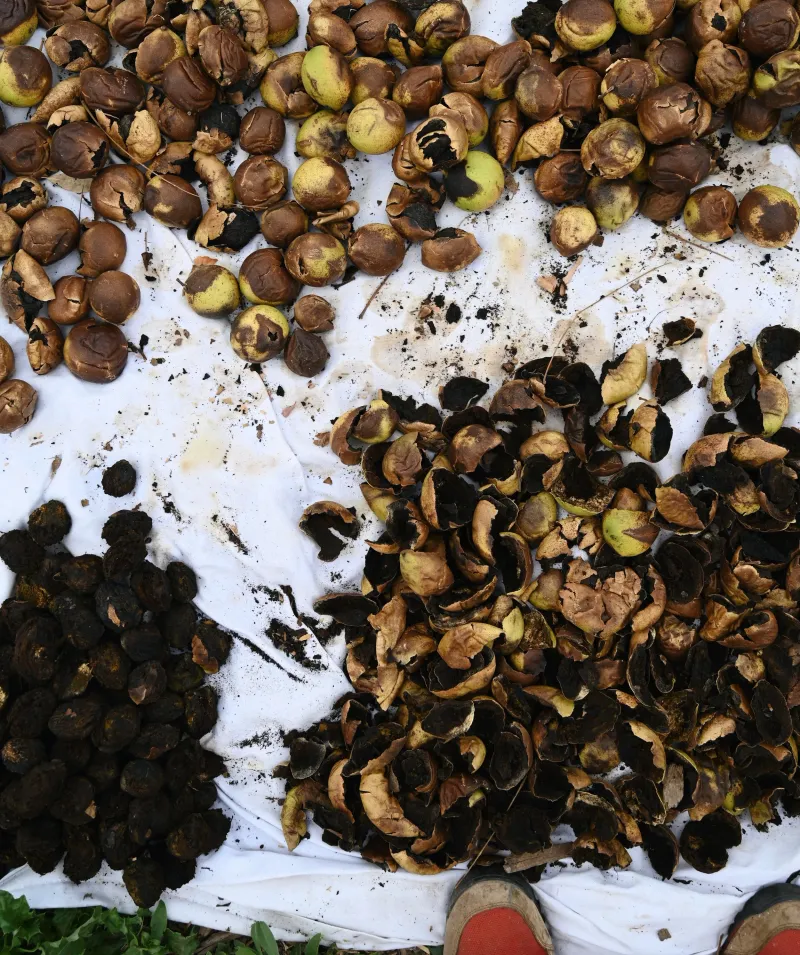
There is a reason your tomatoes struggle when planted near that tree. Black walnuts release a compound called juglone, and plants such as tomatoes, peppers, potatoes, and azaleas react badly to it.
Husks, leaves, and roots carry the strongest concentration. Piling husks beside the vegetable patch can stunt growth there next spring, even after the pulp breaks down.
Choose a dump spot far from tender plants, such as a back corner of the woods or a brush pile. Gravel edges, fence lines, and driveway ditches also work.
Plenty of plants shrug off juglone without complaint. Daylilies, hostas, ferns, zinnias, black-eyed Susans, corn, beans, and many grasses grow fine under and around walnut trees.
Raised beds with a liner underneath give sensitive vegetables a fighting chance. Container gardening on the patio sidesteps the problem neatly.
Rainwater that drips off the canopy carries juglone into the soil below. That is why the ring of ground under a mature tree often looks thin and patchy compared with the rest of the yard.
Horse owners in Middle Tennessee should take extra care, since walnut shavings in bedding can cause hoof trouble. Keep husks and wood chips out of stalls and paddocks.
If a bed near the tree keeps struggling, test it by planting something tough first. Marigolds and beans will tell you a lot about the soil before you spend money on tomato starts.
Sweeping fallen leaves away from beds each autumn trims the juglone load. Your flower borders will thank you by May.
6. Composting Husks And Shells The Smart Way
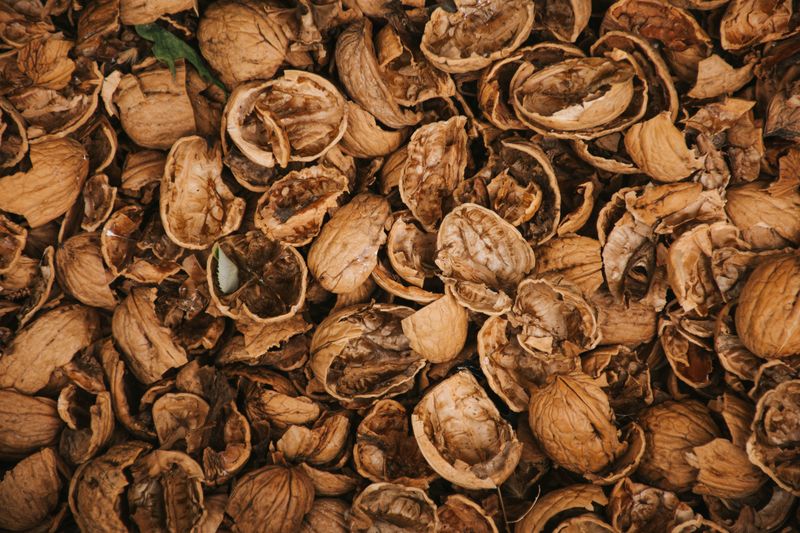
Compost piles can handle husks, with one condition attached. Give them time, because juglone breaks down through bacteria and heat over several months rather than a few weeks.
Build a separate pile just for walnut waste. Mix in grass clippings, shredded leaves, and kitchen scraps so the pile heats up and stays active.
Turn it with a fork a couple of times a month to keep air moving. A pile that stays warm and damp should process husks by the following summer.
Before you spread that finished compost on the tomato bed, run a simple test. Plant a few tomato seedlings in a pot of it and watch them for two weeks.
Wilting or yellowing leaves mean the pile needs more time. Healthy green growth says you are clear to use it.
Cracked shells have their own second life. Crushed shells make a crunchy mulch for pathways, and they resist breaking down for years.
Industry uses ground walnut shell for sandblasting grit, oil field drilling, and cleaning engine parts. That gritty leftover is surprisingly valuable, which says a lot about the nut you tripped over this morning.
Some municipal yard waste programs, including in cities such as Knoxville and Nashville, have accepted husks with leaf pickup in past seasons, but policies vary and change. A quick call to your local public works office saves you a wasted trip.
Skip the worm bin, though, since composting worms tend to avoid walnut husks. Save that bin for banana peels and coffee grounds instead. Your worms will be happier for it.
7. Sell Or Share The Harvest With Neighbors

Here is something plenty of Tennesseans overlook. Hulling stations across the state buy black walnuts by the pound each fall, turning your driveway nuisance into gas money.
Hammons Products has historically run buying locations in several Tennessee counties, typically opening in late September and running through October, though exact sites and dates shift year to year.
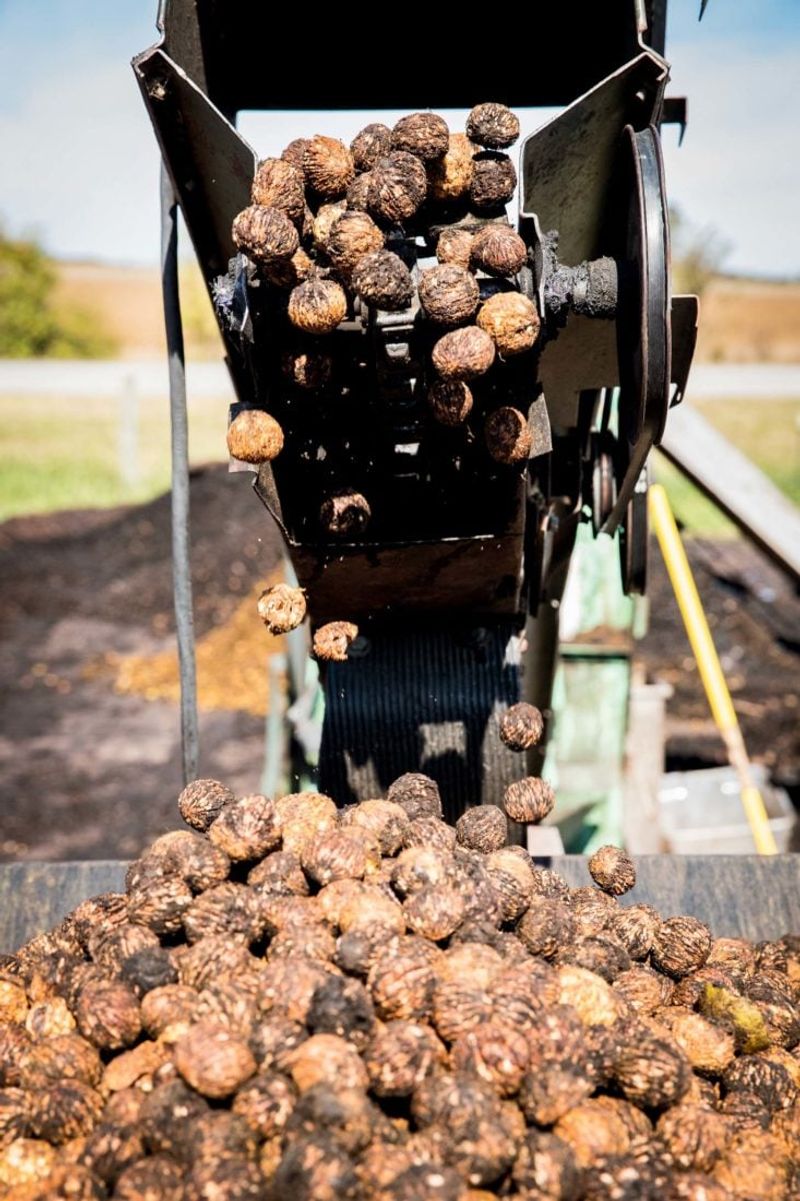
Sites often sit at feed stores, farm supply lots, or country markets. The best part is that you haul them in husk and all. Their machines do the hulling, which spares your hands and your concrete.
Payment typically runs by the hundred pounds of hulled nuts, so a pickup bed load adds up. Rates and terms shift from year to year, so check current pricing before you haul a load in.
Call ahead or check the buyer locator online, since hours vary and stations close once the season winds down. Bring feed sacks or plastic totes rather than paper bags.
No buying station nearby? Post them on a local swap page and watch bakers, hobby crafters, and natural dyers line up.
Church groups, 4-H clubs, and school fundraisers sometimes collect nuts as a project. Kids gather, adults haul, and the group splits the check.
Squirrel hunters and wildlife watchers also want them for feeding stations. Deer, turkeys, and squirrels work through a pile fast in winter woods.
One neighborly move goes a long way here. Offer a five gallon bucket to an older gardener who loves the nuts but cannot gather them anymore, and you might get a pound cake in return. A reasonable trade for both sides.
8. Plan Ahead So Next September Goes Easier

Long-term relief starts with a little strategy in the off-season. A few changes in fall and winter trim the September chaos before it starts.
Pruning branches that overhang the driveway shrinks the drop zone quite a bit. Late winter, while the tree stands bare, is the right window for that work.
Hire a certified arborist for big limbs over the house or power lines. Black walnut wood is heavy and brittle, and a falling limb does real damage.
A carport, shade sail, or simple tarp frame protects vehicles during peak drop weeks. Even a cheap car cover keeps dents and sap stains off the paint.
Seedlings sprout wherever squirrels bury a nut and forget it. Pull volunteers while they are young, since the taproot turns stubborn after a single season.
Some homeowners decide the tree belongs somewhere other than beside the driveway. Black walnut timber carries real value, and sawmills across Tennessee pay well for straight, mature trunks.
Before making that call, weigh what the tree gives you: shade, wildlife, nuts, and a certain country character. A mature walnut may be older than the house it shades.
Mark your calendar for early September next year and keep the bucket, gloves, and nut roller in one spot by the door. Twenty minutes a week beats a knee-deep pile in October.
Tennessee trees tend to swing between heavy crops and light ones from one year to the next, so a calm fall may follow a wild one. Take advantage of lighter years when they occur.