9 Florida Plants That Need Full Sun To Keep Flowering Into Fall
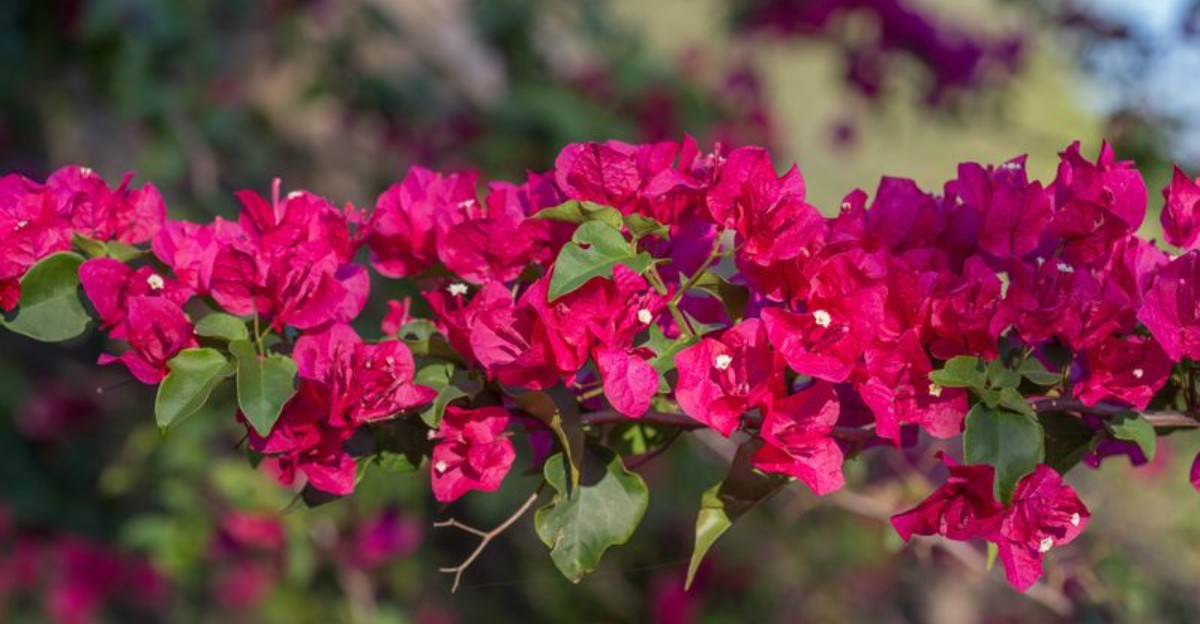
Your flower beds might be starving for light without you even noticing, and that explains why your blooms fizzle out before Halloween decorations hit the shelves.
You’ve got nine popular Florida picks that demand a solid six to eight hours of direct sun each day, no exceptions and no shortcuts.
Tuck one into a shady corner or under a tree canopy, and you’ll watch its stems stretch out weak and pale while flower production grinds to a halt on you.
Give it full sun instead, and you trigger the energy your plants need to keep pushing out color well past summer, right through the fall months when the rest of your yard starts to fade.
You might blame soil or water when blooms disappoint, but light exposure carries far more weight than either one. Move a struggling plant to a brighter spot and you’ll see the difference within weeks, not months.
Walk your own yard at midday and track where your shadows fall. That simple check could save you a season of flowers you almost gave up on.
1. Bougainvillea Needs Strong Sun To Keep Its Fall Color Show Going
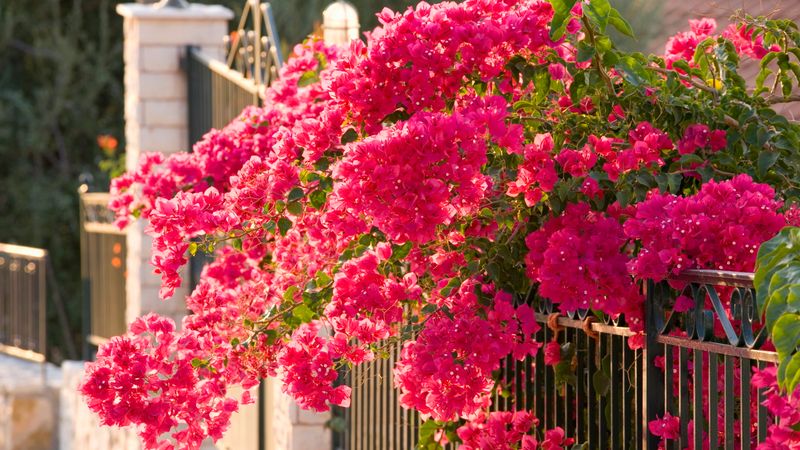
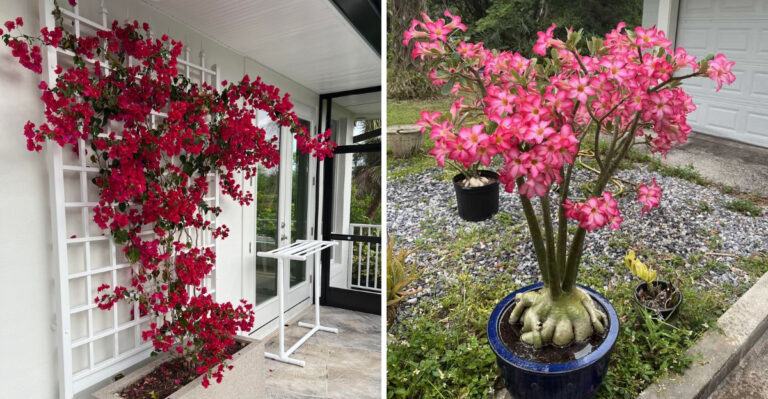
Few plants shout tropical louder than a bougainvillea spilling magenta over a stucco wall. Native to South America, this vine, shrub, or small tree has become a signature look across South Florida landscapes.
Here is the fun part: those brilliant papery petals are not petals at all. They are modified leaves called bracts, and they hold their color for weeks at a time.
Bougainvillea blooms most spectacularly during the dry season, roughly November through May, and many Florida plants show color year-round. Winter often becomes their peak season, which means fall is the warm-up act for something bigger.
Sunlight is the deal-breaker. Give a bougainvillea full sun and it responds with a magnificent display, while a shady corner tends to produce plenty of green growth and very few bracts.
Water is the second lever. These plants generally flower better when they are not kept constantly wet, because excessive moisture can encourage leafy growth instead of abundant bracts.
Well-drained soil matters just as much, so skip soggy low spots and heavy mulch piled against the base. A raised bed or a sunny slope works beautifully.
Plan for thorns when choosing a location, keeping vines away from walkways and doorways. Train them on a trellis or fence where the fall light hits hardest.
2. Firebush Keeps Hummingbird Flowers Coming With More Sunshine
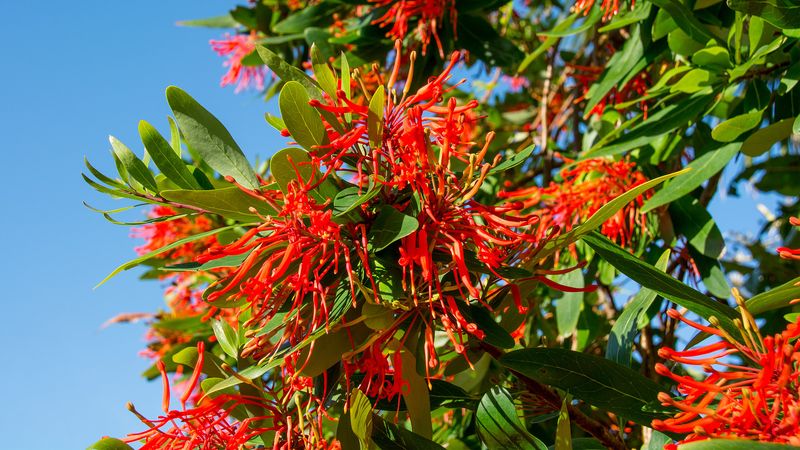
Ask a gardener which shrub earns its keep, and firebush comes up fast. Hamelia patens is a native that flourishes in warm, sunny conditions and barely pauses between flushes of bloom.
Those slim orange-red tubes appear almost continuously from spring through fall. Hummingbirds treat them like roadside diners, and butterflies crowd in right alongside.
Sun exposure changes everything here. Planted in full sun, firebush produces optimal flowering, while shadier spots stretch the stems and thin out the show.
Autumn is when this shrub really shines. Glowing red flowers, reddish stems, ripening dark fruit, and blushing leaves all arrive at once for a warm seasonal display.
Your Florida Garden Changes Every Week. Your Plan Should Too.
Gardening in Florida changes quickly throughout the season. Every Friday you’ll receive a simple weekly plan showing exactly what to plant, prune, fertilize, harvest, and protect so you never miss the right timing.
Once roots settle in, firebush handles heat and drought with impressive patience. That makes it a smart pick for a hot western exposure or a strip near a sunny driveway.
Give it room, because a happy plant can spread wide and tall in South Florida. Northern parts of the state may see it behave more like a large perennial after a cold snap, returning from the base.
Look for the true native form rather than the compact imported lookalike if wildlife value is your goal. Birds appreciate the berries later in the season.
3. Lantana Produces More Blooms When Florida Sun Hits The Leaves
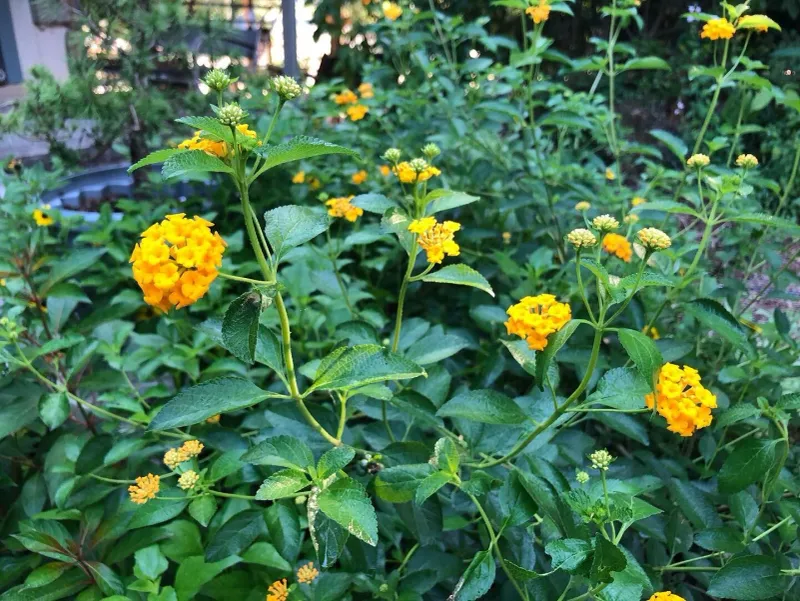
Tough, colorful, and endlessly busy with pollinators, lantana behaves like the workhorse of a sunny bed. Its rounded flower clusters shift shades as they age, so a single plant can look like three colors at once.
Six hours of direct sunlight is the baseline for robust growth and abundant blooms. Push that closer to eight and the plant fills out into a mounded cushion of color.
Flowering runs from late spring straight through fall. In warmer parts of the state, lantana keeps adding color and visual appeal well into the cooler winter months.
Drought tolerance is another selling point once the roots establish. Hot, sunny conditions that wilt fussier flowers barely register with this one.
Drainage matters more than fertility, so sandy beds suit lantana perfectly. Heavy clay or a spot that stays wet after storms tends to invite root trouble.
Butterflies, bees, and hummingbirds all work the flower clusters, which turns a simple planting into a wildlife stop. Place it near a patio and enjoy the traffic.
A light trim in early fall encourages fresh growth and another wave of buds. Choose sterile cultivars recommended for Florida to avoid seedlings wandering into natural areas.
4. Mexican Heather Flowers Longer When It Gets Enough Light
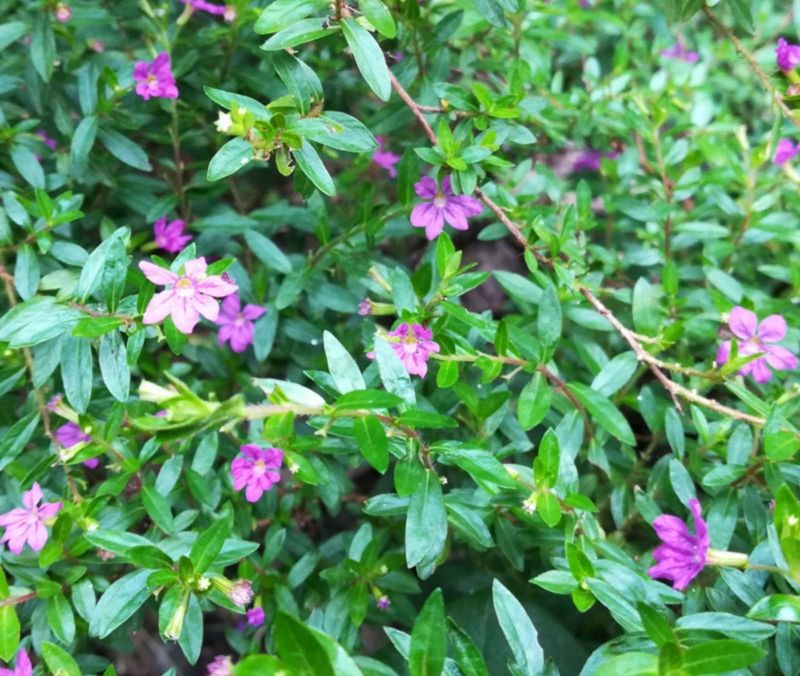
Think of Mexican heather as the quiet overachiever of the border. Cuphea hyssopifolia forms a neat green mound covered in tiny purple, pink, or white blooms that seem to appear out of nowhere.
Flowering stretches nearly year-round in warm climates, running from spring until the first frost. In much of the state, that means color hanging around long after summer annuals have called it quits.
Light drives the performance. Six to eight hours of direct sun daily produces the most prolific blooming, so avoid tucking it under dense tree canopy.
There is one useful exception. During extremely hot stretches, a little afternoon shade helps prevent browning foliage and stalled flower production.
Once roots establish, this compact shrub handles dry spells without complaint. A deep soak during long droughts keeps the leaves glossy and the buds coming.
Gardeners love it as an edging plant along walkways, in front of taller shrubs, or tumbling from a sunny container. The fine texture makes bolder neighbors look even bolder.
Mexican heather is often used in low-maintenance Florida landscapes because of its compact size and easy-care nature. Shear it lightly in spring to keep the shape tidy, and let it do the rest.
5. Angelonia Holds Its Fall Flower Spikes In Bright Sun
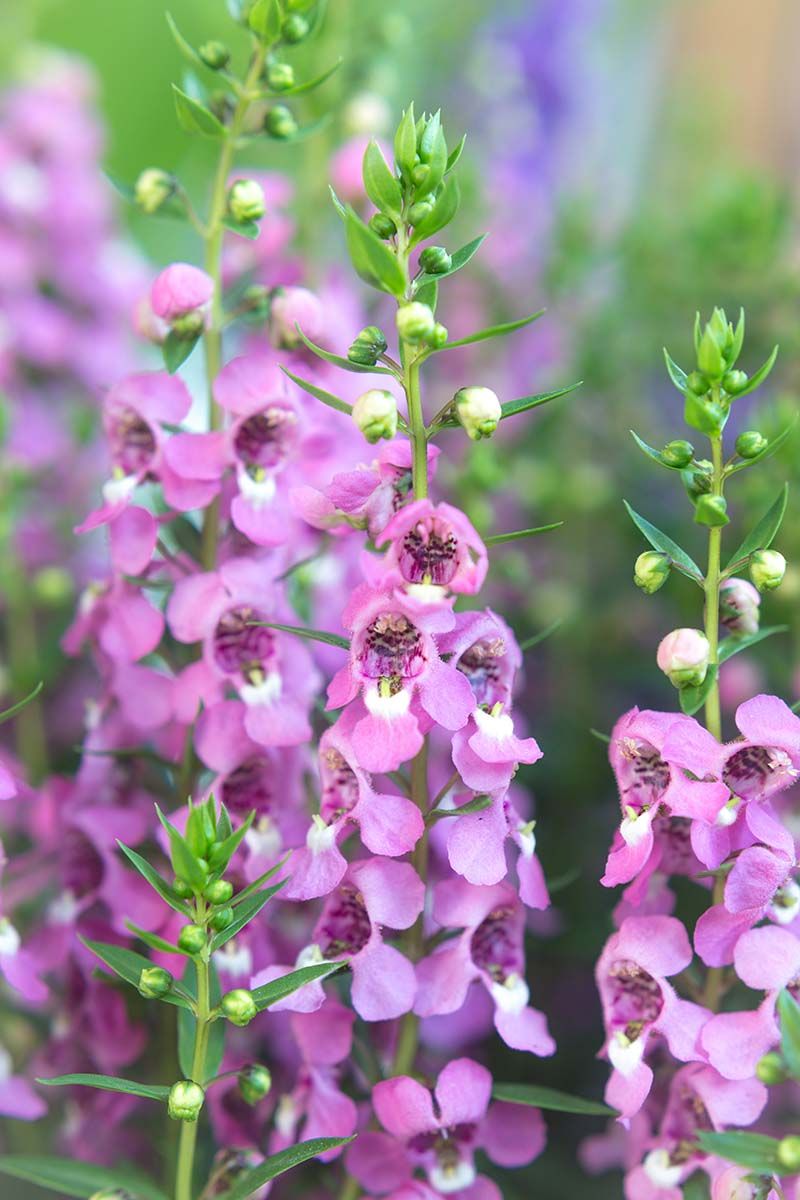
Nicknamed summer snapdragon, angelonia keeps its upright flower spikes standing tall when other bedding plants slump. Angelonia angustifolia actually seems to enjoy the weather that makes gardeners retreat indoors.
Intense heat and thick humidity are no problem for this one. That resilience has made it a favorite across Florida flower beds and containers.
Blooming runs continuously from late spring through fall, which is a long stretch of return on a single planting. Purple, lavender, pink, and white varieties mix nicely together.
Full sun is the requirement, meaning at least six hours of direct light each day for the best flowering in Northeast region and beyond. Plant it in shade and the stems stretch, lean, and carry fewer blooms.
Watering deserves a note. Angelonia tolerates drought once established, though steady moderate moisture supports the most abundant flowers.
Mulch helps hold that moisture without keeping the crown soggy. Two inches is plenty, pulled back slightly from the stems.
The plant is approved for Florida-Friendly Landscaping, which is a nice bonus for water-conscious gardeners. Snip spent spikes if you like tidy beds, though many modern varieties keep producing without trimming.
Pair it with low spreaders so the vertical spikes stand out.
6. Blanket Flower Rewards Sunny Spots With Nonstop Color
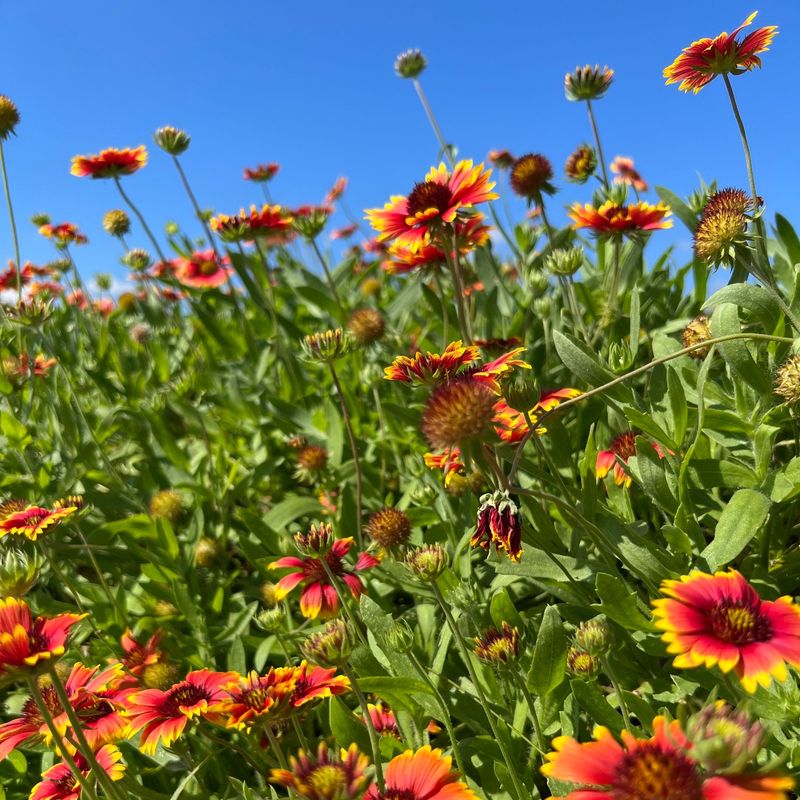
Red and yellow daisy-style blooms, sandy soil, blazing sun: blanket flower was practically built for roadsides. Gaillardia pulchella is a sturdy perennial that flowers through summer and keeps right on going into fall.
Location changes the timeline. Central and South Florida gardens may see a much longer bloom season, while North Florida plantings often carry color well into autumn.
Extreme heat, strong sun, and sandy conditions barely faze it. Coastal gardeners appreciate how well it handles exposed, breezy spots.
Full sun and dry, sandy soil bring out the best performance. Rich, moist beds tend to encourage floppy growth and shorter plant life.
Pollinators treat blanket flower as a reliable stop for both nectar and pollen. Bees, small butterflies, and beneficial insects all work the flat, open blooms.
It appears on Florida-Friendly plant lists, and for good reason. Water needs drop sharply once the roots take hold.
Let a few seed heads mature in fall and you may find volunteer seedlings popping up nearby next season. Many gardeners consider that a feature rather than a chore.
Any sunny, well-drained location works, including slopes, parking strips, and beach-side beds. Skip the heavy fertilizer and this cheerful plant will thank you with more flowers.
7. Pentas Stay Covered In Blossoms With The Right Sun Exposure
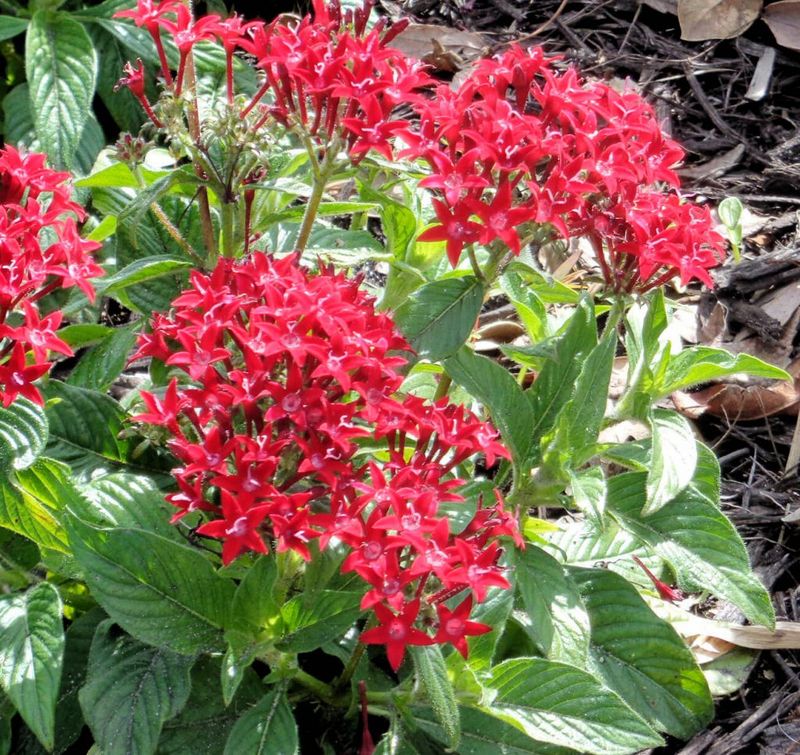
Butterfly gardeners in Florida rank pentas near the top of the nectar plant list, and one sunny afternoon watching a planting explains why. Pentas lanceolata produces dense clusters of star-shaped flowers that seem custom-made for long butterfly tongues.
In USDA Zone 9b, this tropical perennial blooms nearly year-round. Red, pink, and white varieties carry color through summer and straight into fall.
Sun exposure sets the pace. Full sun with at least six hours of direct light daily brings the most prolific flowering and the most vigorous growth.
Light shade is tolerable, though the trade-off is slightly reduced blooming. If your yard has a bright eastern bed, that usually works better than a dim western corner behind a fence.
Heat tolerance is excellent, and established plants shrug off short dry spells. Even so, a weekly soak during autumn droughts keeps the clusters full.
Pinch off faded flower heads to redirect energy into new buds. A light trim in late summer can reshape leggy plants just in time for fall.
Plant them in groups of three or five for a bolder butterfly magnet. Swallowtails, monarchs, zebra longwings, and other butterflies may visit regularly when the plants are in bloom.
8. Plumbago Pushes Out More Flowers In A Bright Location
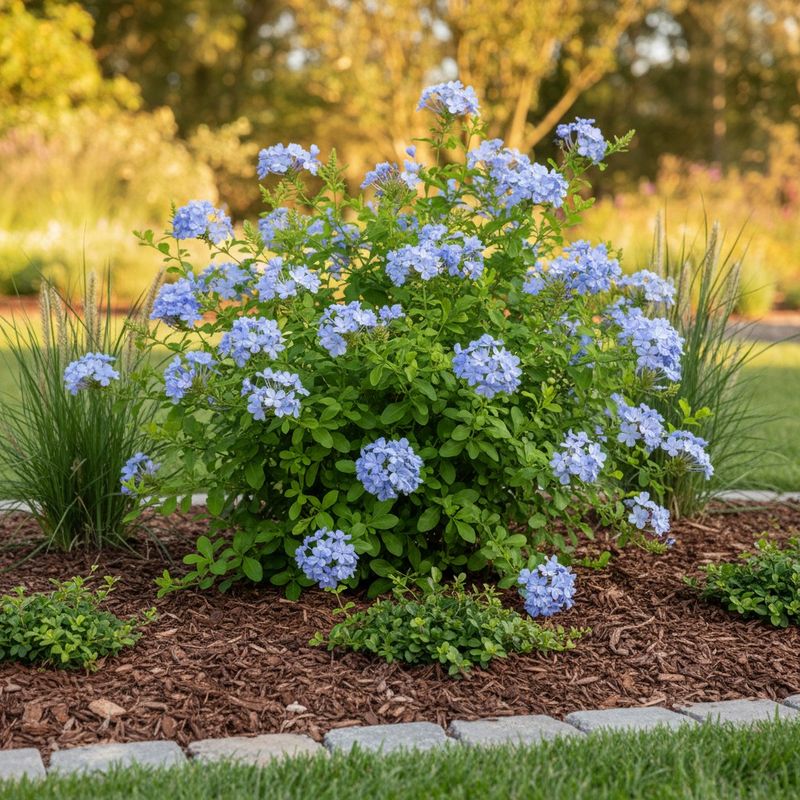
Sky blue is a rare color in the garden, and plumbago hands it out generously. Plumbago auriculata blooms from spring through fall, and in Central and South Florida it often flowers nearly year-round.
The soft clusters look a bit like phlox, sitting above sprawling green branches. Left alone, the plant grows into a loose, billowing mound that works well along fences.
Full sun drives both the densest growth and the most abundant blooms. Partial shade is survivable, but expect fewer flowers and a looser, more open shape.
Moderate drought tolerance kicks in once the roots establish. Until then, regular watering helps the plant settle during its first season.
Fertilizer applied during the growing season encourages continuous growth and flowering. A slow-release product in spring and again in midsummer usually does the job.
Plumbago carries a Florida-Friendly designation, which means it fits well into low-input landscapes. Pruning in late winter keeps it from sprawling into walkways.
Small butterflies, especially cassius blues, use it as a host plant. Watching those tiny wings flicker around blue flowers is a quiet garden pleasure.
Give it space to stretch, since a mature plant can spread several feet wide in warm areas.
9. Zinnia Keeps Its Fall Display Strong When Sunlight Stays High
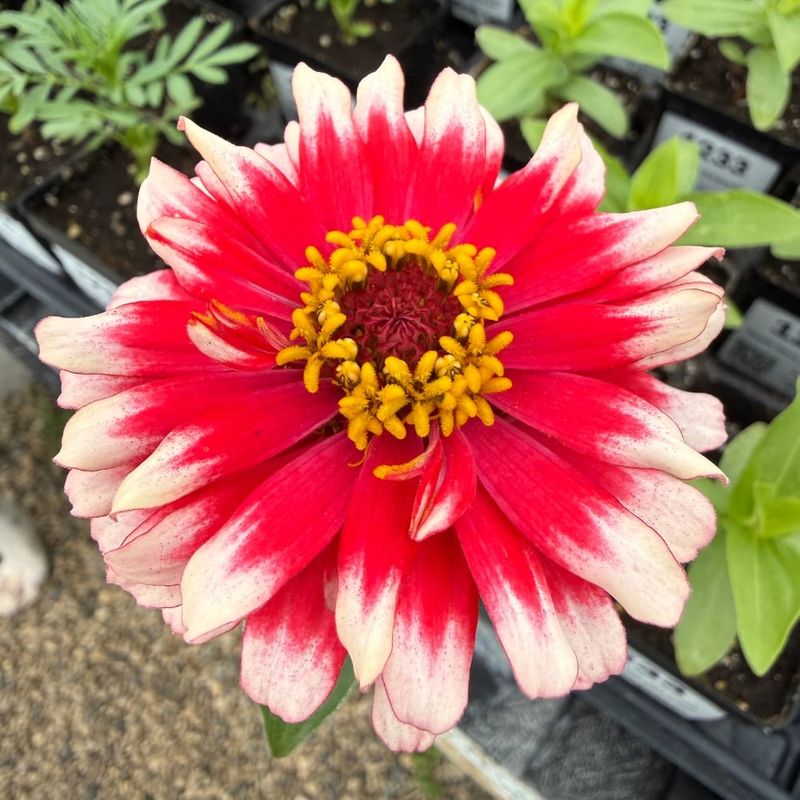
Zinnias are the confetti of the flower bed, and they hit their stride when the sun is relentless. These heat-loving annuals flourish in full sun, needing six to eight hours of direct light daily for the strongest, most vibrant flowering.
Florida timing is a little different from up north. Seeds go in during spring statewide, and South Florida gardeners get a second window in fall.
Bloom season runs continuously from late spring through fall. The state’s warm climate and long growing season let zinnias grow fast and flower heavily.
More sun also means sturdier stems, which matters if you plan on cutting bouquets. Shaded plants tend to lean toward the light and flop after rain.
Watering technique deserves attention here. Zinnias tolerate dry stretches once established, though they perform best with regular water applied at soil level rather than over the leaves.
Keeping foliage dry helps reduce fungal problems, which are the main headache in humid air. Morning watering gives leaves time to dry out.
Removing faded blooms promotes a longer flowering period, so grab scissors once a week. Every cut stem encourages the plant to send up another bud.
Space plants for airflow and they will reward you generously.