A hummingbird feeder is only half the story – these Oregon native blooms do the rest
A sugar-water feeder is a nice start, but it cannot do everything a hummingbird needs. Native Oregon flowers give these tiny birds real nectar plus the small insects they hunt for protein.
West of the Cascades, our mild wet winters and dry summers are perfect for plants that feed both year-round Anna’s hummingbirds and traveling Rufous hummingbirds. Plant a few of these, and your yard becomes a real habitat instead of just a snack stop.
1. Western Columbine (Aquilegia formosa)
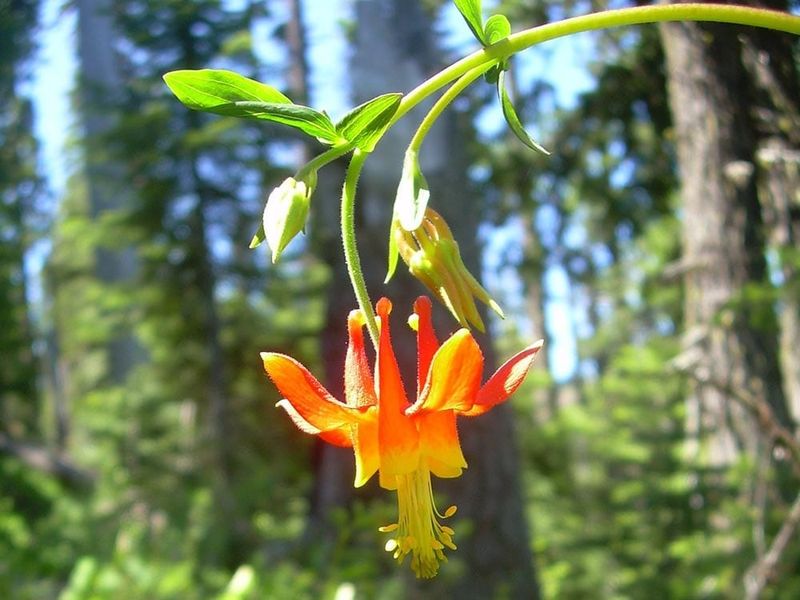
Few native flowers look quite as playful as Western Columbine, with its little orange-red spurs dangling like tiny lanterns above bright yellow petals. Hummingbirds go straight for those spurs, dipping in for nectar that other flowers keep tucked away.
It blooms from spring into summer, which makes it a bridge plant right when Rufous hummingbirds are passing through and Anna’s are nesting. West of the Cascades it happily takes full sun to part shade, and it is easygoing about soil.
Here is a fun bonus for the frugal gardener: it is a short-lived perennial that self-seeds like a champ, so one plant often becomes a small colony over a few years. Once the flowers fade, sparrows and finches show up for the seeds, so you get two kinds of wildlife visitors from a single plant.
2. Scarlet Monkeyflower (Erythranthe cardinalis)
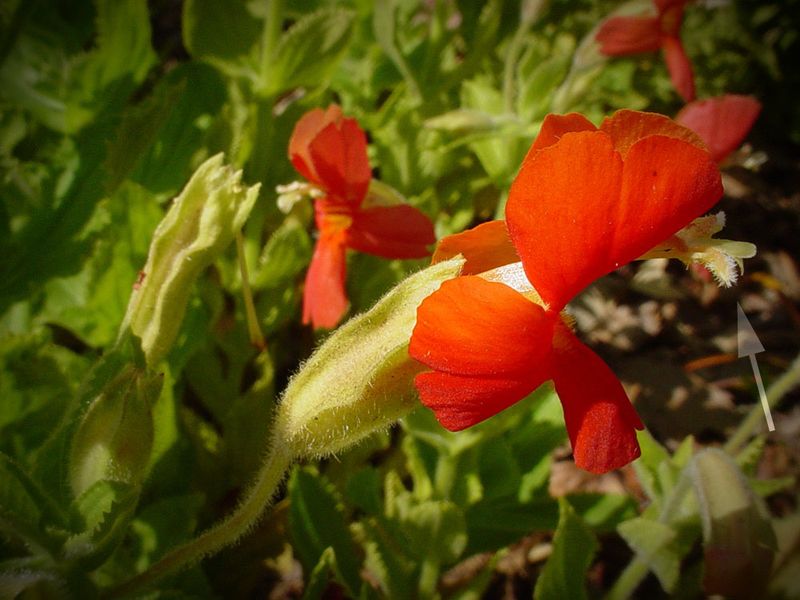
If there were a flower designed by a hummingbird committee, it might look like Scarlet Monkeyflower. The blooms are pure fire-engine red and shaped like little trumpets, exactly the color and form these birds cannot resist.
Where it really earns its spot is timing. It keeps flowering through summer and into fall, covering that stretch after spring plants have quit and resident Anna’s still need to eat.
It loves full sun and does not mind damp feet, so it is a smart pick for that soggy low corner of the yard that other plants sulk in. Give it consistent moisture during our dry Oregon summers and it will reward you with weeks of red blooms that can attract hummingbirds from surprising distances.
3. Penstemon (Penstemon spp.)
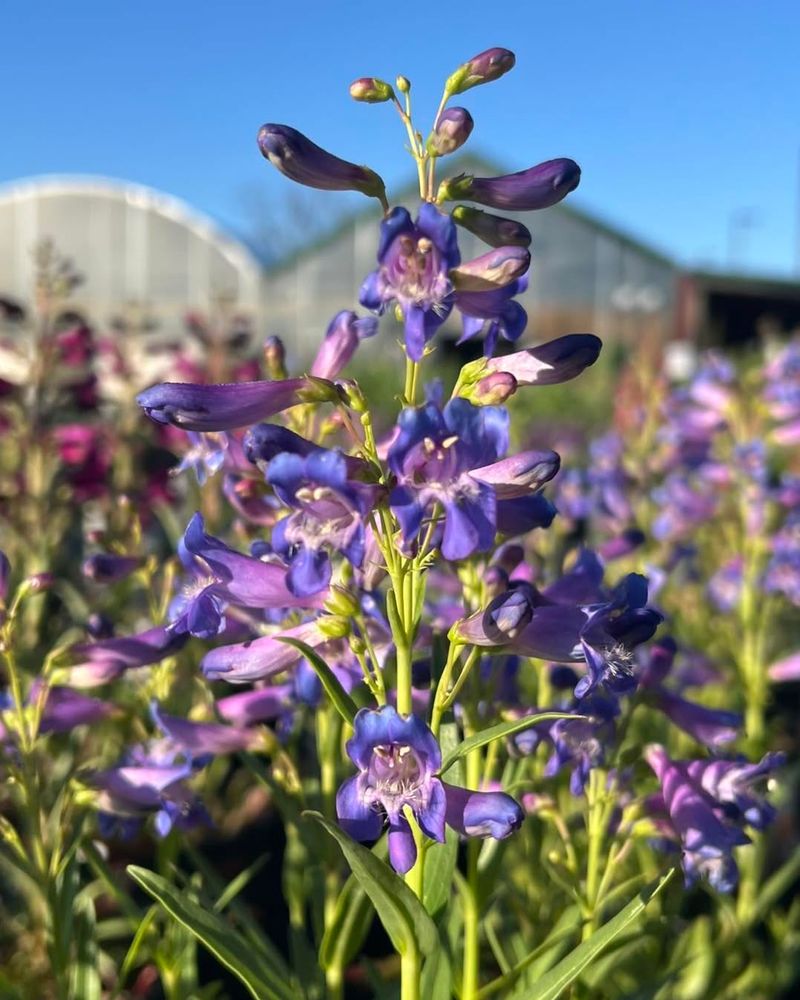
Penstemon, sometimes called beard-tongue, is the plant for gardeners who want a lot of payoff for very little fuss. Its tall spikes of tubular blossoms come in reds, pinks, and purples, and hummingbirds work them like a buffet line, moving flower to flower up each stalk.
What sets this group apart is variety. There are dozens of species, some built for dry high-desert conditions east of the Cascades and others that shrug off humid maritime summers, so there is almost always a Penstemon suited to your exact spot.
Most are perennial, drought-tolerant once established, and happiest in full sun with well-draining soil. If your ground stays heavy and wet, mix in some grit or plant on a slight slope, and this tough native will keep coming back for years.
4. Orange Honeysuckle (Lonicera ciliosa)
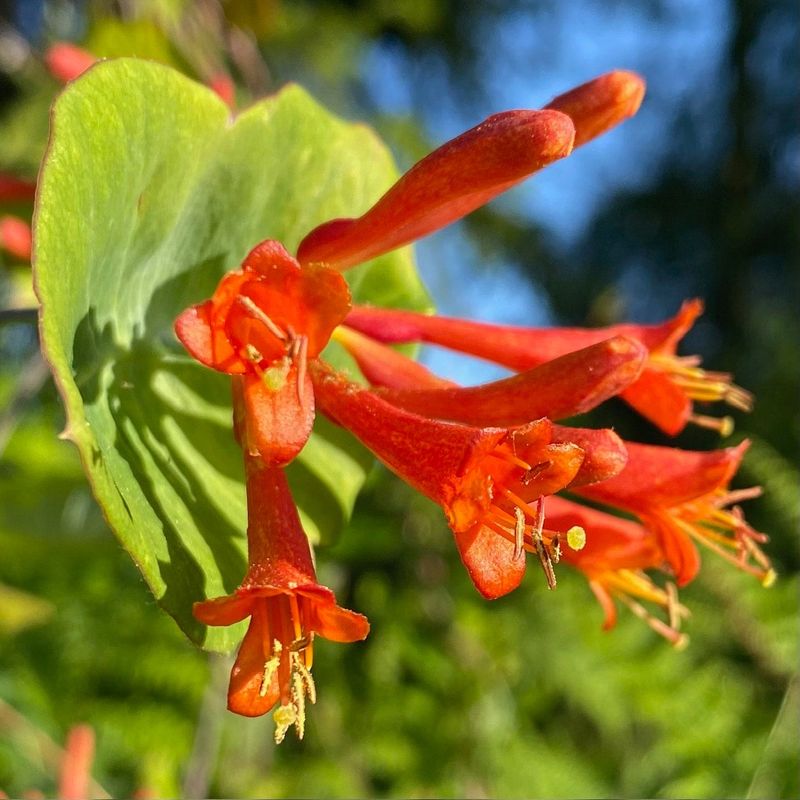
Climbing plants often get overlooked in the hummingbird conversation, and Orange Honeysuckle is here to fix that. Its clusters of yellow-orange tubular flowers practically glow, and they bloom solidly from spring into summer.
Your Oregon Garden Changes Every Week. Your Plan Should Too.
Gardening in Oregon changes quickly throughout the season. Every Friday you’ll receive a simple weekly plan showing exactly what to plant, prune, fertilize, harvest, and protect so you never miss the right timing.
Unlike the sun-lovers on this list, this vine actually prefers open shade to partial sun, which makes it a rescue plant for that dim spot along a fence or the north side of a shed. Let it scramble up a trellis or an old snag and it fills vertical space that most flowers cannot reach.
Do not confuse it with the invasive imported honeysuckles. This one is native, well-behaved, and its tubular shape is a natural match for a hummingbird’s long bill.
If you want a cousin, Hairy Honeysuckle (Lonicera hispidula) blooms late spring into early summer and works too.
5. Yarrow (Achillea millefolium)
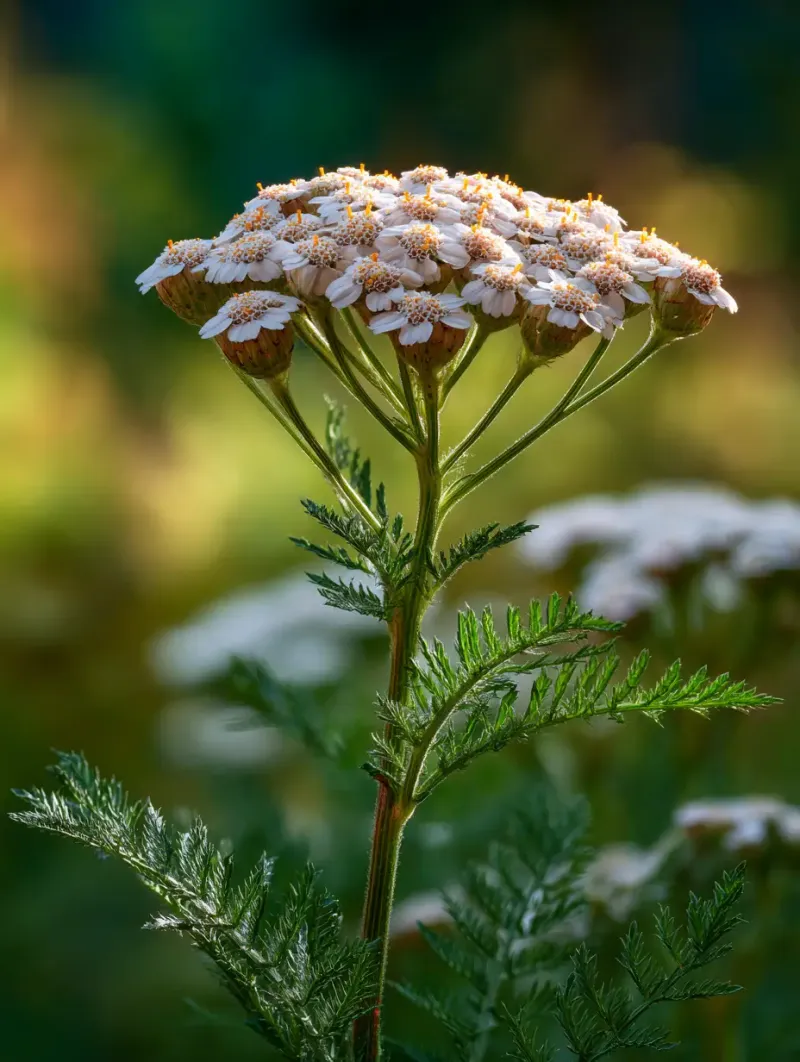
Yarrow is the plant you install and then almost forget about, which is exactly why busy gardeners love it. White yarrow is native to western Oregon and asks for practically nothing once its roots take hold.
Its flat-topped flower clusters bloom from early spring into mid-summer and pull in a whole crowd: hummingbirds, bees, and butterflies all stop by. That broad appeal makes it a workhorse if you are trying to build a full pollinator scene rather than just feeding one species.
The feathery foliage handles drought beautifully during our rainless Oregon summers, so it fits dry, sunny beds where fussier plants give up. It also plays nicely in a meadow-style planting, weaving between taller flowers without demanding the spotlight.
6. Fireweed (Chamerion angustifolium)
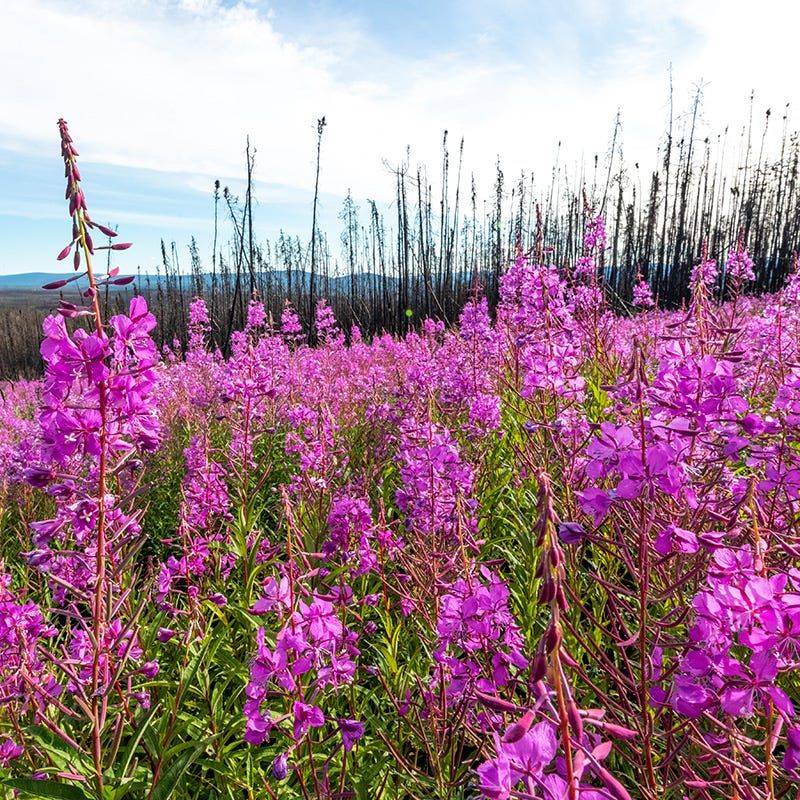
Fireweed earned its name by being the first plant to blaze back after wildfires, and that pioneer spirit makes it a striking summer performer. Tall stalks light up with magenta-pink blooms that open from the bottom upward, giving hummingbirds a long feeding window on each stem.
Because it thrives in open, disturbed ground, it is a great choice for that raw new bed or sunny slope you have not figured out yet. It spreads, so give it room or a spot where a little enthusiasm is welcome.
Beyond the birds, its summer bloom fills a gap when many spring natives have already finished. In an Oregon garden it brings both bold color and reliable mid-season nectar to keep resident hummingbirds fed.
7. Checkermallow (Sidalcea sp.)
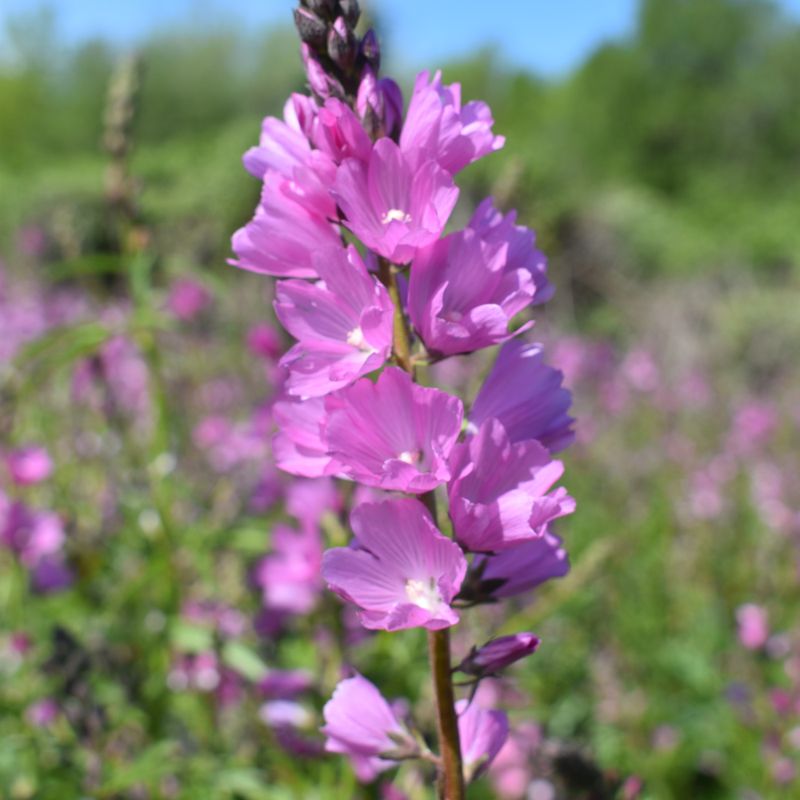
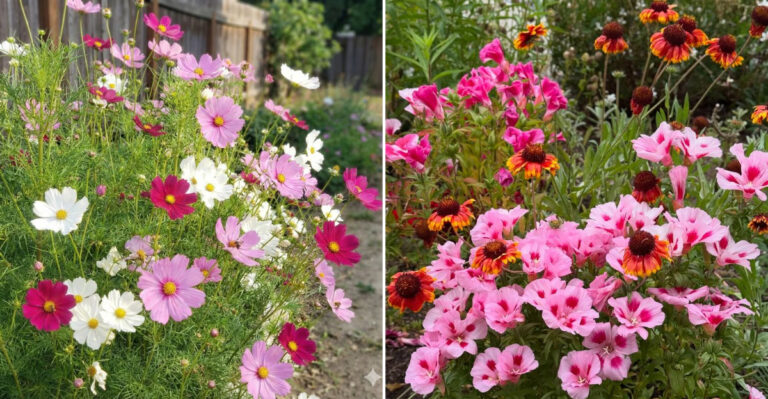
Checkermallow brings a soft, cottage-garden charm that feels almost old-fashioned, with pink cup-shaped flowers marching up slender stems. It has a graceful, understated look that balances out the fiery reds elsewhere in a hummingbird bed.
Its real value is stamina. Blooming through summer and into fall, it helps carry your garden past the point where earlier natives fade, keeping food on the table for Anna’s hummingbirds that stick around all year.
Several Sidalcea species are native to the Willamette Valley, so they are already tuned to our clay soils and wet-winter, dry-summer rhythm. Tuck a few among grasses or lower perennials and let their vertical spikes rise up for a natural meadow effect.
8. Oceanspray (Holodiscus discolor)
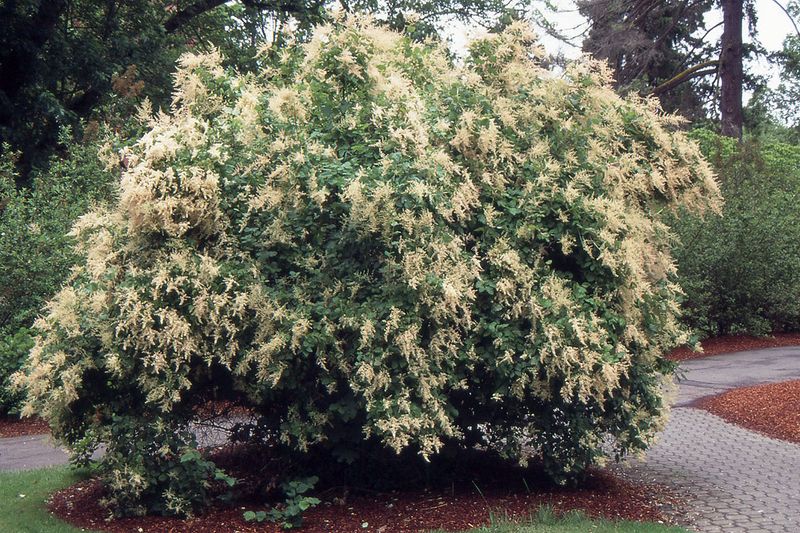
Every good habitat needs some backbone, and Oceanspray is the shrub that provides it. In summer it erupts with frothy, creamy-white flower plumes that droop like sea foam, which is exactly how it got its name.
Adding a native shrub changes the whole feel of a hummingbird garden. It gives the birds perches, shelter, and a home for the small insects they snap up for protein, so it feeds them in more ways than nectar alone.
Tough and adaptable, it handles the dry summers and forest edges of western Oregon without much babying. Plant it as a backdrop and let your smaller flowers do their bright work in front, knowing the shrub is quietly holding the habitat together and drawing pollinators of all kinds.