The Underrated Texas Porch Plant That Keeps Wasps From Nesting By Your Door
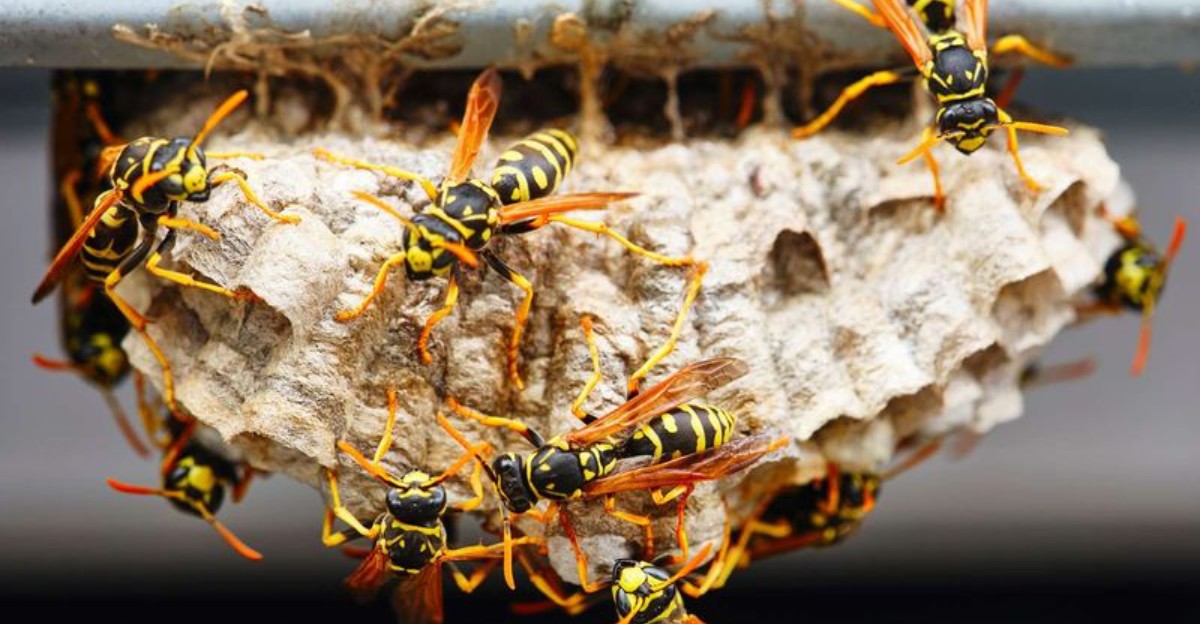
Texas front porches in September have a certain nervous energy, somewhere between a welcome mat and a dare. You reach for the door handle, then pause, because something up there clearly keeps watching you.
Most folks respond with a rolled-up newspaper, a can of spray, or a truly athletic sprint. None of that fixes the shady corner above the light, where trouble keeps signing a new lease.
Gardeners across the Texas Hill Country found a simpler answer sitting quietly in a clay pot. It costs less than a dinner out, loves brutal heat, and smells like a very expensive candle.
Even better, it handles the work without smoke, sprays, or that undignified dash to the mailbox. Your old porch swing has waited long enough for a season with zero flinching, mostly.
The Lemongrass Advantage On A Texas Porch
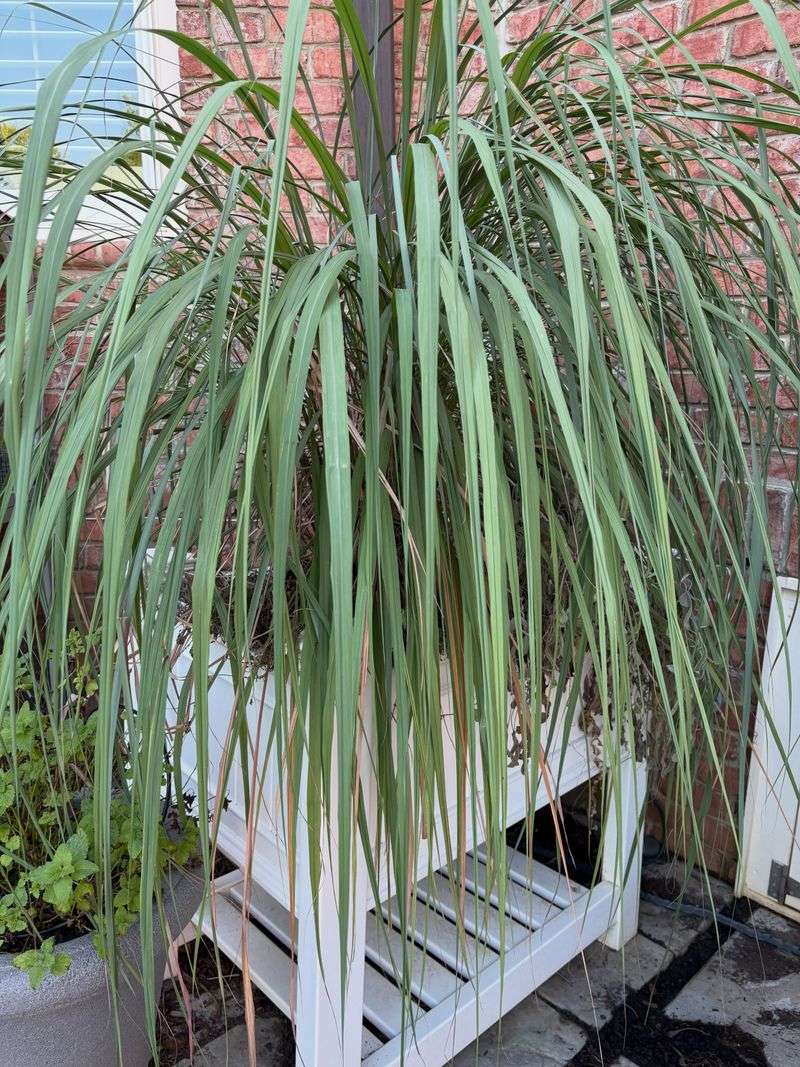
Lemongrass earns its spot because it smells wrong to the paper wasps that scout your doorframe. Scouts prefer quiet, odor-free corners, and a tall clump of grassy citronella scent muddles their careful search.
Texas gardeners often reach for citronella candles, yet the living plant works longer with far less smoke. One big pot beside the steps releases oils every time a breeze or sleeve brushes the blades.
Wasps rely heavily on scent to judge whether a spot feels safe for a paper nest. Strong lemon oils confuse that judgment, so scouts usually drift toward a neighbor’s quieter eave instead.
Height matters more than people expect, since it can reach up to four feet by the end of a Texas summer. That mass of leaves shades the wall, stirs the air, and keeps fragrance near the entry.
Unlike fussy repellent plants, lemongrass shrugs off August heat, hard sun, and the odd missed watering. Gardeners in Houston, Austin, and Lubbock report the same easy results with almost no fertilizer.
Bonus points for the kitchen, because trimmed stalks flavor soups, tea, and grilled chicken all season. Few porch plants watch over the door and season your dinner during the very same afternoon.
Think of it as a fragrant doorman that asks unwanted guests to keep moving along politely. Cheap, tough, and useful, lemongrass deserves far more credit than most Texas porches give it.
Start with a nursery clump in a wide pot, then set it where visitors pass closest. Small effort, quiet reward, and a front door that finally feels less like prime real estate.
The Citronella Oil Behind The Scent Barrier
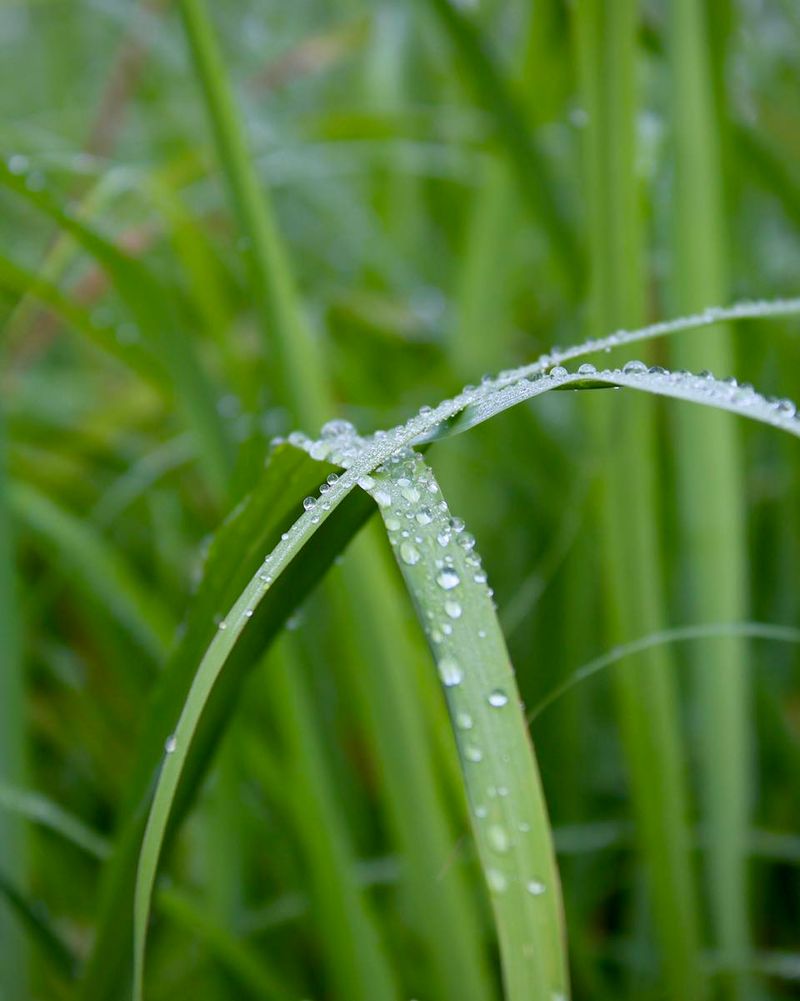
Crush a blade between your fingers and that sharp lemon smell comes from citral and geraniol. Both compounds sit inside the leaves, waiting for heat, wind, or a curious hand.
Insects read the world through chemical signals, and these oils scramble the messages wasps depend on. A confused scout cannot confirm shelter, food, or safety, so it rarely commits to building.
Many gardeners report the same oils that bother mosquitoes also seem to unsettle stinging visitors. Concentration matters, which explains why one lonely sprig in a tiny pot does little.
Your Texas Garden Changes Every Week. Your Plan Should Too.
Gardening in Texas changes quickly throughout the season. Every Friday you’ll receive a simple weekly plan showing exactly what to plant, prune, fertilize, harvest, and protect so you never miss the right timing.
Warm Texas afternoons push more oil into the air, turning a September porch into a fragrant buffer. Evening cooling slows release, though the leaves keep working whenever someone walks past and brushes them.
The process doesn’t harm the insects, which matters because wasps still hunt caterpillars in your garden. They simply relocate, choosing a fence post or tree branch well away from your handle.
Mixing lemongrass with mint or rosemary layers the scents and covers a wider stretch of wall. Layered aromas make the entry read like a busy market rather than an empty attic.
The scent barrier works quietly, without traps, sprays, or that nervous dance under the porch light. Chemistry does the arguing while you sip iced tea and watch the sun slide down.
Rub a leaf near hinges and mail slots to spread oil onto surfaces scouts inspect first. Reapply weekly, because the fragrance fades faster than stubborn insect curiosity does.
September Timing For Gulf Coast And Hill Country Porches
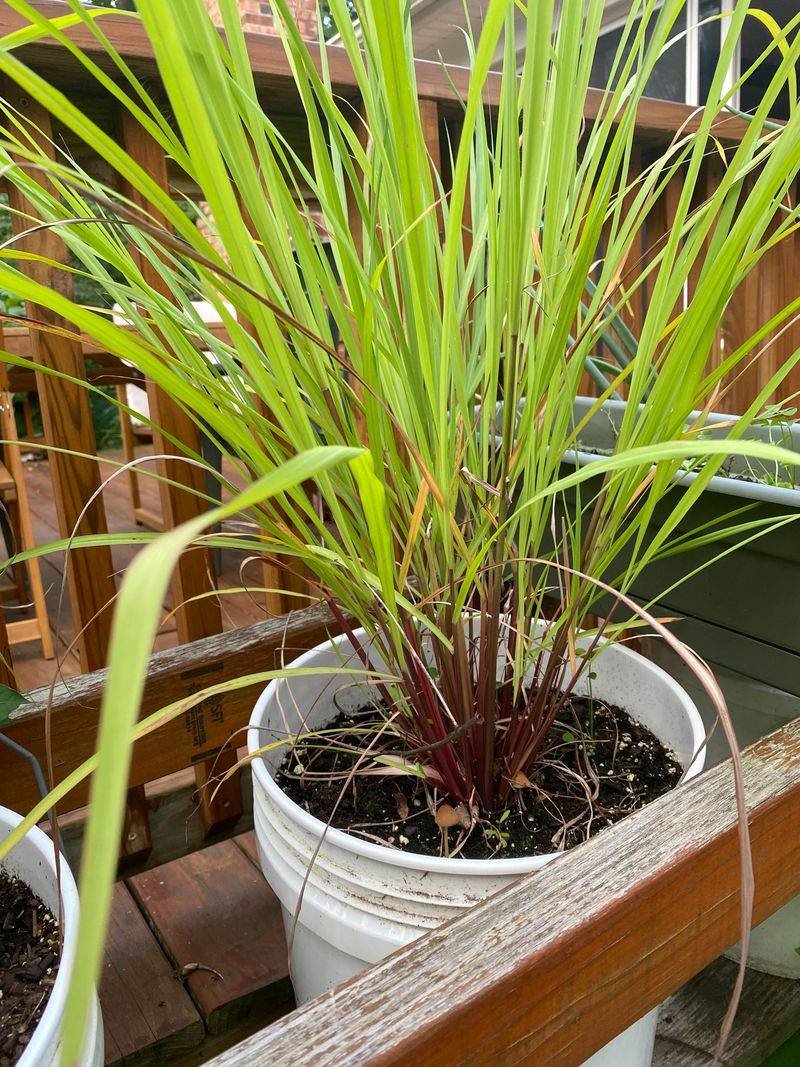
Early fall is prime nest-expansion season, since colonies peak just as picnic season winds down. Queens push for one last growth spurt, and workers get bolder around doorways and trash bins.
Setting out a mature lemongrass pot now gives you scent coverage during those restless weeks. Nurseries across Texas still carry gallon clumps in September, often marked down after the summer rush.
Soil stays warm through October, so roots settle quickly without the shock of July planting. A plant established now returns thicker next spring if you protect the crown from freezes.
Watch the blades after the first cool snap, usually mid November in Dallas and Waco. Growth slows, color fades, and the fragrance softens, which is your clear cue to prune hard.
Along the Gulf Coast, lemongrass often stays green all winter and keeps the entry smelling unwelcoming to scouts. Farther north, gardeners drag pots into garages and haul them back out in March.
Autumn planting also beats the rush, because spring nurseries sell out of herbs fast. A September purchase means a full-size clump waiting when scouts return in warm April weather.
Timing turns a decorative grass into real protection for the season that actually needs it. Late summer shoppers get tough plants, cooler work, and fewer sweaty trips with a watering can.
Mark your calendar for a second pot in spring, doubling coverage on wide covered porches. Two clumps flanking the door look intentional and smell twice as unwelcoming to scouts.
Placement Mistakes That Let Nests Return
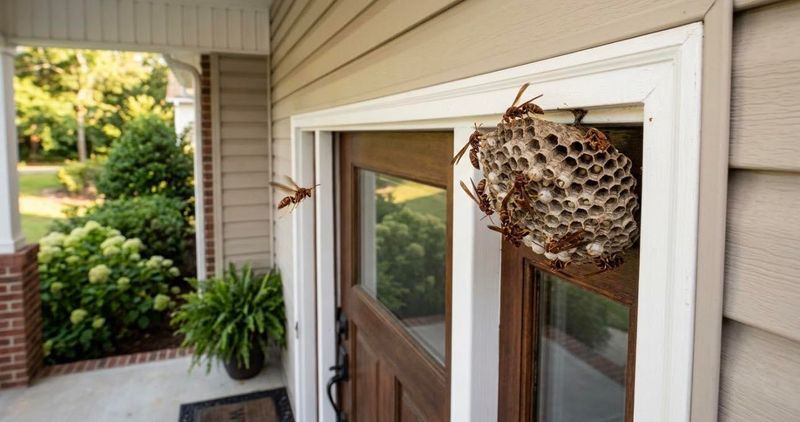
Tucking the pot in a shady corner feels tidy, yet it wastes the plant’s best trick. Lemongrass needs sun and foot traffic, because heat and movement are what release the oils.
Another common slip is choosing a pot the size of a coffee mug for a giant grass. Cramped roots mean thin blades, weak fragrance, and a clump that quits by October.
Distance matters too, since scouts inspect the exact spot where wall meets ceiling above your door. A plant parked ten feet down the walkway barely registers in that tight airspace.
Skipping inspections is the sneakiest mistake of all, because nests start smaller than a quarter. Lemongrass discourages fresh building, though it will not evict a colony that already settled overhead.
Some folks plant seed and expect results by fall, which rarely works in one season. Buying an established clump saves months and delivers fragrance the afternoon you carry it home.
Overwatering ranks high on the list, especially in clay-heavy yards around Fort Worth and Temple. Soggy roots rot, leaves yellow, and the scent barrier fades right when wasps get busy.
One more trap is hiding the clump behind furniture, where breezes and shoulders cannot reach it. Leave the blades exposed so every passing sleeve triggers another puff of lemon.
Fixing placement costs nothing but a few minutes and a slightly awkward drag across concrete. Move the pot, watch the sun, and let the grass do the unfriendly talking.
Care Habits That Strengthen The Scent Barrier
Healthy lemongrass smells loud, and loud is exactly what you want beside a busy entrance. Deep soaking twice each week beats daily sprinkles, especially in fifteen gallon pots under eaves.
Feed lightly every month with fish emulsion or a balanced granular fertilizer during warm weather. Rich green blades hold more aromatic oil, while pale, hungry leaves lose their punch quickly.
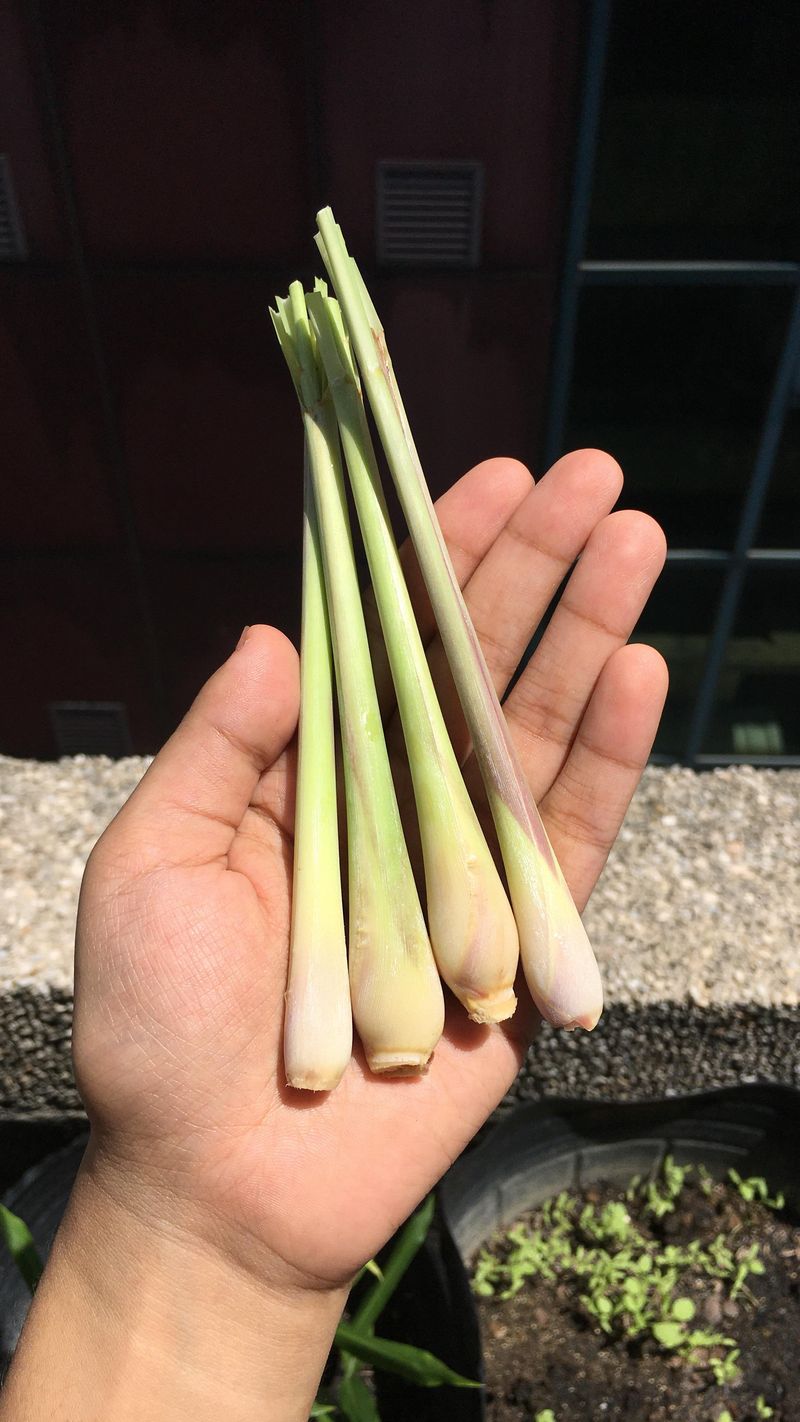
Harvest outer stalks regularly, cutting close to the base with a clean, sharp kitchen knife. Trimming stirs fresh growth and spreads that bright lemon aroma across the whole porch instantly.
Drainage deserves real attention, so mix coarse sand or expanded shale into standard potting soil. Texas clay in a container turns into a brick, and roots simply refuse to cooperate.
Give the clump six hours of direct sun, even if that means moving the pot seasonally. Wheeled plant caddies make the seasonal shuffle painless and save your back in the process.
Winter care is simple, since a hard cut to eight inches protects the crown nicely. Mulch the surface, hold back water, and wait for green spears in the early spring.
Wipe dust off the blades occasionally, because grime blocks the tiny pores that release fragrance. A quick rinse with the hose refreshes the scent and cools the whole entryway.
Divide crowded clumps every second year, then gift the extras to neighbors with wasp trouble. Free plants, friendlier porches, and one less reason to swat wildly at the mailbox.
A Calmer Front Door Through Fall
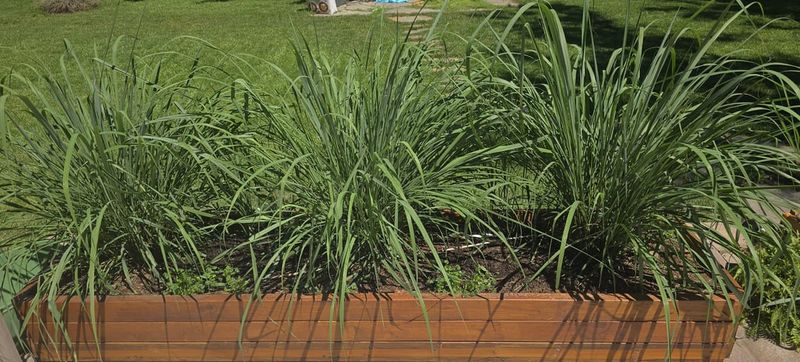
By late October most porches with a thriving clump see far fewer scouts circling the light. Nests that do appear tend to sit farther out, along fences, sheds, or tall oaks.
Neighbors notice the difference during Halloween, when kids crowd the steps without anybody flinching nervously. One Round Rock gardener swears her two big pots ended years of nervous porch dodging.
Combine the grass with simple habits for steady results through winter and into the following spring. Knock down empty nests in December, seal small gaps, and keep sweet drinks covered outdoors.
Hanging baskets and sticky traps can help, though the living plant asks for far less fuss. Water, sun, and an occasional haircut keep the fragrant barrier standing month after month.
Expect partial protection rather than perfection, because no single plant outranks a determined queen everywhere. Still, shifting the odds at your busiest doorway is a genuine win for most families.
Save a few root divisions each spring so coverage grows alongside your patio furniture collection. Wider porches benefit from three clumps spaced evenly between the rails and the door.
Keep one pot near the grill too, since food smells attract the same curious visitors. A little lemongrass between the burgers and the back door saves plenty of yelping.
The reward is small but real, a doorway that feels friendly again during football season. Guests smell lemon, wasps smell trouble, and everybody heads where they actually belong.