Missouri Lawns Are Getting A Strange Plum Tint This Month
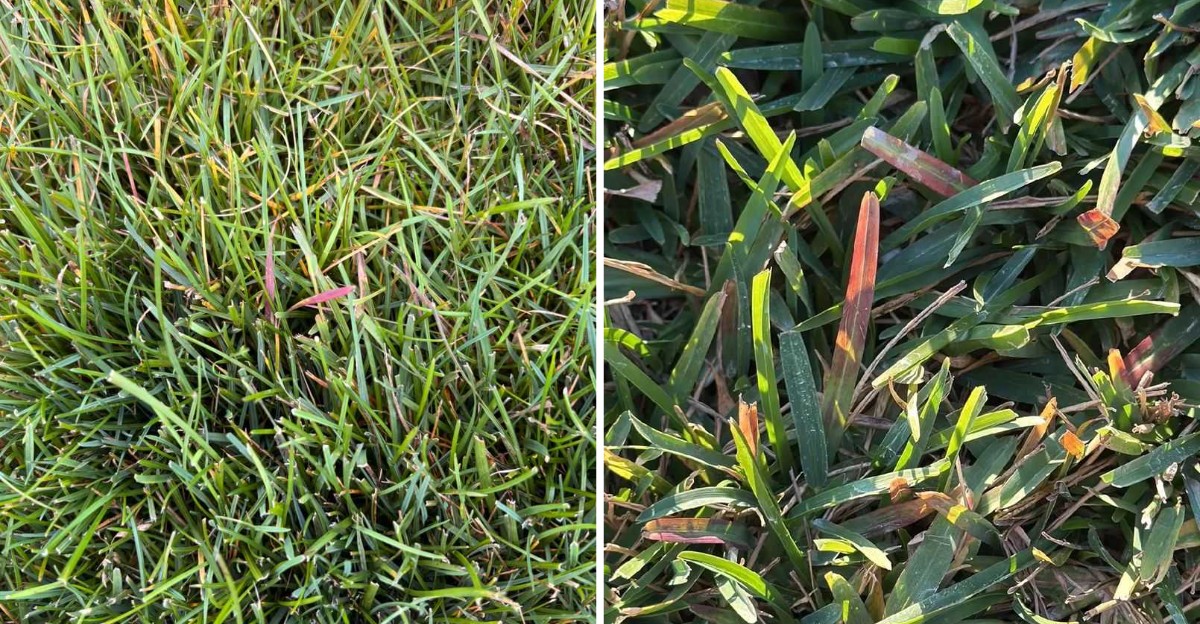
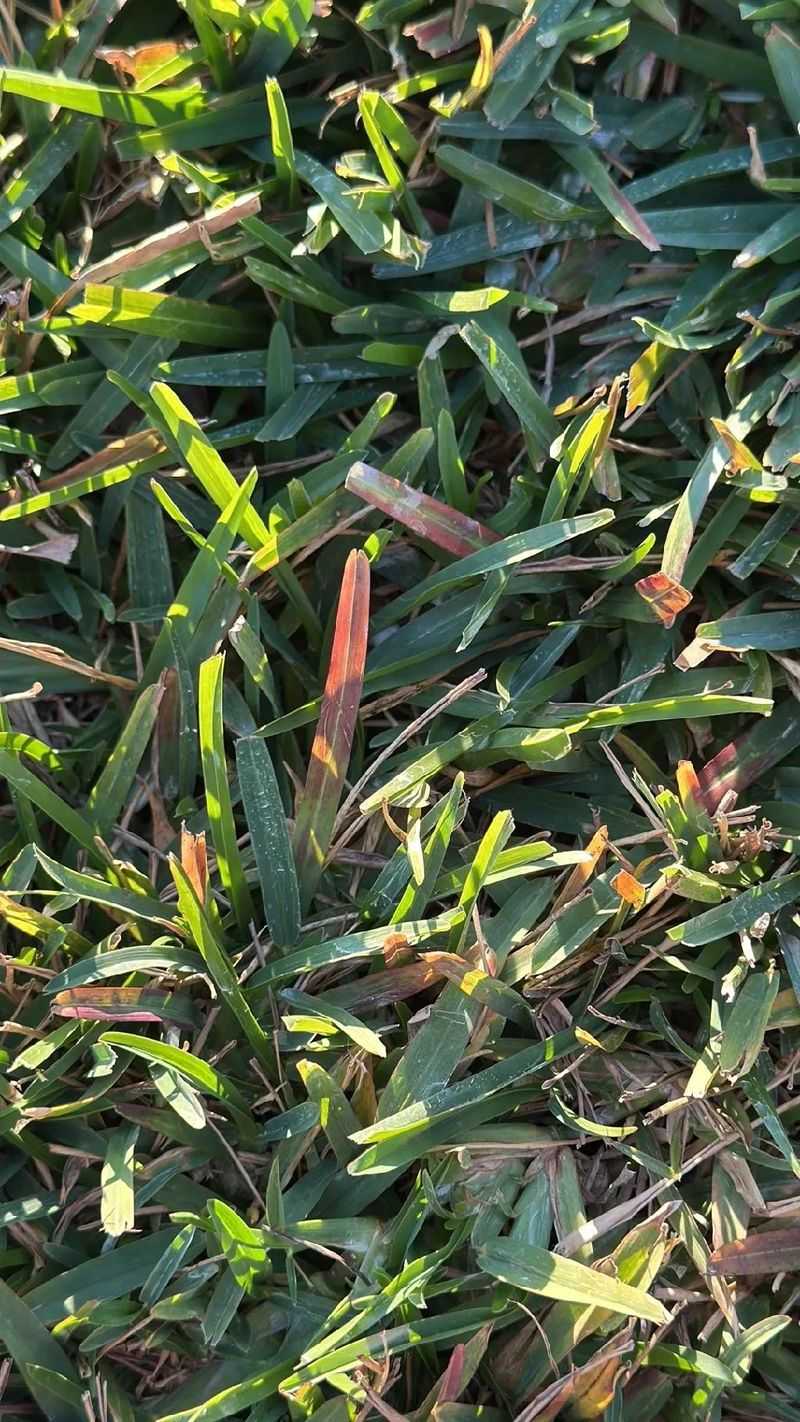
Something peculiar is unfolding along Missouri driveways and sidewalk strips this month, right where the mower turns around. From the porch the grass looks fine, but up close the edges look faintly discolored.
Morning dew glitters, the mower hums, and everything feels like a normal early fall Saturday. Then you kneel down and notice a soft plum tint riding the very tips of the blades.
Neighbors blame the mower blade, the dog, the sprinkler head, or last week’s surprising cold snap. A few of them are closer to the truth than they probably realize.
Grass rarely shifts color without a reason, and September in Missouri hands out reasons generously. Your yard is apparently wearing autumn eyeshadow, and nobody remembers handing it the brush.
Cool Nights Trigger Pigment In Grass Blades
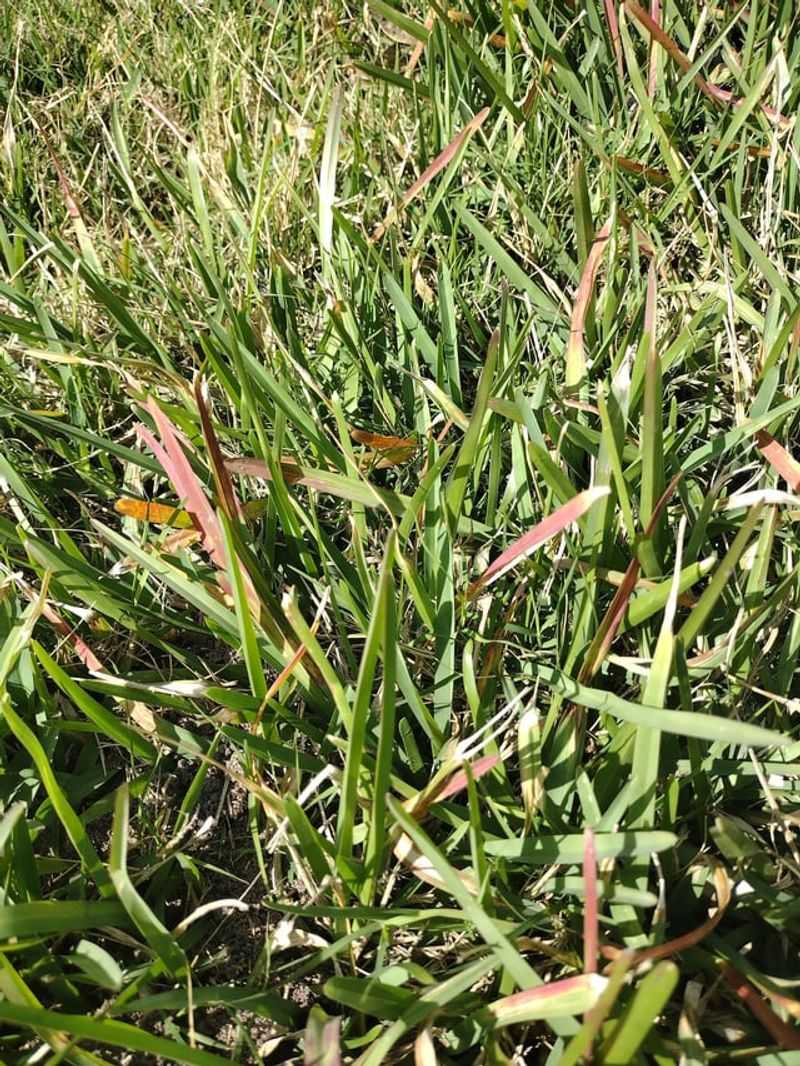
Grass blades carry more than green pigment, and September weather in Missouri coaxes the extras out of hiding. Chlorophyll handles the familiar green, while a purple pigment named anthocyanin waits quietly in the background.
When nights slide into the forties and afternoons stay warm, the plant keeps building sugar all day. Chilly soil slows root activity down, so that sugar piles up inside the leaf tissue.
Stored sugar plus bright sunlight switches on anthocyanin, and the leaf tips pick up a plum cast. Yards show it first along driveways, sidewalk strips, and slopes facing the hot afternoon sun.
Tall fescue, Kentucky bluegrass, and perennial ryegrass each carry the trait in noticeably different amounts. One seed variety may blush dramatically while a neighbor’s similar lawn stays stubbornly green.
Fresh growth shows the color best, which explains that tidy purple rim running along every blade edge. Older leaves down in the canopy usually hold their regular green shade without any tint.
Mowing edges get extra attention from the sun, so clipped tips often color faster than untouched grass. Sharp blades reduce that ragged look and shrink the surface where pigment gathers.
Pigment alone does not harm the plant, and plenty of lawns green back up after warm days. The blush still works as a useful signal, and reading it beats guessing each autumn.
Picture your lawn commenting on air temperature and root activity in one quick glance at the curb. Once that language makes sense, September purple feels predictable rather than worrying.
Phosphorus Uptake Trouble In Chilly Missouri Soil
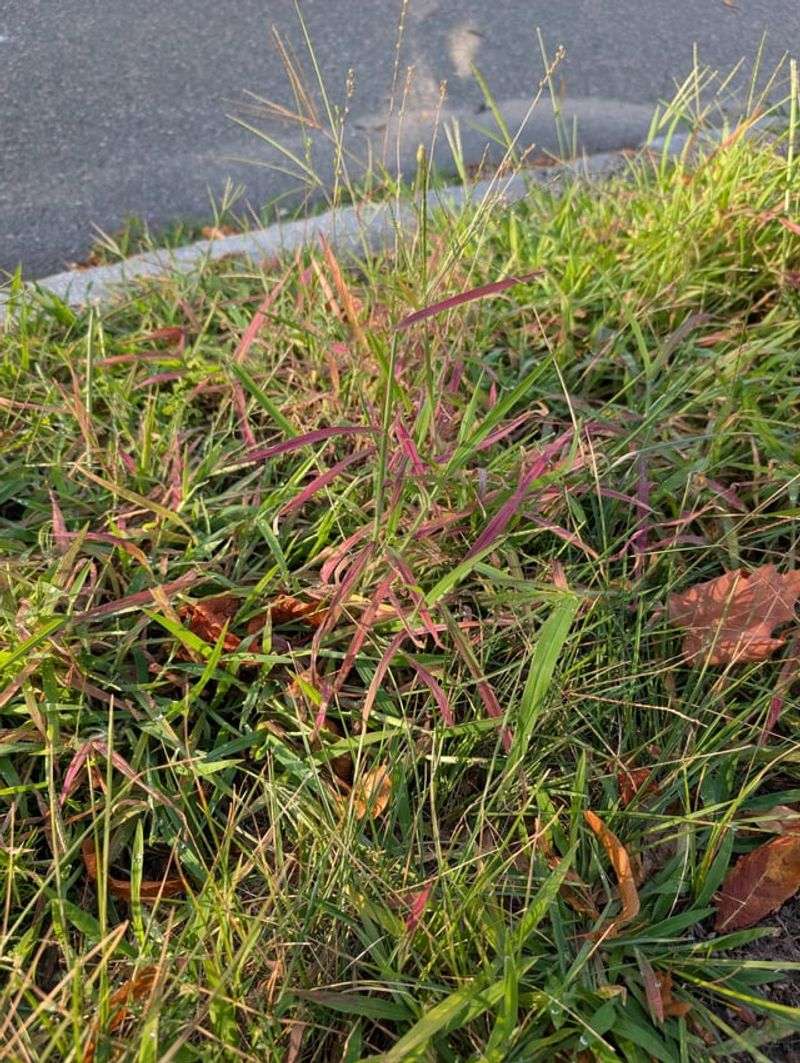
Purple tips also show up when roots cannot pull in enough phosphorus, a nutrient tied to energy transfer. Soil may hold plenty, yet cold and compaction keep it out of reach.
Phosphorus moves slowly through soil, so roots must grow toward it rather than wait for delivery. Cool September soil slows root growth, and uptake drops right along with it.
Much of Missouri sits on heavy clay and claypan subsoil that holds water and squeezes roots. Tight soil limits oxygen, and stressed roots gather nutrients poorly.
Soil pH matters as much as quantity, since phosphorus locks up in strongly acidic or alkaline ground. Many Missouri yards drift acidic over the years, especially under mature shade trees.
Your Missouri Garden Changes Every Week. Your Plan Should Too.
Gardening in Missouri changes quickly throughout the season. Every Friday you’ll receive a simple weekly plan showing exactly what to plant, prune, fertilize, harvest, and protect so you never miss the right timing.
Newly seeded lawns show purple more often because tiny seedlings have short roots and small reserves. September overseeding is common here, so fresh fescue seedlings frequently blush.
Deficiency purple tends to look different from cold purple, spreading down the blade instead of edging the tip. Growth also slows, and the whole lawn may look dull and thin.
Mowing height plays a quiet role, since grass cut too short loses the leaf area needed to feed roots. Shorter roots then reach less soil, and nutrient pickup suffers again.
A guess about phosphorus can waste money and add nutrients that wash into nearby creeks. Testing first keeps the fix honest and protects local water at the same time.
September Timing For Missouri’s First Cool Snaps
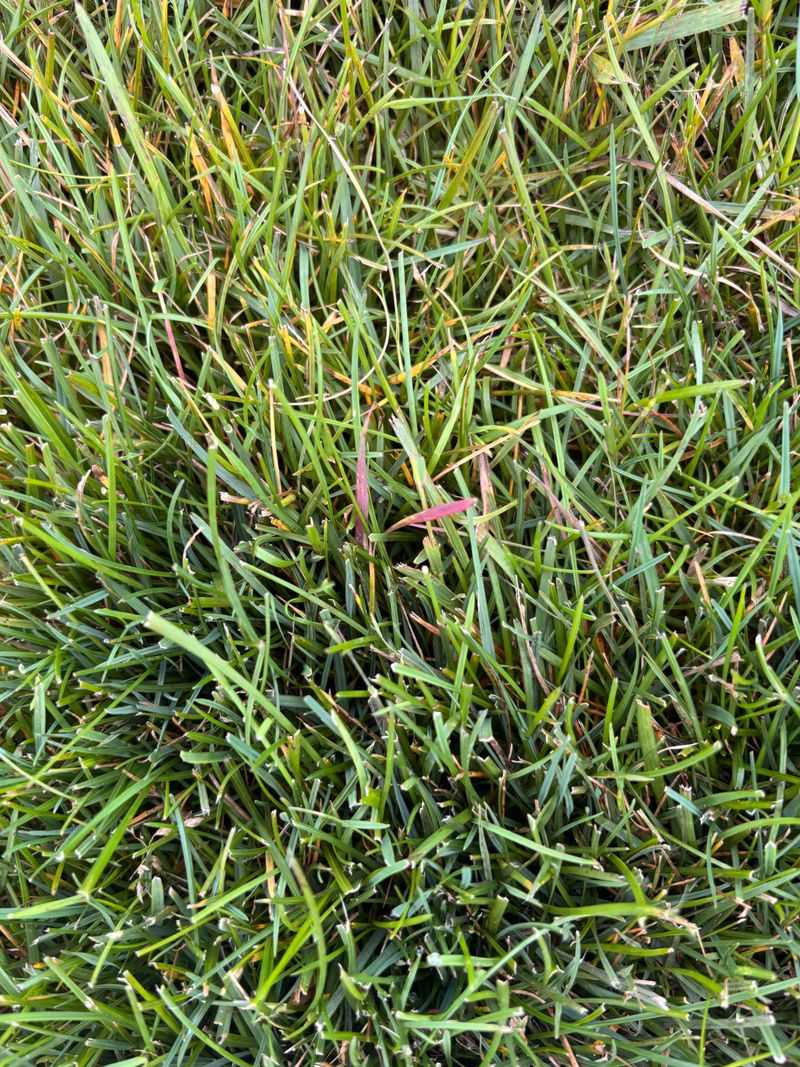
Timing explains why this color arrives on schedule, usually during the first half of September. Warm afternoons near eighty degrees pair with nights dipping toward the upper forties across the state.
That daily swing creates the sugar surplus behind the pigment, and wider gaps produce stronger color. Northern Missouri often sees the shift about a week before the Bootheel does.
Cool-season grasses wake up again this month after a long, tiring summer of heat and patchy rain. Root growth restarts, though soil temperature lags behind the air by several days.
September rainfall adds another layer, since a soaked week cools soil quickly and cuts available oxygen. Dry stretches do the opposite, leaving roots short on both moisture and nutrients.
Lawns seeded in late August hit the two-leaf stage right as nights turn genuinely chilly. Purple seedlings in early October are a familiar sight around Columbia and Springfield.
Bermudagrass and zoysia behave differently, fading toward straw and sometimes flashing purple before dormancy. Warm-season turf shuts down early once soil readings settle below sixty degrees for days.
Frost is not the trigger here, since Missouri’s first freeze usually arrives well after mid October. Cool nights handle the job alone, long before any real frost appears.
Mark the date you first notice the color, then compare it against next year’s calendar. Patterns repeat, and one small note beats a frantic search every single autumn.
Common Lawn Mistakes That Deepen The Purple Cast
Plenty of homeowners reach for a fungicide the moment odd color appears, which rarely helps in September. Pigment from cool nights or nutrient trouble simply does not respond to disease sprays.
Heavy nitrogen feels like the obvious answer, yet pushing lush growth on weak roots tends to backfire. Blades stretch, demand climbs, and the purple sometimes spreads farther down each leaf.
Cutting the lawn too short in early September strips leaf area exactly when grass rebuilds its energy reserves. Tall fescue in Missouri does better kept around three and a half inches through fall.
Watering by habit instead of need keeps heavy clay soggy and starves roots of oxygen. Wet, cool ground also holds less oxygen, which slows phosphorus movement toward the root zone.
Skipping a soil test and grabbing random bags leads to guesswork and leftover fertilizer in the garage. Testing costs only a few dollars through University of Missouri Extension offices.
Dull mower blades fray the tips, and those rough edges brown and purple along the cut line. Sharpening twice each season keeps the cut clean and the lawn color even.
Seeding too late ranks as another common slip, since seedlings need six weeks before hard cold arrives. Late October seed often blushes, sits still, and thins badly by spring.
Patience gets overlooked most of all, because mild weather often resolves the tint without help. One warm week can undo the whole drama before you spend a single dollar.
Targeted Soil Tests For Purple Blade Corrections
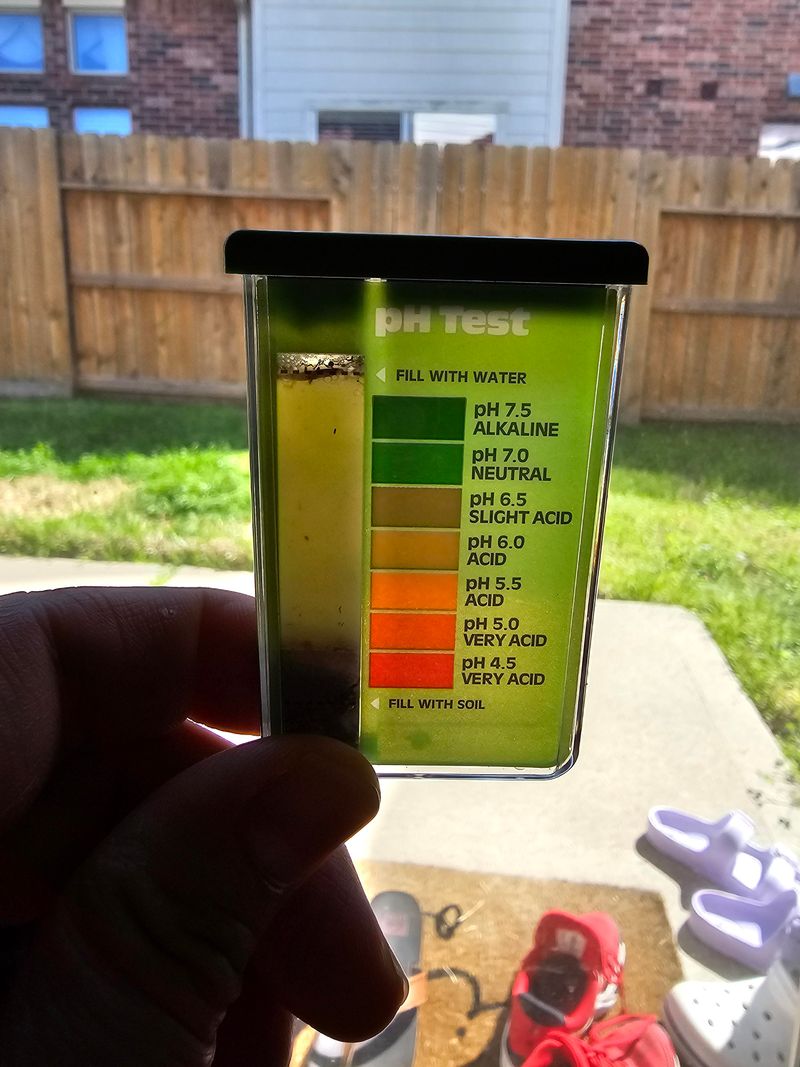
A soil test turns guessing into a plan, and Missouri extension offices process samples affordably each fall. Results list phosphorus, potassium, pH, and organic matter in plain numbers anyone can follow.
Low phosphorus readings call for a starter fertilizer, usually labeled with a noticeably higher middle number. Spread it lightly at the bag rate, then water it in so nutrients reach roots.
Acidic soil below six needs lime, which unlocks nutrients already sitting in the ground unused. Pelletized lime spreads easily in autumn and keeps working slowly through the cold winter months.
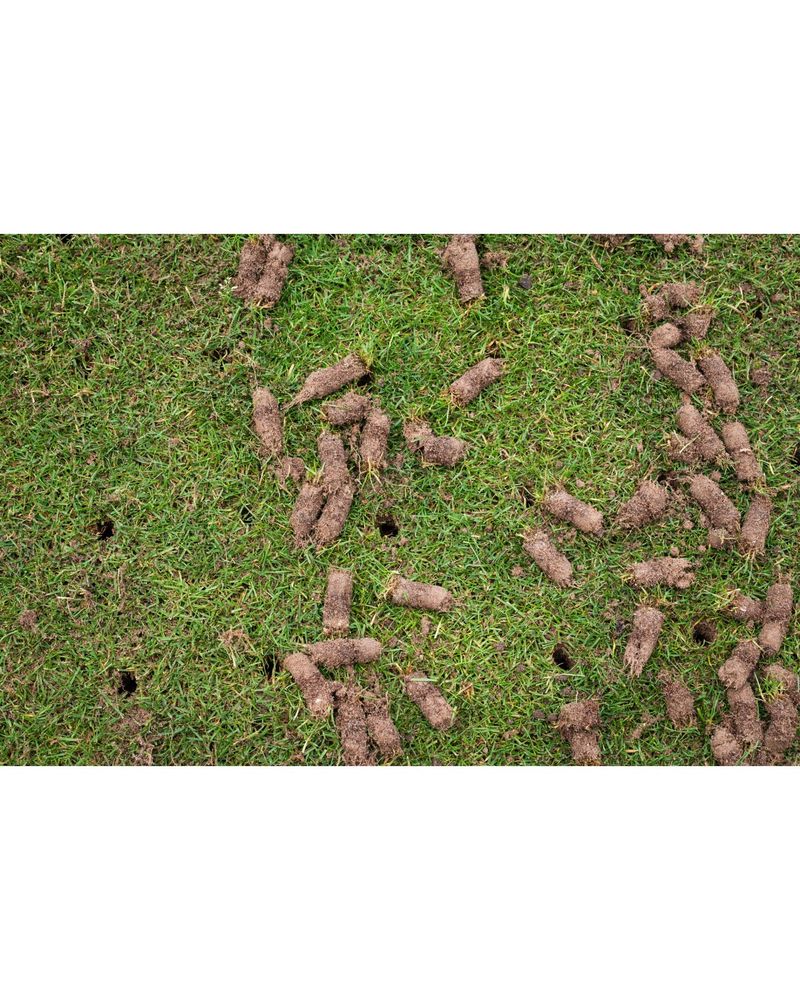
Core aeration during September opens compacted clay soil and lets roots chase nutrients much deeper. Pulling actual soil plugs beats spiking, since spikes press the ground tighter around each hole.
Nitrogen still matters, though timing beats quantity for tall fescue lawns across central Missouri neighborhoods. Light feedings in mid September and again in late October support root growth nicely.
Raise the mowing height by one notch so blades can collect more sunlight every day. Extra leaf area feeds roots, and stronger roots reach nutrients that seemed missing before.
Give any correction a few weeks before judging results, because grass responds at soil speed. Purple usually fades once nights warm briefly or roots finally locate the available phosphorus nearby.
Tuck the old test results in a drawer for comparison after two or three growing seasons. Watching those numbers shift is oddly satisfying, even for people who dislike homework.
Fall Habits That Prevent A Repeat Next September
Strong roots make the biggest difference, and autumn is the season when cool-season grass builds them fastest. Steady attention from September through November pays real dividends during next summer’s heat.
Overseed thin spots by early September so young plants mature before the nights turn sharp. Certified turf-type tall fescue handles Missouri clay and summer heat better than bargain mixes.
Feed with a balanced product only when a test shows a shortage, and keep granules on turf. Fertilizer spilled onto driveways rides the next rain toward storm drains.
Mulch fallen leaves with the mower instead of bagging them every single Saturday afternoon. Chopped leaves add organic matter, soften stubborn clay, and help roots breathe more easily all winter.
Water deeply about once a week during dry autumn stretches, aiming for roughly one inch. Deep soaking pulls roots downward, where soil temperature stays steadier through cool September nights.
Aerate every other year on compacted ground, especially near play areas and regular parking spots. Loosened soil keeps oxygen moving and makes nutrient uptake dependable through chilly autumn spells.
Pick seed blends known for milder color response if the purple look genuinely bothers you. Labels vary, so ask a local garden center about variety performance in your county.
Accept a little seasonal color as part of living with four honest Missouri seasons. Lawns here get moody every September, and honestly, so do most of their owners.