What It Means That So Many Mexico-Bound Monarchs Started In An Iowa Backyard
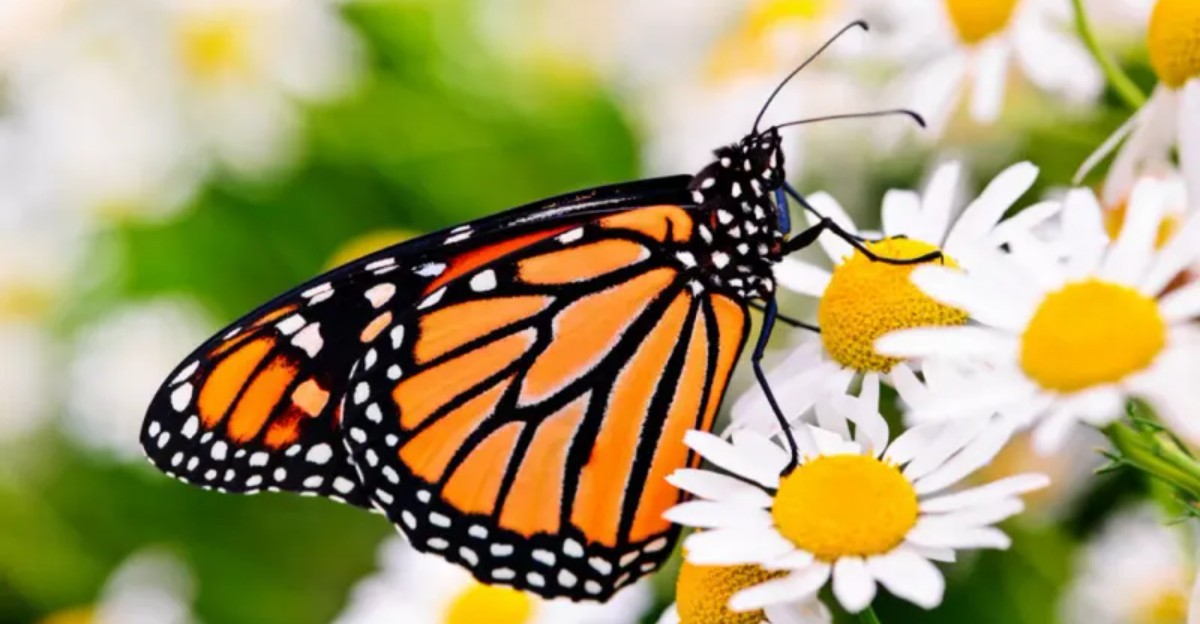
Orange wings drift past your clothesline with the steady purpose of a commuter. You barely notice them, yet they map a route far older than Iowa itself.
Some longtime Iowa gardeners keep informal tallies of monarch visitors each fall, logging counts that can sound exaggerated until you see the notebook yourself. Skeptics stop talking the moment one of them flips it open.
Mexico holds the colder side of this story, high and waiting. A cold mountain forest there has sheltered these travelers for centuries. Many of them originally arrived from places you might not expect.
Garages and chain-link fences raised a surprising share of these flyers. Iowa corn country suddenly looks like a launch site in disguise.
Your own backyard corner might already be part of that migration route. That scruffy corner by the fence is about to change how you see it.
The Corn Belt’s Outsized Share Of The Eastern Population
Scientists tracking wing chemistry found something surprising about the butterflies clustered in Mexico each winter. A large share hatched in the Upper Midwest, including plain old Iowa yards.
Isotopes locked into wing tissue act like a return address stamped at birth. Researchers read them and traced huge numbers back to the central farm states.
Iowa sits right in the middle of the summer breeding range for eastern monarchs. Warm nights, long days, and roadside plants make it a nursery.
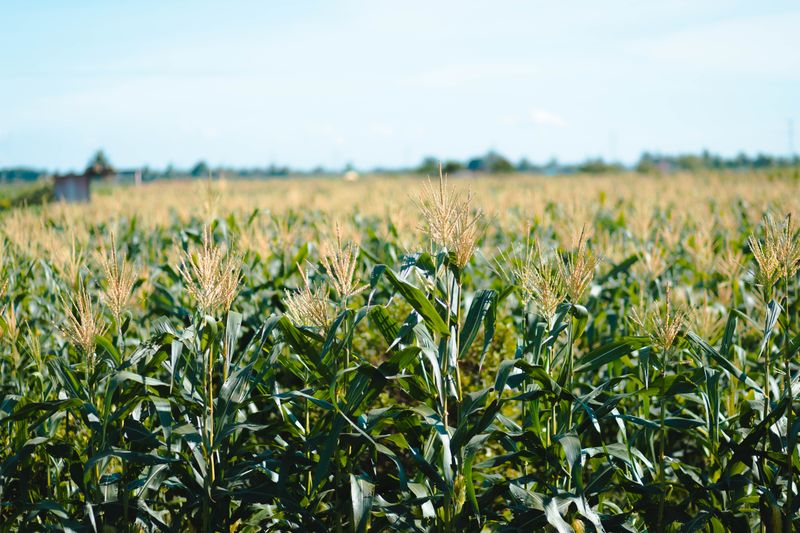
Most of the state was once prairie, and prairie fed caterpillars by the millions. Row crops replaced that, so private yards now carry unexpected weight.
A single backyard patch sounds tiny next to Iowa’s vast farmland acreage. Stitch thousands of patches together, though, and the picture starts looking different.
Gardeners in Des Moines and Cedar Rapids report dozens of caterpillars on a few plants. Those numbers add up fast across neighborhoods and church lawns.
Fun fact: the butterflies leaving Iowa in September are the great-grandchildren of spring arrivals. None of them has seen the Mexican mountains they are headed toward.
So a modest Iowa yard is not a cute side note in this story. It is part of the engine room for a continental journey.
Knowing that changes how a yard feels in late summer. The weedy corner by the fence suddenly looks like valuable real estate.
Nothing about it demands acreage or a biology degree. Sunlight, native plants, and patience cover most of the work.
The Fourth Generation And Its Long Southward Clock
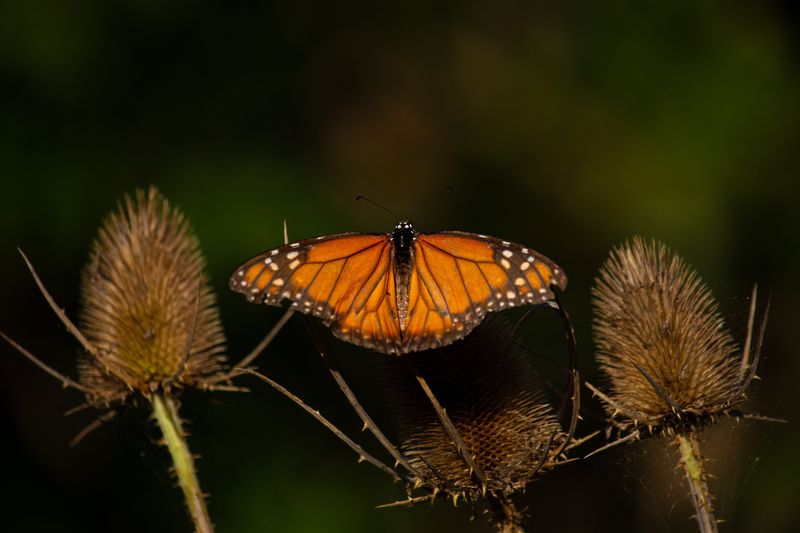
Butterflies hatching in Iowa around late August get handed a very different assignment. Instead of mating right away, they pause reproduction and prepare for travel.
Biologists call this the migratory generation, and it can live eight months or more. Summer monarchs before it manage only two to six weeks.
Shorter daylight, cooler nights, and tired-looking host plants together flip an internal switch. Their bodies stockpile fat for the road instead of building eggs.
Peak departure across most of Iowa typically falls in mid to late September, though timing shifts with weather. Some years a warm spell stretches the parade into early October.
Your Iowa Garden Changes Every Week. Your Plan Should Too.
Gardening in Iowa changes quickly throughout the season. Every Friday you’ll receive a simple weekly plan showing exactly what to plant, prune, fertilize, harvest, and protect so you never miss the right timing.
They travel by day and ride thermals to save wing power. Daily travel distance varies widely, from roughly twenty-five to over a hundred miles with favorable winds.
Cold fronts moving through the state act like a starting gun. Watch for streams of orange the morning after a sharp northwest wind.
Evening roosts form in cottonwoods, maples, and even backyard spruces along the route. Hundreds can pile onto a few branches and look like hanging leaves.
Gardeners who want to help should keep flowers blooming right through the first frost. A hungry traveler in mid-September cares more about fuel than scenery.
The clock is unforgiving, since these butterflies must reach Mexico before serious cold arrives. Timing is the whole game for a creature weighing less than a paperclip.
Tidy Yards And The Late-Season Nectar Gap
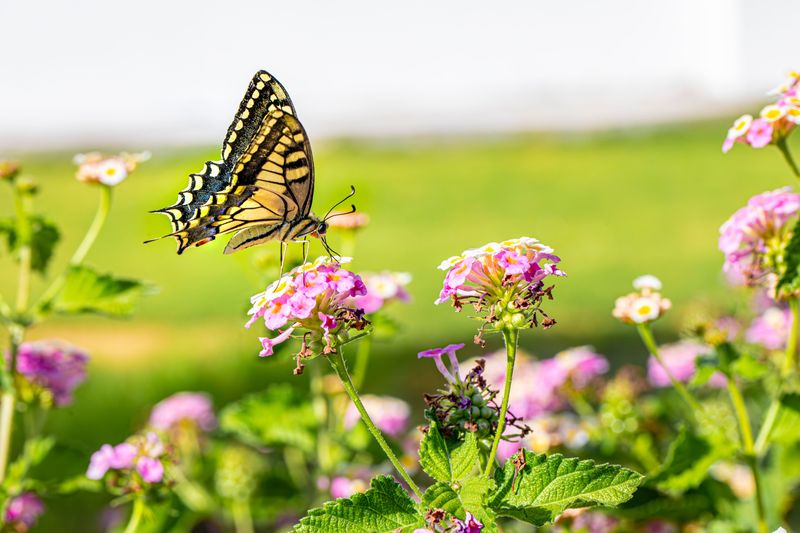
Here is one challenge in helping monarchs across Iowa yards. Plenty of well-meant cleanup happens at exactly the wrong moment in the season.
September mowing along fence lines and ditches erases the nectar buffet overnight. Those late bloomers are the gas stations of the migration route.
Goldenrod gets blamed for allergies it does not cause and gets yanked out. Ragweed is the real culprit, and it looks nothing alike.
Tropical milkweed sold at big box stores creates another quiet problem. It stays green late, encouraging butterflies to breed when they should be traveling.
Mosquito fogging services treat whole yards, and caterpillars sitting on leaves absorb the spray. Timing applications for evening does not spare them.
Raking every leaf and cutting every stem removes shelter from wind and rain. Migrating adults need somewhere to hide during a cold, wet stretch.
Another common slip is planting only one nectar species and calling it habitat. A single bloom window leaves gaps in August and September.
Watering schedules matter more than people expect during a dry Iowa fall. Stressed flowers produce thin nectar, and thin nectar means weaker travelers.
None of these missteps come from carelessness, and many gardeners are surprised to learn about them. They grow from habits built around neat lawns rather than butterfly logistics.
Shifting a few chores by two or three weeks fixes most of it. The yard survives a little shagginess in September just fine.
Native Nectar And Shelter For The Autumn Rush
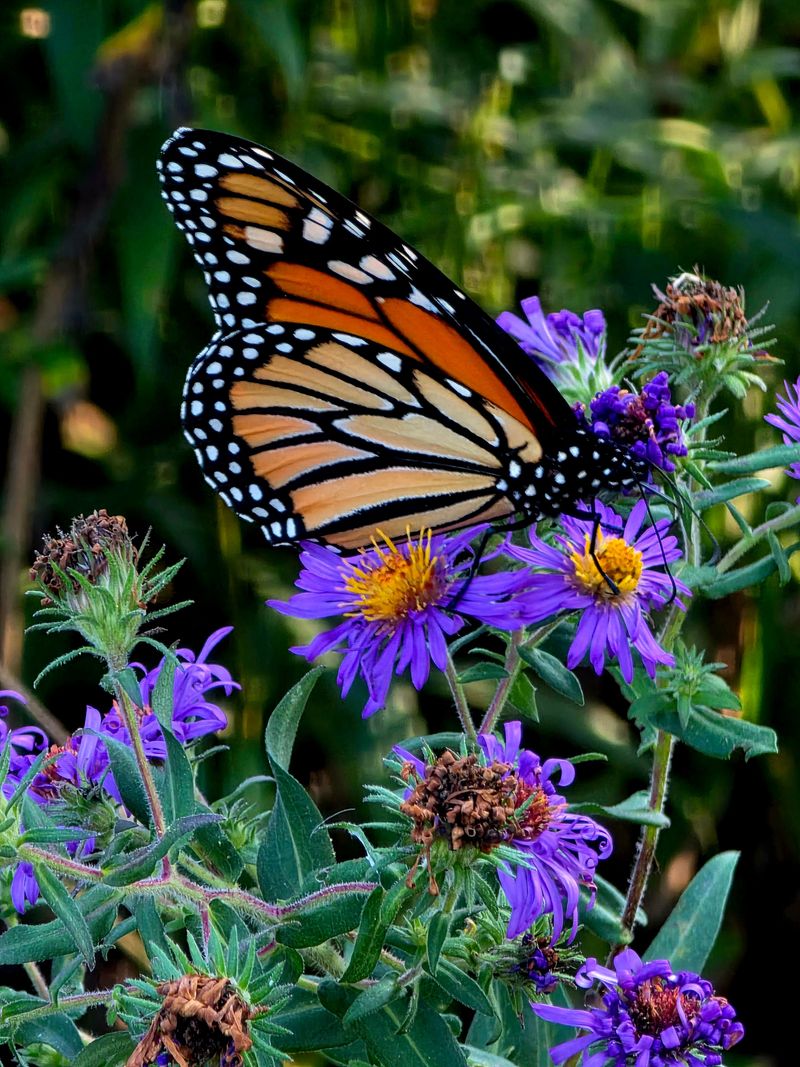
A blooming September garden functions as a critical, reliable food source for a monarch mid-journey.
Stiff goldenrod, showy goldenrod, and New England aster carry the load in Iowa. All three handle clay soil, wind, and drought without complaint.
Zinnias and Mexican sunflower fill gaps beautifully for gardeners who want quick color. Bees crowd them too, which makes the whole bed hum.
Plant nectar sources in clumps of three to five rather than single scattered plants. Butterflies spot big blocks of color from surprising distances.
Leave a shrub row or tall grass on the north side for wind protection. Roosting monarchs hunt for shelter well before sunset each evening.
A shallow dish of wet sand gives them minerals and moisture on hot days. Refill it every morning during a dry September stretch.
Skip broad-spectrum insecticides anywhere near the patch, including systemic products in nursery pots. Ask garden centers directly whether plants were treated before purchase.
Milkweed still belongs in the mix for earlier generations raising caterpillars. Common, swamp, and butterfly milkweed all thrive in Iowa conditions.
Small changes stack up quickly here, and results show within a single season. Neighbors tend to notice the traffic before they notice the flowers.
Maintenance tends to decrease once native plants are established. Deep roots handle their own watering after the first year.
From Iowa Fence Lines To Michoacan Fir Forests
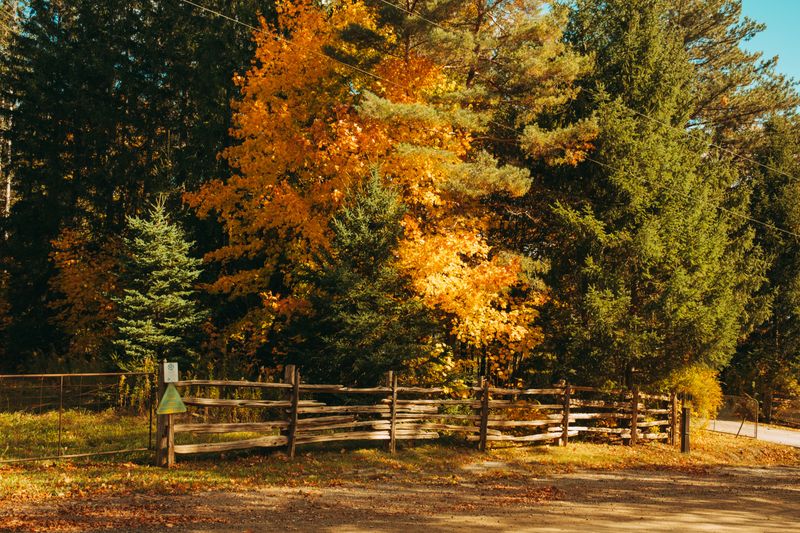
Every fall, volunteers press tiny numbered stickers onto monarch wings across the Midwest. Months later, some of those numbers turn up in Mexican mountain villages.
Recoveries from Iowa tags have been confirmed in the oyamel fir forests of Michoacan. The straight-line distance from central Iowa runs close to two thousand miles.
Those forests sit around ten thousand feet, cool and damp under dense branches. Monarchs cluster so thickly that limbs bend under their combined weight.
Cool air slows their metabolism and stretches stored fat through the winter months. Warm days let them flutter down to drink at streams.
Come March, the remaining butterflies head north, lay eggs in Texas, and hand off the relay. Their offspring continue the trip, reaching Iowa by late May.
So a butterfly raised behind a Marshalltown garage becomes part of a global spectacle. Tourists travel specifically to see these overwintering colonies.
Population counts in Mexico are measured in forest acres occupied, not individual butterflies. Lean years and better years swing the number quite a bit.
Backyard habitat in the Midwest shows up in those winter measurements eventually. Researchers keep pointing at breeding-ground quality as the strongest lever available.
Researchers point to a direct link between backyard habitat and mountain forest survival rates. One sprinkler in July, one orange cluster in January.
Tagging kits are sold at modest cost through programs like Monarch Watch and come with clear instructions. Kids often handle the small stickers well, since young hands can be steady and patient with the task.
Steady Habitat That Holds Up Season After Season
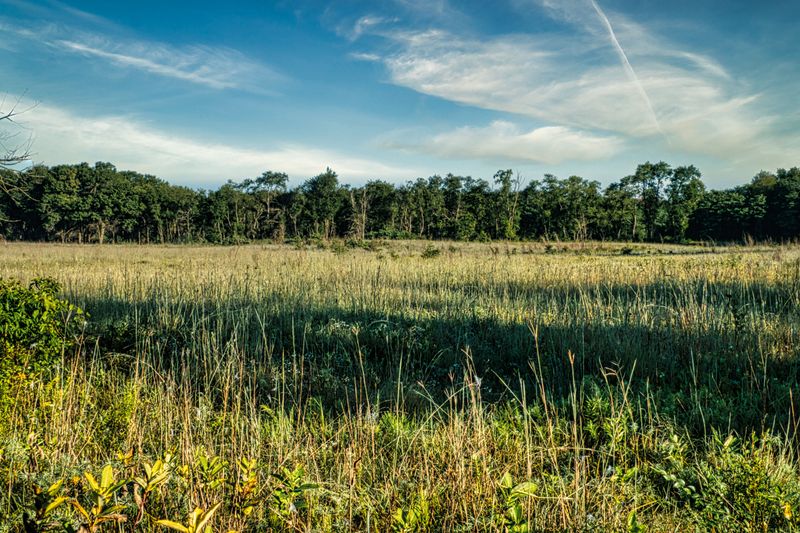
Habitat that disappears after two summers offers limited benefit to a migrating insect. Durability matters more than enthusiasm in this particular corner of gardening.
Perennial natives are the backbone, since they return without replanting every spring. Seeded prairie patches get tougher each year as roots deepen.
Mow in rotation instead of clearing everything at once during fall cleanup. Half this year, half next year, and something stays standing.
Standing stems shelter overwintering insects and catch snow that waters the soil. Wait until late April, after temperatures hold steady, before cutting them back.
Talk with neighbors, because connected patches work better than one isolated island. Three yards in a row make a genuine corridor.
Registering a waystation through Monarch Watch costs little and comes with a sign. Signs prevent confused calls to the city about weeds.
Collect seed each October and share it, which keeps local genetics strong. Seed collected locally tends to be better adapted to Iowa winters than seed sourced from warmer regions.
Budget a little water for the first two seasons, then step back. Established prairie plants shrug off August heat that flattens annuals.
Keep records of what blooms when, since gaps show up clearly on paper. Fixing a September gap changes everything for the last generation.
Habitat built this way outlasts trends, moves, and even the gardener eventually. The butterflies do not bother checking who owns the deed.
Long-term thinking is the quiet difference between a pretty flowerbed and real habitat. Iowa has room for plenty of both.