Stop Watering Your Arizona Aloe This Winter – It’s The Fastest Way To Kill It
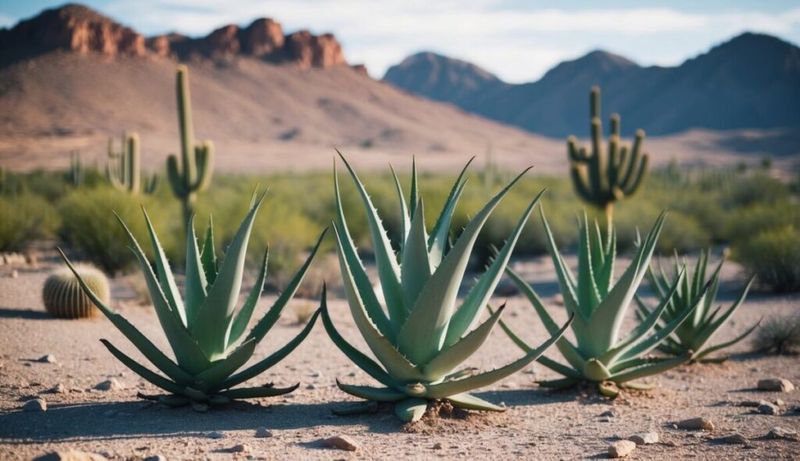
Your aloe has been sitting in the winter sun looking perfectly fine, and now you’re second-guessing whether to run the hose. Here’s the real story: for most established, outdoor aloe growing in the Phoenix or Tucson area, cutting back on routine irrigation during winter is actually the right move – not a death sentence.
The bigger risk for many desert succulents is keeping the soil too wet when temperatures drop, not letting it dry out between drinks. Understanding when to water and when to wait is the skill that keeps aloe healthy through Arizona winters.
Correct the winter-watering premise
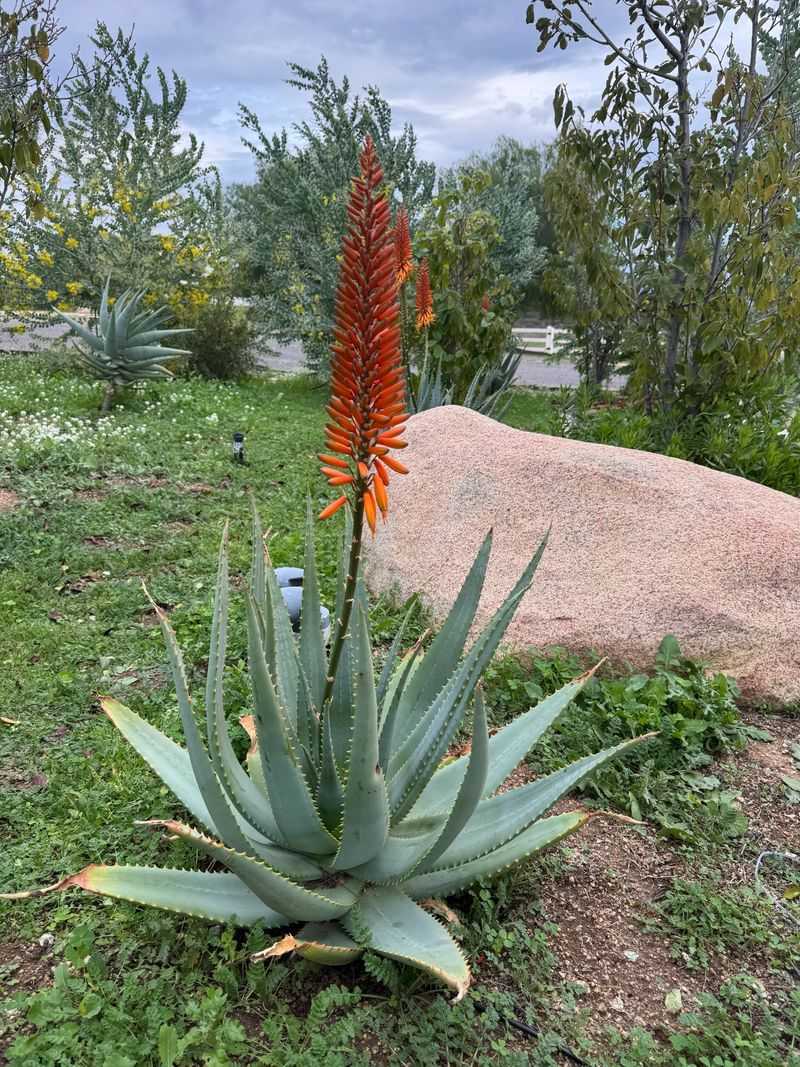
Somewhere along the way, a well-meaning piece of advice got flipped. The idea that stopping winter water is the fastest way to kill Arizona aloe is not supported by local horticultural guidance.
For established, outdoor desert succulents growing in the low desert, sharply reducing routine irrigation from December through February is standard, evidence-based practice, not neglect.
University of Arizona Sonoran Desert winter watering guidance states that cacti and succulents normally do not need winter watering. The Desert Botanical Garden similarly recommends turning off irrigation for established in-ground desert plants during winter, particularly after rain.
These recommendations exist because the plants are adapted to dry winters, not because a little water will immediately cause harm.
The correction worth making is this: the advice to reduce winter watering is conditional, not absolute. Established plants with good drainage in a low-desert yard are the target audience for that guidance.
Containers, newly planted aloe, plants under cover that receive no rainfall, and higher-elevation yards are separate cases that deserve separate thinking. Winter care for Arizona aloe means removing the automatic summer schedule and replacing it with attention, not replacing watering with permanent drought.
Why winter makes a summer timer risky
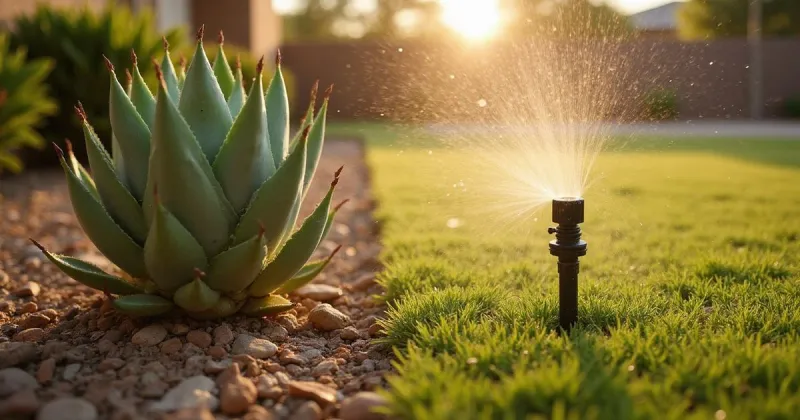
Running the same irrigation schedule in January that worked in July creates a mismatch between what the timer delivers and what the plant can actually use. Cooler winter temperatures slow evaporation from both soil and leaf surfaces, and aloe’s water uptake slows considerably when it is not in active summer growth.
Water applied on a summer timer simply sits in the root zone longer than it would during a hot August week.
The University of Arizona’s Sonoran Desert winter watering guidelines warn that continued winter irrigation can encourage soft, tender new growth that is more vulnerable when temperatures drop toward freezing. The same guidance notes that succulent tissue holding excess water may be more susceptible to freeze injury when cold air settles in.
That risk is real but specific: it applies to plants kept chronically wet by a running timer, not to a single careful watering event on a genuinely dry night.
Turning off or substantially extending the irrigation schedule is the practical fix. A timer set for summer peak demand does not know that December nights in Phoenix can dip into the low 30s, that the soil has barely dried since the last run, or that the aloe has slowed its metabolism.
Your Arizona Garden Changes Every Week. Your Plan Should Too.
Gardening in Arizona changes quickly throughout the season. Every Friday you’ll receive a simple weekly plan showing exactly what to plant, prune, fertilize, harvest, and protect so you never miss the right timing.
The timer keeps delivering; the plant keeps sitting in moisture it cannot use quickly. That combination, not a dry spell, is the documented source of winter trouble for many Arizona succulents.
Established outdoor aloe usually needs a winter pause
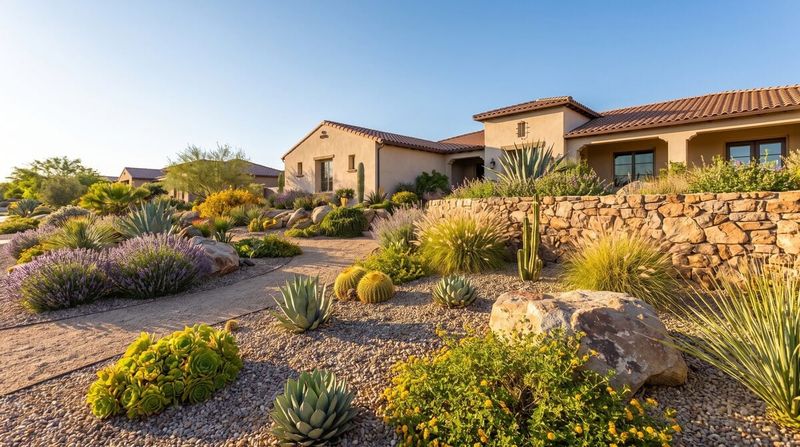
For mature, in-ground aloe that has been growing in a low-desert Arizona yard for at least one full season, the practical recommendation is straightforward: turn off routine irrigation or extend intervals substantially from December through February, especially in weeks that follow measurable rainfall. The Desert Botanical Garden advises shutting off irrigation for established in-ground desert plants during winter, and the University of Arizona’s southern Arizona watering schedule lists no routine winter irrigation for established cacti and succulents.
That advice rests on a few conditions worth spelling out. The plant needs established roots that reach beyond the original planting hole.
The soil needs to drain reasonably well so water does not pool around the crown. Local rainfall matters because even modest winter rain in the Phoenix or Tucson area can supply what an established desert succulent needs for weeks.
A plant tucked under a patio overhang that never sees rain is a different situation than one growing in an open bed.
One species caveat belongs here. Aloe is a large and varied genus, and the Desert Botanical Garden documents several aloe species that flower during Arizona winters.
Seeing blooms on your aloe in January does not automatically mean the plant is thirsty or needs a return to summer-style watering. Some aloes flower during their driest, coolest season.
Flowering is a sign of a healthy plant, not a request for more frequent irrigation.
Let soil moisture—not the calendar—decide
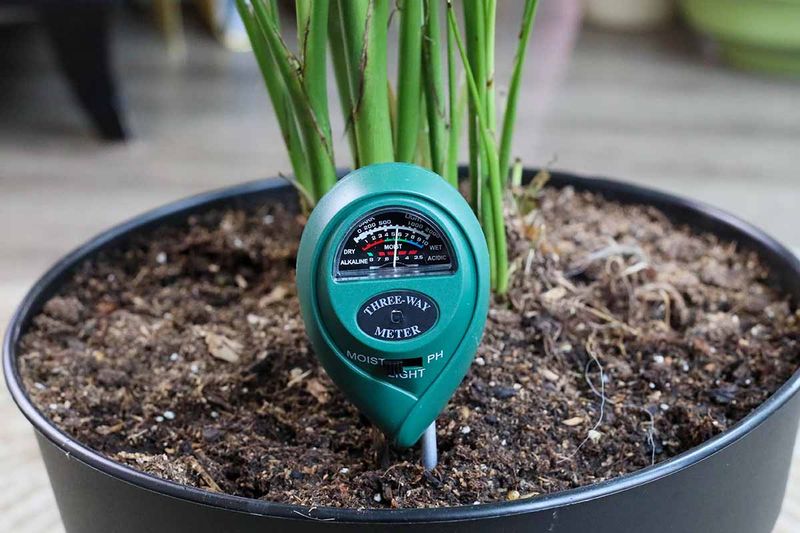
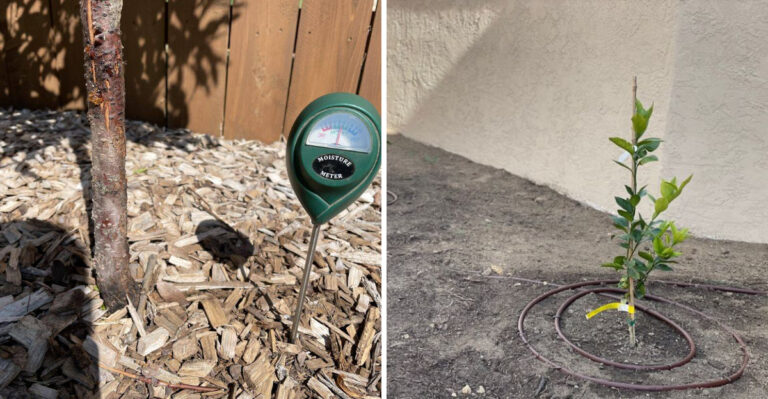
Before reaching for the hose, spend two minutes checking the soil. Push a soil probe, a long screwdriver, or a wooden dowel about 8 to 10 inches into the ground near the plant’s root zone.
If it slides in easily and comes out with damp soil clinging to it, the roots have what they need. If it hits resistance and comes out dry, that is a genuine signal worth acting on.
The University of Arizona recommends exactly this kind of hands-on moisture check rather than relying on a fixed watering schedule.
Arizona soils add complexity. Caliche layers, compacted clay, and poorly drained planting holes can hold water around roots far longer than sandy or amended soil would.
A probe that meets hard resistance near the surface might be hitting caliche rather than reporting dryness at root depth. Shaded north-facing beds hold moisture longer than south-facing beds baking in reflected heat.
Recent rain, plant age, and whether the bed is mulched all shift how quickly the soil dries out.
When the check confirms a genuine need, water deeply. University of Arizona Sonoran Desert guidelines recommend wetting the root zone to about 8 to 12 inches when winter watering is warranted for cacti and succulents.
One thorough watering that reaches the roots does more good than several shallow passes that wet only the top inch or two and encourage surface roots that are more exposed to cold air.
Containers and indoor aloe need adjusted care
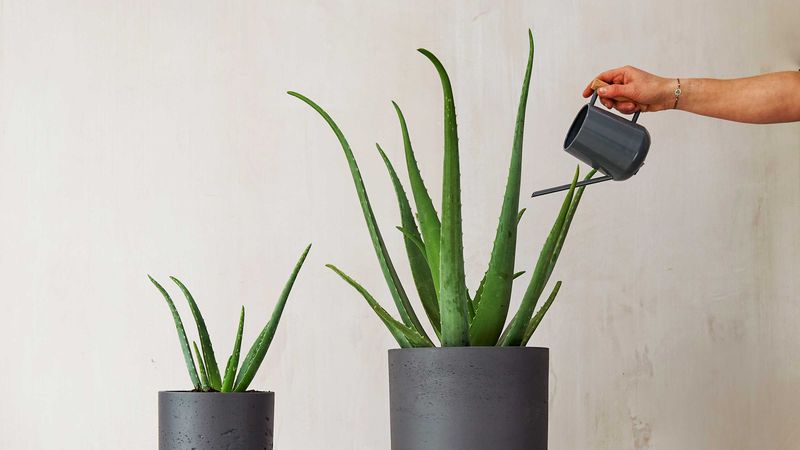
Container-grown aloe plays by different rules than an aloe planted in the ground. A pot holds a limited volume of soil, which can dry out faster than a deep in-ground bed, but it can also stay wet much longer if drainage is poor or the saucer is never emptied.
Both extremes cause harm. The University of Arizona’s watering guide suggests that potted cacti and succulents may need watering roughly every 10 to 14 days in winter, but that figure is a flexible starting point, not a standing prescription.
Check the medium before each watering and adjust based on what you find.
When the soil in a container aloe is genuinely dry, water thoroughly. Pour slowly until water flows freely from the drainage hole, then empty the saucer or cachepot completely.
Letting a pot sit in a puddle of its own drainage is one of the more reliable ways to develop crown or root rot, particularly in cool weather when the plant is not actively using moisture. Penn State Extension recommends this drain-and-empty approach specifically for aloe houseplants.
Indoor aloe has even less going on in winter. Lower light levels and cooler indoor temperatures slow growth considerably.
North Carolina State Extension advises allowing the soil to dry out completely between waterings during fall and winter, while Penn State Extension recommends keeping the soil barely moist so leaves do not shrivel. The key word in both recommendations is “between”: water when dry, then wait.
Indoor conditions, pot size, and light exposure all affect how quickly that drying happens, so no single interval fits every situation.
New plantings can need conditional winter water
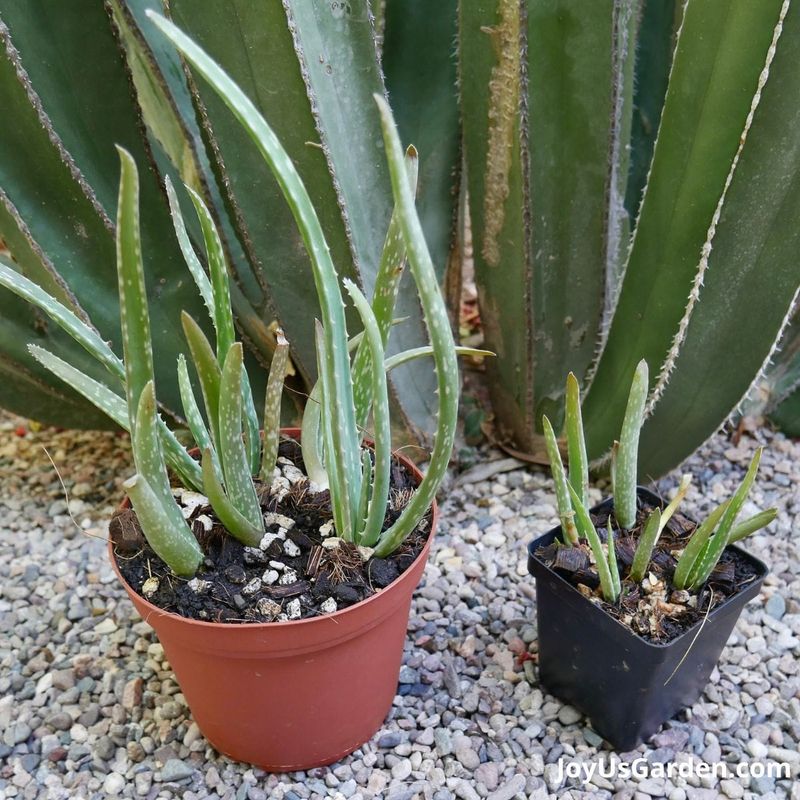
A blanket no-water rule in winter creates real problems for recently transplanted aloe. Young plants that went into the ground in the past several months have not yet pushed roots beyond the original root ball, which means they depend on the small volume of soil immediately around them staying reasonably moist while they establish.
Treating a three-week-old planting the same as a ten-year-old landscape specimen is a mistake that can stress or kill a young plant even in mild Arizona winters.
The Desert Botanical Garden recommends deep watering for newly planted landscape plants approximately every 14 to 21 days during winter when rain is absent. Read that as a general, conditional starting point for newly planted desert plants, not a schedule specific to aloe or one that runs automatically.
Before repeating any watering interval, check the soil moisture and confirm that drainage is working. If the soil around the root ball is still damp, wait.
If it has dried, water deeply and allow it to dry again before the next check.
Plants growing under a roof overhang, a patio cover, or a dense tree canopy may receive little or no rainfall even during a wet spell. Those locations require extra attention because the surrounding landscape may look adequately watered while the sheltered plant is quietly drying out.
The University of Arizona notes that newly transplanted plants require more frequent irrigation than established ones while roots develop, so check sheltered new plantings more often than you would an open-bed veteran.
Manage drainage and frost together
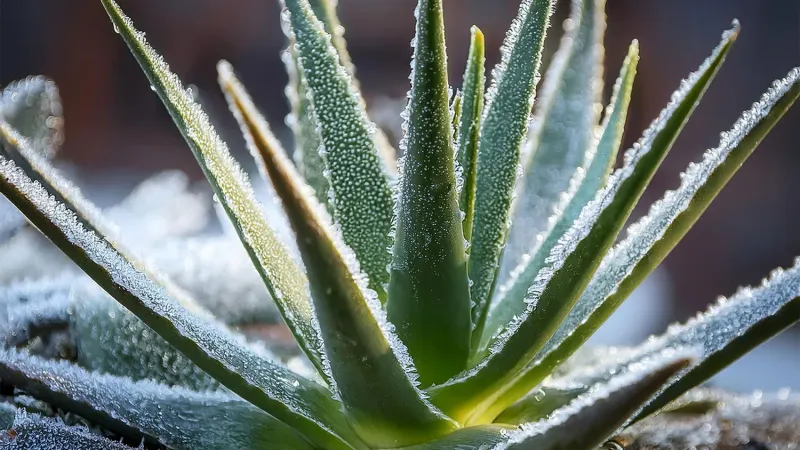
Good drainage is not just a summer concern. In winter, water that cannot move away from the root zone stays cold longer, and roots sitting in cold, wet soil are more susceptible to rot than roots in moist but well-drained conditions.
Aloe prefers coarse, well-drained soil or a gritty container mix. In-ground plants benefit from beds amended with decomposed granite or coarse sand, and containers need drainage holes that are actually open and unobstructed.
Arizona’s caliche layers and compacted clay soils deserve specific attention here. A planting hole dug into caliche without breaking through can act like a buried bathtub, collecting water and holding it around roots indefinitely.
If your yard has a caliche problem, a soil probe will often reveal it: the probe hits a hard layer before reaching root depth, and water applied above that layer has nowhere to go quickly. Improving drainage at planting time or choosing a raised bed or container is more effective than adjusting the watering schedule alone.
Frost protection is the other half of winter management. Phoenix and Tucson both carry freezing risk, and species tolerance varies widely across the aloe genus.
A large tree aloe handles cold differently than a potted aloe vera on an exposed patio. University of Arizona frost protection guidance recommends considering species, microclimate, elevation, and exposure when deciding whether to cover or move a plant.
Wet soil heading into a freeze adds one more variable: cold, saturated tissue in tender species can be more vulnerable to injury, though the outcome also depends on temperature, duration, and the plant’s overall health.
Use a simple winter decision rule
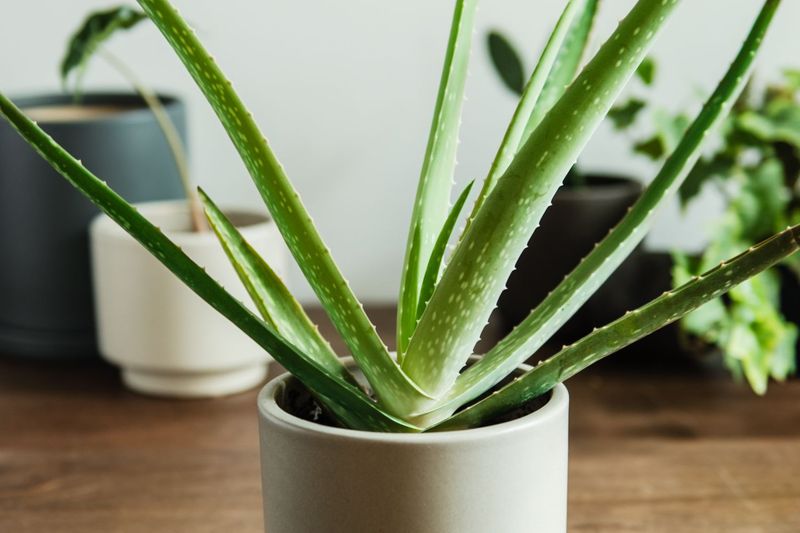
Winter aloe care in Arizona comes down to a short checklist. Pause the summer irrigation schedule for established, in-ground desert succulents.
Before adding any water, check the root-zone moisture with a probe or shovel. Water deeply only when the soil is genuinely dry, wetting the root zone thoroughly and then letting it dry before checking again.
Adjust the approach for containers, indoor plants, new plantings, locations that miss rainfall, and any plant facing a frost forecast.
The corrected conclusion is simpler than the alarming headline suggests. Removing the automatic timer is not the same as abandoning the plant.
Checking conditions before watering is not the same as ignoring a plant in distress. The University of Arizona’s watering guidance and the Desert Botanical Garden both point in the same direction: established desert succulents in the low desert generally need less water in winter, and condition-based attention beats calendar-based routine every time.
A yard that earns that kind of observation tends to have healthier aloe, lower water bills, and fewer cold-weather surprises.