The One Thing North Carolina Fall Seedlings Need In September To Survive
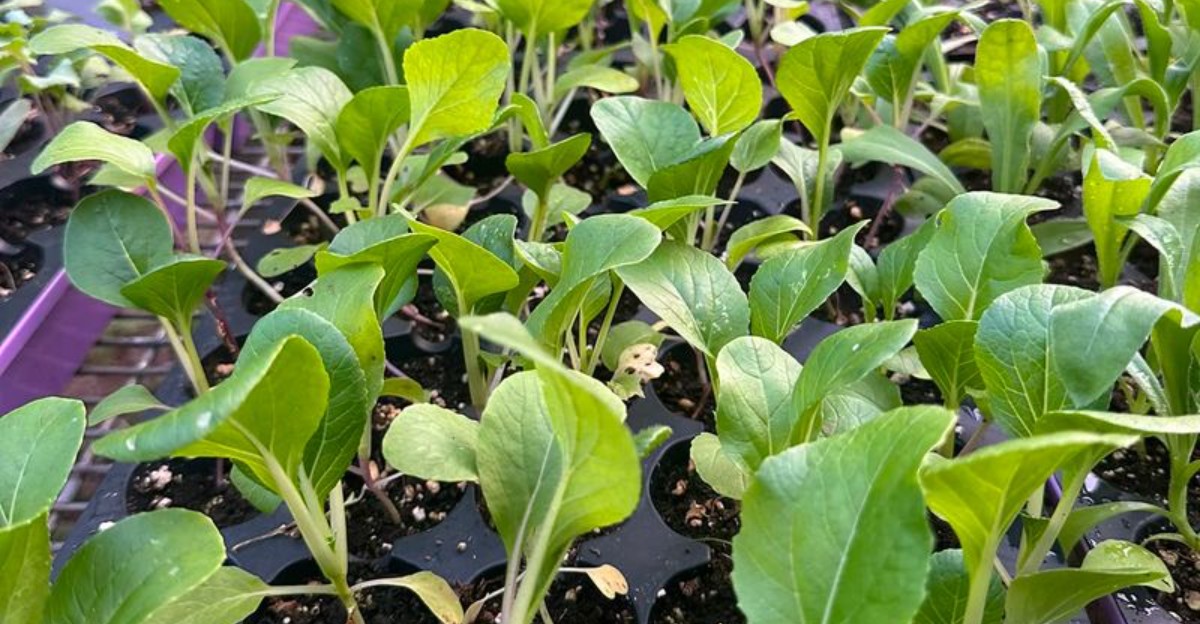
Fall seedlings face a tricky transition in North Carolina, since September often still brings warm afternoons even as the calendar shifts toward cooler weather.
Young plants haven’t developed the root systems needed to handle inconsistent moisture, making one particular need more important right now than almost any other factor in their survival.
Skipping this can lead to stunted growth, wilting, or seedlings that never fully establish themselves before real fall conditions set in.
Because seedlings offer very little room for error compared to mature plants, getting this one thing right during their first few weeks makes an outsized difference.
Addressing this now gives fall seedlings their best possible shot at surviving September and thriving through the rest of the season.
1. Keep Seedlings Consistently Moist
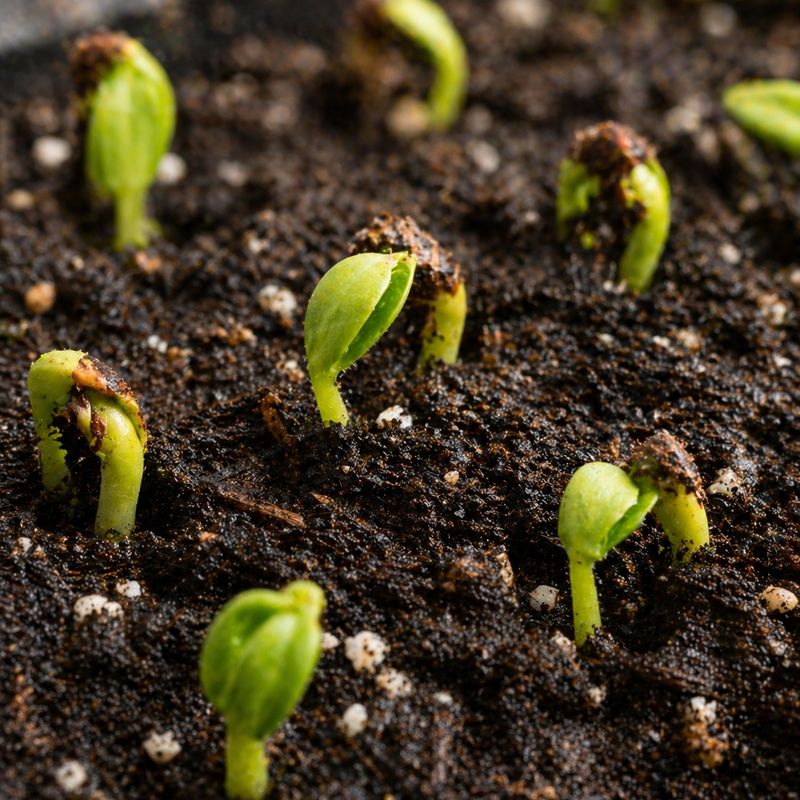
Water is the number one need for young seedlings, and September makes that need even bigger. The shallow roots of a fresh seedling sit near the top of the soil, where warmth and sun pull moisture out fast.
When that top layer dries, tiny roots have nowhere to reach for a drink. Steady moisture keeps them growing without stress, so aim to check them once or twice each day during warm spells.
The goal is soil that feels like a wrung-out sponge, damp but never soggy. Waterlogged soil pushes out the air that roots need to breathe, and that leads to weak, sad plants.
A good habit is to water in the early morning, which gives seedlings a full drink before the afternoon heat arrives. If the evening is very warm, a light second check can help too.
Container seedlings dry out even faster than ones planted in the ground, so keep a closer eye on pots and trays. Small pots hold less water and warm up quickly in the sun.
You can tell a happy seedling by its bright color and steady, upright shape. Droopy leaves in the afternoon often mean the roots got too dry. Think of moisture as the fuel that keeps everything else working.
Light, warmth, and nutrients all matter, but without steady water, a September seedling simply cannot hold on. Build a gentle watering routine early, and your little plants will reward you with strong, healthy growth.
2. Check The Soil Before Watering
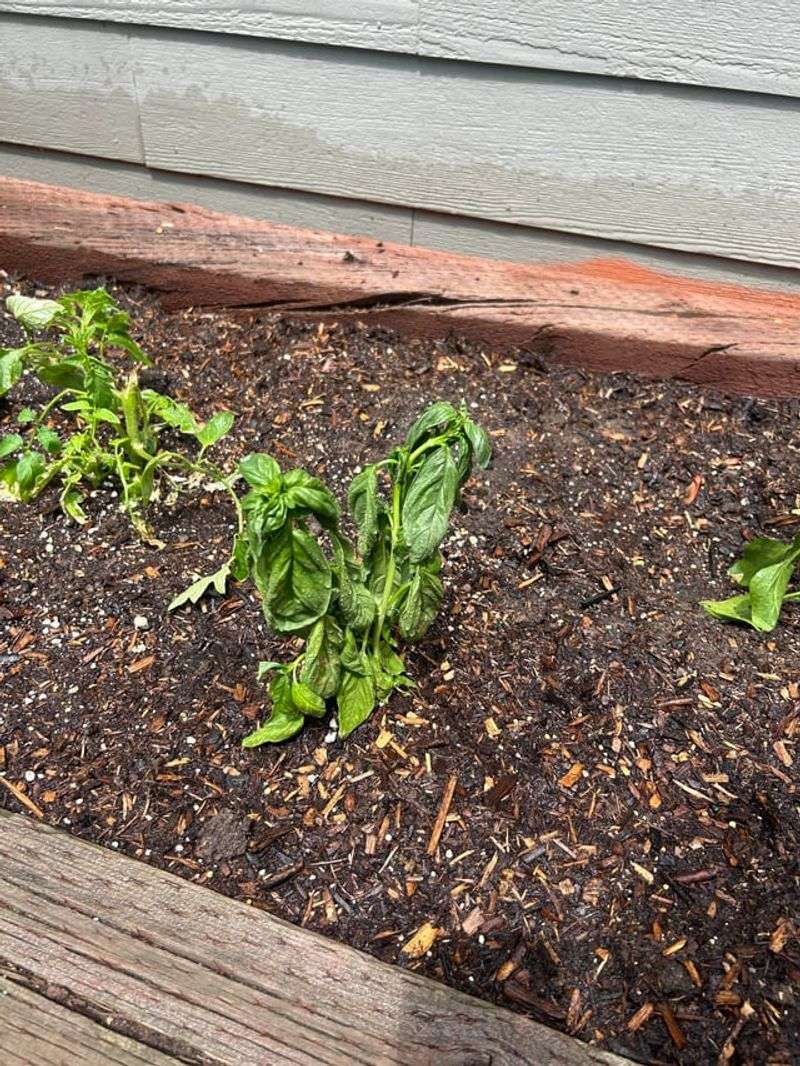
Before you reach for the watering can, take a second to feel the soil. A quick finger test tells you far more than a set schedule ever could.
Push your finger about an inch into the ground near the roots. If it feels dry, it is time to water. If it still feels cool and damp, wait a little longer.
September weather in North Carolina bounces around a lot. One day brings a heavy afternoon storm, and the next brings dry, breezy heat. Watering on autopilot can leave your seedlings too wet or too thirsty.
Rainfall changes everything, so skip watering after a good soaking rain. Overwatering after a storm can drown roots and invite mold to the soil surface.
Temperature and sunlight also play a role. Hot, sunny days pull moisture out quickly, while cooler, cloudy days let the soil stay damp much longer.
Your North Carolina Garden Changes Every Week. Your Plan Should Too.
Gardening in North Carolina changes quickly throughout the season. Every Friday you’ll receive a simple weekly plan showing exactly what to plant, prune, fertilize, harvest, and protect so you never miss the right timing.
Where your seedlings live matters too. Plants in small pots dry out faster than those in raised beds, and beds in full sun need more water than shady corners.
Keep a simple mental note of what the weather did each day. Over time, you will start to sense exactly when your plants need a drink.
Checking first saves water, protects roots, and keeps you from guessing. It only takes a moment, and it turns watering into a smart choice rather than a random habit. Your seedlings will grow steadier because you gave them exactly what they needed.
3. Water Gently To Protect Tiny Roots
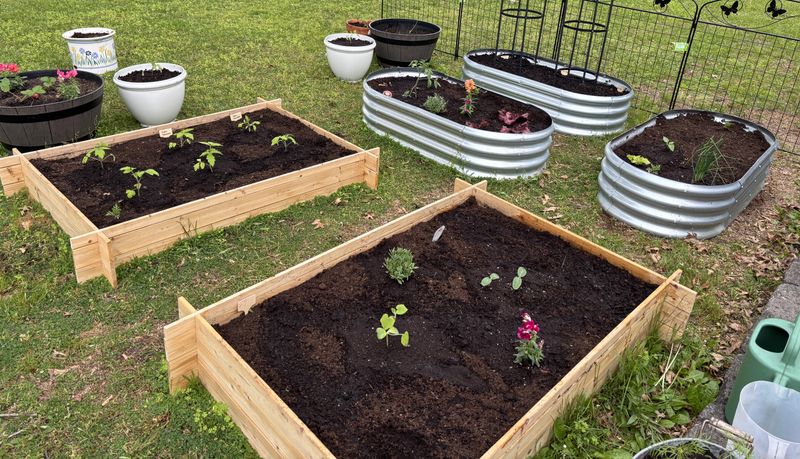
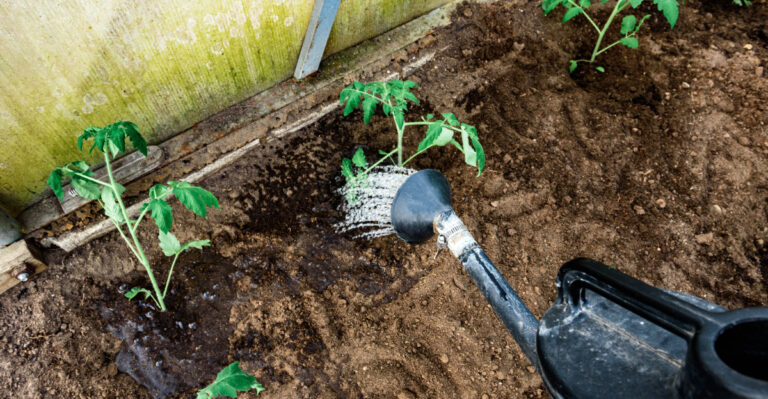
How you water matters just as much as when you water. A strong blast from a hose can wash away soil and leave delicate roots out in the open.
Seedlings are fragile little things, and their stems bend easily. A gentle flow protects them while still soaking the root zone where the water counts.
Try using a watering can with a fine sprinkler head, sometimes called a rose. The soft shower spreads water evenly and lands like light rain instead of a flood.
If you prefer a hose, add a spray nozzle set to a soft mist or shower setting. Point the water at the soil, not directly at the tender leaves and stems.
Fast, forceful watering can carve tiny channels in the soil, leaving some plants swimming while others stay dry. Gentle watering keeps the surface even and calm.
Aim near the base of each seedling so the moisture sinks straight down to the roots. Deep, slow watering encourages roots to grow strong and reach downward.
Exposed roots dry out and struggle, so if you ever spot them peeking through, cover them lightly with a bit of soil. A gentle touch keeps everything tucked in place.
Watering slowly also gives the soil time to soak it all in rather than letting water run off. That means less waste and more moisture where it belongs.
Treat your seedlings like the small, growing beings they are. A soft, patient watering habit keeps their roots safe and sets them up for a strong season.
4. Protect Seedlings From Hot Afternoon Stress
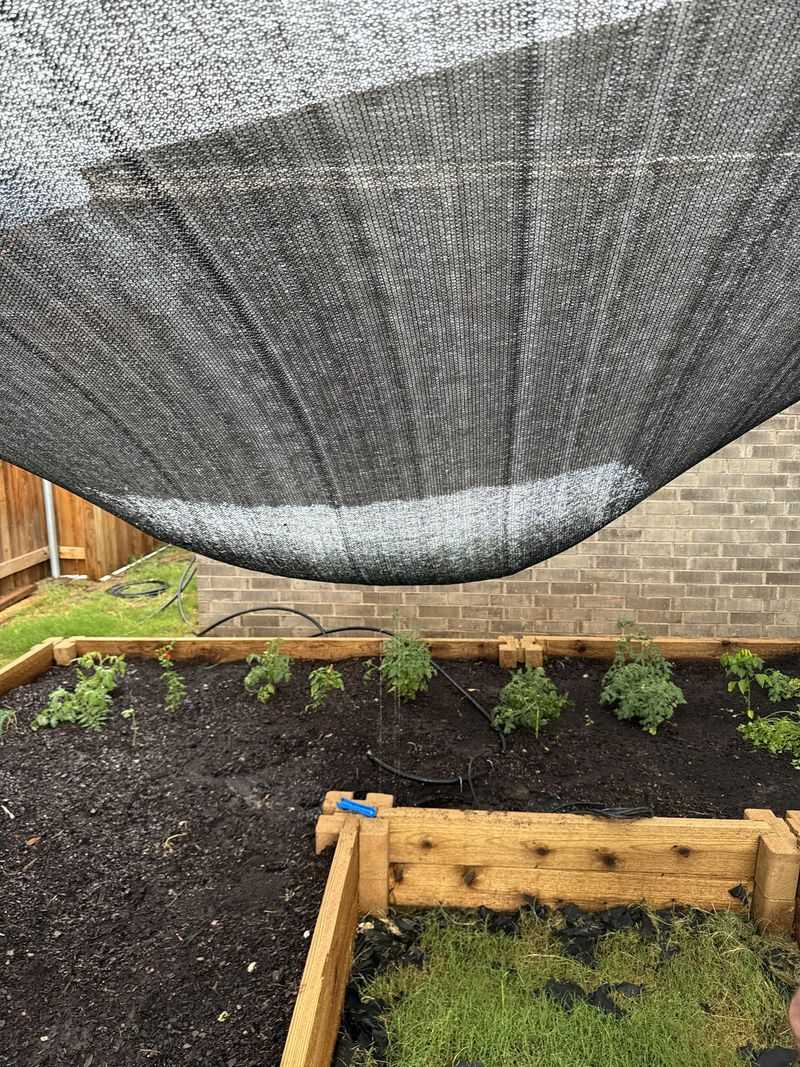
September can trick you. Mornings feel crisp and cool, then the afternoon sun turns up the heat like it is still the middle of summer.
Those sudden hot spells put real stress on young seedlings. Their small root systems cannot pull up water fast enough to keep up with the heat, and leaves may wilt by midday.
Tender plants feel this the most. Lettuce, spinach, and other cool-season favorites can flop over quickly when the sun is blazing overhead.
A little afternoon shade can be a lifesaver. Draping a light shade cloth over stakes gives seedlings a break during the hottest hours without blocking all the light.
You can also use simple items you already have. A patio umbrella, a row cover, or even an old bedsheet propped up on sticks does the job in a pinch.
Watch the forecast for surprise heat waves. When you see numbers climbing into the upper eighties or nineties, plan to give your seedlings extra cover and a good morning drink.
Container plants can be moved into filtered shade for the afternoon, then returned to brighter spots as temperatures cool. That flexibility helps them avoid the worst of the heat.
Shade is only a short-term helper, so remove it once the heat passes. Seedlings still need plenty of light to grow strong and steady.
By keeping an eye on the thermometer and offering quick relief on scorching days, you help your little plants stay perky and green all the way into the cooler fall weather ahead.
5. Give Seedlings Enough Light
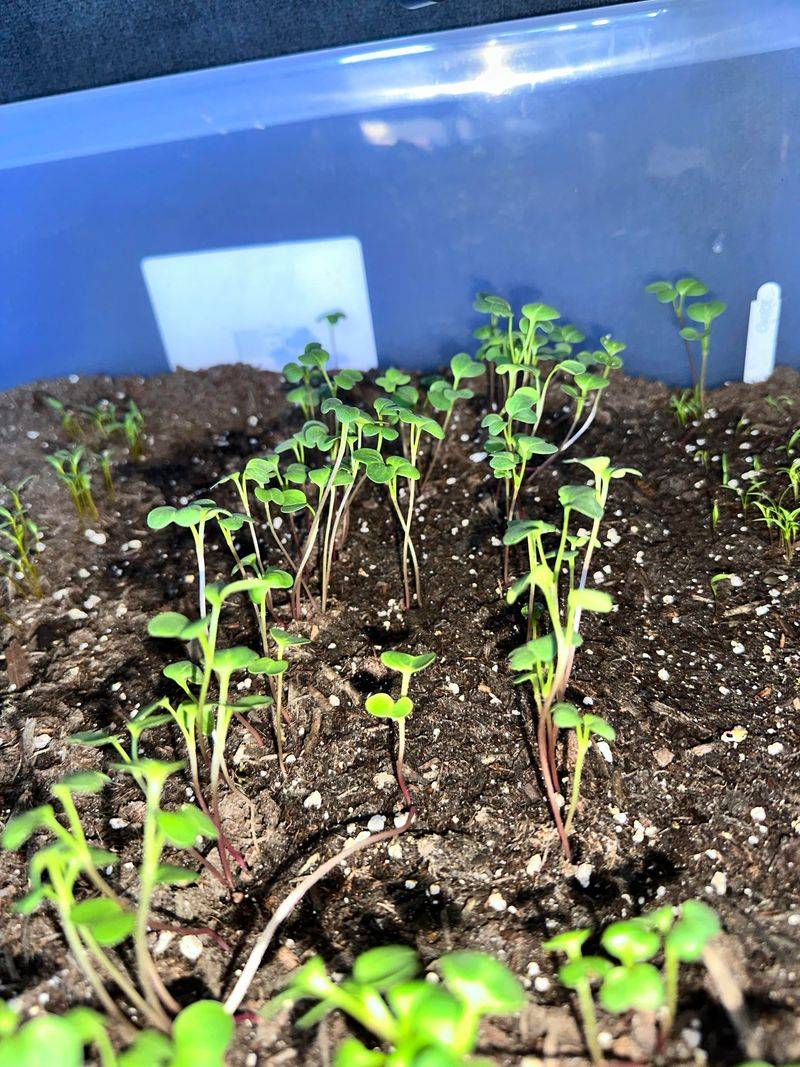
Light is food for plants, and seedlings need plenty of it to build strong stems and green leaves. Even in the heat of September, skimping on light causes real problems.
When plants sit in too much shade, they stretch and reach for the sun. Those long, thin, leggy stems look sickly and bend over at the smallest breeze.
A stretched seedling puts all its energy into height instead of strength. That leaves it weak and less able to handle wind, rain, or cool nights later on.
Most fall vegetable seedlings want around six hours of good light each day. Leafy greens can handle a bit less, but they still need bright conditions to stay compact.
Watch how your seedlings lean. If they all tilt toward one side, they are begging for more light from that direction.
For plants growing indoors near a window, rotate the trays every couple of days. That keeps them growing straight instead of leaning toward the glass.
If natural light is short, a simple grow light placed a few inches above the seedlings works wonders. Keep it close but not touching, and give them a rest at night.
Outdoor seedlings usually get plenty of sun, so the trick is balancing light with the afternoon heat we talked about earlier. Morning sun paired with a bit of afternoon relief is often ideal.
Strong light early on means sturdy plants later. Give your seedlings the brightness they crave, and they will grow thick, healthy, and ready for whatever fall brings.
6. Avoid Heavy Fertilizer On Tiny Plants
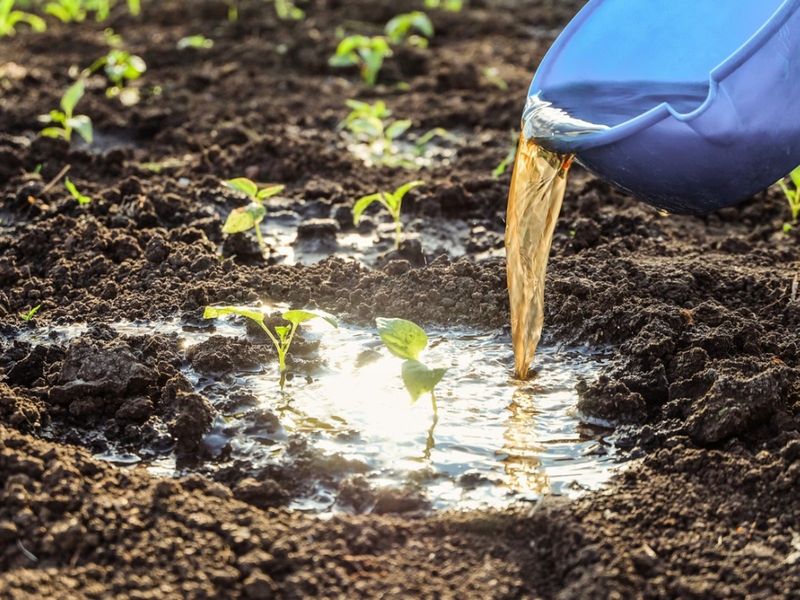
It feels natural to want to feed your seedlings a big meal, but tiny plants do not need much at all. Their small roots handle only gentle amounts of nutrients.
Concentrated fertilizer can actually harm those fragile roots. Too much salt from strong plant food pulls moisture away and burns the tender root tips.
Most seed-starting mixes already hold enough nutrients for the early weeks. Seedlings live off the energy stored in their seeds first, then slowly begin to feed from the soil.
When you do decide to fertilize, go light. A liquid feed watered down to half or even quarter strength gives seedlings a soft boost without overwhelming them.
Timing helps too. Wait until your seedlings show their first true leaves, which are the second set that appears after the tiny starter leaves.
Stressed plants are the most sensitive of all. If a seedling already struggles from heat or dryness, fertilizer only adds to its troubles, so hold off until it perks back up.
Watch for warning signs of overfeeding. Yellow leaf edges, brown tips, or a white crust on the soil surface all hint that you gave too much.
Think of feeding as a small snack rather than a giant feast. A little goes a long way with plants this young.
Slow, gentle feeding builds steady growth and keeps roots comfortable. By resisting the urge to overfeed, you protect your seedlings and let them settle into their new home at a healthy, natural pace.
7. Protect The Soil Surface With Light Mulch
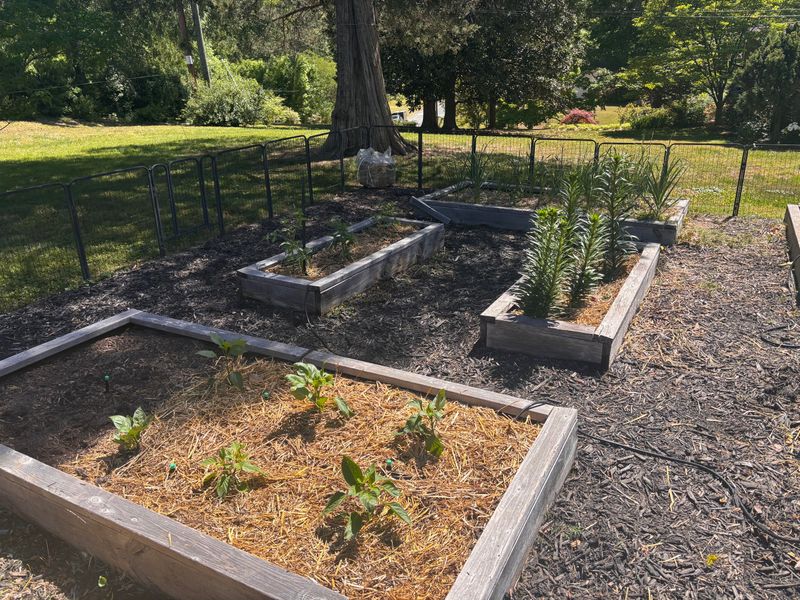
A thin layer of mulch works like a cozy blanket for the soil. It holds moisture in and keeps the ground from drying out under the September sun.
Mulch also steadies the soil temperature. On hot days it keeps roots cooler, and on chilly nights it helps hold a little warmth in place.
The key word here is light. Seedlings are small, and a thick pile of mulch can smother them or trap too much dampness against their stems.
Choose a soft, airy material like shredded leaves, fine straw, or dried grass clippings. Spread just a thin layer around your plants, not a heavy mound.
Keep the mulch a little away from each stem. Piling it right against the base can hold moisture where it causes rot instead of helping.
Wait until your seedlings are a bit established before mulching. Very fresh sprouts are too delicate, so give them time to grow a couple of true leaves first.
Mulch has a bonus perk too. It slows down weeds that would otherwise steal water and nutrients from your young plants.
As the mulch breaks down over time, it feeds the soil with gentle organic matter. That means richer ground for the roots to explore.
Check under the mulch now and then to make sure the soil stays evenly damp, not soggy. A quick peek keeps everything balanced.
With the right light touch, mulch becomes a quiet helper that protects your seedlings around the clock and makes your watering job a whole lot easier.
8. Harden Seedlings Before Colder Weather
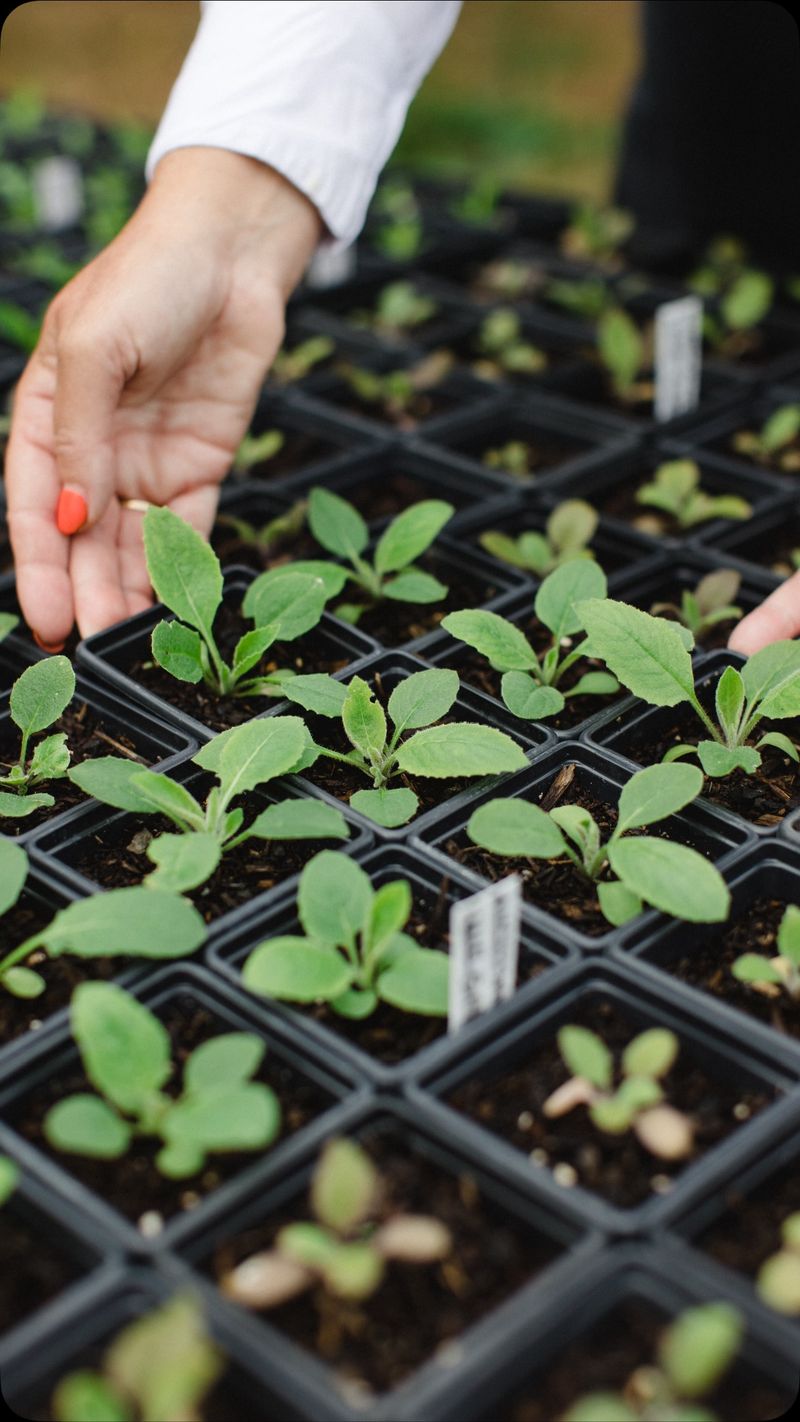
Plants that grow indoors or in a sheltered spot live an easy life. Before they move outside for good, they need a little toughening up, a step gardeners call hardening off.
Hardening off simply means introducing seedlings to the outdoor world a bit at a time. It helps them adjust to sun, wind, and shifting fall temperatures without a shock.
Start by setting your seedlings outside in a shady, sheltered spot for just an hour or two. Then bring them back to their cozy home.
Each day, add a little more time outdoors and a little more sun. Over about a week, your plants slowly get used to the real conditions of the garden.
Skipping this step often leads to transplant shock. A pampered seedling moved straight into the open can wilt, pale, or stall in its growth.
North Carolina fall weather keeps changing, with warm afternoons and cooler nights. Hardened seedlings handle those swings far better than soft, sheltered ones.
Pay attention to wind, which many gardeners forget. A gentle breeze during hardening off actually strengthens stems and prepares plants to stand tall outside.
Keep seedlings adequately watered during this stretch, but avoid keeping the soil constantly soggy. Consistent moisture helps them handle the transition outdoors.
Once your plants have spent full days and even a night or two outside without complaint, they are ready to go into the ground.
Taking this patient week pays off big. Well-hardened seedlings settle into the garden quickly and grow into strong, productive fall plants.