Why Fall Is The Ideal Time To Test Michigan Garden Soil
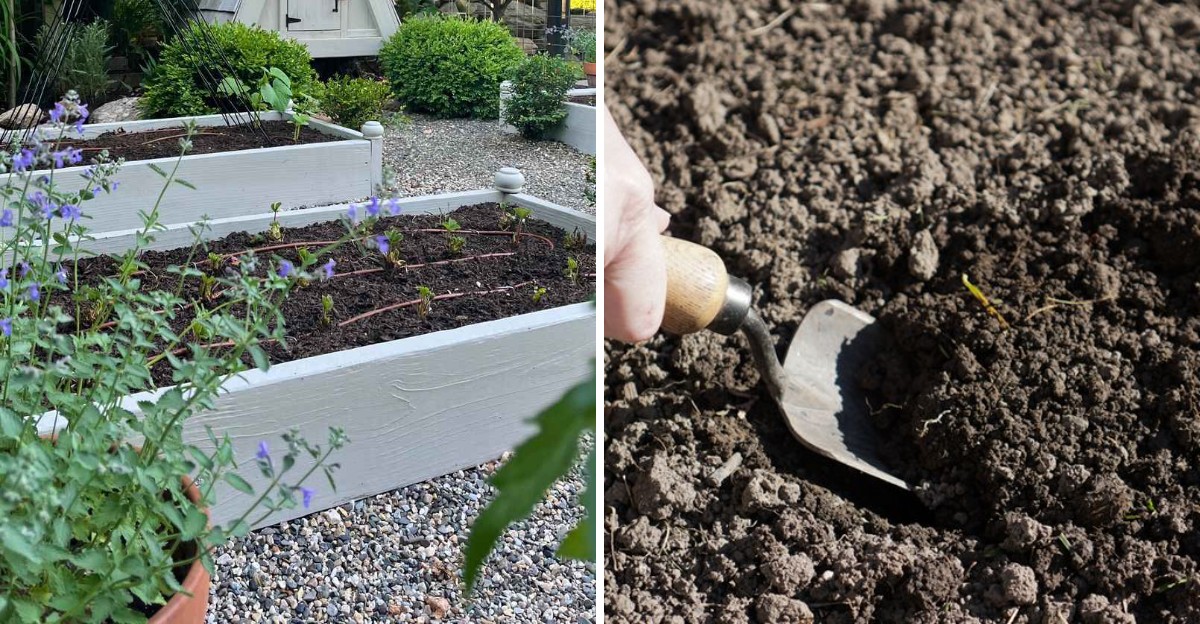
Fall offers a genuinely practical window for testing Michigan garden soil, giving homeowners enough lead time to address any issues before next spring’s planting season arrives.
Soil testing reveals nutrient levels, pH balance, and other key factors that directly influence how well plants will perform, information that’s much more useful to have months in advance rather than right before planting.
Because certain soil amendments, like lime, need time to fully integrate and adjust pH levels, applying them in fall allows them to take full effect before spring growth begins.
Testing after the growing season also avoids the skewed readings that can sometimes occur from recent fertilizer applications. Taking advantage of this fall window sets Michigan gardeners up with a real head start on next year’s soil health.
1. Fall Testing Gives You Time To Plan
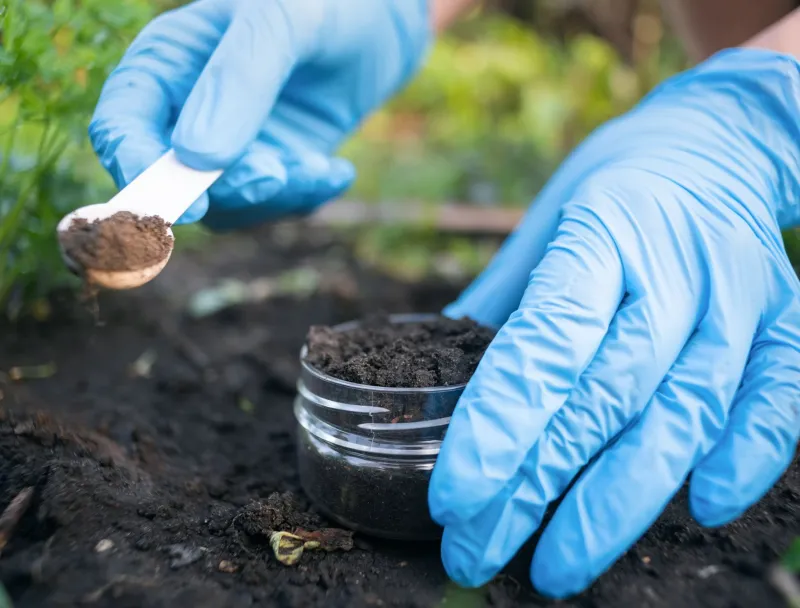
Picture yourself sitting at the kitchen table with a warm drink, reading your soil test results while snow falls outside. That relaxed moment is exactly why fall testing works so well.
When you test in autumn, you are not rushing. Spring gardeners often feel pressure because they want to plant right away. Waiting for results and then waiting for changes to take effect eats up valuable weeks.
Fall removes that stress completely. Your report shows your soil pH and nutrient levels, and you get plenty of quiet months to study them. You can decide what to add, compare prices on amendments, and make a solid plan without any hurry.
Michigan winters are long, and that time becomes your planning friend. You can research which plants match your soil, sketch out new beds, and figure out where to spend your gardening budget wisely.
Another bonus is that soil labs are usually less busy in fall. Spring floods them with samples, which slows down results. Sending yours in during the quieter season often means faster answers.
By the time warmer days return, you already know your next steps. No guessing, no last-minute trips to the garden center, and no wasted money on products you do not need.
Smart gardeners treat fall as their prep season. A little effort now sets up an easier, more rewarding spring. When your neighbors are still scrambling, you will already be planting with confidence and a clear plan in hand.
2. Soil Tests Reveal More Than Fertility
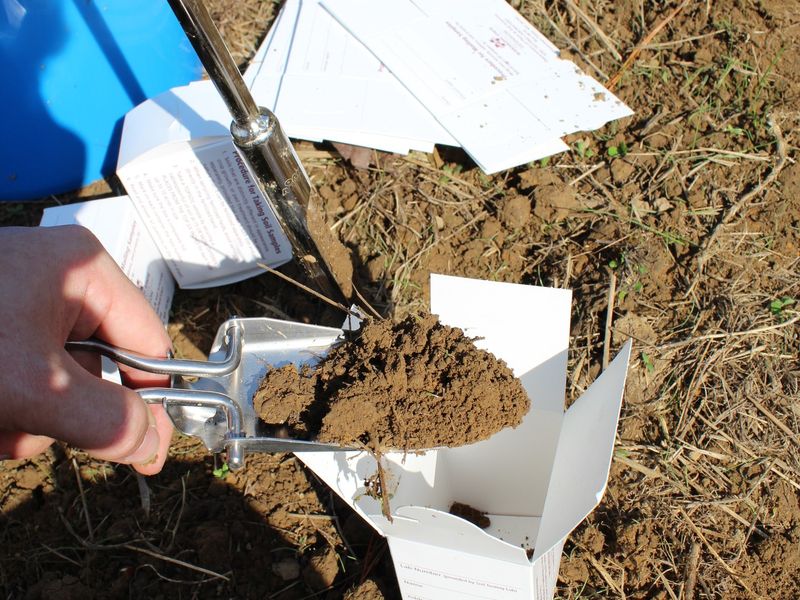
Guessing what your soil needs is a bit like shopping for shoes without knowing your size. You might get lucky, but usually you waste time and money.
A soil test takes away the guesswork. It measures your soil pH, which tells you whether your ground is too sour or too sweet for the plants you want to grow. It also shows nutrient levels like phosphorus, potassium, calcium, and magnesium.
These numbers matter because plants only thrive when the balance is right. Even if you add fertilizer, plants cannot use those nutrients well if the pH is off. Roots simply cannot pull food from soil that fights against them.
Many Michigan gardeners assume their soil is fine because plants look okay. A test often reveals hidden trouble, like low nutrients or a pH that quietly holds plants back.
Your Michigan Garden Changes Every Week. Your Plan Should Too.
Gardening in Michigan changes quickly throughout the season. Every Friday you’ll receive a simple weekly plan showing exactly what to plant, prune, fertilize, harvest, and protect so you never miss the right timing.
Instead of tossing random products into your beds and hoping for the best, you get real answers. That means you add exactly what your soil is missing, nothing more and nothing less.
The results usually come with recommendations too. Labs often suggest how much lime or specific nutrients to apply based on what you plan to grow. That advice is gold for anyone who wants healthier plants.
Testing also builds your gardening knowledge over the years. As you track changes, you learn how your soil behaves and how it responds to your care.
That understanding turns an average gardener into a confident one who gets bigger harvests and brighter blooms season after season.
3. Lime May Need Time To Work
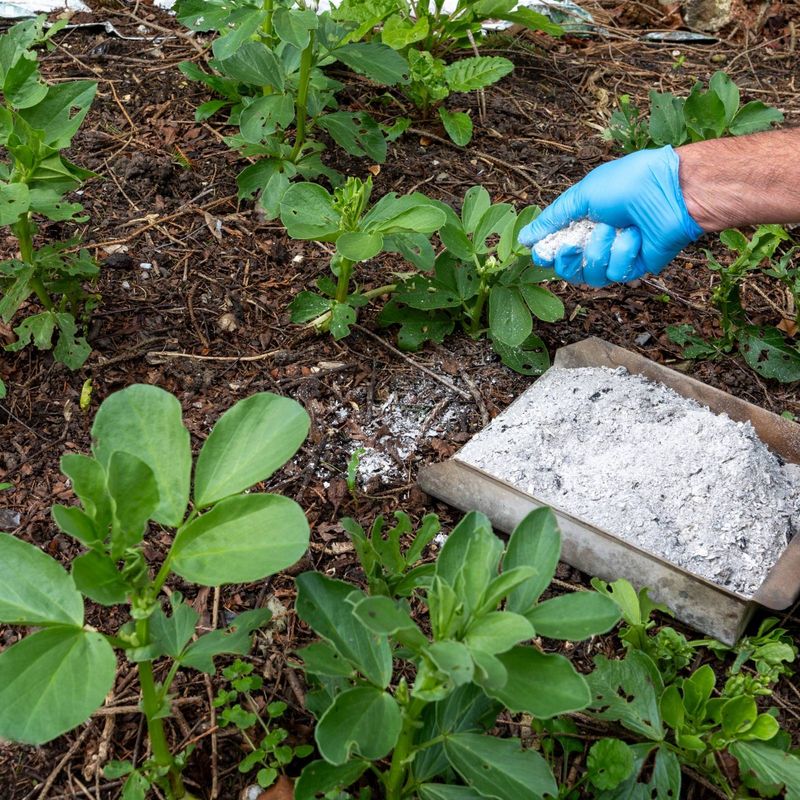
Adding lime to your soil is not like flipping a light switch. It works slowly, quietly changing your soil over many weeks and even months.
Agricultural lime raises soil pH when the ground is too acidic. Michigan soils often lean acidic, especially in areas with lots of rain or pine trees nearby. Lime helps balance that, but it needs patience.
Because lime reacts gradually, applying it in fall gives it a head start. Through the cold months, moisture and natural soil activity slowly move the lime through the ground. By spring, your pH has shifted closer to where you want it.
If you wait until spring to test and then add lime, your plants may not feel the benefit until much later. That delay can throw off an entire growing season.
Fall timing lets nature do the heavy lifting while you relax indoors. Rain, snowmelt, and freezing cycles all help work the lime deeper into your soil.
The amount you add depends on your test results, so never guess with lime. Too much can push your pH too high, which causes its own set of problems for hungry plants.
Following your lab’s exact recommendation keeps you on track. They calculate the right amount based on your current pH and the plants you want to grow.
Think of fall lime application as planting a slow gift for your future self. When spring comes, your soil is ready, your plants root deeply, and you skip the frustration of waiting for corrections that arrive too late.
4. Avoid Adding Fertilizer Without A Reason
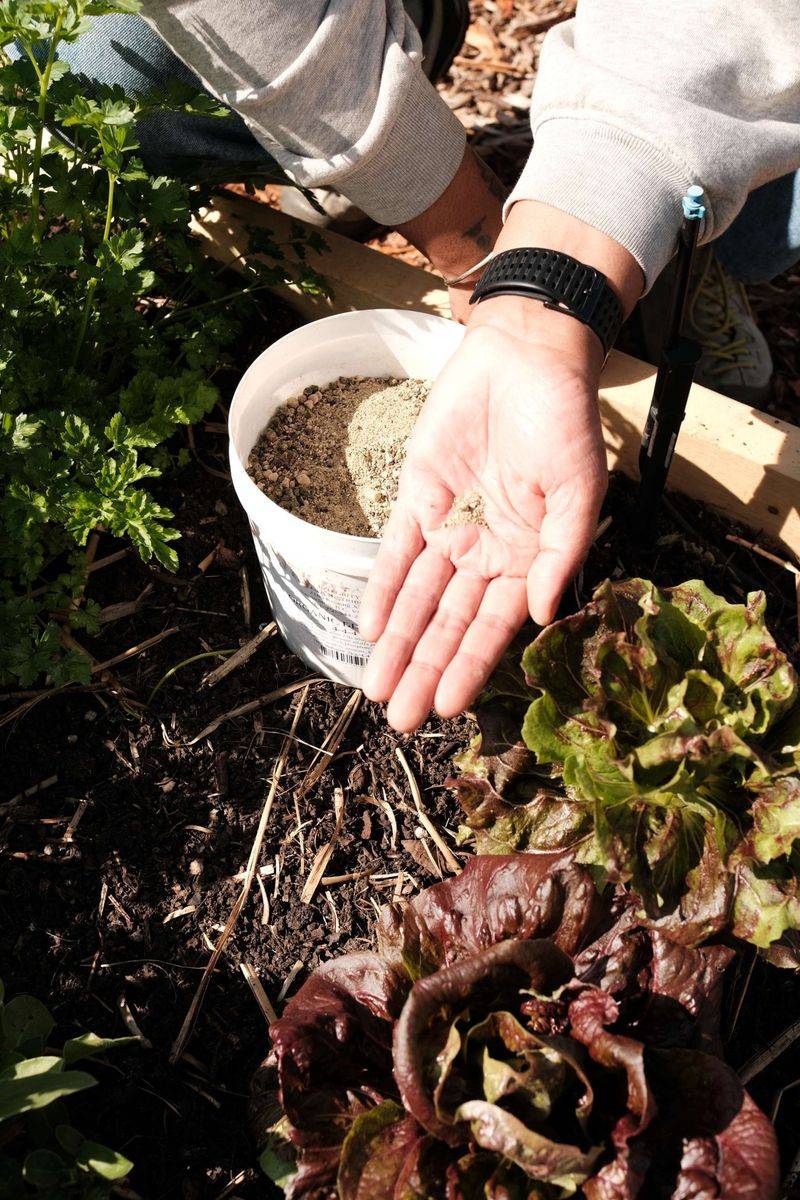
More fertilizer does not always mean better plants. In fact, piling on nutrients your soil already has can cause real headaches.
A soil test shows exactly which nutrients are low and which are plentiful. Without that information, many gardeners dump on fertilizer just to feel like they are helping. Often the soil did not need it at all.
Extra nutrients do not simply vanish. When rain falls, leftover fertilizer washes away into streams, lakes, and groundwater. Michigan has thousands of lakes, and this runoff harms water quality and feeds unwanted algae.
Too much fertilizer can also hurt your plants directly. Roots can get burned, and some plants grow lots of leaves but few flowers or vegetables when nutrients are out of balance.
Money is another factor. Fertilizer costs add up fast, and spreading products you do not need is like throwing cash onto the ground. Testing helps you spend only where it counts.
By testing in fall, you learn what your soil truly wants before you buy anything. You skip the wasteful habit of guessing and instead feed your garden with purpose.
This careful approach protects the environment you love. Cleaner lakes, healthier gardens, and lower costs all come from one simple test.
Your plants reward you too. When nutrients match their needs, they grow strong, resist pests better, and produce more of what you planted them for.
Being a thoughtful gardener means giving your soil what it asks for, not what a bag promises. Testing puts that power right in your hands and keeps your garden and community healthier.
5. Test Different Garden Areas Separately
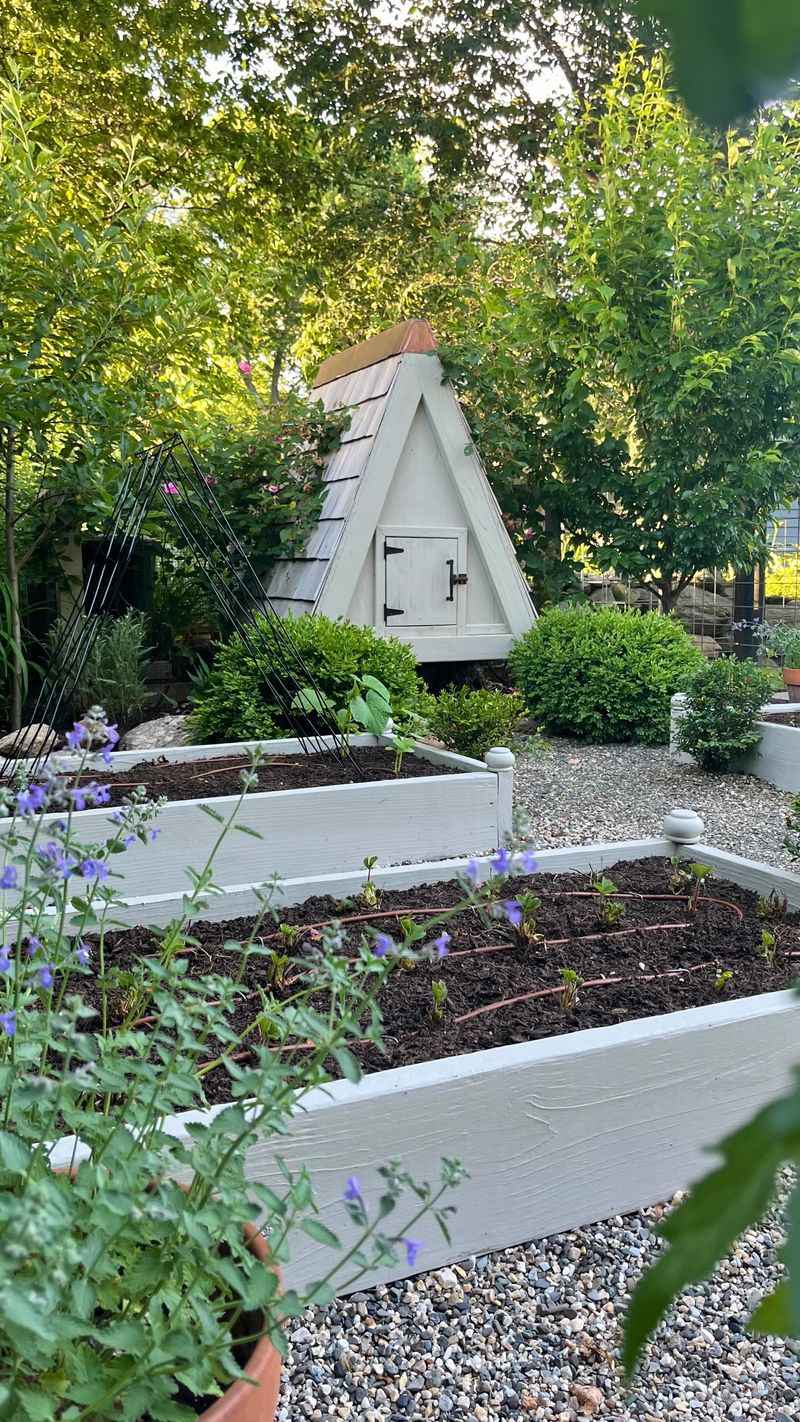
Your yard is not one giant patch of identical dirt. Each area has its own story, and treating them all the same leads to poor results.
Vegetable beds, lawns, and flower gardens all have different needs. Vegetables often crave rich, balanced soil, while lawns and flowers may want something else entirely. One test cannot speak for all of them.
Soil conditions can change dramatically across a single property. A spot near the house might drain fast and stay dry, while a low corner holds water and grows soggy. Those differences affect pH and nutrients.
If you mix soil from every zone into one sample, your results become a blurry average. That average might not match any single area, leaving you with advice that helps nowhere.
Testing areas separately gives you sharp, useful information. You learn that your tomato bed needs lime while your lawn needs nothing, or that your flower garden is short on one key nutrient.
This approach saves money too. Instead of treating your whole yard with the same products, you target only the spots that truly need help.
Michigan gardeners often notice that older parts of their yard behave differently from newer beds. Past treatments, foot traffic, and even nearby trees all shape the soil over time.
Take a few minutes to map out your zones before you sample. Label each bag clearly so you know which results belong where.
With separate tests, every part of your garden gets care that fits perfectly. That attention leads to greener lawns, brighter blooms, and vegetable beds bursting with life.
6. Collect A Representative Soil Sample
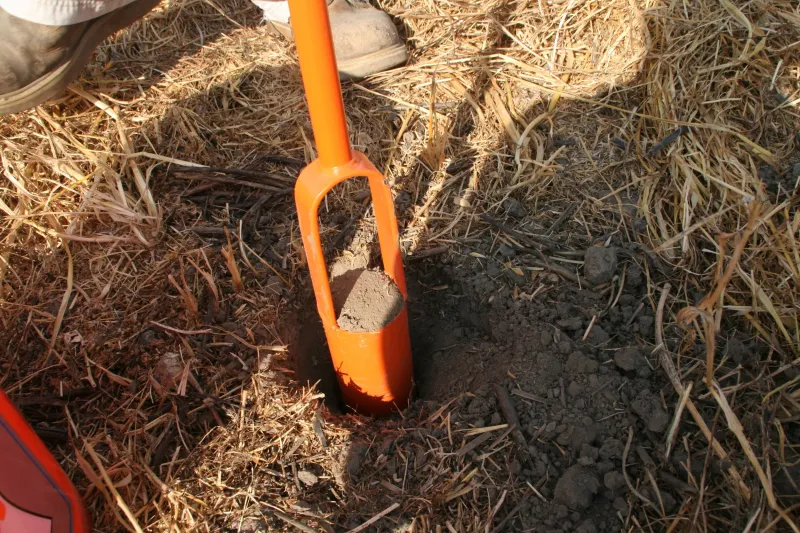
One scoop of soil cannot tell the whole truth about your garden. Grabbing dirt from a single spot is like judging a whole pizza by one bite.
The trick is collecting several small samples from across the same planting area. Take a little soil from different corners and spots, then combine them into one mixed sample.
Doing this evens out the natural differences within a bed. One spot might be richer, another leaner, so blending them gives a fair picture of the whole area.
Dig each subsample to the same depth, usually about six inches for garden beds. Consistent depth matters because nutrients change the deeper you go.
Use a clean bucket and a clean trowel to gather your samples. Dirty tools or leftover fertilizer can throw off your results and waste your effort.
Once you have your subsamples in the bucket, mix them together well. Then scoop out the amount your soil lab requests and let it dry if instructed.
Every lab has its own directions, so read them carefully before you start. Following their exact steps makes sure your results are accurate and truly useful.
Label your sample clearly with the area it came from. That way you never mix up your vegetable bed results with your flower garden numbers.
This whole process takes only a few minutes but makes a huge difference. A representative sample means the advice you get actually matches your garden.
When you sample the right way, you can trust your report completely and plan your next season with real confidence instead of crossed fingers.
7. Do Not Sample Unusual Spots
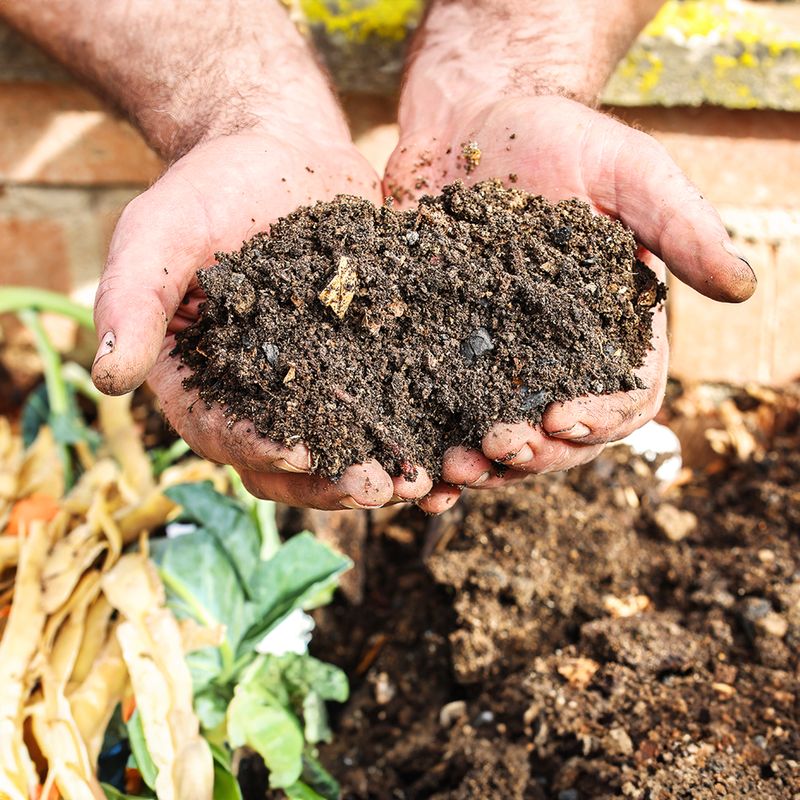
Some spots in your yard lie to you, at least when it comes to soil testing. Certain areas hold conditions so unusual that they twist your results.
Compost piles are a perfect example. The soil beneath them is packed with extra nutrients and organic matter that do not reflect your regular garden beds.
Old fertilizer piles cause the same problem. Any leftover spot where you stored or spilled fertilizer will show sky-high nutrient levels that fool your test.
Recently amended areas also throw things off. If you just added compost, manure, or lime, that patch does not yet represent your true soil balance.
Sampling these spots gives you numbers that look nothing like the rest of your garden. Acting on those results could lead you to skip nutrients your plants actually need.
Other places to skip include soggy low areas, spots near driveways, and ground close to salted walkways. Michigan winters bring road salt that can sneak into nearby soil.
Stay away from areas under trees or near building foundations too. These zones carry their own quirks that do not match your main planting beds.
Stick to the normal, everyday soil where your plants actually grow. That is the ground you care about, and that is the ground your test should measure.
If you accidentally grab an odd sample, toss it and start again. It only takes a moment and saves you from confusing advice.
Being picky about where you dig protects the value of your entire test. Clean, typical samples give you honest answers you can build a great garden on.
8. Use The Results To Plan Spring Soil Care
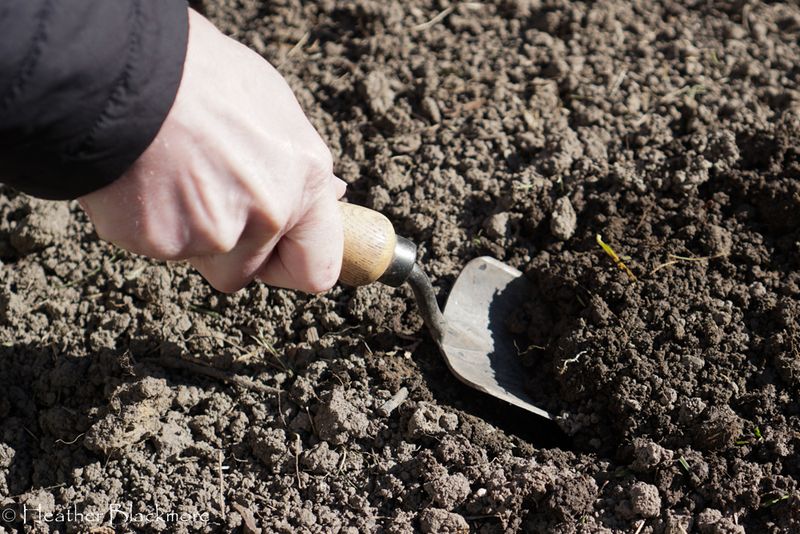
The best part of testing comes after the report lands in your hands. Those numbers turn into a clear roadmap for a stronger spring garden.
Start by looking at your pH results. If your soil is too acidic, your fall lime application already began fixing that, and you can check progress again later.
Next, study the nutrient recommendations. The lab tells you which nutrients to add and how much, so you buy only what your soil truly needs.
Organic matter is another piece worth planning. If your soil is low, fall and winter give you time to gather compost or leaves to work in before planting.
Michigan gardeners can use these months to line up their supplies calmly. No spring panic, no guessing, just steady preparation based on real facts.
You can also plan which crops fit your soil best. If your test shows conditions that favor certain vegetables or flowers, lean into those choices for better success.
Think about long-term care too. Tracking results year after year shows how your soil improves and where it still needs attention.
Write down your plan somewhere easy to find. A simple list of what to add and when keeps you organized once busy planting days arrive.
When spring finally warms the ground, you move with purpose instead of scrambling. Your amendments are ready, your beds are prepped, and your plants get the perfect start.
That head start pays off all season long. Healthier soil means stronger roots, bigger harvests, and a garden that makes every bit of fall planning worth it.