7 California Vegetables To Start Now For Harvests During Cooler Weather
Late August in Fresno, and a gardener pulls her last tired tomato vines, sure the growing season is done for the year.
She has no idea a whole new season is just getting started.
Across California, plenty of the tastiest vegetables actually hit their stride once the heat fades and nights turn cool. Some of these plants struggled all summer, bolting, turning bitter, going woody. The exact same plants thrive the moment fall arrives.
Timing changes everything here. Plant too early, and heat ruins the crop. Plant at the right moment, and cool nights make the flavor better than anything grown in July.
Seven vegetables reward that fall timing perfectly, whether you garden near the coast, in a valley, in the desert, or up in the mountains.
Curious which vegetable actually tastes sweeter after a light frost? The answer starts with something most people write off way too early.
1. Broccoli Thrives As Temperatures Drop
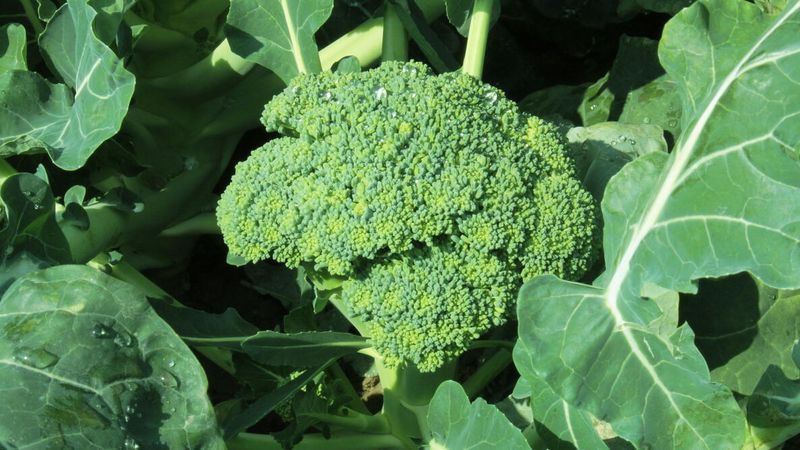
Picture a vegetable that sulks all summer and then perks up the moment evenings turn crisp again. Broccoli is exactly that kind of plant. It grows best when days are mild, roughly in the 60s and low 70s, and tends to struggle badly in hard heat.
When summer heat sticks around too long, broccoli often rushes to flower early. The tight green heads loosen, turn yellow, and taste bitter before you ever get a good harvest out of them.
Cooler weather slows that process down considerably, giving the plant time to build firm, full heads instead.
Late summer through fall works for planting broccoli in much of the state, though the exact window depends on where you live. Inland valley gardeners often set out transplants in August or September.
Coastal gardeners can usually keep planting a bit later, while low desert growers commonly wait until temperatures ease in fall.
Starting with transplants instead of seeds is a smart shortcut here, since young plants skip the fragile seedling stage during leftover heat. Give them full sun, rich soil, and steady water throughout.
A layer of mulch helps keep roots cool on warm afternoons too.
Most varieties need around two to three months to reach harvest, depending on the type you’re growing. Cut the main head while the little buds are still tightly closed.
Many plants will then keep pushing out smaller side shoots for weeks, which feels like a bonus gift from the garden.
Mountain gardeners face early freezes, so checking a local planting calendar before planting is wise.
2. Carrots Sweeten With Cooler Soil
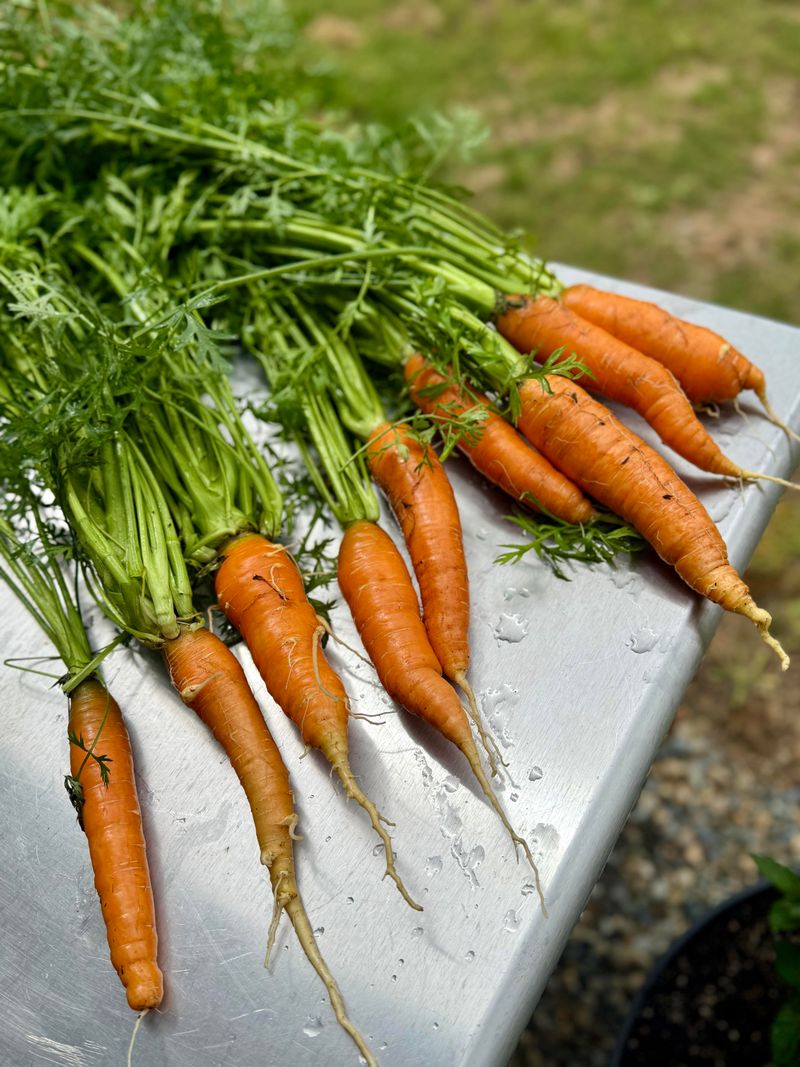
Ever bitten into a carrot so sweet it almost tasted like candy? Chances are it grew in cool soil. Carrots respond to chilly nights by storing more sugar in their roots, and that’s a big reason fall and winter carrots often taste better than summer ones.
Here’s how it works in simple terms. When temperatures drop, the plant turns some of its stored starch into sugar, which helps protect its cells from cold. Lucky for us, that same process makes the roots crisper and sweeter too.
Your California Garden Changes Every Week. Your Plan Should Too.
Gardening in California changes quickly throughout the season. Every Friday you’ll receive a simple weekly plan showing exactly what to plant, prune, fertilize, harvest, and protect so you never miss the right timing.
Carrots are grown from seed sown right where they’ll stay, since they don’t like being moved once started. The seeds are tiny and slow to sprout, sometimes taking one to three weeks.
Keep the top layer of soil evenly damp during that time, since a dry crust can stop seedlings from breaking through the surface.
Loose, rock-free soil matters a lot here. Heavy clay or stones can cause twisted, forked roots that look funny and are harder to clean afterward.
Raised beds or containers filled with a light mix work well if your ground runs tough.
In many California areas, late summer into fall is a solid time to sow, though coastal gardens often allow planting over a longer stretch. Low desert growers usually do better once fall temperatures settle down.
Expect harvests in about two to three months, and thin seedlings early so each root has room to grow properly.
Here’s a fun fact worth knowing. Early cultivated carrots were often purple or yellow, not orange at all.
3. Lettuce Matures Fast This Time Of Year
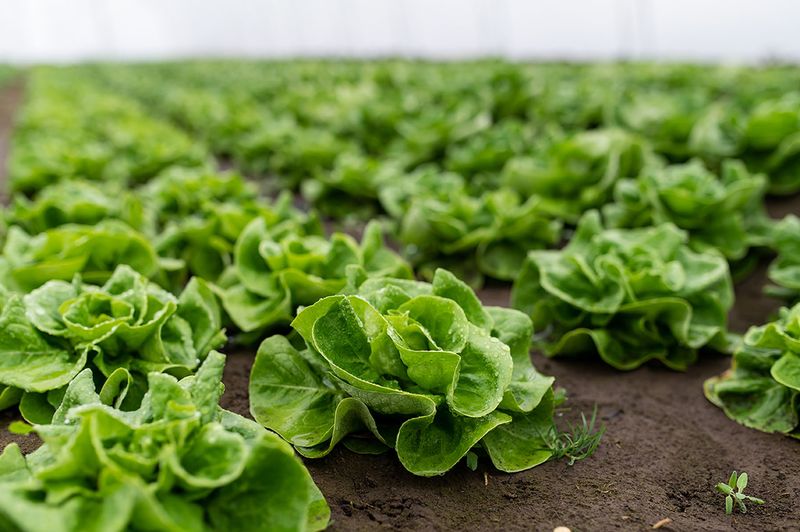
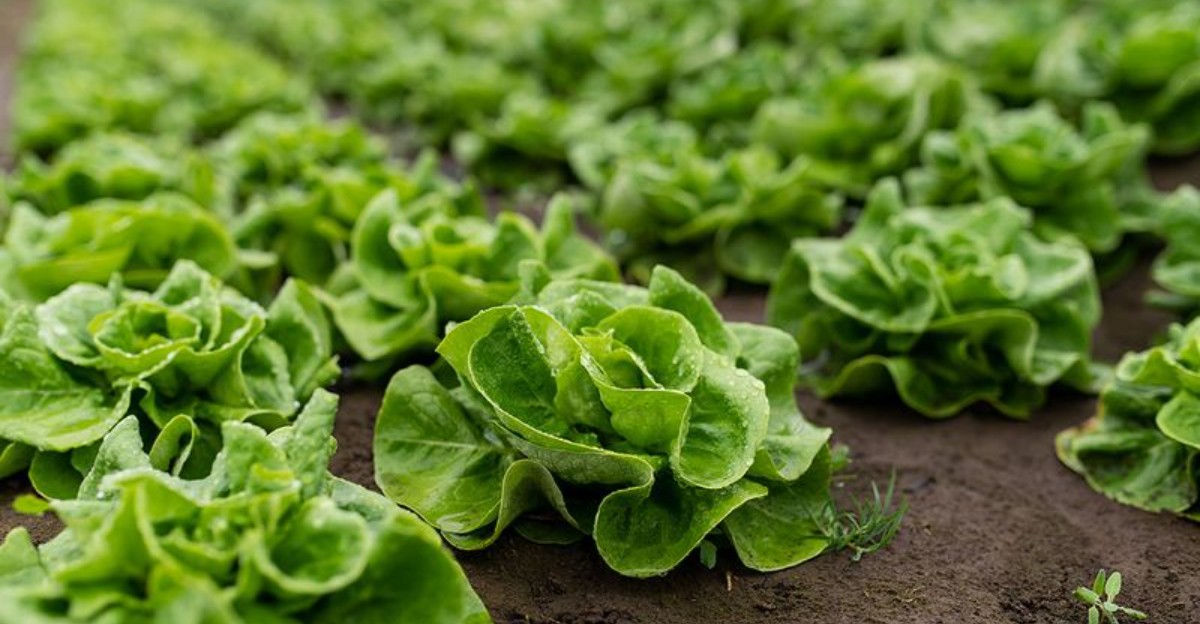
Some crops make you wait all season. Lettuce is not one of them. Many leaf lettuces can be ready to pick in about 30 to 45 days, and some baby greens are ready even sooner than that.
That quick timeline makes lettuce perfect for a later planting window. Even if you missed the start of fall, you still have time to grow several rounds before the coldest weeks arrive.
Head types like romaine take longer, often closer to two months or more.
Heat is lettuce’s biggest enemy by far. Seeds may refuse to sprout when soil gets too warm, and grown plants can bolt, meaning they shoot up a flower stalk and turn bitter fast. Cooler fall days help leaves stay tender and mild instead.
A handy trick here is succession planting. Sow a short row every two or three weeks instead of planting everything at once. That way, fresh salad keeps coming instead of arriving all in one overwhelming week.
Timing varies by region across the state. Coastal gardeners can often grow lettuce for much of the year, while inland valley growers usually wait for late summer heat to break first.
In the low desert, fall through winter is prime lettuce time, and mountain gardeners may need row covers to beat early frost.
Seeds are tiny, so press them lightly into the soil and cover them with just a thin dusting on top. Keep the surface moist until sprouts appear.
Harvest outer leaves first, and many plants will keep growing new ones from the center.
4. Peas Prefer The Mild Fall Stretch
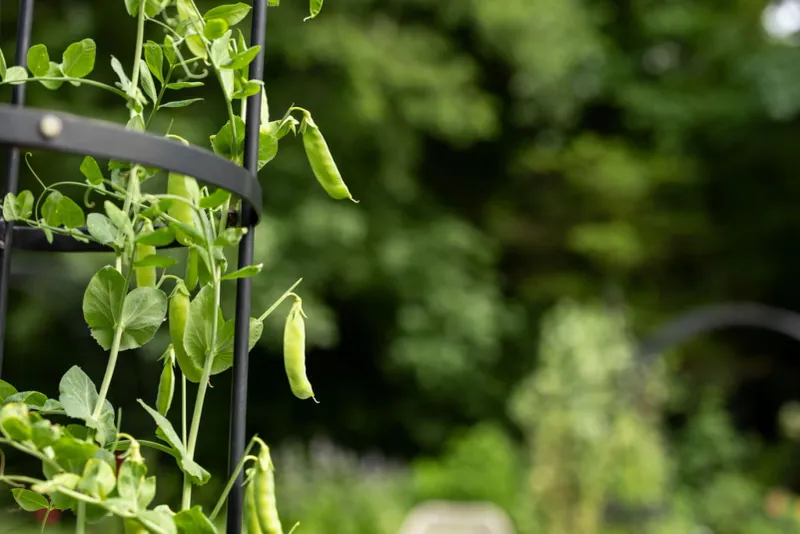
There’s something special about standing in the garden and eating peas straight from the pod. Kids love it, and honestly, so do adults. Growing them in fall gives you a shot at that simple joy during the months when most gardens look tired.
Peas are cool-season plants that do not handle heat well at all. Hot weather can stop flowers from forming pods and makes the peas starchy instead of sweet. Mild fall temperatures, not too hot and not too freezing, suit them nicely.
Most peas are planted from seed directly in the ground where they’ll grow. Many varieties produce pods in roughly two months, though timing depends on the type and your local weather.
Snap peas, snow peas, and shelling peas all grow in similar ways.
Where you live changes the plan considerably. Coastal and milder valley gardeners often sow peas in fall for winter harvests, while low desert growers usually plant once fall heat fades.
In colder inland and mountain spots, a hard freeze can damage blossoms and pods, so some gardeners there wait until late winter or spring instead.
Most varieties climb, so give them a trellis, fence, or even some string tied between stakes. Water regularly, but avoid soggy soil, which can rot seeds before they sprout.
Peas also add nitrogen to the soil with help from tiny bacteria living on their roots.
Pick pods often, ideally every couple of days once they start coming in. The more you harvest, the more the plants tend to produce in return.
5. Kale Gets Better After A Light Chill
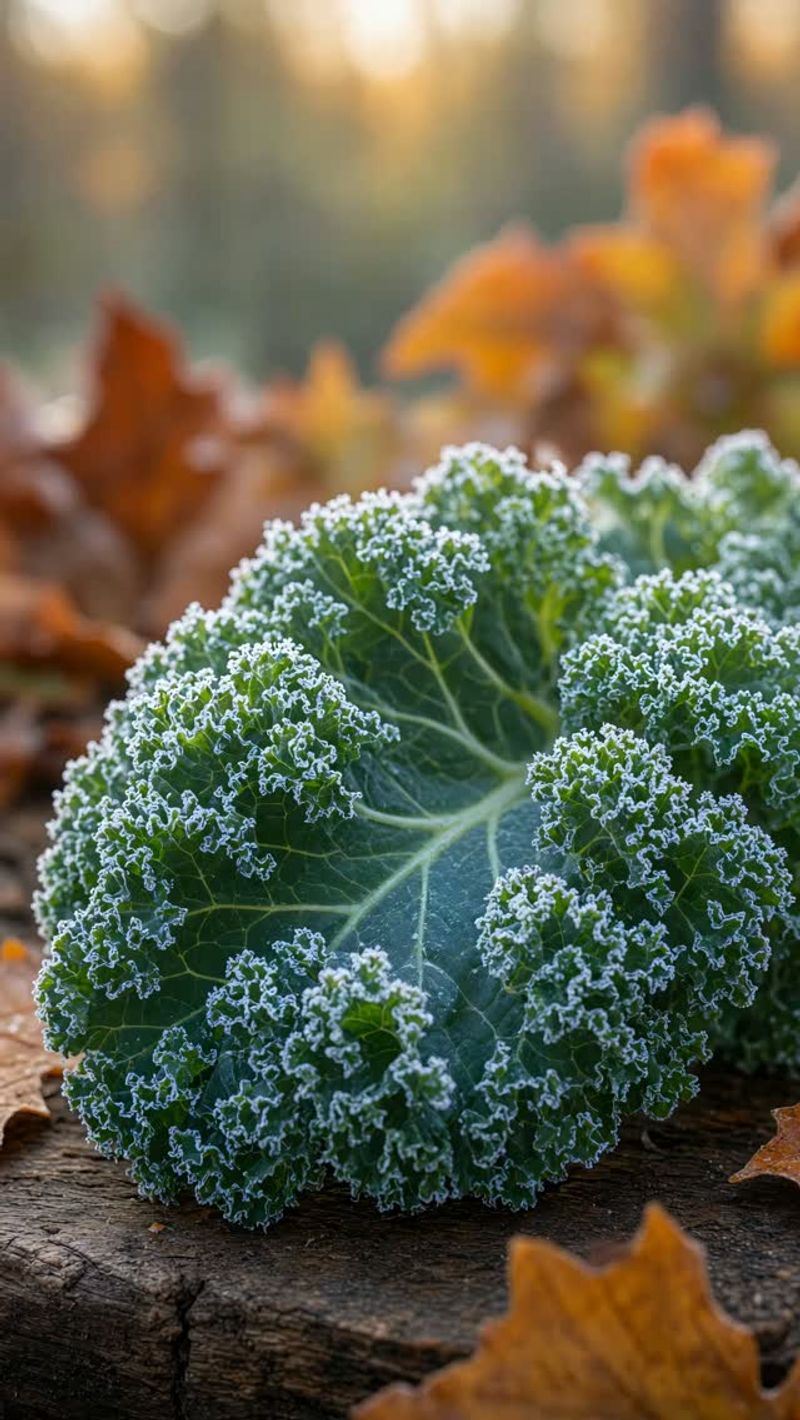
Kale is the tough kid on the garden block, plain and simple. While summer crops fade, it shrugs off chilly nights and keeps growing without complaint. Better yet, a little cold actually improves its taste.
Here’s the science behind it. When temperatures dip, especially near freezing, kale converts some of its stored starches into sugars. Those sugars work a bit like antifreeze, helping protect the leaves from cold damage.
For us, the result is leaves that taste sweeter and less bitter than before. Many gardeners say kale picked after a light frost is the best of the year. Summer kale can taste sharp, so fall planting gives you a noticeably milder harvest.
In much of California, gardeners set out kale transplants or sow seeds from late summer into fall. Coastal areas may allow planting over a longer season, and low desert gardeners often plant once fall temperatures come down.
Mountain growers should plant early enough for plants to size up before hard freezes hit.
One caution worth knowing here. Frost-kissed flavor is real, but many coastal and Southern California gardens rarely see frost at all. You may still notice sweeter leaves during cool stretches, just less dramatically than in colder climates.
That detail is worth keeping in mind so your expectations match your region.
Pick the lower, outer leaves first and let the center keep growing. One healthy plant can last for months. Try them in soups or baked chips.
Popular types include curly kale, flat-leaf Red Russian, and the bumpy Lacinato, sometimes called dinosaur kale.
6. Spinach Finally Gets Conditions It Likes
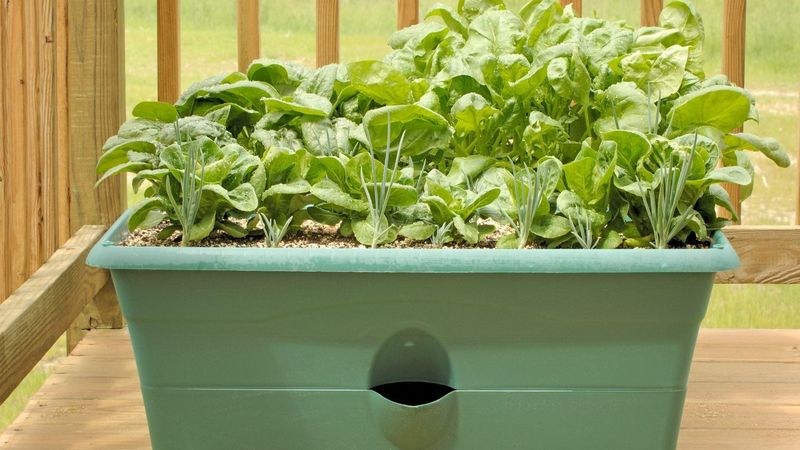
If spinach has ever bolted on you in May, you are not alone in that frustration. It’s famously fussy about heat and long days, which push it to flower fast and turn the leaves bitter. Fall is when this leafy green finally gets a fair chance.
Cool soil is the key here above all else. Spinach seeds sprout poorly in warm ground, and germination drops off as soil heats up past roughly the mid-70s. Waiting until late summer heat breaks gives seeds a much better start.
Shorter fall days help too, in a way that surprises people. Since spinach reacts to lengthening daylight by bolting, the shrinking days of autumn keep plants focused on growing leaves instead. That means a longer, steadier harvest overall.
Timing depends on your corner of California. Coastal and valley gardeners commonly sow from early fall onward, while low desert growers usually wait for cooler fall weather to arrive.
Mountain gardeners have a shorter window before hard freezes, so earlier planting or a cold frame can help.
Sow seeds about half an inch deep in rich, well-drained soil. Many varieties are ready in about 40 to 50 days, and baby leaves can be picked even sooner than that.
Keep the soil evenly moist, since stressed plants are more likely to bolt on you.
A little planning goes a long way here too. Planting small batches every couple of weeks keeps fresh leaves coming steadily. Enjoy them raw in salads or wilted into warm pasta on a chilly evening.
Did you know? Spinach likely came from ancient Persia before spreading around the world over centuries.
7. Radishes Reward An Impatient Gardener
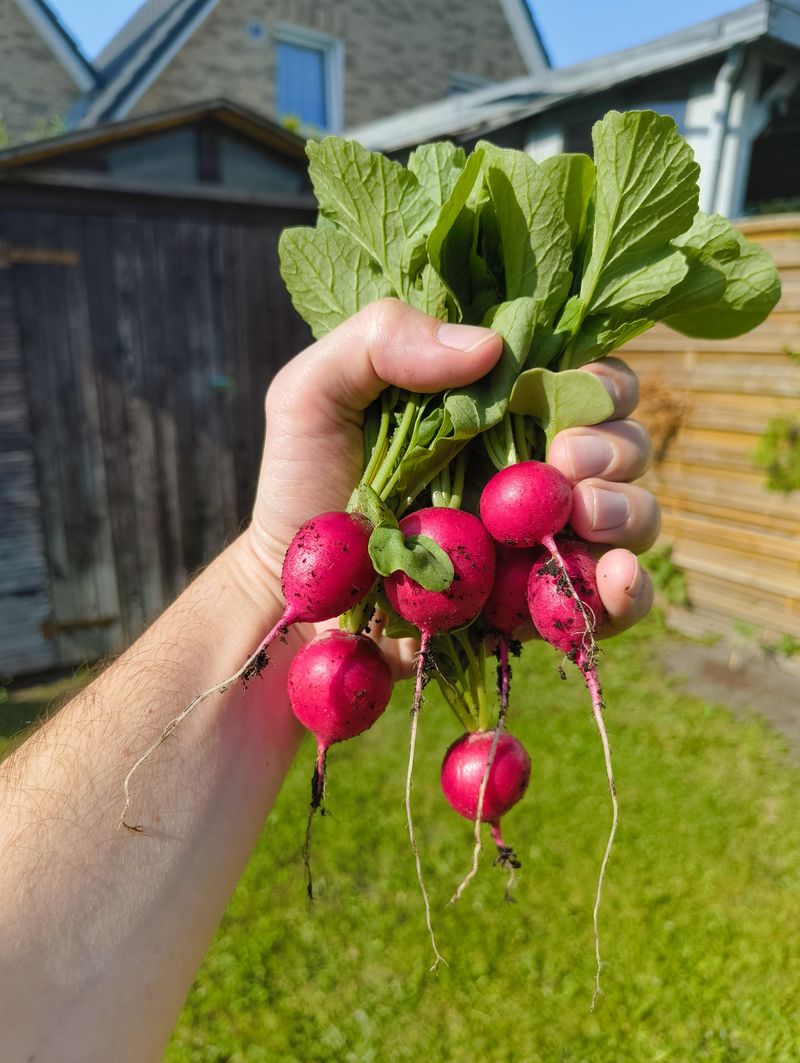
Planted seeds on Saturday and already wondering when you can eat something? Radishes were made for you specifically. Many spring-type varieties go from seed to salad in about three to four weeks.
That speed makes them one of the most forgiving crops around the garden. If something goes wrong, like a surprise heat wave or hungry bugs, you can simply replant and try again without losing much time.
They’re also great for young gardeners who need quick proof that seeds really work.
Cool weather keeps radishes crisp and mild throughout. In hot conditions, they can turn woody, split, or taste extra spicy instead. Steady moisture matters too, because uneven watering often leads to cracked roots.
Regional timing varies quite a bit across California. Coastal gardeners can often sow radishes through much of fall and winter, and inland valley growers usually start once late summer heat eases up.
Low desert gardeners often plant from fall into winter, while mountain gardeners should squeeze in crops before the ground freezes solid.
Sow seeds about half an inch deep and thin seedlings to an inch or two apart. Crowded radishes tend to grow all leaves and no roots to speak of. Pull them promptly once they reach full size, since they get pithy if left too long.
Want to try something bigger? Winter radishes like daikon take longer, often around two months, but store well through the season. Tuck a few radish seeds between slower crops like carrots for a bonus early harvest.