Why California Gardeners Are Planting More California Fuchsia This Fall
Sweat drips down your neck before you even step off the porch this September. Your garden hose lies limp in the grass, useless against a heat that refuses to quit.
California weather like this turns your roses stubborn and your lawn the color of dust. Something small and green rockets past your ear with a hum you feel in your teeth.
Nobody warned you a single patch of silver leaves could consume your whole afternoon. Strangers slow their cars now just to stare at what is blooming behind your fence.
Across California yards this month, a quiet contest is playing out between neglect and obsession. You are about to find out which side wins in your own backyard.
Late-Season Blooms That Feed Hummingbirds
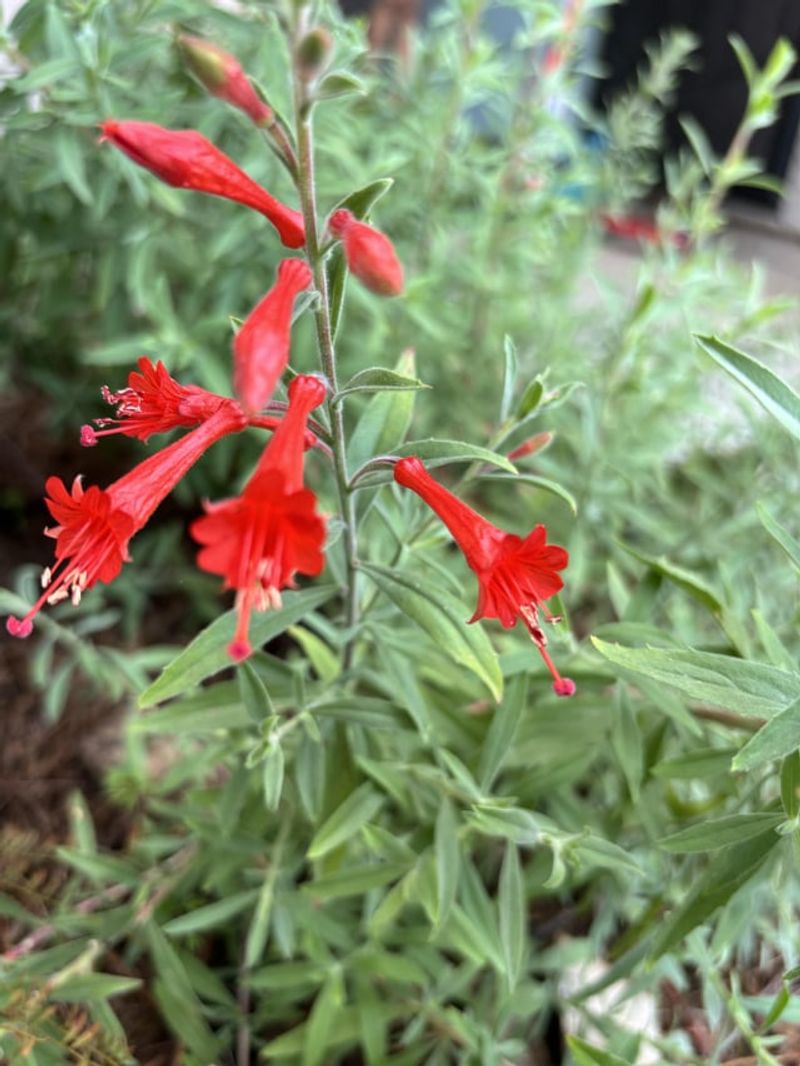
Just when most gardens run out of flowers, California fuchsia bursts into bloom with fiery red trumpets. Its show usually starts in August and can last well into October or even November.
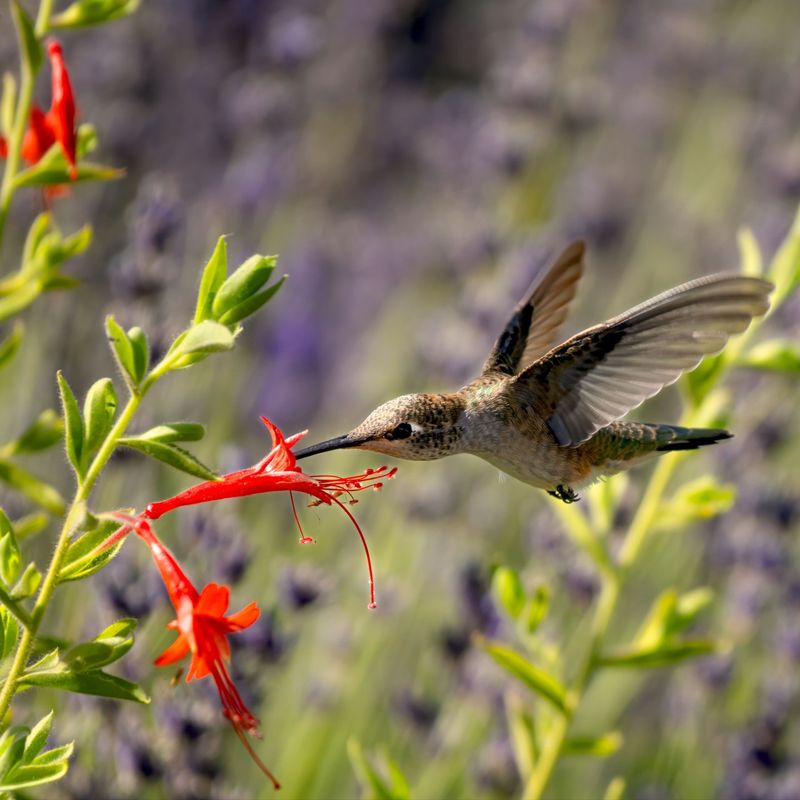
That timing matters a lot for hummingbirds, who need sugary nectar every single day to stay strong. Anna’s hummingbirds live here all year, while Rufous hummingbirds pass through on long fall trips south.
By late summer, sages and other favorites have mostly finished flowering and gone to seed. A patch of this plant becomes a busy snack bar when food is suddenly hard to find.
Each flower is shaped like a long, narrow tube that fits a hummingbird’s bill almost perfectly. Bees have a harder time reaching the nectar, so the birds get most of it for themselves.
Many gardeners say the tiny visitors show up within days of the first flowers opening. Some folks even move their patio chairs just to watch the hummingbirds compete for the best blossoms.
Butterflies and moths sometimes stop by too, adding even more motion to the garden. Planting in a group of three or five makes the red color easier for birds to spot.
Fun fact: hummingbirds can visit hundreds of flowers in one day to fuel their speedy hearts. A single healthy plant can offer dozens of blooms at once during its peak season.
For anyone who loves wildlife, this plant turns a quiet fall yard into a lively show. It gives back far more than it asks, which explains the growing buzz among gardeners.
Fall Planting Before The Winter Rains
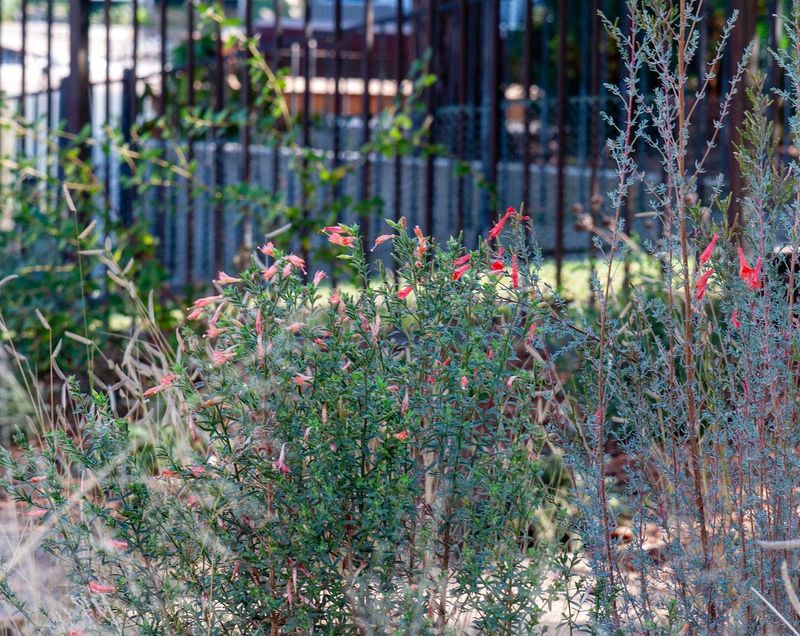
Ask any seasoned native plant grower about timing, and you will likely hear the same answer. Fall is the sweet spot for putting new plants in the ground across California.
Summer heat has faded by October, but the soil stays warm enough for roots to grow. Soon after, winter rains arrive and do much of the watering work for you.
Roots spread out quietly all winter, even when the leaves above look sleepy or small. By spring, the plant has a deep, sturdy root system ready to handle dry months ahead.
Compare that to a spring planting, which faces blazing heat with only a few shallow roots. Those young plants often need extra watering all summer just to hang on.
Your California Garden Changes Every Week. Your Plan Should Too.
Gardening in California changes quickly throughout the season. Every Friday you’ll receive a simple weekly plan showing exactly what to plant, prune, fertilize, harvest, and protect so you never miss the right timing.
Many nurseries hold native plant sales in October and November for this exact reason. Local groups like the California Native Plant Society often host these events with expert helpers on hand.
Try to plant on a cool, cloudy day, or late in the afternoon when the sun softens. Water the new plant deeply right away, even if rain is in the forecast.
Keep an eye on the soil for the first few weeks if storms are late to arrive. A deep soak every week or two until steady rain begins helps things settle in.
Think of fall planting as giving your garden a head start on next summer. Your future self, sipping lemonade in August, will be glad you did the work now.
The Overwatering Trap For New Gardeners
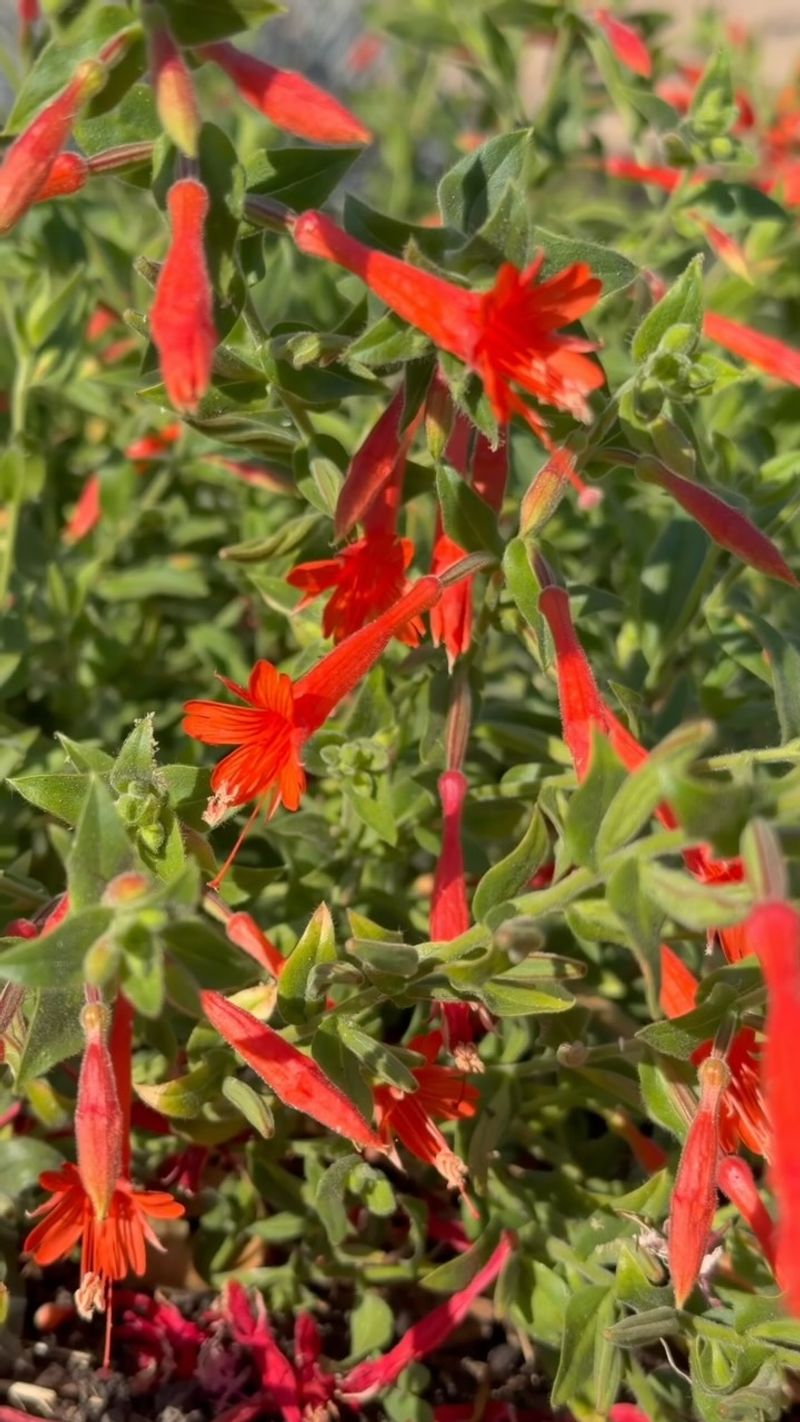
Here is a funny truth about California fuchsia: too much kindness can hurt it more than neglect. Many beginners overwater their new plants with love and a daily splash from the hose.
In the wild, this tough plant grows on rocky slopes, dry canyons, and sunny coastal bluffs. Its roots are built for lean soil and long stretches without a single drop of rain.
Soggy soil squeezes out the air that roots need to breathe. Before long, the roots can rot, and the leaves turn yellow, limp, or blackened at the base.
Rich garden beds with lots of compost can cause problems too. Extra food makes the plant grow floppy and weak, with fewer flowers and more leggy stems.
Picture a marathon runner eating three huge dinners every night and skipping practice. That is roughly how this plant feels in a pampered, fertilized, overwatered flower bed.
Spot the warning signs early, and you can often save the plant. Stop watering, let the soil dry for a week or two, and skip fertilizer for good.
Once established, most plants need only a deep drink every two to four weeks in summer. Coastal gardens with foggy mornings may need even less water than that.
A simple finger test works wonders before you reach for the hose. If the top few inches of soil feel damp, wait a few more days.
Holding back on water may feel strange at first, but the plant will reward you. Fewer chores and more blooms sound like a pretty fair trade, right?
A Sunny Spot With Fast-Draining Soil
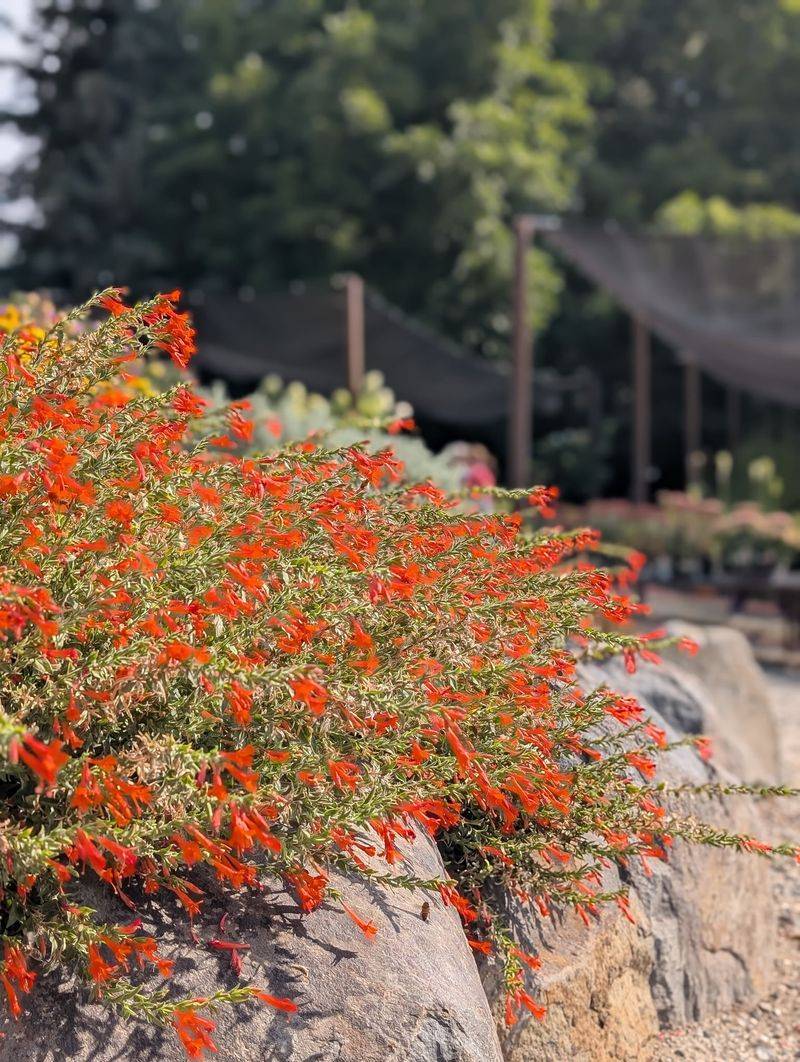
Think of choosing a planting spot as matchmaking between a plant and its perfect home. California fuchsia wants two things above all else: plenty of sun and soil that drains quickly.
Aim for at least six hours of direct sunlight each day. Plants in too much shade tend to stretch, flop over, and produce only a handful of flowers.
Next, test your drainage with a simple trick that takes about an hour. Dig a hole one foot deep, fill it with water, and watch how fast it empties.
If the water drains within an hour or so, your soil is in great shape. If it lingers much longer, you likely have heavy clay that holds moisture like a sponge.
Clay soil is common in many California neighborhoods, but you still have good options. Try planting on a small mound or slope so extra water runs away from the roots.
Mixing some gravel or coarse sand into the area can also loosen things up. Skip heavy compost, since rich soil can make this plant lazy and floppy.
Rock gardens, dry banks, and the edges of gravel paths make wonderful homes. Low walls also work well, letting the stems spill over the side in a bright red waterfall.
Finish with a thin layer of gravel mulch instead of thick bark. Gravel keeps the crown of the plant dry and reflects warmth, just like its native hillsides.
Get the location right, and the rest of the job becomes surprisingly easy. Good placement beats any fancy product on the shelf.
Scarlet Color During The Hottest Weeks
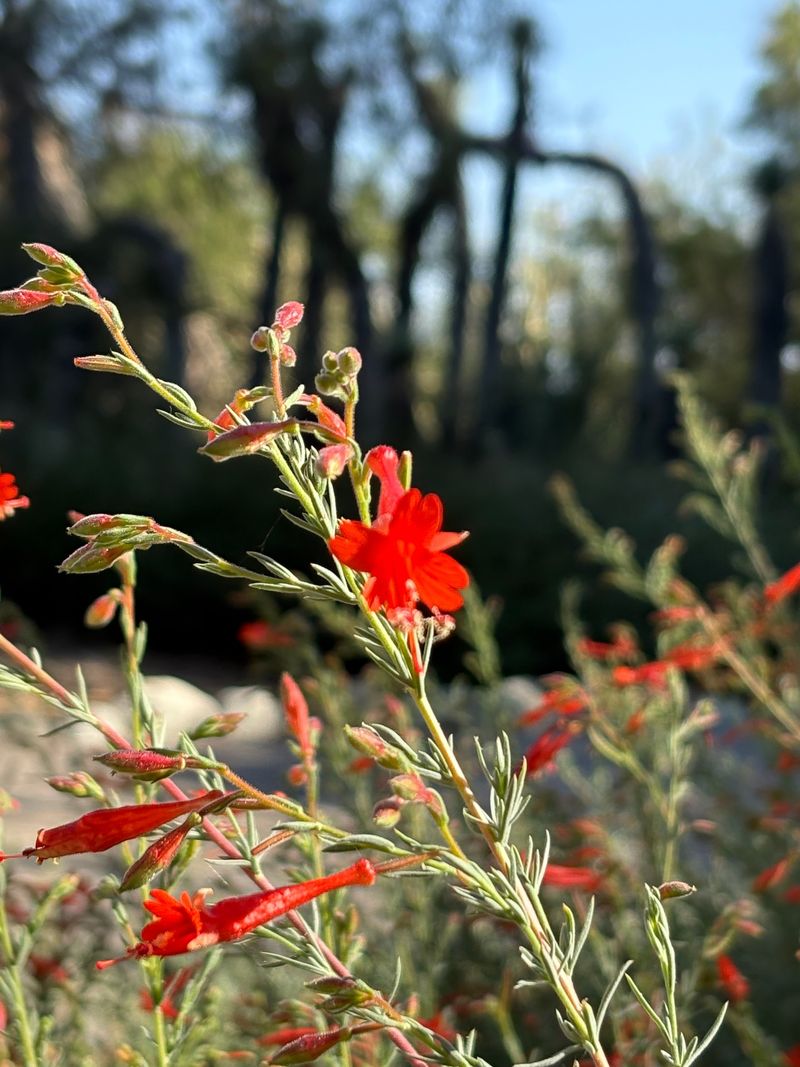
Late summer in California can feel like a faded photograph, all tan hills and dusty greens. Then a mound of glowing scarlet flowers appears, and the whole garden seems to wake up.
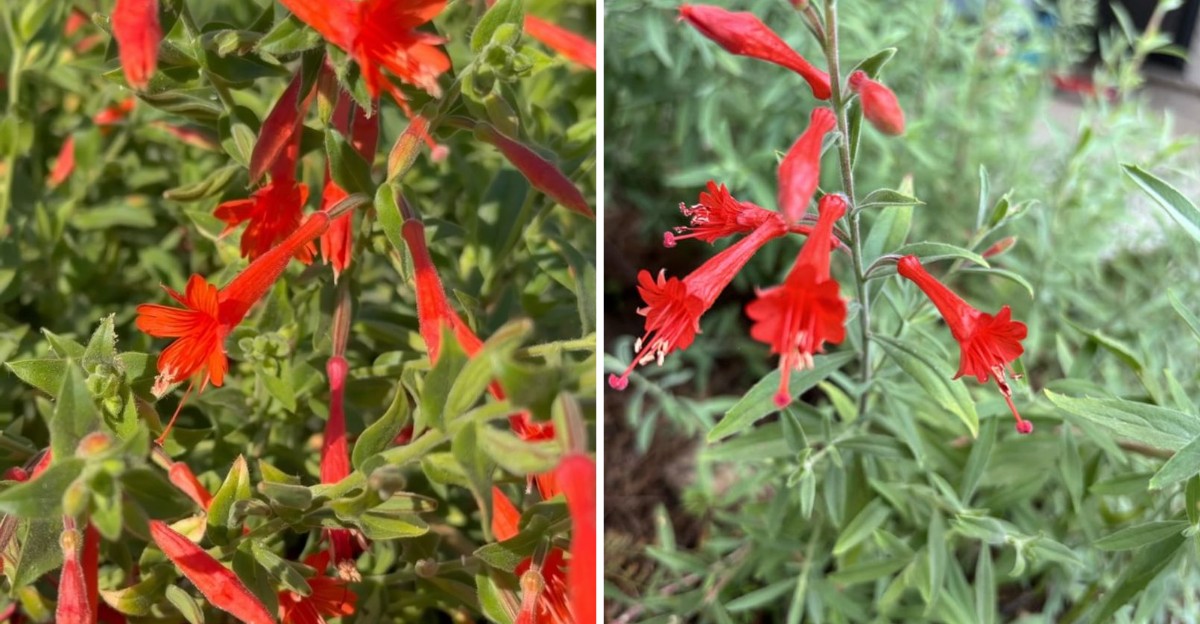
California fuchsia hits its peak when many other plants are resting through the heat. Its bright blooms stand out against soft gray or green leaves, depending on the variety.
Popular choices include ‘Everett’s Choice,’ a low spreader, and ‘Catalina,’ which grows taller with silvery foliage. There is even a white-flowered form for gardeners who want something a little different.
Most types stay between one and three feet tall, making them great for borders and slopes. They can spread several feet wide over time, filling empty gaps with lush, colorful growth.
Pair them with other drought-friendly plants for a garden that looks good with very little water. Buckwheat, deer grass, and purple sages make lovely neighbors with similar needs.
Many families love how this color shows up right as school starts again. It feels like one last burst of summer before the cooler, cozier months roll in.
Photographers enjoy it too, since the red flowers pop against blue autumn skies. Add a hummingbird or two, and you have a picture worth framing.
Water-wise gardens sometimes get teased for looking brown and boring. A bold patch of this plant proves that saving water can still look cheerful and full of life.
For many gardeners, that late-season glow is reason enough to plant more each fall. Think of it as a surprise gift tucked in the garden.
A Hard Winter Cutback To Keep Plants Tidy
Every good rock star needs a haircut now and then, and California fuchsia is no different. By December, the plant often looks scraggly, woody, and a little worn out.
Once flowering ends and the leaves turn brown, it is time to grab your pruners. Most gardeners do this job between late November and February, before new growth appears.
Cut the stems down to just two or three inches above the ground. It may look harsh, but fresh green shoots will pop up from the roots in early spring.
Skipping this step leads to tangled, leggy plants with fewer flowers the next year. A yearly trim keeps the mound full, neat, and loaded with blooms.
This plant also likes to wander, spreading underground with runners called rhizomes. In small gardens, it can pop up in places you did not plan.
To keep it in bounds, pull or dig out stray shoots while they are still small. A buried edging strip or a path border can also slow down its travels.
Those extra shoots do not have to go to waste, though. Pot them up and share them with friends, which may explain why so many neighbors now grow it.
Avoid heavy pruning in summer or early fall, since that removes the buds that become flowers. Light tidying is fine, but save the big cut for winter.
A few minutes with pruners each year prevents most common problems before they start. Your plant stays healthy, your garden stays tidy, and the hummingbirds keep coming back.