The Ohio Lawn Mistake That Gives Ticks Better Places To Hide This Fall
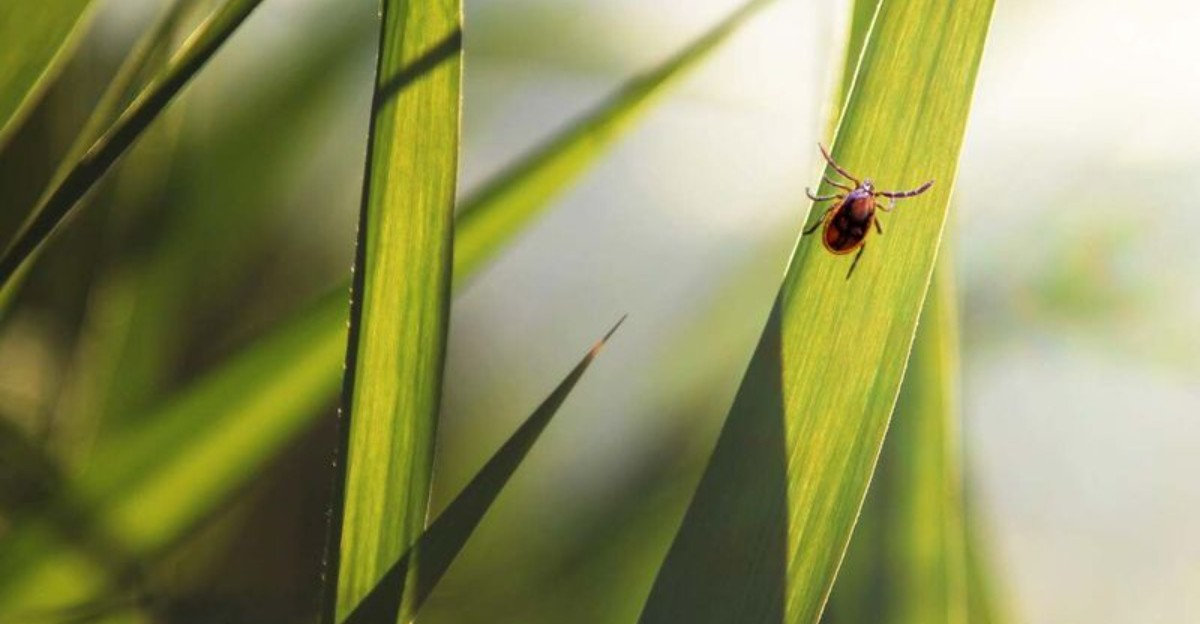
Cool air, crunchy leaves, and fewer bugs make fall feel like a safe time to relax in the backyard. Ticks see it differently.
Adult blacklegged ticks, the species that spreads Lyme disease, stay active across Ohio well into November and even later on mild winter days. They do not jump or fly.
They wait low to the ground, cling to a blade of grass or a damp leaf, and grab onto whatever brushes past. A dog on its nightly lap around the yard.
A child who chases a ball into the corner. You, on the way to the shed.
Where they wait matters, and many homeowners hand them the perfect spot without a second thought. One common fall habit, meant to keep the yard neat, creates a moist, shaded shelter right where people and pets walk.
It only takes minutes to undo, and it could spare your family a nasty surprise.
1. Letting Tall Grass Blur The Lawn’s Edge

Picture a tick perched on a tall blade of grass, front legs stretched out like it is waving for a taxi. Scientists call that pose questing, and it is how ticks grab onto passing legs.
Tall grass gives them the perfect launch pad. The taller and shaggier your lawn edge gets, the more spots a tick has to wait for a ride.
In Ohio, adult blacklegged ticks, also called deer ticks, go looking for hosts in October and November. They stay busy as long as temperatures sit above freezing and the ground stays soft.
Fall mowing matters more than many people think. It is tempting to let the mower rest once the kids go back to school, but that shaggy border becomes prime tick real estate.
Keep the lawn mowed at an appropriate height for your grass type, and pay particular attention to the edges where taller vegetation meets the turf.
Pay close attention to the spot where your mowed lawn meets taller growth. Ticks love to linger right on that line, so trim it crisp and clean each time you mow.
A string trimmer is your best friend here. Run it along fences, sheds, mailbox posts, and garden beds where the mower cannot quite reach.
Keep mowing until a hard frost settles in. A sharp edge leaves ticks fewer places to perch.
2. Leaving Leaf Litter Along Wooded Borders

Crunchy leaves are one of the best parts of an Ohio autumn. Unfortunately, ticks love them even more than you do, just for very different reasons.
A thick layer of fallen leaves works like a cozy sleeping bag. It traps moisture and shade, the exact mix ticks need to stay comfortable as the weather cools.
Leaf piles pushed against the wood line or your home’s foundation can stay damp for weeks. That gives ticks a humid hideout right next to where your family walks.
Ticks dry out easily in sun and wind. Without a moist shelter, they struggle to survive, which is why leaf litter is such a big deal.
Your Ohio Garden Changes Every Week. Your Plan Should Too.
Gardening in Ohio changes quickly throughout the season. Every Friday you’ll receive a simple weekly plan showing exactly what to plant, prune, fertilize, harvest, and protect so you never miss the right timing.
Grab a rake or leaf blower and clear leaves regularly, not just once at the end of the season. Focus first on borders where your yard meets trees or shrubs.
Move collected leaves far from patios, play sets, and doorways. A compost bin at the back of the property works well, or you can bag them for your town’s yard waste pickup.
Mulching leaves with your mower is another smart trick for open lawn areas. Chopping them into tiny bits helps them break down quickly instead of forming a soggy mat.
Don’t forget your gutters, either. Clogged gutters stuffed with wet leaves can create another damp hiding place close to your home.
3. Allowing Brush To Crowd The Turf
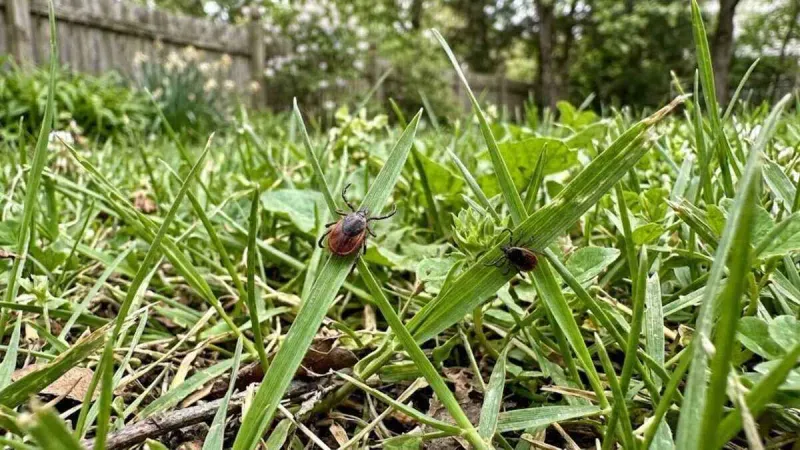
Ever notice how the air feels cooler and damper when you step into a thicket? Ticks notice too, and they treat overgrown brush like a shady vacation resort.
Shrubs, tall weeds, and tangled vines block sunlight and trap humidity. When that growth creeps into your lawn, it drags tick-friendly conditions right along with it.
Brush causes a second problem that many homeowners miss. Mice, chipmunks, and other small critters love hiding in dense growth, and those animals often carry young ticks.
More hiding spots for rodents means more ticks hitching rides into your yard. Cutting back brush takes away shelter for both the hosts and the pests.
Start by pruning shrubs so their lower branches sit a few inches above the ground. That simple step lets air flow underneath and helps the soil dry out.
Next, pull or cut tall weeds growing along fences and property lines. Loppers and a sturdy pair of gloves will handle most of the job in an afternoon.
Think about thinning out crowded bushes too. Plants spaced a bit apart look tidier, stay healthier, and let sunshine reach spots that were once gloomy and damp.
Fall is a great time for this chore since many plants are slowing down for winter. Your yard will look neater, and ticks will find the welcome mat pulled away.
4. Piling Firewood Beside Frequently Used Areas
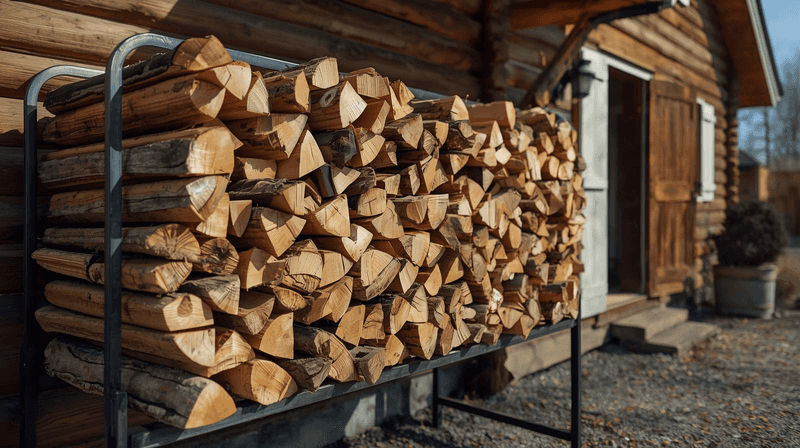
Nothing beats the smell of a crackling fire on a chilly October night. Stacking the wood right beside the back door seems handy, but it can invite unwanted guests.
Woodpiles offer plenty of dark gaps and damp corners. Ticks can hide there, and so can mice and other rodents that carry them around.
Every time you grab an armload of logs, you could be brushing up against those hiding spots. Kids playing nearby and pets sniffing around face the same risk.
Keep firewood well away from the house and, when possible, store it in a dry, open location rather than against the foundation or beside frequently used areas.
Stack logs neatly instead of tossing them into a loose heap. Tidy rows dry faster, which makes them less inviting to pests and better for burning.
Raise the pile off the ground if you can. A simple metal rack or a few pallets keep the bottom logs from soaking up moisture from wet soil.
Covering just the top with a tarp helps shield the wood from rain. Leave the sides open, though, so air can move freely and keep things dry.
Try to bring in only the wood you plan to burn that day. Give each log a quick shake outdoors, and you’ll enjoy a cozy fire without surprise visitors.
5. Skipping A Clean Transition From Lawn To Woods
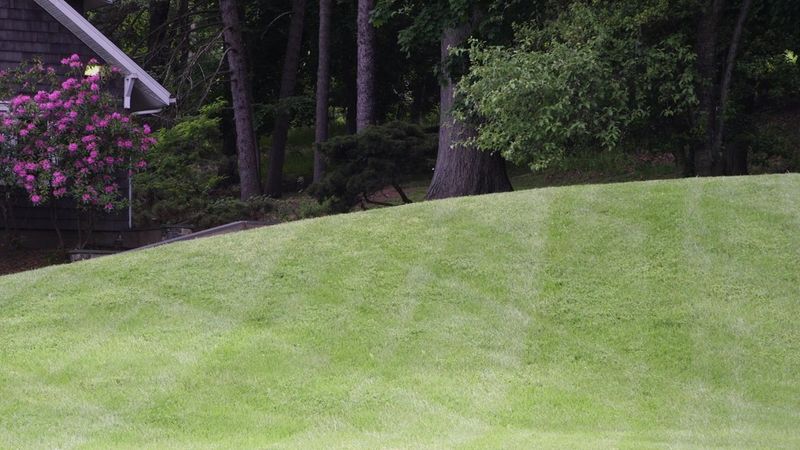
Here is a fact that surprises plenty of Ohio homeowners. The riskiest part of your yard for ticks is often not the woods themselves, but the edge right beside them.
Researchers call that strip the transition zone. It’s where mowed grass meets trees, and it is a favorite waiting spot for ticks hoping to catch a ride.
Deer, rabbits, and rodents travel along these edges constantly. Ticks drop off those animals and then wait in the low plants for the next passerby.
A messy, blurry border makes it easy for ticks to wander into your lawn. When weeds, saplings, and grass all blend together, there’s no clear line stopping them.
Walk your property line and look for spots where the woods seem to be creeping forward. Cut back low plants and young trees that have started spreading into the grass.
Then create a sharp, visible boundary between the lawn and the trees. Even a neatly edged line makes it harder for ticks to drift from the shade into sunnier ground.
Keep swing sets, sandboxes, and patio chairs well away from this edge. Moving them just a few extra yards toward the middle of your lawn can lower the chance of a bite.
Check this zone once a month through fall. Nature likes to push back, so a little regular upkeep goes a long way.
6. Letting Groundcover Become Too Dense
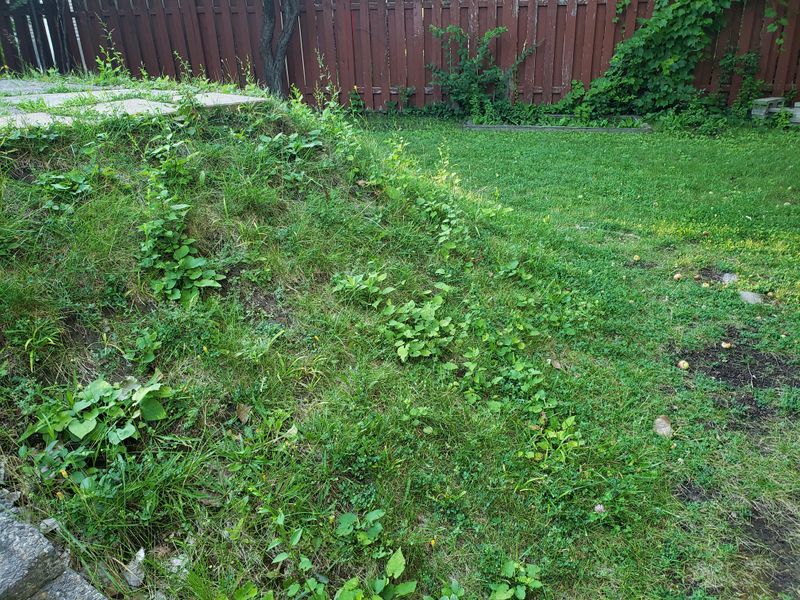
Groundcover can seem like a lazy gardener’s dream. Plant it once, watch it spread, and say goodbye to bare dirt, right?
The trouble starts when that green carpet gets too thick. Plants like pachysandra and ivy can form a dense mat that stays cool and damp underneath all day.
Ticks thrive in cool, humid, shady places, and a crowded groundcover bed checks every box. Japanese barberry can create dense, humid cover that may provide favorable conditions for ticks and their hosts.
Barberry’s thorny, tangled branches trap moisture and shelter mice. Removing it, while wearing thick gloves, is one of the smartest yard upgrades you can make.
For other groundcovers, thinning is the goal rather than full removal. Pull out sections so sunlight can reach the soil and air can drift through the leaves.
Shady corners deserve extra attention since they dry out slowly. Consider swapping part of a thick bed for mulch, stepping stones, or a small gravel path.
Keep groundcover away from walkways, patios, and places where kids sit or play. A little open space between the plants and your feet makes a real difference.
Fun fact: Japanese barberry was once planted widely as a hedge across the eastern United States. Today, many states, including Ohio, list it as an invasive plant that is best removed.
7. Keeping Yard Clutter In Shady Corners
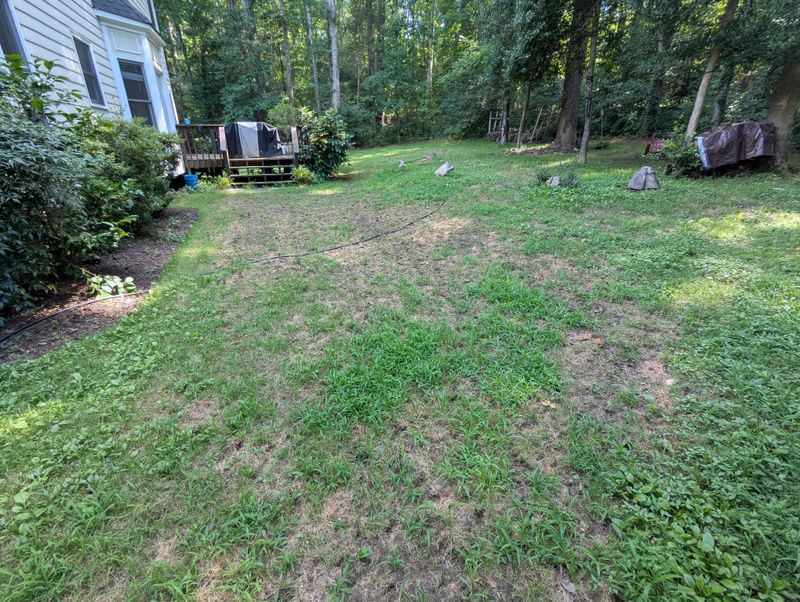
Every yard has that one forgotten corner. You know the spot, with the cracked flowerpot, an old tarp, and a kiddie pool nobody has touched since July.
Clutter like that might look harmless, but it creates shelter. Anything left sitting on damp ground in the shade can trap moisture underneath it for weeks.
Ticks go looking for those protected pockets as the air grows cooler. Rodents also love to nest under boards, bins, and piles of old garden supplies.
Fall is a perfect time for a good cleanup. Grab a trash bag, some work gloves, and maybe a helper who can be bribed with hot cider afterward.
Start with anything stacked against sheds, fences, or the side of your house. Old lumber, spare bricks, broken toys, and forgotten planters should be tossed, stored, or moved.
Items you want to keep can go into a shed or garage for winter. If they must stay outside, set them on a rack or shelf instead of bare soil.
Lift and check under tarps and covers too. Those are sneaky spots where moisture builds up quickly after fall rain.
Once the corner is clear, rake up any leaves or debris left behind. Sunlight and fresh air can finally reach the ground, and your yard will look much tidier too.
8. Leaving Pets To Roam Through Overgrown Edges
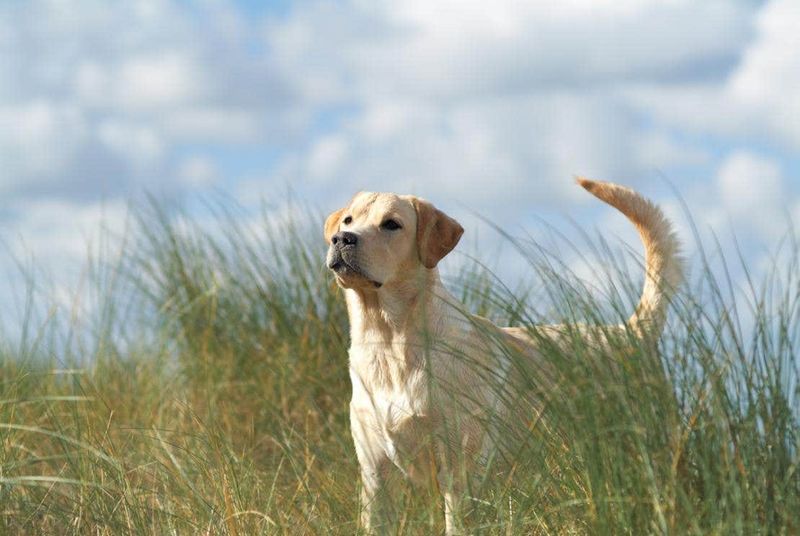
Your dog thinks the weedy strip behind the shed is the best smell zone in the neighborhood. Sadly, ticks think it is the best diner.
Pets brush through tall grass and brush low to the ground, right at tick height. Their thick fur gives ticks plenty of places to grab on and settle in.
Once a tick latches on, your furry friend can carry it straight onto the couch, the rug, or your bed. That puts the whole family closer to a possible bite.
Lyme disease cases have climbed in Ohio over the past decade. Dogs can get sick from tick bites too, so protecting them helps protect everyone.
Try guiding pets along mowed paths instead of letting them wander the overgrown edges. A leash or a simple fenced area makes this much easier in fall.
After every outdoor adventure, do a quick tick check. Run your fingers through the fur, feeling for small bumps around the ears, neck, armpits, belly, and between the toes.
Ask your veterinarian about tick prevention products that suit your pet. Many options last a month or more and work well alongside good yard habits.
Keep a pair of fine-tipped tweezers near the door for quick removal. Grab the tick close to the skin and pull upward with steady pressure.
9. Creating A Wider Barrier Around Woodland Areas
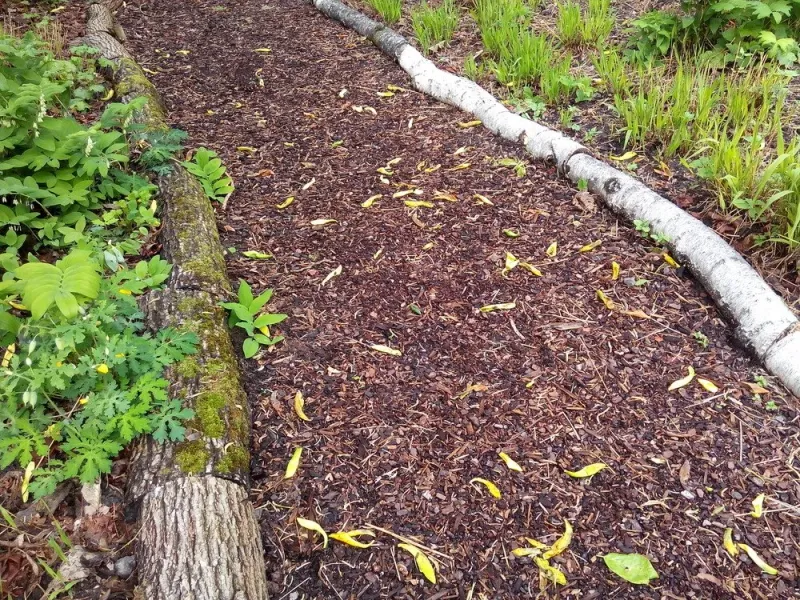
Think of it as a moat for your backyard castle. A strip of dry, crunchy material between the lawn and the woods can slow down ticks trying to move in.
Ticks dislike crossing hot, dry surfaces because they lose moisture quickly. A barrier of wood chips, gravel, or mulch creates exactly that kind of uncomfortable path.
A clearly defined strip of wood chips, gravel, or another dry material can create a useful separation between lawn and wooded areas; a wider strip can provide more separation where space allows.
Start by clearing the area of weeds, grass, and leaf litter. Then spread your chosen material a few inches deep so plants have trouble poking through.
Wood chips look natural and blend nicely with wooded backyards. Gravel lasts longer and stays drier, though it can cost a bit more up front.
Refresh the barrier once or twice a year as it breaks down or gets scattered. Rake off fallen leaves in autumn so the strip stays dry and does its job.
Place play areas, picnic tables, and garden beds well inside the barrier. Kids and pets will spend most of their outdoor time far from where ticks gather.
Pair this barrier with mowing, leaf cleanup, and brush control for the best results. Together, those habits turn your lawn into a much less welcoming place for ticks.