Why Some Ohio Oaks Drop Mountains Of Acorns While Others Barely Produce Any
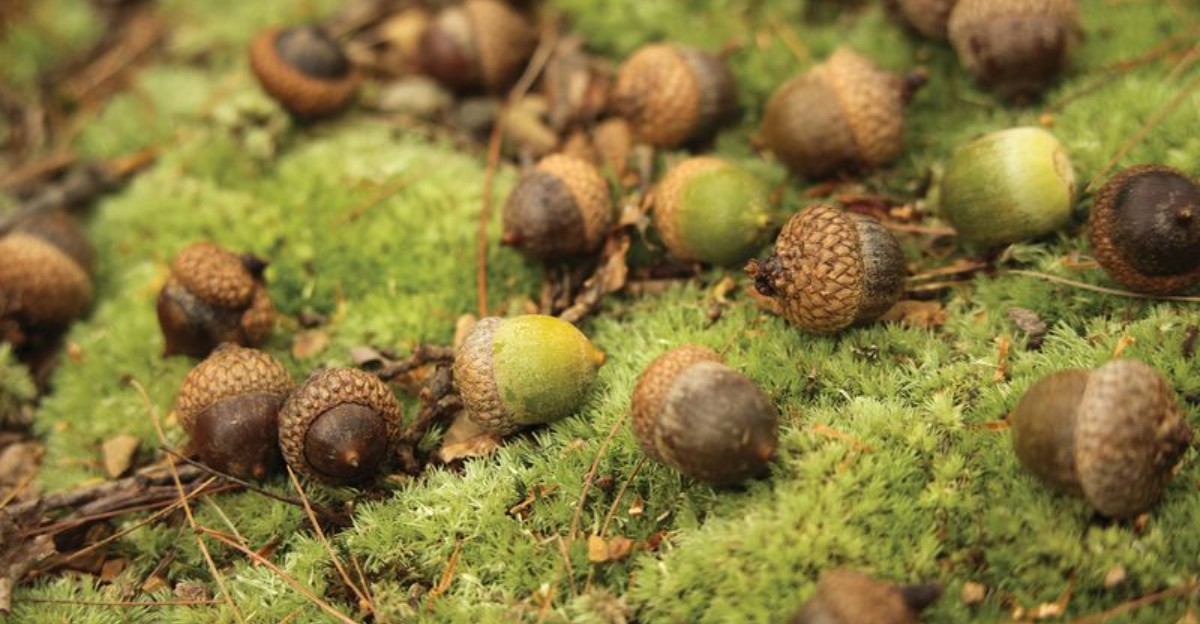
Walk under one Ohio oak this fall and you’re dodging a steady rain of acorns. Walk under another down the street, and you’ll barely find a handful.
That gap isn’t random, and it often has less to do with which tree is healthier than most people assume. Oaks run on a cycle that swings hard between years, driven by factors most homeowners never connect to what’s under their feet each fall.
Weather earlier in the year plays a role. So does something happening between trees that has nothing to do with soil or care at all.
Look at what’s scattered under your oaks this week and compare it to a neighbor’s tree. The difference says more about timing than it does about which tree is doing better.
1. Oak Species Set Different Acorn Schedules
Picture two neighbors, one who bakes cookies every week and one who throws a giant party every few years. Ohio oaks work in a similar way.
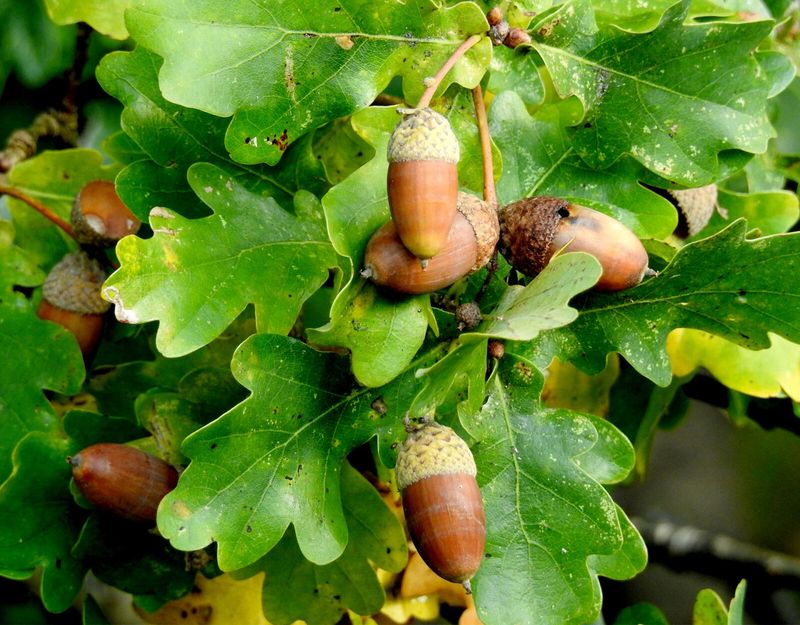
The trees split into two big families, the white oaks and the red oaks. Each group follows its own clock for making acorns.
White oaks, like the bur oak and chinkapin oak, finish their acorns in a single season. Flowers in spring become ripe nuts by fall.
Red oaks take the slow road. Their acorns need about two years to mature, so this fall’s crop started growing last spring.
That timing matters for anyone watching the ground. A red oak can look lazy one year simply because its young acorns are still hanging on the branches.
Taste is another difference. White oak acorns are sweeter, while red oak acorns carry more tannins, which gives them a bitter bite.
Red oaks tend to deliver good crops every two to five years. White oaks are less predictable and may wait four to ten years between big harvests.
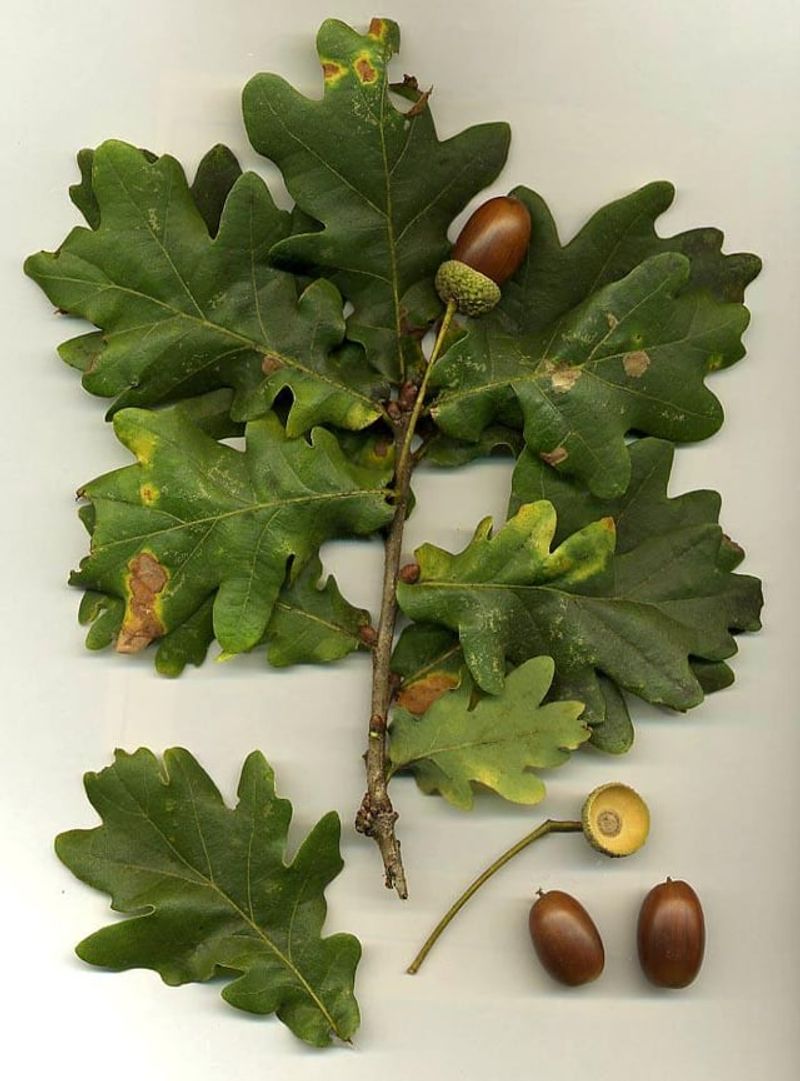
Want to know which kind is in your yard? Look at the leaves, since white oaks have rounded lobes and red oaks have pointed lobes with tiny bristles.
Once you know the family, you can set realistic hopes. A quiet year from a red oak may just mean it is getting ready for a bigger show.
2. Mature Trees Usually Produce Larger Crops
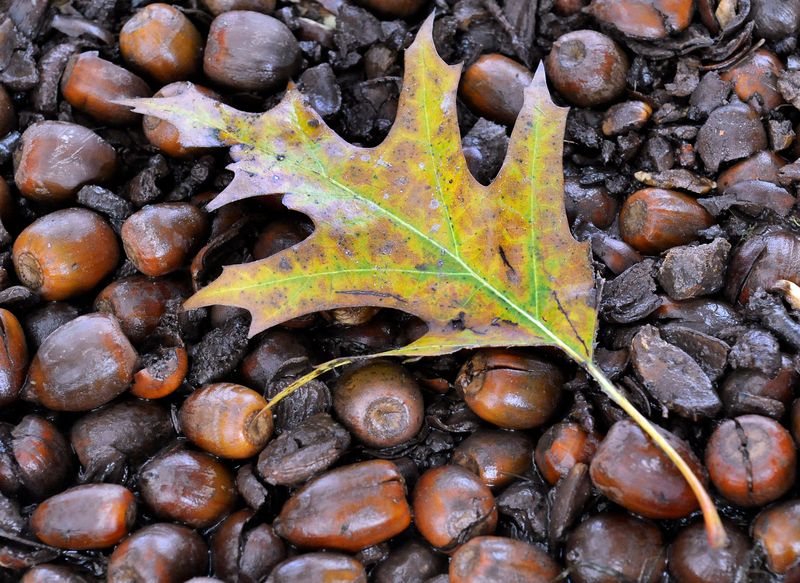
Here is a number that surprises many people. An average 100-year-old oak can drop about 2,200 acorns in a single year.
Young oaks, on the other hand, are still busy building roots, trunks, and branches. Most wait until they are 20 to 40 years old before making their first real acorns.
Think of it like a teenager saving money for a car. The tree puts its energy into growing up first and spending on seeds later.
The prime years usually come when an oak is between 50 and 80 years old. During that stretch, a healthy tree with a thick trunk and wide crown can really pile them up.
Depending on the species and size, a full-grown oak may produce anywhere from 2,000 to 10,000 acorns in a year. That is a lot of raking for one yard.
Your Ohio Garden Changes Every Week. Your Plan Should Too.
Gardening in Ohio changes quickly throughout the season. Every Friday you’ll receive a simple weekly plan showing exactly what to plant, prune, fertilize, harvest, and protect so you never miss the right timing.
After about 80 years, production can slowly taper off. Still, oaks are tough, and some keep making acorns for centuries, even up to 700 years.
So if the oak you planted a decade ago seems stingy, give it time. It is not broken, just not old enough to join the party yet.
Meanwhile, that huge old oak at the edge of the park is likely in its best working years. Its broad size alone explains a big part of the difference.
3. Spring Weather Can Change The Final Yield
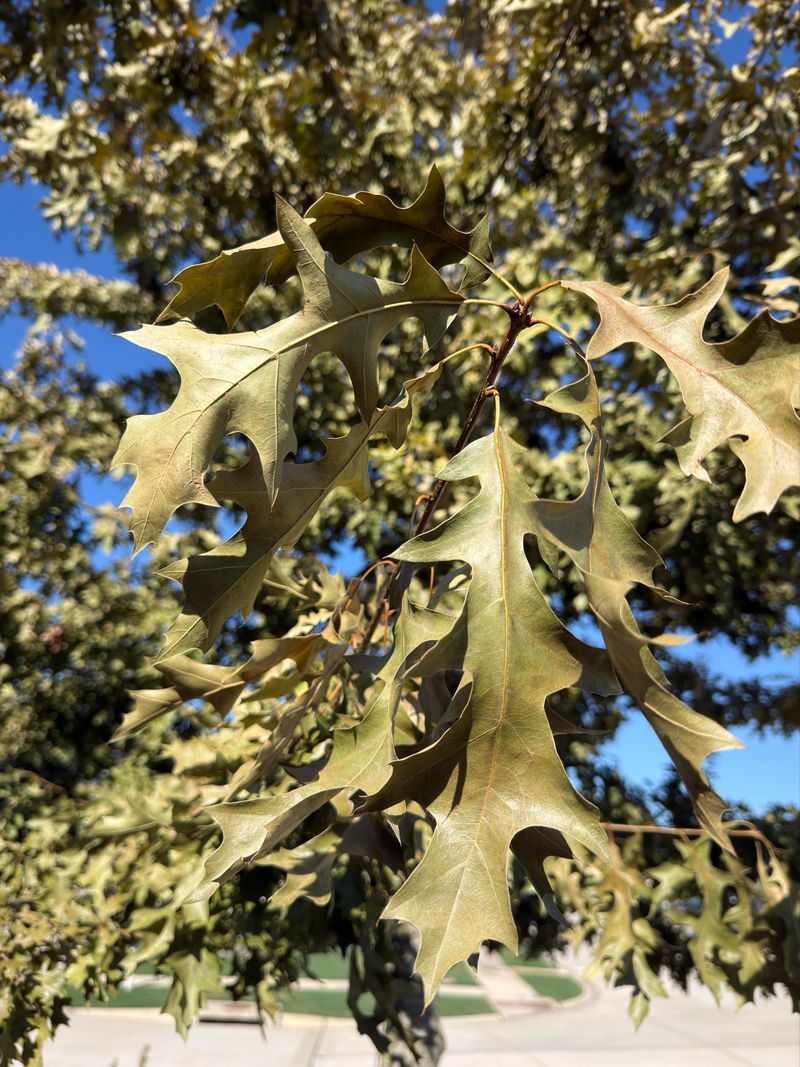
Every fall acorn crop really begins with a spring weather report. What happens in April and May can make or break the whole season.
Oaks bloom with dangling male flowers called catkins and tiny female flowers you might miss. The wind carries pollen from one to the other.
Dry, breezy spring days are perfect for catkins to shake loose their pollen. It is like the tree opening every window in the house on a windy afternoon.
Rain changes the story. Steady showers can wash pollen out of the air, so fewer flowers get pollinated and fewer acorns form.
Here is the tricky part, though. Once pollination is done, a warm and wet spring can help the young acorns grow strong.
For white oaks, researchers have found that rain in May and July often lines up with better crops. Good moisture at the right moments gives developing nuts a boost.
So the ideal spring has a little bit of everything. Breezy, dry spells during bloom, then helpful rain to keep things moving.
You can play weather detective in your own backyard. Jot down notes about the spring, then compare them to the acorns you see in autumn.
After a few years, patterns may start to jump out. You might even impress your neighbors with your acorn predictions.
4. Drought Can Reduce Acorn Development
Anyone who has worked outside on a hot August afternoon knows how thirst slows you down. Oaks feel something similar when rain goes missing.
Limited rainfall puts stress on a tree, and a stressed tree has less to give. Acorns are often one of the first things it cuts back on.
Very dry soil can make leaves drop early, which means less food for the whole tree. Fewer leaves at work equals fewer resources for growing nuts.
If drought hits while acorns are forming, the nuts may end up small. A stressed oak may even shed up to half of its young acorns before they ripen.
A dry spring or a scorching summer can lead to a very poor crop. Those green acorns you spot on the driveway in July might be a sign of trouble.
Nature likes surprises, though. Some unusually dry autumns seem to come right before a big acorn year, and stressed trees sometimes load up at the end of a dry season.
Helping a yard oak through a drought is fairly simple. Give it a slow, deep soak around the outer edge of the crown every week or two during long dry spells.
A ring of mulch helps the soil hold moisture too. Just keep it a few inches away from the trunk.
5. Late Frosts May Disrupt Flowering
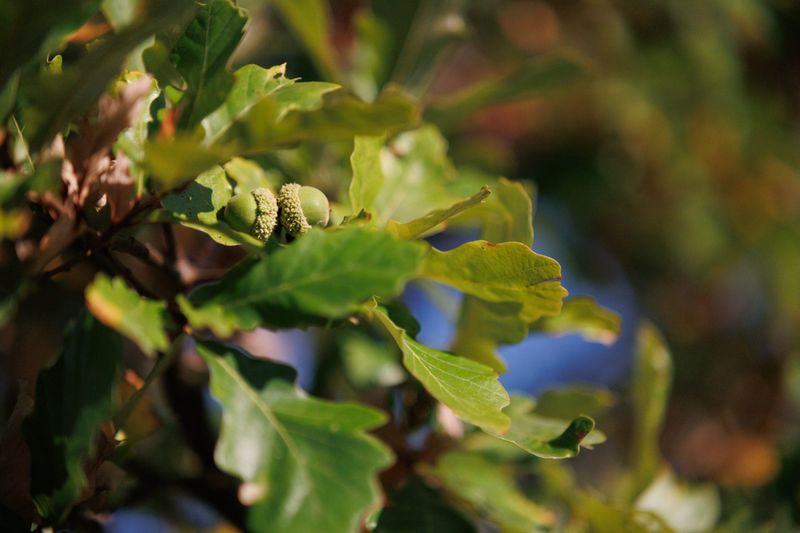
Ohio springs love to play tricks on plants and people alike. One week feels like shorts weather, and the next week you are scraping frost off the windshield.
Oaks get fooled by those swings just like we do. When warm days push them to bloom, a sudden cold snap can hurt the tender flowers.
Damaged flowers can’t be pollinated properly. That means a smaller acorn crop months later, even if the rest of the year goes smoothly.
White oaks take this hit the hardest. Because their acorns grow in one season, a late freeze can wipe out most of that year’s crop.
Red oaks have a bit of a safety net. Their acorns develop over roughly 15 months, so some of the nuts already on the tree from last year may still make it.
This explains a common puzzle. After a late April freeze, you might see red oaks dropping acorns in fall while nearby white oaks stay nearly bare.
You can’t cover a giant oak with a bedsheet, of course. You can, however, keep an eye on frost dates and make a quick note in a notebook or phone when a cold snap hits during bloom.
That simple habit helps explain a quiet autumn before it arrives. It also saves you from worrying that your favorite tree has a health problem.
6. Healthy Crowns Have More Energy For Acorns
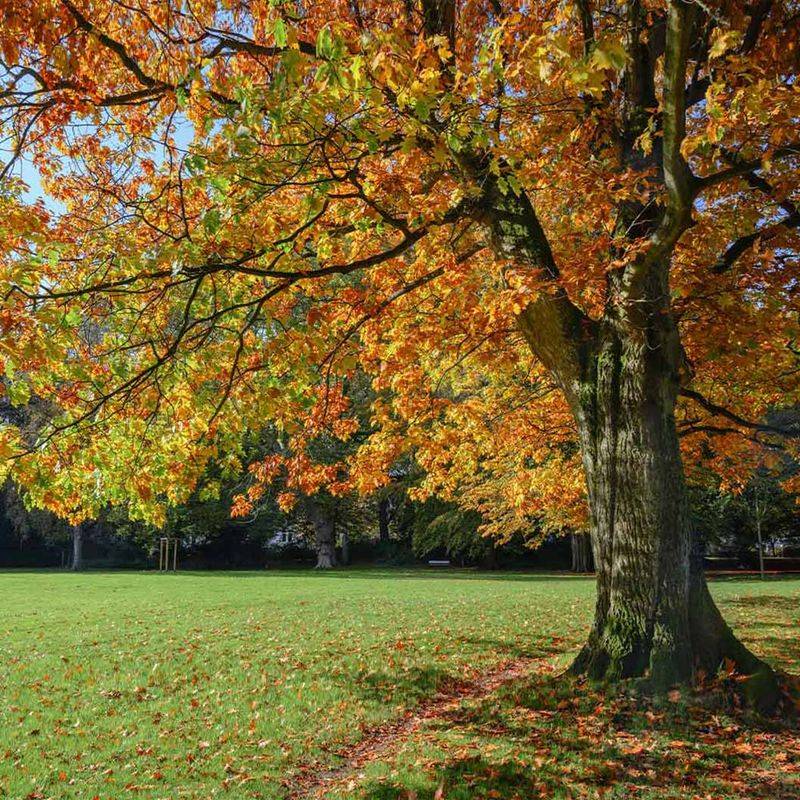
Leaves are tiny solar panels, and an oak’s crown is its whole power plant. The more sunlight those leaves catch, the more energy the tree has to spend.
Acorns are expensive to make. Each one is packed with fats and starches that come straight from sugar the leaves produce.
Oaks with crowns that sit in full sun, rising above their neighbors, usually make more acorns. Foresters call these dominant or co-dominant trees.
Trees crowded into a dense forest often get shaded out. With less light reaching their canopies, they tend to produce fewer nuts.
That is why a lone oak in a field or a big yard tree may out-produce one deep in the woods. It simply has more light to work with.
Overall health matters too. A tree battling broken limbs, soil compaction, or pests has less extra energy for seeds.
After a huge crop, even a strong oak needs time to rest and refill its energy stores. Think of it as the tree taking a well-earned nap.
You can help a yard oak keep its crown in good shape. Avoid parking or piling soil over the roots, and hire a certified arborist for pruning jobs.
Protecting the root zone keeps water and nutrients flowing up to the leaves. Healthy roots below mean a brighter, busier crown above.
7. Oak Trees Naturally Cycle Through Heavy Crops
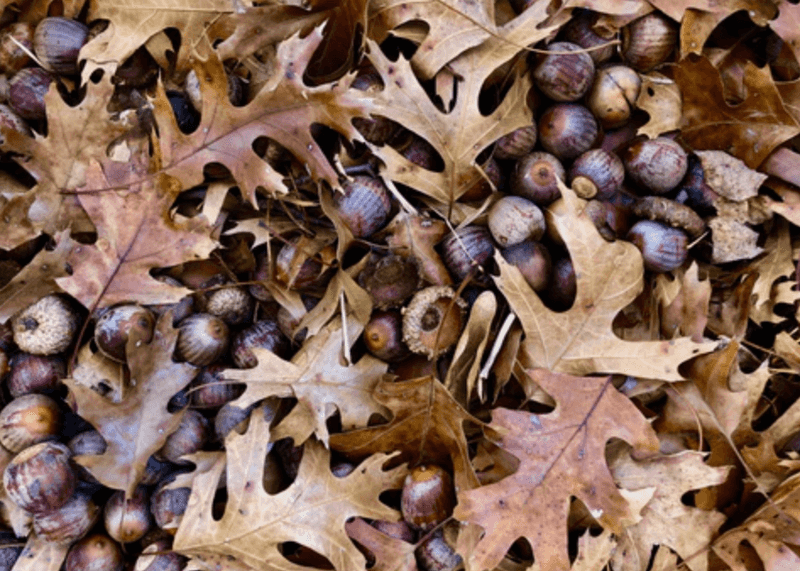
Some years the acorns come down like hail, and people joke about wearing helmets. Scientists call these bumper years mast years.
Many oaks have a mast year every two to five years. In between, crops can be small or nearly missing, leaving squirrels scrambling.
It is not random laziness. Making a mountain of acorns takes a huge amount of energy, so a tree simply can’t afford to do it every fall.
There is also a clever survival trick at play. By flooding the ground with food all at once, oaks give squirrels, deer, and jays more than they can possibly eat.
The leftovers get a chance to sprout into new trees. If oaks made the same amount each year, hungry animals would likely keep up and eat nearly everything.
Oaks in the same area often mast together, which is why a whole neighborhood can seem buried at once. Weather cues help keep them roughly in sync.
Not every tree pulls equal weight, though. Research shows that only about 14 to 46 percent of oaks, depending on the species, act as super producers in good years.
So if your tree drops far more than the one next door, it may be one of those stars. Enjoy the show, and maybe invest in a sturdy rake.
8. Nearby Oaks Can Improve Pollination
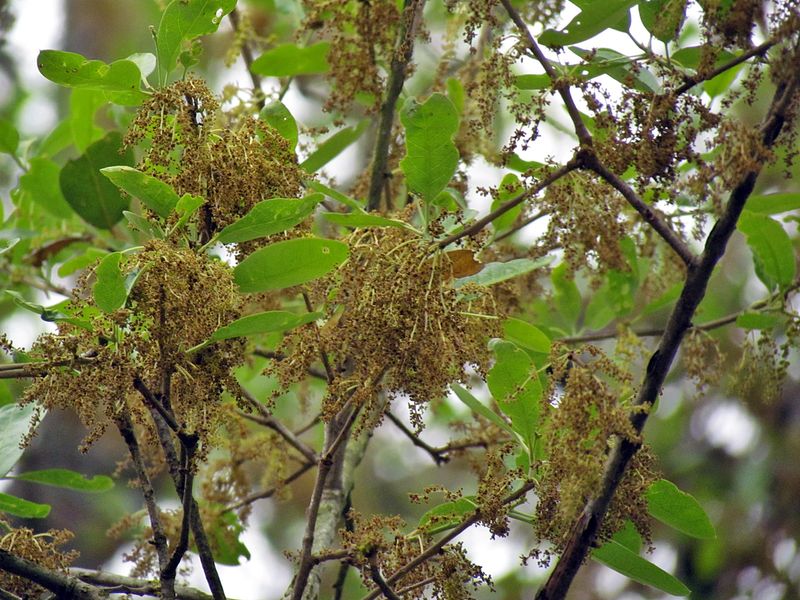
Oaks don’t need bees to help them out. They rely on the wind, which is a helpful but pretty unreliable delivery service.
Each oak carries both male and female flowers on the same tree. Even so, pollen drifting in from neighboring oaks helps with cross-breeding and a healthier crop.
The catch is distance. Pollen clouds thin out quickly as they travel away from the tree that made them.
A lonely oak standing far from any others may not receive enough pollen. Fewer pollinated flowers usually mean a thinner acorn crop.
Researchers have studied what they call a pollen neighborhood. Trees surrounded by more pollen from nearby oaks tended to produce more acorns.
Some studies even found that adding pollen from trees outside a stand boosted acorn numbers. Variety seems to give the process a real lift.
That helps explain why oaks in a woodlot or a tree-lined street may out-produce a single tree in a new subdivision. Company counts in the oak world.
Thinking about planting? Adding a few oaks of the same group, like several red oaks or several white oaks, can create a better pollen network over time.
It is a long-term project, since young trees take years to flower. Still, the oaks you plant today could be feeding wildlife for your grandkids.
9. Wildlife Quickly Changes What Reaches The Ground
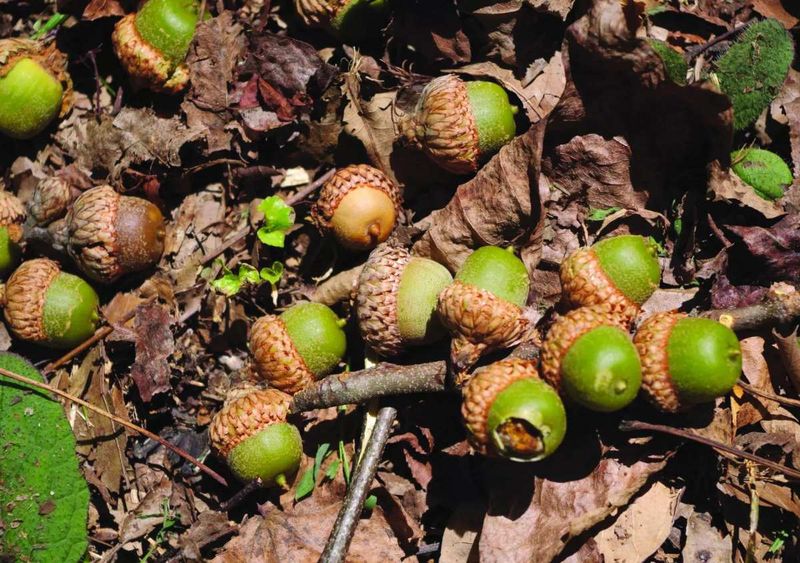
More than 90 kinds of Ohio forest animals count on acorns for food. That makes every oak a busy neighborhood diner each fall.
White-tailed deer, wild turkeys, blue jays, raccoons, woodpeckers, ruffed grouse, and foxes all show up hungry. Squirrels, of course, act like they own the place.
Some of the thieves are tiny. Weevil larvae tunnel inside acorns, leaving little round holes and hollow shells behind.
So a tree that seems to drop almost nothing may actually be producing plenty. The animals are just grabbing the nuts before you ever notice.
Squirrels are especially clever. White oak acorns sprout soon after they fall, so squirrels often nibble off the tips to stop them from growing, then store them for winter.
In mast years, the flood of food outpaces all those appetites. That surplus is what lets new oak seedlings get started.
Poor years change animal behavior too. Deer may wander farther for food, showing up along forest edges, in farm fields, and sometimes in your garden.
Want to see what is really happening under your oak? Set out a trail camera for a week in October and check the footage with your family.
You may be amazed by the parade of midnight visitors. The mystery of the missing acorns often solves itself on camera.