Missouri Gardeners Are Splitting Hostas While The Soil Still Holds Summer Warmth
Your backyard is holding a secret most neighbors won’t notice until it’s too late. Beneath that crowded mass by your porch, something restless is happening right now.
Missouri soil still remembers summer, and it’s using that memory against your plants. Warmth lingers below while the air above cools fast, and that window won’t wait for you.
Crowded roots don’t ask your permission before they start competing for every inch underground. Space runs out quietly, then suddenly your favorite plant looks tired for no obvious reason.
Timing decides everything here, and missing it costs you an entire growing season. Patience alone won’t save a plant that’s already outgrown what you gave it.
Neighbors down the street already have the answer, and they won’t hand it to you. That advantage could be yours before the first cold snap arrives.
A Head Start From Warm September Soil

Roots behave a lot like swimmers, and they settle in faster when the ground feels cozy. Missouri soil in September still holds plenty of leftover summer heat, even when evenings turn crisp.
Warm dirt tells hosta roots to keep growing, while cooler air tells the leaves to slow down. That split schedule lets plants spend energy underground, right where new divisions need it most.
Soil temperatures across much of Missouri often stay above 60 degrees well into late September. Hosta roots can push out fresh white feeder roots quickly at that temperature.
Spring division works too, but spring soil is chilly and slow to wake up. Fall pieces get several weeks of root building before winter, so they start next year already settled.
Summer heat causes trouble of its own, since hot sun and dry spells stress torn roots. Late summer turns that around, with shorter days, softer sunlight, and more frequent rain showers.
Think of September as the sweet spot between a sweaty August and a frosty November. Plants get warmth below ground and relief above it, which is a rare combo.
Gardeners in Springfield, Columbia, and Kansas City have noticed their fall divisions often outgrow spring ones. A little extra root time really does pay off by the following summer.
So if the ground still feels warm under your palm, grab a spade. Your hostas are ready for their fall makeover.
The Best Window Before Missouri Frost
Mark your calendar with a pencil, not a pen, because Missouri weather loves surprises. Most gardeners aim to finish dividing hostas about four to six weeks before the first hard frost.
In northern Missouri, that first frost often arrives in early to mid October. Splitting plants by mid September gives roots enough time to anchor themselves.
Southern Missouri gardeners get a little more breathing room, with frost usually showing up in late October. Dividing through the end of September works well in the Bootheel and Ozarks.
Weather matters as much as the date on the calendar. Pick a cloudy, mild day, ideally with rain in the forecast for the next few days.
Your Missouri Garden Changes Every Week. Your Plan Should Too.
Gardening in Missouri changes quickly throughout the season. Every Friday you’ll receive a simple weekly plan showing exactly what to plant, prune, fertilize, harvest, and protect so you never miss the right timing.
Early morning or late afternoon is best, since midday sun can wilt freshly cut leaves fast. Roots that stay cool and shaded bounce back from the shock much quicker.
Watch your hostas for a helpful clue, too. Once the leaves start to look a little tired and floppy, the plant is shifting energy toward its roots.
Water the clump deeply a day or two before you dig. Moist soil holds together around the roots and makes lifting the plant far easier on your back.
Waiting too long can backfire, because divisions planted in late October barely root before the ground cools. Those plants often heave out of the soil during winter freeze and thaw cycles.
Crowded Clumps With Hollow Centers
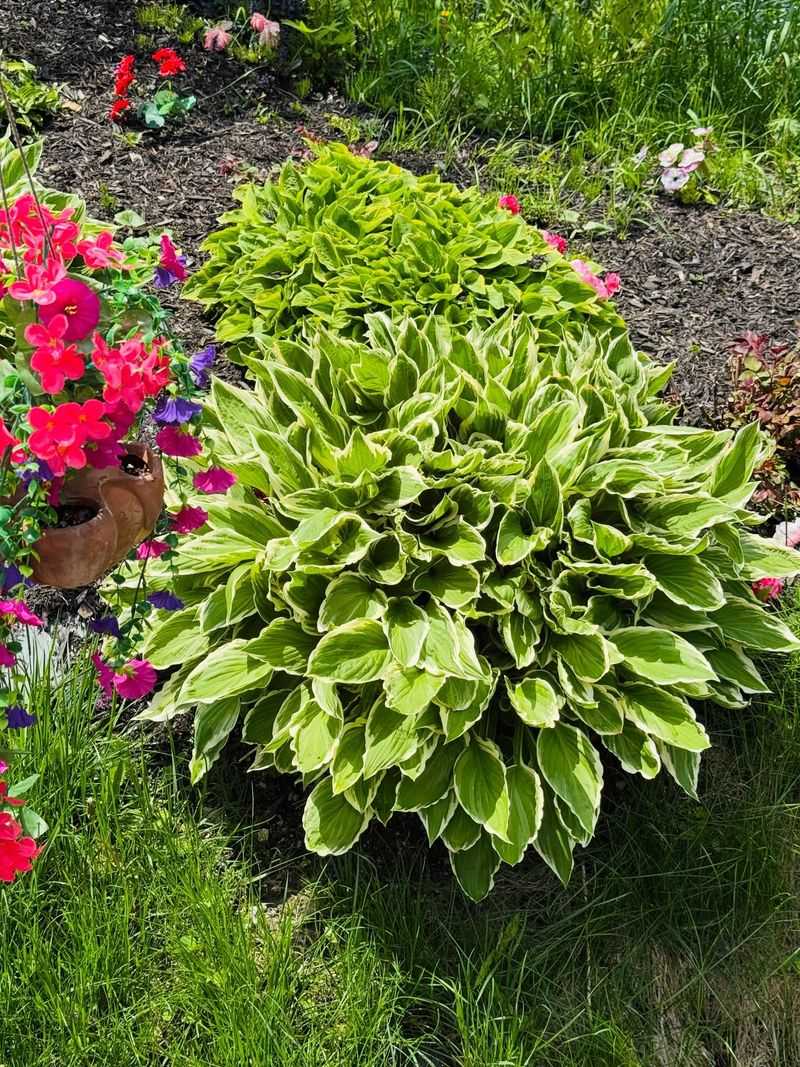
Ever notice a hosta that looks like a doughnut, with a bare ring in the middle? That empty center is one of the clearest hints that your plant is begging for more space.
Hostas grow outward from their edges each year, and the older crowns in the middle slowly lose steam. After five or six years, many clumps look thick outside and thin inside.
Smaller leaves are another tip-off, especially on varieties known for giant foliage. A Sum and Substance that once had leaves like dinner plates might shrink to saucer size.
Crowding also means roots are competing for the same water and food. During Missouri heat waves, packed clumps wilt faster and brown at the edges sooner than roomy ones.
Fewer flower stalks can signal trouble as well. A stressed plant puts its energy into surviving, not into sending up those pretty lavender or white blooms.
Sometimes the clue is simply size, like a hosta swallowing the walkway or smothering its neighbors. Even healthy plants benefit from a trim when they outgrow their spot.
Here is a fun fact for the curious. Some hostas can live for decades, and gardeners have passed divisions down through families like heirloom recipes.
Not every hosta needs splitting, though, and slow growers like blue varieties can wait longer. Divide only when you see real signs, not just because the neighbors are doing it.
A Clean Cut With A Sharp Spade
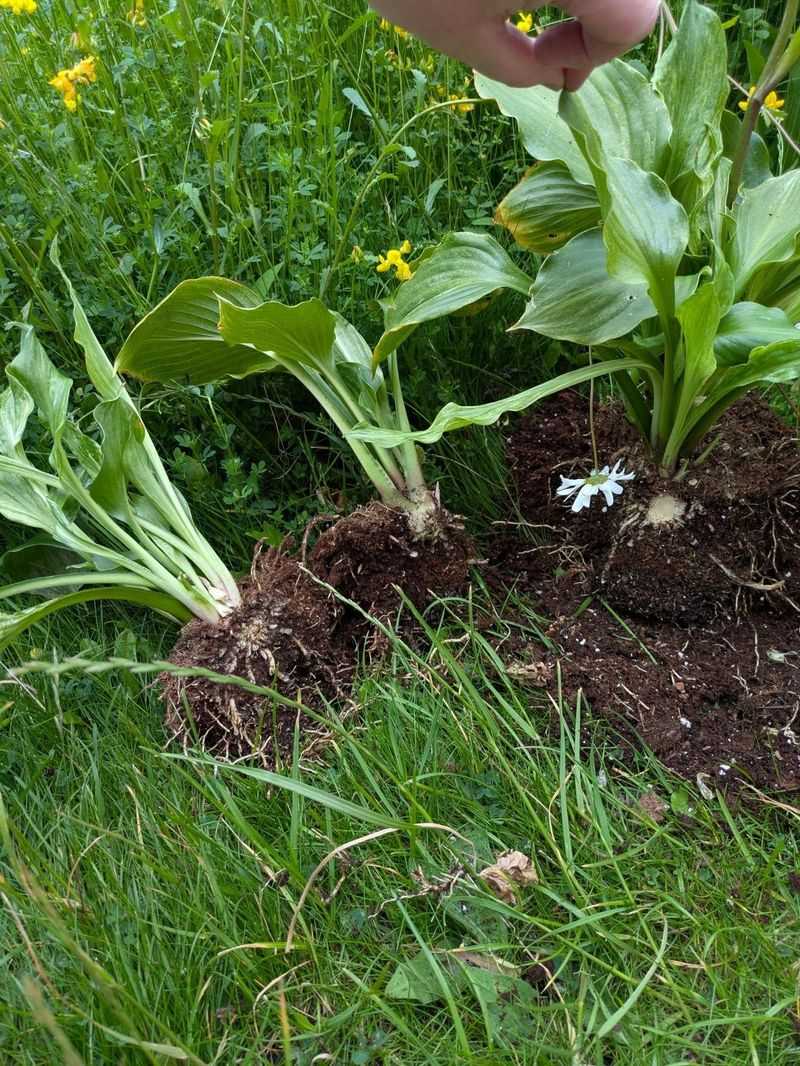
Forget gentle coaxing, because a hosta crown is tougher than it looks. A sharp flat spade or a sturdy garden knife makes the job quick and tidy.
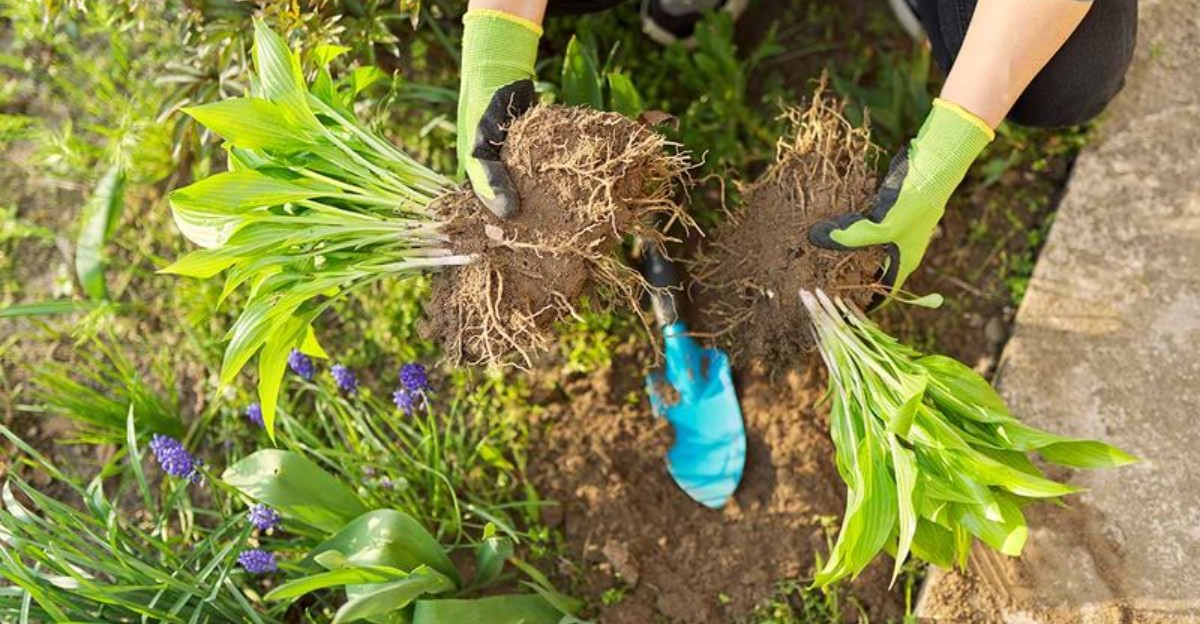
Start by digging a circle around the clump, about six inches beyond the outer leaves. Work your spade under the root ball and pry it up slowly from several sides.
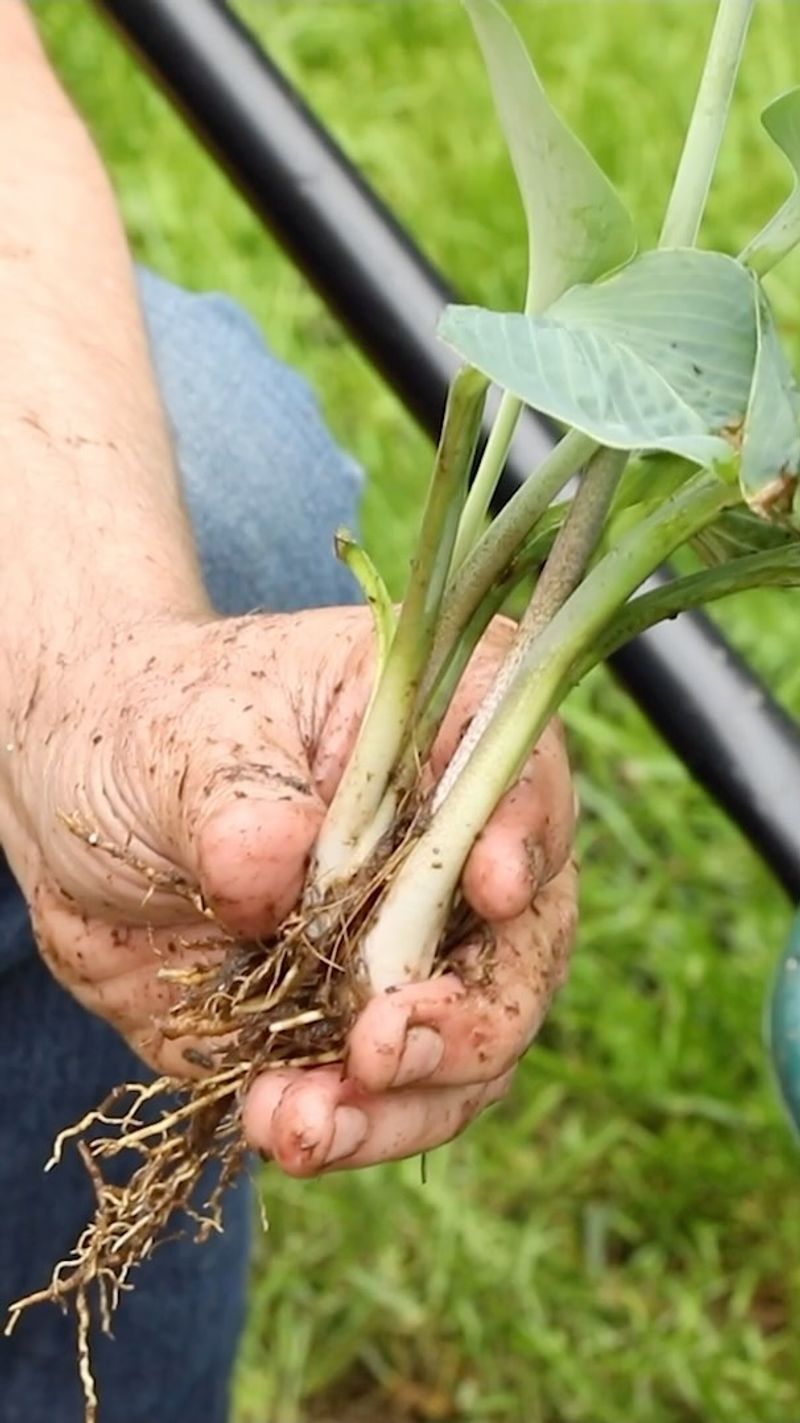
Once it is out, hose off some soil so you can see the crowns clearly. Each crown looks like a little bundle of leaf stems joined at the base.
Aim for pieces with at least three to five eyes, or growing points, apiece. Smaller chunks will survive, but they take a couple of extra years to look full.
Press the spade straight down through the center with one firm push. Clean slices heal faster than ragged tears, so skip the sawing motion if you can.
Some gardeners prefer the two-fork trick for looser clumps. Push two garden forks back to back into the middle, then pull the handles apart to tease roots free.
Trim off any mushy, dark, or broken roots with clean pruners. Wipe your tools with an isopropyl solution between plants to avoid spreading viruses like Hosta Virus X.
Keep the new pieces shaded and damp until they go back in the ground. A wet towel or bucket of water buys you an hour or two of working time.
Common Slipups That Stress New Divisions
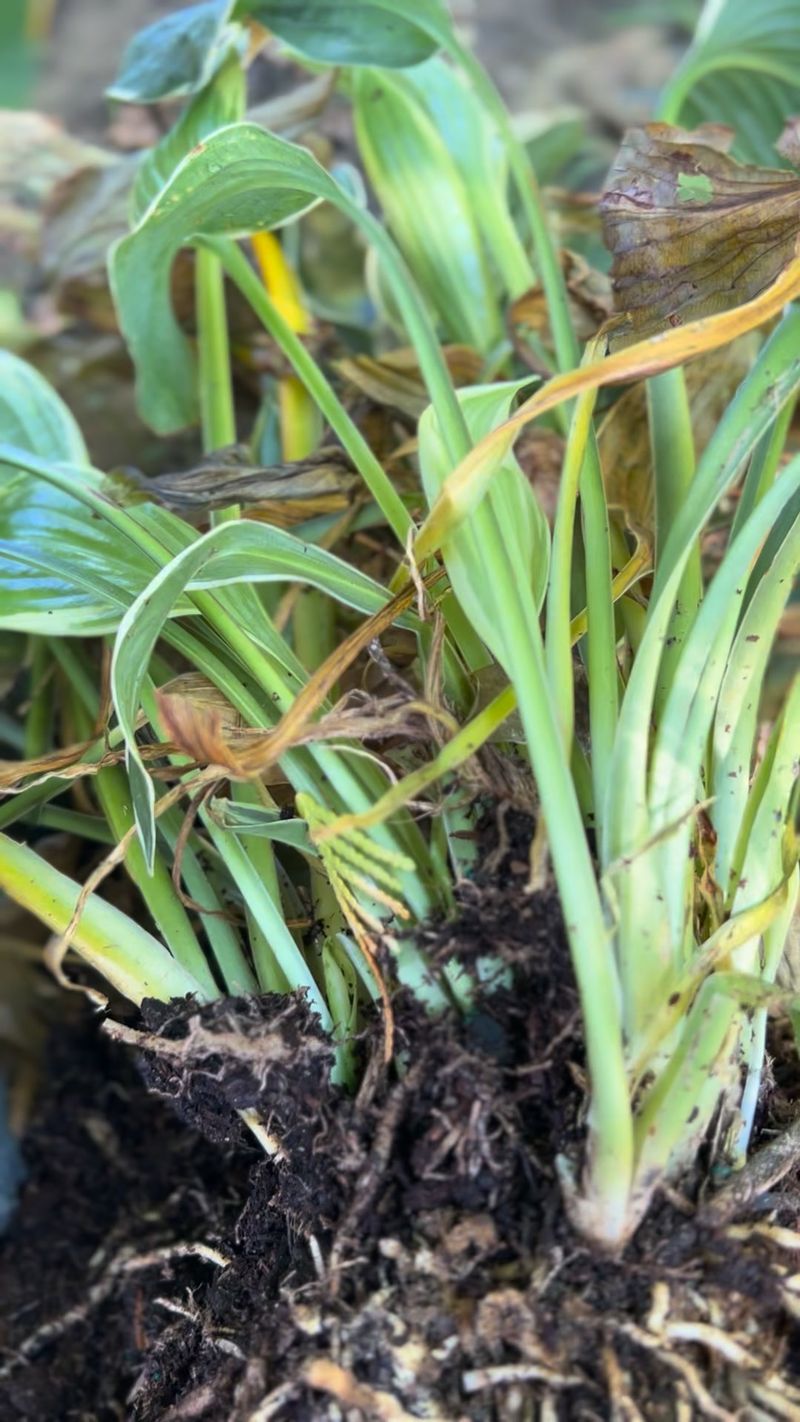
My neighbor once planted her hosta divisions so deep that only the leaf tips peeked out. They sulked for a whole year, which taught us both a lesson.
Planting depth matters more than most folks realize. Set the crown right at soil level, the same height it grew before, and not an inch lower.
Skimping on water is another classic mistake, especially during a dry Missouri September. Fresh divisions need about an inch of water each week until the ground freezes.
Heavy fertilizer can backfire too, since it pushes soft leafy growth right before cold weather arrives. Save the plant food for spring, when hostas are hungry and ready to grow.
Missouri clay is a stubborn partner for new roots. Dig a wide hole and mix in compost, because roots struggle to push through dense, sticky clay walls.
Leaving divisions lying around in the sun is a quick way to fry them. Exposed roots dry out in minutes on a warm afternoon.
Moving shade lovers into bright sun is another common goof. Most hostas like morning light with afternoon shade, though some gold types handle a bit more sun.
Spacing trips people up as well, because tiny divisions look lonely in a big bed. Give each piece room for its full adult size, often two to four feet across.
Patience fixes a lot of these problems. A little planning now saves you from moving plants again next fall.
Aftercare For Stronger Spring Growth
Come next May, those scrappy little divisions can surprise you with a fountain of fresh green leaves. Good fall care is the secret behind that springtime payoff.
Spread two to three inches of shredded leaves or bark mulch around each plant after the first light frost. Mulch keeps soil temperatures steady and stops winter heaving.
Keep the mulch an inch or so away from the crown itself. Piling it right against the stems can trap moisture and invite rot.
Water weekly if rain is scarce, right up until the ground starts to freeze. Stick a finger two inches into the soil, and water if it feels dry.
Once the leaves turn yellow and flop over, you can cut them back to the ground. Removing old foliage also takes away hiding spots for slugs and their eggs.
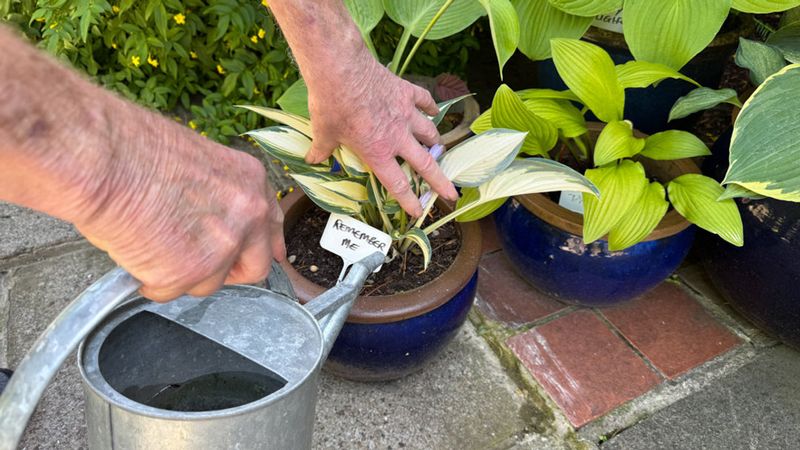
Label each new plant, especially if you split several varieties at once. Bare spots in March are easy to forget, and nobody wants to slice into a sleeping hosta with a shovel.
Expect the first spring to be a little quiet while roots finish settling in. By the second summer, most divisions fill out and look like they have lived there forever.
Extra divisions make wonderful gifts for friends, neighbors, or a local plant swap. Plenty of Missouri garden clubs hold spring sales where your spare hostas will find happy new homes.