Missouri Compost Piles Need One Adjustment Before Cold Weather Sets In
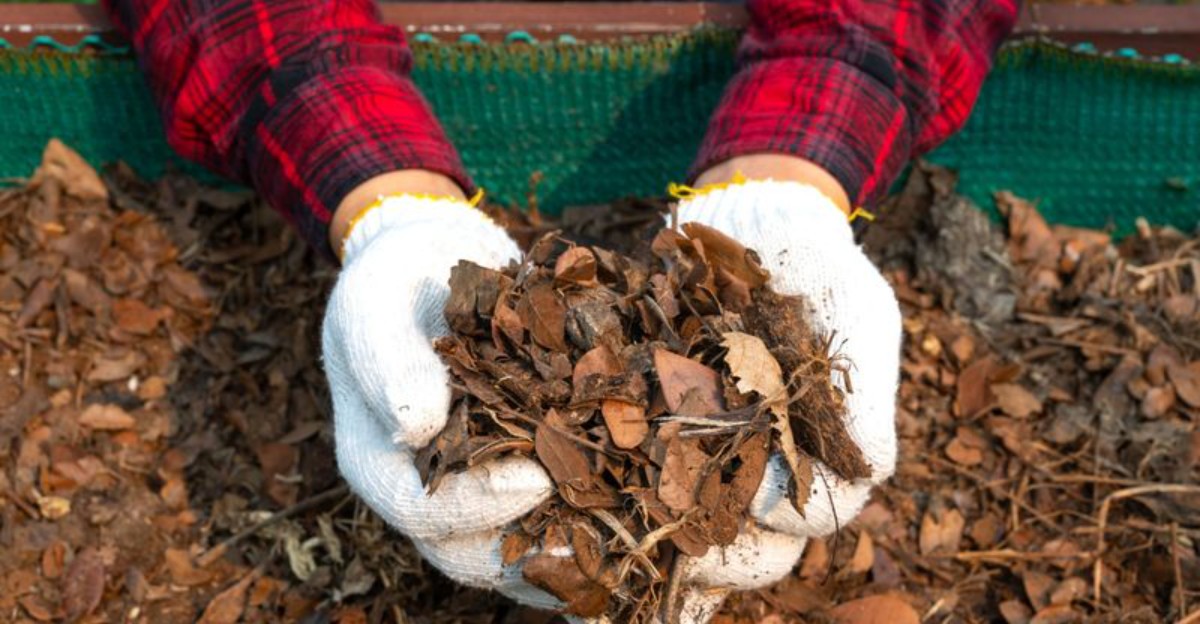
That sour whiff drifting from your pile in Missouri is trying to tell you something important. Underneath the surface, the heat you spent all summer building has started to fade.
Your neighbors are already stockpiling the exact material that could turn things around. Cold weather is closing in fast, and it has no patience for your lopsided pile.
Something in the balance has shifted, and your compost is paying the price for it. Every pile in your yard reacts differently depending on what gets dumped in first.
Missing this simple adjustment now could leave you waiting until spring for real progress. Fixing it costs almost nothing, yet skipping it drags your whole pile into a slump.
Grab a rake before the weekend slips away, because timing changes everything here. Nobody tells you composting could turn into the most entertaining part of your fall.
A Thick Blanket Of Shredded Leaves Is The Missing Piece
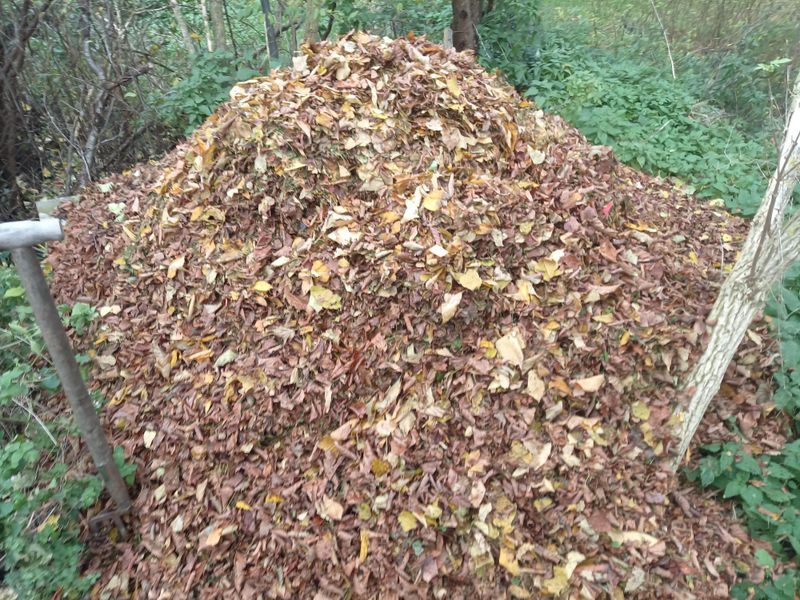
Missouri backyard piles tend to run heavy on kitchen scraps and grass by late summer. The single fix they need before frost is a generous load of shredded brown leaves.
Leaves are the brown, carbon-rich half of the recipe that feeds hungry microbes. Without enough of them, a pile turns slimy, smells like old gym socks, and stalls out in the cold.
Missouri happens to shower us with this free ingredient every fall. Oaks, maples, sweetgums, and hickories drop enough leaves to fix almost any lopsided heap.
Adding them does two jobs at once for your pile. The leaves balance out the soggy greens, and they also trap air pockets that keep the center warmer.
Think of them like a fluffy coat for the microbes doing the hard work inside. A pile with good airflow keeps cooking longer, even when November nights dip below freezing.
You don’t need fancy tools or store-bought additives to make this change. A rake, a mower with a bag, and an afternoon of work will handle most yards.
Aim to have roughly two or three times more browns than greens by volume. That simple ratio turns a smelly mess into a steady, earthy-smelling pile that behaves itself.
Best of all, the leaves you gather now are free fuel for next spring’s garden beds. Your pile gets fixed, and your yard gets cleaned up in the same weekend.
The Green-To-Brown Balance Behind A Healthy Heap
Scientists who study rot like to talk about a magic number: about 30 parts carbon to 1 part nitrogen. Hit that range, and bacteria throw a party that heats your pile from the inside.
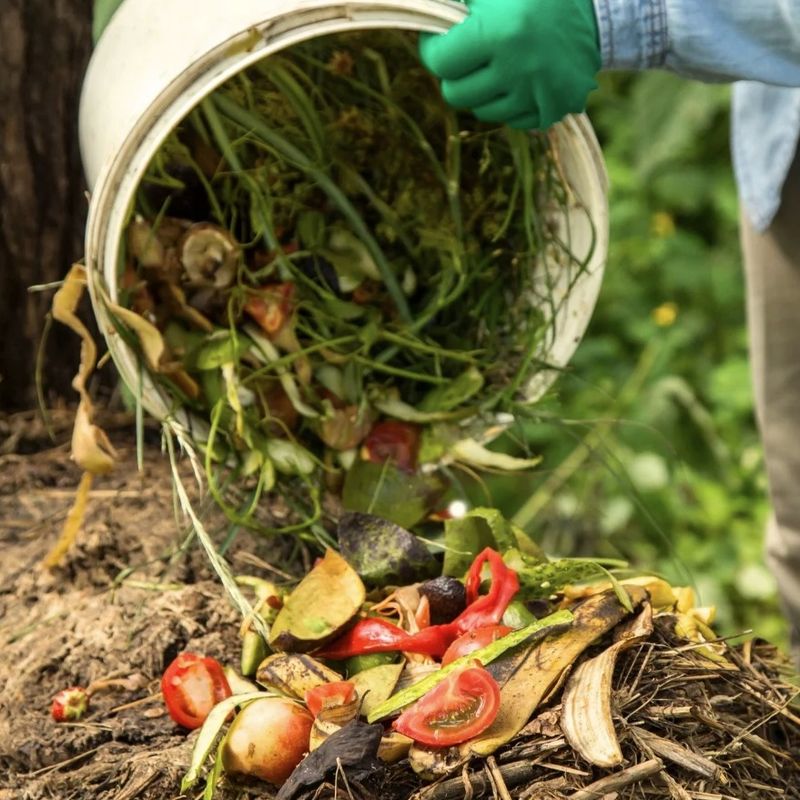
Greens are the nitrogen side of the deal, and they tend to be wet. Think grass clippings, coffee grounds, vegetable peels, and the last squishy tomatoes from your garden.
Browns bring the carbon, and they are usually dry, crunchy, and tan. Fall leaves, straw, shredded cardboard, and old paper all fit into this group.
Summer tends to tip Missouri piles toward the green side. Mowers run every week, gardens overflow, and suddenly the heap looks more like a salad than a pile.
Your Missouri Garden Changes Every Week. Your Plan Should Too.
Gardening in Missouri changes quickly throughout the season. Every Friday you’ll receive a simple weekly plan showing exactly what to plant, prune, fertilize, harvest, and protect so you never miss the right timing.
Too much nitrogen creates a smell like ammonia or rotten eggs. It also packs down into a wet mat that squeezes out the oxygen microbes need to breathe.
Cold weather makes that problem even worse for the pile. A soggy, airless heap loses heat fast and can freeze into a smelly brick by January.
Leaves are mostly carbon, with a ratio somewhere around 40 to 80 parts carbon per part nitrogen. Mixing them in pulls a green-heavy pile back toward that sweet spot.
Here is a fun fact to share at dinner. A single mature oak can drop hundreds of thousands of leaves, which is plenty of carbon for one backyard bin.
September Timing For Missouri Gardeners
Early September in Missouri still feels like summer, with humid afternoons and cicadas buzzing in the trees. Your pile, though, is already on a countdown clock toward the first frost.
Most of the state sees its first freeze between mid-October and early November. Southern counties near the Bootheel usually get a few extra weeks of warm weather.
That window matters because microbes slow down once the air turns cold. A pile that is balanced and heated up before frost can keep working much deeper into winter.
September is the perfect month to make the fix. Start by turning the pile, checking the moisture, and noting if it smells sour or earthy.
The catch is that most leaves haven’t fallen yet this early in the season. You can grab shredded cardboard or straw now, then top off with leaves once they drop.
Missouri trees usually hit peak color from mid to late October. Sycamores and cottonwoods often let go first, while oaks hang on stubbornly into November.
Save a few bags of leaves in the garage or beside the bin. Those extra browns come in handy when you add Thanksgiving scraps later in the fall.
Think of fall as your pile’s last big meal before a long winter nap. Feed it well now, and it will wake up in March ready to finish the job.
The Soggy Grass Clipping Trap
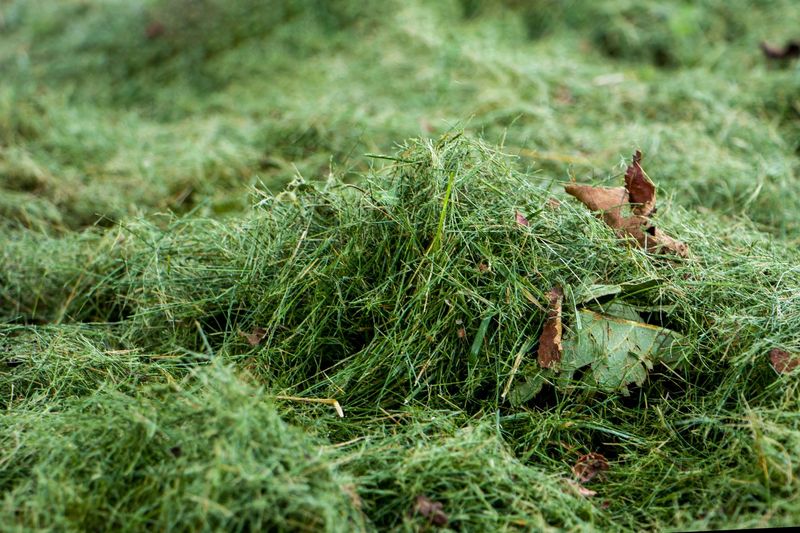
Ever lifted a pile of old grass clippings and gotten hit with a smell like a swamp? That slimy green layer is the most common fall mistake in Missouri backyards.
Grass keeps growing well into October across much of the state. Many gardeners dump every bag of clippings straight onto the pile without adding anything brown.
Fresh clippings are full of water and nitrogen, which is great in small doses. Piled thick, they mat together like wet paper towels and block air from reaching the middle of the heap.
Kitchen scraps can cause the same trouble in the fall. Melon rinds, pumpkin guts, and apple cores add loads of moisture right as the weather cools.
Another sneaky error is tossing whole, unshredded leaves on top in one giant layer. Big flat leaves like maple can stick together and form a shield that sheds water.
That leaf mat keeps rain off, but it also traps stale air underneath. The result is a cold, crusty lid sitting over a sour, soggy middle.
The fix for both problems is mixing, not stacking. Blend clippings and scraps with shredded leaves so every green bit has brown neighbors on all sides.
A second easy trick is letting clippings dry on the driveway for a day before adding them. Dry grass behaves much better and won’t turn into green goo quite so fast.
A Simple Layering Method For Fall Leaves
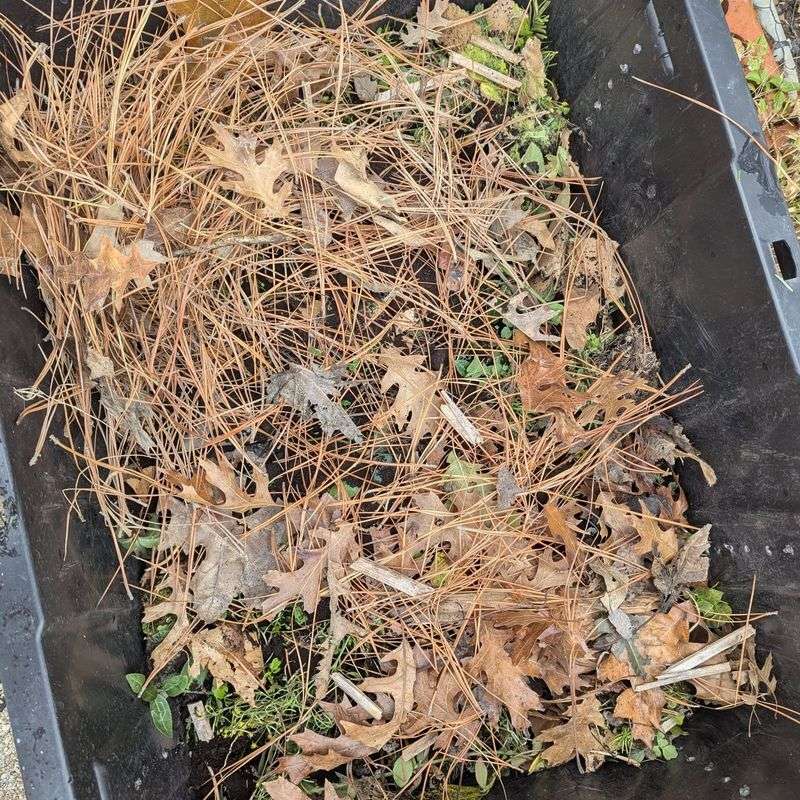
Grab a rake, a mower with a bagger, and a pitchfork, because this job goes faster than you might think. Most backyard piles can be rebalanced in about an hour.
Start by shredding the leaves before they go anywhere near the bin. Running the mower over a leaf pile chops them into small bits that break down much faster.
Next, fork the old pile off to one side of the bin. Spread a four-inch layer of shredded leaves where it stood to create a dry, airy base.
Now toss the old material back in, adding a fresh layer of leaves every few forkfuls. Mixing as you go works better than stacking thick, separate bands of green and brown.
Check moisture as you rebuild by squeezing a handful of the mix. It should feel like a wrung-out sponge, with only a drop or two of water escaping.
Dry leaves soak up extra water, so a soggy pile often needs nothing more than extra browns. A dusty pile, on the other hand, may need a splash from the garden hose.
Finish by covering the top with a final six-inch cap of whole or shredded leaves. That cap works like a quilt, holding heat in and keeping fruit flies away.
Within a few days, stick your hand into the center of the pile. A gentle warmth means the microbes are happy and your fix is already working.
Rich Spring Soil From A Well-Fed Winter Pile
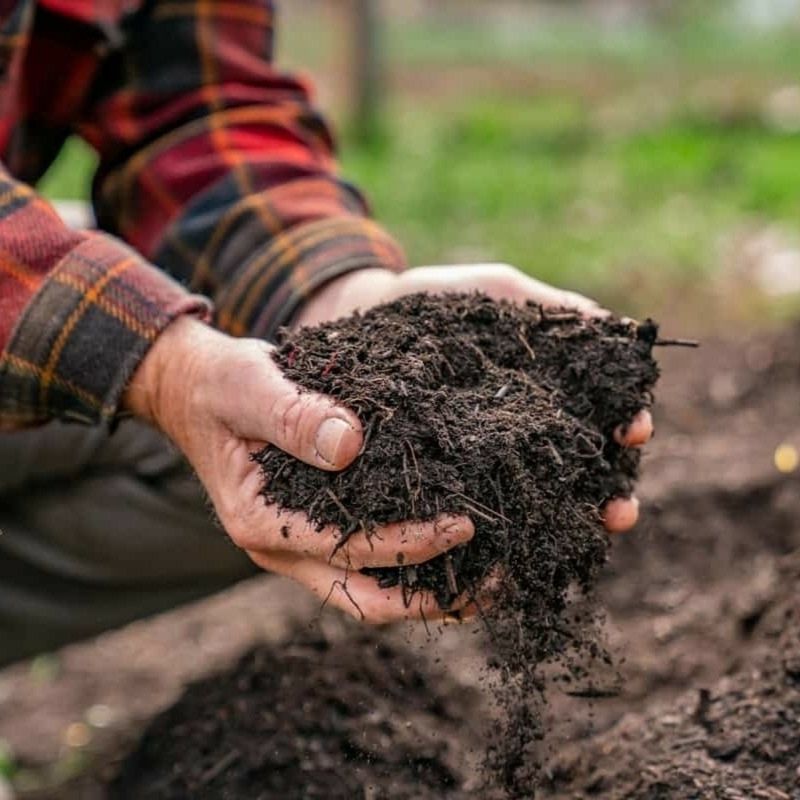
Come March, a balanced pile rewards you with something that looks like chocolate cake crumbs. That dark, sweet-smelling material is ready to feed tomatoes, peppers, and flower beds.
Missouri soil can use all the help it can get. Parts of the state sit on heavy clay that drains slowly and packs down hard after spring rains.
Finished material loosens that clay and helps roots spread out. It also holds moisture during the hot, dry stretches that hit every July and August.
Keeping the pile healthy all winter takes very little effort. Keep a trash can full of shredded leaves beside the bin so browns are ready whenever scraps pile up.
A good habit is to cover every bucket of kitchen scraps with an equal or larger scoop of leaves. That quick step keeps odors down and discourages raccoons from snooping around.
A tarp or burlap sack over the top can help during icy spells. Just lift it now and then so rain and snowmelt can reach the pile.
Don’t worry if the pile stops steaming during a hard January freeze. It is simply resting, and it will warm back up once the days grow longer.
Next fall, start collecting leaves before your pile turns green and soggy. One small change each September keeps the whole cycle humming along from year to year.