Why A Window That Was Sunny In Summer May Not Give Enough Light In October In North Carolina
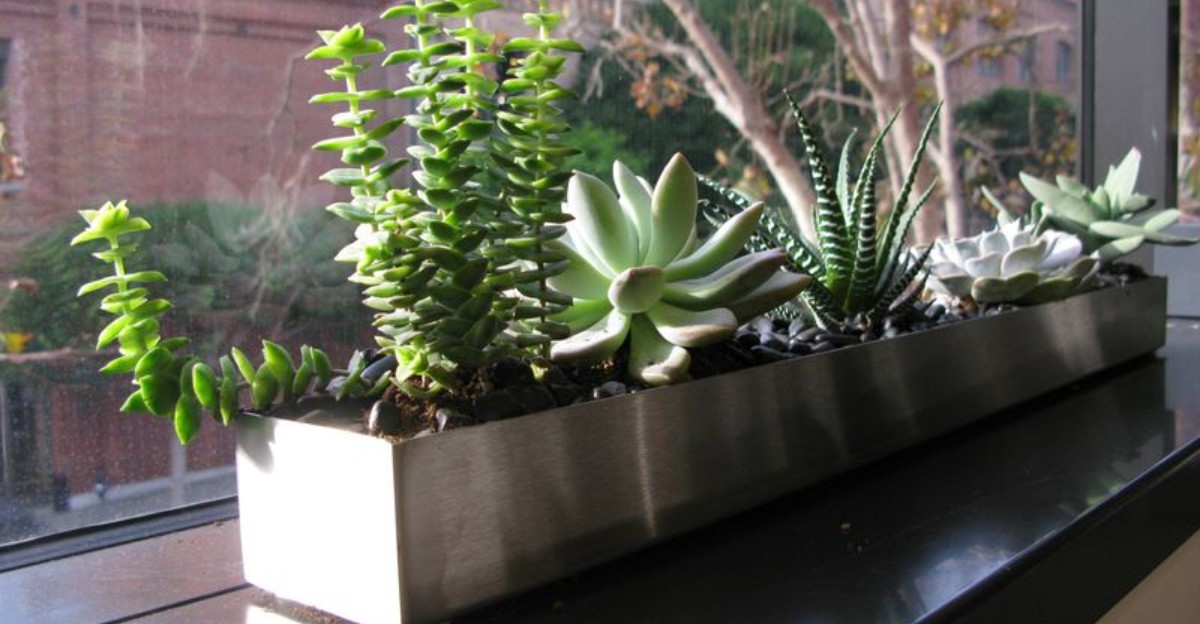
A windowsill that supported thriving plants all summer can suddenly leave them struggling by October, and the culprit isn’t the plants themselves but a change in the sun’s actual path through the sky.
As the sun’s angle drops lower on the horizon through fall, its light passes through more of the atmosphere and shines for fewer hours each day, dramatically reducing the total light reaching a spot that seemed plenty bright just weeks earlier.
East and west-facing windows are often hit hardest by this shift, sometimes losing enough intensity to noticeably slow plant growth or trigger leaf drop in more light-sensitive species.
Because this change happens gradually, many people don’t connect a struggling houseplant to shifting light patterns until the problem has already progressed.
Recognizing this seasonal shift helps North Carolina plant owners know when it’s time to relocate a plant rather than assume something else has gone wrong.
1. Days Are Hours Shorter By October
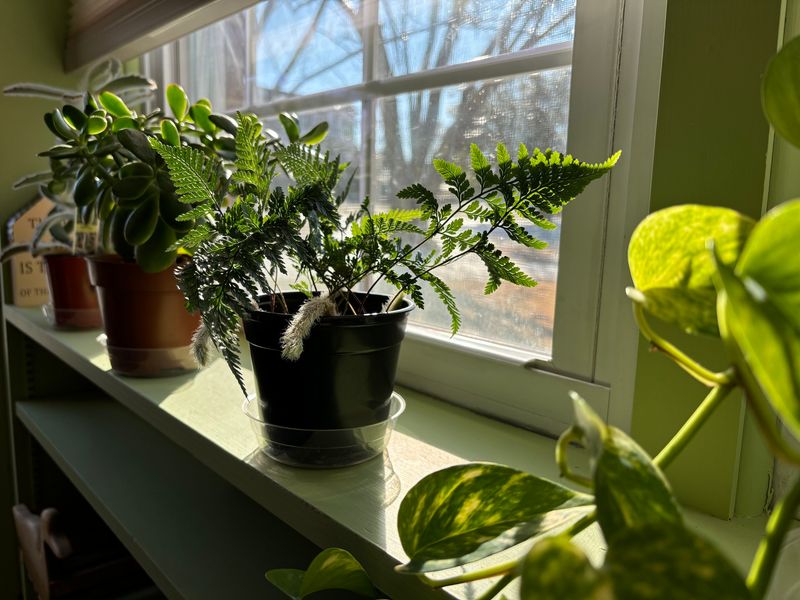
Back in June, the sun seemed to hang around forever. Across much of North Carolina, the longest days of summer bring about 14 and a half hours of daylight.
By late October, that number slips to under 11 hours, which means your plants lose more than three hours of light every single day.
Plants use light the way we use food. Each hour of sunshine gives them energy to grow new leaves, build strong stems, and stay healthy.
When the hours shrink, the energy supply shrinks too, so a window that felt like a feast in summer can turn into a light snack by fall, even if the sun still shines through it.
Your plants will tell you when they are hungry for more light. Keep an eye out for stems that stretch long and thin, plants that lean hard toward the glass, pale new leaves, or older leaves dropping off.
Any of these signs means the plant is working hard to catch every bit of sunshine it can find. Luckily, the fix can be simple. Move sun-loving plants to your brightest window, or add a small LED grow light for a few extra hours each day.
Many people plug their grow light into an inexpensive timer so it turns on and off by itself. Timing makes all of this extra important in North Carolina.
Most gardeners carry their plants indoors in October, right when daylight is falling fastest. Planning ahead for shorter days helps your plants settle in without a rough start.
2. The Sun Sits Lower In The Sky
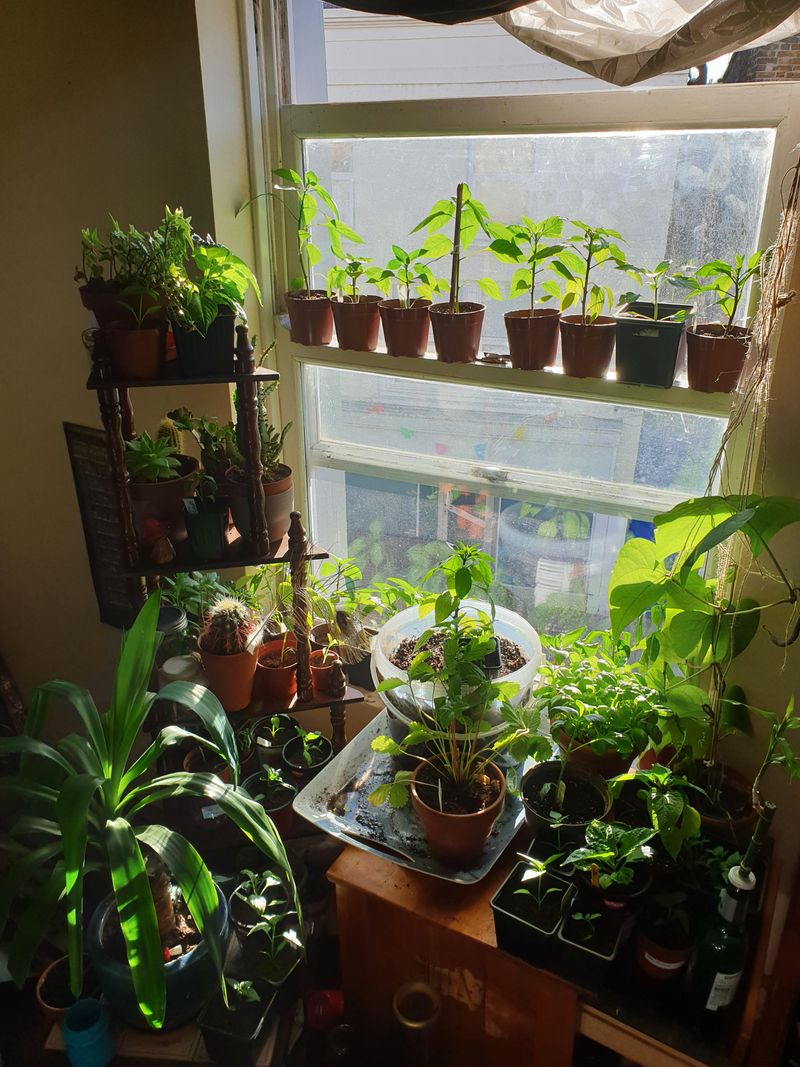
Stand outside at noon in June and your shadow is barely there. Try the same thing in late October, and your shadow stretches out across the lawn. That simple test shows just how much lower the sun travels in fall.
A lower sun changes the strength of the light, not just where it lands. When sunlight comes in at a slant, it has to pass through more of the air around Earth before it reaches you.
It also spreads out over a wider area, a bit like a flashlight beam that gets weaker when you tilt it. So fall light looks warm and golden, but it carries less power than the strong overhead sun of summer.
Your North Carolina Garden Changes Every Week. Your Plan Should Too.
Gardening in North Carolina changes quickly throughout the season. Every Friday you’ll receive a simple weekly plan showing exactly what to plant, prune, fertilize, harvest, and protect so you never miss the right timing.
Your plants notice that difference right away. Place the ones that crave strong light, like succulents, crotons, and herbs, as close to the window as you can. A spot right on the sill or on a small table beside the glass works well.
Spots farther back in the room are perfect for easygoing plants. Snake plants, ZZ plants, pothos, and peace lilies all handle medium or low light without much fuss. Matching each plant to the right spot saves you plenty of worry later.
North Carolina sees a dramatic swing here. At midday in late June, the sun climbs roughly 78 degrees above the horizon in the Raleigh area.
By late October, it only reaches about 42 degrees, so the light hitting your window is much gentler than it was a few months ago.
3. The Sun’s Path Shifts Away From Some Windows
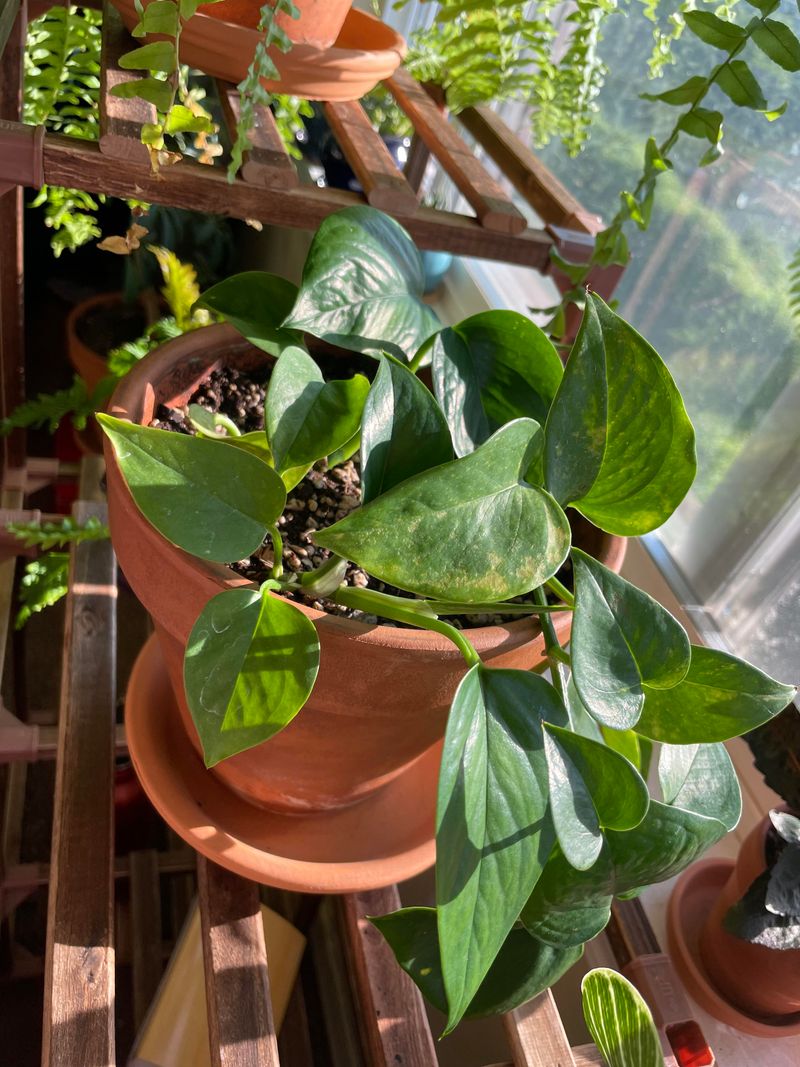
Most of us learned that the sun rises in the east and sets in the west. That is only exactly true on two days a year, the spring and fall equinoxes. The rest of the time, the sun’s path drifts, and your windows feel the change.
During summer, the sun actually rises in the northeast and sets in the northwest. That long, wide path lets north, east, and west windows soak up extra direct sun, especially in early morning and late evening.
A north window might even catch a few golden rays at sunset in July. October tells a different story. By then, the sun rises and sets farther to the south, making a shorter, lower arc across the sky.
North-facing windows get almost no direct sunlight, and east and west windows get fewer hours of direct rays than they did a few months earlier.
A little rearranging goes a long way. Move plants from north windows to brighter spots, especially ones that bloom or love sun.
Leave the north side for ferns, calatheas, and other shade lovers that are happy with soft, indirect light.
Keep your expectations realistic for east and west windows too. They still offer decent light, just less of it, so check your plants every week or so.
Plenty of North Carolina gardeners set a plant by a window in summer and never think about it again, only to find it sitting in a very different light spot by October.
4. Trees And Buildings Cast Longer Shadows
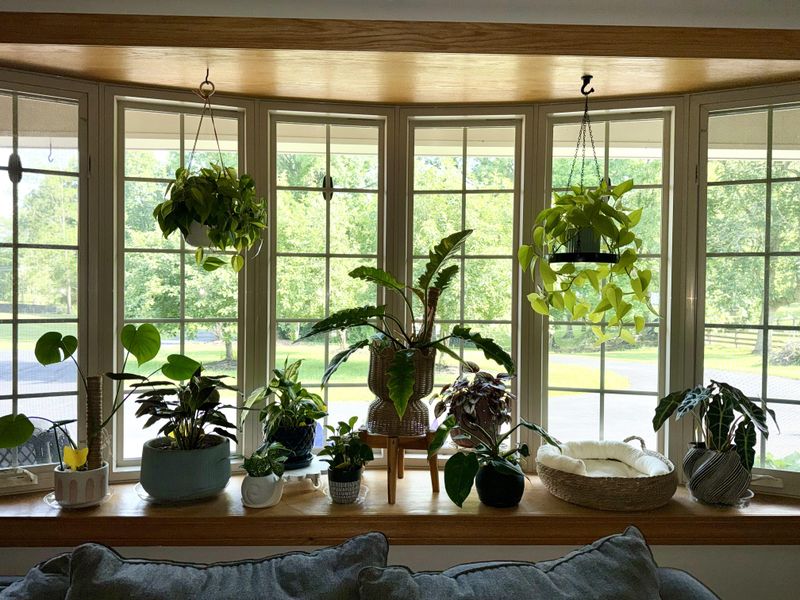
That big pine in the backyard was never a problem in July. Then fall arrives, and suddenly your plant window sits in shade for half the afternoon. Nothing about the tree changed, but the sun sure did.
Shadows grow longer as the sun sinks lower in the sky. A fence, porch roof, neighbor’s house, or tree that barely touched your window in summer can now throw a shadow across it for hours.
In fact, a shadow in late October can easily be twice as long as it was at the same time of day in June.
Spend one day paying attention to your windows. Check them in the morning, at lunch, and in the afternoon to see when they fall into shade. If a favorite plant spot stays shady most of the day, try another window that stays clear.
Trees add a twist to the story. Deciduous trees like oaks, maples, and dogwoods drop their leaves later in fall, letting more light through their bare branches all winter.
Evergreens are another matter, since pines, magnolias, and hollies keep their leaves and keep blocking light until spring returns.
North Carolina is famous for its tall pines, and many homes are tucked right among them. Loblolly and longleaf pines can tower over houses, and southern magnolias grow wide and thick.
If your home sits in a leafy neighborhood, choose your plant windows carefully each fall so your green friends get the sunniest seats available.
5. South Windows Often Get Better, Not Worse
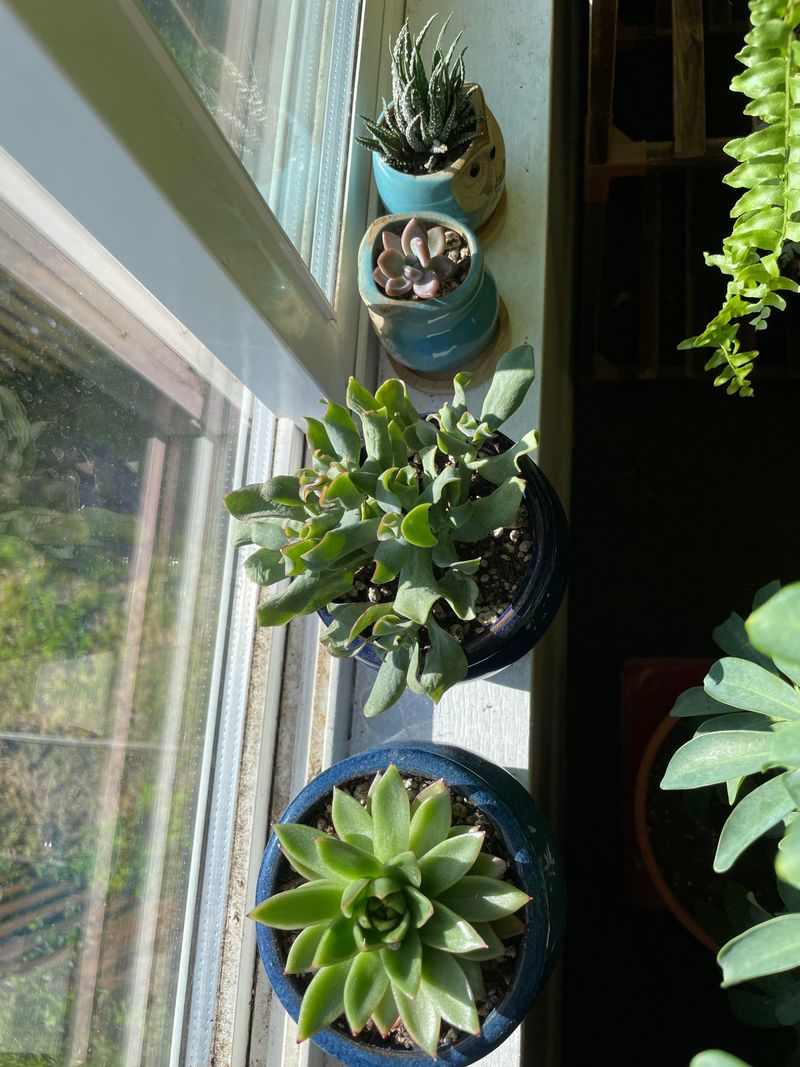
Good news finally shows up here. While most windows lose light in fall, south-facing windows often get brighter.
Many gardeners are surprised to find their south window turning into the sunniest spot in the house by November.
Roof overhangs explain the magic. In summer, the sun rides so high that the eaves and porch roofs above south windows block much of its light.
Once fall arrives, the lower sun slips right under that overhang and pours deep into the room, sometimes reaching several feet across the floor.
Many builders plan homes this way on purpose. Overhangs keep rooms cooler in hot summers and let warm winter sunshine inside. Your plants get to enjoy that clever design too.
Give your biggest sun lovers the best seats. Succulents, cacti, citrus trees, hibiscus, and flowering plants like geraniums thrive in a south window during the cooler months.
Herbs such as rosemary and thyme also appreciate the extra brightness. One small warning comes with all that sunshine. Glass gets very cold on winter nights, and leaves pressed against it can get chilled or damaged.
Leave a few inches between the foliage and the window, and pull tender plants back a bit on the coldest nights.
For many North Carolina homes, the south window becomes plant headquarters from October through March. If you only have room to move a few plants, start with the ones that love light the most.
They will reward you with steady growth and maybe even a few winter blooms.
6. Indoor Light Is Far Weaker Than Outdoor Light
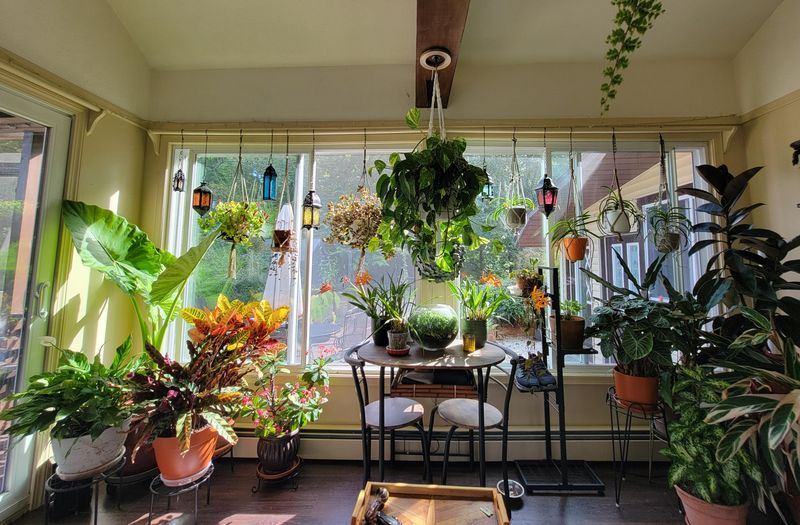
Your hibiscus spent all summer on the porch, blooming like crazy. You bring it inside to the sunniest window you have, and within a week, leaves start turning yellow and falling. It feels unfair, but the plant is simply reacting to a big change.
Outdoor light is much stronger than most people realize. Even a shady spot outside is often brighter than a sunny spot indoors, because light reaches the plant from the whole sky.
Inside, walls, ceilings, and glass cut that down, so light only comes from one direction, the window. Our eyes adjust so well that indoor rooms seem bright to us. Plants are not fooled so easily.
Light meters often show that a spot a few feet inside a window gets a small fraction of the light found outdoors in open shade.
A gentle transition helps a lot. About a week or two before bringing plants in, move them into a shadier spot outside, like a covered porch or under a tree. That gives them time to adjust to lower light before the big move.
Expect some leaf drop anyway, especially from ficus, hibiscus, and gardenias. They are known for shedding leaves when their surroundings change.
Keep watering carefully, avoid overdoing fertilizer, and new leaves usually appear once they settle in.
North Carolina gardeners enjoy a long porch season, with plants often outside from April until October. That long stretch in bright light makes the indoor move feel even bigger. Planning ahead keeps the shock small.
7. Distance From The Glass Makes A Big Difference
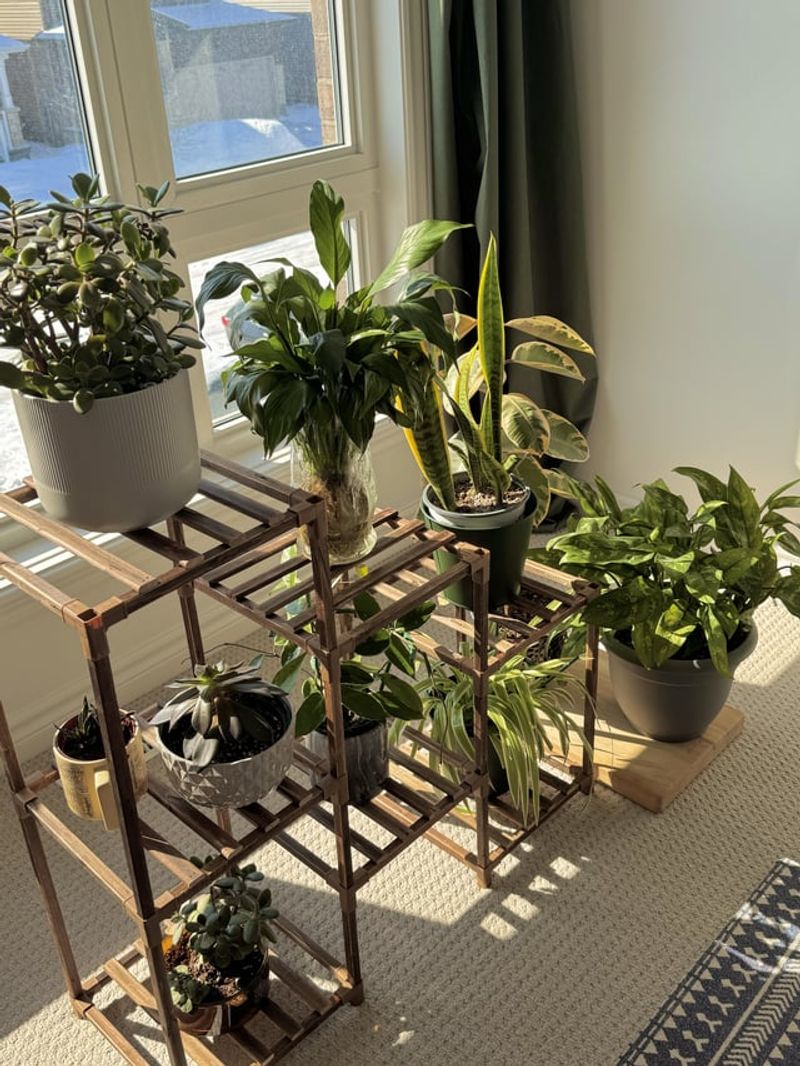
A few steps might not seem like much. To a plant, though, moving from the windowsill to the middle of the room is like moving from a sunny beach to a dim hallway.
Light fades quickly as you move away from the glass. Here is how it works. Sunlight entering a window spreads out as it travels into the room, so it loses strength fast.
A plant sitting just three or four feet back may receive only a small part of the light that a plant right at the window enjoys, and one across the room gets even less.
High-light plants need to stay close. Keep succulents, jade plants, aloe, and flowering plants within a foot or two of the window.
If a windowsill is too narrow, a small table or plant stand can bring pots up to window level where the light is strongest.
Rotating your pots helps too. Plants naturally grow toward the light, and they can end up lopsided if one side always faces the room.
Give each pot a quarter turn every week or two, and your plants will grow fuller and more even.
Tall plants can be arranged in layers. Put shorter plants in front and taller ones slightly behind, so nobody blocks a neighbor’s light.
In North Carolina, fall days shrink fast, so every inch near the window becomes valuable. Think of the space closest to the glass as prime real estate, and save it for the plants that need light the most.
8. Screens And Dirty Glass Block More Light Than You Think
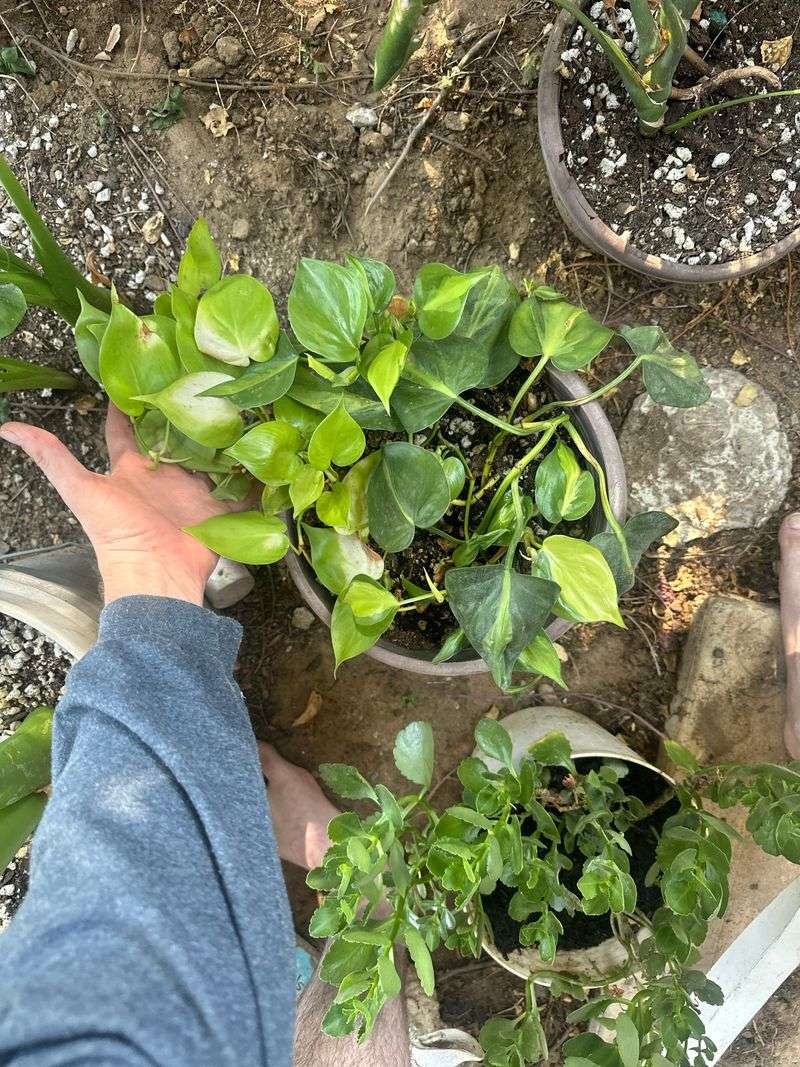
Anyone who has lived through a North Carolina spring knows the yellow pollen season. Cars, porches, and windows all end up coated in a fine golden dust. Months later, some of that film may still be clinging to your glass.
Small things add up when light is already limited. Window screens, dust, pollen, water spots, and grime each block a little sunshine.
Many standard insect screens alone can cut the light passing through by a noticeable amount, and a dirty pane can take away even more.
During summer, plants have light to spare, so those losses rarely matter. Fall is a different season entirely.
With shorter days and a lower sun, even a small drop can push a plant below the amount it needs to stay healthy.
A good cleaning is one of the easiest fixes around. Wash your plant windows inside and out before bringing plants indoors for the season. A bucket of warm, soapy water and a squeegee usually do the job well.
Screens are worth a second look too. If you rarely open certain windows in winter, consider taking the screens off your best plant windows until spring. Store them somewhere dry so they stay in good shape.
Leaves collect dust as well, and that dusty layer blocks light from reaching them. Wipe large leaves gently with a damp cloth, or give smaller plants a lukewarm shower.
Clean glass and clean leaves work together, helping your plants make the most of every golden ray fall has to offer.