Your New York Fall Mums Hate These Spots, And Winter Makes It Worse

Nothing says fall like a porch full of mums glowing in shades of rust, gold, and plum. Sadly, many of those cheerful plants turn into crunchy brown bundles by spring.
The culprit usually isn’t bad luck or a missing green thumb. More often, the problem is where the plant ended up in the first place.
Mums are picky about sun, water, airflow, and even how dark the nights get. Put them in the wrong corner, and they sulk, stretch, or quietly fade away.
Winter in New York piles on extra trouble with icy winds, soggy thaws, and freeze after freeze. A spot that seems perfectly fine in October can turn brutal by February.
Some of these trouble zones are obvious, while others hide in plain sight near your front door. The spots below are the ones worth avoiding if you want color again next fall.
1. Shady Corners Mean Leggy Stems And Fewer Blooms

Picture a mum stretching like a kid reaching for the top shelf of the cookie cupboard. That awkward lean is exactly what happens when your plant sits in a shady corner.
Chrysanthemums are sun lovers at heart, and they want at least six hours of direct light daily. Anything less leaves them weak, floppy, and short on the color you paid for.
Without enough sun, stems grow tall and spindly as they search for brightness. Flowers end up smaller, fewer, and often clustered only on the sunny side of the plant.
Energy is the real issue here, since leaves need light to make food. A mum running low on fuel simply cannot pack its branches with hundreds of buds.
Here in New York, fall sunlight gets weaker and lower each week after September. A spot that felt bright in July might sit in shadow by October afternoons.
Before planting, spend one Saturday watching where the sun actually lands in your yard. Jot down the hours each area stays bright, and pick the sunniest winner.
Shade also matters for winter survival, since weak plants store less energy in their roots. Those thin stems and tired crowns often struggle to bounce back next spring.
Pinching stems in early summer also helps, since it encourages bushier growth instead of lanky reaching. Stop pinching around the Fourth of July so buds have time to form.
Got a mum already stuck in shade? Move it to a sunny south or west facing bed while the soil is still soft and workable.
2. Soggy Low Spots Rot Roots Over Winter

Every yard has that one patch where puddles linger long after the rain stops. Your mums notice it too, and they would rather live anywhere else.
Mums like soil that stays evenly moist but drains well after each watering. Low spots trap water, and soggy ground starves roots of the air they need.
Root rot is the usual result, and it can move faster than drought damage. In fact, a short dry spell is usually easier on these plants than wet feet.
Your New York Garden Changes Every Week. Your Plan Should Too.
Gardening in New York changes quickly throughout the season. Every Friday you’ll receive a simple weekly plan showing exactly what to plant, prune, fertilize, harvest, and protect so you never miss the right timing.
Watch for yellowing leaves, wilting even when the soil feels damp, and stunted growth. Healthy roots look white or tan, while rotted ones turn black and mushy.
Winters here make low spots even riskier, thanks to snowmelt and freezing rain. Cold, heavy soil stays wet for weeks, giving rot plenty of time to spread.
Sadly, once the roots have rotted, saving the plant becomes very difficult. Prevention is your best tool, so choose the site carefully from the start.
A simple test helps: dig a hole about a foot deep and fill it with water. If it still holds water after a few hours, look for a different spot.
Stuck with heavy clay? Build a raised bed or mound the soil several inches high, mixing in compost for better drainage.
Another trick is planting the crown slightly above the surrounding grade. Water then flows away from the stems instead of pooling right where rot begins.
Finally, ease up on watering once cool fall weather arrives and growth slows down. Mums headed into dormancy need far less moisture than they did in August.
3. Under Big Trees, Roots Fight For Water

Imagine sitting down to dinner with a giant who grabs every plate before you reach it. Planting mums beneath a big maple or oak feels a lot like that.
Mature trees spread thirsty roots far beyond their branches, often just under the surface. They soak up rainfall and nutrients long before your small mum gets even a sip.
Chrysanthemums are known as heavy feeders, which means they crave rich soil to bloom well. Losing that food to a tree leaves them pale, small, and underwhelming.
Shade adds a second punch to an already tough situation. Leafy canopies block the six hours of sun that mums need for strong stems and full flowers.
Even after leaves drop in fall, tree roots keep pulling moisture from the soil. Dry ground heading into winter leaves mum roots stressed well before the first hard freeze.
Across New York, plenty of older neighborhoods have towering street trees and shady front yards. Those leafy blocks look lovely, but they make surprisingly tricky homes for fall mums.
A good rule is keeping mums outside the drip line, where the outer branches end. Give them some distance from large shrubs too, since hedges compete just as hard.
Love the look of mums near a tree? Set them in large containers around the trunk, then shift them to a sunny garden bed later.
Deep watering once a week during dry spells also helps mums hold their own. Aim the hose at the base, and add a balanced fertilizer in spring and early summer.
4. Below Downspouts, Winter Runoff Drowns The Crown

It happens every fall: someone tucks a row of gold mums right beside a gutter downspout. By March, the whole row has turned into a mushy brown mess.
Downspouts dump huge amounts of water into one small patch of ground. During a single storm, a typical roof can send hundreds of gallons through one pipe.
The crown is where stems meet roots, and it hates sitting in water. Constant moisture there invites crown rot and root rot, two common mum troubles.
Winter makes everything worse in New York, where snow piles up on roofs for weeks. Each thaw sends icy meltwater gushing straight onto your sleeping plants.
Planting depth matters too, since water gathers around the base if mums sit too low. A crown buried below the soil line stays soggy far longer than it should.
Thankfully, the fix is cheap. A plastic downspout extension or splash block can carry water several feet away from your beds.
Rain barrels are another smart option, catching runoff you can reuse during dry summer weeks. Just drain and disconnect them before hard freezes so they do not crack.
Keep mums at least three or four feet from any downspout outlet. Watch where water flows during a heavy rain, and plant well outside that path.
Mulch helps here, but keep it pulled back a few inches from the stems. Piling wet mulch against the crown traps the very moisture you are trying to avoid.
Also check your gutters each fall, because clogged ones overflow and soak beds from above. Clearing leaves in November keeps water flowing where you actually want it.
5. Near Porch And Street Lights, Blooms Can Stall
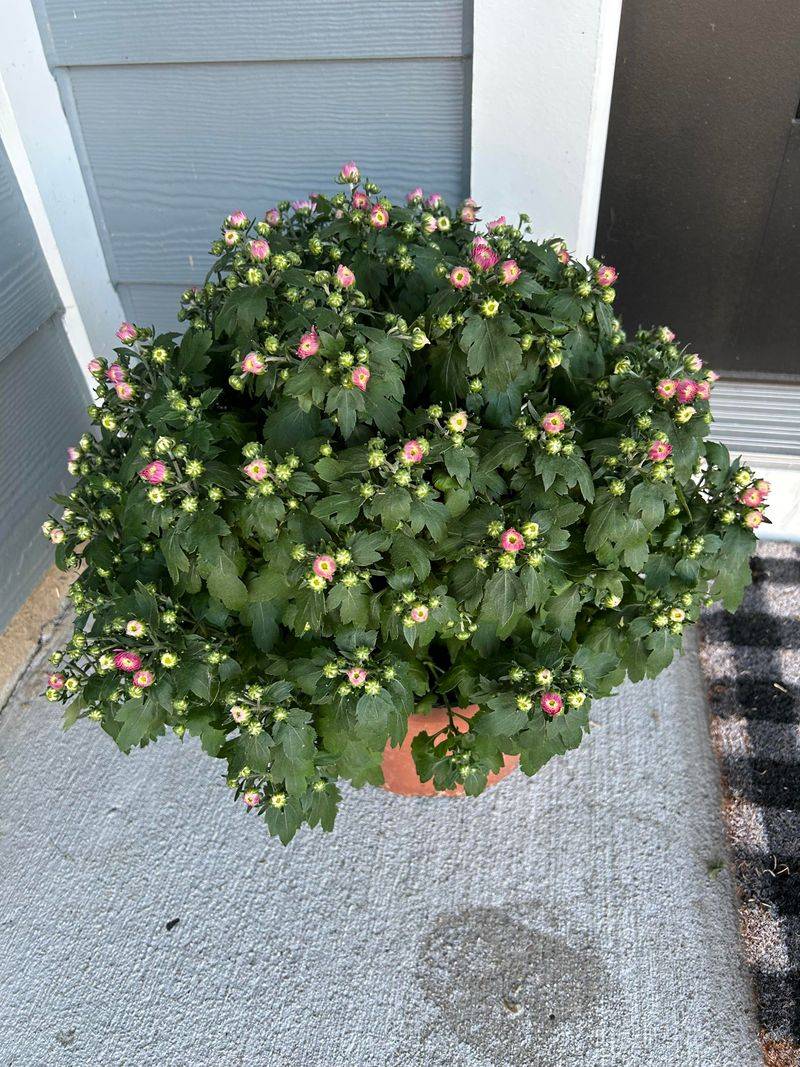
Here is a fun twist: mums actually bloom based on how long the night lasts. Scientists call them short-day plants, though long-night plants would be more accurate.
As late summer nights grow longer, mums sense the change and start forming buds. Their built-in clock explains why they burst into color right on schedule each fall.
Now add a bright porch light that glows from dusk until midnight. To your mum, that light breaks up the darkness and resets its internal timer.
Growers call this night interruption lighting, and greenhouses use it on purpose to delay flowers. Even dim light can slow or stall blooming if it hits the plant nightly.
Streetlights cause the same trouble, especially in busy New York City neighborhoods and suburbs. Security floodlights and lamp posts along driveways can do it too.
Signs of light trouble include plenty of leaves but tight, green buds that refuse to open. Sometimes only the side facing away from the lamp manages to flower.
Store-bought mums usually arrive with buds already set, so they bloom fine the first year. Problems tend to show up the next fall, when the plant must restart the process.
Try switching porch lights to a motion sensor or a timer that shuts off early. Shielded fixtures that aim light downward also help keep stray beams off your beds.
Can’t control the streetlight out front? Plant mums in a sunny spot out of the lamp’s reach, where nights stay truly dark.
A tall shrub or fence between the bulb and the bed can block enough glow. Your reward is a fuller show come October.
6. Windswept Spots Dry Out Roots And Crowns

Anyone who has waited for a bus on a January morning knows how wind bites. Your mums feel that same sting, just without a warm coat to zip up.
Open, exposed spots get hammered by cold winter gusts across much of the Northeast. Hilltops, corner lots, and yards near lakes or open fields catch the worst of it.
Wind pulls moisture out of stems and soil much faster than still air does. Frozen ground cannot replace that water, so crowns slowly dry out and weaken.
Frost heaving makes matters worse. As soil freezes and thaws repeatedly, it can push mum roots up out of the ground.
Once roots are lifted, drying winds hit them directly and the damage adds up fast. Heaved plants face a much higher chance of fading away before spring.
Mulch works like a cozy quilt here. After the ground freezes, spread three to four inches of straw or shredded leaves.
Leave the old stems standing until spring instead of cutting them to the ground. They trap blowing snow and leaves, which adds another layer of natural insulation.
Wind also bullies mums during the growing season, since their bushy, flower-heavy tops tip over easily. Snapped stems and splayed plants look messy and recover slowly.
Choose sheltered spots near a fence, wall, or row of evergreens whenever possible. Just make sure the location still gets plenty of sunshine during the day.
Potted mums on breezy decks need extra care, since their root balls sit fully exposed. Group them together against the house or move them somewhere calmer before December.
7. Small Pots Leave Roots Exposed To Hard Freezes
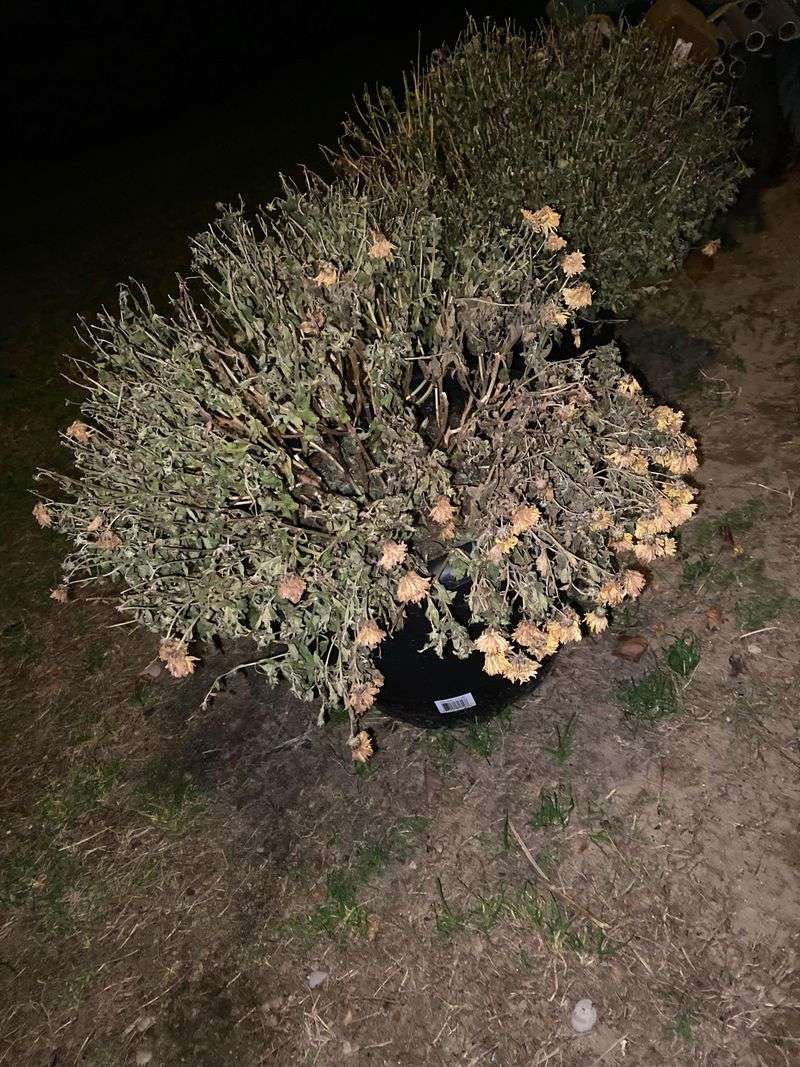
Ever wonder why that gorgeous grocery store mum looks like toast by spring? The little plastic pot it came in is usually the culprit.
Garden soil acts like a thick insulating layer, holding onto warmth deep below the surface. A container offers no such cover, so cold air hits the root ball from every side.
Roots are actually more tender than stems and leaves when it comes to cold. Mums in pots can survive winter, but only if their roots do not freeze solid.
Hardy garden mums are perennial in USDA zones 5 through 9, which covers much of New York. The rating assumes the plant is in the ground, not perched on your porch steps.
A small pot also holds little soil, so temperatures swing wildly from sunny afternoons to frigid nights. Those constant ups and downs stress roots even more.
The easiest fix is moving dormant pots into a cool, unheated garage or shed. Aim for temperatures between 40 and 50 degrees Fahrenheit, which keeps plants resting but safe.
Water lightly about once a month, just enough to keep the soil from going bone dry. Skip fertilizer until spring growth begins.
No garage? Sink the pot into the garden up to its rim, then cover it with thick mulch.
Better yet, plant mums in the ground by early or mid-September if you want them back. Roots need several weeks to settle in before the soil turns cold.
Upgrading to a bigger, thicker container also buys extra protection. Wrapping the pot in burlap or bubble wrap adds one more layer against hard freezes.
8. Crowded Beds Invite Powdery Mildew

A packed garden bed can look lush and cheerful at first glance. Underneath all that color, though, stale air and trapped humidity are quietly throwing a fungus party.
Powdery mildew is the uninvited guest, and it loves crowded, shady, humid spots. You will recognize it as a white or gray dusty coating on leaves and stems.
Left alone, the fungus can yellow foliage, curl leaves, and sap energy from the plant. Blooms may shrink, and badly infected mums look tired and dusty all season.
Late summer across the region brings warm days, cool nights, and plenty of morning dew. Those conditions happen to be exactly what mildew spores need to spread.
Spacing is the simplest cure. Set mums 18 to 24 inches apart so breezes can slip between the plants and dry the leaves.
Nursery mums look small in their pots, which tempts people to squeeze them close. Remember that a healthy mum can grow two or three feet wide by autumn.
Your watering routine plays a role in mildew prevention too. Soak the base in the morning rather than wetting leaves at night.
Already seeing white patches? Snip off the worst leaves and toss them in the trash, not the compost.
Thinning a few inner stems also opens up the plant’s center to light and air. Every few years, divide overgrown clumps in spring to keep beds from getting crowded again.
Fall cleanup helps, too, since mildew can hang around on fallen plant debris. Rake up infected leaves before snow arrives so fewer spores wait for next year.