What to Plant in Your Arizona Yard Before the Last Weekend of October
Late October is the sweet spot for planting in the Arizona low desert. The soil is still warm, the air is finally cooler, and new roots can grow strong before next summer’s brutal heat shows up.
Plant now and you will use less water, invite helpful wildlife, and build a yard that works hard for you. Here are nine smart picks to get in the ground before the month runs out.
1. Desert Museum Palo Verde
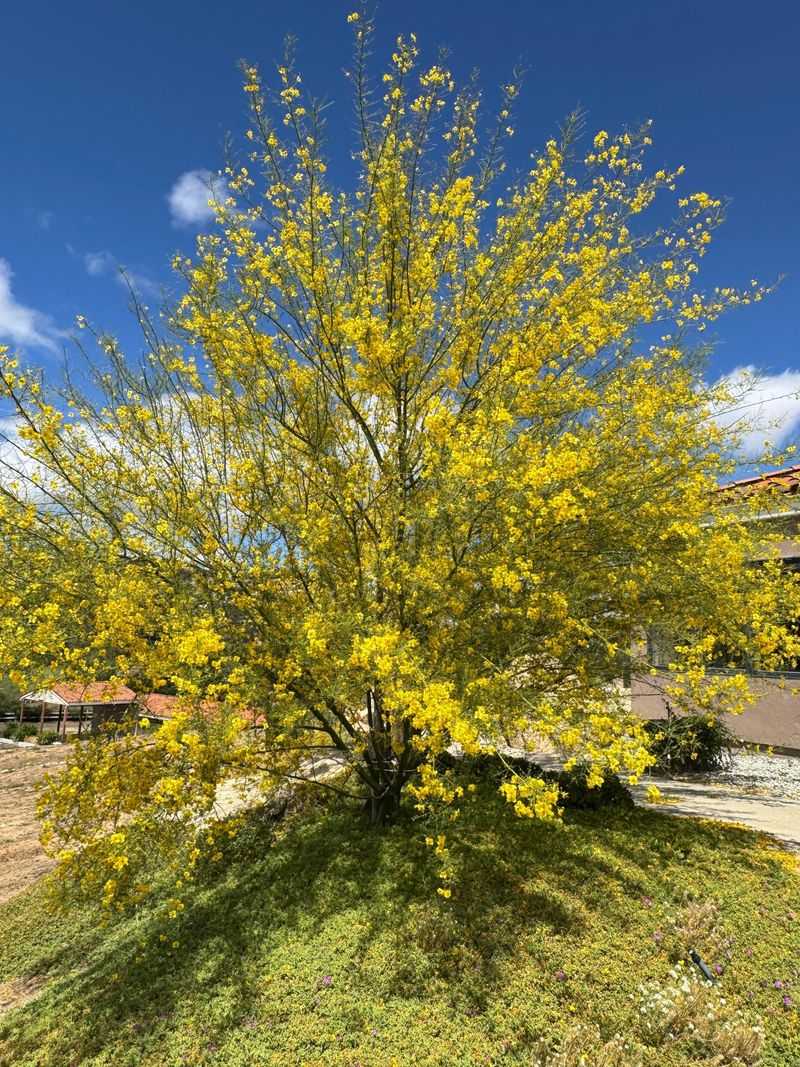
Picture a 110-degree July afternoon, and then picture a patch of cool, dappled shade right outside your back door. The Desert Museum palo verde can make that happen faster than most trees, and fall is the best time to give it a head start.
A hybrid bred for desert yards, it grows quickly, handles drought like a champ once rooted, and is nearly thornless. That last trait matters if you have kids or pets running around.
Its smooth green bark can even photosynthesize, which helps the tree keep going when leaves drop during dry spells.
Come spring, the canopy explodes with bright yellow flowers that draw bees and other pollinators. The filtered shade it casts also protects smaller plants below from sunburn, so it works like a living umbrella for your whole garden bed.
Plant it on the west or south side of your home, where afternoon sun hits hardest. Dig a hole about three times wider than the root ball but no deeper, since caliche soils drain poorly.
Water deeply every week or so this fall, then taper off as winter arrives. By the time summer returns, your new tree will be settled in and ready to work.
2. Velvet Mesquite
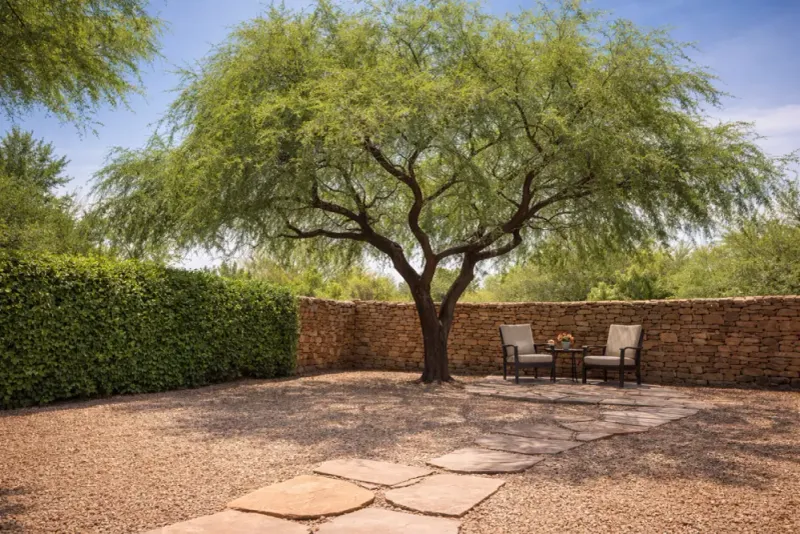
Ask any longtime desert dweller about the toughest shade tree around, and mesquite usually comes up first. Velvet mesquite is a true Arizona native, and it has been cooling off the Sonoran Desert long before air conditioning existed.
Once established, it needs very little water because its roots reach deep into the ground. The canopy spreads wide and casts dense shade, making it a favorite for patios, play areas, and west-facing walls.
Many homeowners say the temperature under a mature mesquite feels noticeably cooler than open ground nearby.
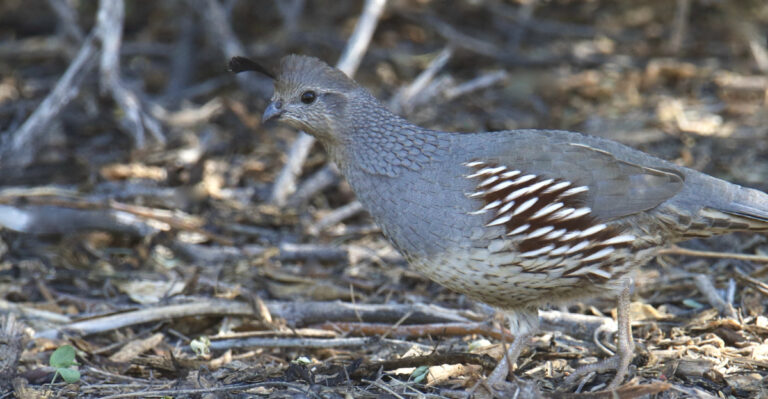
Wildlife loves it too. Birds use the branches for nesting and roosting, while the sweet pods feed quail, doves, and other critters.
More birds in your yard can also mean more natural insect control, since many species snack on bugs while raising their young.
Fun fact: people in the Southwest have ground mesquite pods into flour for centuries, and it is still sold today as a sweet, nutty baking ingredient.
Give your mesquite plenty of room, at least 20 feet from the house. Prune lightly in late winter to shape it, and avoid overwatering, which can lead to shallow roots and weak branches that snap during monsoon winds.
3. Ironwood
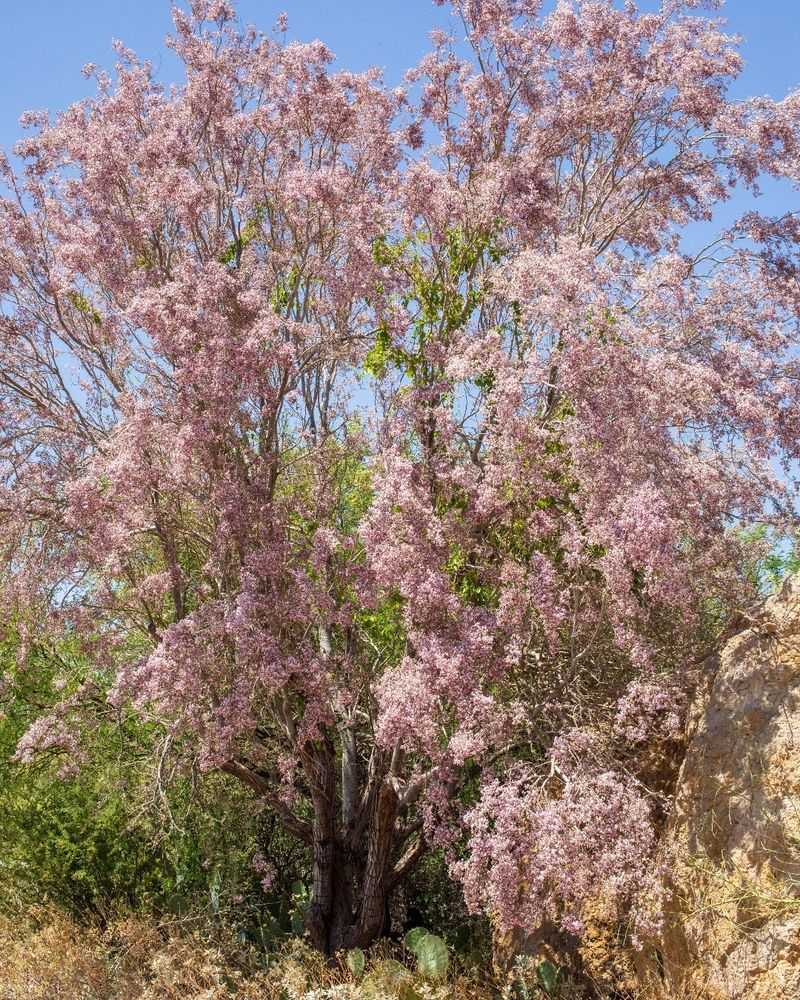
Nearly 150 bird species have been spotted using the ironwood canopy. That single number tells you why this slow and steady native deserves a spot on your fall list.
Your Arizona Garden Changes Every Week. Your Plan Should Too.
Gardening in Arizona changes quickly throughout the season. Every Friday you’ll receive a simple weekly plan showing exactly what to plant, prune, fertilize, harvest, and protect so you never miss the right timing.
Ironwood is famous for its dense, heavy wood, which can sink in water. The tree grows slower than palo verde or mesquite, but patience pays off with a long-lived, evergreen shade tree that handles drought and heat with ease.
In late spring, it covers itself in soft lavender to purple blooms that buzz with bees.
The pods and seeds offer a protein-rich snack for birds, and the thick branches give cover from hawks and summer sun. If you want a yard that feels alive with chirps and flutters, this tree is a quiet anchor for all of it.
In the wild, ironwood also acts as a nurse plant, sheltering young saguaros and other cacti until they can stand on their own. You can copy that idea at home by tucking small succulents beneath its canopy.
Plant in full sun with excellent drainage. Water deeply twice a month through its first winter, then less often.
Skip heavy fertilizer, since this tough native prefers lean desert soil.
4. Desert Willow
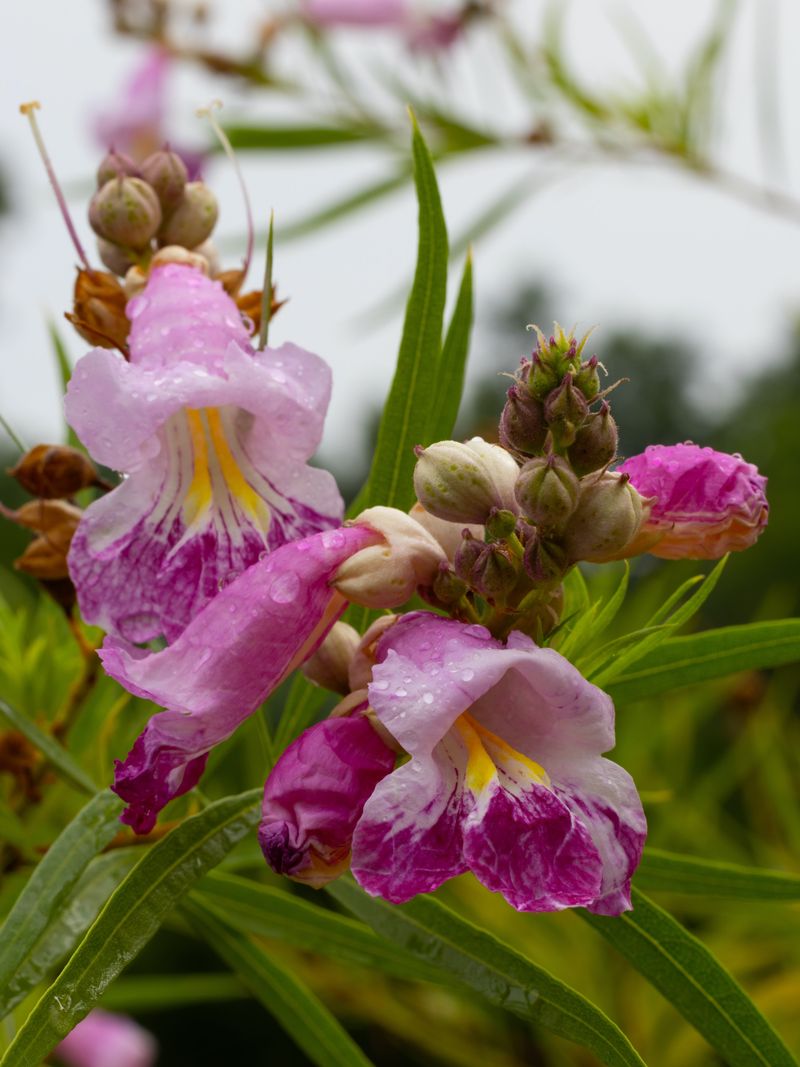
Hummingbirds seem to have a map with every desert willow in town marked on it. Plant one this fall, and you may find tiny visitors zipping around your yard by late spring.
Despite the name, it is not a true willow. The long, narrow leaves just look willowy.
What it really offers is trumpet-shaped flowers in pink, purple, white, or burgundy, blooming from spring right into fall. Those blossoms are packed with nectar for hummingbirds and bees, while the seeds feed birds later in the year.
Desert willow stays fairly small, usually 15 to 25 feet, so it fits tight side yards and courtyards. The light, airy shade is perfect over seating areas where you want a breeze without total darkness.
It drops its leaves in winter, letting warm sunshine reach your windows when you actually want it.
Varieties like Bubba, Timeless Beauty, and Lucretia Hamilton offer different flower colors and sizes, so browse your local nursery before picking.
Give it full sun and water deeply every week or two during establishment. Once rooted, it gets by on little water, though an occasional summer soak keeps the blooms coming strong through the hottest months.
5. Chuparosa
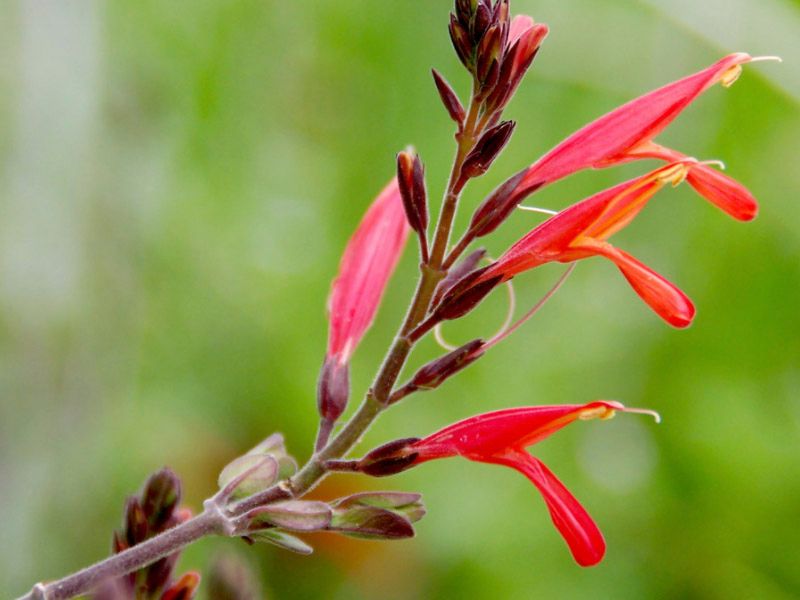
In Spanish, chuparosa roughly means hummingbird, and after one season with this shrub, you will understand the nickname. Its bright red, tubular flowers pull in hummers like a porch light pulls in moths.
The timing is what makes chuparosa special. It often starts blooming in fall and keeps going through winter, just when many other plants take a break.
Then it flowers again in spring and into early summer. That long show gives resident and migrating hummingbirds a steady snack bar through the cooler months.
This native is famously easygoing. It tolerates poor, rocky soil, reflected heat from walls, and full or partial sun.
The green stems stay attractive even when leaves thin out during dry stretches, giving your yard a soft, mounding shape year round.
Chuparosa grows about three to four feet tall and wide, so it works well along walkways, near patios, or in front of block walls. Group several together for a bigger splash of red.
Plant now, water deeply every week or so until it roots in, then back off to occasional soaks. A light trim after spring bloom keeps it tidy without cutting off next season’s flowers.
6. Agave
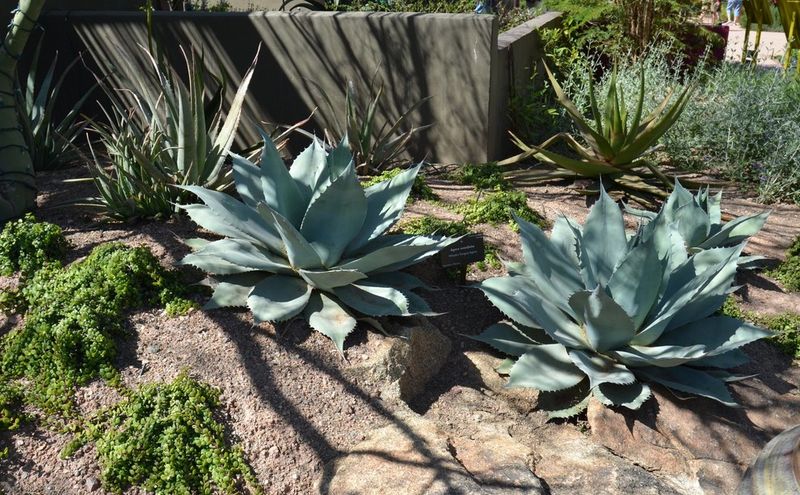
Most people think of agave as a spiky decoration. Look closer, and you will find a plant that feeds bats, saves water, and practically takes care of itself.
Many agaves bloom only once, often after 10 to 25 years, sending up a towering flower stalk that can reach 20 feet. Those blooms open at night and are packed with nectar, which makes them a key food source for native bats.
Bats that visit your yard may also snack on moths and other flying insects, including mosquitoes, so they can help keep evening bugs in check.
Agave needs almost no water once established, handles blazing sun, and shrugs off poor soil. Fall planting lets the roots settle while temperatures are mild, reducing stress on the plant.
Popular picks for low-desert yards include Parry’s agave, Queen Victoria agave, and octopus agave. Smaller types fit containers and tight spaces, while big species make bold focal points.
Place spiny agaves away from walkways and play areas to avoid painful bumps. Plant in well-draining soil, and add gravel if your yard holds water.
Water every few weeks during the first season, then let rain handle most of the work.
7. Brittlebush
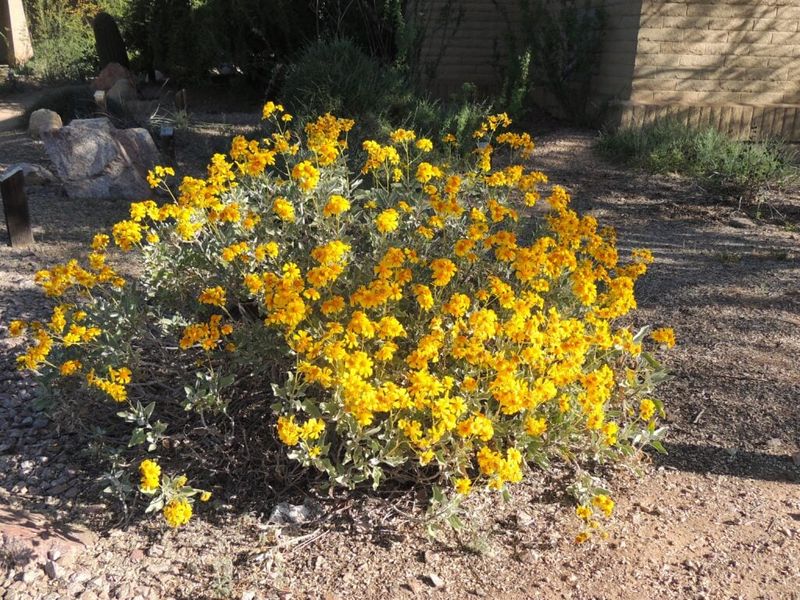
Roadrunners do not care about pretty flowers. They care about lizards and bugs, and brittlebush creates exactly the kind of cozy, insect-rich cover that keeps them coming back.
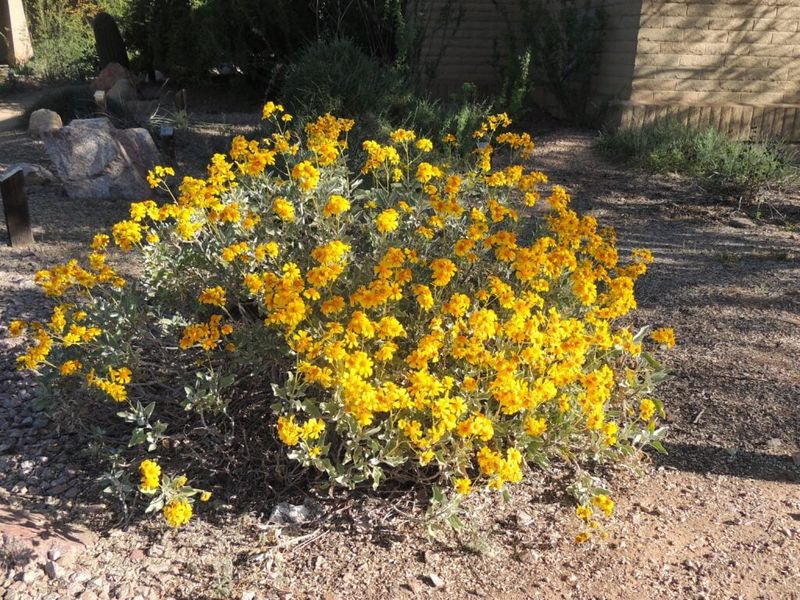
This rounded native shrub sports silvery, fuzzy leaves that reflect sunlight and help it survive extreme heat. From late winter into spring, it bursts with bright yellow, daisy-like flowers that bees adore.
The low, dense shape also offers shelter for small reptiles, which in turn attracts hungry roadrunners.
Why does that matter? Roadrunners are known to eat scorpions, along with insects and small critters.
A yard with good roadrunner habitat may become a little less inviting to scorpions over time, though results depend on many factors like nearby walls, debris, and lighting.
Brittlebush is fast-growing and forgiving. It thrives in rocky soil, full sun, and minimal water, making it one of the easiest natives for beginners.
Seeds sown or plants set out in fall usually take off by spring.
Keep it in a sunny, open spot and avoid overwatering, which makes it leggy and short-lived. Trim spent flower stalks after bloom for a neat look, or leave some seeds for finches and sparrows.
8. Desert Milkweed
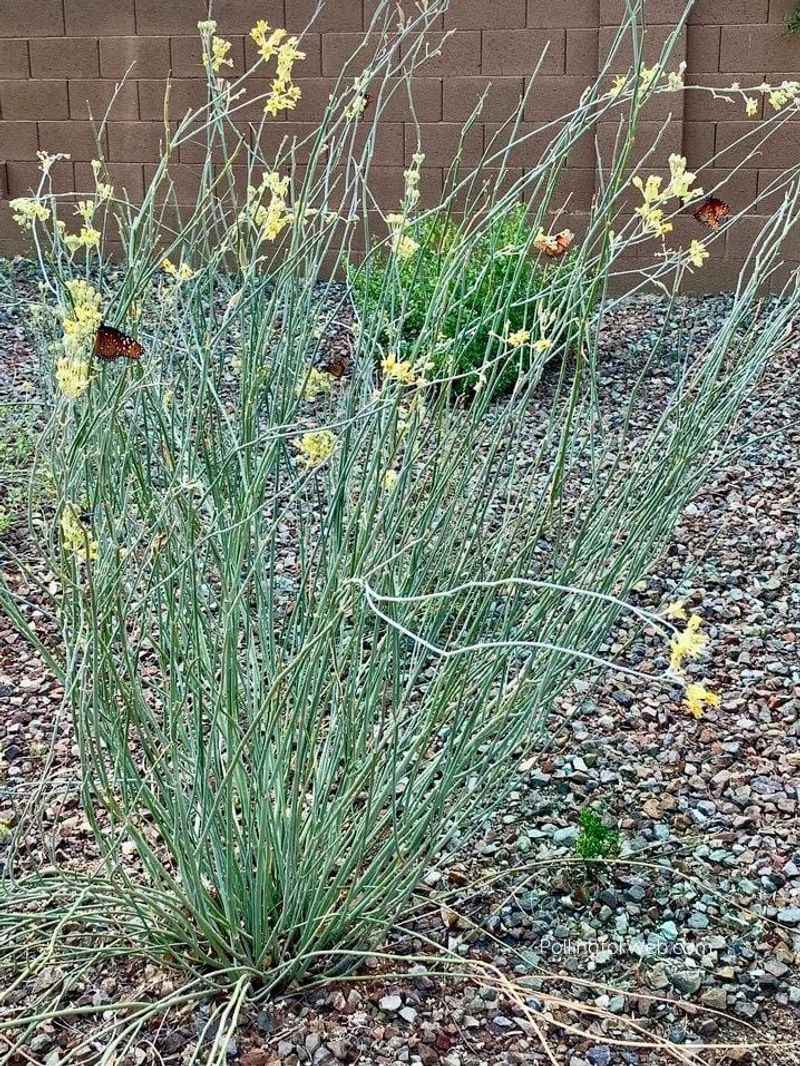
Want monarch butterflies stopping by on their long journey? Desert milkweed is their kind of pit stop, and fall is a great time to plant it.
Monarch caterpillars can only grow up on milkweed plants, which makes this native a lifeline. Desert milkweed looks unusual, with slender, blue-green stems that seem almost leafless.
From spring into fall, it tops those stems with clusters of creamy yellow flowers that feed bees, wasps, and many other butterflies.
Unlike thirstier milkweed types, this one is built for Arizona. It handles full sun, reflected heat, and long dry spells without complaint.
The upright, reedy form adds interesting texture next to rounded shrubs or spiky succulents.
Here is a quirky bit: the milky sap inside the stems gives caterpillars a bad taste that birds learn to avoid. That is part of why monarchs rely on it so heavily.
Plant desert milkweed in a sunny spot with fast-draining soil. Water weekly while it establishes, then cut back to deep soaks every few weeks.
If you spot striped caterpillars munching the stems, leave them alone. That chewing means your yard is doing exactly what you hoped it would do.
9. Native Wildflower Seed Mix
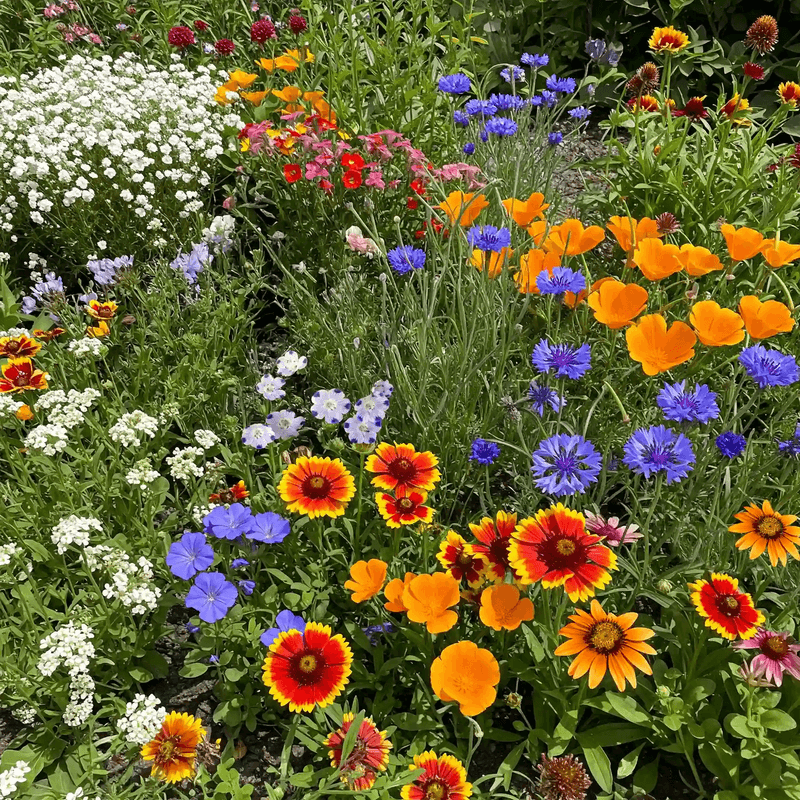
Scatter a handful of seeds now, and by March your yard could look like a desert postcard. Late October is one of the best moments of the year to sow native wildflowers in the low desert.
Fall seeding works because the seeds settle in during mild weather, soak up winter rains, and sprout on nature’s schedule. Look for mixes with California poppy, Arizona poppy, desert bluebells, desert marigold, gaillardia, and penstemon.
Together they create waves of orange, purple, yellow, and red that pollinators find hard to resist.
A wildflower patch does more than look cheerful. It brings in native bees, butterflies, and moths, and those insects feed birds and even bats.
Many of these flowers also reseed themselves, so one sowing can bring color back year after year with barely any effort from you.
For the best results, pick a sunny area and lightly rake the soil to loosen the top inch. Mix seeds with sand for even spreading, press them in gently, and water lightly every few days until sprouts appear.
After that, winter rain often handles the rest. Let flowers go to seed before tidying up.