The Florida Landscaping Rule HOA Homeowners Should Know Before Starting A Fall Yard Makeover
Order that mulch and pick out your plants, and you might be doing everything backwards before you’ve even started.
Plenty of Florida HOAs require a specific step before any fall makeover begins, one that has nothing to do with taste or budget and everything to do with paperwork most homeowners never think to check first.
Skip it, and you could end up redoing work you already paid for, or worse, ripping out plants you just put in the ground.
This rule catches people off guard because it applies even to changes that seem minor, the kind of updates most homeowners assume fly under the radar without any approval needed.
Look into your HOA’s requirements before a single shovel goes into the ground this fall. One overlooked step could turn your makeover into a redo.
1. Check Your HOA Rules Before Changing The Yard
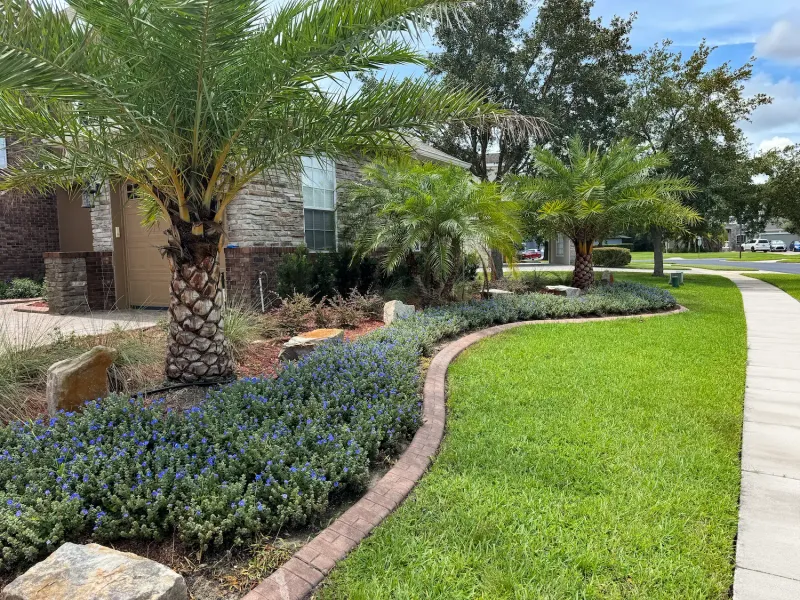
Picture a neighbor proudly planting a row of new shrubs on Saturday. By Tuesday, a polite but firm letter from the HOA shows up asking for them to come out.
Stories like that happen more than you might think. Most HOAs have governing papers called Covenants, Conditions, and Restrictions, often shortened to CC&Rs.
Along with the bylaws and community rules, those papers are legally binding for everyone who lives there.
So your first fall project is not digging. It is reading.
Ask your HOA manager or board for the latest copy of the governing documents and any landscaping guidelines. Many communities post them on a resident website, which makes the search easy.
Look for sections on landscaping, exterior changes, and the Architectural Review Committee. Highlight anything about plants, trees, lawns, mulch, rocks, or irrigation.
Jot down questions as you go, so you can ask them all at once.
Skipping this step can be costly. Homeowners who make changes without approval, even small ones, can face fines or be told to remove new plants.
That means paying twice for the same project.
A quiet hour with the rulebook now can keep your fall makeover fun. Think of it as reading the recipe before you start baking a cake.
2. Know Which Florida Plants Your HOA Can Restrict
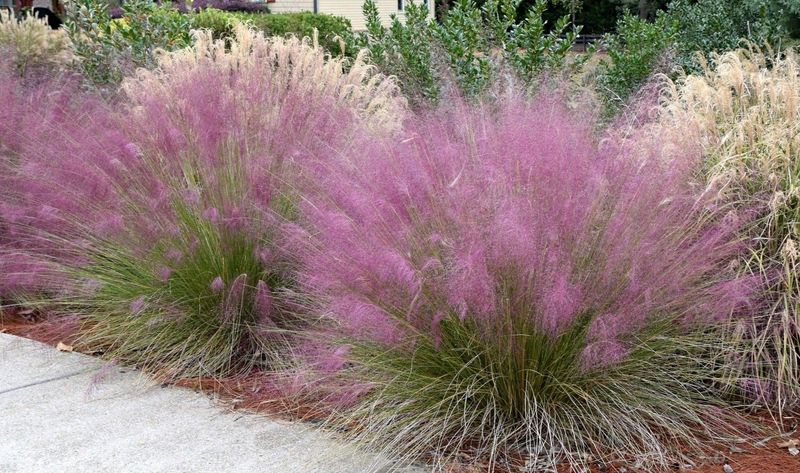
Here is the rule that surprises a lot of people. In our state, an HOA cannot flat out ban Florida-Friendly Landscaping on your property.
Two state laws, Florida Statutes 720.3075 and 373.185, protect your right to use it. Florida-Friendly Landscaping means plants and designs that save water, protect the environment, and fit local conditions.
Drought-tolerant choices and native plants both count.
That sounds like a free pass, but hold on. HOAs still keep some real power.
They can review your plans before you plant, and they can enforce reasonable looks for the neighborhood.
In plain terms, your HOA cannot say no to Florida-Friendly plants just because they are not grass. Still, it can ask that your yard look neat, fit the style of the community, and not drag down property values.
A tidy bed of firebush and coontie is one thing. A wild tangle of overgrown plants is another.
Your Florida Garden Changes Every Week. Your Plan Should Too.
Gardening in Florida changes quickly throughout the season. Every Friday you’ll receive a simple weekly plan showing exactly what to plant, prune, fertilize, harvest, and protect so you never miss the right timing.
So what can they restrict? Often it is size, placement, and upkeep rather than the plant itself.
Invasive species are also commonly off limits, and for good reason.
Knowing this balance helps you plan smart. You can choose water-wise plants with confidence while still keeping your board happy.
That combination makes approval far smoother.
3. Read The Approved Plant List Before Shopping
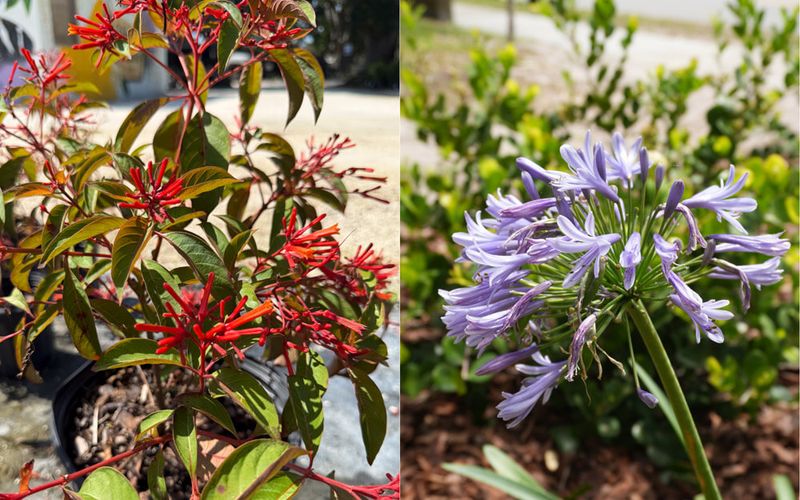
Garden centers are dangerous places for anyone with a credit card and big dreams. One minute you want a single hibiscus, and the next your cart looks like a jungle.
That is why the approved plant list is your best shopping buddy. Many HOAs keep a list of trees, shrubs, and flowers that fit the neighborhood look.
These lists often include native and Florida-Friendly plants that handle our heat, sandy soil, and surprise storms.
Before you leave home, print the list or save it on your phone. Then match your ideas to what is already approved.
Choosing from that list can speed up the review process and boost your chances of a quick yes.
What if you fall in love with something that is not listed? You are not out of luck.
Many communities let you send a special request to the Architectural Review Committee. Just know that approval is not promised, and it may take extra time and paperwork.
A fun tip is to take photos of the plant tags you like. The tags usually show mature height, spread, and sun needs, which helps if you need to explain your choice.
Shopping with a plan saves money. It also saves you from awkward returns later.
4. Check Rules On Native And Florida-Friendly Landscaping
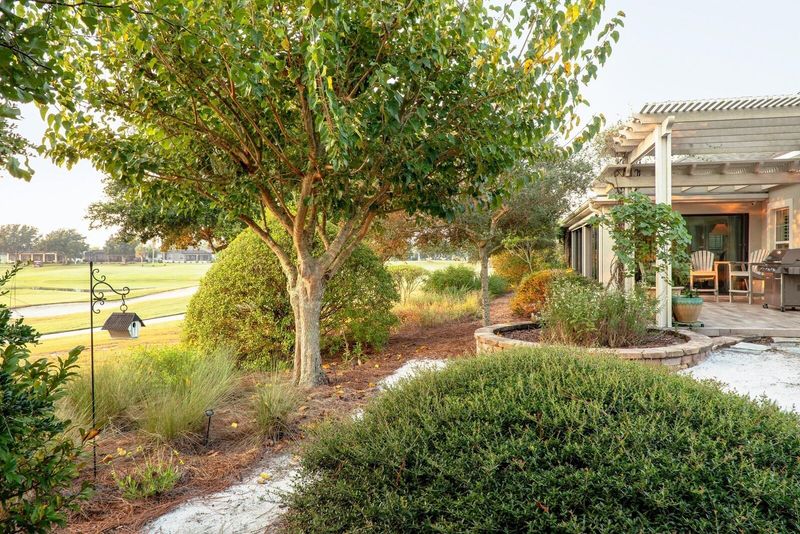
Back in 2009, the state decided water was too precious to waste on thirsty lawns. That year, the state made saving water a compelling state interest, and HOA rules had to adjust.
Under Florida Statute 720.3075, HOA documents cannot prohibit Florida-Friendly Landscaping. Your association also cannot demand turf grass to the exclusion of Florida-Friendly options.
Even better, it cannot fine you for a brown lawn during official water restrictions.
That is great news if you want to swap some grass for native beds this fall. Plants like beautyberry, muhly grass, and saw palmetto can look beautiful and need less water once settled.
Still, the law is not a blank check. HOAs can require you to get approval first.
They can also enforce reasonable standards, like clean edges, mulched beds, and a cared-for appearance. Height limits near sidewalks, streets, and driveway sight lines are fair game too.
A good approach is to design a native yard that looks intentional. Add defined borders, fresh mulch, and plants grouped in tidy clusters.
A little structure shows your board that Florida-Friendly does not mean messy.
Fun fact: the University of Florida runs a Florida-Friendly Landscaping program with free guides. Those resources can help you plan like a pro.
5. Get Written Approval Before Major Landscape Changes
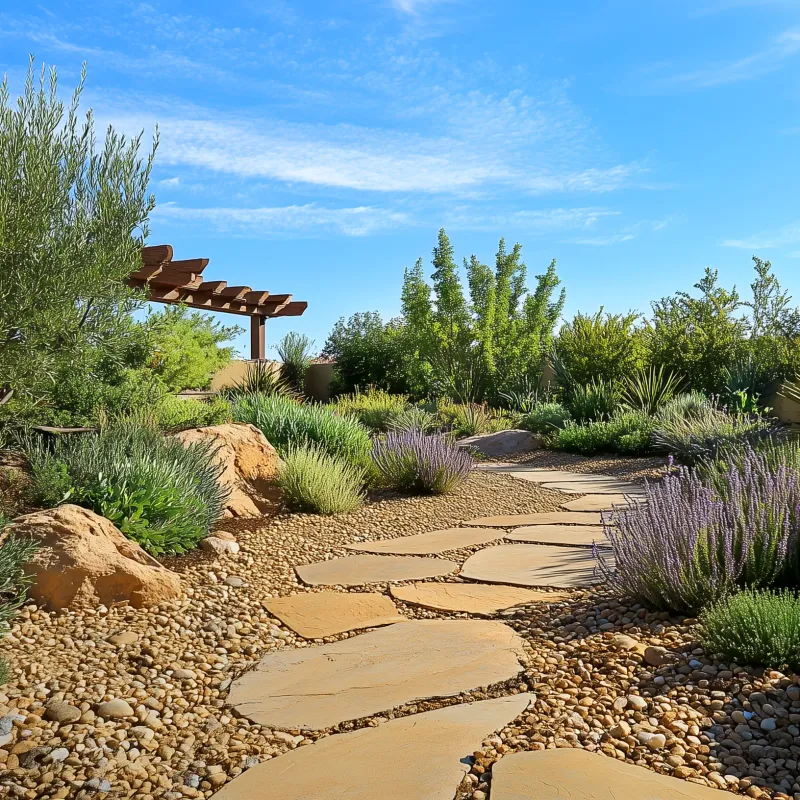
A handshake and a friendly nod from a board member feel nice. Unfortunately, they will not protect you if a question comes up later.
Most exterior changes, including big landscaping projects, need approval from the Architectural Review Committee, or ARC. This group checks that your plans match community design and safety standards.
Written approval is your proof that you followed the process.
So what goes into a strong application? Include a simple drawing of your yard, a list of plants with their mature sizes, and photos or samples of materials like rock, pavers, or mulch.
The clearer your plan, the fewer follow-up questions you will get.
Timing matters too. HOAs usually have a set window to respond, often around 30 to 45 days.
Some governing documents treat a request as approved if the committee misses its cutoff date, though Florida law does not guarantee that. Check your own rules for the exact number.
Because fall is prime planting season, send your application early. Late summer is a smart time to submit, so you can plant once temperatures ease.
Keep copies of everything, including emails and dated letters. A tidy folder today can settle a disagreement in minutes tomorrow.
6. Watch For Rules On Lawn Height And Bed Borders
Grass has a sneaky way of growing faster than you expect. Skip one mowing during a rainy week, and suddenly your lawn looks like a meadow.
Many HOAs have clear rules about lawn care. A common one limits grass height, often somewhere between 4 and 6 inches.
Some also require regular edging along sidewalks and driveways, plus steady weed control.
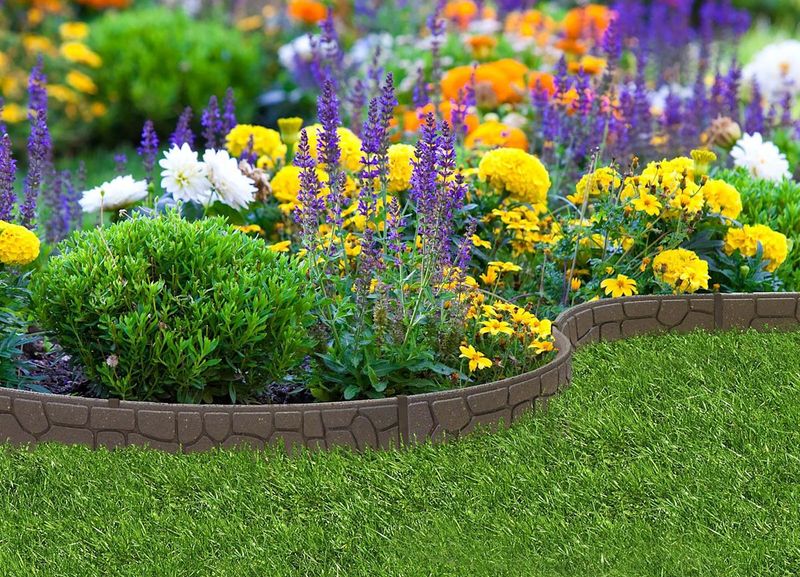
Flower beds get attention too. Clean edges are a popular requirement, and many communities ask for mulch at a set depth, like 2 to 3 inches.
You may also need to refresh that mulch a couple of times each year so it stays neat.
During a fall makeover, these details are easy to overlook. You might focus on picking pretty plants and forget about the borders.
Yet a crisp edge can make an ordinary bed look polished.
Consider what border material fits your style and your rules. Stone, brick, metal edging, or a simple cut edge can all work, depending on your HOA.
Ask before adding anything new.
A quick tip: keep your mower blade sharp. Dull blades tear grass and leave brown tips, which can make a lawn look tired.
Neat grass and tidy beds keep your yard off the violation list.
7. Know Where Trees And Shrubs Can Be Planted
That tiny oak sapling looks so cute in its pot. In twenty years, though, it could shade half your yard and your neighbor’s roof.
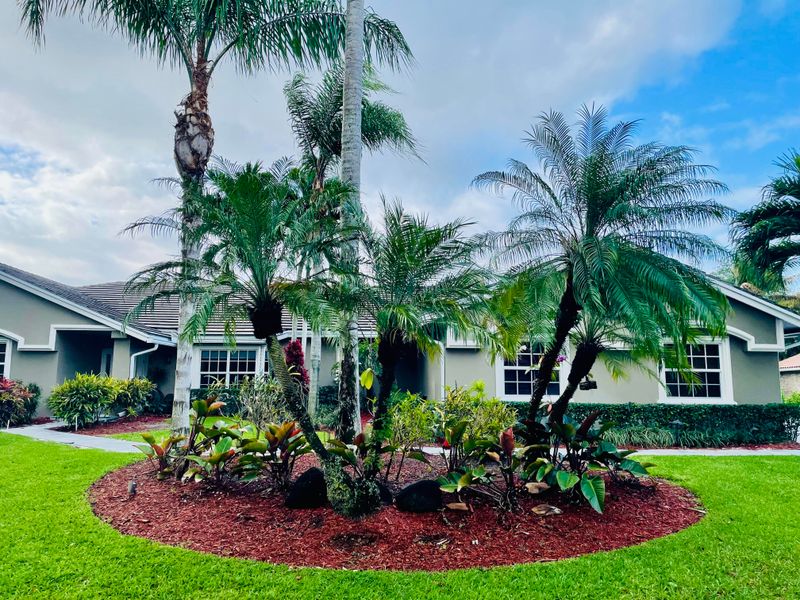
Placement is a big deal for HOAs, especially in our state. Many communities have rules about where trees and shrubs can go, mostly in front yards and along property lines.
Some limit tall hedges in front of homes, while others require trees from a specific street list.
Safety plays a role too. With hurricane season in mind, HOAs may have rules on trimming, upkeep, and tree removal.
A large tree planted too close to a house can become a hazard during strong winds.
Property lines add another twist. Generally, a tree belongs to the owner whose land holds the trunk.
When a trunk sits right on the line, it is called a boundary tree, and both neighbors share responsibility.
Common areas are usually managed by the HOA itself, so avoid planting there without permission. Even adding a small shrub near a shared fence could create questions.
Before digging, look up the mature size of each tree or shrub. Plan space for roots and branches, and check spacing rules in your documents.
Smart placement today prevents headaches down the road.
8. Check Irrigation Rules Before Reworking Your System
Sprinklers spinning at noon in July might be the most Florida sight ever. Sadly, they might also break the rules.
Many HOAs follow watering days and times set by regional water management districts. In some areas, current restrictions limit landscape watering to once a week during set hours.
Your HOA may add its own rules on top of those.
If you plan to update your system this fall, check the legal side first. A new system tied to city water usually needs a plumbing permit.
It must also meet Florida Building Code Chapter 6 for backflow prevention, which keeps yard water out of drinking water.
Florida systems also need technology that stops watering when there is enough moisture. A rain sensor or soil moisture sensor handles that job.
Smart controllers can adjust schedules based on weather too.
Here is a helpful bit of protection for homeowners. HOAs cannot enforce standards that require more water use.
For example, they generally cannot force you to replace plants with thirstier ones just to meet looks rules.
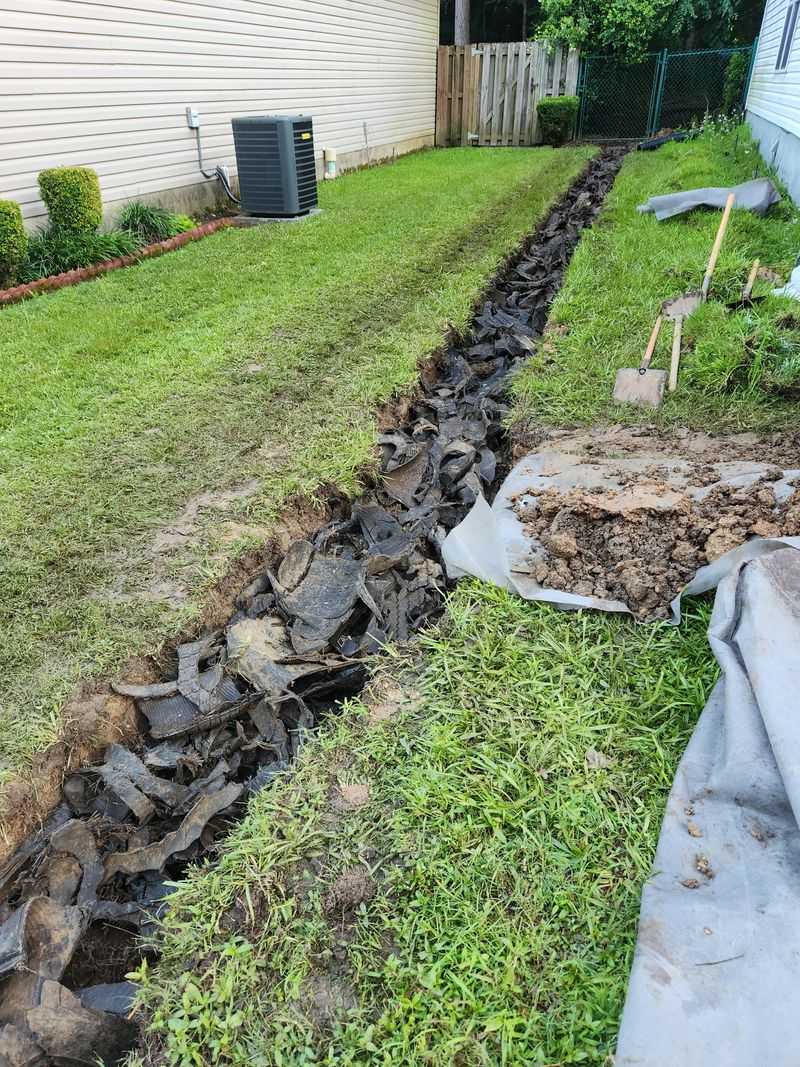
A redesign is the perfect chance to switch beds to drip irrigation. Drip lines send water right to the roots, cut waste, and help lower your bill.
Your plants and wallet will both thank you.
9. Keep Your Fall Makeover Inside The HOA’s Rules
Think of your HOA board less like a villain and more like a referee. Play by the rules, and the game goes a lot smoother.
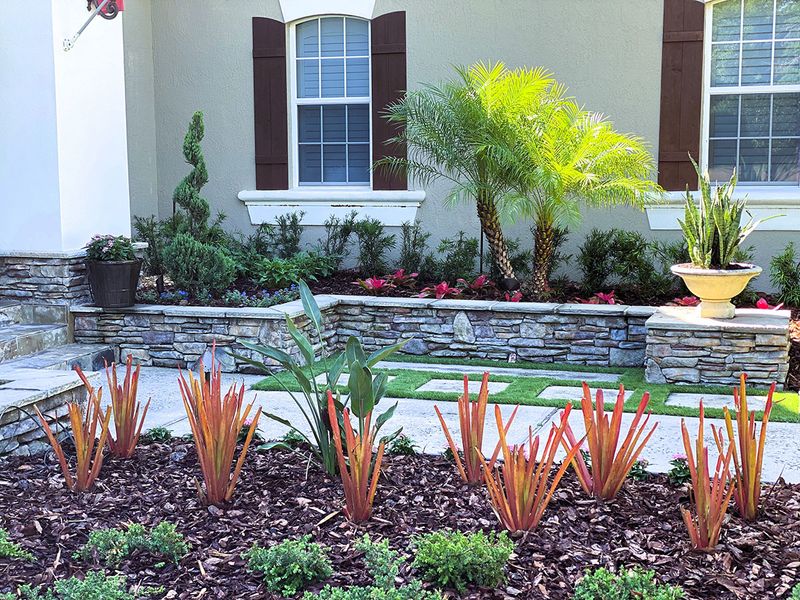
Staying within the guidelines helps you avoid violations, fines, and forced changes after you have already spent money. It also keeps things friendly with neighbors, which matters when you share a street for years.
If your plan includes Florida-Friendly Landscaping, mention Florida Statute 720.3075 right in your application. Some board members simply may not know the law exists.
A short, polite note citing the statute can clear up confusion before it grows.
Documentation is your safety net. Save your approval letter, plant receipts, photos of the finished work, and any emails with the board.
Store them in one folder, either paper or digital, so you can find them fast.
Keep up with maintenance after the project is done too. Refresh mulch, trim shrubs, and pull weeds regularly.
A cared-for yard shows respect for the rules and your hard work.
Finally, enjoy the results. Fall in our state is a wonderful time to sit outside, watch butterflies visit new blooms, and feel proud.
A smart plan turns a rule-heavy project into a yard you truly love.