Newly Planted Georgia Trees Still Need Regular Water This Fall
Once the heat breaks, most homeowners put the hose away and assume their new trees can handle things from here.
That feels reasonable, since the leaves stop wilting and the soil no longer bakes by midafternoon. Underground, though, a young tree is still working to spread its roots.
Those roots keep growing well after the branches slow down, and they need steady moisture to do it.
Fall rain in Georgia can be spotty, with dry stretches that last longer than you expect. A tree planted this spring or summer has few roots to fall back on during those gaps.
Letting it go dry now often shows up as weak growth or poor performance next spring.
Before you coil up that hose for the season, check the soil around your newest trees.
1. Cooler Weather Can Make Watering Seem Less Urgent
Sweater weather is sneaky. A 75-degree September afternoon feels mild to us, yet soil can still dry out fast under clear skies.
Fall in Georgia often brings some of the driest weeks of the year, since September and October rainfall can be spotty in many areas.
That combination catches plenty of gardeners off guard. Leaves on a young tree may look fine, so the hose gets coiled up and forgotten until spring.
Trouble is, stress from dry soil does not show up right away on most trees.
You might not notice scorched leaf edges, early leaf drop, or thin growth until months later. By then, the dry spell that caused it is long gone and hard to connect to the damage.
Wind adds to the problem as fall fronts move through and pull moisture from leaves and bare soil.
Shorter days do slow evaporation somewhat, so a new tree usually needs less water than it did in July. Less is not the same as none, though, and a week or two without rain can matter.
A simple habit helps here. Keep a rain gauge in the yard and jot down totals on a calendar, so you rely on real numbers instead of how cool the air feels.
If your gauge shows under an inch in a week, your young tree probably needs a drink.
2. Young Roots Are Still Growing Beneath The Surface
Above ground, fall looks like a slowdown. Below ground, it is a different scene.
Tree roots keep growing in autumn as long as soil stays warm enough, often well after leaves start changing color.
Soil holds summer heat longer than air does, so root growth in much of Georgia can continue into late fall and sometimes early winter.
That extra time is a gift for a tree planted this year. It gets weeks of root building without the stress of summer heat pulling water from its leaves.
Roots need moist soil to push outward, and they tend to stall when the ground dries hard.
Fine feeder roots, the tiny hairlike ones that soak up water, are especially tender. They can shrivel quickly when soil around them dries out, and the tree has to spend energy replacing them.
Your Georgia Garden Changes Every Week. Your Plan Should Too.
Gardening in Georgia changes quickly throughout the season. Every Friday you’ll receive a simple weekly plan showing exactly what to plant, prune, fertilize, harvest, and protect so you never miss the right timing.
Picture those roots as a crew laying new pipe while the weather is pleasant.
Give them moisture and they keep working. Take it away and the job pauses, even on a perfect autumn day.
Mulch helps protect that work. Spread two to three inches of pine straw or shredded bark in a wide circle, keeping it a few inches away from the trunk.
Your tree may look sleepy this fall, but its roots are wide awake and counting on steady moisture from you.
3. New Trees Cannot Reach Water Like Established Ones
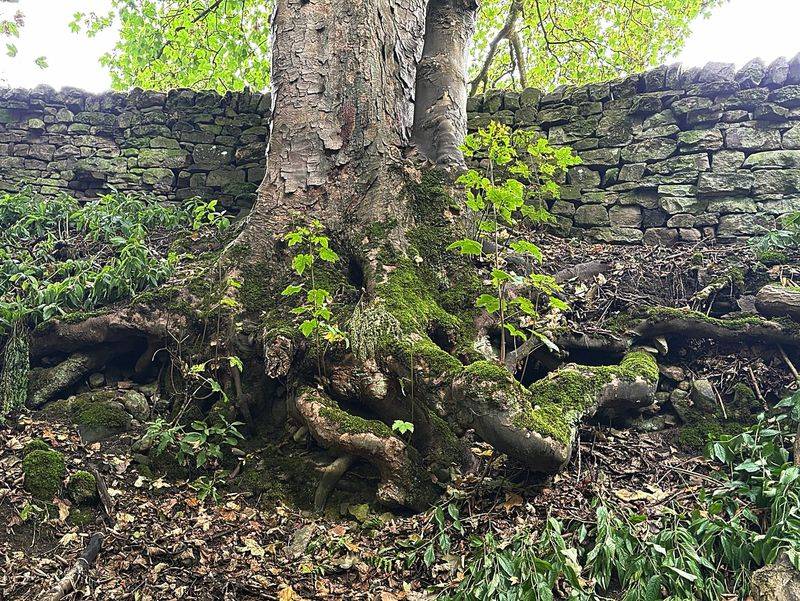
A 30-year-old oak and a sapling from the garden center live very different lives.
Mature trees have roots that spread far past their branches, sometimes two or three times the canopy width. They can pull moisture from a huge area of soil, including deeper layers that stay damp during dry spells.
A newly planted tree, by contrast, is mostly working with the root ball it came with.
Container and balled trees often lose a large share of their roots during digging and transplanting. What remains sits in a small zone right around the trunk.
That root ball can also dry out faster than the soil around it, especially if it was grown in a light potting mix.
Red clay, common across Georgia, makes this trickier. Clay can hold water well, yet the looser root ball may stay dry while the surrounding ground feels damp.
So checking only the soil a foot away from the trunk can easily fool you into skipping a needed drink.
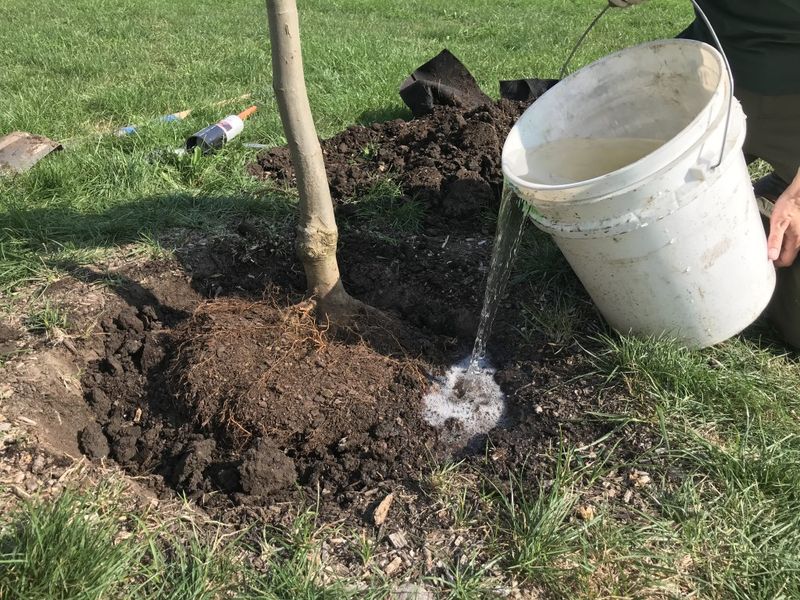
Aim water right over the root ball first, then a little beyond it as roots begin to spread. Over the next year or so, you can widen your watering circle as the tree settles in.
Recovery takes time. A common rule of thumb is about a year of establishment per inch of trunk diameter, though soil and weather can shift that timeline.
4. Dry Soil Can Slow Down Early Root Development
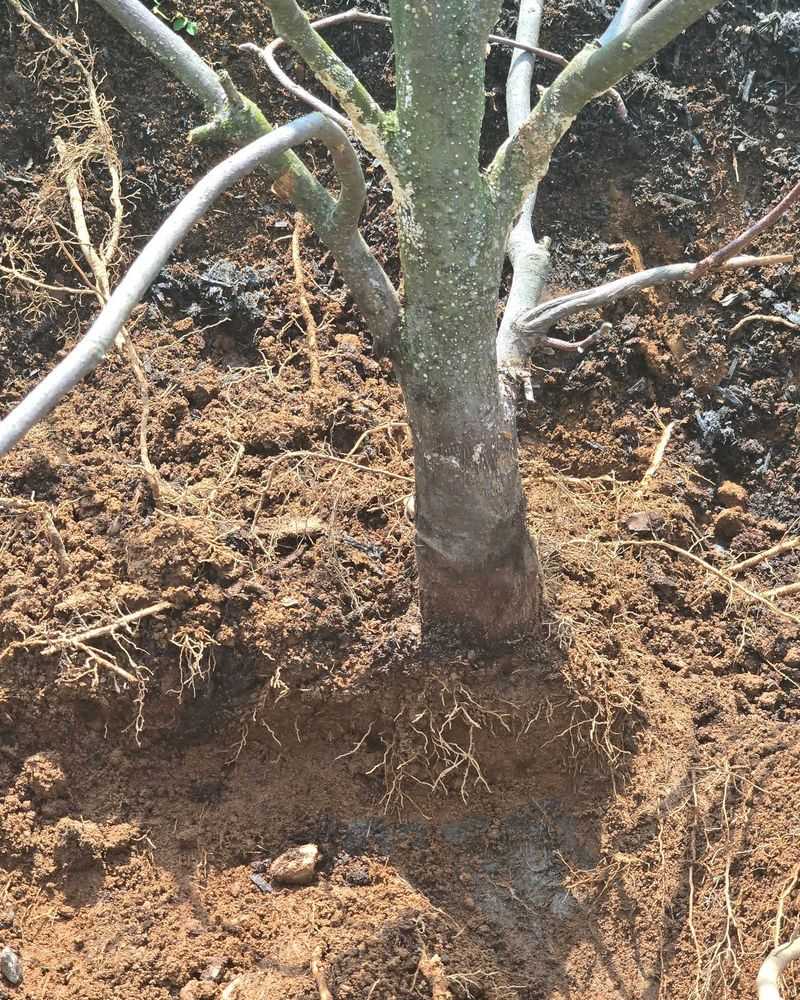
Roots follow moisture. Where the soil is damp, they explore, and where it is dry, they stall.
That simple habit shapes how well a young tree anchors itself during its first fall in the ground.
When soil around a new planting dries out, roots tend to stay inside the original root ball instead of reaching into native soil. Over time, that can leave a tree wobbly and more dependent on you for water.
Circling roots are another worry, especially with container-grown trees that already had crowded roots at planting.
Dry conditions also make soil harder for roots to push through. Georgia clay can bake almost brick-hard after a few rainless weeks, and tender root tips struggle to break through it.
Signs of trouble can be subtle in fall, since leaves are already changing color and dropping on schedule.
Watch for leaves that curl, brown at the edges, or fall much earlier than on similar trees nearby. Slow growth next spring can also point back to a dry autumn, though pests, planting depth, and soil type play roles too.
Prevention is mostly about consistency rather than big soakings now and then, followed by long dry gaps.
Steady moisture, not soggy mud, is the goal. Too much water can crowd out oxygen in clay soil, so let the top couple of inches dry slightly between waterings.
5. A Quick Soil Check Shows When Water Is Needed
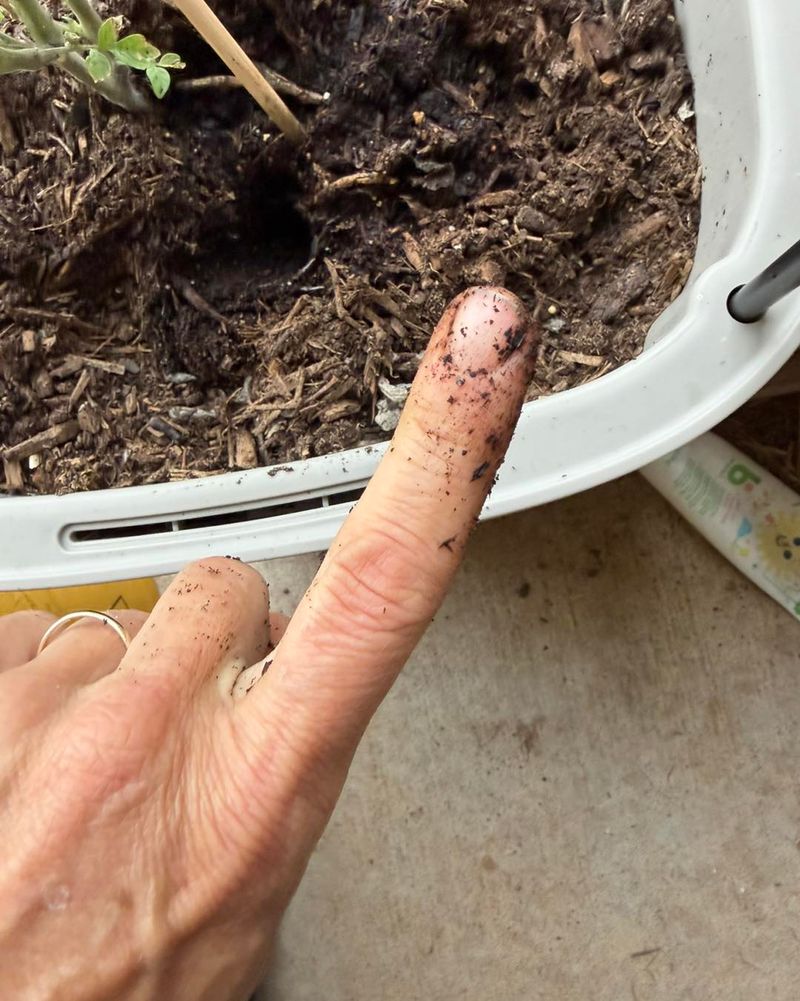
Your finger is the cheapest and most reliable moisture meter you already own.
Push it two to three inches into the soil near the edge of the root ball. If it feels dry at that depth, it is time to water.
Cool and slightly damp soil means you can usually wait a day or two.
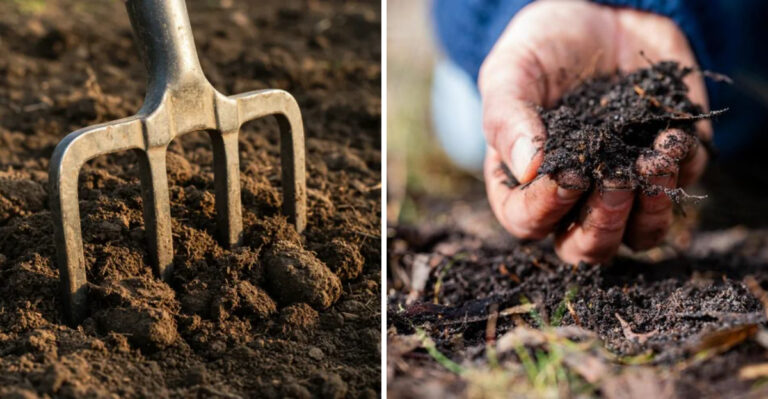
Clay soil needs a little extra care in reading. Squeeze a small handful, and if it forms a sticky ball that holds its shape, there is plenty of moisture.
Crumbly soil that falls apart suggests the tree could use a drink soon.
A long screwdriver works too. Slide it into the ground, and if it goes in easily, the soil is likely moist, but if it fights you, things are getting dry.
Check twice a week during dry spells, and about once a week when fall rains are showing up regularly.
Weather apps help, though they only tell part of the story. Rain that falls hard and fast on sloped yards, common in north Georgia, may run off before soaking in.
Mulch can fool you as well, since the top layer may look dry while soil below stays damp.
Pull the mulch back a bit before you poke around. It takes ten seconds and gives you a much truer picture of what the roots are actually feeling.
6. Slow Deep Watering Reaches The Roots That Need It
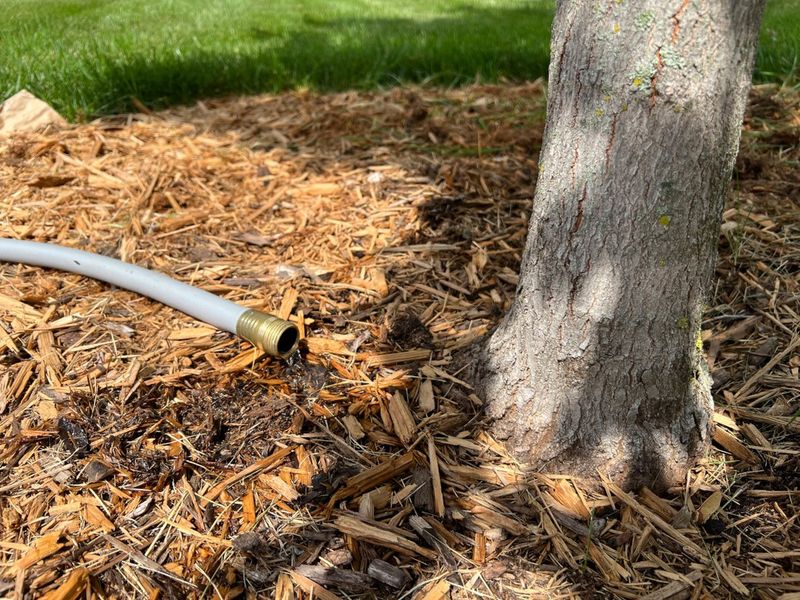
Quick sprinkles feel productive, yet they mostly wet the surface. Roots need water that sinks several inches down, where they are actually growing.
Slow delivery is the secret, since it gives water time to soak in instead of running off.
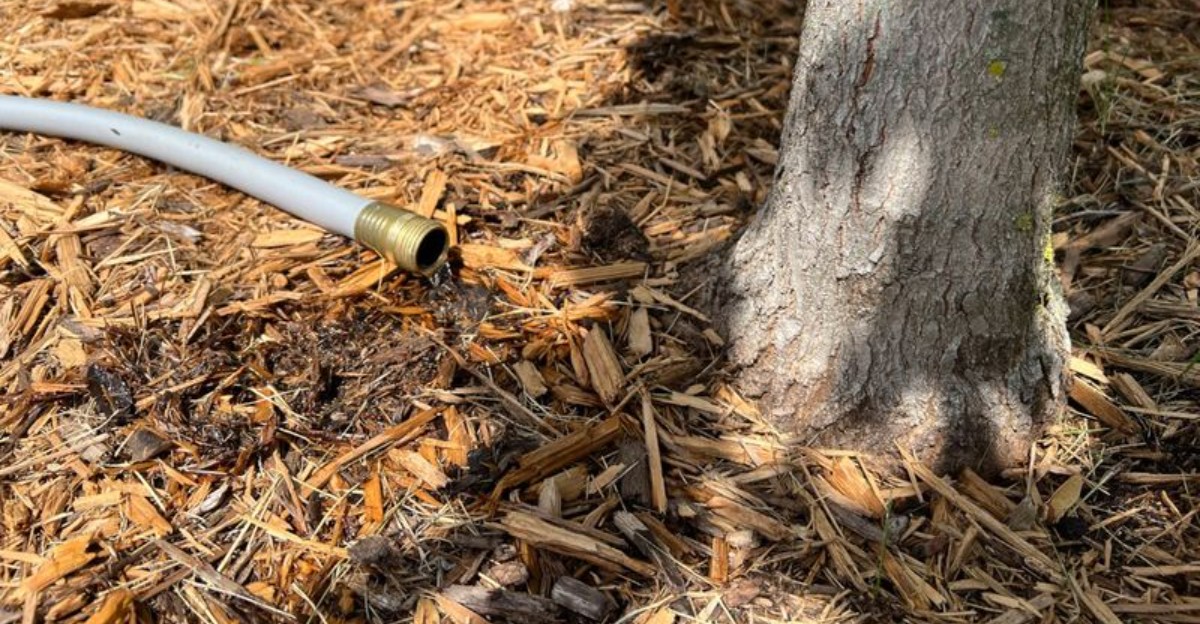
A garden hose on a gentle trickle works well. Lay it near the root ball and let it run for about 15 to 30 minutes, depending on tree size and soil.
Clay-heavy yards in Georgia absorb water slowly, so a trickle is often better than a strong stream.
Soaker hoses and tree watering bags are handy too. Bags release water slowly over several hours, which is helpful if you cannot stand around holding a hose.
How much is enough? A common guideline is roughly 1 to 1.5 gallons per inch of trunk diameter each time you water, adjusted for rainfall and soil.
Morning is a good time, because leaves dry quickly and less water is lost to afternoon sun.
Once or twice a week is typical for new trees in dry fall weather. Sandy coastal plain soils may need more frequent water, while clay usually needs less.
Drip lines on a timer are fine, just check the soil so they are not overdoing it after a storm.
Skip watering when the ground is still soggy from recent rain.
7. Strong Roots Now Give Trees A Better Start In Spring
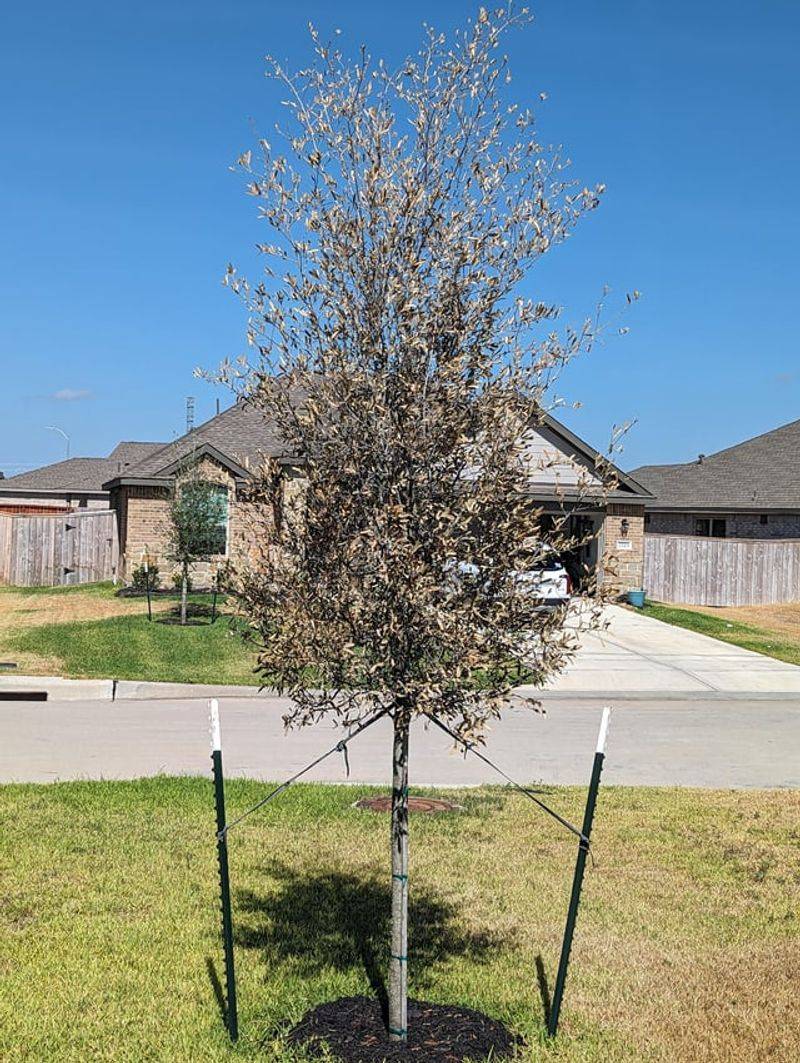
Spring growth starts in the fall, even though you cannot see any of it happening.
Roots built during September, October, and November are ready to go when warm weather returns. A tree with a wider, healthier root system can support new leaves more easily when the season changes.
Georgia springs can warm up quickly, and summer heat often arrives soon after.
Trees that head into that stretch with stronger roots usually handle it better. They can find water in more soil and may need less babysitting during the first hot spell.
No amount of fall care can promise a perfect tree, of course.
Soil quality, planting depth, pests, and weather extremes all play a part. Still, steady fall moisture is one of the simplest things you can control.
Keep watering through fall as long as the ground is not frozen and the weather stays dry.
Winter dry spells matter too, especially for evergreens, which keep losing moisture through their leaves. A deep drink during a mild, dry week in January can help.
Jot down each watering on your calendar so you can spot patterns and adjust next fall.
Think of it like packing a lunch for a long trip. Your tree may not thank you now, but those fresh spring leaves will say plenty.