Does Watering Before A Freeze Really Help Protect North Carolina Garden Plants
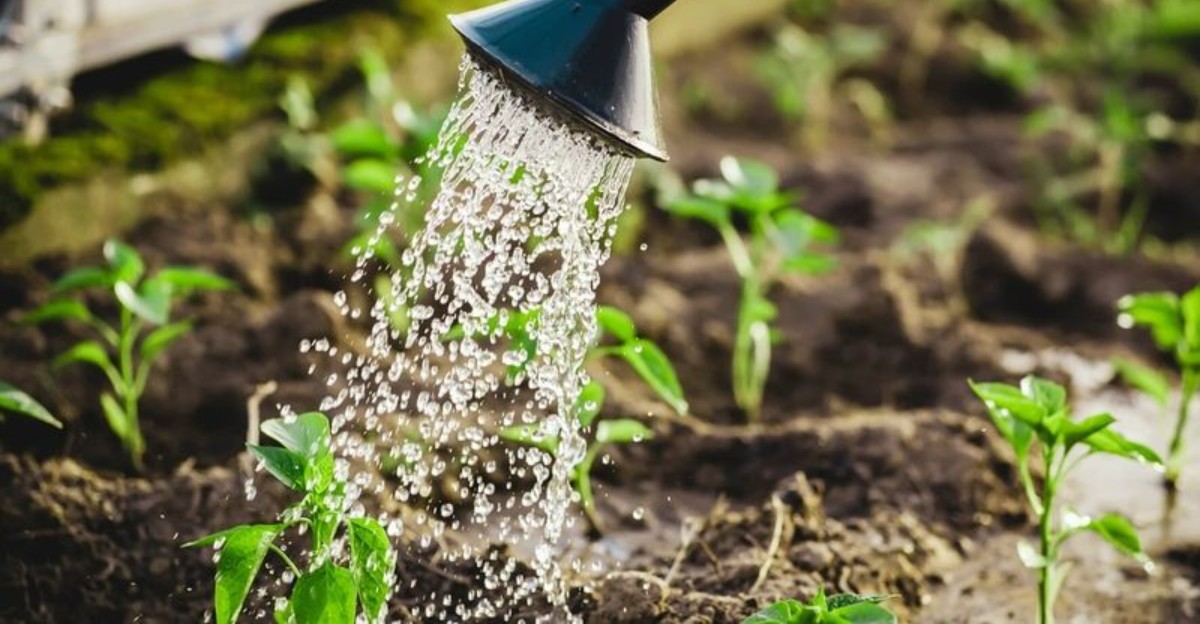
The advice to water plants heavily before a freeze gets repeated every year in North Carolina, but whether it actually works depends heavily on the specific plant and situation involved.
Moist soil does hold heat better than dry soil, releasing that stored warmth slowly overnight in a way that can offer marginal protection against a light frost for plants growing directly in the ground.
This effect matters far less for potted plants or for anything facing a genuine hard freeze, where soil moisture alone isn’t enough to meaningfully change outcomes.
Overwatering right before a freeze can also backfire in certain situations, particularly for plants already prone to root rot in cold, saturated soil.
Understanding when this technique genuinely helps versus when it’s just a well-meaning myth helps North Carolina gardeners decide where their pre-freeze effort is actually worth spending.
1. Yes, But The Protection Is Modest
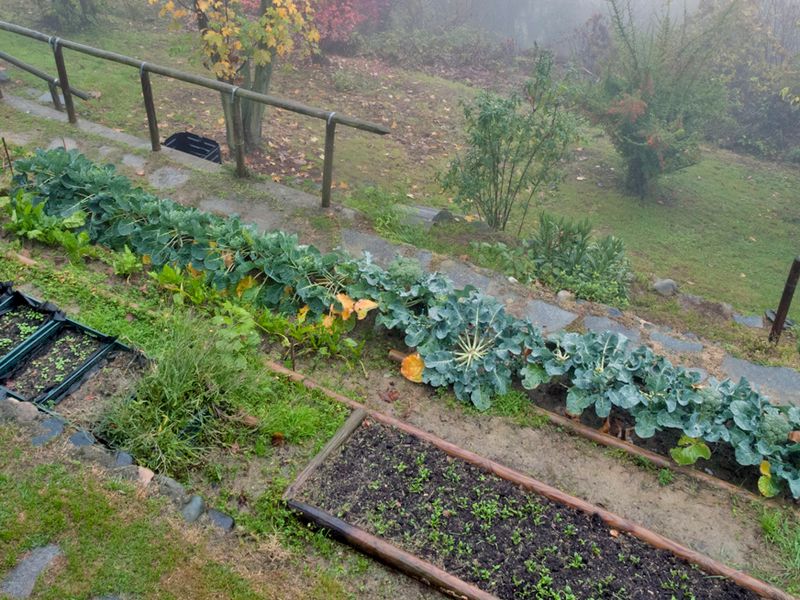
Old-timers in the Carolinas have watered their gardens before cold nights for generations, and they were onto something. Watering really does help. The catch is that the boost it gives is small, so it works best as one tool in a bigger plan.
Here is the simple science. Moist soil holds more heat than dry soil, and it releases that warmth slowly through the night. The air right around low plants can stay a degree or two warmer as a result, which might not sound like much at first.
A degree or two can matter a lot, though. When the temperature dips to 31 or 32 degrees, that tiny bit of extra warmth might keep ice crystals from forming in tender leaves. Plants sitting right on the edge of damage often come through a light freeze looking fine.
Hard freezes are a different story. Once temperatures fall into the low 20s or teens, a watered bed alone cannot shield tomatoes, peppers, basil, or tropical plants. Those nights call for covers, shelter, or moving plants indoors.
North Carolina happens to be a great place for this trick. Much of the state sees plenty of light freezes in fall and early winter, especially in the Piedmont and coastal areas, with mild days in between.
Small steps like watering can carry plants through those borderline nights and let them keep growing when the warm weather returns.
So go ahead and use the hose. Just think of it as a helpful sidekick rather than a superhero cape for your garden.
2. Moist Soil Stores And Releases More Heat
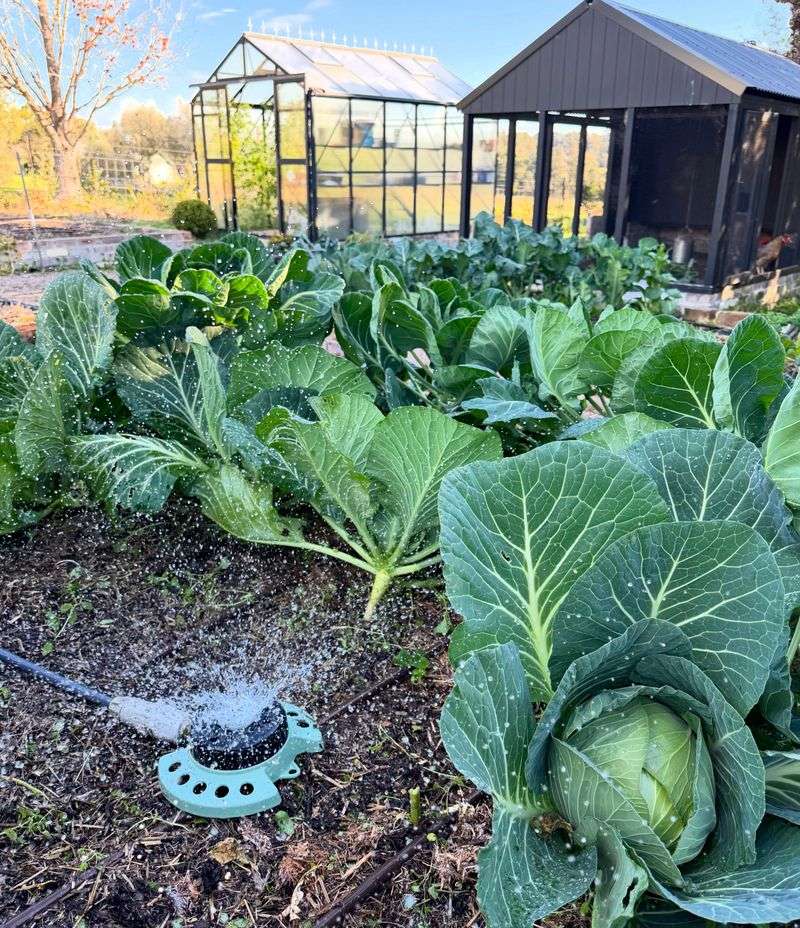
Think of your garden bed as a giant solar battery. During a sunny day, the ground soaks up warmth, and at night it gives that warmth back to the air. How well that battery works depends a lot on how much water it holds.
Water is amazing at holding heat, much better than air. Moist soil absorbs more energy from the sun and passes it up toward the surface easily after dark. Dry soil acts differently because it is full of tiny air pockets.
Those air pockets work like insulation in a house wall. They trap warmth deep below the surface, where your plants cannot use it. The top layer cools off fast, and the leaves above it feel the chill.
Your North Carolina Garden Changes Every Week. Your Plan Should Too.
Gardening in North Carolina changes quickly throughout the season. Every Friday you’ll receive a simple weekly plan showing exactly what to plant, prune, fertilize, harvest, and protect so you never miss the right timing.
Timing your watering helps you get the most from the soil. Water dry beds during the day before a predicted freeze, giving the ground several hours to soak up sunshine. A morning drink on a bright day charges that battery nicely.
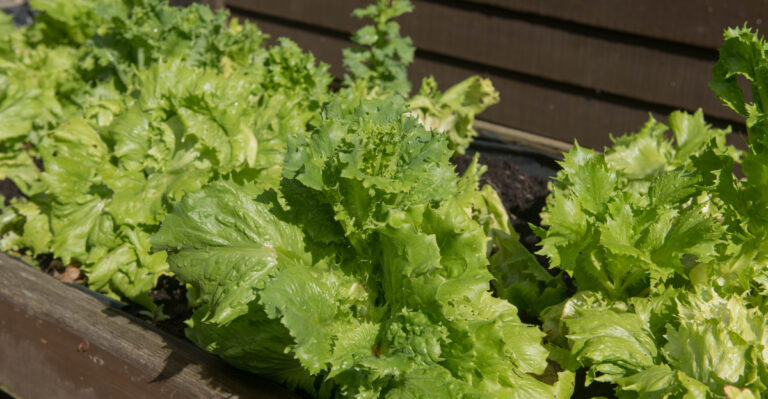
Low-growing plants gain the most from this rising heat. Lettuce, spinach, strawberries, pansies, and young seedlings sit close to the ground, right in the warmest zone. Taller plants like tomato vines reach up into colder air and get less benefit.
North Carolina weather sets up this situation all the time. Fall and winter often bring sunny, pleasant afternoons followed by clear, still nights when temperatures plunge.
With no cloud cover to hold heat in, the soil becomes your best source of warmth, so a well-watered bed gives your low plants a cozier night.
3. Well-Watered Plants Handle Cold Better
Nobody runs a race well when they are thirsty, and plants feel the same way about cold weather. A plant that heads into a freeze with plenty of moisture in its roots and leaves stands a much better chance. A thirsty one starts the night already tired.
Drought stress weakens plants in quiet ways. Their cells hold less water, their leaves may curl, and their roots struggle. Then cold, dry winter air pulls even more moisture out of the foliage, which leads to brown edges and scorched patches.
Evergreens show this clearly. Boxwoods, hollies, and camellias often turn bronze or brown after a cold, windy spell when the soil was dry beforehand. Keeping them hydrated helps their leaves stay green and healthy.
Deep watering beats a quick sprinkle every time. A light spray only wets the top inch, while a slow, long soak reaches the roots where it counts. Aim to moisten the soil six inches down or more for shrubs.
Give extra care to anything planted recently. New shrubs, perennials, and fall annuals like pansies and snapdragons have small root systems that dry out fast. Check them every few days during dry weeks.
Fall in North Carolina is often one of the driest times of the year. Sunny weeks can pass with barely a drop of rain, and then a cold front sweeps in without warning.
Watering through those dry stretches means your plants meet the first freeze strong and ready.
4. Water The Soil, Not The Leaves
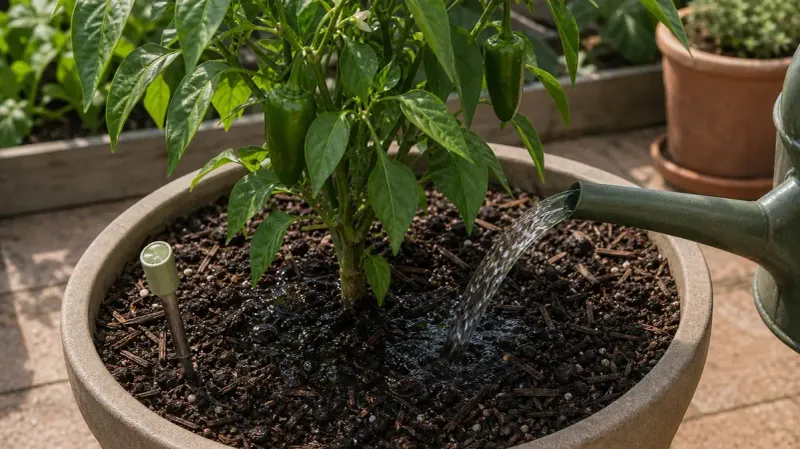
Aim low. That one simple rule makes all the difference when you water before a freeze. The goal is to warm the ground, not to give your plants a shower.
Water sitting on leaves can freeze right on the plant surface. Ice coating a tender leaf can bruise the tissue and leave it mushy the next day. Wet foliage also loses heat faster than dry foliage on a cold night.
Sprinklers bring another hidden risk. Some home gardeners have heard that farmers spray their crops to protect them from frost, so they try it too. The problem shows up when the sprinkler stops.
As ice on the leaves evaporates, it pulls heat away and chills the plant even more.
Commercial strawberry and fruit growers do use continuous sprinkling, but they run water all night long and keep it going until the ice melts in the morning. It takes careful timing and a huge supply of water.
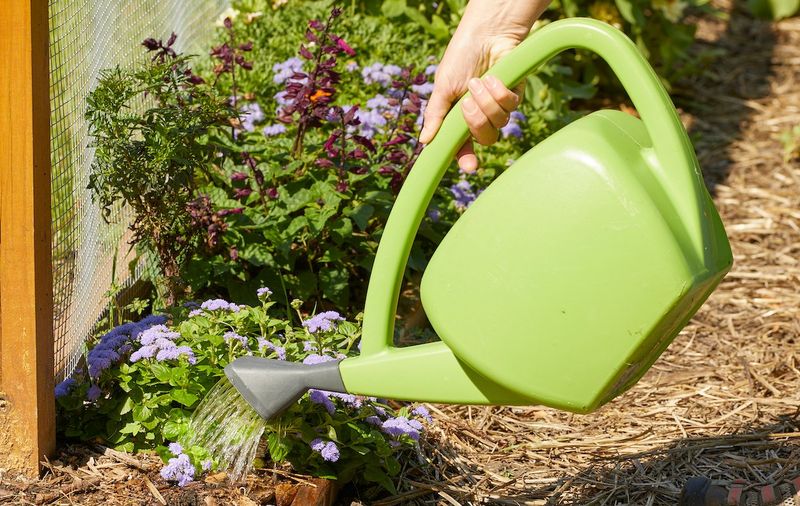
That setup simply is not practical for most backyard gardens. A better approach is easy and cheap. Use a hose on a gentle setting, a watering can, or a drip line placed right at the base of each plant. Let the water sink into the soil, where it quietly stores warmth for later.
North Carolina home gardeners can skip the fancy methods entirely. Water the root zone, keep the leaves dry, and save the sprinkler for summer. Your plants will thank you with fresh, unbruised leaves after the chill passes.
5. Water Earlier In The Day
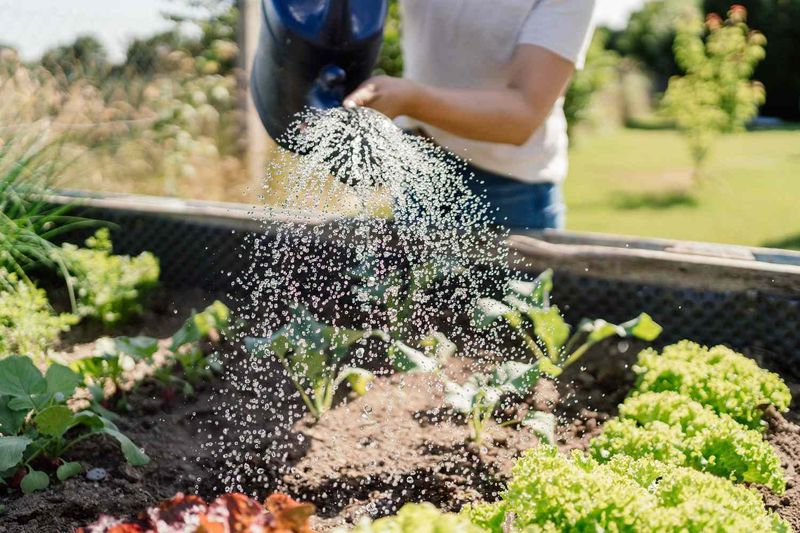
Timing is the secret ingredient many gardeners miss. The same amount of water can help a lot or help very little, depending on when it reaches the soil. Morning and early afternoon are your golden hours.
Watering early gives the ground a chance to soak up sunlight. Damp soil warms nicely under a bright sky, building up a store of heat for the night ahead. The longer it sits in the sun, the more warmth it can hold.
Drying time matters just as much. By late afternoon, leaves and the top layer of soil should be dry, so there is no loose moisture waiting to turn into ice. Wet surfaces at sunset can chill plants instead of protecting them.
Plan to finish by early afternoon on the day before or the day of a freeze. After watering, push a finger or a small trowel a couple of inches into the soil. If it feels cool and damp, you did it right.
Evening watering is the one to avoid. Cold water poured late in the day has no sun to warm it, and it can leave soggy, icy surfaces around your plants overnight.
Keep the hose put away once the sun starts sinking. North Carolina winter nights can cool off shockingly fast.
On clear evenings, the thermometer may fall ten degrees or more within a couple of hours after sunset. Getting your watering done early means your garden is ready before that quick drop begins.
6. Pair Watering With Covers For Real Protection
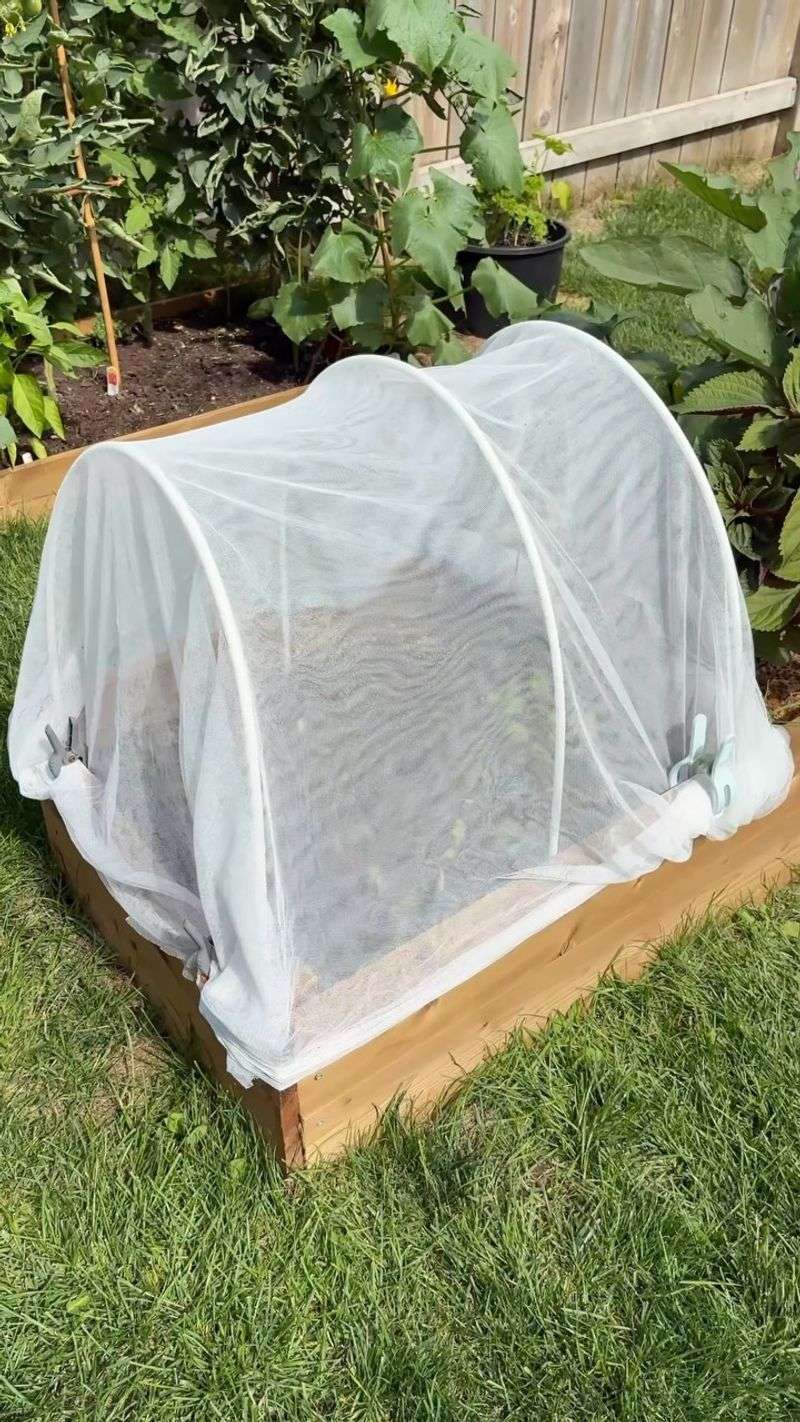
Watering and covering make a fantastic team, like peanut butter and jelly. Each one helps a little on its own, but together they give your plants a real shot at a cozy night. Here is why the pair works so well.
Moist soil releases warmth after dark, but on an open night that heat drifts straight up into the sky. A cover acts like a tent, trapping the rising warmth around your plants. The soil supplies the heat, and the cover holds it in place.
Start by watering the soil during the day. Then, in the evening before temperatures fall, drape frost cloth, old sheets, or light blankets over your plants. Let the fabric reach all the way to the ground, since that is where the warmth comes from.
Keep the covers off the leaves when you can. Stakes, tomato cages, or wire hoops lift the fabric so it does not press cold against the foliage. Weigh down the edges with bricks or rocks so wind cannot sneak underneath.
Plastic needs special care. It can freeze onto leaves that it touches, causing damage, so never let it rest directly on plants. If plastic is all you have, put a layer of fabric underneath.
Uncover plants the next morning once temperatures climb above freezing. Leaving covers on during a sunny day can overheat them.
In North Carolina, covered plants often sail through light and moderate freezes and keep growing during the mild spells that usually follow.
7. Don’t Soak Beds That Are Already Wet
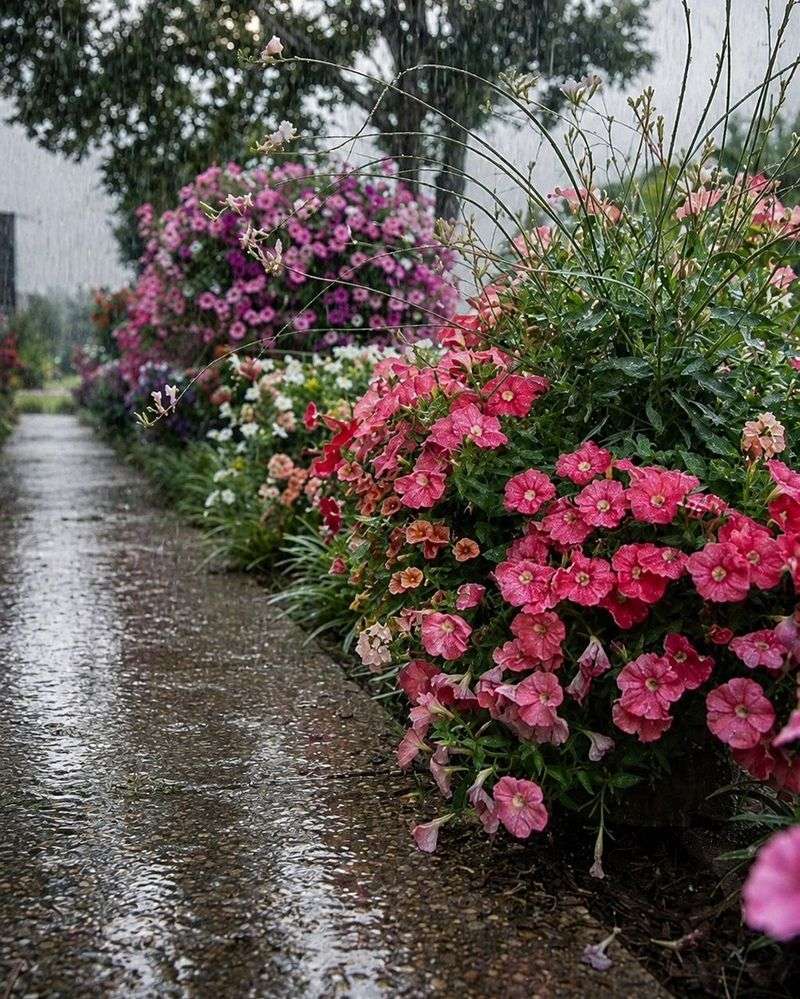
More is not always better. Once the soil already holds plenty of water, extra watering does nothing for frost protection and may even cause harm. Knowing when to skip the hose is a smart gardener’s skill.
Soil that is moist from recent rain already stores lots of heat. It is doing its job, so adding more water will not warm your plants any further. You would simply be filling up a tank that is already full.
Soggy beds bring real trouble. Roots need air as well as water, and waterlogged soil pushes that air out. Plants like lavender, rosemary, and many succulents hate wet feet and can develop root rot when they sit in soggy ground.
Before you water, check the soil first. Push a finger or trowel a couple of inches down. If the soil feels damp or sticks to your finger, leave the hose coiled and move on to covering your plants instead.
Watch the trouble spots in your yard. Low corners where water collects and areas with heavy soil drain slowly, so they stay wet longer than you might expect.
These places rarely need extra water in winter. North Carolina’s Piedmont region is famous for its thick red clay.
After a winter rain, that clay can stay wet for days, and poorly drained low areas may hold puddles even longer. A quick soil check saves water, protects roots, and keeps your garden healthy all season.
8. Give Containers Extra Attention
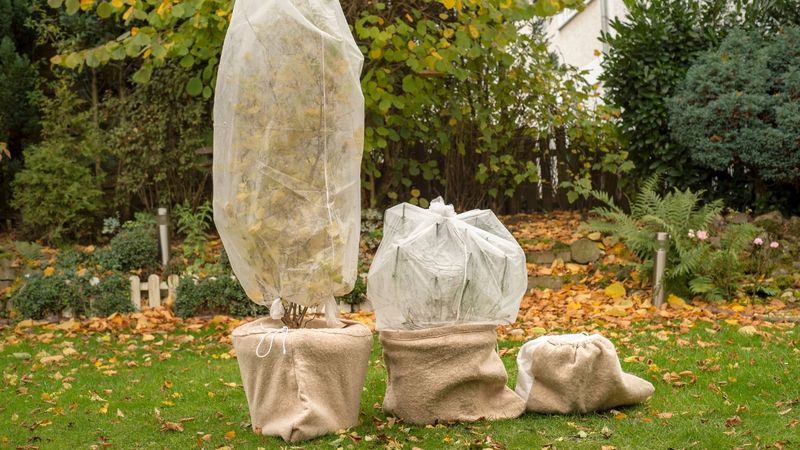
Potted plants live a little more dangerously than their friends in the ground. Garden soil wraps roots in a thick, protective blanket of earth. A pot, on the other hand, leaves roots surrounded by cold air on every side.
Roots are usually more sensitive to cold than stems and leaves. When chilly air hits the sides of a container, the soil inside can freeze much faster than a garden bed. Small pots cool off the quickest of all.
Drying out adds to the problem. Containers lose moisture quickly, even in cool weather, and dry potting soil holds very little heat. Thirsty roots in a small pot are easy targets for freeze damage.
Start by watering dry containers during the day before a freeze. Next, group your pots together against the house or a sheltered wall, where they can share warmth and stay out of the wind. The south side of a home often holds the most heat.
On the coldest nights, move tender plants into a garage, shed, or porch. Even an unheated garage stays several degrees warmer than the open yard. Pots too heavy to move can be wrapped in burlap, bubble wrap, or old blankets.
Many North Carolina gardeners love growing rosemary, basil, geraniums, hibiscus, and tropical plants in containers.
These pots often stay outside well into late fall because the weather can be so pleasant. A little extra care during cold snaps helps them stay vibrant and ready for another beautiful season.