Alabama Birds Are Ignoring Feeders This Week For This Simple Backyard Feature
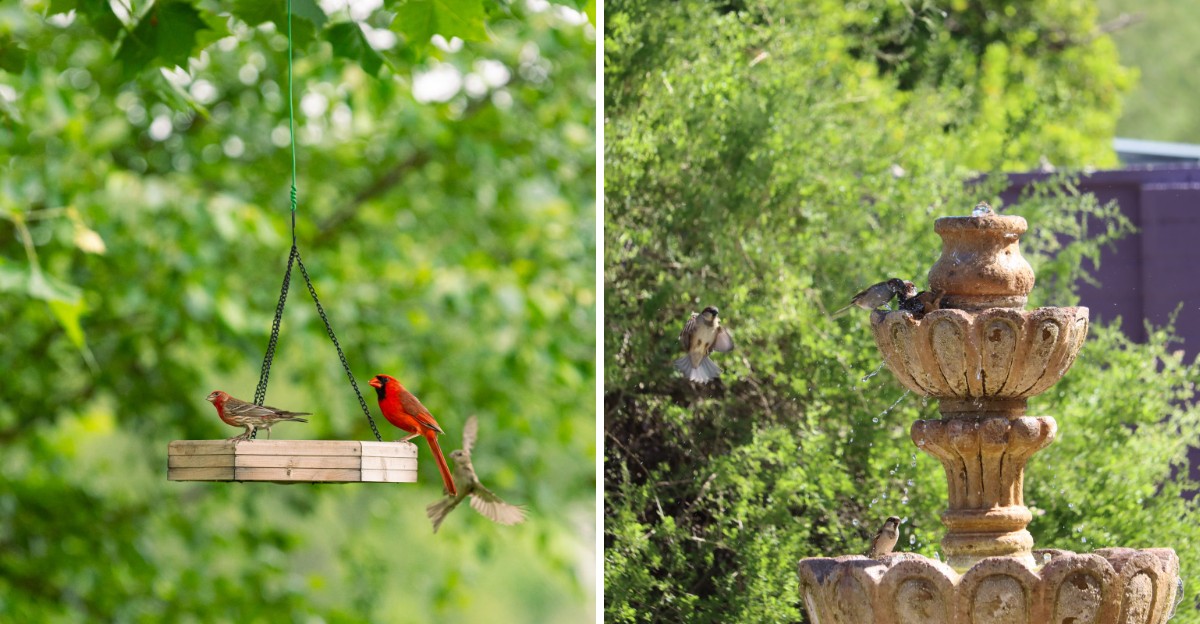
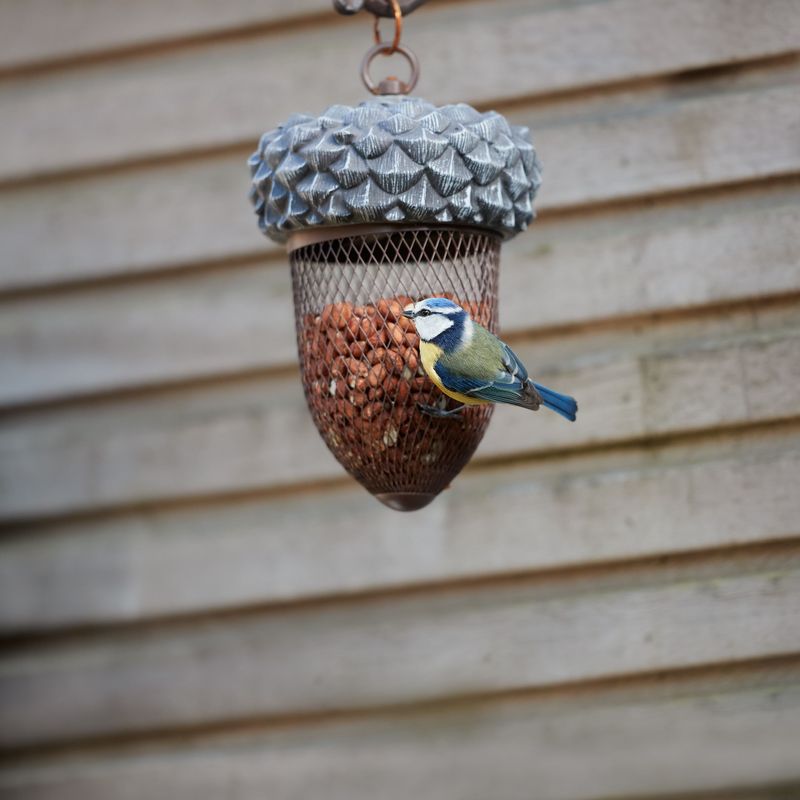
You paid for premium seed, and the cardinals walked out anyway. Now they act like you questioned their taste.
Over the fence, your neighbor’s bluebirds crowd in like they hold reservations. Bluebirds prefer insects and berries, so your feeder sits off their radar.
Cardinals shift too, chasing beetles and wild fruit as late summer lingers. In Alabama, September heat sends thirsty birds searching hard for moisture. Seed offers little. Your neighbor figured that out, maybe by luck.
Their fix costs pennies and takes mere minutes to set up. Plenty of Southern backyards already hold it, unnoticed.
Once you see it, those empty perches stop feeling personal. Alabama birds follow comfort and convenience, not brand names on a seed bag.
Make a quick adjustment, and the traffic swings your way. Borrow your neighbor’s secret before the cardinals start bragging about it.
Fresh Shallow Water Beats Seed In Late Summer Heat
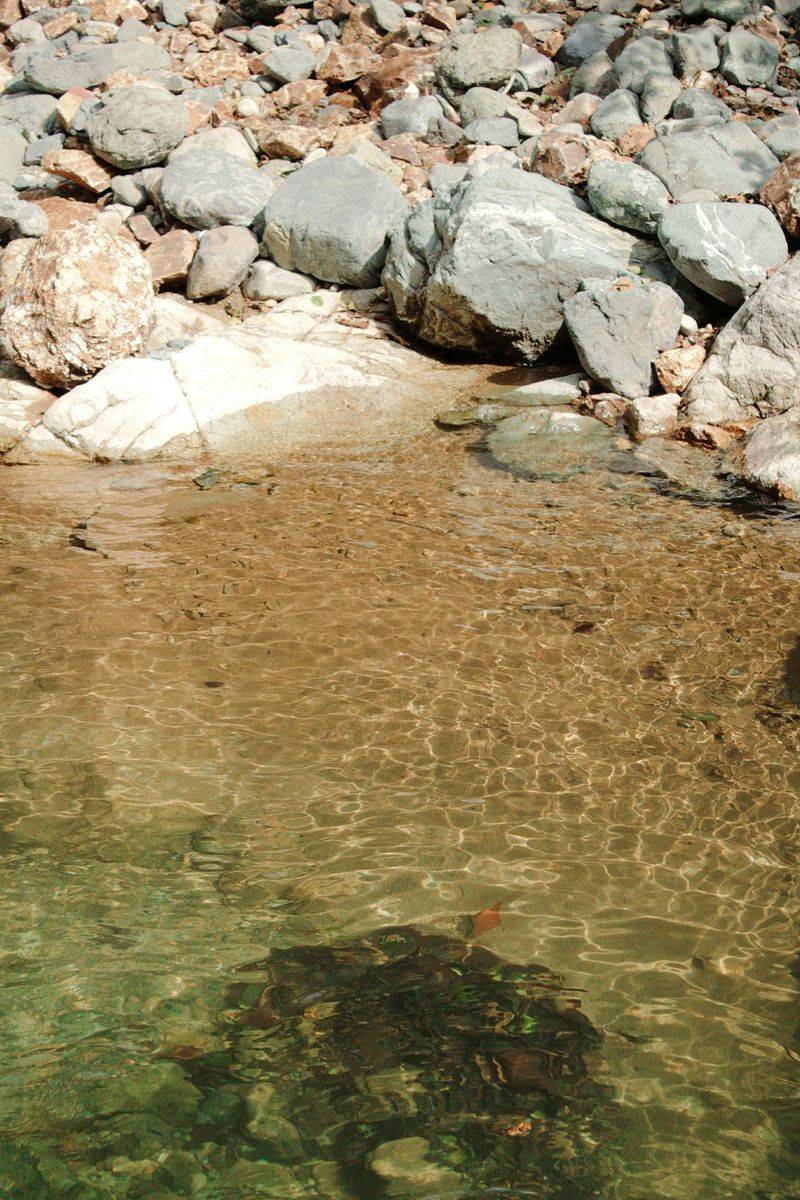
Picture a mockingbird on a hot afternoon, beak open, panting like a dog after a long walk. Seed won’t fix that feeling, but a cool sip of fresh water will.
In late summer, many Alabama backyard birds spend more time at shallow water than at feeders. Birdbaths, puddles, and even plant saucers can rival sunflower seeds for backyard attention.
Seed is easy to find in September because plants are loaded with berries and seed heads. Clean water is much harder to locate when rain slows down and creeks shrink.
Birds rely on water for two jobs on hot days, drinking and bathing. Both matter just as much as food, especially during warm, sticky Alabama weeks.
Bathing keeps feathers clean, flexible, and ready for flight. Healthy feathers also help birds stay cool in heat and warm when fall nights arrive.
A simple bath can attract birds that seldom visit feeders at all. Robins, warblers, and thrashers mostly eat insects and fruit, yet they love a good splash.
You do not need a fancy setup to join the fun. A shallow dish on the ground or a basic pedestal bath works well.
Keep the water about one to two inches deep, since songbirds prefer to wade. Deep water can feel risky to small birds that cannot swim.
Give it a week, and your yard may sound noticeably livelier than it has all summer. Your feeder can wait, because thirsty guests come first.
The Dry September Heat Behind The Shift
Weather folks often call September a transition month, but Alabama did not get that memo. Afternoon highs can still reach the low 90s across much of the state.
Early fall is also one of the drier stretches of the year in many parts of Alabama. Dry years can bring rainless weeks, leaving ditches, puddles, and streams low.
For birds, that means the easy drinking spots from summer start disappearing. A robin that sipped from a puddle in July may find cracked mud today.
Heat adds another layer of trouble. Birds do not sweat, so they cool off by panting and holding their wings away from their bodies.
Your Alabama Garden Changes Every Week. Your Plan Should Too.
Gardening in Alabama changes quickly throughout the season. Every Friday you’ll receive a simple weekly plan showing exactly what to plant, prune, fertilize, harvest, and protect so you never miss the right timing.
Panting uses up moisture quickly, which makes birds thirsty more often. A reliable water source often becomes more appealing than a feeder of millet.
Migration adds even more pressure this month. Hummingbirds, warblers, and other travelers pass through Alabama on their way to warmer winter homes.
These tired visitors need to refuel and rehydrate before the next long flight. A backyard bath works like a roadside rest stop with free refreshments.
Seeds are plentiful in fall, with goldenrod, sunflowers, and grasses all loaded up. Water is often the missing piece, and birds may fly farther for it.
Once you understand the weather, the empty feeder feels less like a snub. Your birds are simply chasing what the season is short on.
Keep an eye on the forecast, since dry spells often mean the biggest crowds. A quick refill before a hot weekend can pay off with plenty of visitors.
Peak Hours For A Busy Backyard Bath
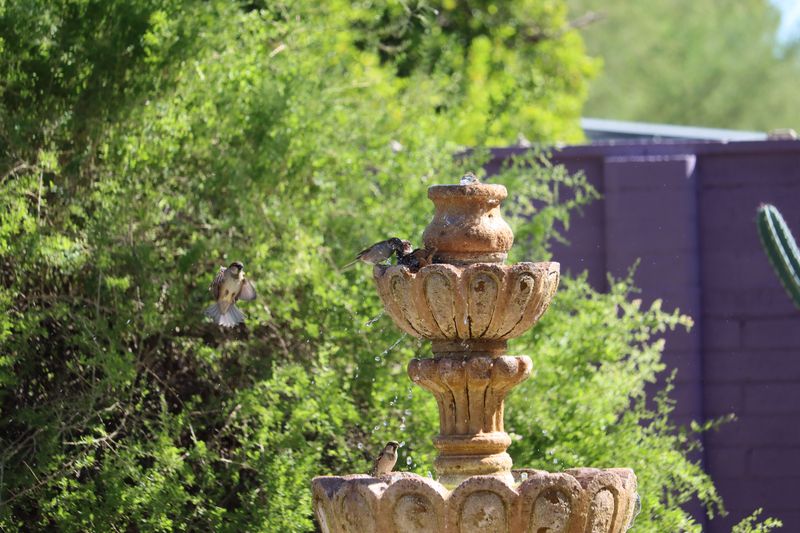
Think of your birdbath as a tiny diner with a morning rush and an afternoon crowd. Knowing the busy hours helps you enjoy the show and keep things fresh.
The first wave usually arrives just after sunrise. Birds wake up thirsty after a long night, and the cool morning air makes bathing comfortable.
Cardinals, chickadees, and titmice often show up early for a quick drink. Some will hop right in and splash like kids at a pool opening.
Midday tends to slow down when the sun is strongest. Birds rest in shady trees and save their energy during the hottest hours.
Late afternoon often brings a second rush as the heat finally begins to ease. Birds want clean feathers and a full drink before settling in for the night.
A smart move is refilling your bath with cool water early each morning. Fresh water before the first rush means happier guests and fewer bugs.
If you can, give it a quick top-off in the afternoon too. September heat can shrink a shallow bath faster than you might expect.
Grab a cup of coffee and watch from a window around sunrise. You may spot shy birds that disappear the moment you step outside.
Keep a notebook nearby and jot down who visits and when. After a week or two, you will know your regulars like old friends.
Some families even turn it into a friendly contest to spot new species. The winner gets bragging rights and maybe the last slice of pie.
Common Birdbath Mistakes That Scare Visitors Away
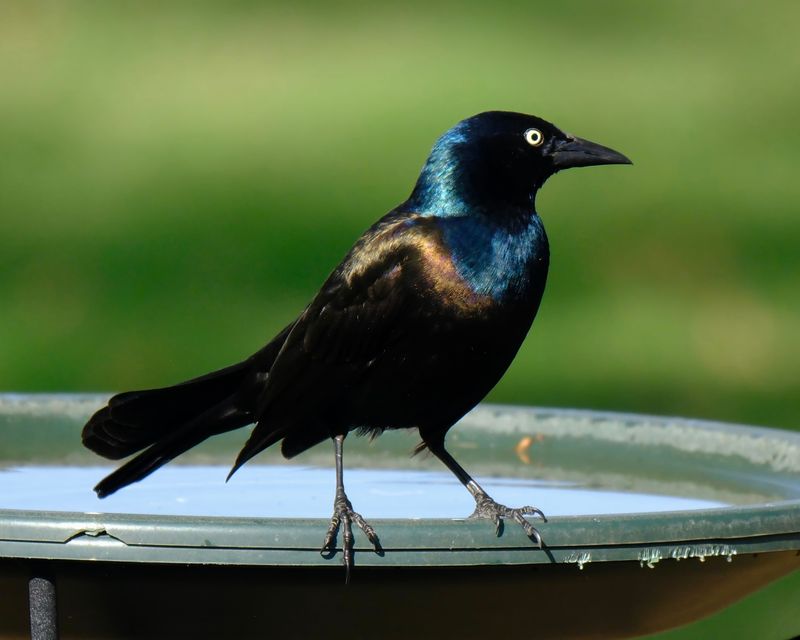
Plenty of people set out a birdbath, wait a week, and wonder why nobody showed up. Usually the bath itself is fine, but a few small mistakes keep birds away.
Deep water is the top issue. A bowl that is four inches deep looks like a swimming pool to a tiny wren.
Slippery surfaces cause trouble too. Glazed ceramic and smooth plastic can make birds feel unsteady, so they skip the bath and fly off.
Placement matters more than you might expect. A bath right in the open leaves birds exposed to hawks with no quick place to hide.
On the flip side, a bath tucked beside thick bushes can be risky. Neighborhood cats love hiding there and waiting for a wet, distracted bird.
Dirty water is another common turnoff. Green slime, floating leaves, and bird droppings make the water unsafe and unappealing.
Hot water also turns birds away during Alabama’s warm fall days. A metal or dark bath in full afternoon sun can get uncomfortably warm very quickly.
Mosquito larvae are a sneaky problem in still water. Wiggling specks mean the water has sat too long and needs a fresh start.
Finally, avoid adding soap, bleach residue, or chemicals meant for pools. Even small amounts can damage feathers and make birds feel sick.
Fixing these mistakes costs little more than a few minutes. Your birds will notice the difference long before your neighbors do.
Think of it like hosting guests at home, where comfort and cleanliness really pay off. Birds are picky visitors, but they reward good hosts generously.
A Simple Setup Birds Learn To Trust
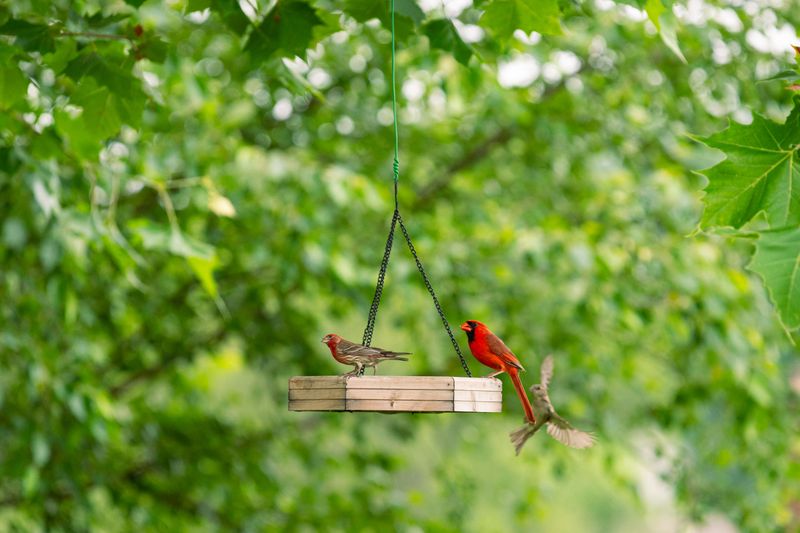
An unglazed clay saucer might be the best birdbath you ever own. Birds care far more about depth and safety than about price tags.
Start with a wide, shallow basin that slopes gently from the edges. Aim for about an inch of water near the rim and two inches in the middle.
Rough surfaces give birds a steady grip. Concrete, stone, or unglazed clay work well, and you can add flat rocks for extra footing.
Location comes next, and it makes a huge difference. Place the bath about ten to fifteen feet from shrubs or small trees.
That distance lets birds escape to cover quickly without giving cats an easy hiding spot. Partial shade keeps the water cooler during warm September afternoons.
Moving water works like a dinner bell for birds. A small solar fountain or dripper creates sparkles and sounds that birds notice from far away.
Ground baths are worth trying as well. Thrushes, doves, and towhees often prefer drinking near the ground, just like they would at a puddle.
Set ground baths where views are clear, ten feet from shrubs. Birds want to spot any predators before they settle in to drink.
Height matters less than stability, so make sure your bath does not wobble. A tippy dish can spook birds after just one bad landing.
Give newcomers a few days to discover your setup. Once one brave bird starts splashing, the rest of the neighborhood tends to follow.
Before long, your humble plant saucer may host a steady stream of feathered guests. Nobody needs to know it cost almost nothing.
Clean Water Habits For A Healthy Fall Flock
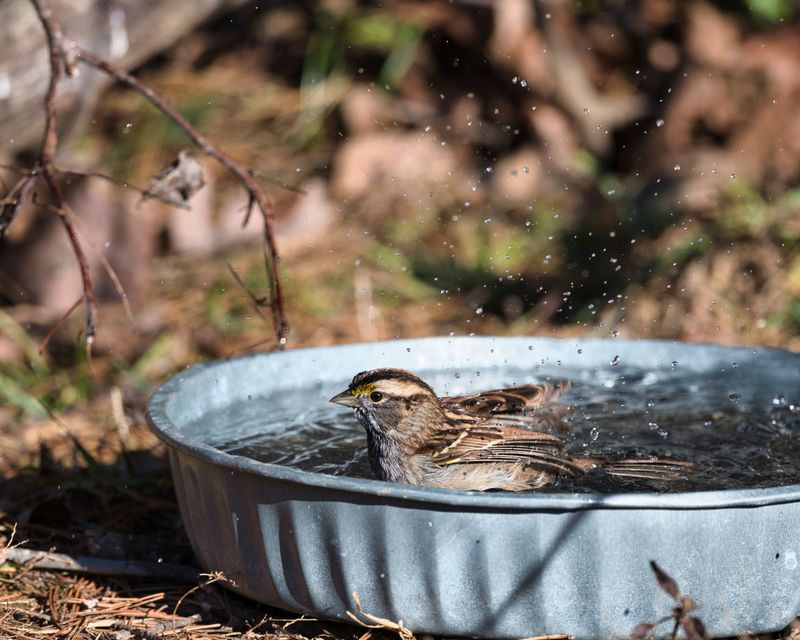
A birdbath is a bit like a shared water fountain at school. Everyone uses it, so keeping it clean protects the whole crowd.
In warm weather, dump and refill the water every day or two. Fresh water stops algae from growing and keeps mosquitoes from laying eggs.
Once a week, give the basin a good scrub with a stiff brush. A mix of nine parts water to one part vinegar handles most grime.
Rinse the bath well before refilling it with fresh water. Birds have sensitive systems, and leftover cleaner is not something they should sip.
Crowded baths can spread germs between birds, especially when many visitors share one small bowl. Adding a second bath in another spot helps spread out the traffic.
Fallen leaves will start piling up as October gets closer. Scoop them out quickly, since decaying leaves turn water cloudy and stale.
Keeping up the habit through fall pays off in winter. Birds that learn your yard has reliable water will keep coming back when temperatures drop.
Alabama does see occasional freezing nights in winter. A heated birdbath or a quick morning refill can keep your flock supplied through cold snaps.
The rewards are easy to see and hear. Expect bright feathers, cheerful chatter, and a backyard that feels more alive with every passing week.
Your feeder will get its turn again when cooler weather sends birds looking for extra calories. For now, a clean bath is the hottest spot in town.