Can You Be Fined For Moving Backyard Fruit In California Right Now?
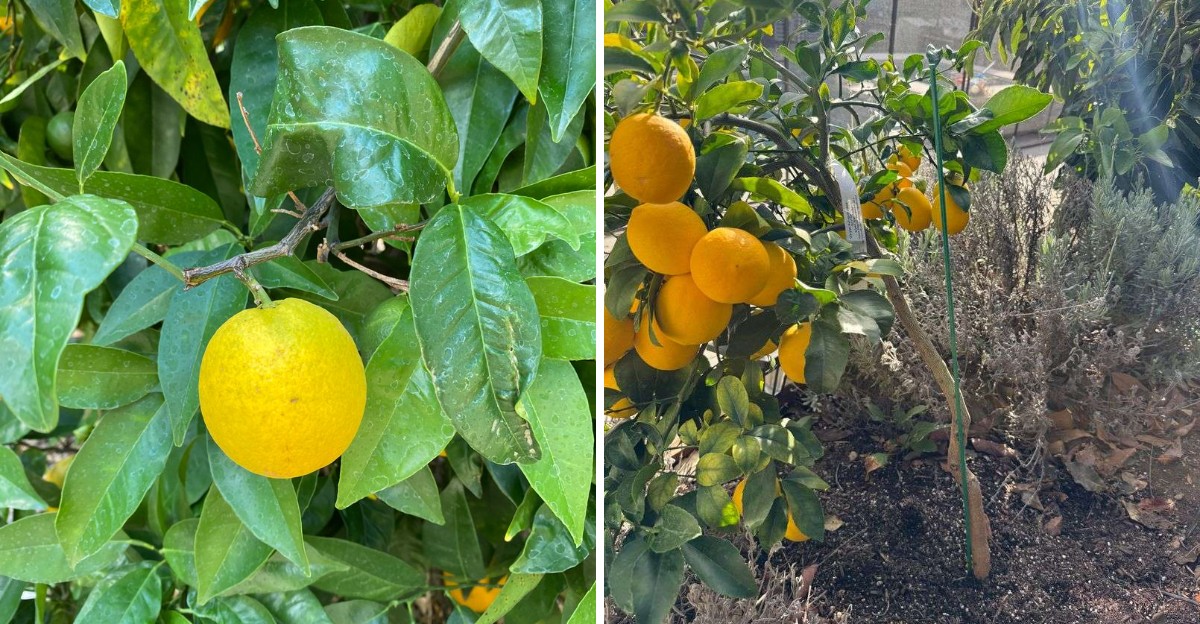
Few gifts feel friendlier than a bag of homegrown lemons. You pick them fresh. You hand them over with a smile.
Except, in a few corners of California, that simple act of kindness can come with a surprising catch.
Somewhere between your fruit tree and the house down the street, an invisible line might exist. Most people rarely notice it. Yet it can matter a great deal, both for local farms and for your wallet.
So could a few shared oranges really land you in hot water?
The answer is not a simple yes or no. It depends on where you live, what grows in your yard, and even the time of year. A rule that applies on one street may not apply a few miles away.
The good news is that a clear answer usually takes just a few minutes to find.
Curious how it all works before your next fruit giveaway? Keep that bag on the counter for now. A little homework could save you a big headache.
Active Quarantines Do Carry Real Penalties
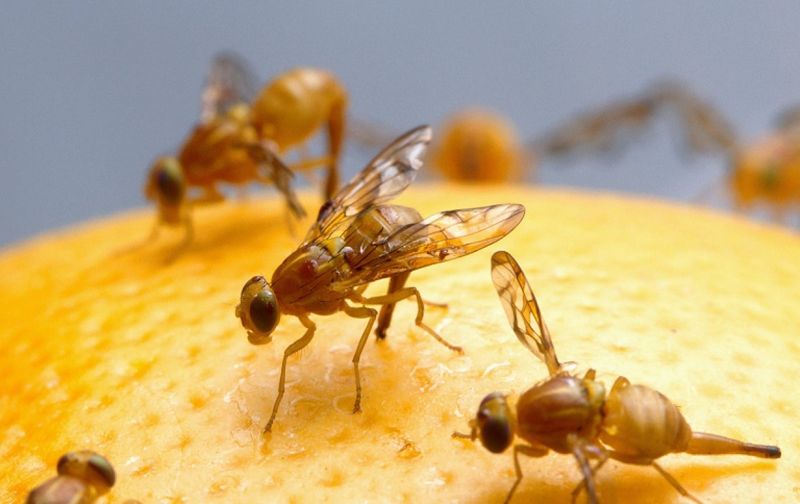
Nobody expects a bag of backyard oranges to become a legal matter. In California, though, an active agricultural quarantine is not a friendly tip.
It is an official rule backed by state law and enforced by the California Department of Food and Agriculture, often called CDFA.
The basic worry behind the question holds up. Residents inside an active quarantine zone may face penalties when restricted fruit or plant material leaves the area.
Fines or other actions depend on the situation, the pest involved, and how the rule was broken.
The stakes explain the strict approach. California grows a huge share of the fruit and vegetables eaten across the country.
A single invasive pest, like certain fruit flies, can spread quickly and damage entire harvests. That costs farmers and shoppers a lot of money.
Quarantines aim to stop that spread early. State and county workers team up to trap insects, inspect properties, and limit what can leave an affected area.
Residents who ignore those limits, even with good intentions, can accidentally carry hidden eggs or larvae to a brand-new place.
Now for the simple habit that keeps you safe. Treat any quarantine you hear about as a real rule that may apply to you.
Before fruit leaves your property, confirm your status. The CDFA quarantine map or a quick call to the county Agricultural Commissioner’s office can clear things up.
Those oranges will still be juicy after a five-minute check. Your wallet, meanwhile, stays happily full.
Rules Depend Entirely On Your Specific Location
Two neighbors a few miles apart can get totally different answers to the same question. One might hand out plums all afternoon with no issue.
The other might live inside a zone with strict limits. That is how California’s pest rules work.
Quarantines are rarely statewide blankets over every backyard. Instead, officials draw specific boundaries around places where a pest has been found.
Those boundaries can cover part of a city, part of a county, or sometimes a larger region. The pest and its likely travel range decide the size.
Your California Garden Changes Every Week. Your Plan Should Too.
Gardening in California changes quickly throughout the season. Every Friday you’ll receive a simple weekly plan showing exactly what to plant, prune, fertilize, harvest, and protect so you never miss the right timing.
Because of this, no single yes or no answer fits every Californian. Someone in one county might face no restrictions at all right now.
A person elsewhere might live under fruit fly rules. Another might deal with a quarantine tied to a citrus pest, such as the Asian citrus psyllid.
Different pests also bring different rules. What one quarantine allows, another may forbid.
A rule meant for a different area can easily mislead you.
Now for a comparison that makes this click. This works like a weather alert. A storm warning for one valley does not mean every town gets rain.
The smart move is to check details for your own address. Skip what a friend, a social media post, or an old article says about somewhere else.
Your street has its own rules, and your fruit deserves the correct forecast. Nobody wants to bring an umbrella to the wrong storm.
Some Zones Allow Clean Fruit To Leave
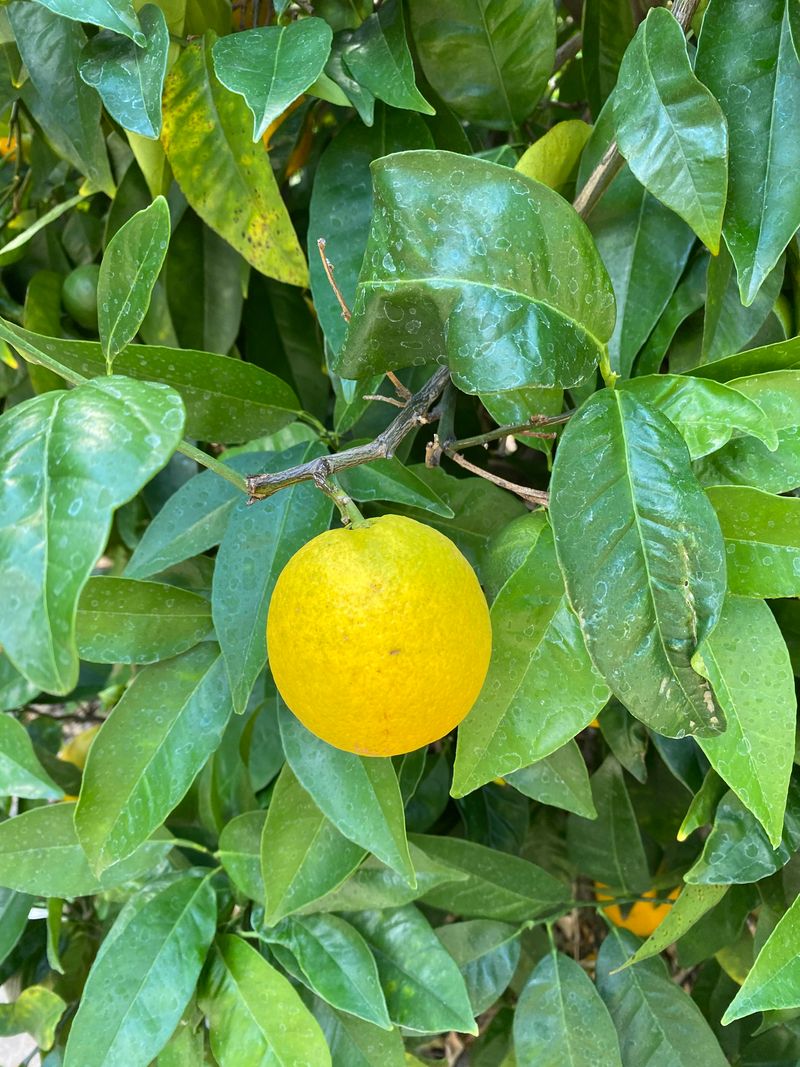
Plenty of backyard growers get surprised by this detail. Under certain past quarantines, especially some tied to citrus pests, not every piece of fruit had to stay put.
Instead, the rules drew a line between clean fruit and everything attached to it.
In some documented cases, homeowners could move fruit out of a zone once it was washed and free of stems and leaves.
Some rules also set limits on how much fruit could travel. Meanwhile, leaves, branches, and whole plants had to stay inside the boundary.
Treat that as an example of a pattern, not a rule to count on today. Every quarantine is written for a specific pest.
Rules for fruit flies, for instance, have often been much stricter than rules for leaf-feeding insects. Fruit flies can lay eggs right inside the fruit itself.
Stems and leaves matter for a clear reason. Some pests live and feed on leafy parts rather than on the fruit.
Removal of those parts lowers the odds that insects tag along.
Now for a friendly word of caution, because well-meant advice can steer you wrong. A friend may say a quick wash is all your lemons need.
That tip may have been correct for one place during one quarantine. It may be wrong for your neighborhood right now.
Confirm current rules, including any weight limits, through CDFA or the county Agricultural Commissioner before you pack that bag.
Your lemons can wait. They are patient like that.
Plant Material Faces Stricter Restrictions
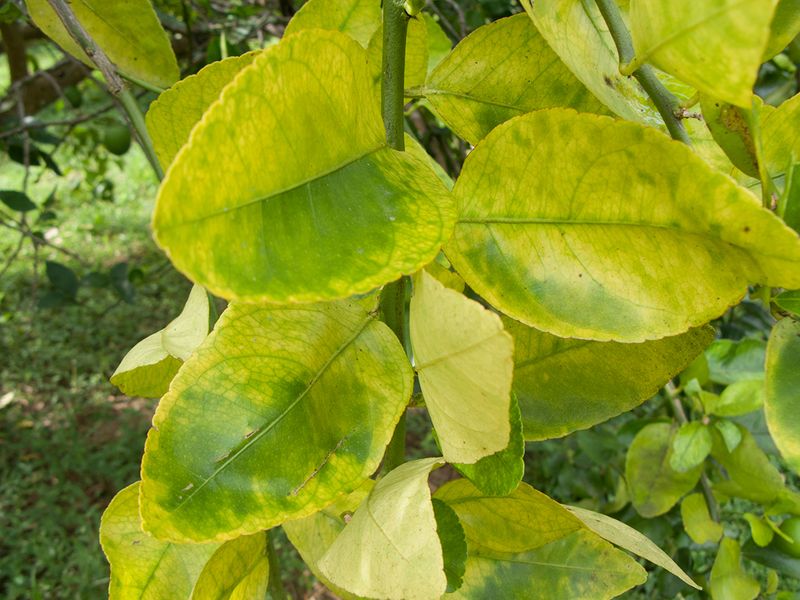
Grandma’s prized lime cutting might be the riskiest gift in the whole garden. It sounds odd, but many quarantines treat plant material with more concern than the fruit itself.
Plant material usually means leaves, stems, branches, cuttings, and whole potted plants. Many pests hide in these parts.
Some insects lay eggs on young leaves. Others carry plant diseases from tree to tree as they feed.
A tiny bug on a single leaf can travel much farther than anyone expects.
As a general pattern, quarantines often limit plant material more heavily than clean fruit.
A moved citrus tree, a handful of cuttings, or leafy green waste tossed into a neighbor’s yard can fall under tighter rules.
Some quarantines also cover how yard waste gets tossed, so the pest cannot escape through a trash or compost pile.
Now for an example that catches plenty of home cooks off guard. Curry leaves come from a plant related to citrus.
Some citrus pests can live on them. Cooks who share leaves from their backyard may not realize a quarantine could apply.
A few simple habits help. Hold off on cuttings or plant gifts until you know your status. Bag green waste the way local rules direct.
Buy new citrus plants from licensed nurseries that follow state requirements.
Exact rules differ by pest and place, so check current state guidance for your address. Your garden gifts can still happen. They just need a quick passport check first.
Quarantine Boundaries Change Throughout The Year
Last spring’s quarantine might be gone by fall. A brand-new one might also appear on your block almost overnight.
California’s pest boundaries shift often, and that makes old information a sneaky trap.
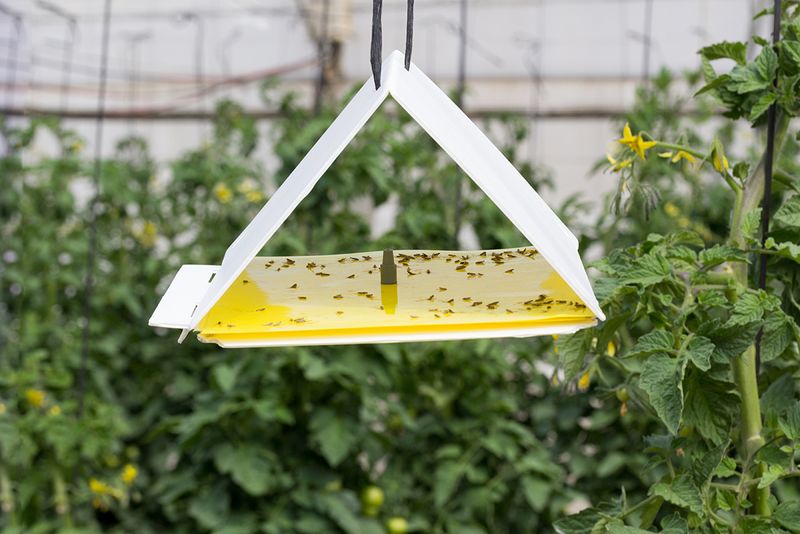
Workers place insect traps in trees across many communities. Once a target pest turns up, officials may set a quarantine around that spot.
Crews then work to eliminate the pest with treatments, fruit removal, or sterile insect releases.
Traps stay in place for a set period afterward. A pest-free stretch may lead CDFA to lift the quarantine.
Past Mediterranean fruit fly quarantines, for example, have come and gone once eradication work succeeded.
Others, such as some tied to the Asian citrus psyllid, have stayed active in various counties for a long time.
Now for a little backyard secret, and you may have walked past one today. Many of these traps are small, brightly colored cards or little plastic containers that hang quietly in trees.
Plenty of homeowners rarely notice them, even though they help protect local crops.
A news story from months ago may not describe your area today. A zone might have grown, shrunk, or disappeared.
Even this article cannot tell you your current status, since conditions change faster than any blog post can keep up.
Check the latest official information before fruit leaves home, especially after a long gap since your last look.
Those little traps may look like tree jewelry. In reality, they are tiny security guards on duty around the clock.
Check CDFAs Map Before You Assume Anything
Good news: the answer usually takes just a few minutes to find. No guesswork needed, and no rumors from a neighborhood group chat either.
CDFA offers an interactive quarantine map on its official website. Type in your address, and the map shows any active quarantine area that covers your property.
The map and related pages typically explain which pest is involved. They also list what kinds of fruit or plant material may face restrictions.
A real person can help too. Every California county has an Agricultural Commissioner’s office.
Staff there handle local pest programs and explain rules in plain terms. They can also answer tricky questions, like which fruits count or how to toss green waste properly.
Now for a few quick habits that make the check even smoother: Check your own address, not just your city name. Look at both where the fruit is now and where it is headed. Jot down which pest and rules apply, so you remember later.
A fresh check before each trip or gift is smart. A clear answer from last month could be outdated today.
Confusing details on the map deserve a phone call to the county office. That beats a guess.
This article cannot confirm any live quarantine status for you. That is exactly why the official map and county office make the best go-to sources.
Five minutes of homework, zero stress later. That is the kind of math everyone can get behind.
When In Doubt Keep Fruit At Home
Sometimes the kindest move for your neighbors is to keep your peaches to yourself. That may sound a little stingy.
Still, when quarantine rules feel unclear, home is the safest place for the harvest.
Fruit that stays on your property cannot accidentally carry a pest into a new area. It also protects you from possible penalties.
Just as important, it protects the farmers whose crops help fill grocery stores across the state and beyond.
Luckily, a full fruit bowl opens up plenty of fun options at home. Squeeze lemons into lemonade. Bake a batch of orange muffins.
Freeze extra fruit for smoothies, or turn it into jam.
Now for a fun workaround, because generosity does not have to stop. Invite neighbors over to enjoy the harvest right in your backyard.
They can munch away happily, as long as nothing leaves with them.
A confirmed green light makes gifts easy. Look up your address on CDFA’s interactive map or call the county Agricultural Commissioner’s office.
Once you know what is allowed, you can hand out fruit with complete peace of mind.
A moment of patience beats a costly surprise. Those lemons will still taste great tomorrow.
Your neighbors get a backyard party, and the pests get absolutely no free rides. Everybody wins, except the fruit flies.