7 Warning Signs Of Snakes In Your Texas Yard
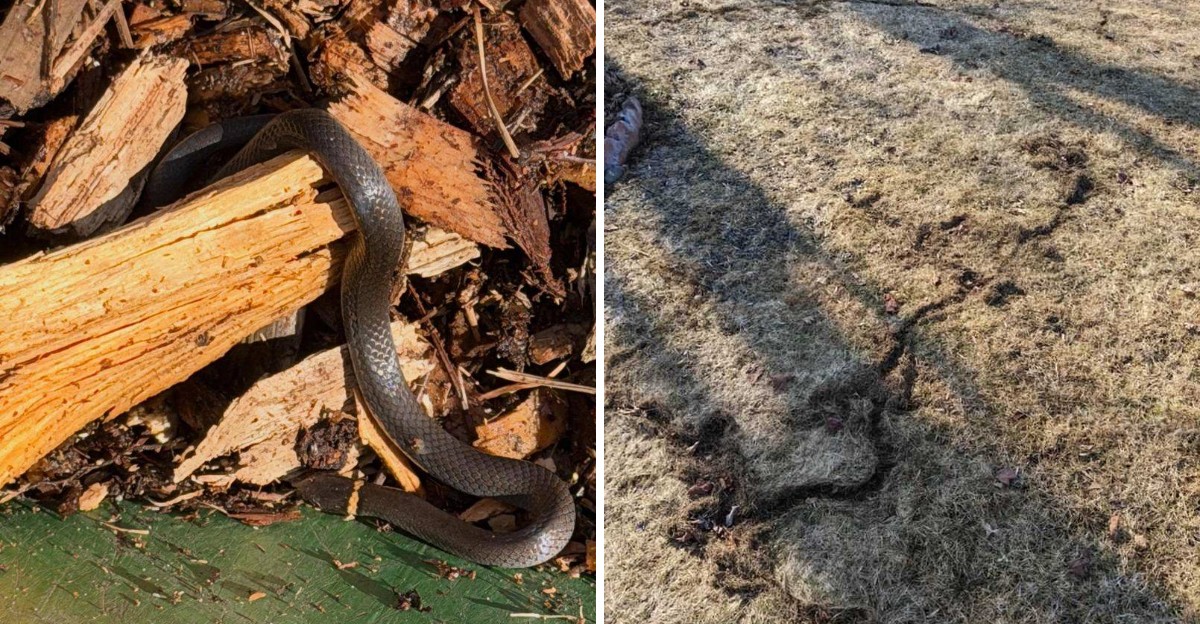
In Texas, it’s not a question of if a snake will pass through your yard. It’s a question of when.
The Lone Star State is home to more than 100 kinds of snakes, more than almost anywhere else in the country.
Most are harmless and do a great job keeping rodents under control. But a handful, including rattlesnakes and copperheads, carry venom that calls for real caution.
Most snakes prefer to stay out of sight. They slip under decks, tuck into woodpiles, and rest in tall grass during the hottest part of the day. Many homeowners walk right past the clues without a second thought.
Learning those clues can make your yard a much safer place for your kids, your pets, and you. A few telltale signs can reveal a snake nearby long before you ever come face to face with one.
1. Shed Skins Tucked In Hidden Spots
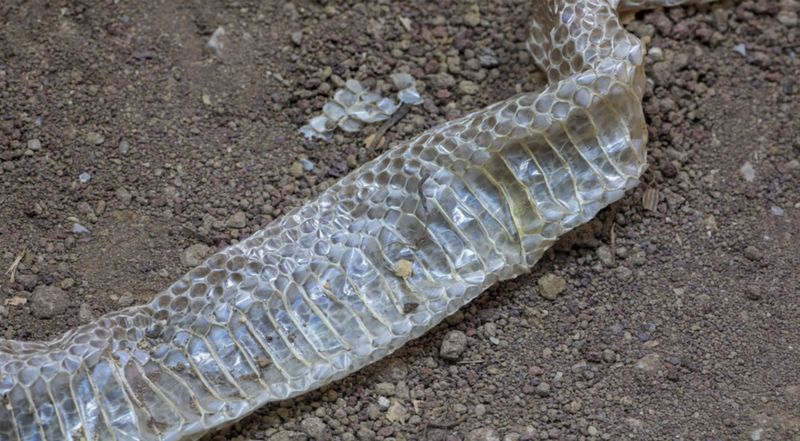
Finding a crinkly, see-through tube in your flowerbed can feel like discovering a ghost. It is actually one of the clearest clues that a snake has been living nearby. Snakes shed their skin as they grow, and they often leave the old one behind.
Most snakes shed a few times each year. Young snakes grow fast, so they may shed even more often.
To get the old skin off, a snake rubs against rough things like rocks, bricks, logs, or woodpiles. That is why you often find skins near fences, stone borders, and under decks.
A shed skin can tell you a lot. Its length gives you a rough idea of the snake’s size, though skins stretch a bit, so the snake is usually a little shorter.
If the skin is fresh and soft, the snake was likely there very recently. Old, brittle skins may have been sitting for a while.
Look closely at the scales on the belly side. Some experts can tell the species from the pattern and shape of the scales. You can snap a photo and send it to your local Texas A&M AgriLife Extension office for help.
Never pick up a skin with bare hands. Old skins can carry germs like salmonella. Wear gloves or use a stick and a bag to remove it.
After you find one, check the area for hiding spots. Clear away loose boards, trim thick plants, and move woodpiles away from your house.
A skin means a snake felt safe enough to stay and grow. Your goal is to make your yard feel a lot less cozy for its next visit.
2. Squiggly Tracks In Dirt And Sand
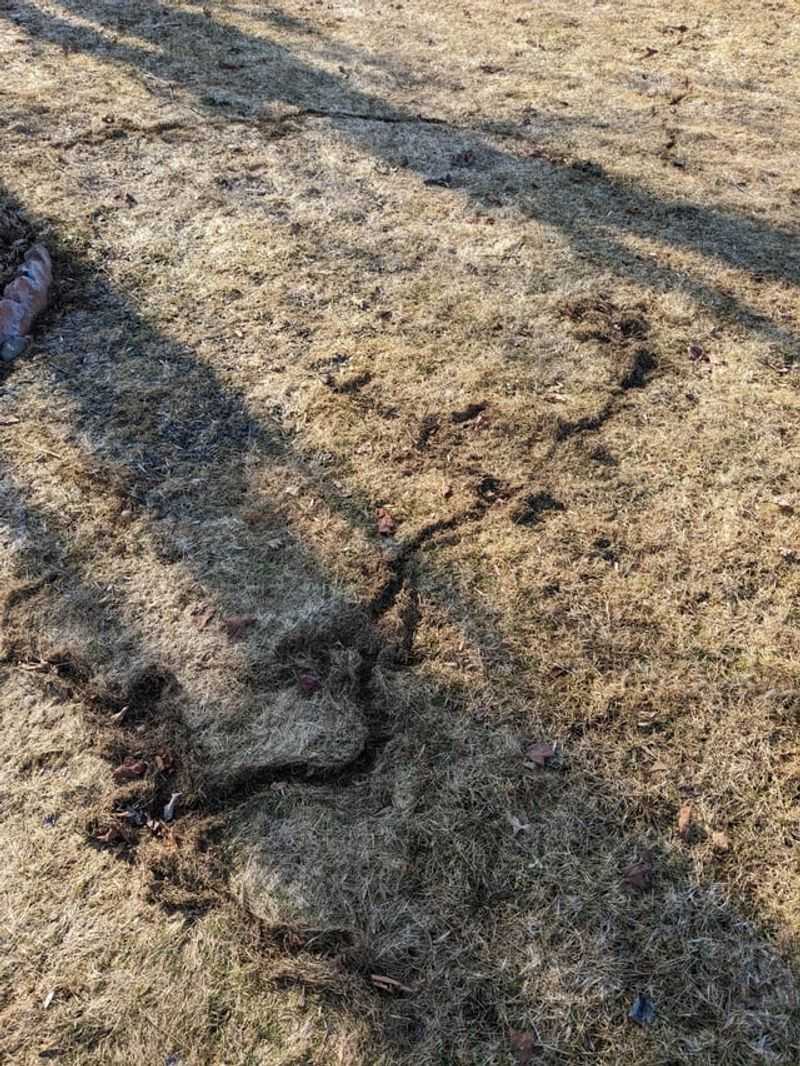
Ever notice wavy lines in the dirt that look like someone dragged a garden hose across it? Before you blame the kids, take a closer look. Those curvy marks might have been left by a snake on the move.
Snakes do not have legs, so they push their bodies along the ground in smooth S-shaped curves. In soft soil, sand, or dust, this motion leaves behind a winding trail. Sometimes you will see a straight, flat line instead.
Your Texas Garden Changes Every Week. Your Plan Should Too.
Gardening in Texas changes quickly throughout the season. Every Friday you’ll receive a simple weekly plan showing exactly what to plant, prune, fertilize, harvest, and protect so you never miss the right timing.
Heavy snakes like rattlesnakes can crawl in a straight path by moving their belly muscles, a bit like a caterpillar.
The best time to check for tracks is early morning. Dew and calm air help keep the marks clear before people, pets, or wind mess them up.
Look along sandy paths, the edges of garden beds, and dusty spots under porches or sheds.
Here is a handy trick many Texas ranchers use. Rake or smooth out a patch of dirt near a spot you suspect. Check it the next day for fresh trails. If you see new squiggles, you know a snake is using that route.
Tracks usually lead somewhere important. Follow them with your eyes, not your feet, and see if they point toward a woodpile, a hole, or a gap under your home. That tells you where the snake might be hiding.
Once you find the path, you can block it. Seal gaps, remove clutter, and keep grass short along that trail. Snakes like routes with cover, so taking that cover away makes them rethink their travel plans.
3. A Sudden Rodent Problem
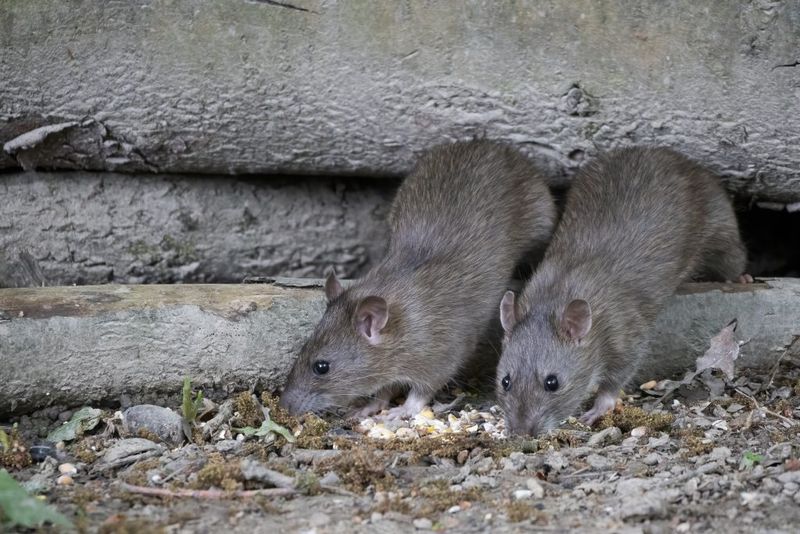
Mice and rats are basically a snack bar with a flashing open sign. If your yard has lots of rodents, snakes are probably not far behind. Where the food goes, hunters tend to follow.
Many Texas snakes love eating rodents. Rat snakes, bull snakes, and even rattlesnakes will travel to places where mice and rats are easy to catch.
So if you have been seeing droppings, chewed wires, or gnawed feed bags, pay attention. Your rodent issue might be sending out a dinner invitation.
Common rodent magnets include spilled birdseed, pet food left outside, open trash cans, and compost piles. Chicken coops are another big draw. Snakes also enjoy eggs, so a coop can become a double treat.
Fun fact: a single rat snake can eat dozens of rodents in one year. That is why some farmers are actually happy to have them around. Still, you probably do not want any snake slithering near your back door.
Start by cutting off the food supply for rodents. Store seed and pet food in metal bins with tight lids.
Pick up fallen fruit from trees and keep trash cans sealed. Move bird feeders away from the house, or clean up spilled seed each day.
You can also set traps in garages and sheds. If the rodent problem is big, call a pest control company. Fewer mice means fewer reasons for snakes to visit.
It is a simple chain reaction. Take away the snack, and the snake is likely to move on in search of a better buffet somewhere else.
4. Small Round Holes In The Ground
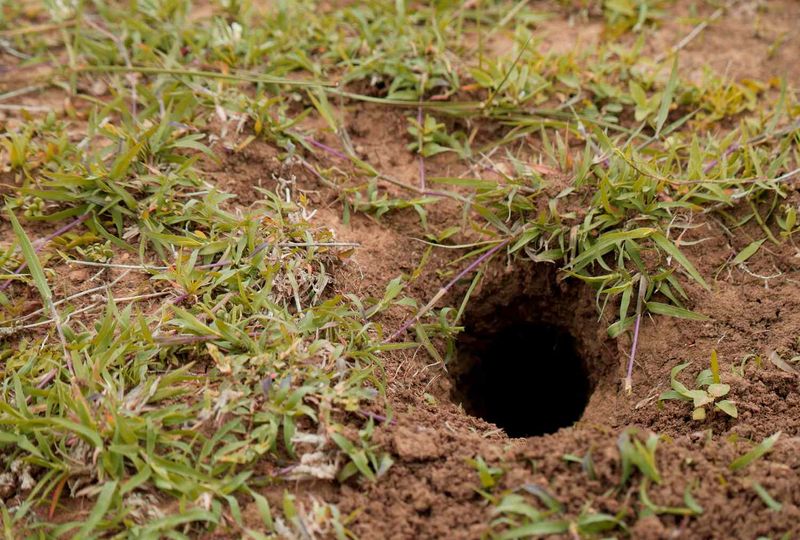
Last summer, a neighbor of mine kept poking a stick into a tidy hole near her fence, sure it was just a gopher. One evening, she saw a copperhead slide right out of it. That small hole had become a snake’s front door.
Snakes do not usually dig their own burrows. Instead, they move into holes made by other animals.
Old rodent tunnels, armadillo burrows, and gaps under tree roots make great homes. These spots stay cool in the Texas heat and warm on chilly nights.
Snake holes are often round and clean with no dirt pile at the entrance. Rodents tend to leave mounds of soil around their holes.
If the edges look smooth and you see no fresh digging, a snake might be using it. Cobwebs across the opening usually mean nothing has passed through lately.
Please do not stick your hand, foot, or a stick into a hole to check. A startled snake may strike. Stay back and watch from a safe distance instead.
One easy test is to sprinkle a little flour or loose sand around the opening. Check it the next morning for tracks. Slithery lines point to a snake, while tiny footprints point to rodents.
Once you know a hole is empty, fill it with gravel or soil and pack it down. Doing this in the middle of the day is smart, since many snakes are out hunting at dusk or night.
If you think a venomous snake lives there, call a wildlife removal expert. Safety should always come before curiosity.
5. A Strange Musky Smell
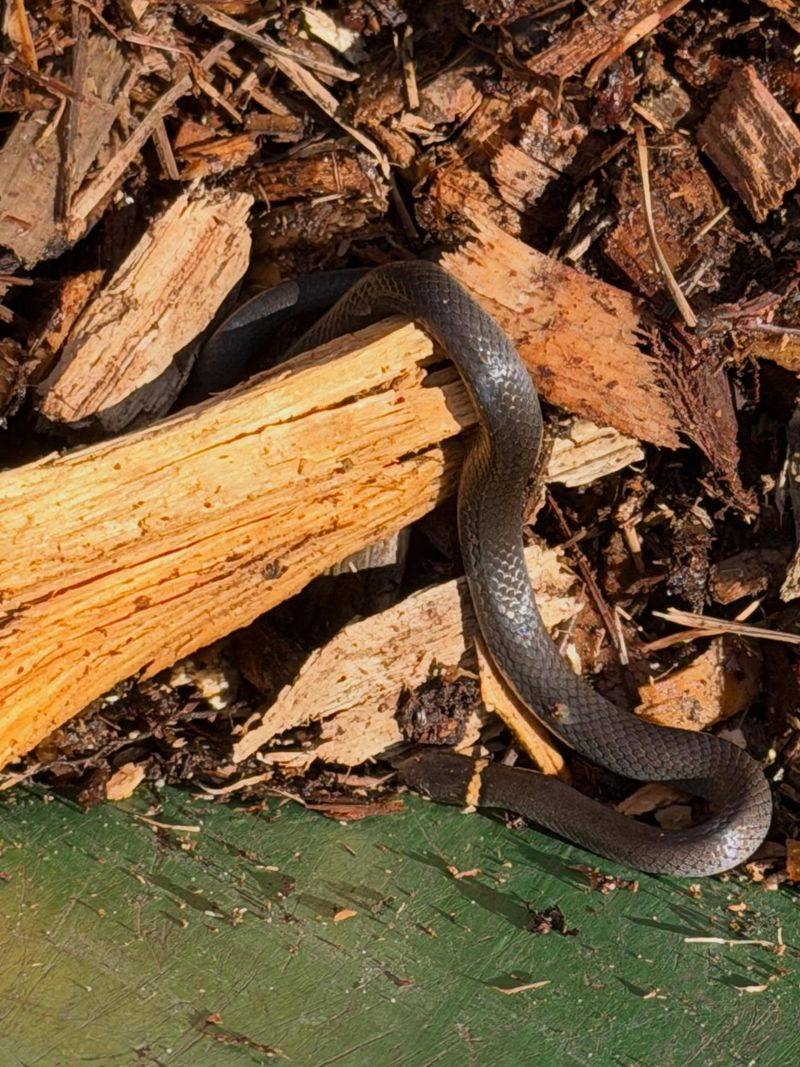
Your nose can be a surprising snake detector. Some people say certain snakes smell a bit like cucumbers, while others describe a strong, musky scent. It sounds odd, but many Texans have caught a whiff before they ever saw the snake.
Snakes have special glands near their tails. When they feel scared or threatened, they can release a smelly liquid called musk. It is their way of saying back off.
Cottonmouths and copperheads are often linked to the cucumber smell, though scientists say the scent can vary a lot.
You are most likely to notice this smell in closed or shady spaces. Think about sheds, crawl spaces, garages, and basements.
Woodpiles and thick bushes can trap odors too. If an area suddenly smells stale or musky and you cannot find the cause, stay alert.
Of course, a smell alone does not prove a snake is present. Mold, dry leaves, or other animals can cause similar odors. Use your nose as a hint, then look for other clues like skins, tracks, or droppings.
When you notice an odd scent, grab a flashlight before you poke around. Wear sturdy boots and long pants. Move things slowly with a long tool rather than your hands.
Keeping these spaces clean and dry helps a lot. Seal gaps in shed walls and doors. Store items on shelves instead of the floor.
Fresh air and less clutter mean fewer shady hideouts. The less a snake has to hide behind, the less likely it is to settle in and leave its funky perfume behind.
6. Unusual Droppings Near Hiding Places
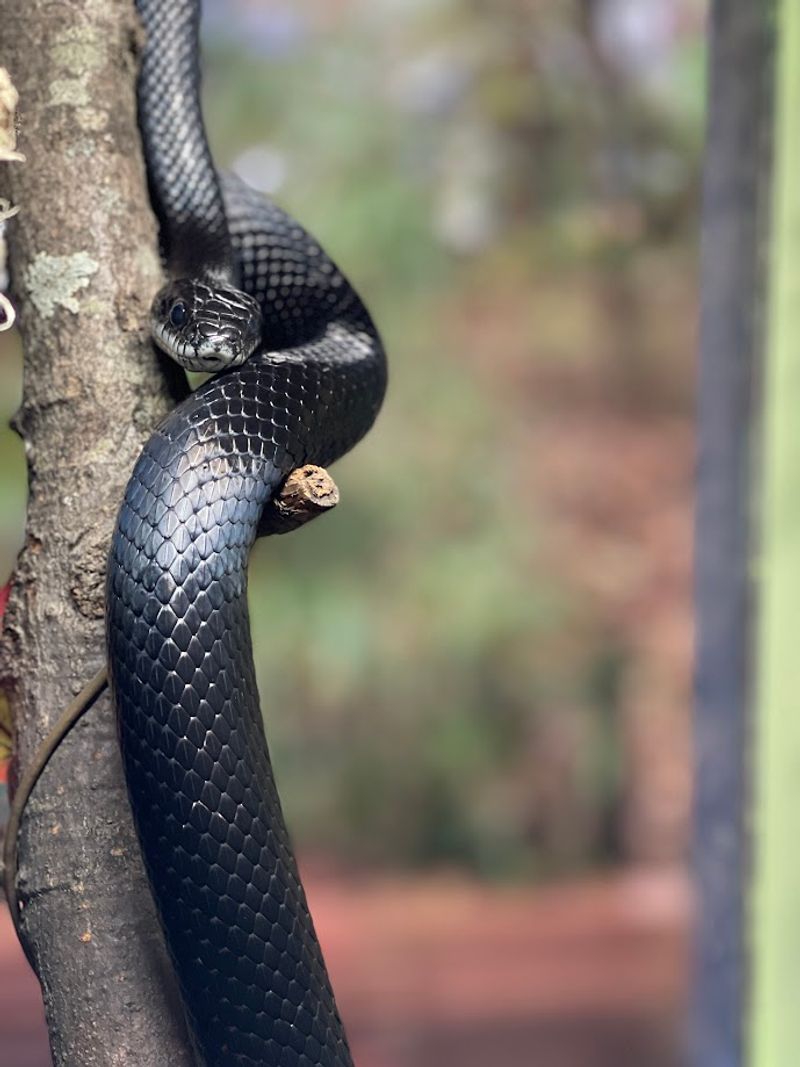
Nobody enjoys talking about poop, but it can be a very useful clue. Snake droppings look different from what most people expect. Learning to spot them can help you figure out who has been visiting your yard.
Snake waste is often long and dark with a white, chalky tip. That white part is uric acid, which is how snakes get rid of extra waste instead of making urine.
Sometimes the droppings are runny or smeared rather than solid. You may even see tiny bits of fur, bone, or eggshell mixed in.
Size gives you a hint too. Larger snakes leave bigger droppings, and they can look a lot like bird or lizard waste.
Lizard droppings also have a white tip, but they are usually much smaller. Bird droppings tend to be splattered and mostly white.
Snakes do not go very often. Some only leave droppings every few days or even weeks, depending on how much they eat. So finding even one can mean a snake has been around for a while.
Check along walls, patios, porches, garden edges, and near holes or woodpiles. These are places where snakes rest and travel.
Clean up with gloves and a shovel, then wash the area with soap and water. Droppings can carry germs, so keep kids and pets away. Afterward, think about what drew the snake in.
Was there cover, water, or food nearby? Fixing those things is the best long-term plan. A tidy yard sends a clear message that there is no room for scaly squatters here.
7. Pets Acting Nervous Or Curious
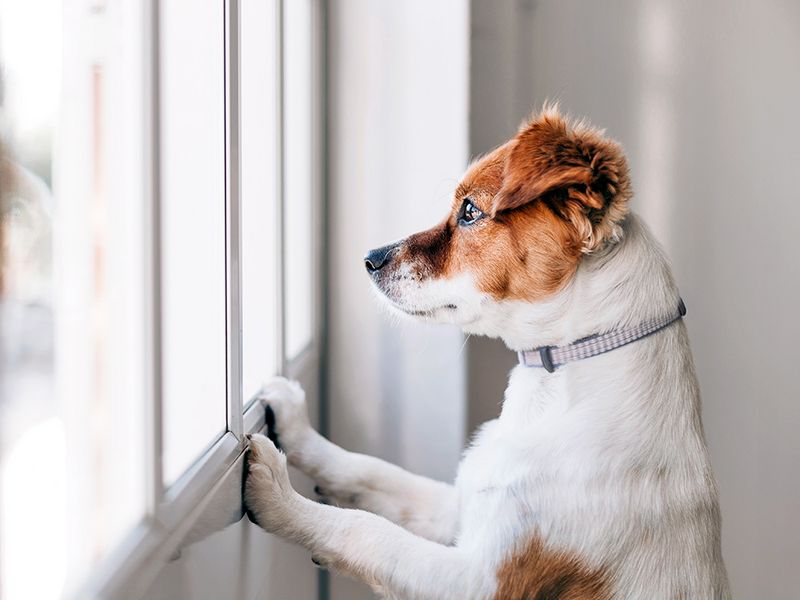
Dogs and cats are often the first to know when something sneaky is going on. Their noses and ears are far sharper than ours. If your pet starts acting strange in one spot of the yard, it is worth paying attention.
Watch for barking, growling, or pawing at a bush, woodpile, or corner. Some dogs freeze and stare. Others back away with their tails tucked.
Cats may crouch low, twitch their tails, or bat at something in the grass. Chickens might squawk loudly and gather in one place.
Curiosity can get pets into trouble. In Texas, dogs are bitten by venomous snakes every year, usually on the face or front legs.
Rattlesnakes and copperheads cause most of these bites. Signs of a bite include swelling, bleeding, whining, and limping.
If you think your pet was bitten, stay calm and keep them still. Do not try to suck out venom or use ice. Get to a vet right away, since fast care makes a huge difference.
You can lower the risk with a few simple steps. Keep dogs on a leash during warm evenings when snakes are active.
Walk the yard with a flashlight before letting pets out at night. Some Texas vets offer a rattlesnake vaccine for dogs, so ask if it makes sense for yours.
Snake avoidance training is another option. Trainers teach dogs to stay away from the sight and smell of snakes.
Trust your furry friend’s instincts. When your pet sounds the alarm, take a careful look before stepping any closer.