This Native Virginia Vine Turns Chain-Link Fences Into Bird Highways
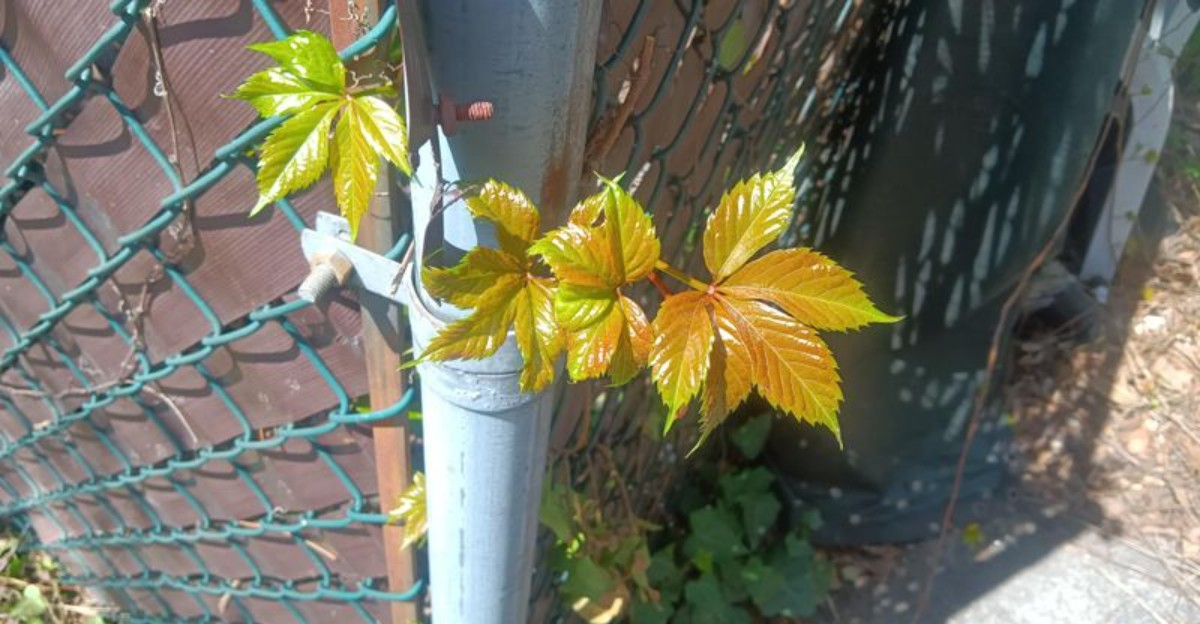
Your plain old chain-link fence could become the busiest bird hangout on the block. Imagine that rattling metal barrier wrapped in cool green leaves that glow ruby red each fall.
Now add fluttering wings, chirping thrushes, and the soft plink of berries dropping. One tough Virginia native vine can pull off that whole makeover with almost no fuss.
It climbs by itself, feeds birds from late summer into winter, and hides tiny nests from hungry eyes. It also comes with a few quirks every gardener should know before planting.
Some folks mix it up with a certain itchy troublemaker. Its berries, meanwhile, are strictly for the birds.
The guide below explains how this humble vine turns steel links into a feathered freeway. Your fence is about to get a lot more interesting.
1. Virginia Creeper Is The Native For The Job
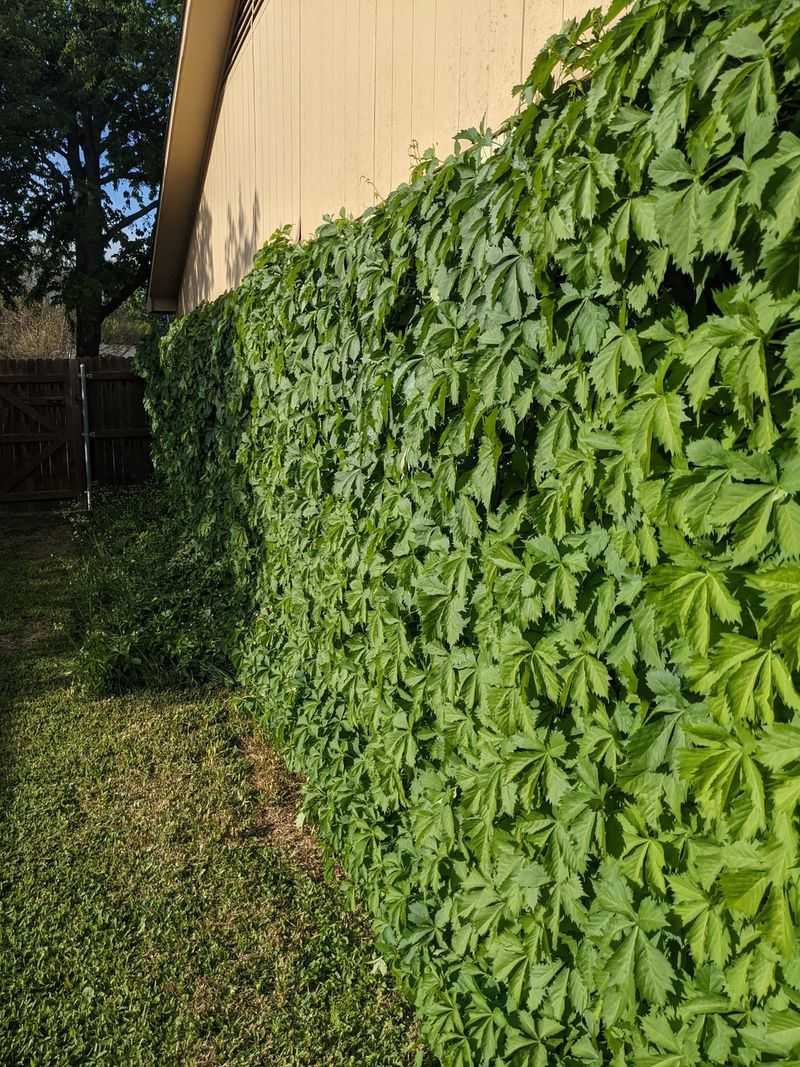
Some plants just belong where they grow, like a hometown kid who knows every shortcut. Virginia creeper, or Parthenocissus quinquefolia, has lived in eastern North America for thousands of years.
Locals sometimes call it woodbine, a cozy old name you might hear from grandparents. It sheds its leaves each winter, so it counts as a deciduous woody vine.
Native plants matter because local wildlife grew up alongside them. Birds, bees, and moths already know how to use every part of this vine.
Plenty of popular fence vines come from other continents and offer little to local creatures. English ivy and Asian wisteria can crowd out woods and give birds far less food.
The creeper handles hot summers, icy winters, and dry spells without much complaint. Once settled, it rarely needs extra water or fertilizer to keep growing strong.
Finding one might be easier than you think. Many native plant sales in spring carry small potted starts for just a few dollars.
You may even spot seedlings popping up along a wooded edge on your own property. Birds plant them for free by dropping seeds wherever they perch.
Try planting two or three starts about five feet apart along your fence line. They will knit together within a couple of seasons and form a solid green wall.
Choosing a native vine sends a welcome message to wildlife. Think of it as rolling out a leafy doormat that says the neighborhood restaurant is open.
2. Blue-Black Berries Feed Dozens Of Bird Species
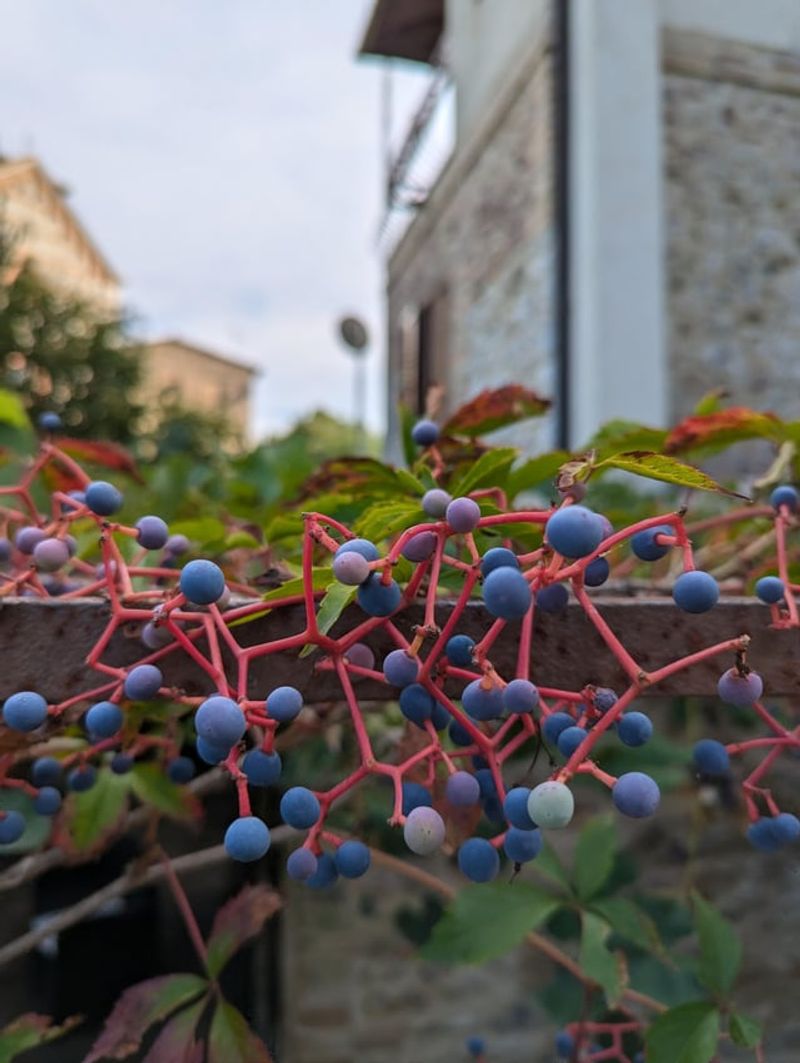
More than 35 kinds of birds eat Virginia creeper berries, according to wildlife experts. That is a guest list most backyard feeders would envy.
The fruit starts out green in midsummer and slowly ripens to a deep, inky blue. Clusters hang from the vine like tiny grapes, and birds spot them quickly.
Thrushes and robins are some of the first diners to show up. Woodpeckers, mockingbirds, warblers, and vireos soon join the feast along the fence.
Chickadees and nuthatches also stop by for a snack. Watching them hop along the links feels like having a nature show right outside your window.
Timing makes these berries extra valuable. They ripen in late summer and early fall, right when many birds are fueling up for migration.
Your Virginia Garden Changes Every Week. Your Plan Should Too.
Gardening in Virginia changes quickly throughout the season. Every Friday you’ll receive a simple weekly plan showing exactly what to plant, prune, fertilize, harvest, and protect so you never miss the right timing.
Some berries stick around into early winter, too. That leftover supply helps resident birds when bugs are scarce and the ground is frozen.
Each berry packs useful fat and energy for small, busy bodies. A single warbler traveling south needs every calorie it can grab along the way.
Want better views of the action? Place a bench or chair about fifteen feet from your fence and sit quietly in the early morning.
Keep binoculars and a simple bird guide handy. You might be surprised how many new species you can check off in one fall season.
Skip spraying pesticides near the vine. Clean berries and healthy insects keep your feathered visitors safe and coming back year after year.
3. Scarlet Fall Leaves Point Birds Toward The Fruit
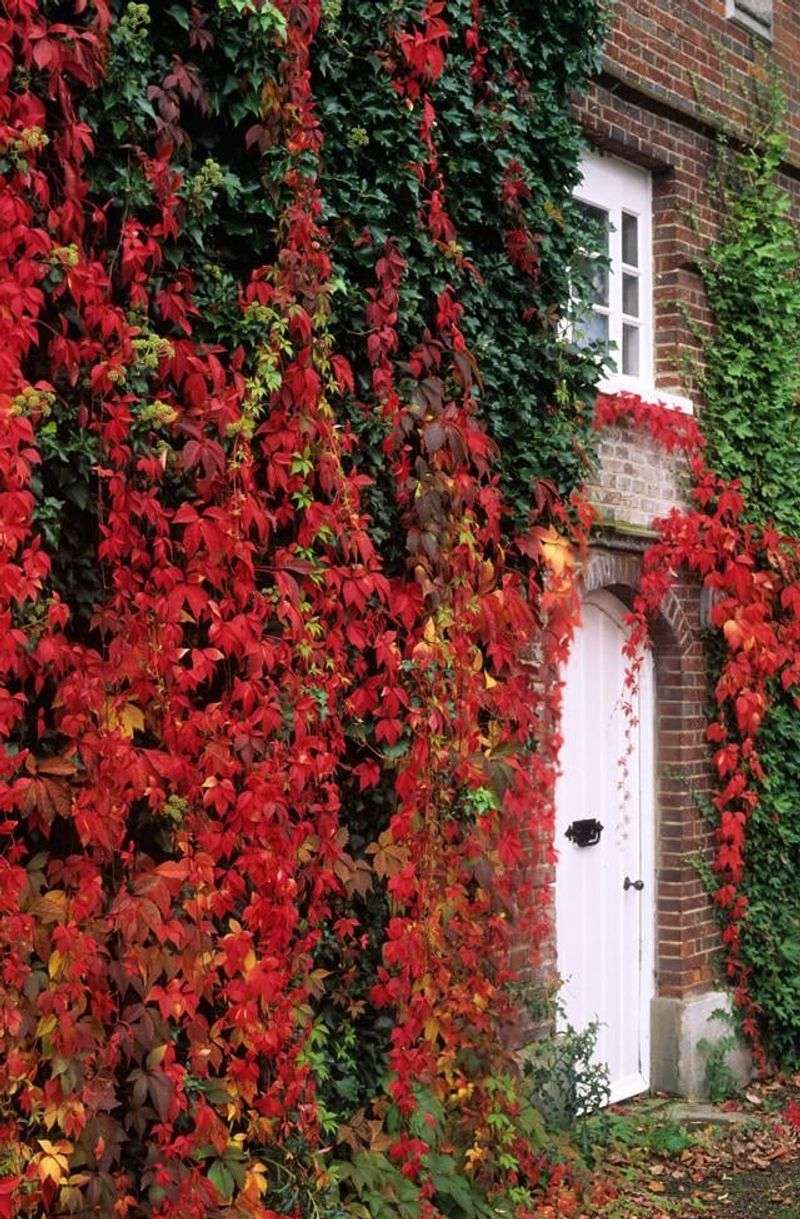
Nature has its own neon signs, and fall brings the brightest ones. Every autumn, Virginia creeper leaves blaze into purple, crimson, and fire-engine red.
Scientists call this trick foliar fruit flagging. The bold color helps migrating birds find ripe berries from far away, even while flying overhead.
Even the little stems that hold the fruit get in on the show. They turn a bright orange-red, which makes the dark berries pop against them.
Picture a hungry thrush zooming over a gray, leafless neighborhood. A red streak along your fence works like a highway exit sign pointing straight to dinner.
The creeper often changes color earlier than many trees. That head start lines up nicely with the first big waves of fall migration.
Sunlight plays a big role in how vivid the leaves become. Vines growing in full sun usually glow the brightest red by mid-October.
Shaded plants still change color, though the shades may lean more toward soft purple or orange. Either way, birds still notice the fruit.
Here is a handy tip for photographers. Snap pictures on a cloudy day, because soft light brings out rich red tones without harsh glare.
Across the state, fall drives often highlight maples and oaks. Your own fence can offer a smaller, closer version of that famous leaf show.
Let the leaves drop and stay under the fence if you can. They shelter insects and add nutrients back into the soil for next spring.
4. Dense Leaves Hide Nests And Roosts
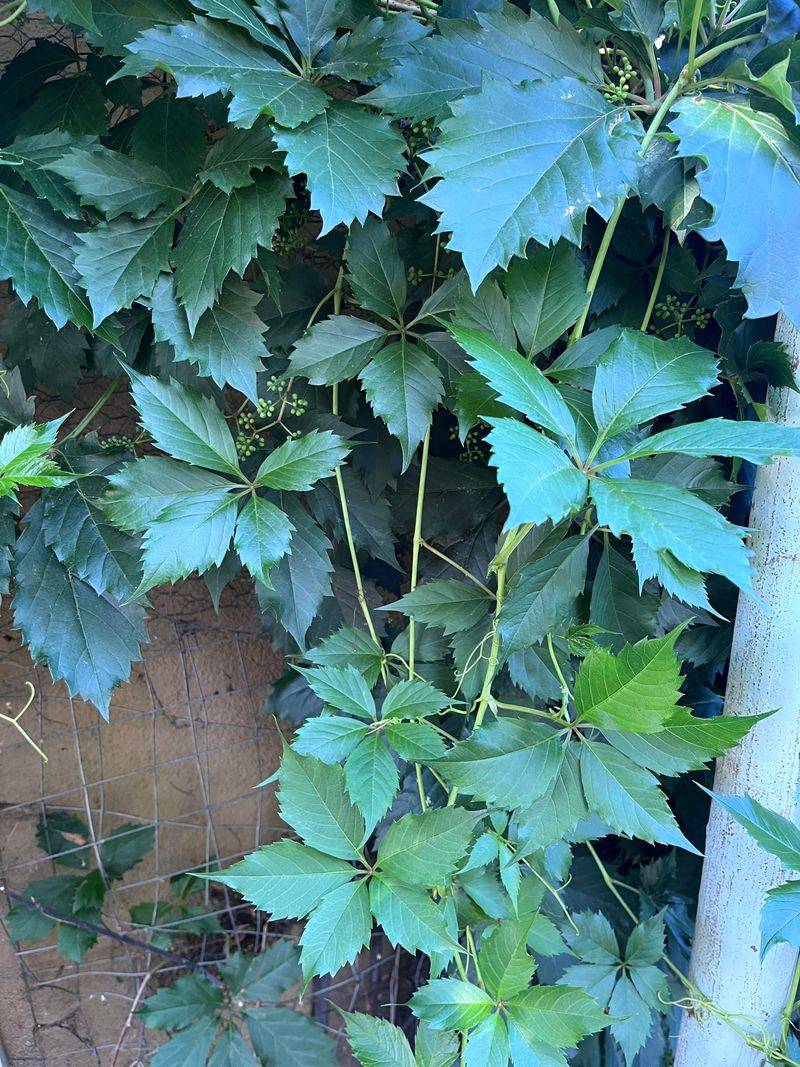
Ever tried to find a bird hiding in a thick vine? Good luck, because Virginia creeper leaves overlap like shingles on a roof.
That leafy tangle creates a safe hideout for many small birds. Hawks, cats, and snakes have a harder time spotting nests tucked deep inside.
Songbirds like catbirds, cardinals, and some warblers may build nests in well-covered vines. They look for spots that feel sheltered on every side.
The foliage also blocks wind and heavy rain. On stormy nights, birds may roost in the vine to stay dry and warm.
Small mammals use the cover too. Chipmunks and tree frogs sometimes shuffle through the lower stems looking for shade.
A bare chain-link fence offers none of that protection. Once the vine fills in, the same fence becomes a long, narrow wildlife shelter.
Want to help nesting birds? Hold off on heavy trimming from April through July, when most eggs and chicks are present.
If you must prune, check carefully first. Gently part the leaves and look for cup-shaped nests or parents flying in and out.
Place your vine away from busy doors and noisy play areas when possible. Quieter spots make birds feel more relaxed about raising a family.
Keeping pet cats indoors also helps a lot. Your leafy fence works best as a safe haven when prowling paws stay out of reach.
5. It Climbs Chain-Link Without Any Help
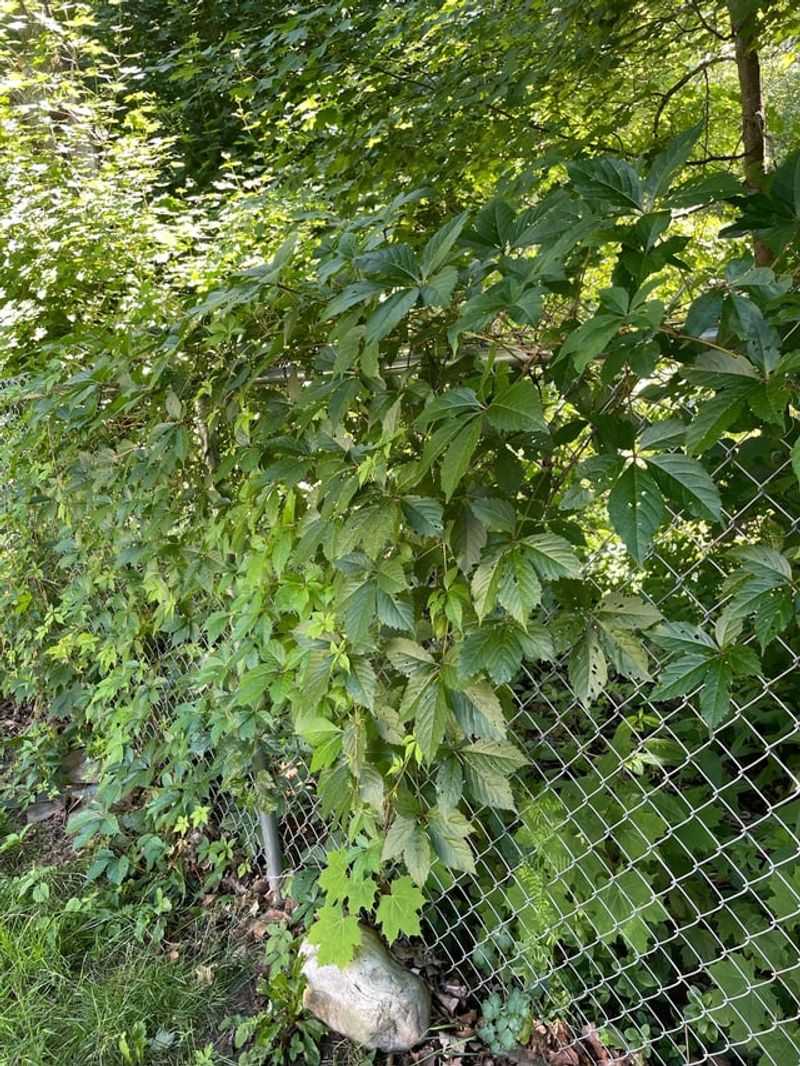
Forget twist ties, string, and plastic clips. Virginia creeper climbs like a tiny rock climber with built-in suction cups.
Its branched tendrils end in small sticky pads called adhesive disks. They grip surfaces tightly and hold on for years.
On chain-link fences, the tendrils also curl around the wires. That double grip lets the vine scramble upward and sideways with ease.
In the wild, the creeper can reach 50 feet or more up a tall tree. On a four-foot fence, it simply spreads out to cover more length.
Getting started takes very little effort from you. Plant the young vine about a foot from the fence and point its stems toward the wire.
Within a few weeks, the tendrils find the metal on their own. After that, the plant does nearly all the climbing work.
Growth can be slow the first year while roots settle in. Gardeners often joke that the vine sleeps, creeps, then leaps.
By the third year, expect long runners stretching several feet each season. Your fence will soon look like a green ribbon connecting yard to yard.
That connection is the real magic. Birds follow leafy fence lines like trails, hopping safely from one garden to the next.
Linking your fence to trees or shrubs nearby makes the path even better. Wildlife loves an unbroken stretch of cover to travel through.
6. It Grows In Sun Or Shade
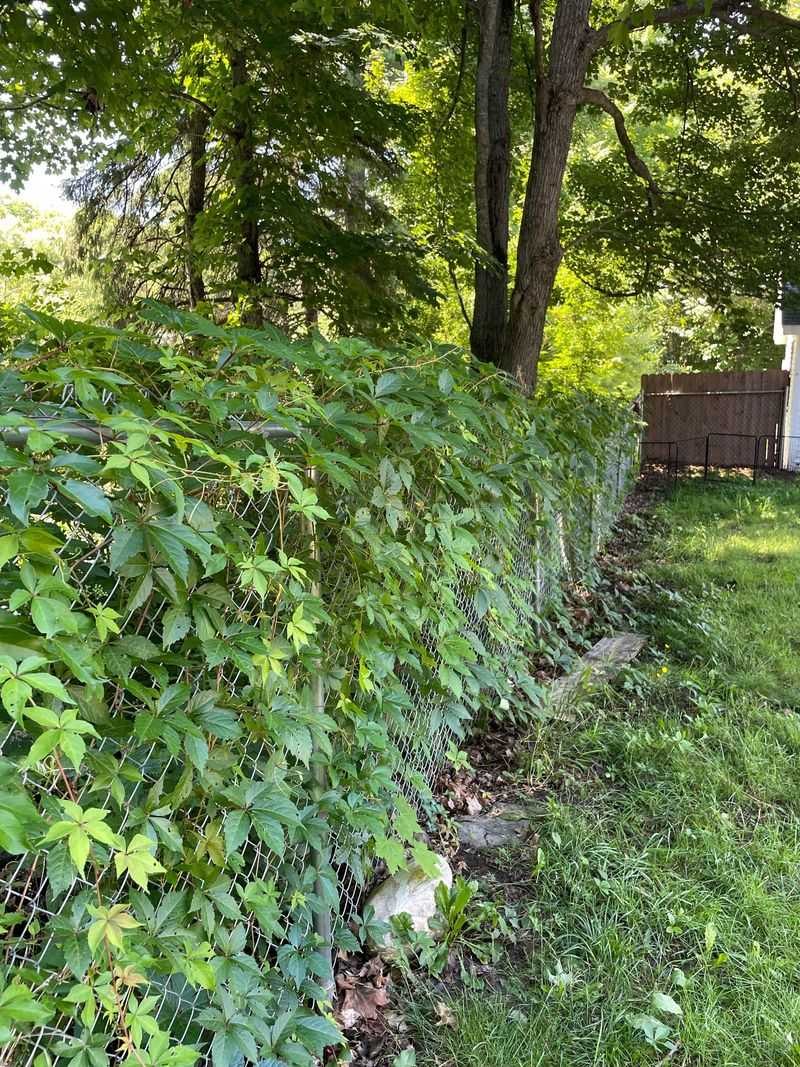
Picky plants can drive gardeners a little crazy. Luckily, Virginia creeper is about as easygoing as a vine can get.
It grows happily in full sun, partial shade, or even deep shade. That makes it handy for fences that pass under trees or along a shady house.
Light does change a few things, though. Sunny spots usually produce more berries and much brighter fall color.
Shady vines may grow more leaves and fewer fruits. They still offer excellent cover for nesting and resting birds.
Soil is another area where this vine shines. Clay, sand, or rich loam all work fine, as long as water does not pool for days.
Much of central state has heavy red clay that frustrates many plants. The creeper shrugs it off and keeps right on growing.
Give new plants a good drink once a week during their first summer. After that, rainfall usually handles the job unless a long drought hits.
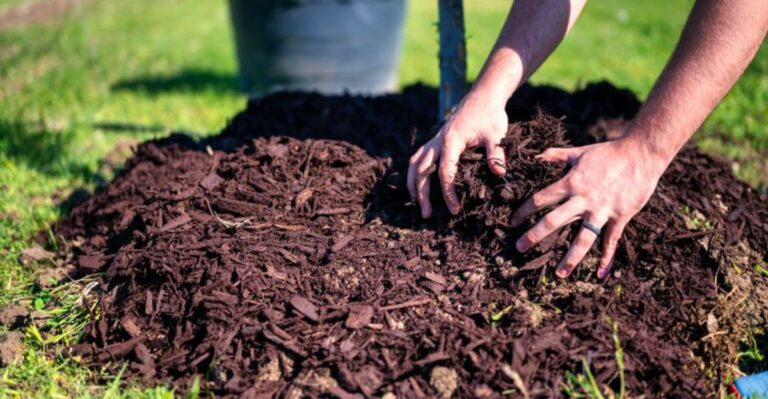
A two-inch layer of shredded leaves or wood mulch helps too. It keeps roots cool and holds moisture during hot July afternoons.
Have a fence that runs from a sunny corner into shade? Plant along the whole stretch and enjoy the mix of flowers, fruit, and cover.
That flexibility is a big reason wildlife groups recommend it. Nearly every yard has a spot where this tough vine can thrive.
7. Five Leaflets Tell It Apart From Poison Ivy
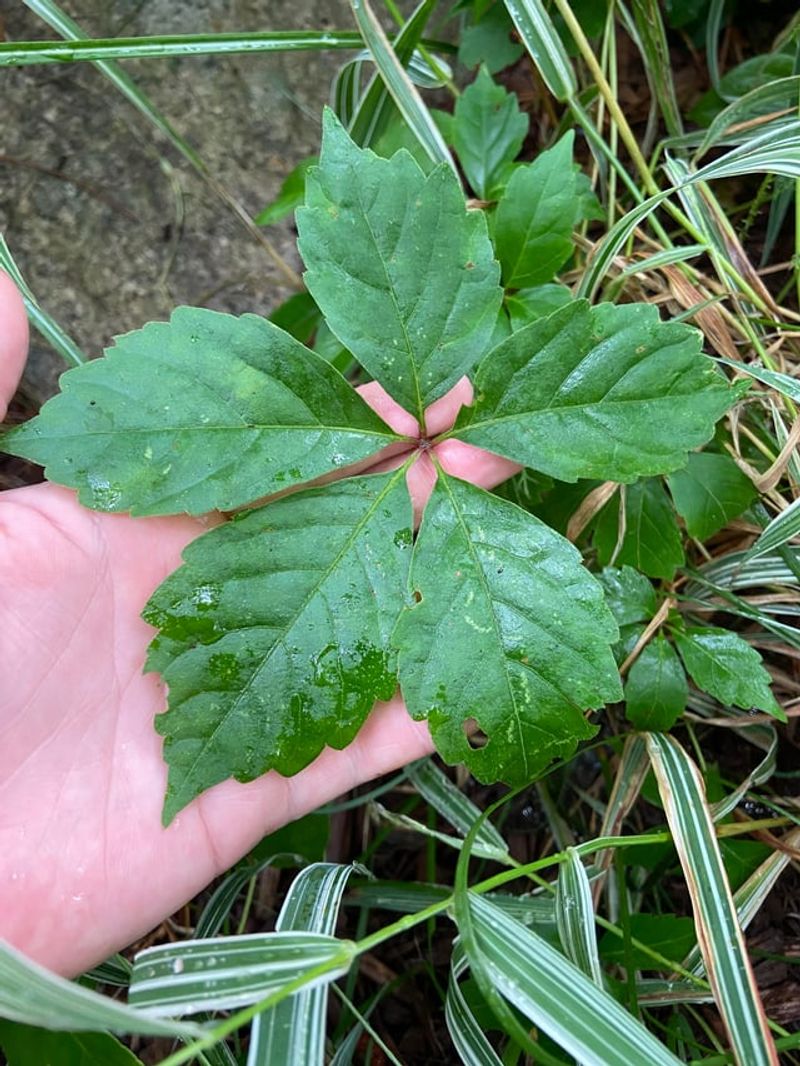
“Leaves of three, let it be. Leaves of five, let it thrive.” That old rhyme might save you from an itchy summer.
Virginia creeper often gets mistaken for poison ivy. Both climb fences and trees, and both turn red in fall.
Counting leaflets is the fastest way to tell them apart. Virginia creeper usually has five leaflets spreading out from one center point, like fingers on a hand.
Poison ivy has just three leaflets per leaf. The middle one sits on a longer stalk than the two side ones.
Edges offer another clue. Creeper leaflets have toothy, saw-like edges from about the middle to the tip.
Poison ivy edges can be smooth, wavy, or have a few uneven notches. The leaves often look shiny, though not every time.
Young creeper plants sometimes show only three leaflets. Check several leaves on the same vine before deciding what you have.
Also look at how it climbs. Poison ivy uses hairy aerial roots, which give old vines a fuzzy, rope-like look on tree trunks.
Wearing gloves is still smart when handling any unknown vine. A quick snapshot with a plant identification app can double-check your guess.
Teach kids the rhyme during your next backyard walk. It turns a safety lesson into a fun counting game they will remember for years.
8. Sphinx Moth Caterpillars Feed The Birds Too
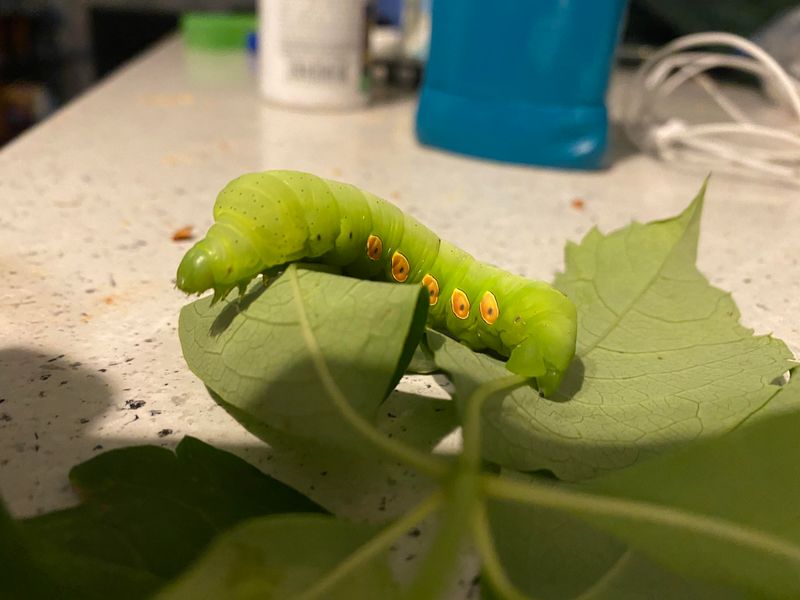
Chubby green caterpillars munching your vine might seem like bad news. For birds, they are basically a home-delivered lunch.
Virginia creeper is a host plant for several sphinx moths. The Virginia creeper sphinx and the stunning Pandora sphinx both lay eggs on its leaves.
Their caterpillars grow plump and often sport a little horn near the tail. Some change from green to brown as they get older.
Here is a fun fact about the grown moths. Many hover at flowers at dusk and are often mistaken for hummingbirds.
Caterpillars matter because most songbirds feed insects to their babies. A single nest of chickadees can need thousands of caterpillars before the chicks fly.
Tufted titmice, wrens, and warblers hunt the vine for these soft, protein-packed snacks. Spring and summer are the busiest hunting seasons.
So the vine feeds birds twice. First come the caterpillars in warm months, then the berries in fall and early winter.
A little leaf damage is a sign your habitat is working. Healthy vines bounce back quickly, even after caterpillars nibble a few leaves.
Resist the urge to spray or pick them off. Instead, grab a magnifying glass and let curious kids watch these fascinating critters grow.
Gardeners who welcome caterpillars often notice more songbirds each spring. It is a simple swap that pays off in cheerful morning songs.
9. The Berries Are Toxic To People And Pets
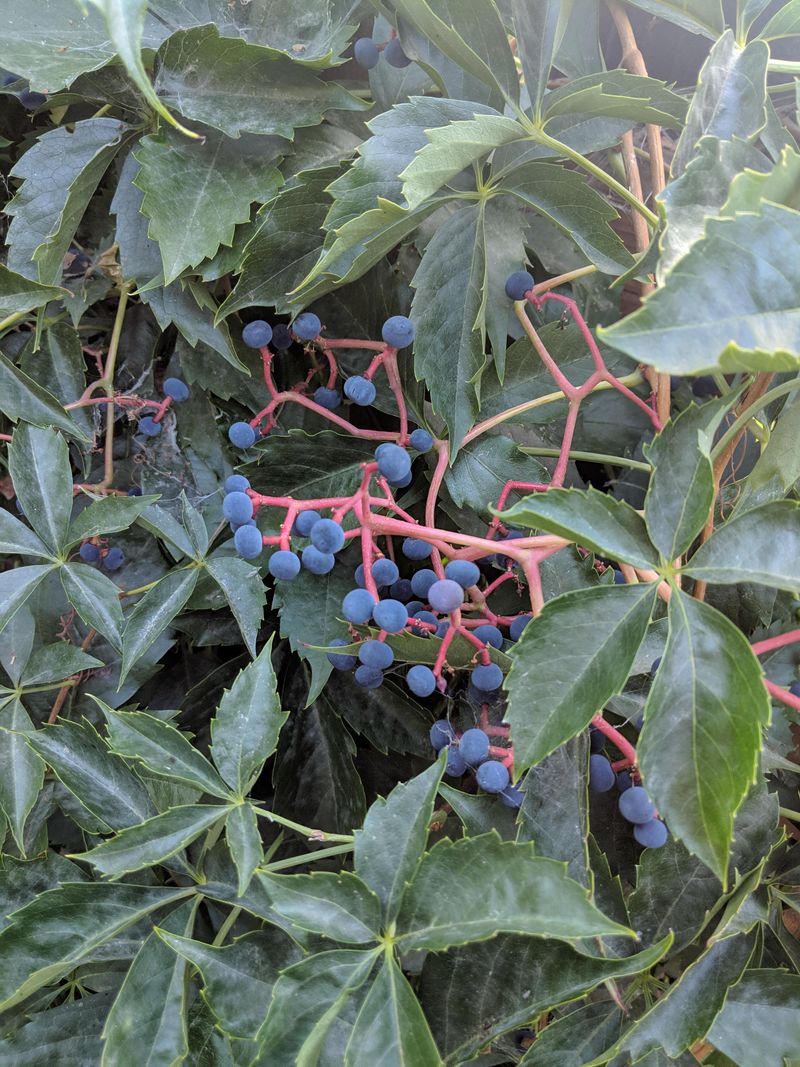
Those shiny berries look a lot like wild grapes. Please resist, because they are meant for birds, not your snack bowl.
Virginia creeper berries contain oxalic acid and sharp oxalate crystals. Eating them can cause mouth irritation, stomach pain, nausea, and vomiting.
Dizziness may also occur in some people. Serious cases are uncommon, yet calling poison control is wise if anyone swallows berries.
Pets face similar risks. Dogs that chew the leaves or fruit might drool, vomit, or have diarrhea.
Cats are less likely to nibble vines, but curious kittens sometimes do. Watch young animals closely during fall fruiting season.
The sap can bother sensitive skin as well. Some gardeners get a mild rash after pulling vines with bare hands.
Wearing long sleeves and gloves while pruning solves that problem easily. Wash your hands and tools when the job is done.
Families with toddlers can still enjoy this vine safely. Plant it along back or side fences, away from sandboxes and play sets.
Teaching kids a simple rule helps a lot. Tell them berries on the fence belong to the birds, just like seed in a feeder.
Birds handle the fruit just fine thanks to their different digestive systems. Their bodies process the berries without trouble, so the vine stays a safe food source for wildlife.
10. A Yearly Trim Keeps It In Bounds
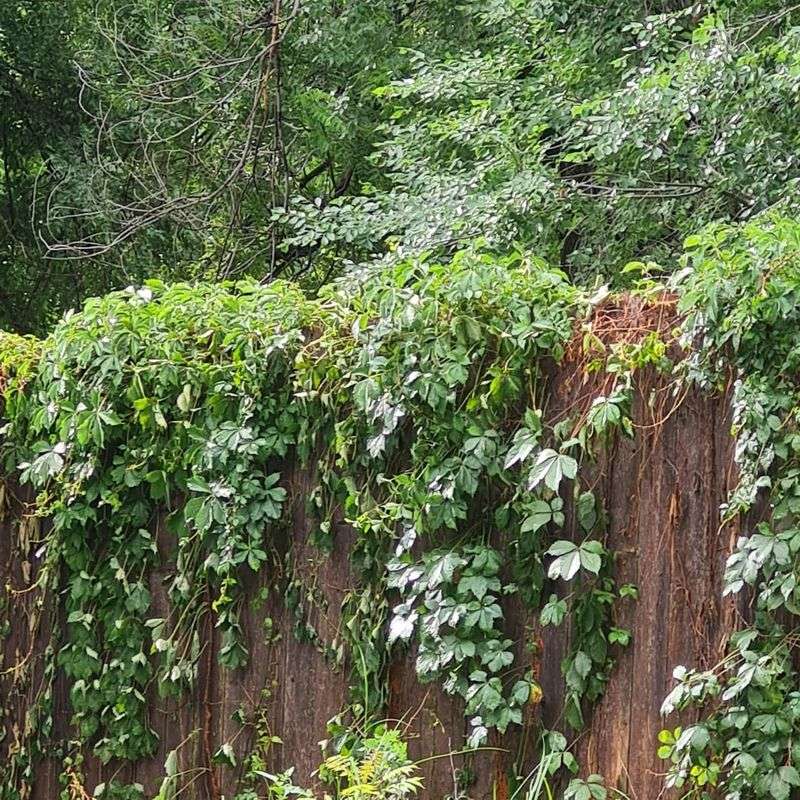
Give Virginia creeper an inch and it will happily take a mile. A little yearly pruning keeps this eager grower polite.
Late winter or early spring is the best time for a major trim. Leaves are gone, so you can clearly see every stem.
Nesting season has not started yet either. That means you will not disturb any feathered families while you work.
Start by cutting back stems reaching toward gutters, windows, or siding. The adhesive disks can leave marks on painted surfaces and are hard to scrub off.
Next, pull runners creeping across the lawn or into flower beds. The vine roots easily wherever stems touch the soil.
Sharp bypass pruners handle most jobs. Loppers help with thicker, older stems near the base of the fence.
Light touch-up trims can happen during summer if needed. Just check for nests first and keep cuts small.
Try to leave some fruiting stems untouched each year. Berries grow on mature wood, so heavy pruning can mean fewer meals for birds.
Chop the clippings and add them to your compost pile. Skip the berries, though, since seeds may sprout wherever the compost goes.
With about an hour of work each year, your fence stays tidy and wild at once. That small effort keeps the bird highway open for every season.