The October Task That Decides If Your Ohio Daffodils Bloom Next Spring
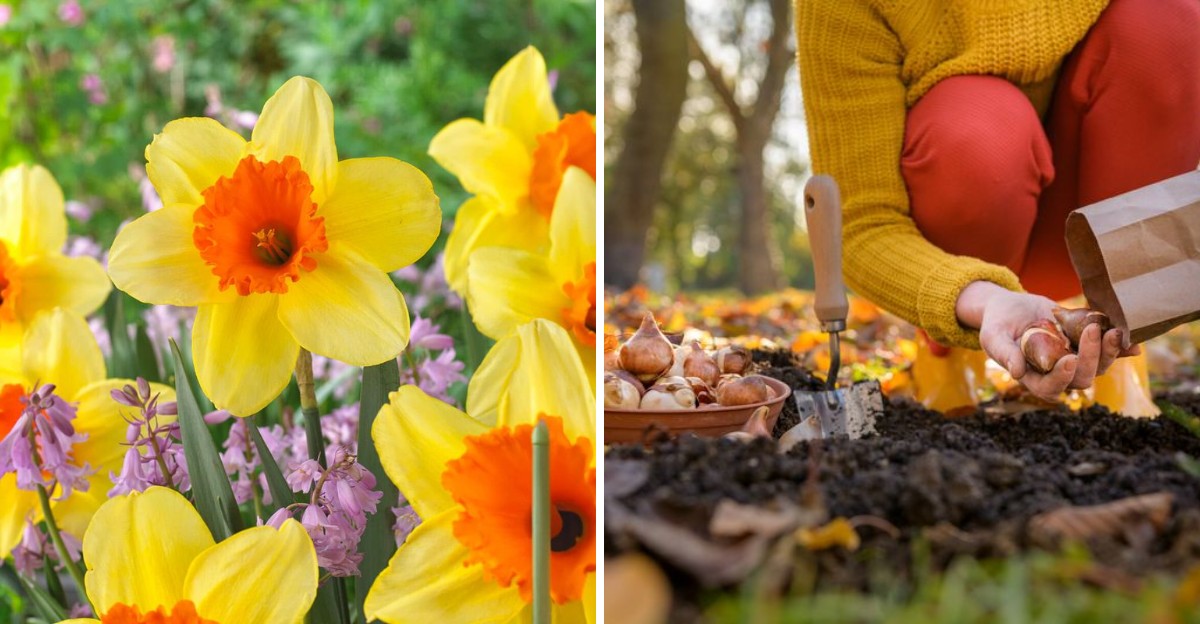
October is the month that decides what your Ohio yard looks like next April, and most gardeners have absolutely no idea.
While everyone else is raking leaves and putting the garden to bed, the smartest thing you can do this fall is grab a trowel and get a little muddy.
Daffodil bulbs planted in October are basically a gift you give yourself right now and unwrap in spring, which is honestly one of the better deals in all of gardening.
No complicated care routine, no babysitting through winter, just a sunny afternoon, some decent soil, and a little patience.
The whole job might take a couple of hours. The payoff is weeks of golden blooms showing up right when winters finally lose their grip.
Worth it? Absolutely and then some.
1. Why October Is The Sweet Spot For Bulb Planting
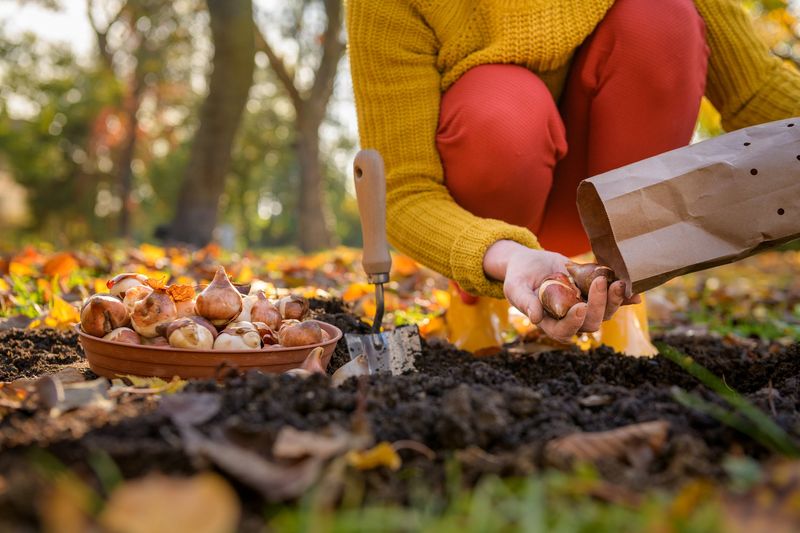
Timing is everything, and daffodil bulbs are surprisingly picky about it. They need cool soil to wake up their roots before winter arrives.
In Ohio, October usually brings soil temperatures between 50 and 60 degrees. That range is just right for roots to grow without sending up leaves too early.
Plant too soon in September, and warm spells may confuse the bulbs. Wait until late November, and the ground could freeze before roots settle in.
Gardeners often aim for about six weeks before the first hard freeze. Northern areas like Cleveland may freeze earlier than Cincinnati in the south.
A simple soil thermometer can take the guesswork out of planting. Push it about six inches down in the morning for the most accurate reading.
Those fall roots act like a savings account for the bulb. They soak up water and nutrients that fuel strong stems and big blooms in spring.
Did you know daffodils actually need a long chilly stretch to flower? Experts call it vernalization, and cold winters supply it for free.
So think of October as the perfect handshake between bulb and soil. Mark a weekend on your calendar now, and you will likely be glad you did.
Watching the weather forecast helps too. A dry, mild week makes digging easier and keeps your planting day comfortable and fun for everyone.
2. Picking Plump, Healthy Bulbs
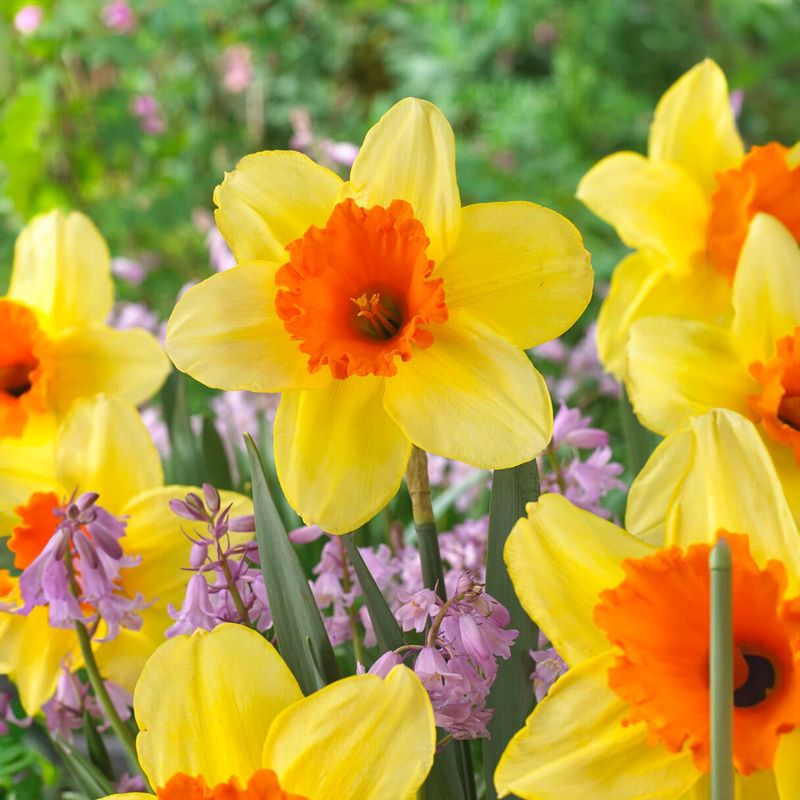
Ever squeezed a peach at the grocery store to check if it is ripe? Choosing daffodil bulbs works in a similar way.
Good bulbs feel firm and heavy for their size. A bulb that feels soft or mushy underneath is best left behind, as that kind of softness usually signals rot.
Surface blemishes or a little minor mold on the outer papery skin are not always cause for concern, but if the bulb itself feels compromised when you give it a gentle squeeze, pass on it.
Bigger bulbs usually mean bigger flowers. Some sellers label top sizes as double-nose bulbs, which can produce two or more stems.
Papery brown skin is normal, so do not worry if it flakes a bit. What matters is the solid feel underneath that thin outer layer.
Your Ohio Garden Changes Every Week. Your Plan Should Too.
Gardening in Ohio changes quickly throughout the season. Every Friday you’ll receive a simple weekly plan showing exactly what to plant, prune, fertilize, harvest, and protect so you never miss the right timing.
Ohio garden centers stock bulbs starting in late summer. Shopping early gives you the best selection before popular kinds sell out.
Varieties like King Alfred, Tete-a-Tete, and Ice Follies handle cold winters well. Many gardeners also love Thalia for its sweet white blooms.
Mixing early, middle, and late bloomers stretches the show for weeks. That way your yard stays bright from March well into May.
Store bulbs in a cool, dry place if you cannot plant right away. A paper bag in the garage works better than plastic, which traps moisture.
Fun fact: daffodils go by the name Narcissus, from an old Greek myth. The story tells of a young man who admired his reflection in a pond.
Choosing well now gives you a strong head start for spring.
3. Finding The Sunniest Spot In Your Yard
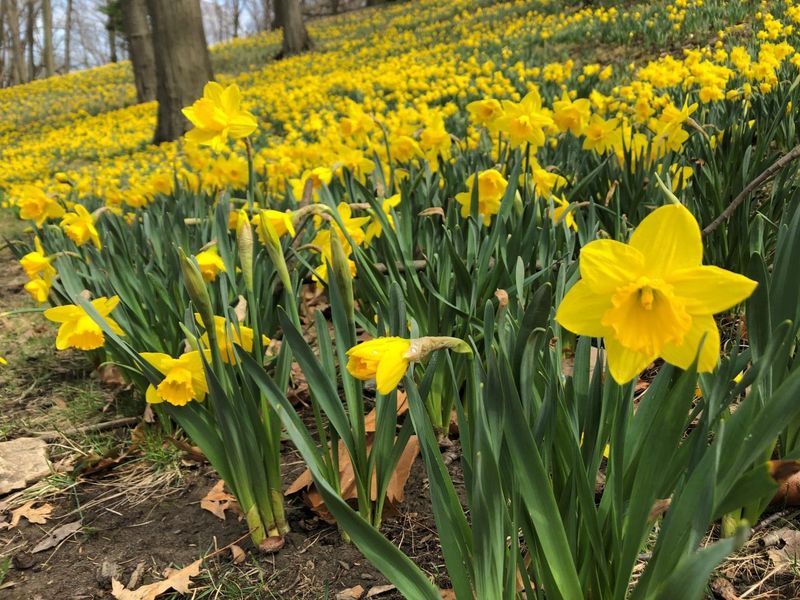
Grab a lawn chair and spend a little time people-watching your own yard. Notice where sunshine lands and where shadows linger through the day.
Daffodils love at least six hours of sun in spring. Luckily, many trees in Ohio are still bare when these flowers bloom.
That means spots under oaks or maples can work nicely. Sunlight slips through empty branches long before summer leaves fill in.
Drainage matters just as much as light. Bulbs sitting in soggy ground may rot before they ever get a chance to bloom.
Try a quick test by digging a hole about a foot deep. Fill it with water and see if it drains within a few hours.
If water sits around all day, pick another spot. A gentle slope or raised bed often solves wet soil troubles nicely.
Think about where you will actually see the flowers. Planting near a front walk or kitchen window lets you enjoy them on chilly mornings.
Avoid areas right against heated house foundations. Extra warmth there might coax shoots up too early during a mild January.
Many gardeners mark chosen spots with colorful stakes or golf tees. It is a simple trick that keeps planting day organized and stress-free.
A bit of scouting now saves plenty of frustration when spring finally rolls around.
4. Fixing Heavy Clay Soil Before You Dig
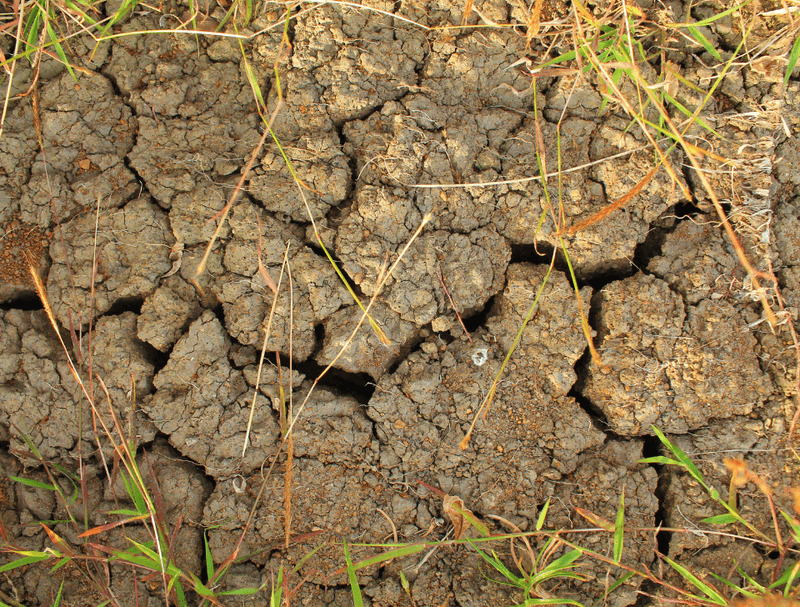
Clay soil can feel like modeling dough on a rainy day. Plenty of Ohio gardeners know that sticky struggle all too well.
Clay holds onto water for a long time. Daffodil bulbs, however, prefer soil that drains well and stays loose.
The easiest fix is adding organic matter. Compost, shredded leaves, or aged manure help break up those tight clay particles.
Spread about two or three inches across your planting area. Then mix it into the top eight to ten inches with a shovel or garden fork.
Skip adding plain sand to clay soil. Oddly enough, it can create a mix that feels a lot like concrete once it dries.
A soil test from your county Extension office offers helpful clues. It shows pH levels and nutrients, and the cost is usually quite low.
Daffodils enjoy slightly acidic to neutral soil, around 6.0 to 7.0. Most yards fall close to that range without much fuss.
Working soil when it is soaking wet can squash it further. Wait for a day when a handful crumbles instead of forming a sticky ball.
Improving soil now pays off for years. Daffodils often return season after season, so a good home really matters.
Think of it as fluffing a pillow before a long winter nap for your bulbs.
5. Getting The Depth Just Right
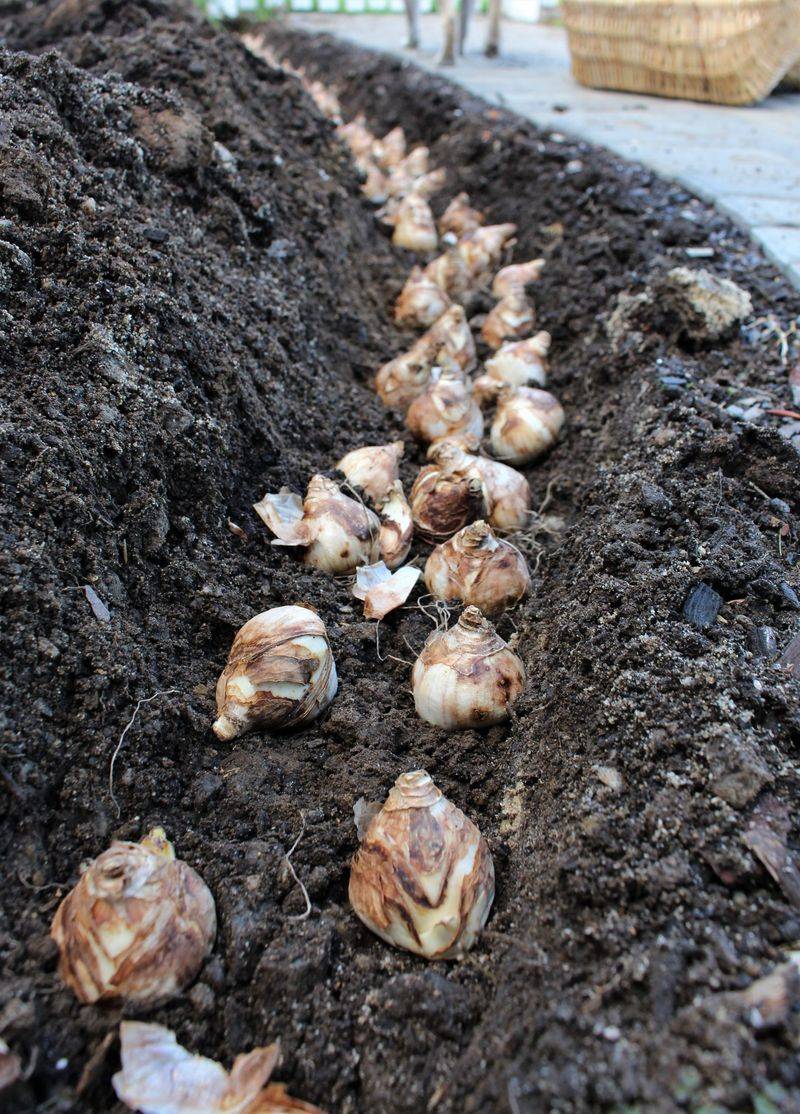
Here is a handy rule many gardeners swear by. Plant each bulb about three times as deep as it is tall.
For most standard daffodils, that means six to eight inches deep. Smaller mini types can go a bit shallower, around four or five inches.
Deep planting protects bulbs from Ohio freeze and thaw cycles. Those swings can push shallow bulbs right out of the ground.
Point the tip upward and the flat root side down. If you cannot tell which end is which, lay the bulb sideways and it will sort itself out.
Space bulbs about three to six inches apart. Closer spacing makes a fuller look, while wider spacing gives them room to multiply.
A bulb planter tool makes quick work of many holes. Some fit on a power drill, which is a real back saver for big projects.
For a natural look, try tossing bulbs gently across the area. Plant them right where they land for a relaxed, wild style.
Groups of ten or more create stronger visual impact than single rows. Clusters catch the eye from the street and look lovely in photos.
Once bulbs are in place, cover them with soil and press down lightly. Firm soil removes air pockets that could dry out new roots.
Getting depth right is a small detail with big rewards.
6. Watering And Feeding Bulbs After Planting
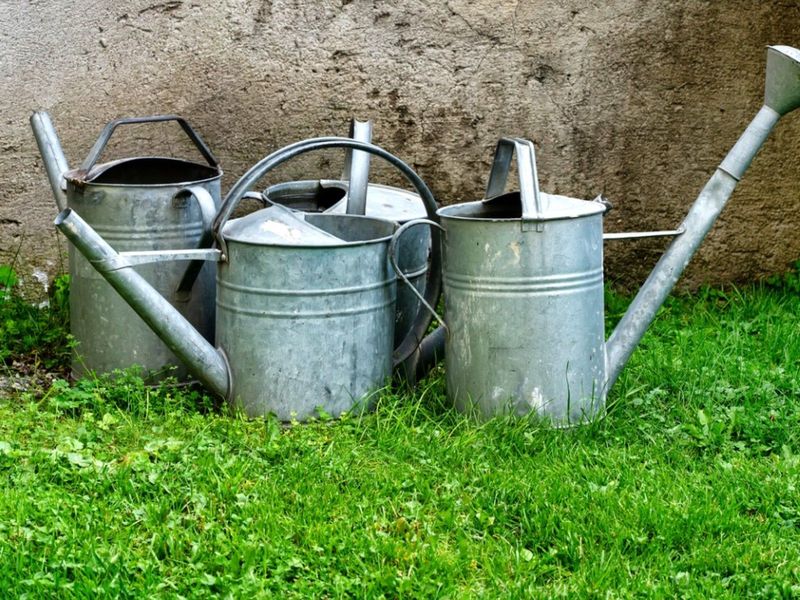
Picture a bulb settling into its new bed like a kid on the first night of camp. A good drink of water helps it feel right at home.
Water deeply right after planting. That first soak settles soil around bulbs and encourages roots to start growing.
After that, Mother Nature usually takes over. Fall rain in Ohio often supplies enough moisture through the cooler months.
During an unusually dry autumn, check the soil weekly. If it feels dry two inches down, give the bed another gentle watering.
Feeding is simple too. A bulb fertilizer or bone meal mixed into the planting hole gives roots a helpful boost.
Look for a fertilizer with more phosphorus, the middle number on the bag. That nutrient supports strong root growth and healthy blooms.
Go easy on high nitrogen products. Too much can lead to lots of leaves but fewer flowers come spring.
A light top dressing of compost in early spring adds extra nutrition. It also improves soil a little more each year.
Here is a neat tidbit: daffodil bulbs store food much like a lunchbox. Each one holds most of the energy needed for next year’s flower.
With water and a light snack in place, your bulbs are ready to rest.
7. Mulching To Shield Bulbs From Winters
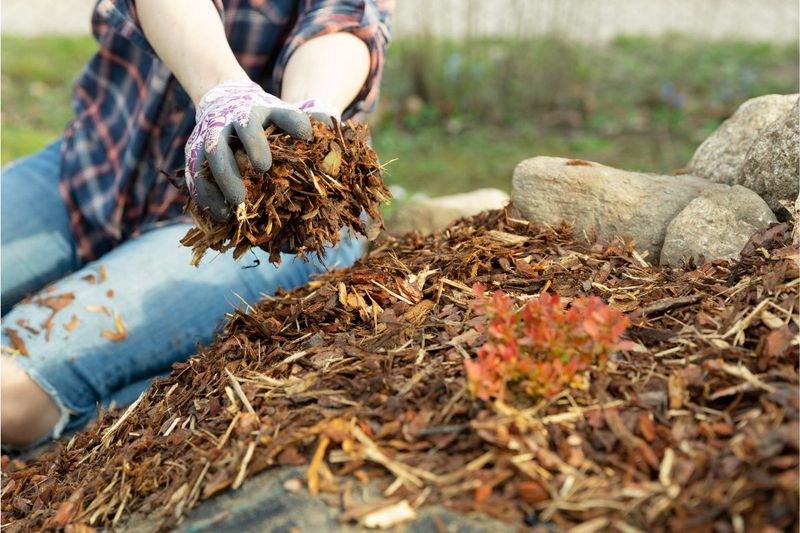
Winter weather in Ohio can flip from sunny and fifty to snowy and ten in a day. Bulbs appreciate a cozy blanket during those wild swings.
Mulch is that blanket. A layer about two to three inches deep keeps soil temperatures steadier through winter.
Shredded leaves, pine needles, straw, or bark all work well. Many gardeners simply use leaves raked from their own lawns for free.
Wait until the ground starts to cool before spreading mulch. Applying it after a few frosty nights works nicely in most areas.
Mulch also slows weeds and holds moisture in the soil. Those perks make spring cleanup a little easier.
Avoid piling mulch too thick, though. More than four inches can stay soggy and might invite rot or curious critters.
In early spring, you can pull some mulch back gently. That lets sunshine warm the soil and helps shoots poke through more easily.
If green tips appear during a warm winter week, there is generally no need to panic. Daffodil foliage can handle light frost reasonably well, but if an extended hard freeze follows an early emergence, that growth can sustain some damage.
Keeping a light layer of mulch nearby to pull back over early shoots during a sudden cold snap is a smart precaution worth having in your back pocket.
Some gardeners even plant a ground cover like creeping thyme over bulbs. It looks charming and adds a living layer of protection.
A little mulch now means fewer worries when January winds start howling outside your window.
8. Why Hungry Critters Leave Daffodils Alone
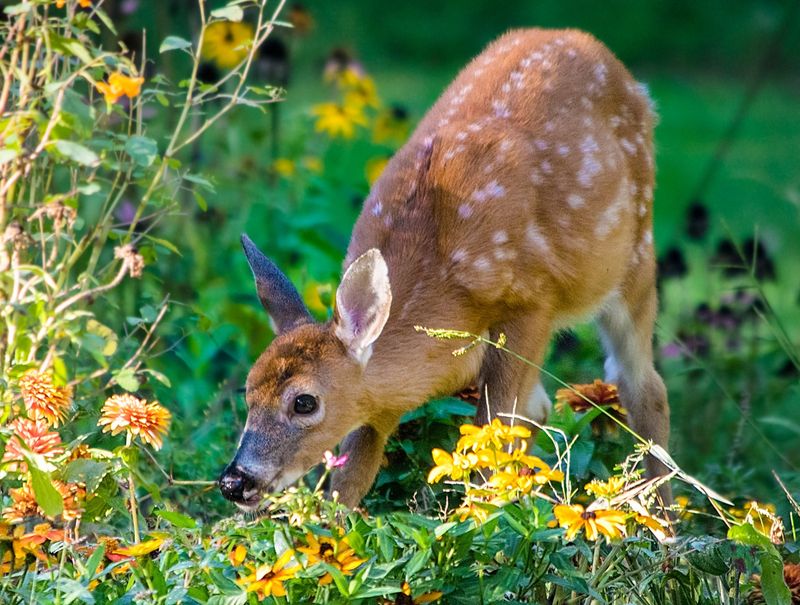
Squirrels in Ohio can seem like tiny bandits with endless energy. They dig up tulips and crocus bulbs as if planning a feast.
Daffodils, happily, are a different story. Their bulbs, leaves, and flowers contain a bitter compound called lycorine that most animals avoid.
Deer, rabbits, voles, and chipmunks usually pass right by. That makes daffodils a favorite choice for gardens near woods or open fields.
Freshly dug soil may still attract curious squirrels at first. They often sniff around loose dirt hoping for buried snacks.
Cleaning up papery bulb skins helps reduce their interest. Some gardeners also lay chicken wire over the bed for a few weeks.
Mixing daffodils with tastier bulbs can offer some protection. Ringing tulips with daffodils may discourage nibblers from digging deeper.
Because of that bitter compound, keep bulbs away from pets and small kids. Wearing gloves while planting is a smart habit too.
Fun fact: daffodil stems release a sap that can shorten the vase life of other flowers. Let cut stems sit alone in water for a few hours first.
Critter resistance helps daffodils spread and return for decades. Many old farmhouses still have clumps planted generations ago.
Plant them this October, and you may start your own long-lasting family tradition of golden springs.