Why Stink Bugs Are Crowding Michigan Porches And What Gardeners Can Do About It
Stink bugs start looking for warm, sheltered spots as Michigan temperatures drop in fall, and porches offer exactly that.
Sunny, south-facing walls in particular tend to draw large numbers of these insects, since the warmth mimics the kind of sheltered spot they’d naturally seek outdoors.
Once a few bugs find a good spot, they release a scent that attracts even more, which is why porches can go from empty to covered seemingly overnight.
Sealing up cracks and gaps around doors, windows, and siding helps cut down on how many bugs actually make it inside. Vacuuming up visible bugs, rather than crushing them, also helps avoid the strong odor they release when disturbed.
1. They’re Searching For A Place To Spend Winter
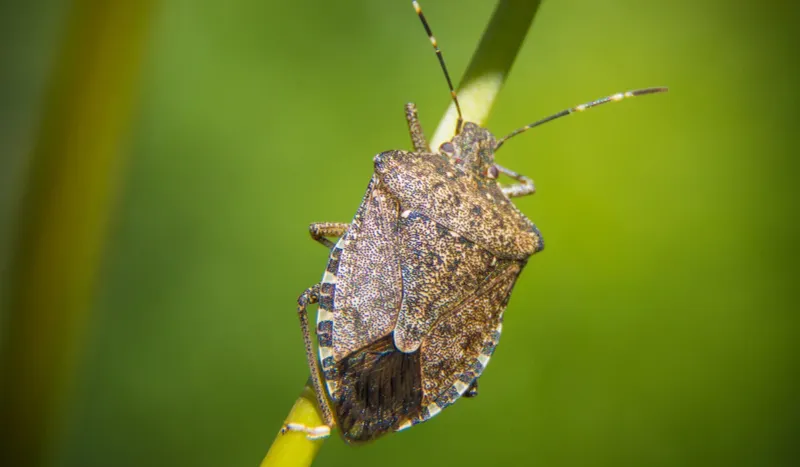
Cool nights and shorter days send a clear message to stink bugs: winter is coming. The brown marmorated stink bug can’t handle Michigan cold out in the open, so it goes looking for a cozy hiding spot.
Your porch, siding, and walls look like the perfect place. As fall settles in, adult bugs stop feeding and leave gardens, fields, and trees behind.
They fly toward buildings because cracks, gaps under siding, and spaces inside walls offer shelter from freezing wind and snow. Homes, garages, and sheds all work well for them, which is why so many show up at once.
Timing is your best friend here. Most of the action happens from September into October, so mark those weeks on your calendar. Walk around your home every few days during that window and look for bugs resting on doors, railings, and window trim.
Sealing entry points before the rush keeps most of them outside. Check for loose siding, open vents, and gaps near the roofline, then fix what you find.
When you spot a group of bugs, remove them right away instead of waiting, since bugs left alone may slip inside.
Michigan winters are long and harsh, and that is exactly why stink bugs work so hard to find shelter here every year. A home that offers easy access will attract plenty of guests.
A home that stays sealed tight gives them nowhere to go but somewhere else. Staying alert in early fall saves you months of frustration. A little effort now means a calmer, quieter winter indoors.
2. Sunny Walls Pull Them In
Ever notice that one side of your house seems to collect most of the bugs? That is no accident. Stink bugs love sunshine, especially on chilly fall afternoons.
South and west-facing walls soak up the most afternoon sun. When the air feels cool, those warm surfaces act like heating pads for insects. Stink bugs land there to warm their bodies while they hunt for a crack to crawl into.
Knowing this makes your job much easier. Start your bug patrol on the sunniest sides of your home. Check porch railings, window frames, door frames, and the edges of siding, because bugs often rest in these spots before squeezing inside.
Your Michigan Garden Changes Every Week. Your Plan Should Too.
Gardening in Michigan changes quickly throughout the season. Every Friday you’ll receive a simple weekly plan showing exactly what to plant, prune, fertilize, harvest, and protect so you never miss the right timing.
A simple bucket of soapy water works wonders. Fill it with water and a few squirts of dish soap, then hold it under the bugs and gently knock them in. The soap breaks the water surface, so they can’t climb back out.
Your sealing work should also focus on these warm walls first. Caulk small cracks, tighten loose trim, and check screens on south and west windows. Putting your energy where the bugs gather gives you the biggest payoff for your time.
Michigan fall days can be tricky. A frosty morning can turn into a bright afternoon, and sunny walls warm up far above the chilly air around them. That sudden heat draws bugs like a magnet.
Keep your bucket handy on warm afternoons. Those are the hours when you will catch the most bugs and keep your porch clearer.
3. The Brown Marmorated Stink Bug Is An Invasive Species
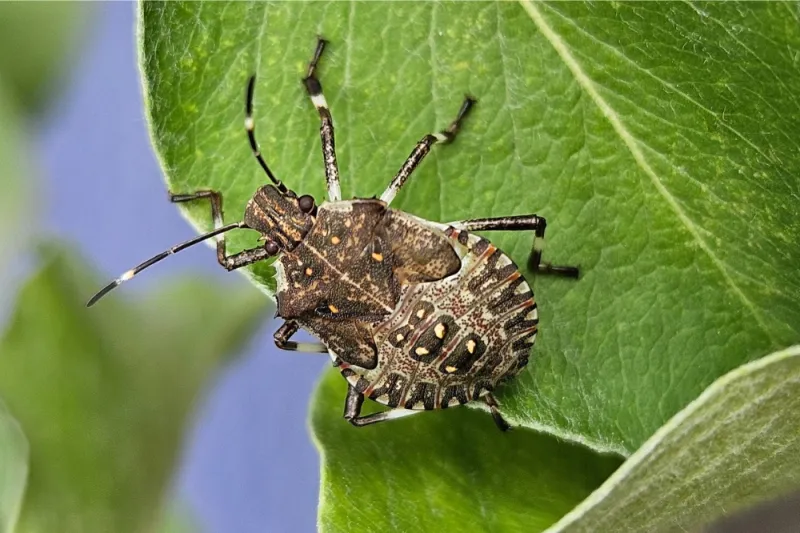
Not every stink bug is a troublemaker. The one crowding your porch is most likely the brown marmorated stink bug, a newcomer that arrived in the United States from Asia.
It was first found in Pennsylvania in the late 1990s and has since spread across much of the country.
Native stink bugs usually stay outside and mind their own business. The invasive brown marmorated stink bug acts very differently. It gathers on and inside buildings in large numbers each fall, which makes it a true household nuisance.
Gardeners have even more reasons to watch it closely. This bug feeds on a huge range of plants, from vegetables to fruit trees to ornamental shrubs. Few garden crops are completely safe from its appetite.
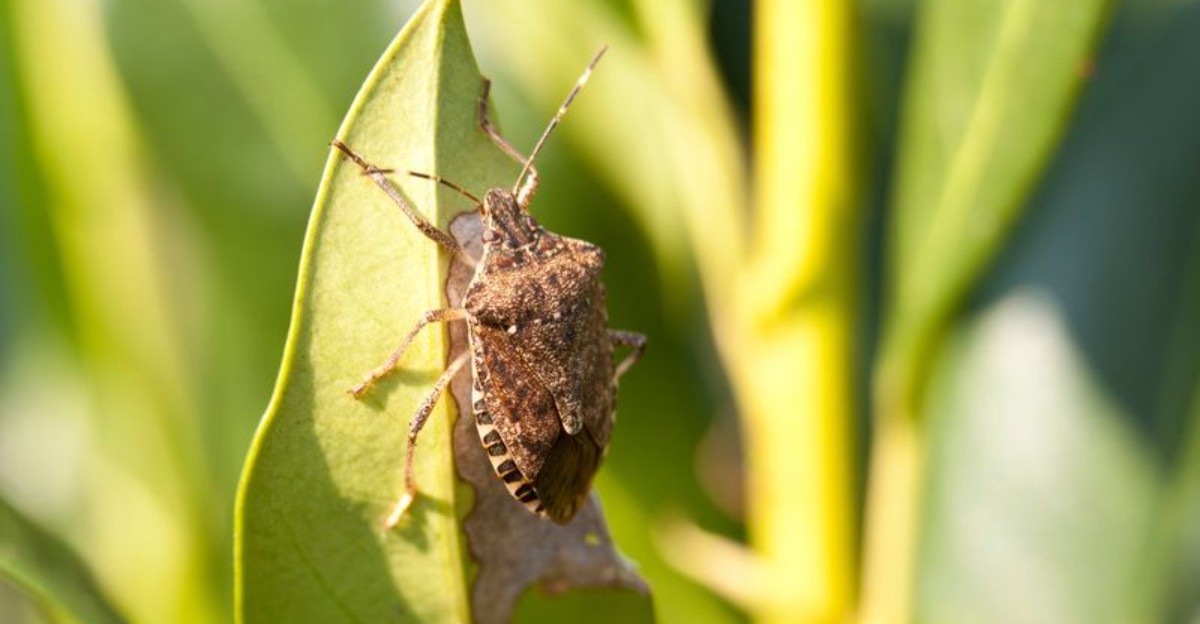
Spotting it takes just a quick look. The body is shield-shaped and mottled brown, about the size of a fingernail. Look for light bands on the antennae and alternating light and dark markings along the outer edges of the body.
Those features help you tell it apart from native stink bugs, some of which are green or have smooth, plain antennae. Some native look-alikes even eat other insects, so knowing the difference matters before you remove anything.
Michigan now has an established population of this pest, and it has become a familiar fall visitor on homes across the state. Learning to recognize it lets you act fast and with confidence.
Snap a photo if you’re unsure. Your local MSU Extension office can help confirm what you found.
4. They Gather Where Others Already Are
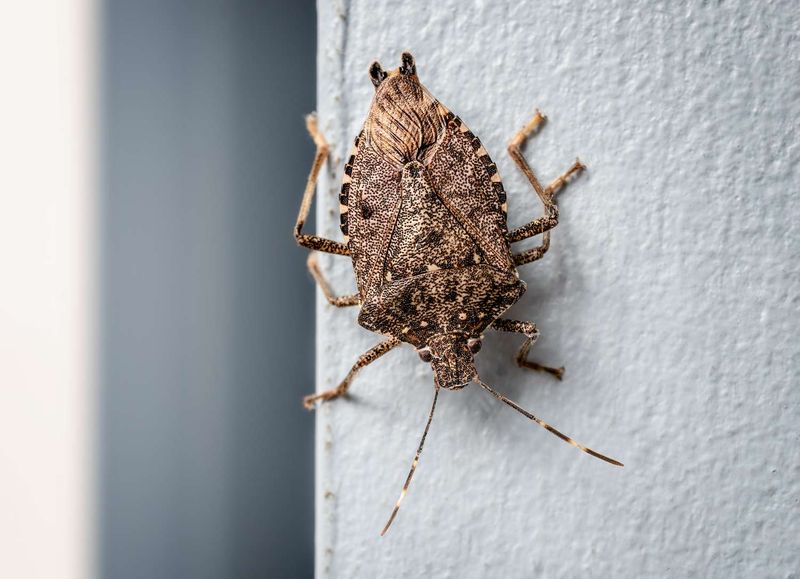
A few bugs on the wall today can turn into a crowd by next week. Stink bugs like company, and they tend to show up where others have already landed. Once a group forms, more follow.
Clustering helps them survive. Gathering in groups seems to guide bugs toward safe winter shelter, and research shows they respond to chemical signals released by other stink bugs. That means a small cluster works like a welcome sign for everyone nearby.
Homeowners often notice a pattern. A house that had a stink bug problem one year frequently sees the same issue the next fall. The bugs may be returning to spots that worked well before.
Early action breaks the cycle. Remove the first clusters as soon as they appear, using a bucket of soapy water or a vacuum you keep just for bugs. The fewer bugs sitting on your walls, the less likely others will join them.
Keeping notes is a smart move too. Each fall, jot down where the bugs gather, such as the back door, an attic vent, or a certain window. Over time, you will build a map of your home’s trouble spots.
Those spots should become your top priority for sealing and cleanup. Fix gaps in those areas first, and check them often during peak season.
Michigan homes and porches tend to see repeat visits year after year. With a simple record and quick removal, you can stay one step ahead and make your home far less inviting.
5. Gardens And Fruit Trees Fed Them All Summer

Long before they reached your porch, those bugs were snacking in your backyard. Stink bugs spend the growing season feeding on garden and orchard plants. By fall, they are well fed and ready to find shelter.
They don’t chew like caterpillars. Instead, stink bugs pierce fruits, vegetables, and seeds with a needle-like mouth and suck out the juices. The damage often shows up later as cloudy spots, dimples, or corky areas.
Tomatoes and peppers often take the hardest hits, with pale patches under the skin. Beans, sweet corn, apples, and peaches can suffer too. Apples and peaches may develop sunken spots and hard, brown flesh underneath.
Regular checks make a big difference. In late summer, walk through your garden every few days and look closely at fruit, leaves, and stems. Hand-pick any bugs you find and drop them into a jar of soapy water.
Small crops benefit from a physical barrier. Fine netting or lightweight row covers keep stink bugs from reaching tomatoes, peppers, and beans. Just remember to lift covers when plants need bees for pollination.
Picking produce promptly helps as well. Ripe fruit left on the vine draws more attention, so harvest tomatoes, peppers, and peaches as soon as they are ready.
Michigan backyards often have vegetable beds and fruit trees right beside the house. That gives stink bugs a handy buffet before they move a few steps to your porch. Protecting your garden in summer means fewer bugs knocking at your door in fall.
6. Small Gaps Let Them Inside
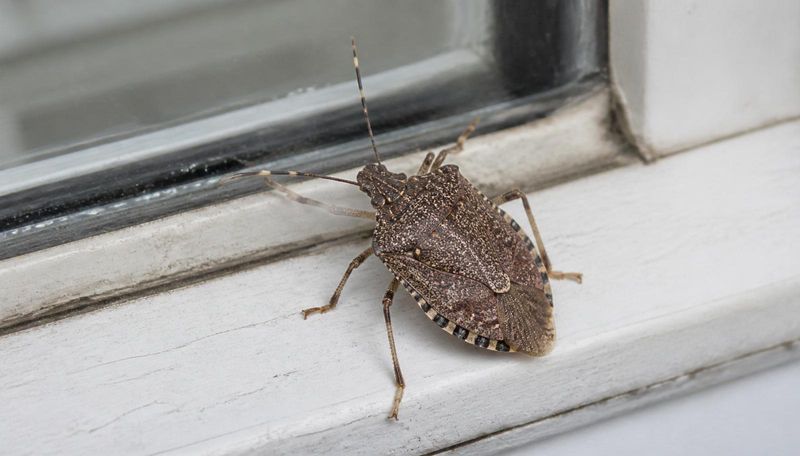
A gap no wider than a credit card is all a stink bug needs. These flat-bodied insects squeeze through tiny openings with surprising ease. Once they find one, they crawl right into your walls.
Common entry points include spaces around windows and doors, loose siding, utility lines, vents, and chimneys. Anywhere a pipe or wire enters the house can leave a small opening. Blocking these spots is the most reliable way to keep bugs outdoors.
Caulk is your secret weapon. Run a fresh bead of exterior caulk along cracks around window and door frames. Choose a quality silicone or silicone-latex product that stays flexible through Michigan weather.
Screens deserve attention too. Repair or replace any torn window and door screens, and check that they fit snugly. Even a small rip can let in dozens of bugs.
Doors need their own protection. Install door sweeps on exterior doors and add weatherstripping around the edges. You’ll also save on heating bills, which is a nice bonus.
Don’t forget the spots where pipes, cables, and outdoor faucets enter the house. Fill those gaps with caulk or expanding foam. Cover attic and soffit vents with fine screening if bugs keep slipping in.
Late summer is the ideal time for this work, before bugs start gathering. Michigan homes with older siding and window frames often have many small openings, so a careful walk-around pays off.
Grab a flashlight and take your time. One weekend of sealing can spare you a whole winter of surprise visitors.
7. Warm Days Bring Hidden Bugs Back Out
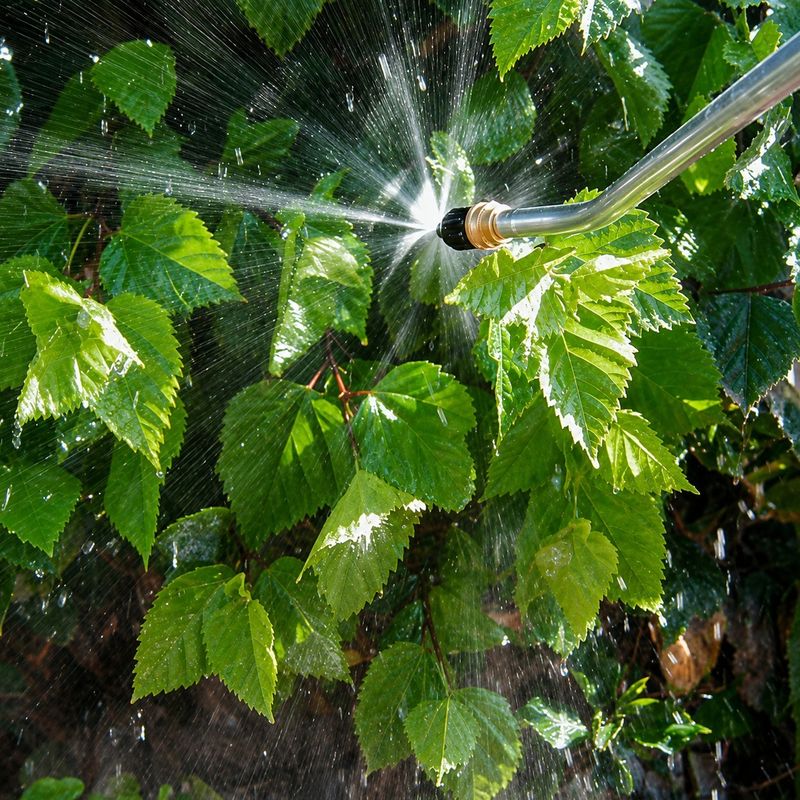
Snow covers the yard, yet a stink bug is strolling across your kitchen window. Sound familiar? Bugs that slipped into wall spaces in fall don’t always stay put.
Mild winter days warm walls and attics, which wakes the sleepy bugs. Confused by the heat, they wander toward light and end up in living areas. The good news is that they don’t breed or feed indoors, so they won’t multiply inside your home.
A vacuum is the easiest fix. Suck up any bugs you find, then empty the bag or canister outside right away so the smell doesn’t linger. Many people keep an old handheld vacuum just for this job.
Soapy water works well too. Simply knock the bug into a cup of water mixed with a little dish soap. It’s quick, clean, and doesn’t require any tools.
Resist the urge to squish them. Crushing a stink bug releases a strong, unpleasant odor that can hang around and even stain surfaces. Gentle removal keeps your home smelling fresh.
Indoor insecticide sprays are not worth it. They don’t work well on these bugs, and they can leave bugs inside walls, where the leftover bodies may attract carpet beetles and other pests.
Michigan often gets warm spells in late winter, and those sunny days bring stink bugs out well before spring arrives. Keep your vacuum or soapy cup ready from February onward. Sealing gaps again in summer will help shrink next year’s indoor crowd.
8. Few Predators Keep Their Numbers In Check
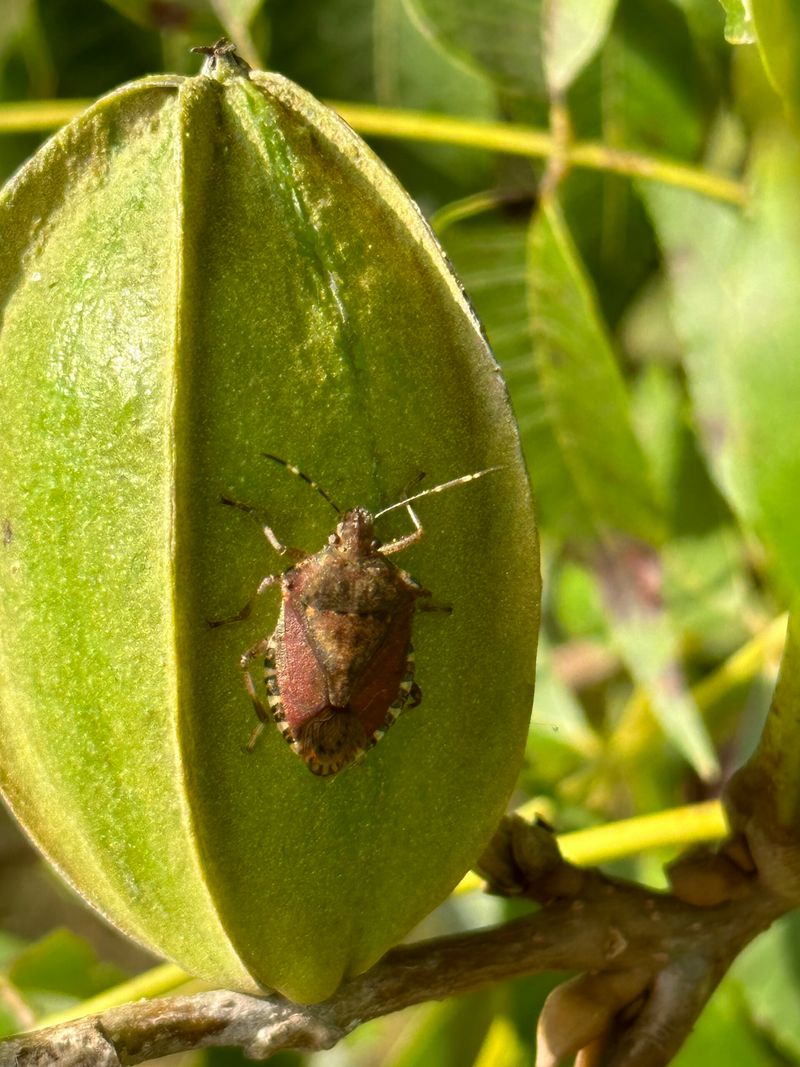
Back home in Asia, the brown marmorated stink bug faces a whole crew of enemies. Tiny parasitic wasps, predators, and diseases help keep its numbers under control there. In North America, that natural support system was missing when the bug arrived.
Fewer natural enemies mean populations can grow larger here. Still, nature is catching up. Some native insects, such as assassin bugs, spiders, and certain predatory stink bugs, will feed on it, and birds like wrens and chickens snack on them too.
Scientists have even found the samurai wasp, a tiny parasite from Asia, already living in parts of the United States, including Michigan. It lays its eggs inside stink bug eggs, which helps lower their numbers.
Gardeners can support these helpers with smart choices. Avoid broad-spectrum insecticides, because they harm the good bugs along with the bad ones. Once helpful predators disappear, pest problems often get worse.
Diverse plantings make a big difference. Grow a mix of flowers, herbs, and native plants such as coneflowers, asters, dill, and yarrow. They provide food and shelter for beneficial insects all season long.
Birds will happily pitch in when you offer water, shrubs, and nesting spots. A friendly yard invites more natural pest control.
Michigan gardeners get the best results by combining approaches. Seal your home, pick bugs by hand, protect crops with covers, and let nature handle the rest. Lasting control comes from teamwork between you and the wildlife that shares your yard.