8 California Fruit Trees That Need Less Water Once Fall Begins
Fall brings a quiet shift to California backyards. Days grow shorter, nights turn cooler, and many fruit trees begin slowing down long before the first real storm.
Yet plenty of gardeners keep the hose running on a summer schedule out of pure habit.
That extra water can do more harm than good. Soil that stays wet in cool weather often invites root problems that are tough to reverse.
Not every tree follows the same rules, though. A few still need steady moisture for a while, and one keeps drinking all winter.
Reading the signs each tree gives, and checking the soil before reaching for the hose, makes all the difference as the season changes.
1. Apple Trees Slow Down With Falling Leaves
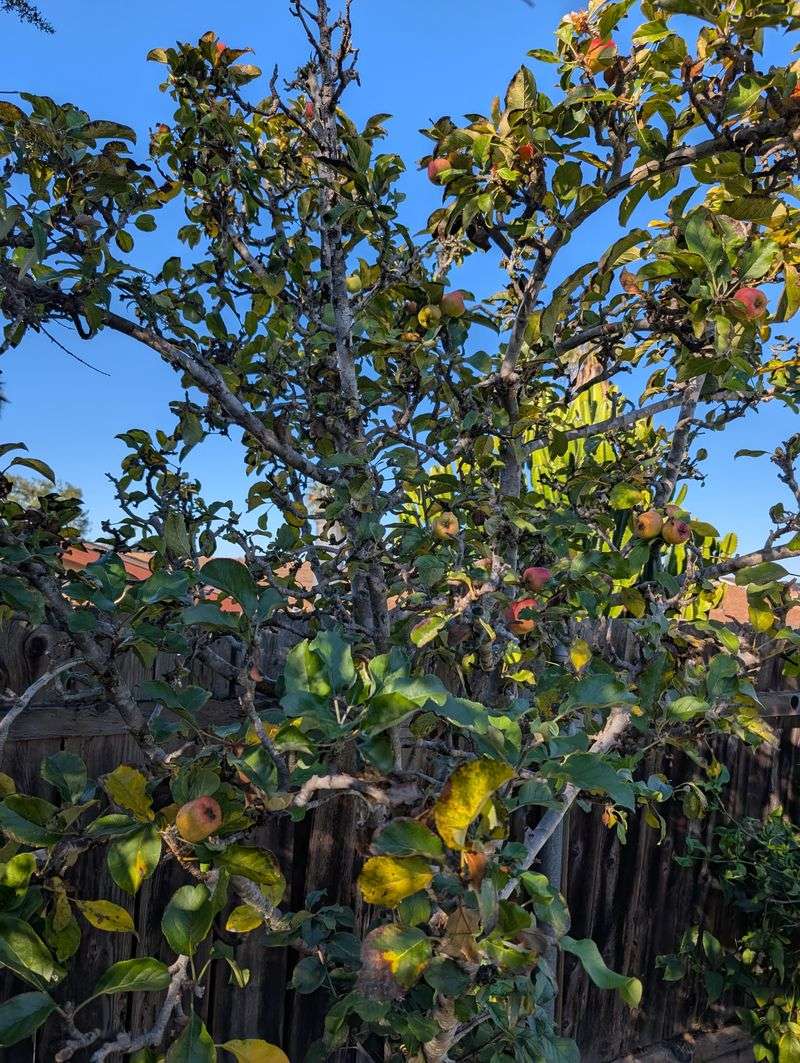
Yellow leaves drifting onto the lawn send a clear message from an apple tree. The busy growing season is over, and roots, shoots, and fruit no longer need the steady drinks they did in July.
Leaves act like tiny water pumps, releasing moisture into the air through a process called transpiration. As leaves fall, that pump slows, and the tree pulls far less water from the soil.
Cooler air and shorter days slow things even more. The tree is preparing for a well-earned rest.
Soil checks work far better than calendar watering. A trowel or soil probe pushed 6 to 12 inches down near the drip line reveals what’s really happening.
Cool, damp soil means holding off, while dry, crumbly soil calls for a slow, deep soak rather than a quick sprinkle. Soil type matters a lot here.
Sandy soil drains fast and dries out sooner. Clay holds water for a long time, and soggy clay in fall can lead to root rot.
Once fall rains arrive, many established apple trees in California need little or no extra water. Young trees planted within the last year or two are different, since their shallow roots need closer attention during dry spells.
A tree that enters winter well hydrated, but not waterlogged, is ready to bloom strongly in spring. That balance sits at the core of a happy harvest.
2. Pear Trees Need Less As Days Shorten
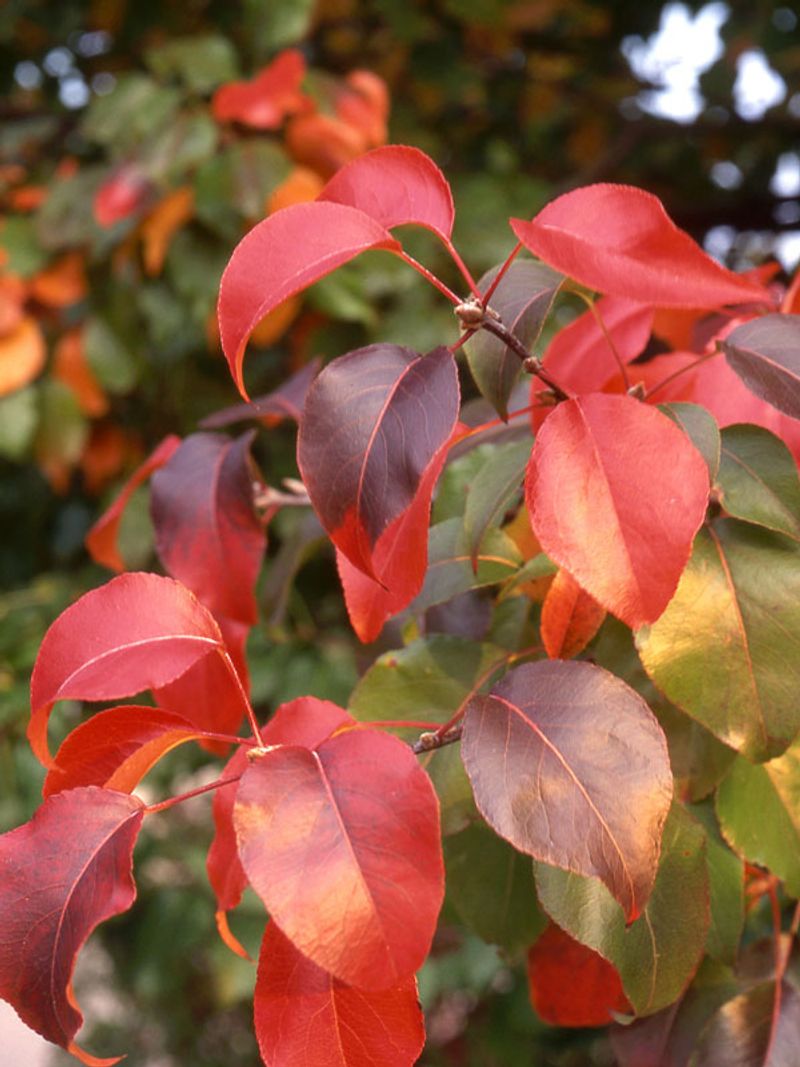
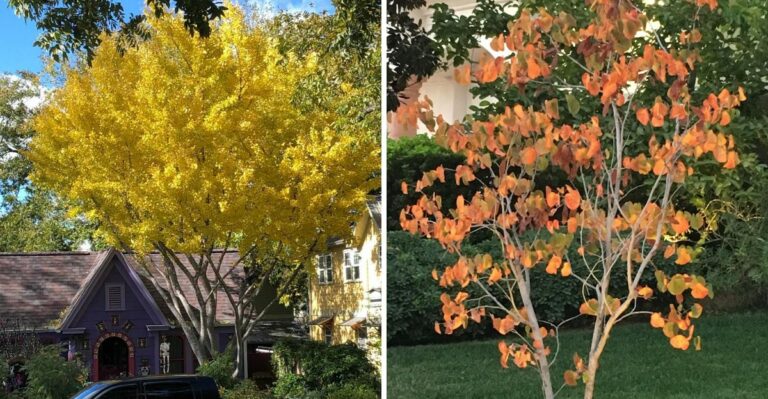
Pear leaves often blush red and gold before letting go. The color show is lovely, and it also signals that the tree is winding down for its winter rest, called dormancy.
During dormancy, a pear tree uses very little water. Growth stops and leaves are gone, so little moisture escapes.
Watering on a summer schedule now can keep soil soggy for weeks. That’s rarely helpful for any fruit tree.
Pears tolerate wet soil better than some fruit trees. Standing water around the trunk still causes trouble, though.
Pear trees also face fire blight, a bacterial disease, and lush late growth can make them more vulnerable. Pushing new growth with extra water and fertilizer in fall works against the tree.
A simple routine works well. A soil check a few inches down every week or two shows when water is truly needed.
Your California Garden Changes Every Week. Your Plan Should Too.
Gardening in California changes quickly throughout the season. Every Friday you’ll receive a simple weekly plan showing exactly what to plant, prune, fertilize, harvest, and protect so you never miss the right timing.
Deep watering only when it feels dry, and none after a good rain, keeps things balanced.
Mulch helps, too. A 3 to 4 inch layer of wood chips keeps moisture steady, though it should stay several inches away from the trunk.
Tree age changes the plan. A young pear in its first few years still needs regular checks during a warm, dry fall.
An older pear with deep roots can often coast on stored soil moisture and winter rain. Letting the tree set the pace works best.
3. Peach Trees Head Toward Dormancy
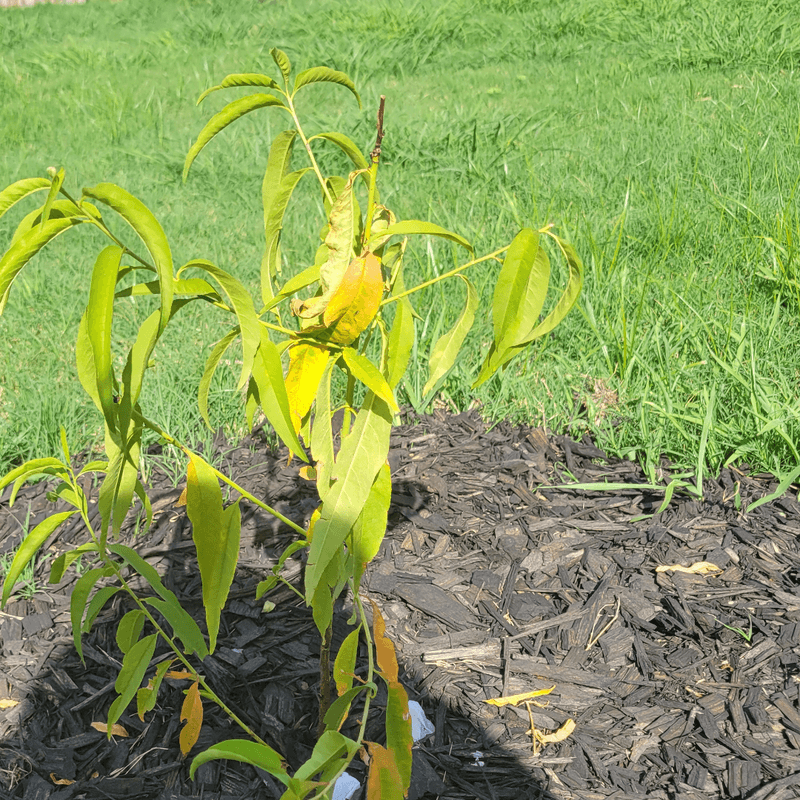
A common mistake happens right after the last peach is picked. Watering continues at full strength, as though the tree still needs it, and by late fall that extra water mostly sits in the soil.
Peaches are thirsty in summer, especially while fruit is sizing up. After harvest, needs drop, though the tree still uses some water until leaves fall.
Many experts suggest keeping trees from going bone dry in late summer and early fall. During that window, the tree stores energy and forms next year’s flower buds.
Once the narrow leaves yellow and drop, the story changes fast. A dormant peach uses very little water.
Wet, cold soil can harm roots, and peaches are more sensitive to poor drainage than many fruit trees. Root and crown rot are real risks in heavy clay.
A gradual taper works best as leaves thin, rather than stopping all at once. Checking soil moisture before each watering and letting rain take over once winter storms begin keeps things balanced.
Fall cleanup helps too, since fallen leaves and old fruit can hide pests and disease. Container peaches need closer watching, because pots dry out faster than ground soil even in cool weather.
Pots can also stay waterlogged when drainage holes clog. Lifting the pot or feeling the soil helps judge moisture.
With the right balance, the peach can rest peacefully and wake ready to bloom.
4. Plum Trees Ease Off Before Winter
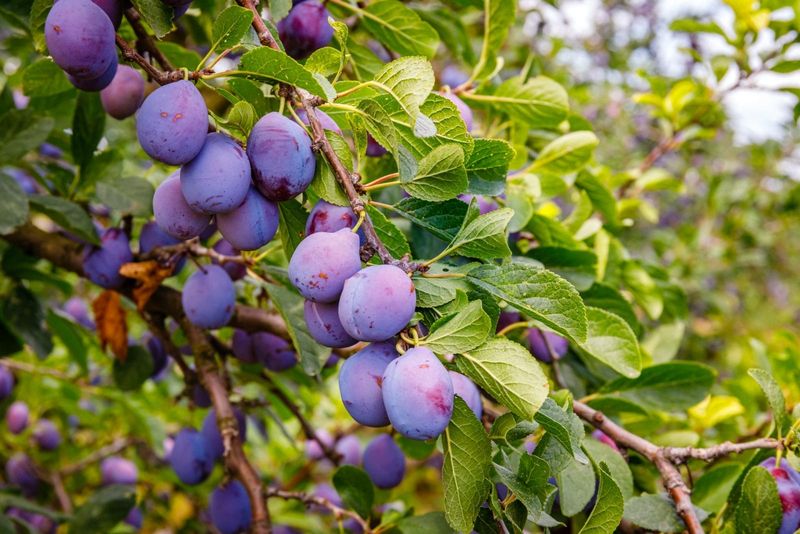
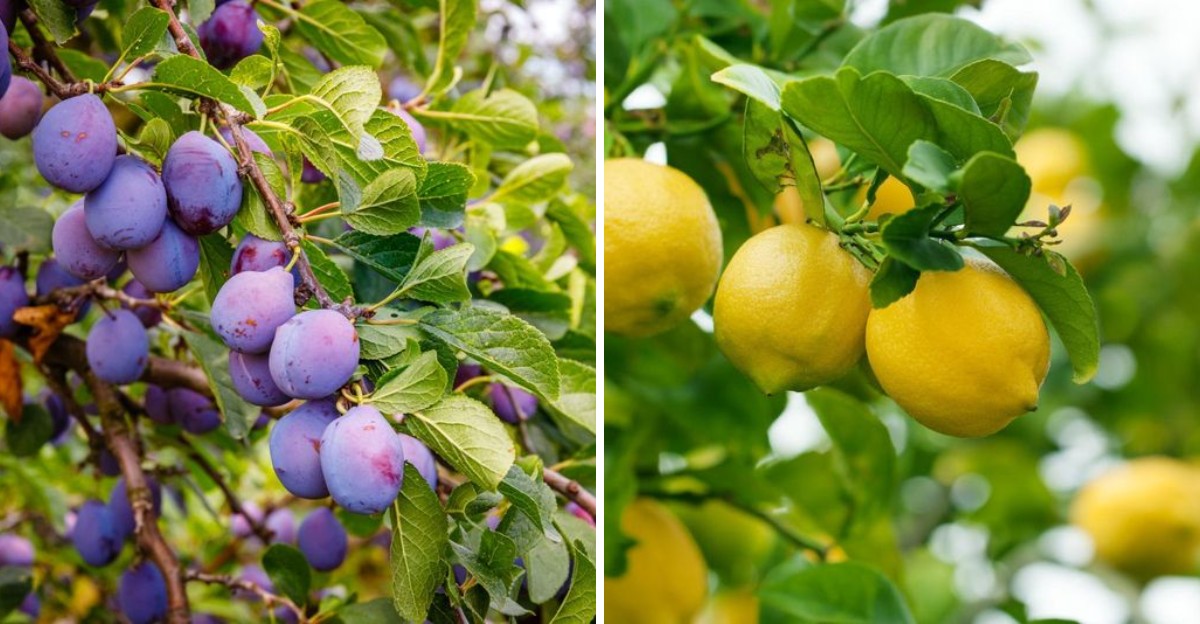
A cool November morning with clouds rolling in from the coast often finds a plum tree wearing a thin crown of bronze leaves. When the ground is still damp from last week’s rain, the hose can usually stay coiled.
Plums follow the same pattern as other stone fruits. They work hard in spring and summer, then slow down after harvest.
As leaves drop, the tree’s thirst drops right along with them. By winter, a dormant plum needs very little help.
Japanese plums, like Santa Rosa, often ripen early in summer, while European plums, including many prune types, tend to ripen later. Either way, once fruit is gone and fall arrives, watering can start to ease off.
California grows most of the prunes in the United States, mostly from dried European plums. That fact gives backyard plums a little extra hometown pride.
Easing off doesn’t mean ignoring the tree. Dry Santa Ana winds in Southern California can pull moisture from soil quickly, even in fall.
Hot, windy stretches call for a soil check and a deep drink when needed.
Young trees face the greatest risk during these spells. After that, rainfall becomes the best guide, since a good soaking storm can supply plenty of moisture for weeks.
A simple rain gauge tracks how much fell. Combined with a quick soil check, it shows exactly when the hose is needed, setting the stage for a plum-believable crop next year.
5. Fig Trees Drop Leaves And Drink Less
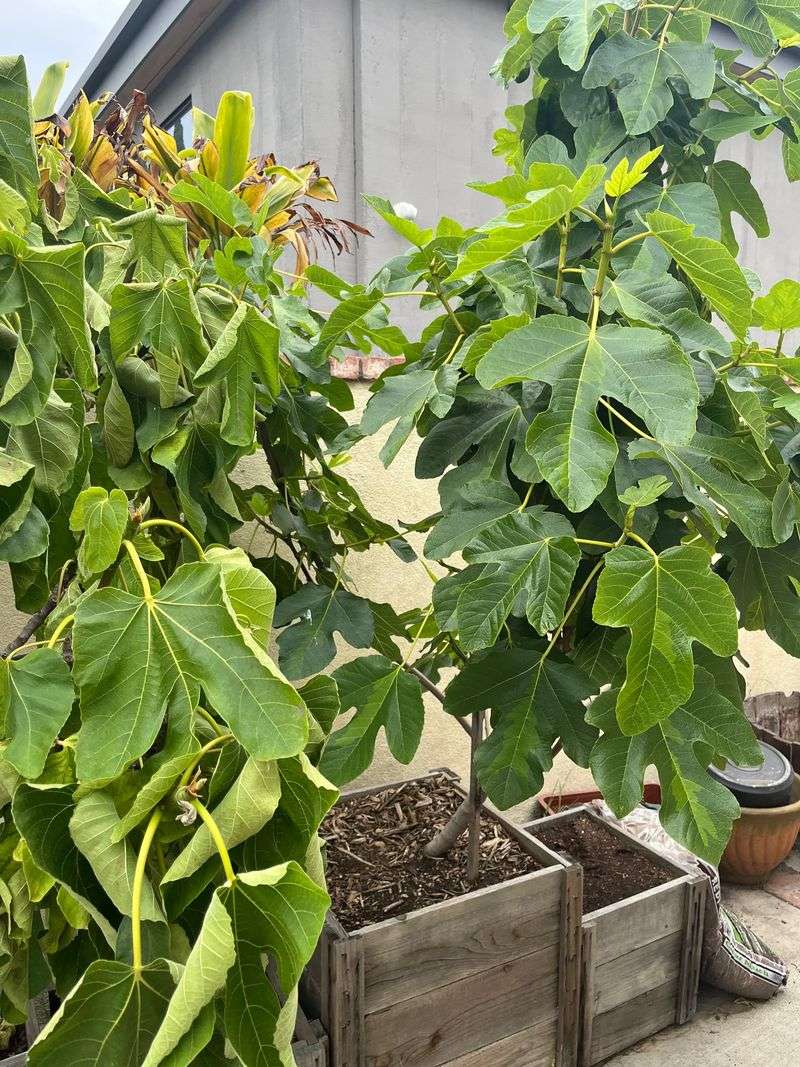
Few things are as dramatic as a fig tree in late fall. Giant, hand-shaped leaves turn yellow, then thud to the ground in piles that make raking feel like a workout.
All those big leaves used plenty of water in summer. Once they’re gone, the fig’s water use drops sharply.
A bare fig is resting and doesn’t need regular irrigation. Figs also handle dry conditions surprisingly well once established.
Overwatering poses a bigger risk than underwatering in fall and winter. Figs dislike soggy roots, especially in heavy, slow-draining clay.
Too much late-season water can also push soft new growth that frost may damage. In colder inland areas, that tender growth is easily hurt by early frost.
Many California figs produce two crops each year. The early breba crop grows on last year’s wood, while the main crop ripens in late summer or fall.
Soil shouldn’t dry out completely while main-crop figs are still ripening. After the final figs are picked and leaves begin falling, watering can taper off gradually.
Potted figs are a special case, since containers dry out faster and need a check about once a week, even in winter. Light watering when the top few inches feel dry works well.
In-ground figs several years old usually rely on winter rain. Young figs may still need an occasional deep drink during long, dry winter stretches.
6. Persimmon Needs Less After Harvest
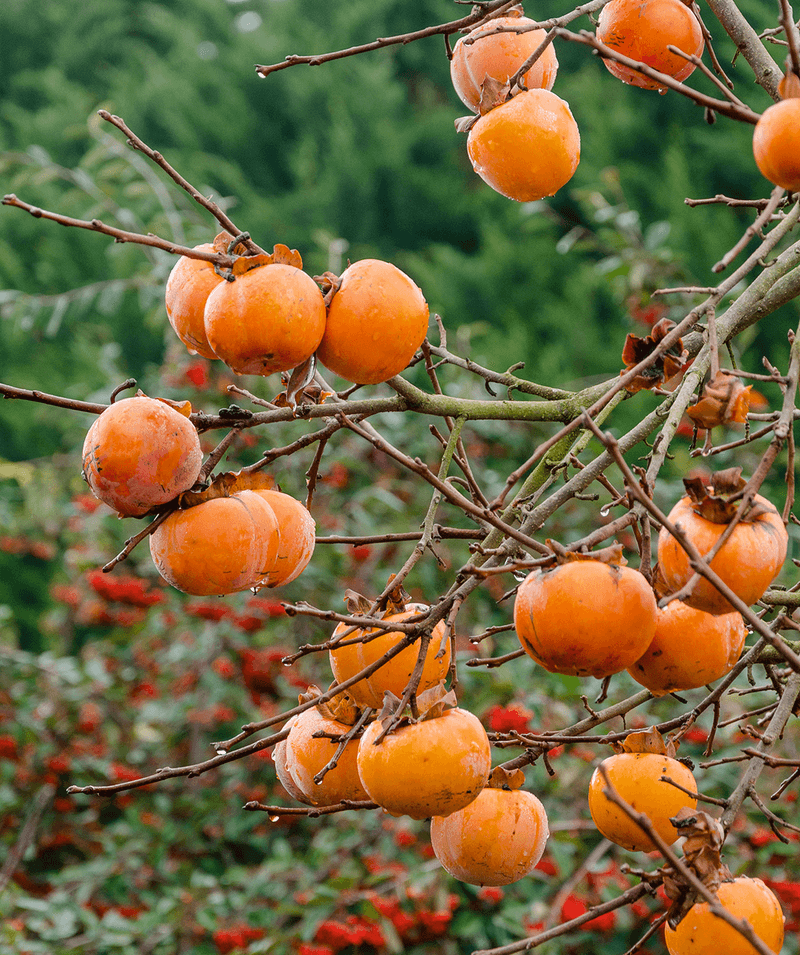
Bright orange persimmons dangling from bare branches look like holiday ornaments. That striking scene also marks a turning point for watering.
Once fruit comes off and leaves fall, the tree needs much less. Timing, however, matters before that point.
Persimmons ripen late, usually from October into December in California. While fruit still hangs on the tree, moderately moist soil keeps things steady.
A sudden dry spell during ripening can stress the tree and may cause some fruit to drop early. Consistent moisture prevents that disappointment.
After harvest, the tree heads into dormancy. With no leaves and no fruit, water use falls to a trickle.
Established persimmons tolerate some drought, so they rarely need help in winter when rain arrives.
Two common types appear in California yards. Fuyu persimmons are crisp and can be eaten firm, like an apple.
Hachiya persimmons must be fully soft and jelly-like, or they taste chalky and bitter.
Watering needs are similar for both, so the same fall plan works. Soil type deserves close attention, since persimmons do best in well-drained ground and can struggle in soggy clay.
A moisture check a few inches down before watering helps, with no extra water needed after a good rain. Young trees need more regular attention for their first couple of years.
Mature trees usually handle winter alone, so there’s no need to worry persimmon-ally.
7. Pomegranate Wants Steady Water Until Harvest
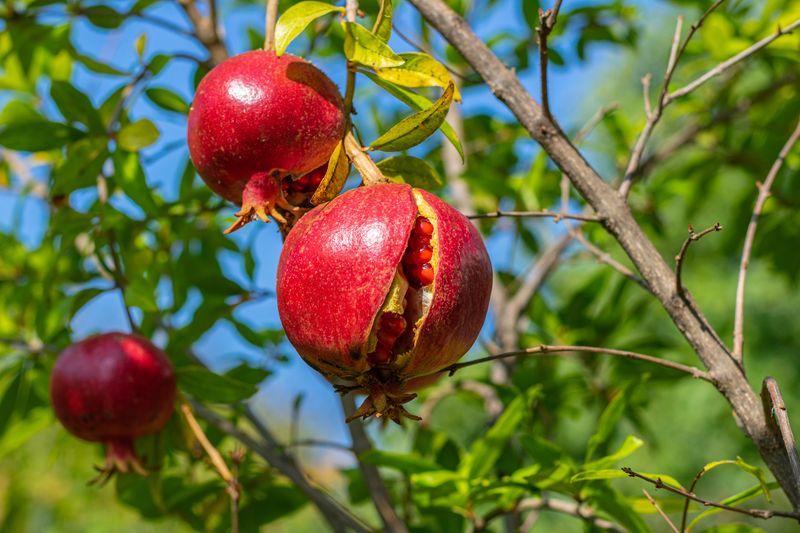
Few garden letdowns compare to a split pomegranate on the branch. Fruit that looked perfect one week can crack wide open the next, and uneven watering is often part of the cause.
Pomegranates are tough, drought-tolerant plants, but their fruit is picky. When soil swings from dry to soaking wet, the seeds inside swell faster than the skin can stretch.
Heavy fall rain near harvest can do the same thing. The result is split fruit that attracts insects and breaks down quickly.
Steady moisture helps reduce that risk considerably. A regular, consistent watering pattern until harvest works best, even while other trees in the yard are slowing down.
Cutting water off suddenly in early fall sets up trouble. A sharp drop followed by a big rain creates exactly the swing that leads to splitting.
Drip irrigation makes consistency easier by delivering slow, even water right to the roots. Mulch keeps soil moisture level and steady between waterings.
Harvesting ripe fruit before big storms arrive also helps. Ripe pomegranates usually show deep color and make a slightly metallic sound when tapped.
After harvest, watering can ease off gradually as leaves yellow and drop. Pomegranates are deciduous in most of California, so dormant plants need little water.
Young shrubs still need closer care during dry spells, while established ones usually rely on winter rain until spring growth begins.
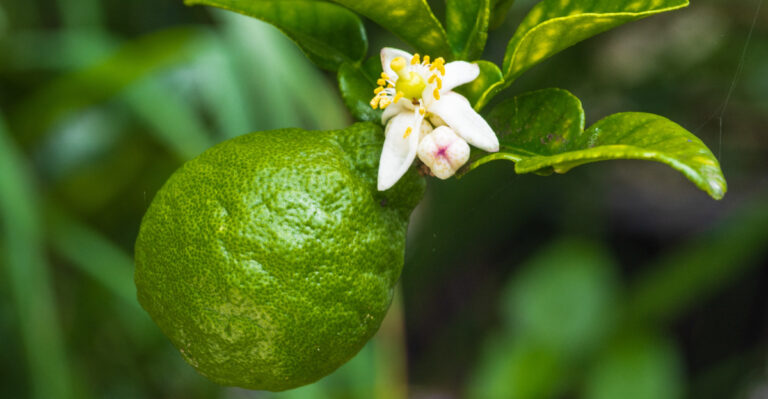
8. Citrus Keeps Drinking Just Less Often
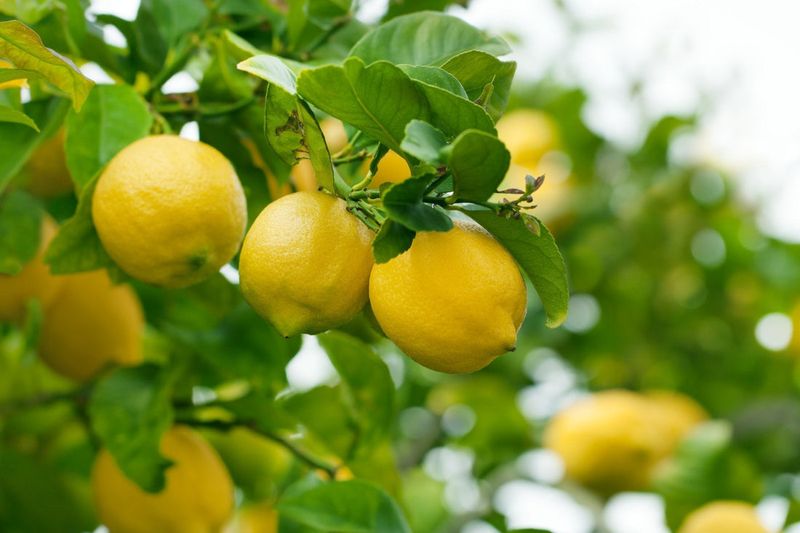
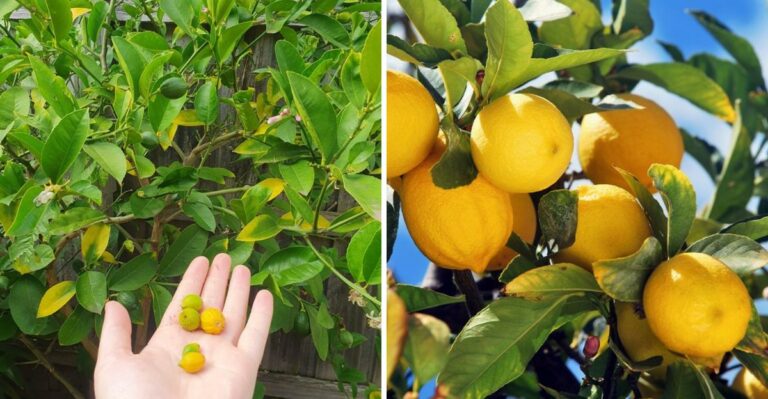
A lemon tree in December looks almost the same as it did in July. Glossy green leaves, maybe some bright fruit, and no sign of slowing down offer a clue to its fall needs.
Citrus trees keep their leaves all year, so they never stop using water completely. Cooler temperatures and shorter days, however, mean they use much less than in summer.
The trick is watering less often rather than stopping altogether. Many oranges, mandarins, and grapefruit ripen in winter, so the tree is still hard at work.
Citrus roots are fairly shallow and dislike soggy soil. Too much water in cool weather can cause root rot and yellowing leaves.
Letting the top few inches of soil dry out before the next watering helps. When watering does happen, a deep soak of the root zone beats short, frequent sprinkles.
Soil and tree age shape the plan. Sandy soil needs water more often than clay.
Young citrus trees in their first few years have small root systems that need more consistent checks.
Older trees can go longer between waterings. Rain counts, too, so skipping a cycle after a good storm makes sense.
Potted citrus deserves extra attention, since containers dry out faster yet can also stay wet when drainage is poor. A quick feel of the soil before each watering makes a big difference.
A little observation keeps citrus zesty all winter long.