Why Fallen Leaves Are The Best Free Fertilizer For Ohio Gardens
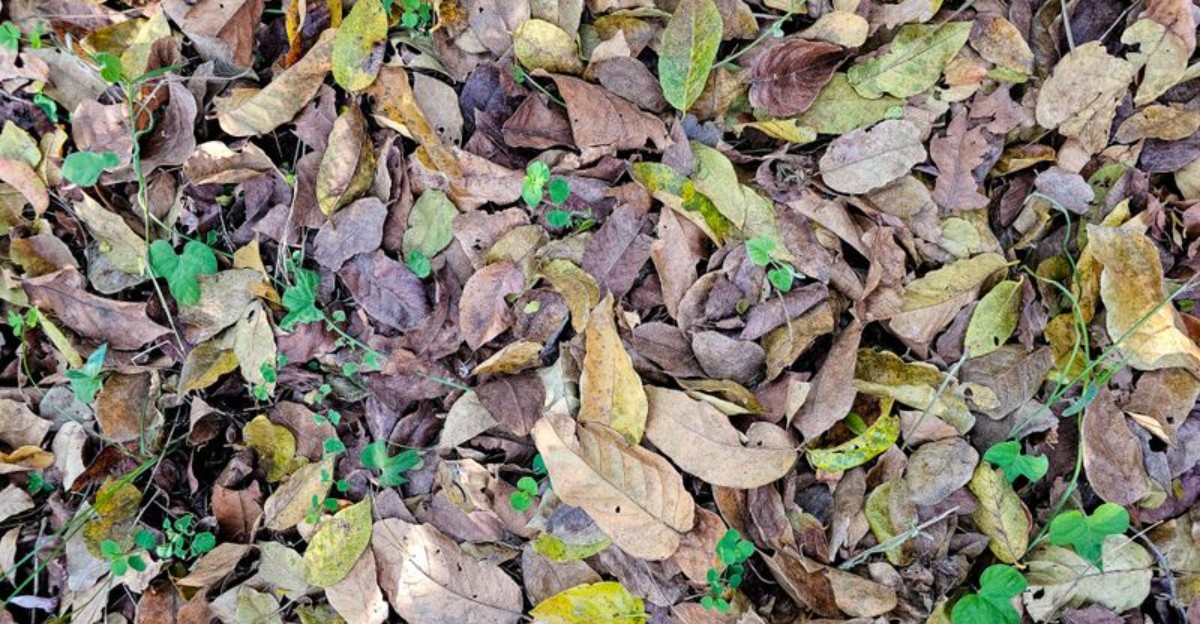
Every October, Ohio neighbors haul their gold mine to the curb in paper sacks and call it a clean yard.
Garden centers charge good money for the very thing piling up on your lawn right now. Mother Nature stocks it for free, drops it by the ton, and never sends a bill.
Most folks toss it without a clue.
Your soil has been hungry for this stuff since long before bagged products hit the shelves. Trees cracked the recipe ages ago and have run it quietly ever since.
Hold off on that curb pickup. The pile you’re about to haul away may be worth more than anything on the store shelf.
1. Fallen Leaves Recycle Nutrients Back Into The Soil
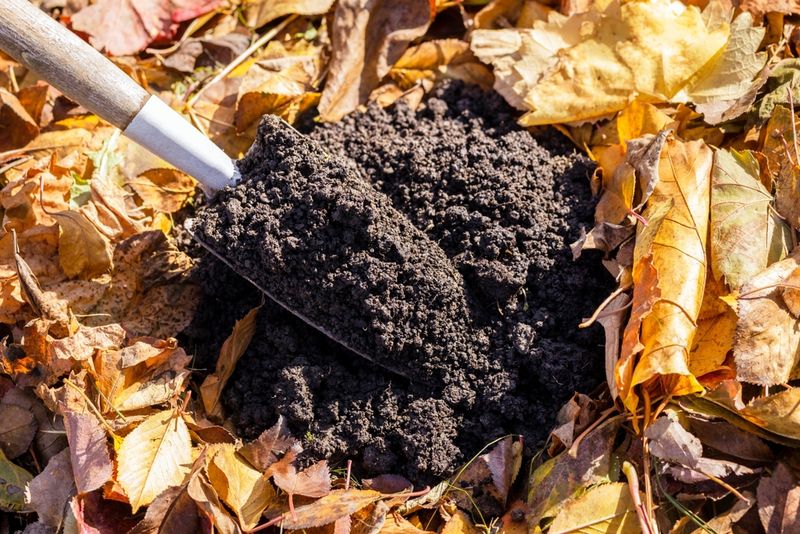
Picture a maple tree in Columbus as a tiny savings bank. All summer, its roots pull minerals from deep in the ground.
Come October, much of that wealth drops right onto your yard. Each leaf carries nitrogen, phosphorus, and potassium inside it.
Calcium and magnesium tag along too, plus small trace minerals. Plants need all of these to grow strong stems and roots.
As leaves break down, soil critters unlock those nutrients slowly. Your plants then sip them over months instead of all at once.
That slow release is a big deal for Ohio gardeners. Quick bagged fertilizers can wash away in heavy spring rains.
Leaf nutrients tend to stay put and feed roots gently. You get steady growth without the risk of burning tender plants.
Forests have used this trick for thousands of years. Nobody fertilizes the woods at Hocking Hills, yet the trees thrive.
Your backyard can work the same way with a little help. Simply keep the leaves on your property instead of hauling them off.
Oak, maple, and sycamore leaves all pitch in. Mix several kinds for a wider range of minerals.
Fun fact: a large shade tree can drop hundreds of pounds of leaves each fall. That is a lot of free plant food.
So before you grab the rake, think of those leaves as a gift. Your garden will thank you next spring.
2. Shredded Leaves Can Help Feed Your Lawn
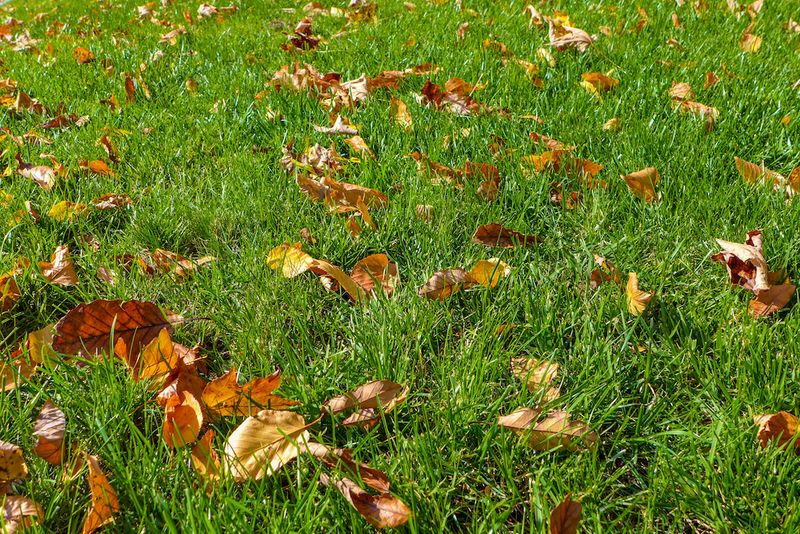
Here is a secret lawn pros love sharing. Your grass can eat leaves, as long as you chop them up first.
Whole leaves are like a giant pizza for a tiny mouth. Shredded bits are bite-sized snacks that soil microbes gobble fast.
Once the pieces settle between grass blades, they start breaking down. Nutrients then trickle back into the root zone.
Studies from turf researchers show something pretty exciting. Lawns fed with mulched leaves often green up nicely in spring.
Some homeowners even cut back on store-bought fertilizer. That saves money and means fewer chemicals running into creeks.
Ohio lawns, often cool-season grasses like fescue and bluegrass, enjoy this boost. Fall is when those grasses build roots for the next year.
Feeding them right now sets up a thicker, healthier carpet. A thick lawn also crowds out weeds on its own.
Your Ohio Garden Changes Every Week. Your Plan Should Too.
Gardening in Ohio changes quickly throughout the season. Every Friday you’ll receive a simple weekly plan showing exactly what to plant, prune, fertilize, harvest, and protect so you never miss the right timing.
You do not need fancy tools to pull this off. A regular mower does most of the heavy lifting.
Just make sure the blades are sharp before leaf season hits. Dull blades tear leaves into clumps instead of fine flakes.
Think of it as recycling without the trip to the curb. Your yard gets fed, and your weekend gets shorter.
Honestly, it might be the laziest smart move in gardening. Your back and your lawn both win.
3. Mow Over Leaves Until You Can See Grass
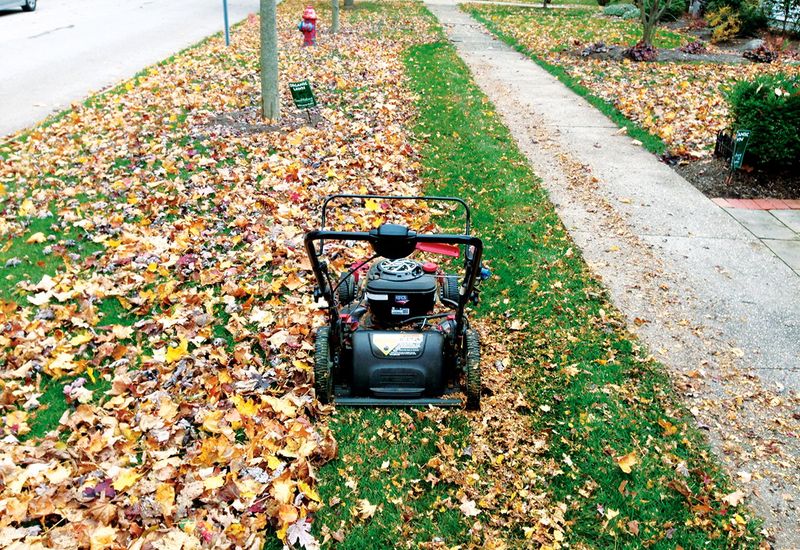
My neighbor in Dayton once called his mower a leaf blender. He was not wrong, and his lawn looked fantastic.
The goal is simple and easy to check. Keep mowing until the leaf pieces look like dime-sized flakes.
You should see green grass peeking through clearly. If the yard still looks brown, make another pass.
Thick leaf piles may need two or three rounds. A mulching blade helps shred faster, but a standard blade works too.
Set your mower a bit higher than usual, around three inches. That height lifts leaves and chops them without scalping the grass.
Mow when leaves are fairly dry for the best results. Soggy leaves clump together and clog the mower deck.
Try to mow once a week during peak leaf drop. Smaller layers are much easier to handle than a giant pile.
Got a bagging mower? Collect the shredded pieces for your garden beds instead of the trash.
Here is a quick test to try. Kneel down and look for bare soil and grass blades between the bits.
If you can spot them, you nailed it. Rain and worms will finish the job from there.
Fun fact: earthworms drag leaf bits down into their tunnels overnight. Free help is the best kind.
4. Whole Leaves Left On Grass Can Smother It
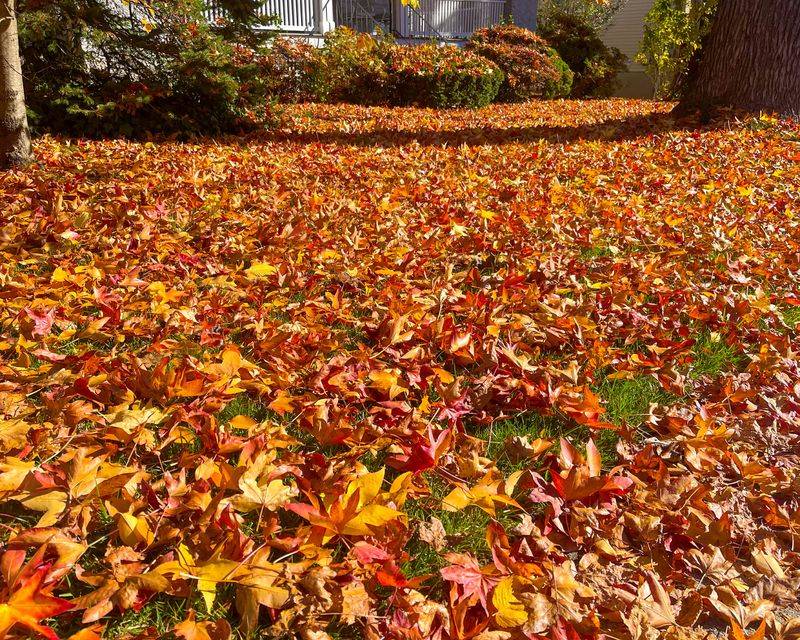
Ever peeled back a soggy leaf pile in March? The grass underneath often looks pale, flat, and sad.
That is what happens when whole leaves sit too long. They form a heavy mat that acts like a wet blanket.
Grass needs sunlight to make food, even in late fall. A thick leaf layer blocks that light almost entirely.
Air gets trapped out too, and moisture gets trapped in. That damp, dark spot is a cozy home for lawn diseases.
Snow mold is a common troublemaker in Ohio springs. It shows up as gray or pink circles on matted grass.
Oak leaves are extra tough and slow to break down. Large maple leaves can also flatten into a sticky sheet after rain.
So the leaves are not the villain here. The real problem is leaving them whole and piled up.
A light scattering of leaves is usually fine. A layer that hides the grass is a warning sign.
Walk your yard after big windy days. Spot thick drifts near fences, shrubs, and corners.
Shred those piles or move them to garden beds. Your lawn will breathe easier through winter.
A little attention now prevents patchy spots later. Spring cleanup becomes a breeze instead of a repair job.
5. Organic Matter Is The Real Payoff
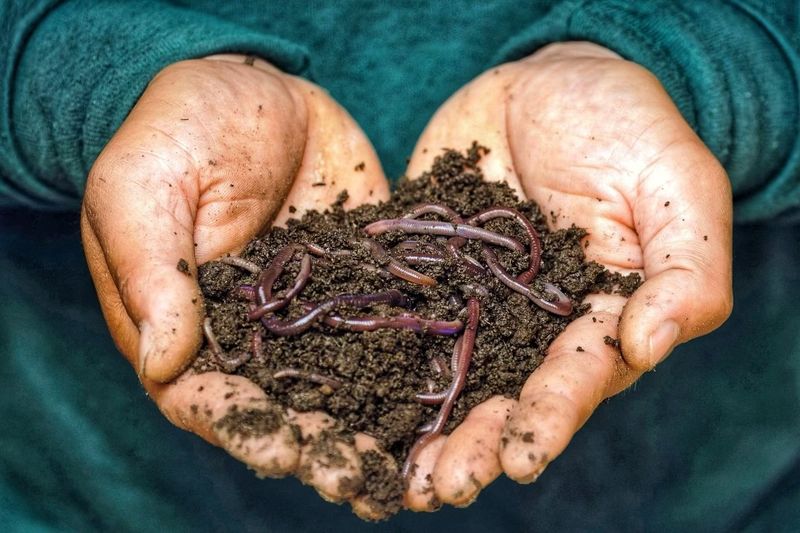
Nutrients get the headlines, but organic matter is the true star. Think of it as the sponge and skeleton of healthy soil.
Much of the state sits on heavy clay soil. Clay packs tight, drains slowly, and turns to brick in August.
Leaf matter wedges between clay bits and opens tiny air pockets. Water drains better, and roots push through with less struggle.
Southern Ohio has pockets of sandier ground too. Sandy soil lets water run straight through like a sieve.
Leaves fix that issue by holding moisture like a sponge. Your plants stay hydrated longer between rains.
Then there is the underground crowd. Earthworms, fungi, and helpful bacteria feast on leaf matter.
As they eat, they build crumbly soil that gardeners dream about. Healthy soil life also helps plants fight off stress.
Fertilizer from a bag feeds plants for a short while. Organic matter improves the soil itself for years.
That is why old farmers called rich soil black gold. They knew good dirt grew good food.
Every handful of leaves you save adds to that bank account. Over time, your garden soil grows darker and softer.
Stick with it for a few seasons. You will notice the difference every time you dig.
6. Spread Leaf Mulch Over Garden Beds
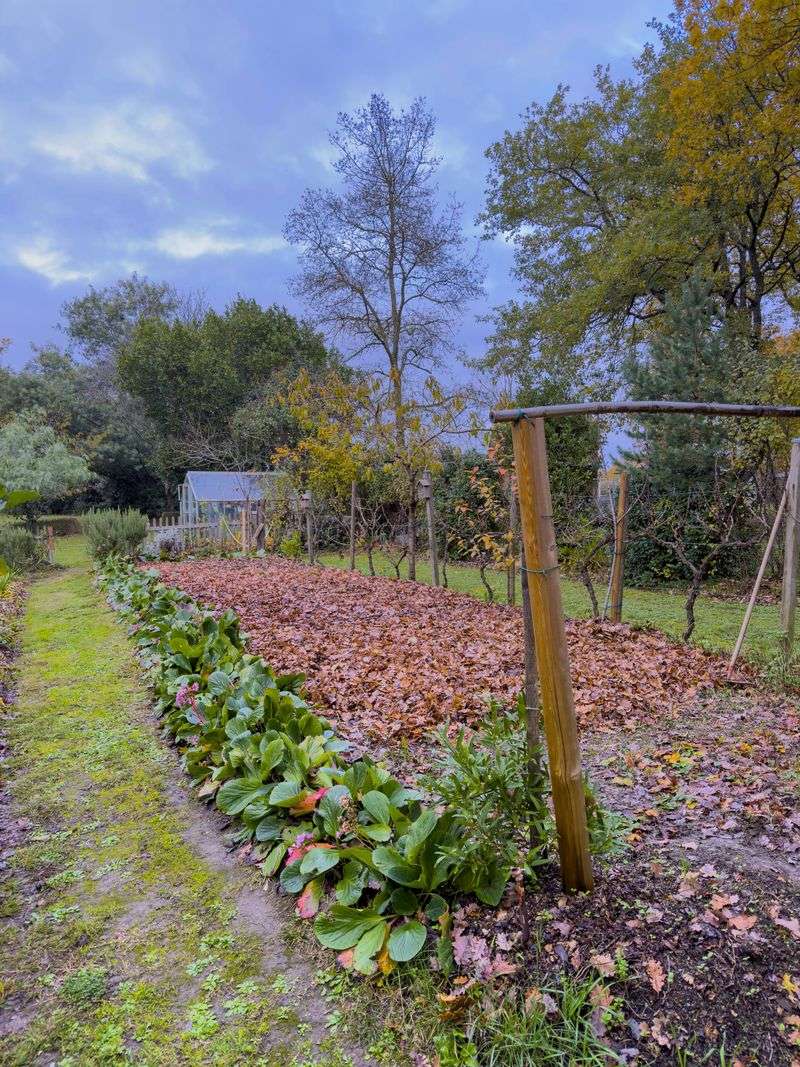
Fancy bagged mulch costs a few dollars a bag. Shredded leaves do much of the same job for zero dollars.
Spread a layer about two to three inches deep. Tuck it around shrubs, perennials, and vegetable beds.
Keep the mulch a few inches away from stems and trunks. Piling it right against bark can invite rot and critters.
Leaf mulch works like a cozy winter quilt. It keeps soil temperatures steadier when Ohio flips from mild to freezing.
That steady warmth helps prevent frost heaving. Frost heaving can push young plants right out of the ground.
Come summer, the same layer holds in moisture. You may find yourself watering a lot less often.
Weeds also have a harder time poking through. Fewer weeds mean more free time on Saturday mornings.
Shredding matters here, just like on the lawn. Whole leaves can mat down and block water from reaching roots.
As the mulch breaks down, it feeds the soil below. Add a fresh layer each fall to keep the cycle going.
Bonus tip: shredded leaves make a great path cover in veggie gardens. Your boots stay cleaner after rainy days.
It looks natural, smells earthy, and costs nothing. That is a deal worth bragging about.
7. Turn Extra Leaves Into Compost
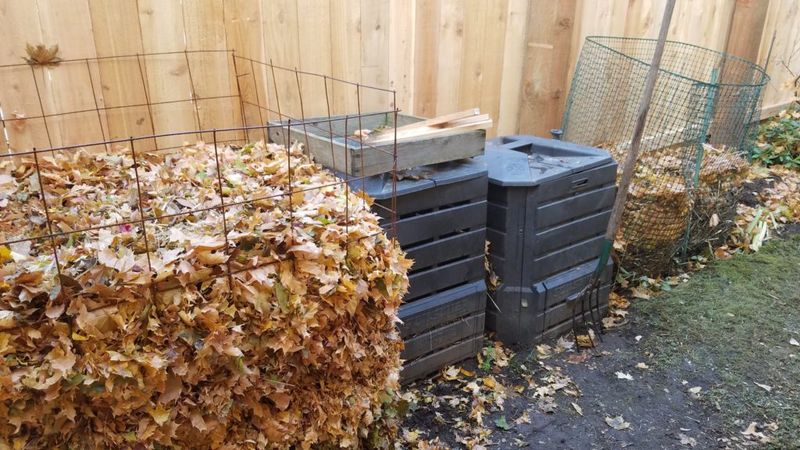
Composting is a bit like baking a cake. You need the right ingredients in the right amounts.
Leaves are the browns, packed with carbon. Greens like grass clippings and veggie scraps bring the nitrogen.
A good mix is roughly three parts browns to one part greens. Too many leaves and the pile sits there doing very little.
Too many greens and things start to smell funky. Balance keeps your pile happy and odor-free.
Moisture matters too, so aim for a wrung-out sponge feel. Dry piles stall, while soaked piles turn slimy.
Turn the pile with a garden fork every week or two. Fresh air helps the tiny workers inside stay busy.
Shredded leaves break down far faster than whole ones. Run them over with the mower before tossing them in.
Here is a smart trick many gardeners use. Bag some extra leaves and store them for summer.
Then you have browns ready when grass clippings pile up. Your compost stays balanced all year long.
In a few months, you get dark, sweet-smelling compost. Mix it into beds, pots, or around trees.
Your kitchen scraps and fallen leaves become garden treasure. That is a pretty great trade.
8. Pile Leaves To Make Leaf Mold
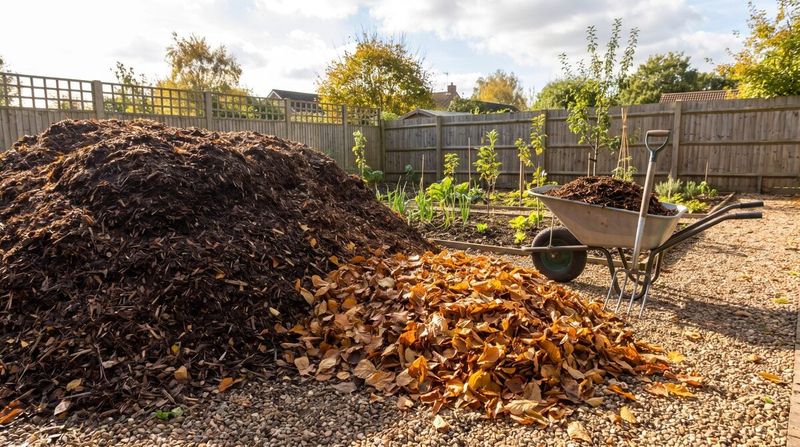
Leaf mold sounds gross, but it is gardener gold. The name comes from fungi, not anything slimy.
Unlike compost, leaf mold uses only leaves. Fungi slowly break them down in a cool, quiet process.
Making it is about as easy as gardening gets. Pile leaves in a corner, a wire cage, or big bags.
Wet the leaves well as you stack them. Then mostly leave the pile alone and let time work.
Patience is the key ingredient here. Whole leaves may take one to two years to finish.
Shredding them first speeds things up nicely. Some piles finish in under a year with chopped leaves.
Finished leaf mold looks dark, crumbly, and smells like a forest floor. Think of a walk through Mohican State Park after a rain.
Its superpower is holding water. Leaf mold can hold several times its weight in moisture.
Mix it into garden beds or potting soil for thirsty plants. Seedlings love its soft, fluffy texture too.
It does not carry tons of nutrients like compost. Instead, it builds soil structure like a champ.
Fun fact: British gardeners have used leaf mold for centuries. Now Ohio backyards can join the club.
9. Keep Leaves Out Of The Street And The Trash
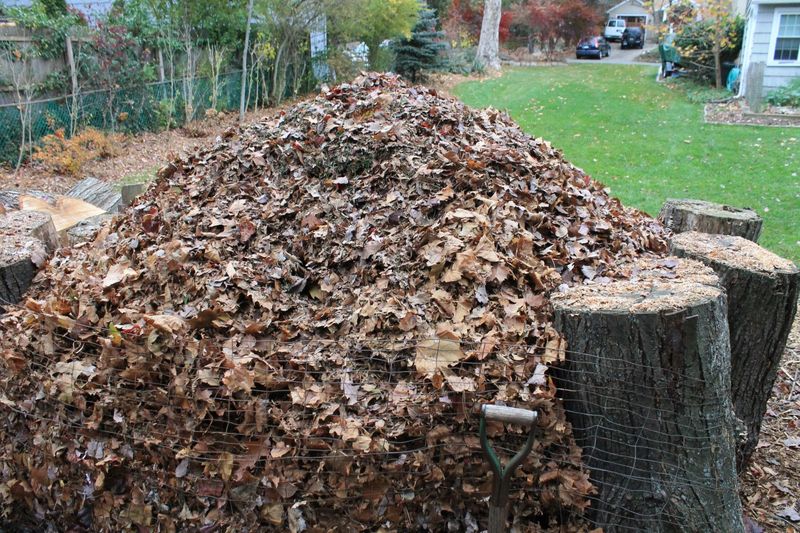
Raking leaves into the street feels harmless. Sadly, those piles can cause real trouble for your town.
Rain washes leaves straight into storm drains. Clogged drains can back up and flood streets and basements.
The bigger issue happens downstream. Leaves soaking in water release phosphorus and other nutrients.
Extra phosphorus feeds algae in streams and lakes. Lake Erie has struggled with harmful algae blooms for years.
Those blooms can make water unsafe for swimming and drinking. Every yard that keeps its leaves helps a little.
Trash bins are not the answer either. Ohio law generally keeps yard waste, including leaves, out of landfills.
Many cities offer yard waste pickup or drop-off sites instead. Check your local rules before setting bags at the curb.
Better yet, keep the leaves working at home. Mow them, mulch with them, or pile them for compost.
Sweep up any leaves that blow onto sidewalks and gutters. A quick broom session protects your nearest creek.
Talk with neighbors about trying this together. A whole street saving leaves makes a big splash.
Your garden gets free food, and Ohio waters stay cleaner. That is a win you can feel good about.