One Small Habit At Home Helps Songbirds Finish Their Night Flight Over New Jersey
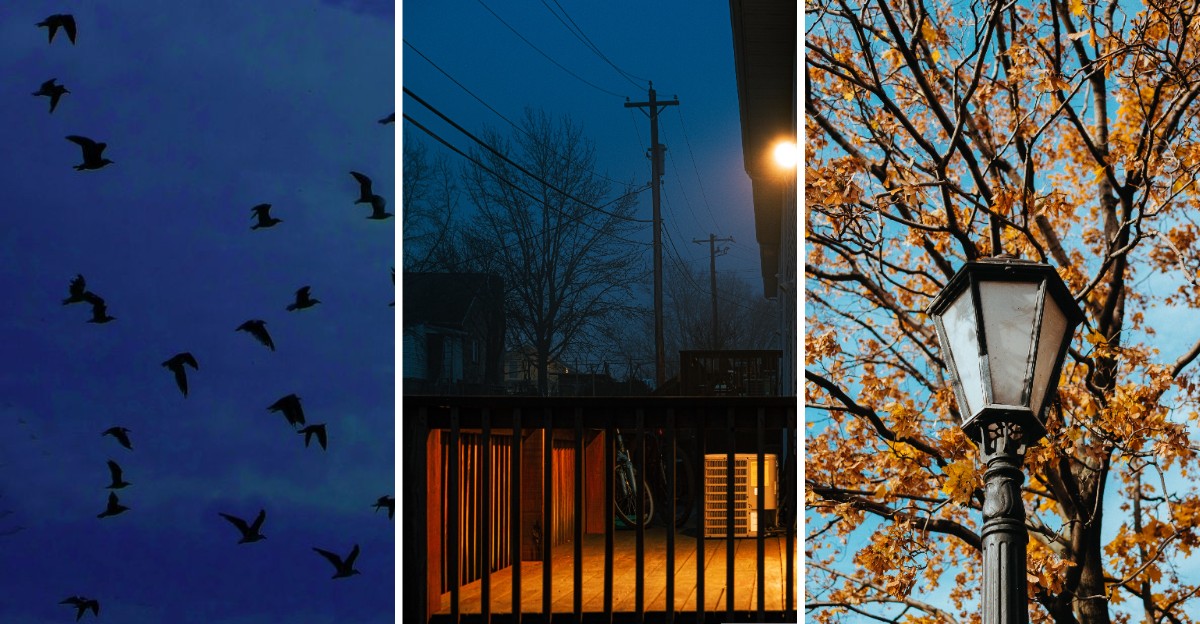
Your porch light can pull songbirds off course tonight. Invisible to you, thrushes, warblers, and tanagers stream over New Jersey right now.
Listen closely and you might catch their thin, high chips drifting down. They steer by stars and the pull of Earth’s magnetic field.
Then you flip on a bright lamp, and their compass scrambles. Disoriented travelers may circle your glowing windows until energy runs low.
Tired and exposed, they may land on pavement at dawn, too weary to feed. You live in New Jersey, where observers have logged the pattern for years.
Reflective glass compounds the trouble, since birds read mirrored sky as open air. Picture your finger on the switch after dusk.
Darkness lets travelers hold their course and save strength for landing. Tap it off tonight, and you give a tiny songbird a safer route south.
A Darker Porch Keeps Migrants On Course
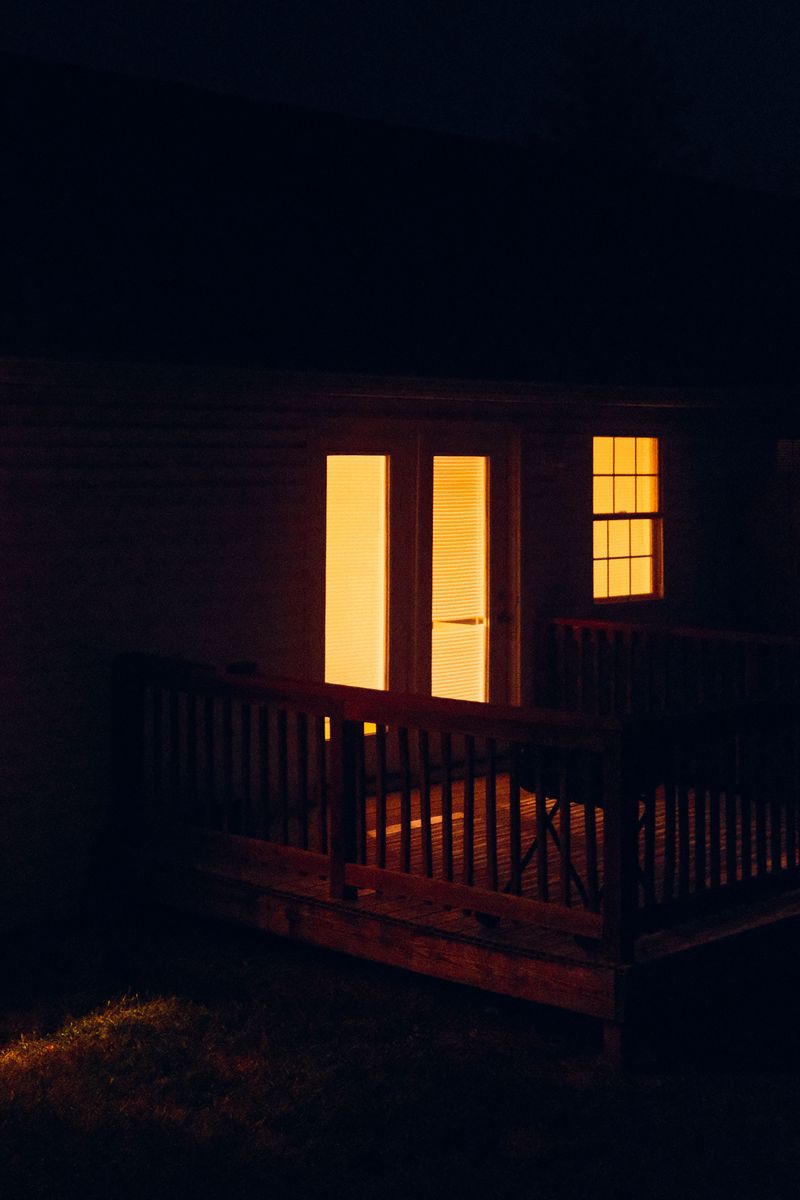
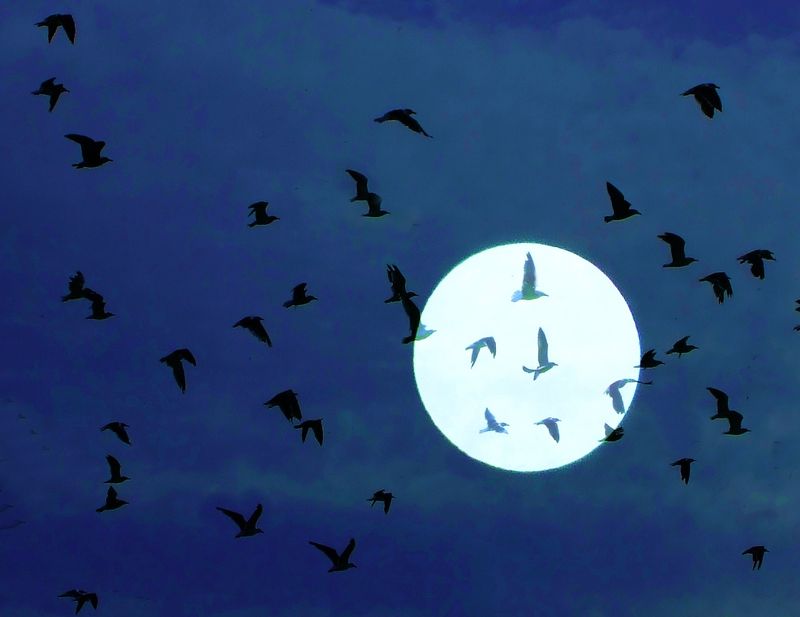
Picture a tiny warbler flying at 2 a.m., using the stars like a map. Now imagine your porch light glowing below like a giant, confusing sign.
Turning off or dimming lights at night is a small habit that helps a lot. Dark homes let migrating songbirds keep their eyes on the sky instead of the ground.
Most songbirds travel after sunset because the air is calmer and cooler. Darkness also keeps them hidden from hawks that hunt during the day.
Bright lights can pull these birds off course like moths around a lamp. Once they drift toward a lit house, they may circle until they run low on energy.
Tired birds that land in town often bump into windows the next morning. Others end up stuck in yards with few bugs, seeds, or safe places to rest.
Scientists call this problem light pollution, and it keeps growing as towns get brighter. Lights draw birds in, and glass does much of the damage: Audubon says up to a billion birds are lost to building collisions in the United States each year, much of it at low buildings and homes.
New Jersey sits right on the Atlantic Flyway, a busy highway in the sky. Huge numbers of birds pass over Cape May, the Meadowlands, and your neighborhood each fall.
So each switch you flip helps, even in a small town or quiet suburb. One dark yard may seem tiny, but a whole street of them makes a real path.
Best of all, you can start tonight with no cost and no new gadgets. Just walk to the switch and give the birds back their night.
The Pull Of Bright Lights On Tiny Travelers
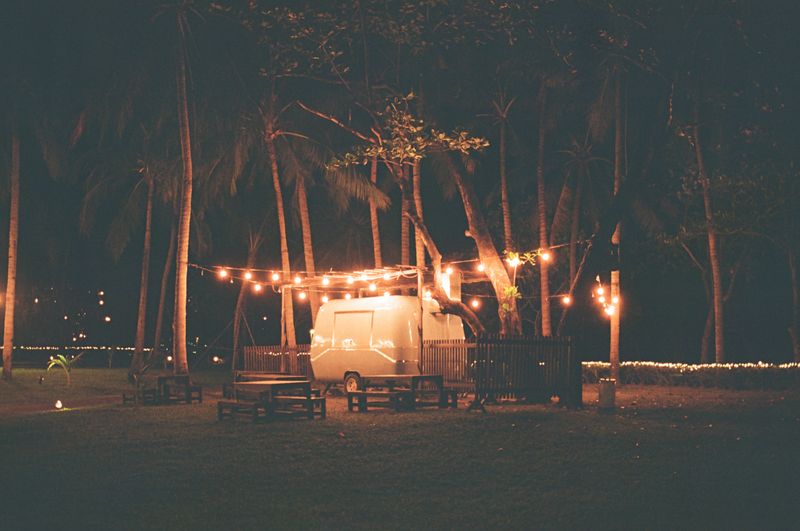
Ever notice how bugs swarm a porch lamp on summer nights? Songbirds are not bugs, but bright lights can tug at them in a surprisingly similar way.
Birds use the moon, the stars, and even Earth’s magnetic field to find their way. A glowing city can drown out those clues like loud music drowns out a whisper.
Low clouds and fog make things worse because they trap and spread the glow. On misty October nights, birds may fly lower and get pulled toward lit buildings.
Your New Jersey Garden Changes Every Week. Your Plan Should Too.
Gardening in New Jersey changes quickly throughout the season. Every Friday you’ll receive a simple weekly plan showing exactly what to plant, prune, fertilize, harvest, and protect so you never miss the right timing.
Scientists have watched birds circle bright towers for hours in a disoriented state. Each loop burns fuel they need for the long trip south.
A small songbird carries a limited amount of fat for energy. Spending it on extra circling can leave it low on energy and far from good habitat.
Color plays a role too, but studies disagree on which shades pull birds most. Brightness matters as well, since more light pulls harder.
Tall buildings draw the headlines, but many collisions happen at low buildings and homes. A cluster of bright homes and parking lots can add up quickly.
Think of your neighborhood as one giant glowing patch when seen from above. Each lamp you shut off shrinks that patch a little.
Glass adds another hazard once birds come down, since it reflects plants and sky. A confused bird may see a tree in the window and fly straight at it.
October Nights And The Peak Of The Journey
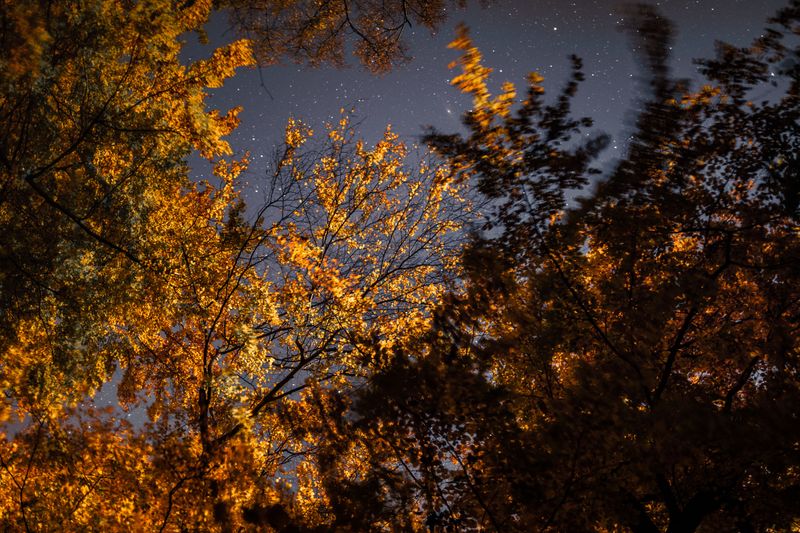
October in New Jersey smells like fallen leaves, apple cider, and woodsmoke. Overhead, it is also rush hour for one of the biggest bird migrations on Earth.
Fall migration runs from about August through November, but mid-September to late October is often the busiest. Warblers, thrushes, sparrows, and vireos all stream south during these weeks.
Many birds wait for a cold front to roll through before they leave. Northwest winds behind the front act like a free tailwind pushing them toward the coast.
On those big nights, radar maps can show millions of birds lifting off at once. You can check BirdCast for live migration maps and forecasts in your area.
Most flights begin about an hour after sunset and peak around midnight. Birds keep going until close to dawn, then drop down to rest and eat.
That means the hours between dusk and sunrise are the key window for your lights. Shutting off by 11 p.m. helps, but turning off at dusk helps even more.
Halloween decorations can sneak extra glow into yards during this exact season. Try using timers so spooky lights shut off before the late-night travelers arrive.
Cape May becomes a famous bottleneck because birds pile up before crossing Delaware Bay. Bird lovers travel from around the world just to watch the morning arrivals.
Spring brings a second wave from mid-March through May as birds head back north. Keeping lights low in both seasons gives them a better chance.
The Security Light Left On Till Dawn
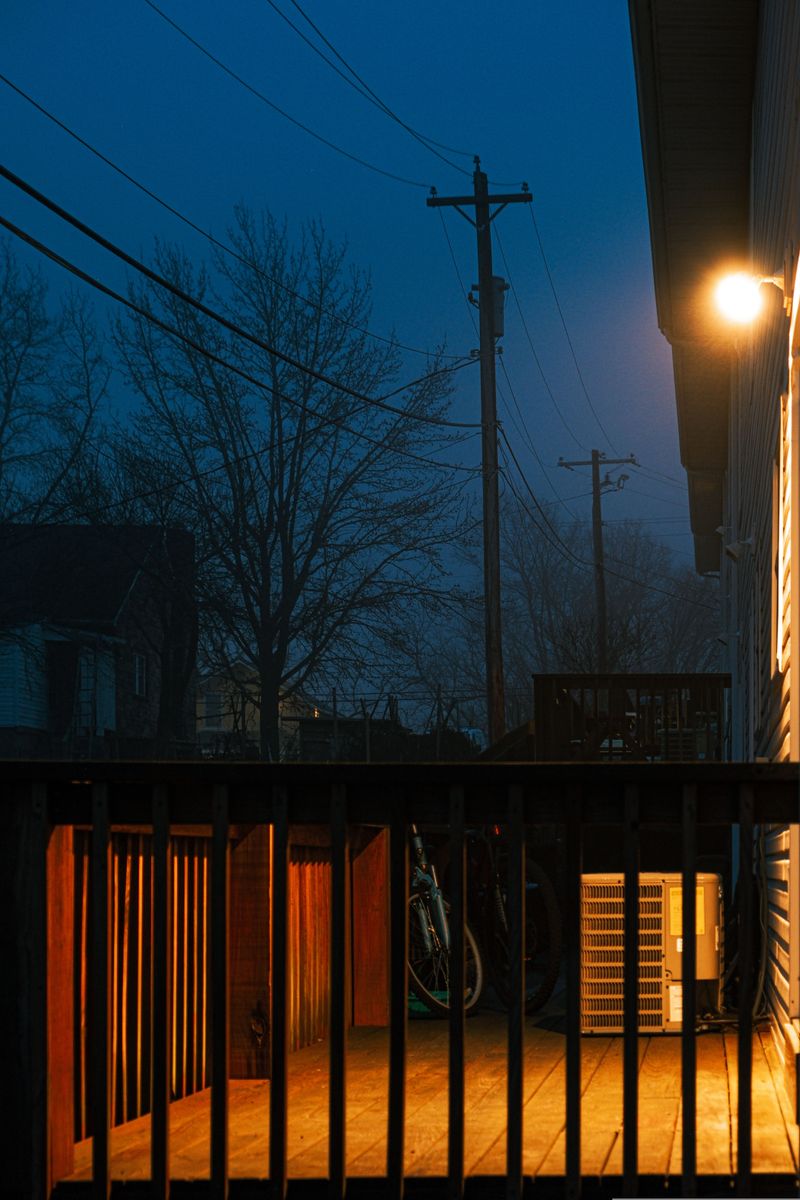
Some people keep a floodlight on all night to scare off raccoons. Yet the light keeps shining long after any raccoon has left.
Leaving security lights on until morning is a common habit around homes. Many people think brighter means safer, but the truth is more complicated.
Glare can make it harder for your eyes to adjust to the dark beyond the beam. Softer, shielded lighting often shows more of a yard.
Meanwhile, that all-night beam shines straight up into the path of passing birds. Floodlights pointed at the sky or at the side of a house can cause problems.
Indoor lights count too, especially in rooms with big windows facing the yard. A glowing living room at 1 a.m. can be visible from high above.
Empty offices, garages, and sheds left lit overnight add even more stray light. Few of them need a light on after dark.
Another mistake is using bulbs that are brighter than the job needs. A porch only needs enough light to find your keys, not to land an airplane.
Decorative lights on trees and fences also tend to stay on longer than planned. It is easy to forget them once you head to bed.
The fix starts with noticing which lights stay on out of plain habit. Take a quick walk outside one evening and count them.
You may be surprised by how many glow for no real reason. That little tour could help a few birds and save a few dollars too.
Simple Switches, Shades And Fixtures For Your Home
Good news for anyone who dislikes complicated projects. Protecting birds from your home’s glow takes a few easy tweaks, and most cost little or nothing.
Start by switching off any outdoor lights you do not truly need after bedtime. If you want some light for safety, install motion sensors that turn on only when needed.
Timers are another handy tool for porch lamps and garden lights. Set them to shut off around 11 p.m., or earlier during peak migration weeks.
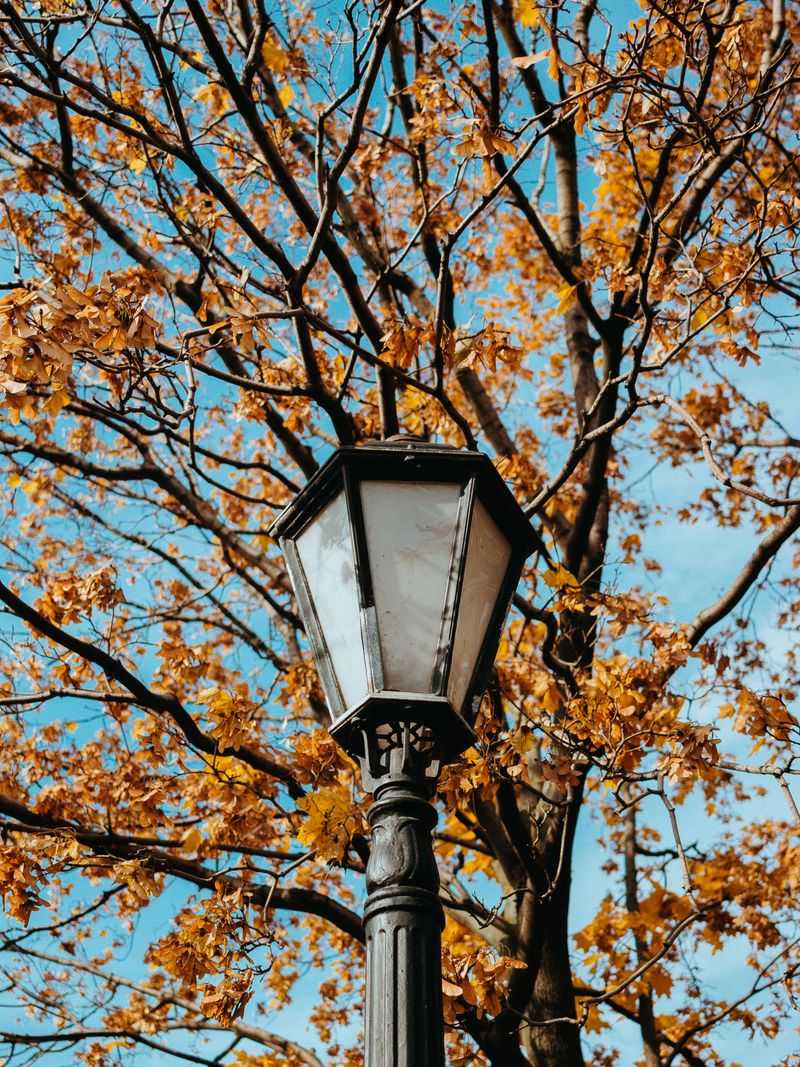
Next, look at the direction of your fixtures and how far they spread. Shielded lights that point downward keep the glow on the ground instead of the sky.
When you do need light, choose warm bulbs labeled 3000 Kelvin or lower. Research on color is mixed, but warm, dim, shielded lights are the usual recommendation.
Dimmer switches are great for patios where you like to sit outside on cool evenings. You still get cozy light without spreading it across the whole yard.
Inside, pull curtains or blinds once the sun goes down. Lamps near windows can be moved, dimmed, or switched off when you leave the room.
Smart plugs make this easy if you like using your phone. You can schedule a whole house to dim at the same time each night.
Windows themselves can be made safer with decals, screens, or dot patterns spaced closely together. Those markings help birds see glass as a solid surface during the day.
Pick one change this week and add another next week. Small steps stack up faster than you might expect.
A Lights Out Routine For The Whole Season
Cities like Philadelphia and New York run Lights Out programs during spring and fall migration. Audubon chapters across the country support them, and homes can join in too.
In October 2020, volunteers collected hundreds of birds from Philadelphia streets after a single night. Audubon estimated the true toll at 1,000 to 1,500, and the event led to Bird Safe Philly and Lights Out Philly.
Your home can be part of that bigger movement without any meetings or paperwork. Simply make dark nights your normal routine from mid-August through mid-November.
Spring counts too, so mark mid-March through May on your calendar as well. A sticky note by the light switch can be a cheerful reminder.
Talk with neighbors, teachers, or your town council about the idea. Kids often love leading projects like this, especially when birds are involved.
Businesses with big glass lobbies can make an even larger difference. If your family owns a shop or office, ask about dimming after closing time.
The rewards show up in surprising ways. Darker yards let you see more stars, and your electric bill may shrink a little each month.
Other wildlife benefits as well, from fireflies and moths to frogs and bats. Many night creatures depend on darkness for feeding, mating, and staying safe.
Best of all, dark nights give more songbirds a better chance to reach their winter homes in good shape. Many nest farther north, and a few may sing in your trees next spring.
So tonight, step outside, flip that switch, and listen for soft calls overhead. Those tiny travelers cannot send thank-you cards, but a dark night gives them a better chance to stay on course.