A Newly Confirmed Invader In New Jersey Is Turning Cherished Evergreen Hedges Into Its Winter Nursery This Month
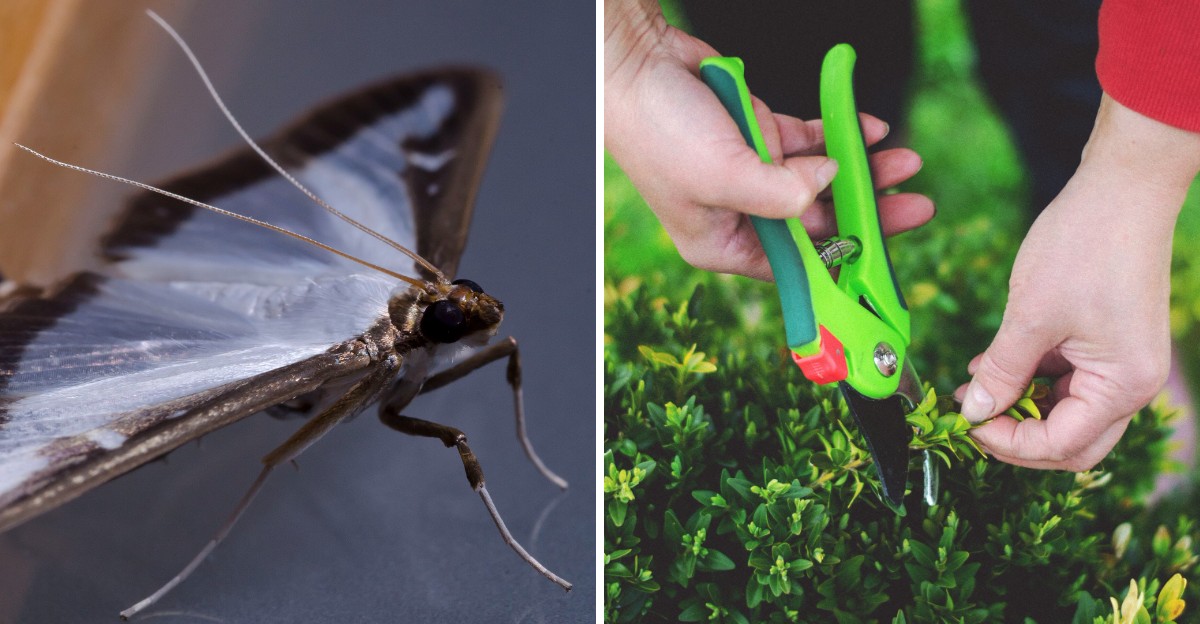
Peel back a few leaves on your boxwood and you might find trouble. Pale silk binds those leaves together, and it is a warning sign.
New Jersey confirmed box tree moth in southern counties, and caterpillars feed on boxwood. Tiny larvae tuck inside the webbing on your boxwood and sleep through winter.
Spring changes their mood fast. Hungry caterpillars strip leaves to bare twigs, and your tidy shape fades.
Their greenish pellets, called frass, speckle leaves you tended. Inspect the dense center of your hedges before spring.
Snip webbed clusters, bag them tightly, and use household trash, not yard waste. Report sightings to the New Jersey Department of Agriculture and do not transport clippings.
Boxwoods often recover when you act early. Warn your neighbors, because their shrubs may shelter larvae too. Your shrub may shelter larvae, so remove them promptly.
The Box Tree Moth And Its Hidden Boxwood Bedrooms
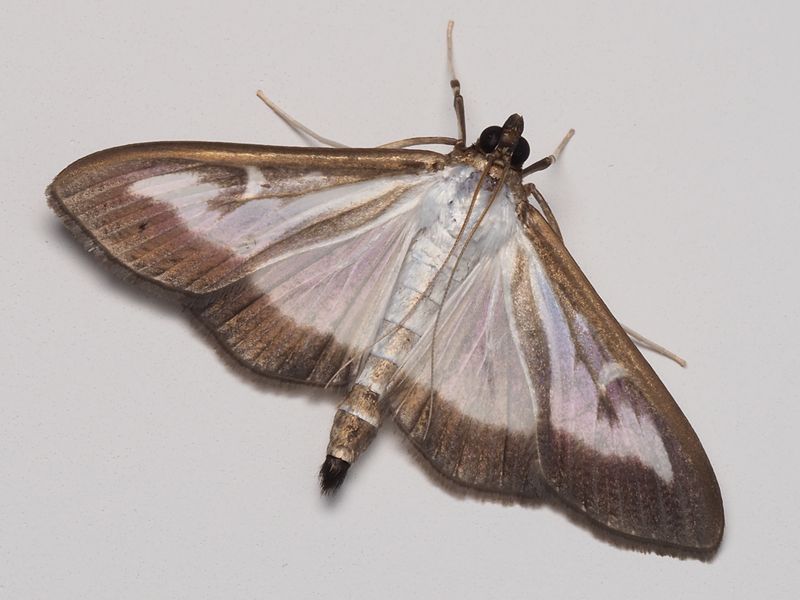
Imagine a caterpillar that tucks itself into bed by sewing two leaves together like a sandwich. That clever trick belongs to the box tree moth, a newcomer from East Asia.
USDA-APHIS has confirmed it in southern New Jersey, joining finds in New York, Pennsylvania, and several other states. Boxwood is its primary food, and it feeds on little else in North America.
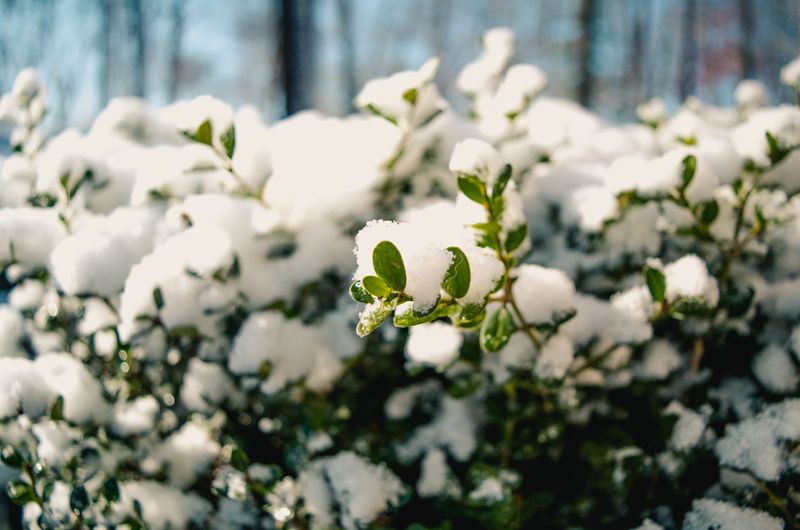
Right now, in October, young caterpillars are wrapping themselves in silky shelters called hibernacula. Each little pouch keeps them snug through frost, snow, and those gusty January winds.
Think of it as a sleeping bag stitched from your own shrub. The caterpillars stay tucked inside, barely moving, until warm spring days call them back to the buffet.
Gardeners love boxwood because it stays green all year and shapes into neat walls. Sadly, the moth loves it for the same reasons, plus the dense leaves make perfect hiding spots.
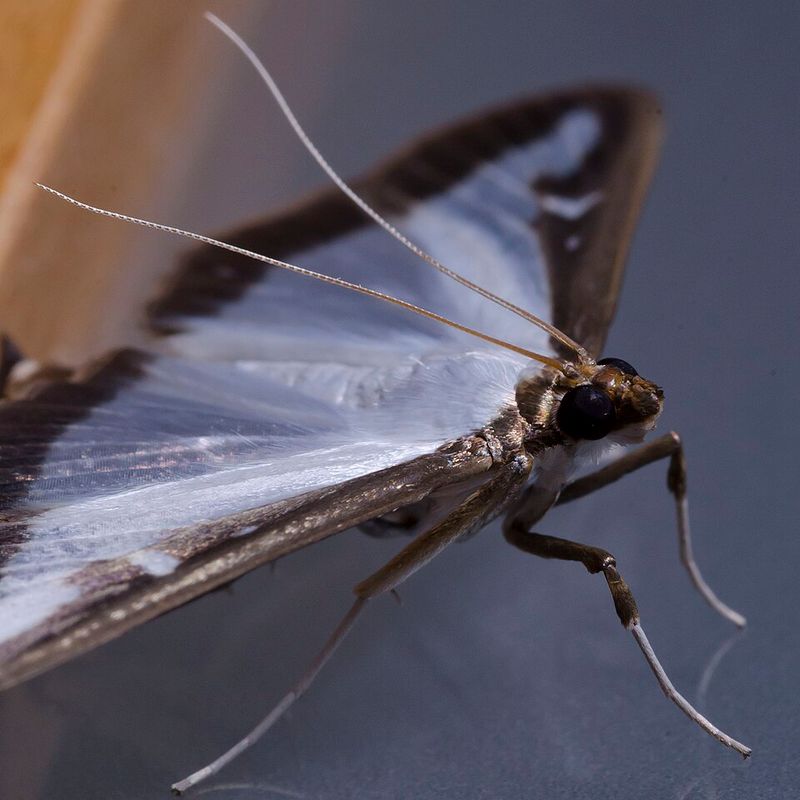
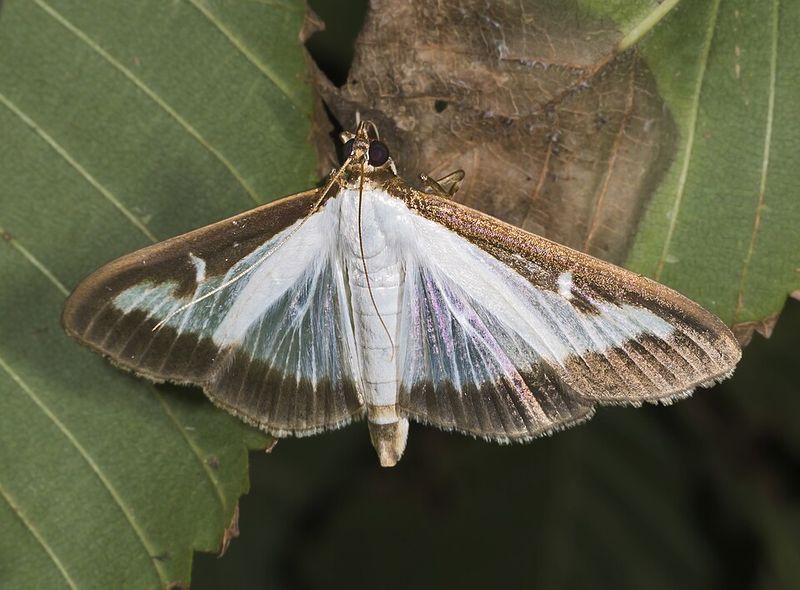
Adult moths are fairly striking, which almost feels unfair. Most have white wings with a brown border, though some wear solid brown from tip to tip.
Fun fact, the moth likely hitched a ride to North America on imported nursery plants. Canada spotted it first near Toronto in 2018, and it has been spreading south since.
So a calm-looking hedge this fall may be sheltering tiny overwintering caterpillars right now. Knowing who is inside helps you act before those sleepy guests wake up hungry.
Spotting them early is easier than you think. A flashlight and a few minutes of patience are your best tools.
October Clues Hidden Inside A Webbed Hedge
Grab a flashlight on a dry afternoon and part the outer leaves of your boxwood. The real story this month is happening deep inside, not on the shiny surface.
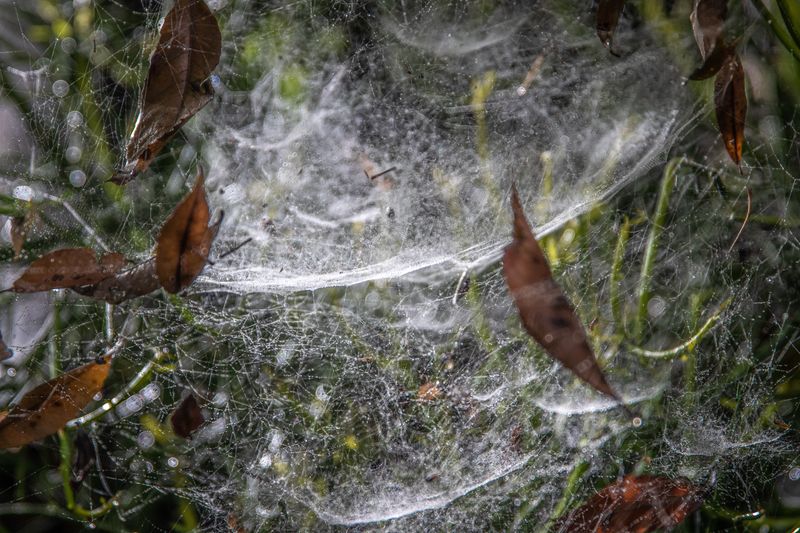
Look for two or three leaves pressed together with fine white silk. They might resemble a tiny taco, and that taco may hold a sleeping caterpillar.
The overwintering caterpillars are tiny, usually well under half an inch long. They are greenish yellow with dark heads and faint markings, so they blend in well against boxwood twigs.
Your New Jersey Garden Changes Every Week. Your Plan Should Too.
Gardening in New Jersey changes quickly throughout the season. Every Friday you’ll receive a simple weekly plan showing exactly what to plant, prune, fertilize, harvest, and protect so you never miss the right timing.
Other clues show up on the twigs and soil below. Watch for see-through leaf windows and green crumbs called frass, a polite word for caterpillar poop.
Late summer feeding often leaves brown, crispy patches near the center of the plant. Many homeowners blame drought, but webbing mixed with those patches points straight at the moth.
October is a sweet spot for checking. The leaves are green, the caterpillars are settling in, and you can see damage before snow hides everything.
Check several spots on each shrub, including the bottom branches near the ground. Caterpillars tend to pick sheltered pockets where wind and sunlight cannot easily reach them.
Snap a clear photo whenever something looks odd. Pictures help extension experts confirm what you found, and they make it easier to track changes over time.
A ten-minute inspection now can save a full hedge later. Consider it a scavenger hunt where the prize is keeping your yard green next spring.
Fall Pruning Pitfalls That Can Spread The Problem
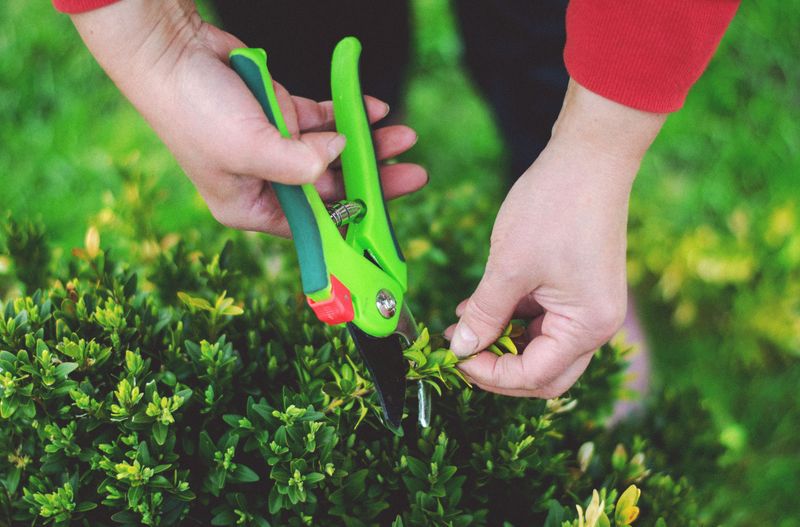
Each autumn, plenty of neighbors haul out the hedge trimmers for one last tidy shape. It feels productive, but with this moth around, timing and cleanup matter a lot.
Clipped branches often carry sleeping caterpillars tucked inside their silk pouches. Toss those clippings on a compost pile, and the hitchhikers simply wake up somewhere new in spring.
Backyard compost may not get hot enough to harm them over winter. Yard waste piles left at the curb can also spread the pest to nearby yards.
Another slip is moving boxwood cuttings for holiday wreaths and garlands. Festive greens look lovely on a front door, yet they may carry larvae and face quarantine restrictions.
Sharing plants with friends can cause the same trouble. A divided shrub or a potted gift may carry caterpillars that nobody spotted during the friendly handoff.
If pruning cannot wait, double-bag all the clippings in sealed plastic and place them promptly in household trash, not in yard waste or compost bins.
Check with the New Jersey Department of Agriculture for current disposal rules in your county before moving or discarding any boxwood material, especially in quarantine areas.
Cleaning your pruners between shrubs is another simple habit. Wipe the blades with rubbing alcohol so silk scraps and stray larvae do not ride along to the next plant.
Patience pays off here more than speed. Waiting until you have inspected each shrub for webbing turns a risky chore into a safe, satisfying one.
A Practical Seasonal Cleanup Plan For Infested Shrubs
Good news first: you do not need special gear or a pricey crew. Many home hedges can recover with patience, sharp eyes, and a few smart tools used early.
Start by hand-picking any webbed leaf clusters you can reach. Drop them into a bag or a cup of soapy water, then seal and trash the bag.
Small hedges respond well to this method, but heavy infestations may need cutting from the base. Wear garden gloves, since poking through dense boxwood can scratch your wrists and forearms and get a little itchy.
A garden hose may dislodge some caterpillars, but it will not reach larvae sealed inside webbing. Use it on a mild day, so wet leaves dry before a hard freeze.
Larger infestations call for Bt, short for Bacillus thuringiensis, a natural bacterium. It targets caterpillars, including butterfly larvae, but poses low risk to people, pets, and bees.
Timing matters with Bt, because caterpillars must eat it to be affected. Many experts suggest saving sprays for spring, when larvae wake up and begin munching again.
Insecticides labeled for boxwood caterpillars are available too, but read the label carefully. Some harm pollinators, so follow directions and avoid spraying nearby flowering plants.
Pheromone traps are a helpful extra for summer months. They lure male moths, letting you see when adults are flying and when the next generation may appear.
Keep notes on what you tried and when. A simple notebook or phone calendar helps you spot patterns and plan a stronger defense next year.
What To Expect In Spring From Untreated Hedges
Picture April arriving with birdsong, tulips, and a hedge that suddenly looks heavily chewed and ragged. That scene plays out when overwintering caterpillars go unchecked through the cold months.
As temperatures climb, the larvae leave their silk pouches and start eating fast. They can grow to about an inch and a half before turning into moths.
Leaves disappear first, leaving bare twigs and clumps of messy webbing behind. Hungry caterpillars may even strip the green bark, which further weakens the shrub.
One generation is bad enough, but Mid-Atlantic summers can allow several generations each year. Each round of eggs means another wave of leaf feeding before frost returns.
A heavily stripped boxwood can struggle to recover, especially if it gets hit again and again. Older hedges that took decades to grow are difficult and costly to replace.
Curb appeal can decline too when borders thin out unevenly. Tidy evergreen borders frame many historic homes and gardens across the Garden State. One untreated hedge can become a source of spread to nearby yards.
There is a hopeful side to this story, though. Hedges that are caught early often bounce back with fresh growth after a season or two of care.
Boxwood can recover well when the roots stay healthy and strong. Give it water during dry spells and a light layer of mulch to support recovery.
Think of fall action as an insurance policy for spring. A little effort today protects years of careful growth.
Smart Shopping And Reporting For Next Season
Ever brought home a bargain shrub and found a surprise later? Buying plants carefully is one of the best ways to keep this moth out of your yard.
Before you buy boxwood, inspect the inside of each pot for webbing and chewed leaves. Ask the nursery staff where their plants came from and how they check for pests.
Quarantine new shrubs in a separate corner for a few weeks. That waiting period gives hidden caterpillars a chance to reveal themselves before joining your hedge.
Consider mixing in tough alternatives the moth typically avoids. Japanese holly, inkberry, and dwarf yew can create similar tidy shapes without the same risk.
Box tree moth is federally regulated, and state quarantine covers Cape May, Cumberland, and Atlantic Counties. The state Department of Agriculture and Rutgers Cooperative Extension track new finds, so report sightings.
Share a clear photo, the date, and your town when you report. Scientists use those details to map the spread and warn other gardeners nearby.
Talk to your neighbors too, because pests ignore property lines. A quick chat over the fence could save an entire block of hedges.
In parts of Europe, box tree moth has caused severe boxwood losses. Learning from them gives New Jersey gardeners a head start on planning.
Set a reminder to check your shrubs each month from spring through fall. Steady attention keeps small problems small and lets your evergreens stay the pride of the block.