Why Arizona Orange Tree Owners Should Skip Fertilizer This October, Not Add It
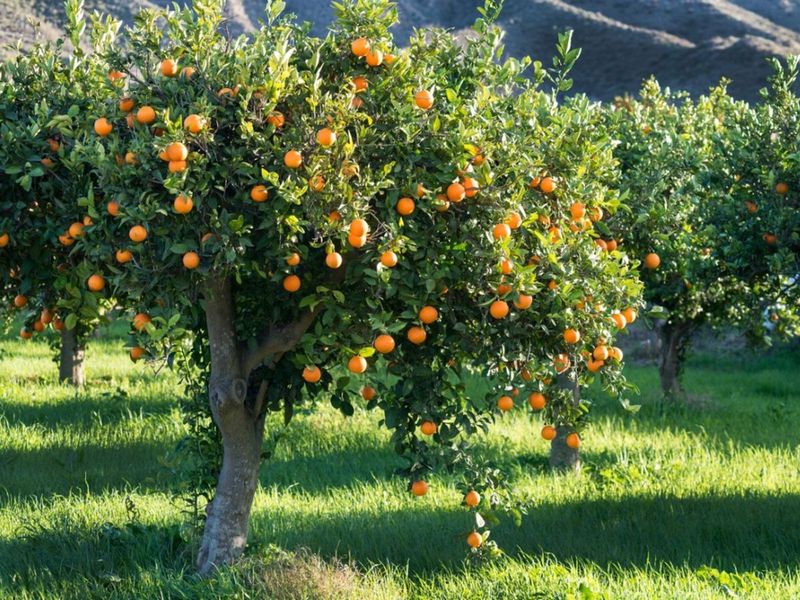
Your orange tree may look like it could use a snack when October rolls around. In Arizona’s low desert, though, that is usually the month to put the fertilizer bag back on the shelf.
The rule applies to routine feeding of established orange trees, and it comes with a clear plan for when to start again. Here is how to time it, what to do instead, and why yellow leaves can fool you.
The Arizona calendar leaves October out
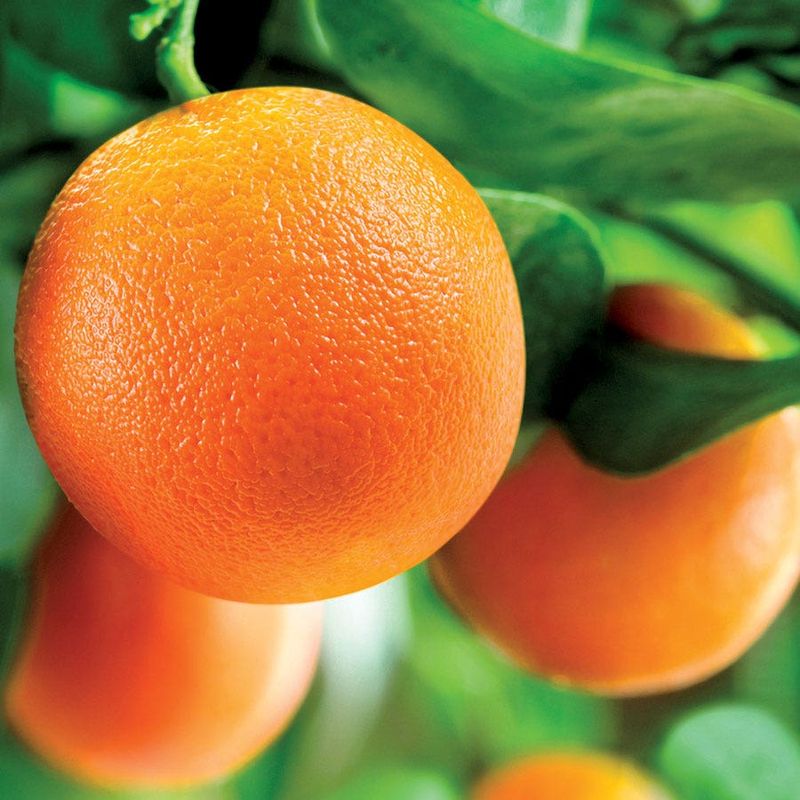
Mark your calendar around the feeding windows, because October is not one of them. A Pima County October gardening guide says it is past time for citrus fertilizing until the new year.
That advice comes from one county, so the statewide schedule is the better guide for the actual dates.
That schedule is a statewide citrus fertilization chart. For oranges, it splits the yearly amount into three feedings: January to February, March to April, and May to June.
Notice what the reason is. October simply falls outside the recommended plan for established orange trees in the low desert.
It does not mean one late scoop will automatically hurt your tree. It means you can skip routine feeding now and pick the schedule back up after the holidays.
Tree size and fertilizer labels shape the dose
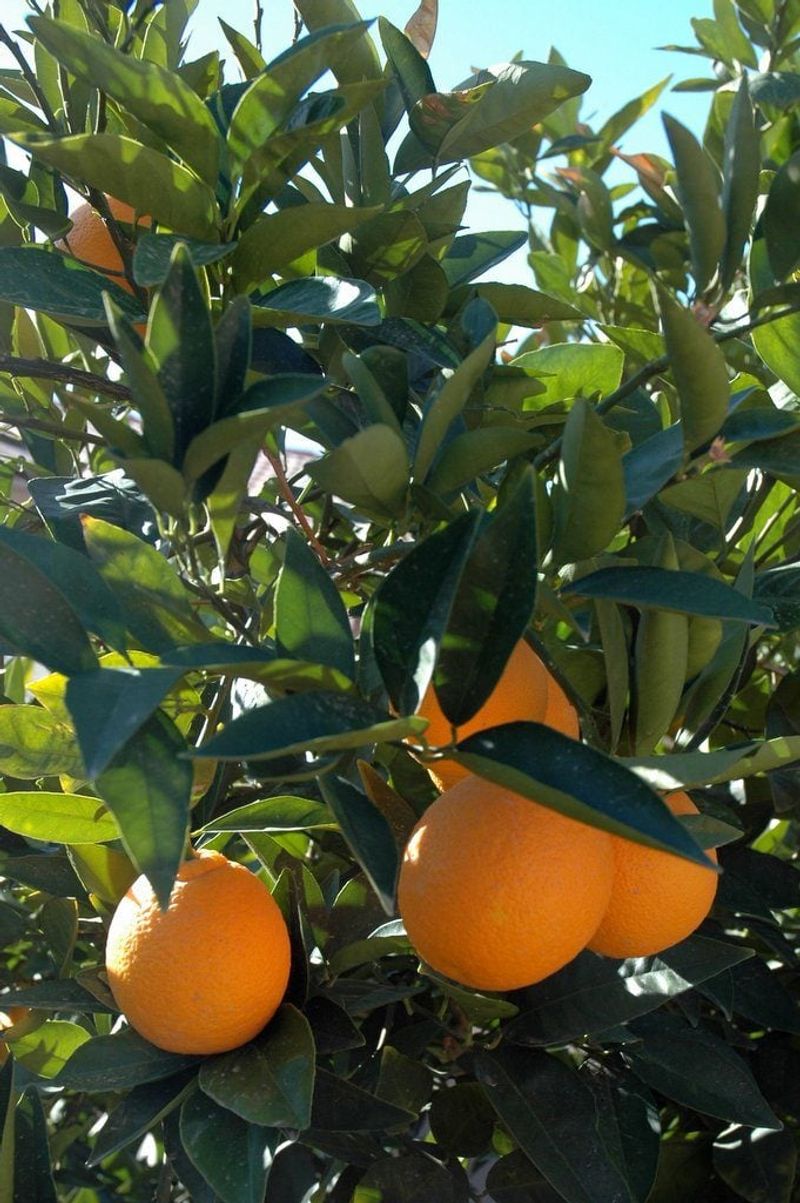
Once a feeding window opens, the next question is how much to use. The Arizona citrus chart gives yearly amounts based on tree size and fertilizer type.
A small tree needs less than a large one, so there is no single scoop that fits every yard.
Check the label for three numbers. The first one is the nitrogen percentage, and it helps you work out how much product delivers the amount your tree needs.
More fertilizer is not better, so measure instead of eyeballing.
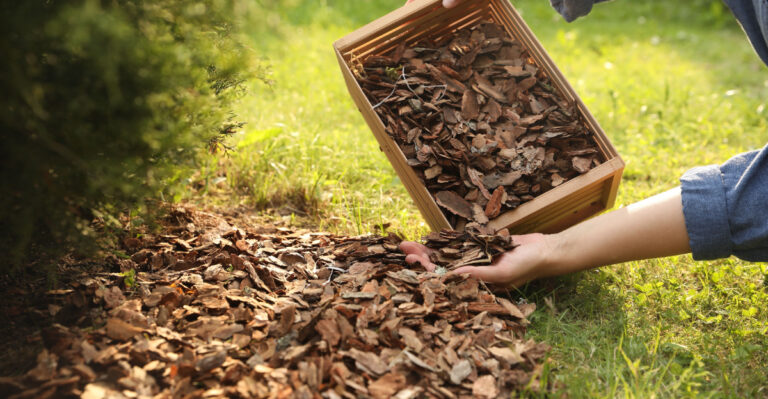
Applying it is simple. Following a Pima County spring guide, spread the fertilizer under the tree, starting about a foot from the trunk and reaching outward.
Then water it into the soil.
Yellow leaves do not prove a nitrogen shortage
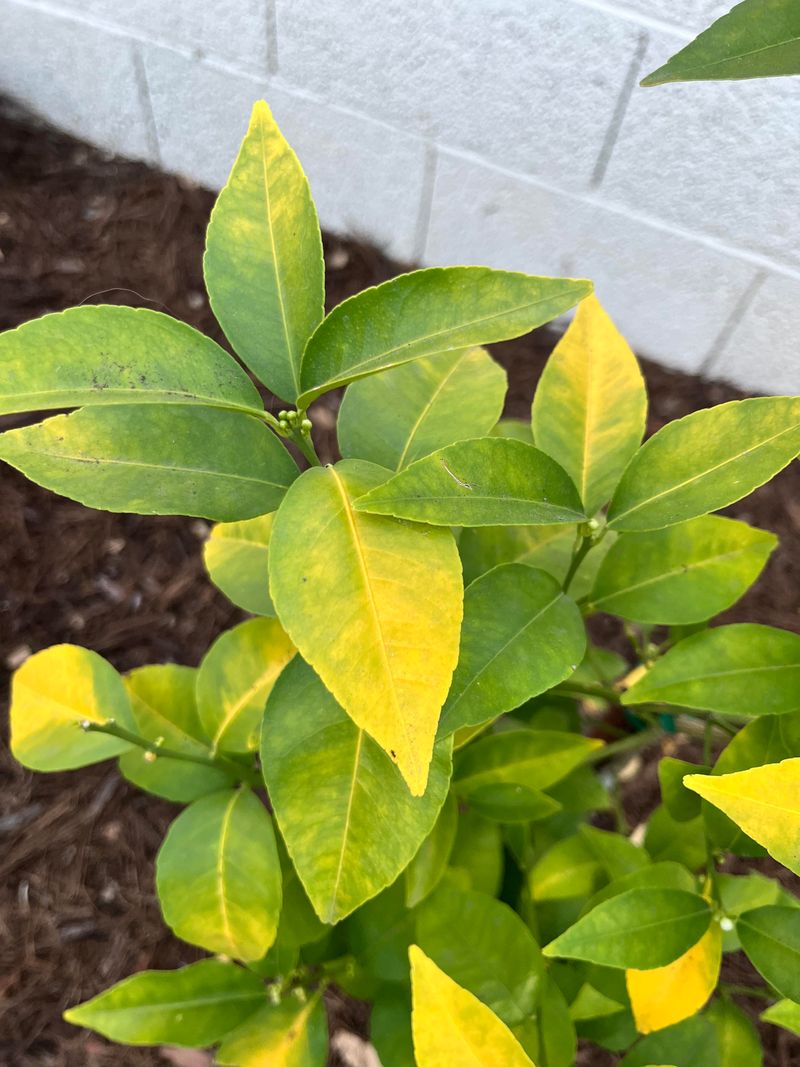
A yellow leaf tempts many of us to grab fertilizer. Hold off, because color alone does not tell the story.
According to a citrus problem diagnosis guide, uniformly pale or yellow leaves can come from nitrogen deficiency, but overwatering can look the same.
Some nutrient symptoms also resemble disease symptoms. That is one more reason not to guess from the leaves alone.
Before adding anything, look at the bigger picture. How often does the tree get water, and does the soil stay soggy?
Is the yellowing even across the leaves or patchy? Answering those questions first can save you from feeding a tree that actually needs a watering change.
October care shifts toward irrigation
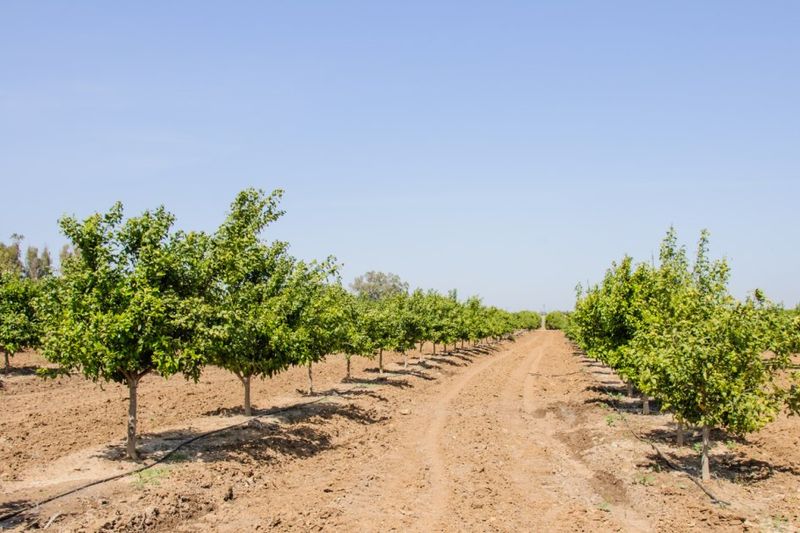
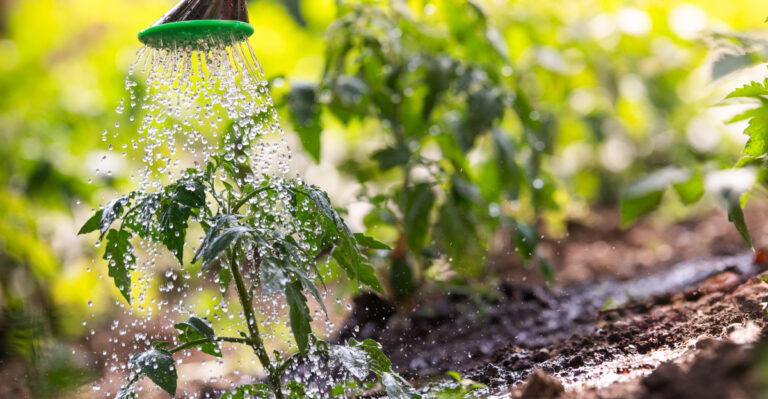
Here is a better October chore than feeding: rethink your watering. The October Pima County guide advises adjusting irrigation frequency as the weather cools.
Cooler days mean the tree uses less water than it did in July.
No single interval fits every yard. Citrus irrigation guidance says the right spacing depends on your soil, the weather, and your irrigation method.
Your Arizona Garden Changes Every Week. Your Plan Should Too.
Gardening in Arizona changes quickly throughout the season. Every Friday you’ll receive a simple weekly plan showing exactly what to plant, prune, fertilize, harvest, and protect so you never miss the right timing.
Frequent, shallow watering can contribute to salt buildup around the roots, which matters in our alkaline desert soils. Try a deeper soak with longer gaps, and check the soil before you turn the system on.
Late nitrogen raises concerns, not certainties
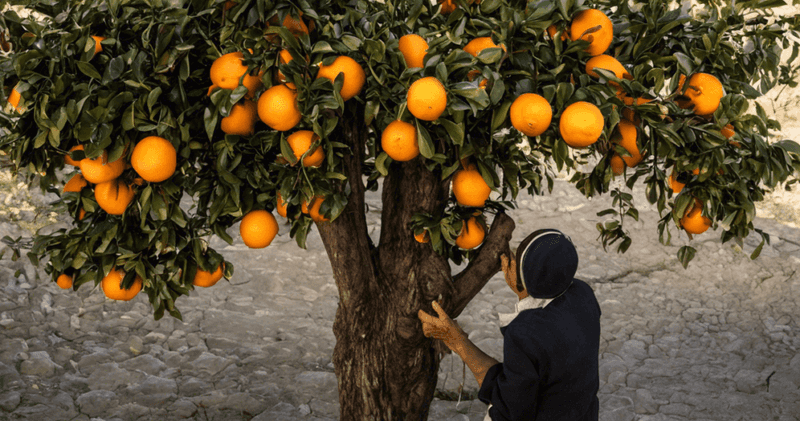
Late or heavy nitrogen is worth being cautious about, though it is not a sure problem. Guidance for southern Arizona oranges warns that too much or late nitrogen can contribute to granulation, which means dry or crystallized juice sacs, in navel and some sweet oranges.
Whether it happens depends on variety, rootstock, soil, and heat. For navel trees with granulation trouble, finishing fertilizer before July 1 is the preferred approach.
Frost adds another reason for care. Frost protection advice notes that actively growing foliage is more susceptible to frost.
That supports caution about pushing growth late in the season, but it does not mean an October feeding will cause frost injury.
Newly planted trees have a limited exception
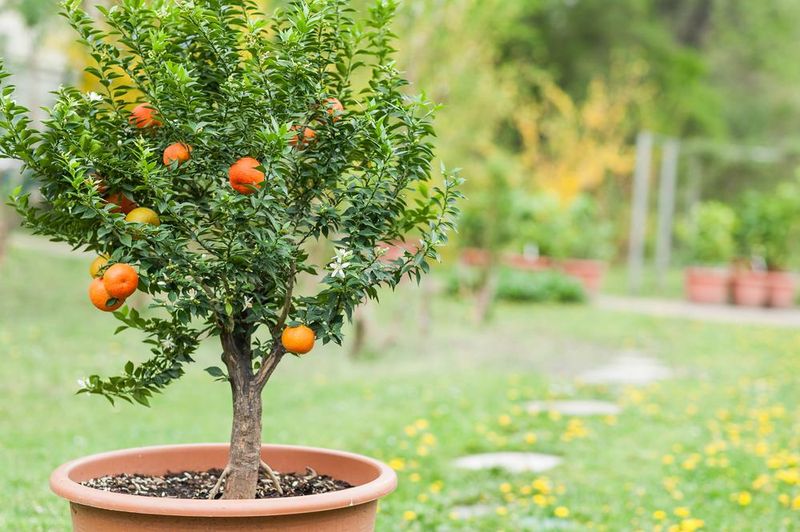
A baby tree plays by slightly different rules. The citrus fertilization chart says small amounts of nitrogen may be applied to a newly planted tree only after it is established and new growth has emerged.
So the trigger is the tree’s progress, not the month on the calendar. A tree that has just gone into the ground and shows no fresh leaves is not ready.
This is a narrow exception for young trees. It does not turn into a reason to feed an established orange tree in October.
If your tree has been in the ground for years, the January to June schedule is the plan to follow.
Wait for the next feeding window
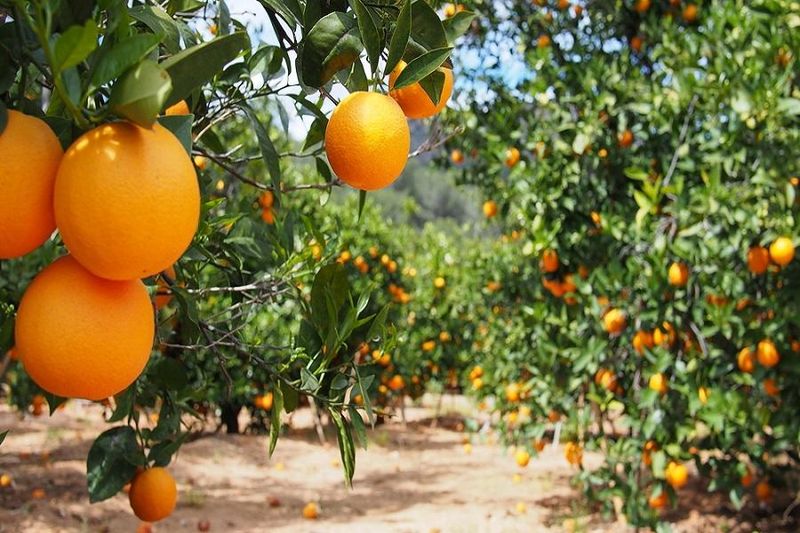
For an established orange tree in the low desert, October is a month for watching, not feeding. Check your watering, look into yellow leaves before blaming nitrogen, and keep the fertilizer bag closed.
Then return to the recommended schedule in January and February, as the October guide suggests.
Patience now makes the spring meal count.