How To Tell When North Carolina Muscadines Are Truly Ripe Without Relying On Color
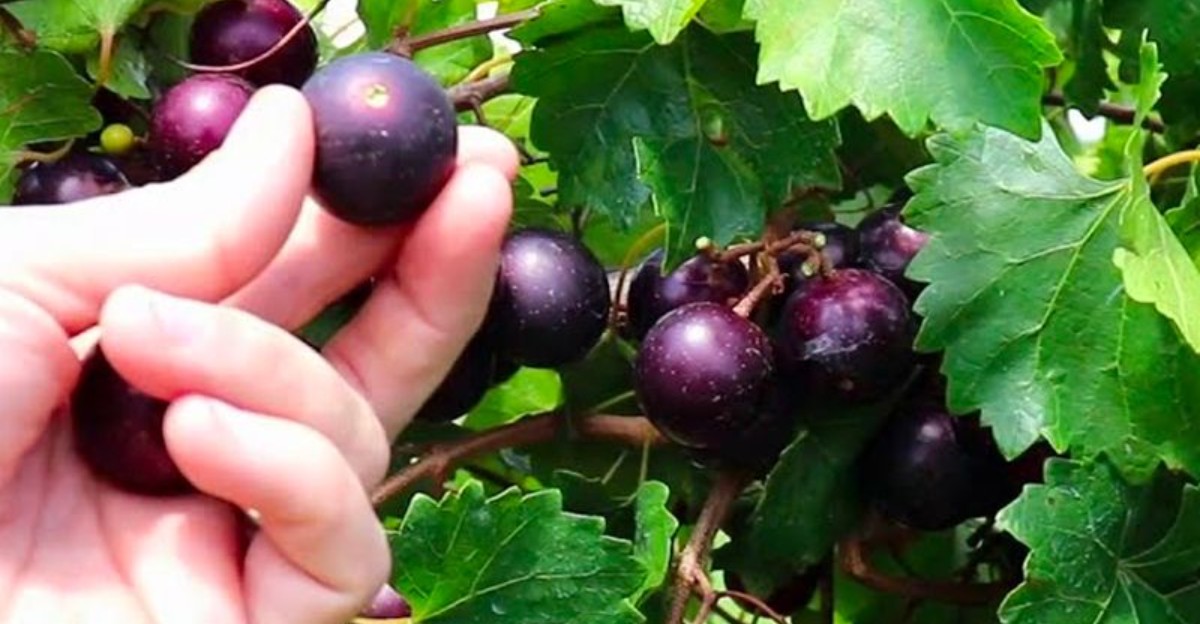
Muscadines fool a lot of growers. A grape can look dark and ready while the inside is still sour. Others look dull but taste sweet.
Color alone just isn’t a reliable guide. Muscadines also ripen one at a time, not all at once in a cluster. That makes picking harder than it sounds.
Experienced growers use other signals instead. Some are about touch, some are about the vine, and one is a simple taste test. Pick too early and you get tart, thick-skinned fruit.
Wait too long and the best grapes hit the ground. Knowing which clues to trust takes the guesswork out of harvest day.
1. Ripe Berries Pull Off With A Light Touch
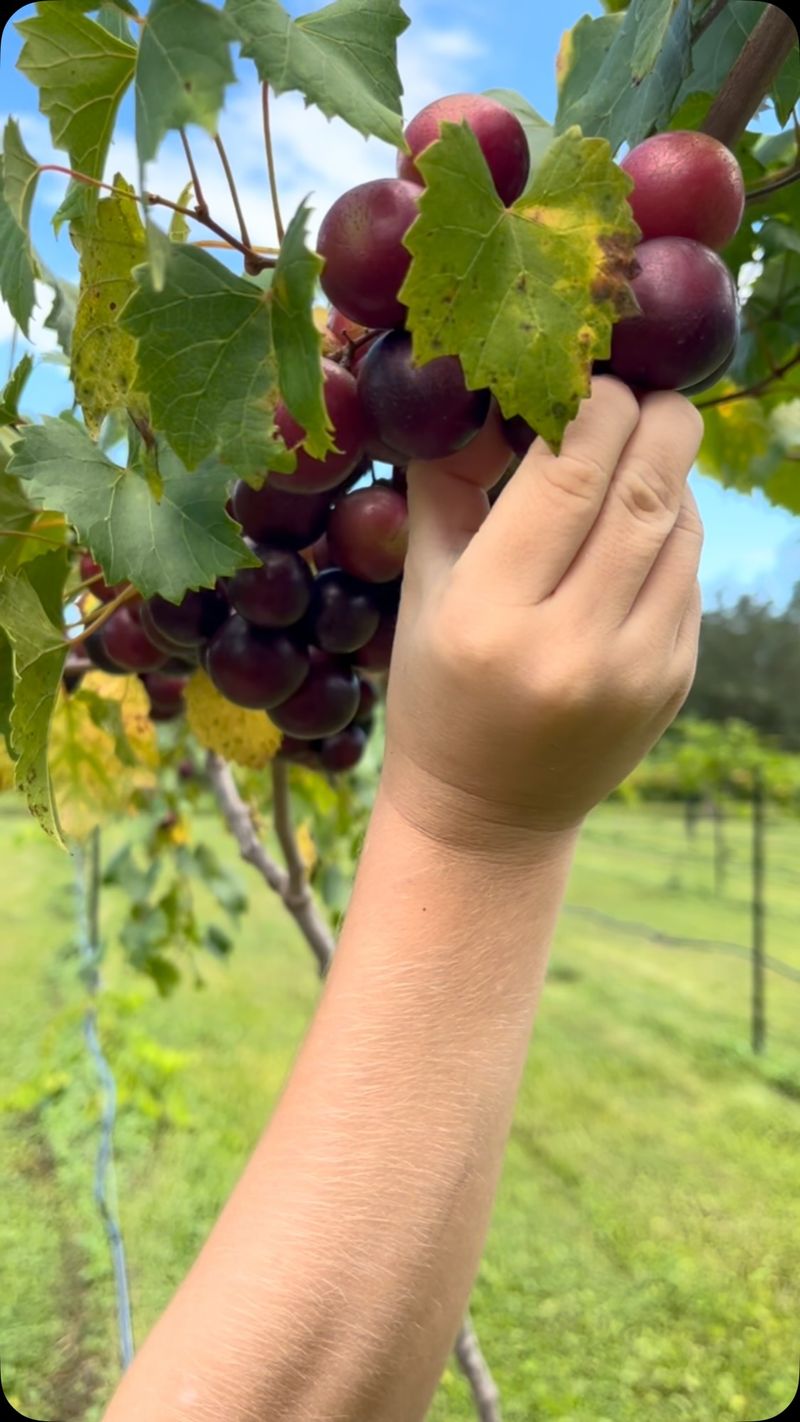
Old-timers in the South have a saying about muscadines: if you have to fight for it, it is not ready. That bit of wisdom holds up well, because ease of picking is one of the most reliable ripeness signs you can use.
Here is what happens inside the plant. As each berry ripens, the spot where it connects to the stem starts to weaken. Underripe berries hang on tight, almost like they are glued in place, while ripe ones let go with barely any effort.
Testing is simple. Cup a single berry in your fingers, then lift or roll it gently. If it pops free with a soft little snap, it is ready to enjoy. If it resists or tears the skin, leave it alone and check again in a few days.
Got a big vine and plenty of fruit? Try the classic shake method. Spread an old tarp or bedsheet on the ground under the vine, then give the branches a gentle shake. Ripe berries tumble down onto the sheet, and the unripe ones stay right where they are.
Keep the shaking light, though. Hard jerks can snap young shoots and knock down fruit that still needs time. A few calm shakes usually do the job just fine.
North Carolina has a long history with this grape. Muscadines are native to the Southeast, and people here have gathered them with the shake method for generations.
The famous Scuppernong, a bronze type, is even the official state fruit, and its color barely changes as it ripens. That makes the light touch test extra handy for local growers.
2. They Give Slightly When Squeezed
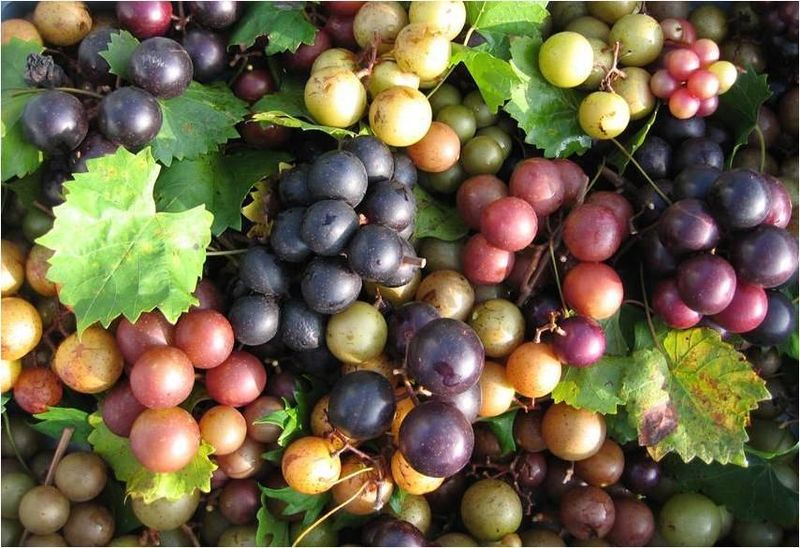
Your fingertips can tell you more than your eyes ever will. A muscadine that looks plump and pretty may still be as hard as a marble inside, and texture gives away the truth in seconds.
Unripe muscadines feel very firm. As the fruit matures, sugars build up and the pulp turns juicier, so the berry softens just a little. That small change is the sweet spot you want to find.
To check, hold a berry between your thumb and finger and press gently. A ripe one should give slightly, a lot like a ripe cherry tomato. It feels full and bouncy, not rock solid and not squishy.
Your North Carolina Garden Changes Every Week. Your Plan Should Too.
Gardening in North Carolina changes quickly throughout the season. Every Friday you’ll receive a simple weekly plan showing exactly what to plant, prune, fertilize, harvest, and protect so you never miss the right timing.
Watch out for the other end of the scale too. Berries that feel mushy, wrinkled, or leak juice when you touch them have gone past their best. They often taste a little fermented and spoil quickly once picked, so toss them in the compost instead of your basket.
Go easy with the pressure. Muscadine skins are thick and tough, but squeezing too hard can bruise the fruit and make it break down faster. A light press is all you need to read the berry.
Timing matters a lot in North Carolina. Late summer here often brings hot, sunny days, and that warmth can push berries from firm to ready surprisingly fast. A vine that felt hard on Monday might be loaded with soft, sweet fruit by Thursday.
Make a habit of walking out to the vine every couple of days once harvest season gets close. Give a few berries a quick squeeze each visit, and you will catch them right when they reach their juiciest.
3. Ripe Muscadines Smell Sweet And Fruity
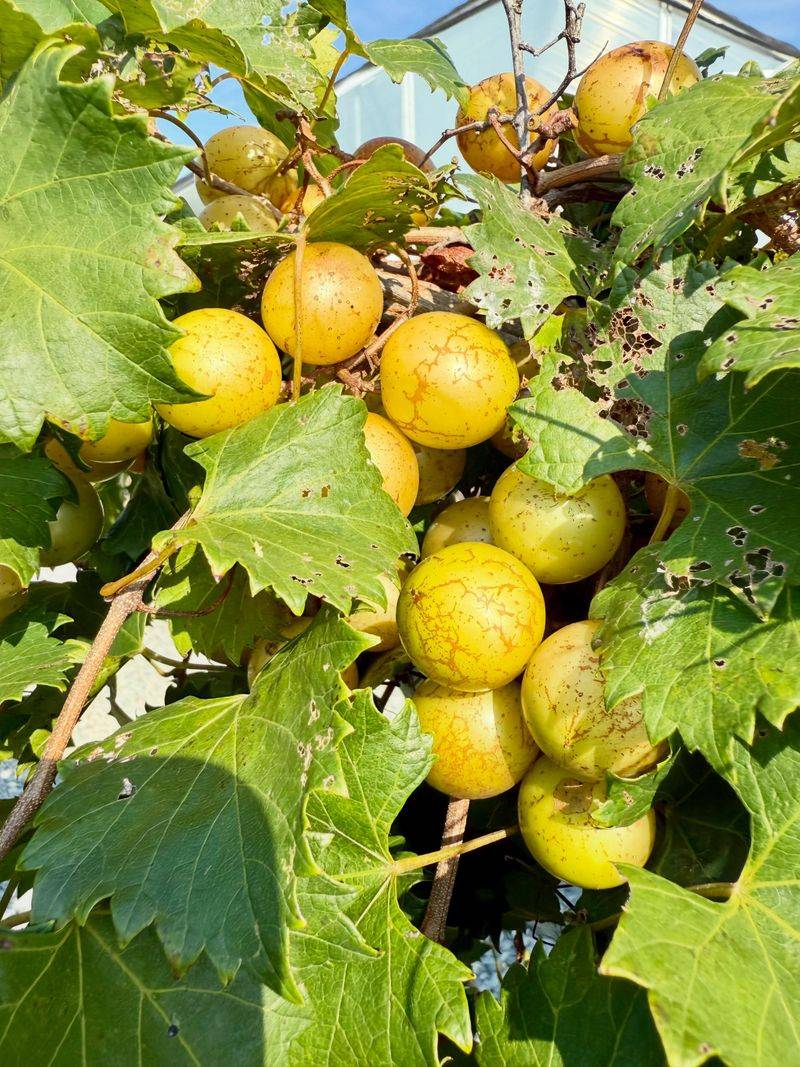
Ask anyone who grew up near a muscadine arbor, and they will probably tell you about the smell. It drifts across the yard on hot afternoons, rich and sweet, like nature is ringing a dinner bell.
That scent is no accident. As muscadines ripen, they build up strong aroma compounds that give off a sweet, fruity, slightly musky fragrance. Unripe berries barely smell at all, maybe just a faint green note, so the difference is easy to notice once you know it.
Using your nose is wonderfully simple. Walk slowly along the vine and sniff the clusters up close. Then step back and notice the air around the whole plant. When the fragrance is strong, ripe fruit is almost always nearby.
Afternoons are the best time for this test. Warm air helps the aroma spread, so a sunny day around two or three o’clock gives you the clearest signal. Cool mornings can hide the scent, which might trick you into thinking nothing is ready yet.
Once a section smells sweet, check those berries first. Pair your nose with a quick squeeze or a gentle tug to confirm. Smell points you in the right direction, and your other senses seal the deal.
In North Carolina, that musky perfume is practically a seasonal tradition. Many folks say they know summer is winding down when the backyard starts smelling like grape jelly.
Farm stands and roadside markets often fill with the same fragrance in September. So next time you step outside and catch a sweet whiff on the breeze, follow it. Your nose may lead you straight to the best berries on the vine.
4. Taste Berries From Different Parts Of The Vine
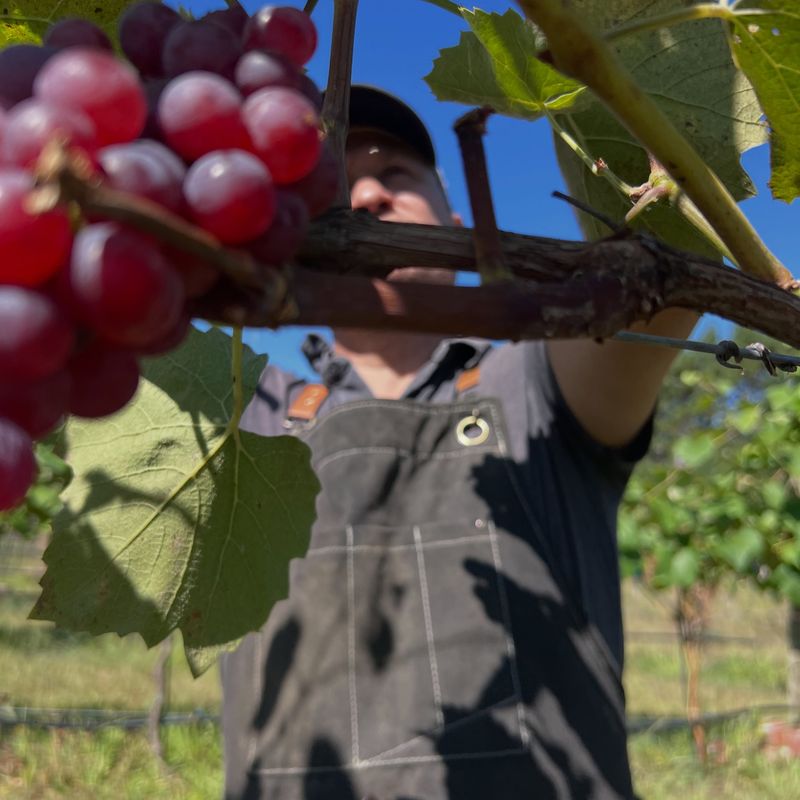
Nothing beats a taste test. Every other sign gives you a strong hint, but popping a berry in your mouth gives you the final answer.
A ripe muscadine has sweet, rich pulp wrapped in a thick skin that tastes a bit tart. Many people squeeze the pulp straight into their mouths and spit out the seeds, then chew the skin or set it aside.
An underripe berry tells a different story, with sour flavor and a dry, puckery feel that makes your mouth tighten up.
Here is the catch. One berry does not speak for the whole vine. Fruit on the sunny side usually ripens first, while berries tucked in shady spots can lag behind by a week or more.
Before picking a big batch, sample a few berries from several areas. Try the top, the bottom, the sunny side, and the shady side. Look for sweet pulp that slides away from the skin easily, because that clean separation is a good sign of ripeness.
Want a more exact answer? A garden refractometer measures sugar content, called Brix, from just a drop of juice. Ripe muscadines often reach somewhere in the mid to high teens, though numbers vary by variety.
Winemakers and serious jelly makers love this little tool. North Carolina backyard vines can grow huge, sometimes covering an entire arbor or fence line. Big vines like that rarely ripen evenly across every section.
A quick tasting tour solves the problem and keeps you from harvesting sour fruit by mistake. Plus, it might be the most delicious chore in the whole garden.
5. Check The Seeds Inside
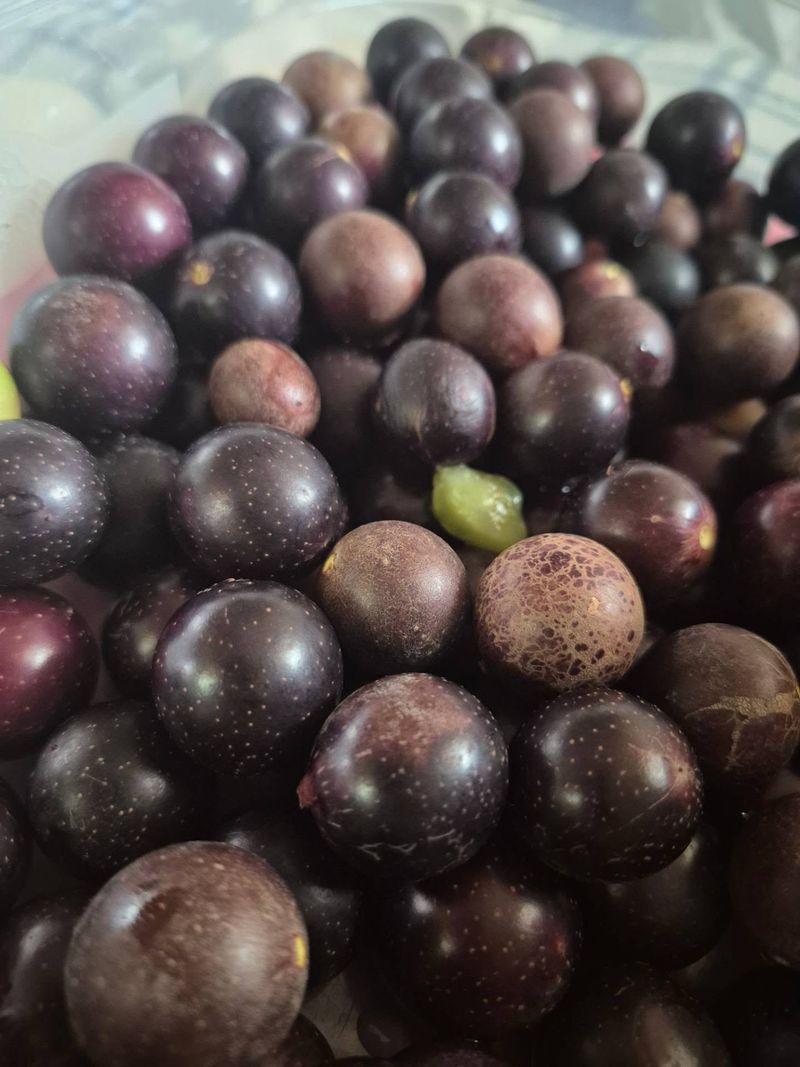
Sometimes the best clues hide in plain sight, just under the skin. Muscadine seeds quietly track how mature the fruit is, and checking them takes less than a minute.
When berries are young, their seeds are usually green and soft. As the fruit develops, those seeds typically turn brown and firm up. That color shift tells you the fruit inside has had time to fully mature.
Grab a small knife and slice a few berries in half, or simply bite one open and take a peek. Brown seeds are a good sign. Green seeds suggest the berry still needs more time on the vine, even if the outside looks ready.
Try several berries from different spots, not just one. Seeds can mature at slightly different rates, much like the fruit itself. Checking a handful gives you a clearer picture of what is going on across the vine.
Treat this test as a teammate rather than the star player. Seed color works best when you use it alongside taste and ease of picking. A berry with brown seeds, sweet pulp, and an easy release is about as ripe as it gets.
Gardeners across North Carolina grow muscadines for all sorts of reasons. Some cook up batches of jelly, others make homemade wine, and plenty just love eating them fresh off the vine. Each of those uses turns out best with fully mature berries.
Jelly made from underripe fruit can taste sharp, and wine may come out thin. So a quick look at the seeds can save you from a disappointing batch and help you get the full, rich flavor these grapes are known for.
6. Watch For Berries Dropping On Their Own
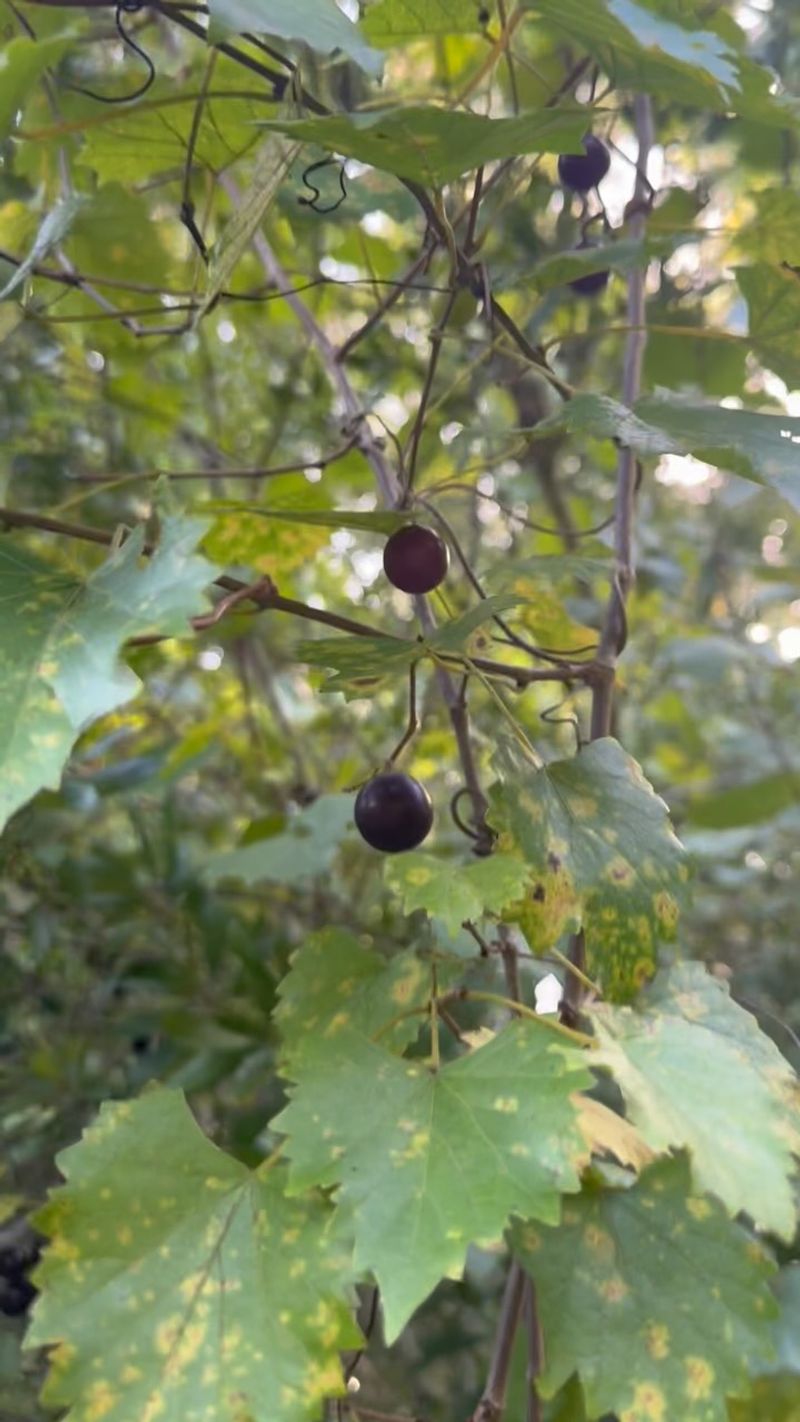
A handful of berries scattered on the ground might look like a mess. Really, it is your vine sending a friendly message that harvest time has arrived.
Fully ripe muscadines loosen their grip on the stem so much that a breeze, a passing bird, or plain gravity can pull them down. When you spot a few fresh berries under the vine, the fruit still hanging up top is likely close behind or already ready.
Start checking the ground every day or two once ripening season begins. Fresh drops are plump and shiny, while older ones may look shriveled or split. Gather the good ones quickly, give them a rinse, and enjoy them before they spoil.
Speed really matters here. Fallen fruit attracts ants, beetles, and yellow jackets in no time, and soft berries break down fast in the summer heat. A daily stroll with a small bucket keeps the area tidy and saves plenty of tasty fruit.
Once drops start showing up, begin harvesting from the vine itself. Use the light tug test or the tarp shake to collect the ripe berries before they fall too.
North Carolina wildlife adores muscadines just as much as people do. Birds peck at clusters, raccoons climb arbors at night, and deer happily munch any fruit they can reach.
Wasps and yellow jackets also swarm sweet berries, so wear shoes and look before you grab. Beating the critters means paying attention. Those first few fallen berries are your starting signal, so keep an eye on the ground and get picking.
7. Expect Ripening Over Several Weeks
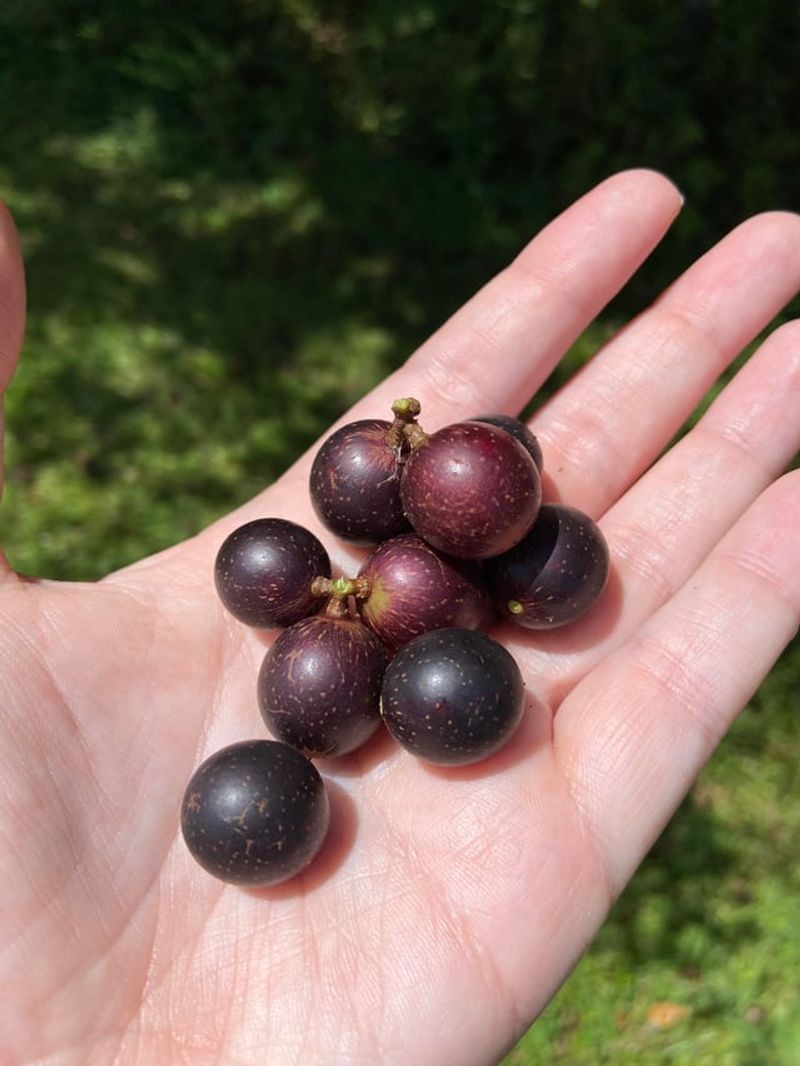
Patience pays off with muscadines more than with almost any other backyard fruit. Rather than ripening in one big rush, these grapes take their sweet time, one berry after another.
Bunch grapes, like the ones sold at the grocery store, grow in tight clusters that tend to ripen together. Muscadines are different. They form small, loose clusters, often with just a few berries each, and those berries ripen at different times even on the same stem.
That means a single trip to the vine will never get everything. If you pick once and call it a season, you could leave a large share of the crop behind. Some berries will still be sour, while others will be perfect a week later.
A better plan is to harvest every few days over several weeks. Start checking the vine in late summer, then keep visiting into early fall. Each time, pick only the berries that pass your ripeness tests and leave the rest to keep developing.
Making it a routine helps a lot. Some families turn it into an evening ritual, grabbing a bowl after dinner and seeing what is ready. Kids especially enjoy hunting for the sweetest berries.
In North Carolina, muscadines usually ripen from late August through September, and some varieties keep going into October.
Timing depends on the type you grow and where you live. Vines near the coast may ripen earlier than those in the cooler foothills.
Knowing your variety helps you plan ahead. With a little patience and regular visits, you can enjoy fresh, sweet muscadines for well over a month.