What To Do With Your Texas Fig Tree After Harvest
Your fig tree just gave you its best. Buckets of sweet fruit, sticky fingers, and maybe a few jars of homemade preserves lined up on the counter. Now it’s your turn to give something back.
After a long Texas summer of heat and heavy production, fig trees are worn out. They still have work to do before winter, though.
This is when they store energy in their roots and prepare for colder weather. The care they get over the next few months matters. It affects how well they handle a freeze and how much fruit they produce next year.
A little attention now goes a long way. These simple post-harvest steps can keep your tree healthy and ready for another big crop.
1. Clean Up Fallen Fruit And Leaves
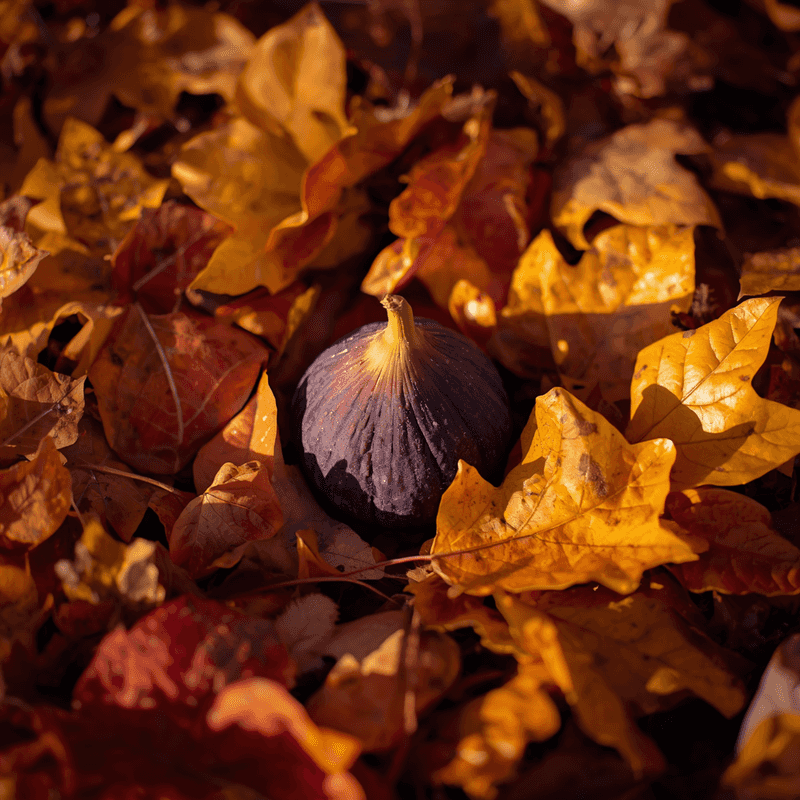
Bugs throw a party every fall under fig trees. Fruit flies, beetles, and wasps all love the sweet smell of mushy figs on the ground. If you leave that fruit lying around, you are basically sending them an invitation.
Start by walking around the tree with a bucket. Pick up any figs that have dropped, split, or gone soft.
Check the low branches too, since overripe fruit still hanging there can draw just as many pests. Wear gloves, because rotting figs can be sticky and wasps may still be buzzing nearby.
Leaves come next. As the weather cools, your fig will start shedding its big, rough leaves. Rake them up instead of letting them pile up under the branches. There is a good reason for this extra chore.
Texas fig trees often get a fungus called fig rust. You can spot it by the small yellowish-brown spots on the leaves.
Badly infected trees may drop their leaves weeks early, which weakens them before winter. The fungus can hang around on old leaf litter and spread again next year.
So where should the leaves go? Bag them up and put them in the trash if you saw rust spots. Healthy leaves can go in a compost pile, but only if your pile gets hot enough to break things down. When in doubt, toss them out.
Fun fact: fig leaves feel like sandpaper because they are covered in tiny stiff hairs. Some people even get itchy skin from handling them, so long sleeves are a smart idea.
A tidy space under your tree means fewer pests, less disease, and a healthier start next spring.
2. Adjust Your Watering
Think about how you feel after a long, busy summer. You slow down, rest more, and need a little less fuel. Your fig tree feels much the same way once harvest wraps up.
During fruiting season, figs drink a lot. They need steady moisture to grow plump, juicy fruit.
After the last figs are picked, the tree starts easing into fall mode. Its growth slows, and it simply needs less water than before.
That does not mean you should stop watering altogether. Texas falls can be hot and very dry, sometimes with weeks of no rain. A thirsty tree heading into winter is a stressed tree, and stress makes it weaker against cold snaps.
Your Texas Garden Changes Every Week. Your Plan Should Too.
Gardening in Texas changes quickly throughout the season. Every Friday you’ll receive a simple weekly plan showing exactly what to plant, prune, fertilize, harvest, and protect so you never miss the right timing.
Here is a simple plan. Water less often, but water deeply when you do. A slow soak that reaches down into the root zone works far better than a quick sprinkle. Soaker hoses or a hose set to a gentle trickle for about an hour do the job well.
Young trees need the most attention. Their roots are still shallow and dry out fast. Check the soil every few days by pushing your finger about two inches down. If it feels dry, give it a good drink.
Older trees with deep roots can usually go longer between waterings. Still, keep an eye on them during dry spells. Curling or droopy leaves are a sign the tree wants water.
Watch the weather too. If a good rain rolls through, skip a session. Too much water can cause soggy roots, which figs do not enjoy one bit. Balance is the goal here.
3. Hold Off On Fertilizer
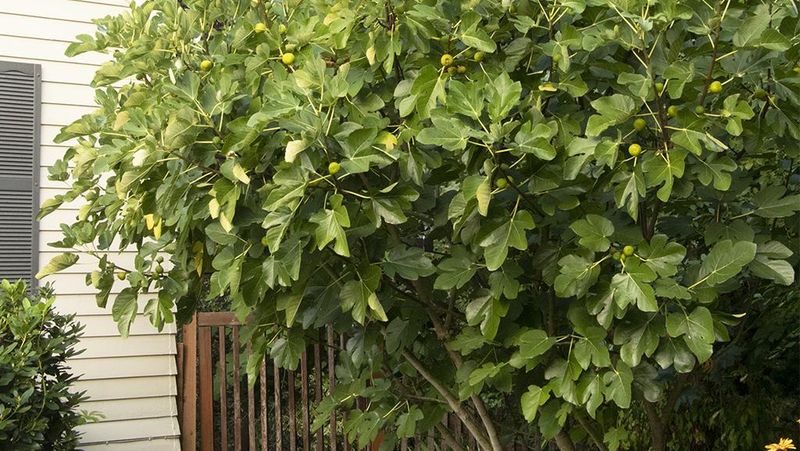
Feeding your tree right after harvest might seem like a nice thank-you gift. After all, it worked hard all summer. Sadly, this kind gesture can actually backfire.
Fertilizer tells a plant to grow. When you add it in fall, your fig tree gets the message to push out fresh shoots and leaves.
That new growth is soft, green, and tender. It has not had time to toughen up before cold weather arrives.
Texas is famous for surprise freezes. One week it is warm and sunny, and the next a cold front blows in overnight.
Tender new branches are often the first to get damaged. You may see blackened tips or shoots that shrivel after a hard frost.
Worse, the tree spends energy making that growth instead of saving it for winter. A fig that should be resting ends up worn out. That can mean a slower start next year.
So when should you feed it? Wait until late winter or early spring. Around February or March in most of Texas, the tree begins to wake up. Buds start swelling, and that is the perfect moment for a light meal.
Choose a balanced fertilizer and follow the label carefully. Figs do not need much. Too much nitrogen gives you lots of leaves but fewer figs, which nobody wants.
Here is a handy tip. Put a reminder on your phone or calendar for late February. That way you will not forget, and your tree gets fed at just the right time. Patience in fall really pays off at harvest.
4. Save Major Pruning For Late Winter
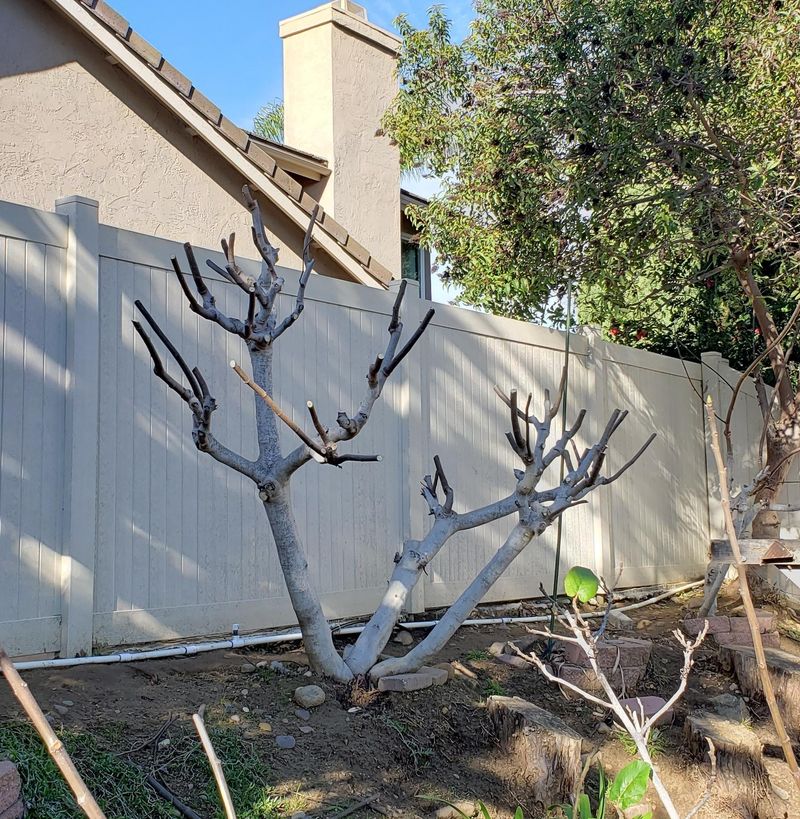
Grabbing the pruning shears right after harvest is tempting. The tree may look messy and overgrown after a busy season. Hold that thought, because timing makes a big difference.
For now, keep your trimming small. Remove only branches that are dry, broken, or clearly diseased.
Broken limbs can tear further in wind, and sick wood can spread trouble to healthy parts. Cutting these out keeps the tree safe without upsetting its schedule.
Why wait on the big stuff? Heavy pruning wakes a plant up. It can push out new shoots, just like fertilizer does. Those fresh shoots are easy targets for an early Texas freeze.
Late winter is the sweet spot. The tree is fully dormant, so it is resting and not actively growing. Best of all, the leaves are gone. You can clearly see every branch and how they cross or crowd each other.
When the time comes, look for a few goals. Open up the center so sunlight and air can move through.
Remove branches that rub against each other. Cut back any that grow too tall to reach easily at picking time.
Always use clean, sharp tools. Wiping blades with rubbing alcohol between cuts helps stop disease from spreading. Make cuts just above a bud or where a branch meets a larger limb.
Did you know figs produce a milky sap when cut? It can bother some people’s skin, so gloves are a good idea. A little planning now means a stronger, better shaped tree next season.
5. Add A Fresh Layer Of Mulch
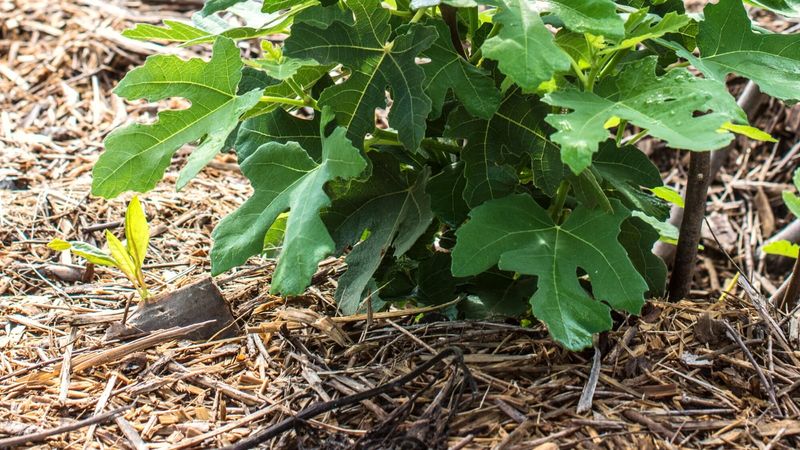
Roots are the unsung heroes of any fig tree. They stay hidden underground, yet they keep the whole plant alive. A cozy blanket of mulch is one of the best gifts you can give them.
Mulch works in two big ways. First, it holds moisture in the soil, so you will not need to water as often. Second, it acts like insulation. When temperatures drop, mulch helps keep roots from getting too cold.
Spreading it is easy. Aim for a layer about three to four inches deep. Cover the whole root zone, which usually stretches out as far as the branches reach. Wider is better than skinny here.
Good choices include shredded hardwood, pine bark, pine straw, or chopped leaves from healthy trees.
Many Texas cities give away free mulch made from local tree trimmings. Check your city website before buying bags at the store.
Now for the most important rule. Keep the mulch a few inches away from the trunk. Piling it right against the bark traps moisture and can cause rot. It also gives bugs and rodents a hidden spot to chew on the trunk.
Gardeners sometimes call those piles mulch volcanoes. They look neat but cause plenty of problems. Shape yours more like a flat donut instead, with a clear hole in the middle.
As mulch breaks down over time, it feeds the soil too. Worms move in, and the ground gets richer and looser. Add a fresh layer each fall, and your fig will thank you with steady, happy growth.
6. Get Ready To Protect It From Freezes
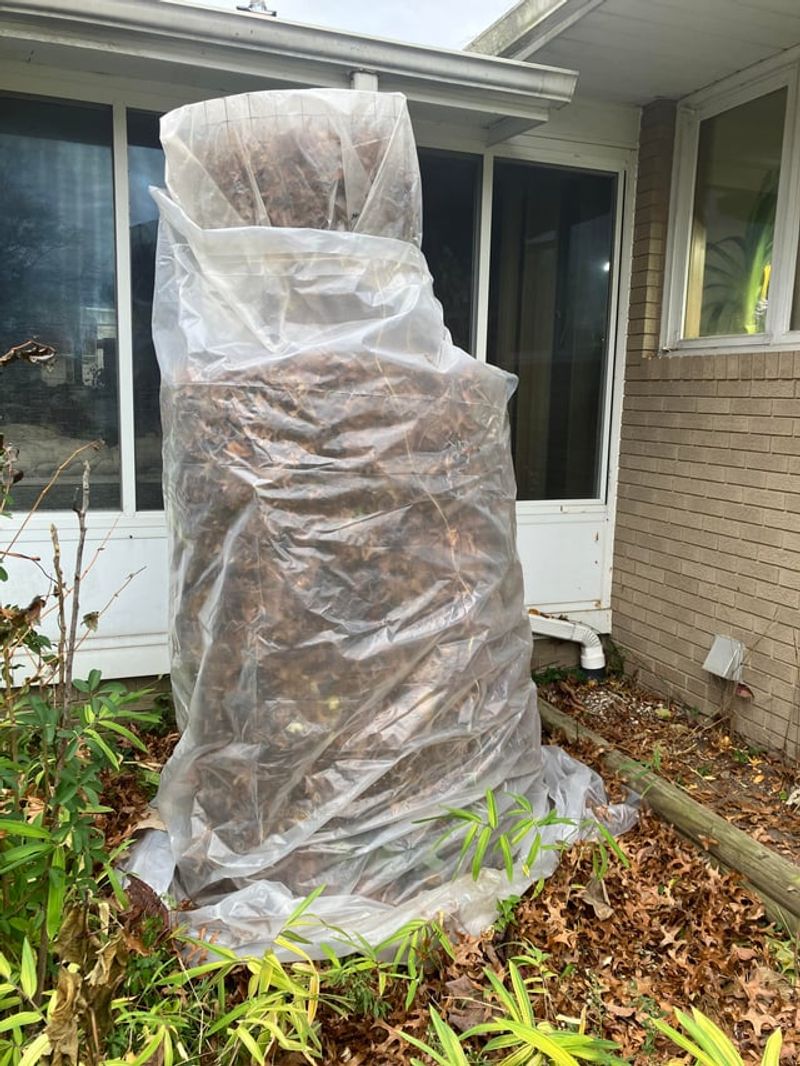
Anyone who lived through the big Texas freeze of 2021 remembers how fast things can change. Gardens across the state took a beating in just a few days. Plenty of fig trees lost branches that winter.
Figs come from warm places like the Mediterranean, so hard freezes are not their friend. In North and Central Texas, a few nights in the low 20s can badly hurt branches. Young trees are the most at risk because their wood is thin and tender.
The good news is that a little prep goes a long way. Buy frost cloth before cold weather hits. Stores often sell out the moment a freeze shows up in the forecast.
When a hard freeze is coming, drape the cloth over smaller trees. Let it reach all the way to the ground, then hold it down with bricks or rocks.
That traps warmth rising from the soil. Remove the cover once temperatures climb again so the tree can breathe.
Skip plastic sheets if you can. Plastic touching the leaves can actually make cold damage worse. Old blankets work in a pinch, though frost cloth is lighter and safer.
Potted figs have it easier. Roll them into a garage, shed, or covered porch on the coldest nights. A plant dolly with wheels makes moving heavy pots much simpler.
Even if some branches get damaged, do not panic. Figs often bounce back from their roots in spring. Watch the weather apps, keep supplies ready, and your tree has a great shot at sailing through winter.