The Fall Color Trees Texas Nurseries Stock In October
Two trees of the same variety can put on very different fall shows. One might blaze a deep, fiery red.
The other might fade to a dull brownish yellow and call it a day. That’s why October is the smartest time to shop for fall color.
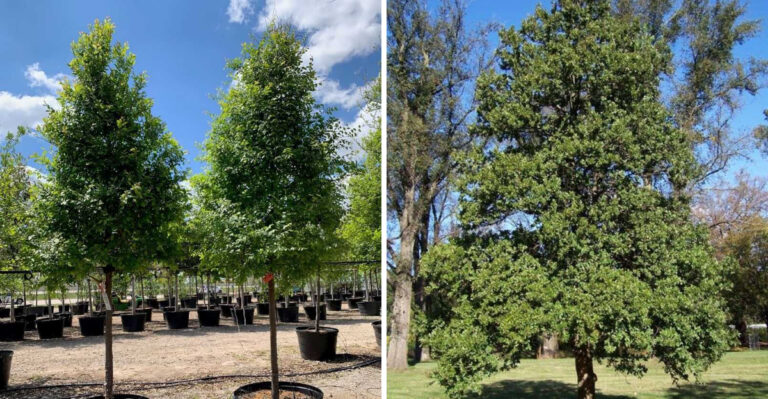
Right now, Texas nurseries are stocking trees that are already starting to change. Instead of guessing from a plant tag or a photo online, you can walk the rows and see the real color with your own eyes.
Pick the one with the richest reds, brightest oranges, or warmest golds, and you’ll know exactly what you’re bringing home.
Fall is also a great time to plant in Texas. Cooler weather gives roots months to grow before summer heat returns.
Some trees deliver dependable color even in our mild autumns, and those are the ones worth hunting for on your next nursery visit.
1. Chinese Pistache
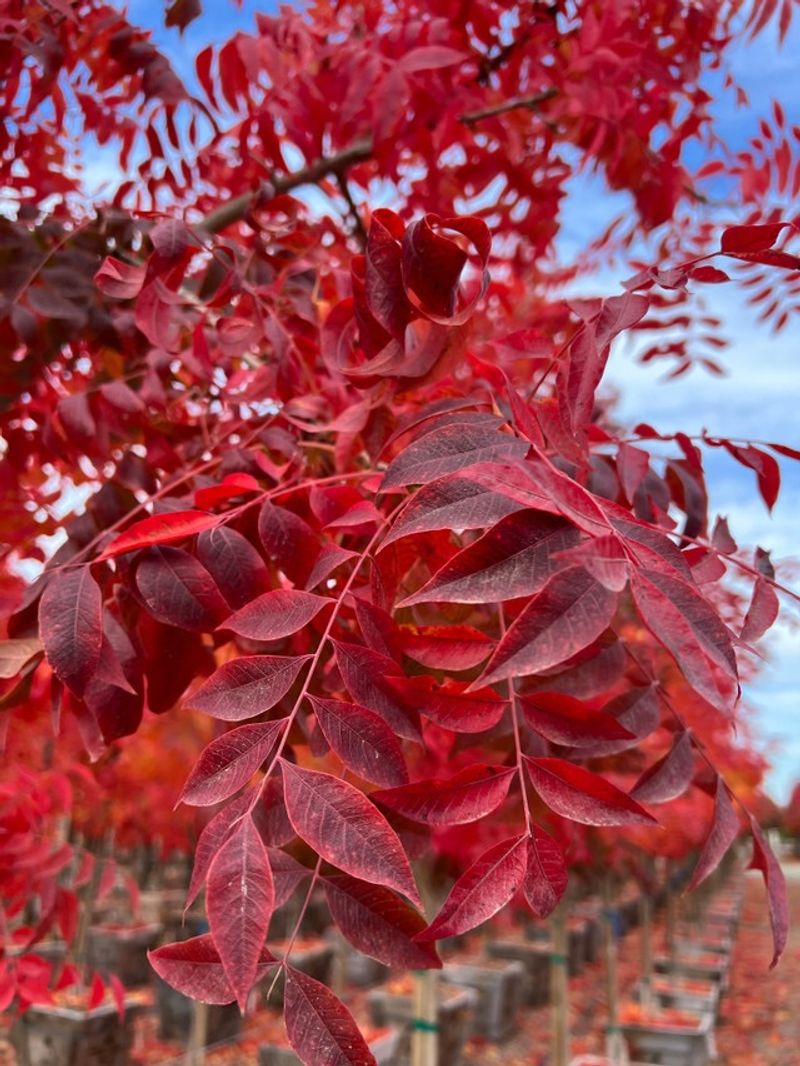
Drive through almost any Texas suburb in November and you will spot a tree glowing like a campfire. Chances are good it is a Chinese pistache. Few trees in the state color up so reliably, even after a long, dry summer.
Native to China, this tree has become a favorite of Texas homeowners for good reason. It grows about 25 to 35 feet tall with a rounded crown.
The leaves are made of many small leaflets that turn orange, red, and sometimes gold in late fall.
Toughness is its biggest selling point. Once it is settled in, it shrugs off heat, drought, and alkaline soil. It needs full sun to get its best color, so skip shady corners. Give it deep, slow watering during the first two summers, then cut back.
There is one catch worth knowing. Female trees make small berries that birds love, and those seeds can sprout in natural areas.
In parts of Central Texas, Chinese pistache has started showing up in woods and fields where it does not belong.
Many experts suggest a simple fix. Ask your nursery for a male or seedless tree, which will not produce berries. Some garden centers label these clearly, but it never hurts to ask the staff directly.
If you would rather go fully native, a Texas red oak or bigtooth maple can give you a similar warm glow. Still, a seedless pistache in a sunny yard is hard to beat for pure fall drama.
Plant it at least 15 feet from your house so the crown has room to spread. A ring of mulch around the base will help hold moisture and keep mowers away from the trunk.
2. Shumard Oak
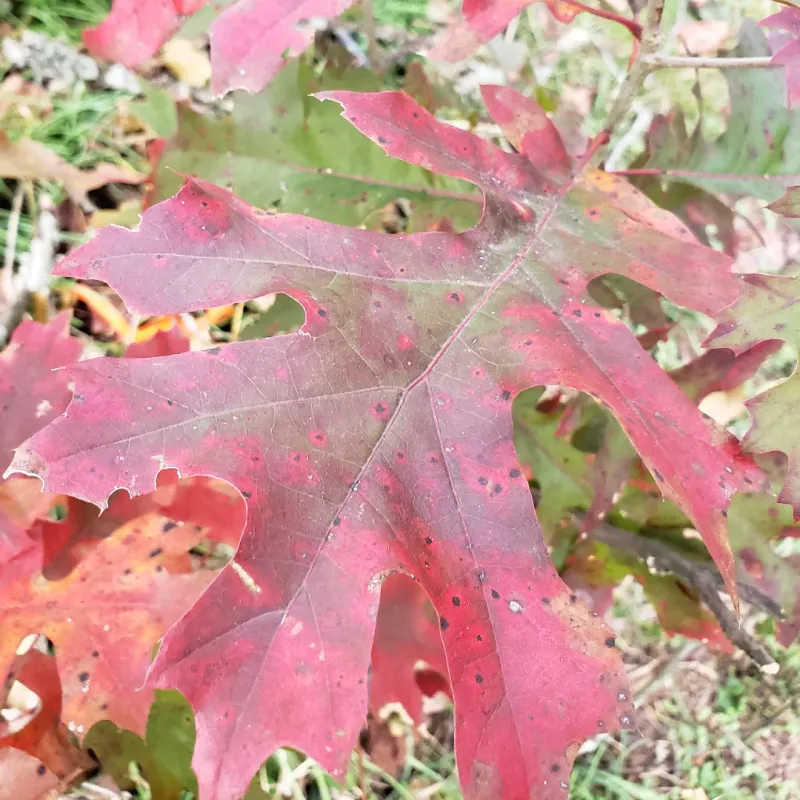
Think long term with this one. A Shumard oak planted today could shade your grandkids someday. It is one of the best native shade trees in Texas, and it rewards patience with stunning color.
Shumard oaks can reach 50 to 80 feet tall with a wide, spreading crown. Their large leaves have pointed lobes with tiny bristle tips. In late fall, they turn deep red to reddish orange, a color that looks rich against a blue autumn sky.
Your Texas Garden Changes Every Week. Your Plan Should Too.
Gardening in Texas changes quickly throughout the season. Every Friday you’ll receive a simple weekly plan showing exactly what to plant, prune, fertilize, harvest, and protect so you never miss the right timing.
Soil is not much of a problem for this oak. It handles the heavy, alkaline clay found in Dallas, Fort Worth, Austin, and many other areas. It also does fine in loamy soil, as long as water does not sit around the roots for weeks.
Growth is fairly quick for an oak. With good care, young trees can add a couple of feet each year. That makes it a smart pick for a new home with a bare yard. Here are a few planting tips:
Choose a spot with full sun and lots of room. Keep it away from power lines, foundations, and driveways. Water deeply once a week the first summer, especially during dry spells.
A fun fact is that Shumard oak belongs to the red oak group. Its acorns take two years to mature, and squirrels, deer, and blue jays all enjoy them.
Oak wilt is a disease to watch for in Texas. Avoid pruning between February and June, and paint fresh cuts with wound paint. Following that rule helps keep your tree healthy for decades.
3. Texas Red Oak
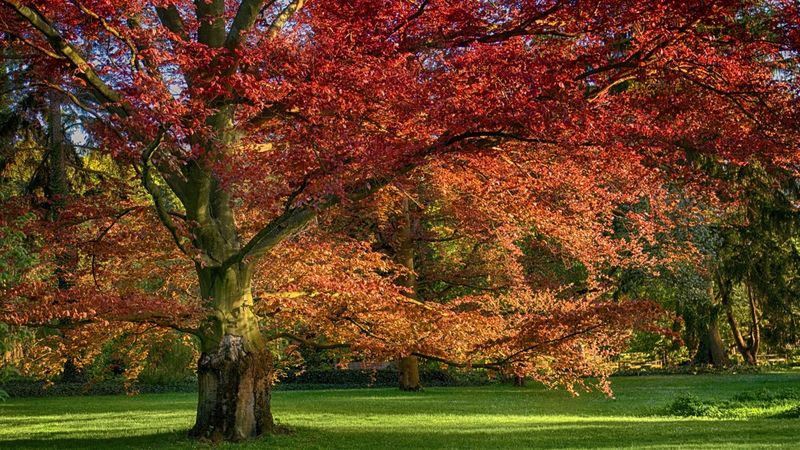
Hikers in the Hill Country often stop on a trail in late November just to stare. Splashes of crimson pop up between the cedar and limestone. Those bright patches usually belong to Texas red oak.
Some people call it Spanish oak or Buckley oak. It is native to Central Texas and the Edwards Plateau, which means it is built for thin, rocky, alkaline soil. If your yard has more caliche than dirt, this tree may be your new best friend.
Size is another plus. Texas red oak usually tops out around 30 to 50 feet, smaller than its cousin the Shumard oak. That makes it a better fit for average city lots and smaller backyards.
The leaves are smaller too, with sharp, pointed lobes. Color shows up late in the season, often in late November or early December. Shades range from deep red to scarlet, sometimes with hints of orange.
Care is fairly simple. Plant it in full sun or light shade with good drainage. Soggy soil is its weak point, so avoid low spots where rain puddles.
During the first year, water deeply every week or so when it is dry. After that, it can handle most Texas summers with only occasional help. A layer of mulch keeps roots cool and moist.
Like other red oaks, it can get oak wilt. Skip pruning from February through June, and seal any cuts right away.
Nurseries often stock this tree in October because fall planting works so well here. Grab one early, since the best-shaped trees tend to sell quickly.
4. Bigtooth Maple
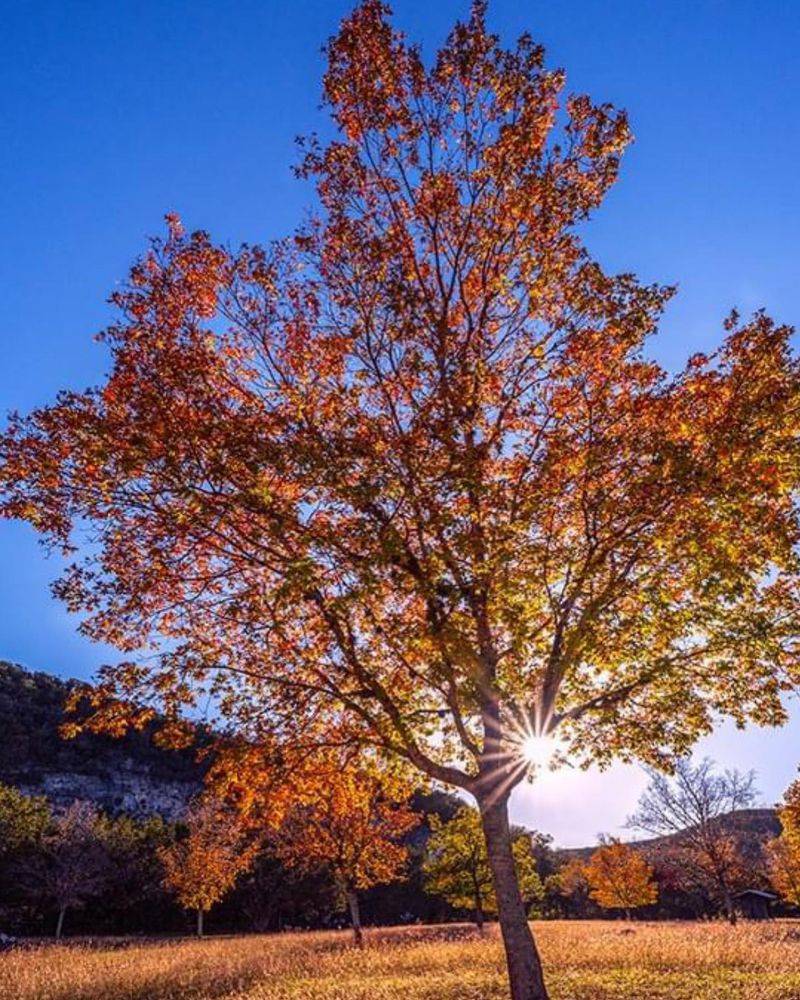
Every fall, thousands of visitors crowd into Lost Maples State Natural Area near Vanderpool. They come to see canyons blazing with red and gold. The star of that show is the bigtooth maple, and yes, you can grow one at home.
Bigtooth maple is a true Texas native. Its wild groves are leftovers from a cooler time long ago, tucked into shady, protected canyons. That history gives a clue about what the tree likes.
In a yard, it grows slowly to about 20 to 30 feet. The leaves look a lot like sugar maple leaves, with three to five lobes. In fall they turn red, orange, and gold, sometimes all on the same tree.
To keep it happy, copy its canyon home. Morning sun with afternoon shade is ideal, especially in hotter parts of the state. An east-facing spot or a place shaded by taller trees works well.
Good drainage matters a lot. This maple handles alkaline soil, but it does not like wet feet. If you have heavy clay, plant on a slight mound or improve the area with compost.
Water regularly the first couple of years, especially in July and August. Mulch helps a lot by keeping the soil cool.
Color can change from year to year. A cool, dry fall usually brings the brightest reds, while a warm fall may lean more gold.
Native plant nurseries are the best place to find one. Ask for trees grown from Texas seed, since they adapt better to local conditions.
5. Bald Cypress
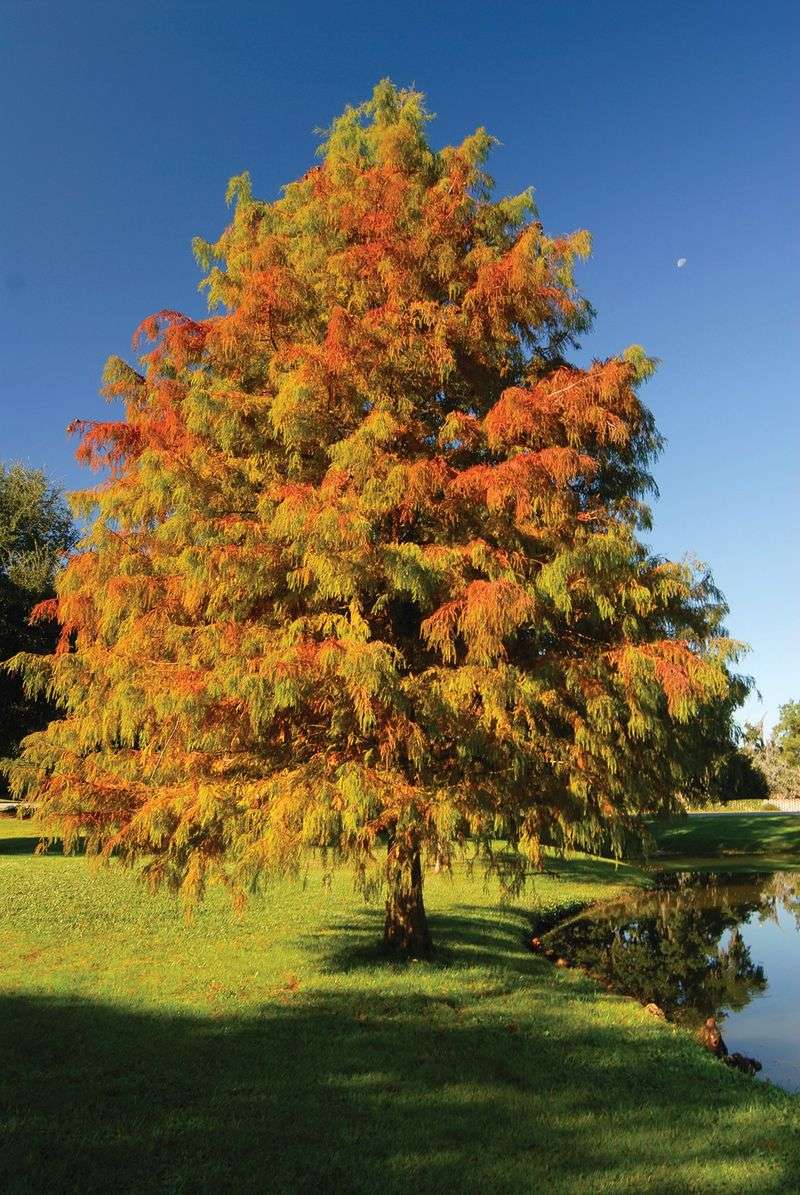
Here is a riddle. What tree looks like a pine but loses all its needles every winter? The answer is bald cypress, one of the most unusual trees you can plant in Texas.
Bald cypress is a deciduous conifer. That fancy phrase means it has cones and needles, yet it drops them each year like a maple or oak. The name bald comes from how bare it looks in winter.
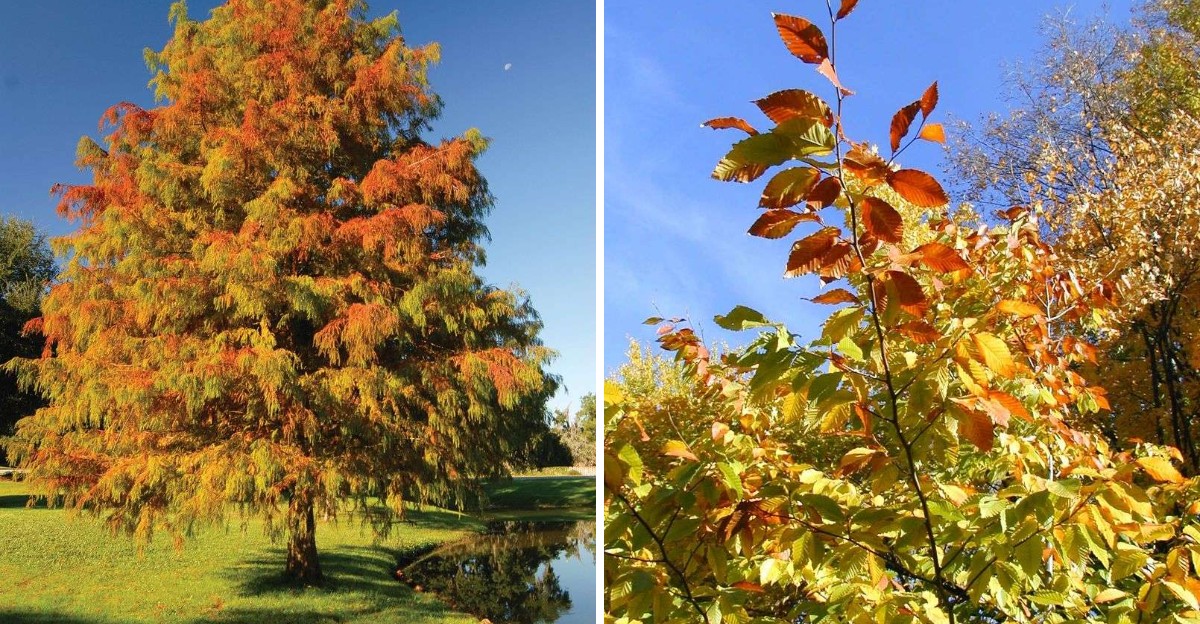
Before the needles fall, they put on a lovely show. The soft, feathery green turns rusty orange and then copper in late fall. Lined up along a river, these trees look like they are glowing.
You may have seen them along the Guadalupe, Frio, or San Marcos rivers. Some wild bald cypress trees in Texas are hundreds of years old. A few even top 1,000 years.
Don’t let the river pictures fool you, though. Once settled in, bald cypress handles dry yards surprisingly well. It grows in clay, sand, and loam, though very alkaline soil can sometimes yellow the leaves.
Expect a tall, narrow, pyramid shape when young. Over time it can reach 50 to 70 feet or more. Give it plenty of space and full sun.
Near water, the roots may send up woody bumps called knees. Scientists still debate why they form. In drier yards, knees rarely show up.
For best results, water young trees deeply and often for the first two years. After that, this tough native mostly takes care of itself while giving you shade and copper color each fall.
6. Shantung Maple
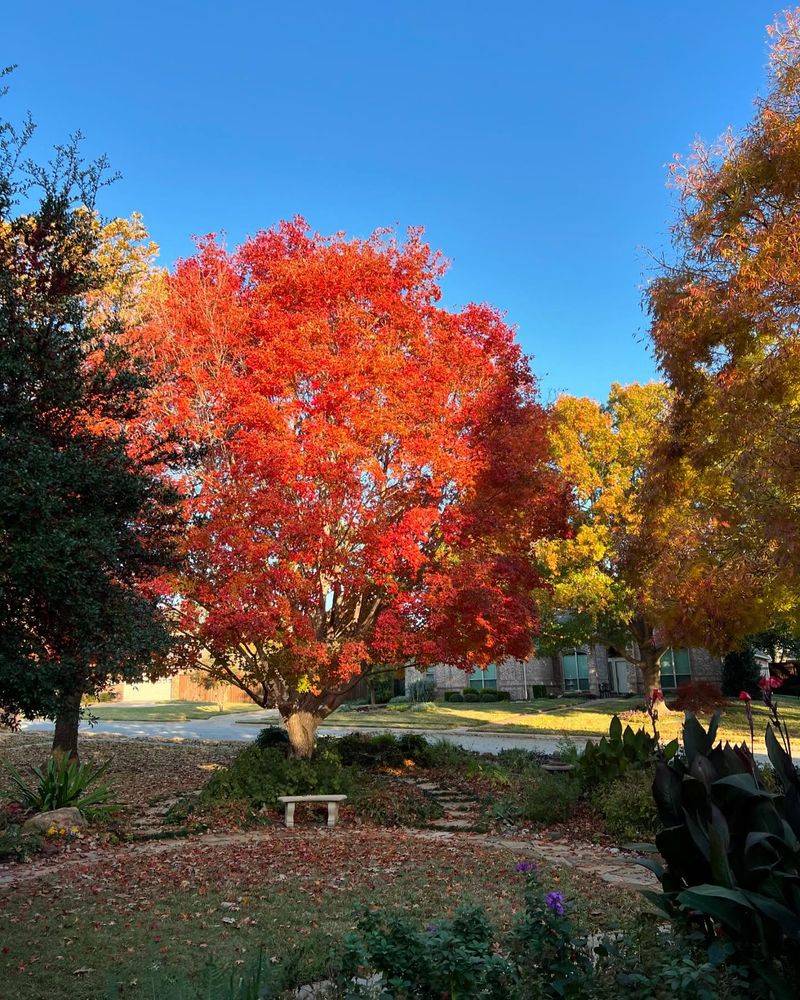
Plenty of Texans have bought a red maple, only to watch it struggle in hot, chalky soil. Shantung maple is often the happy ending to that story. It brings classic maple charm without as much fuss.
Native to northern China, Shantung maple is also called purpleblow maple. It became popular in Texas because it handles heat and alkaline soil much better than many other maples. Garden centers from San Antonio to Amarillo carry it.
The tree stays medium-sized, usually 20 to 30 feet tall with a neat, rounded shape. That makes it great for front yards, side yards, and spaces near patios. It casts nice shade without taking over.
Leaves are shaped like little stars. New spring growth often has a purple or red tint. In fall, the leaves turn yellow, orange, and red, and the show tends to last a good while. Some quick care tips:
Plant in full sun to part shade. In West Texas or very hot spots, a bit of afternoon shade helps prevent scorched leaf edges. Water deeply each week during the first summer, then as needed during dry spells.
Mulch is a big help here. A few inches of shredded bark keeps roots cool and saves water. Just keep it a few inches away from the trunk.
One fun detail is that the seeds have wings, like other maples. Kids love tossing them and watching them spin like tiny helicopters.
Shantung maple is not native, so pair it with native shrubs and flowers to support local wildlife.
7. Cedar Elm
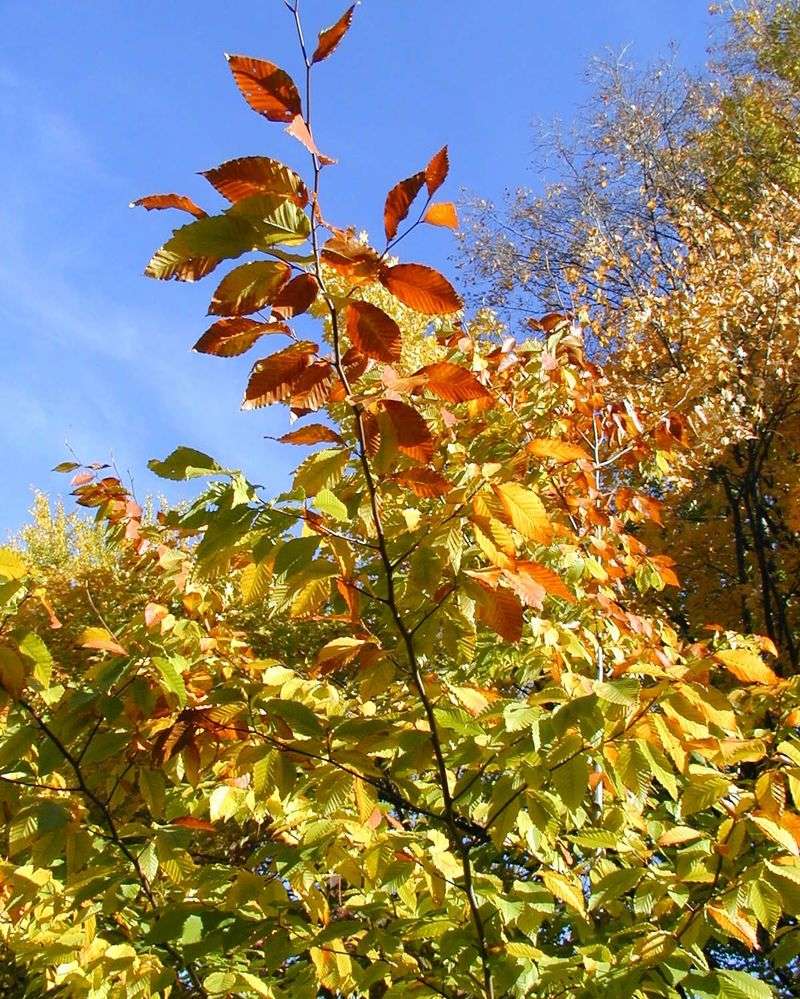
Ask a Texas arborist to name the toughest shade tree around, and many will say cedar elm without blinking. It is not flashy, but it never quits. Fall brings a bonus in the form of clear golden yellow leaves.
Cedar elm grows across much of Texas, from the Hill Country to North Texas and down toward the coast. It handles drought, blazing heat, and heavy clay that would trouble many other trees. It even tolerates some flooding.
The leaves are small and a bit rough, like fine sandpaper. That small size is part of why the tree copes so well with dry weather. In late fall, the whole crown turns a soft, buttery gold.
Mature trees reach 40 to 70 feet tall with a graceful, upright shape. The branches often have corky wings, which add winter interest after the leaves drop.
Cities love cedar elm for parking lots and street plantings. If it can thrive next to hot pavement, it can thrive in your yard too.
Planting is simple. Choose a sunny spot with room to grow, and water regularly for the first year or two. After that, it usually needs help only during long dry stretches.
An odd little fact is that cedar elm blooms in late summer instead of spring. Most elms flower early in the year, so it marches to its own beat.
Watch for elm leaf beetles, which can chew holes in the leaves. Healthy trees usually bounce back. For steady shade and reliable color, few trees offer better value.