7 Scents Deer Avoid And 3 That Draw Them Into North Carolina Yards
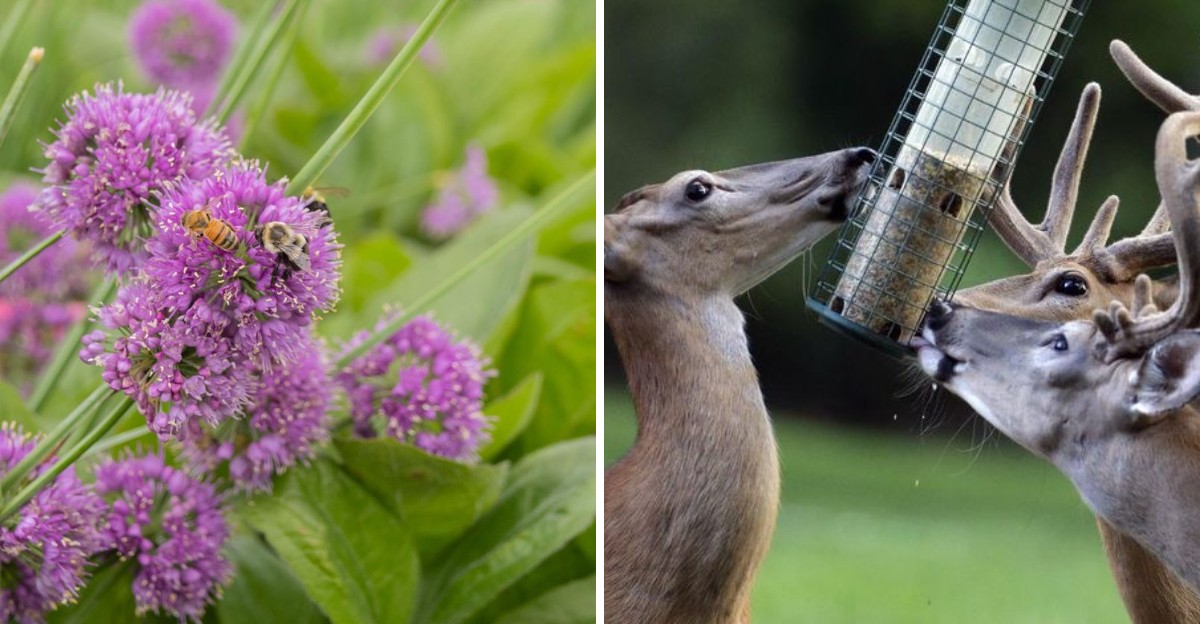
Deer find food by smell, and that makes scent one of the best tools a gardener has. Some strong smells make deer move along. Others signal a tasty meal.
Most people only think about the first group. They plant a few strong-smelling herbs and wonder why the damage continues. The second group can quietly undo all that effort.
A fragrance you love in your garden might be exactly what draws deer across the lawn at dusk.
North Carolina yards have plenty of deer pressure, especially in fall. Knowing which scents help and which backfire lets you plan your plantings with purpose. It is a small change that can protect your whole yard.
1. Rotten Egg Repellents Top The Avoid List
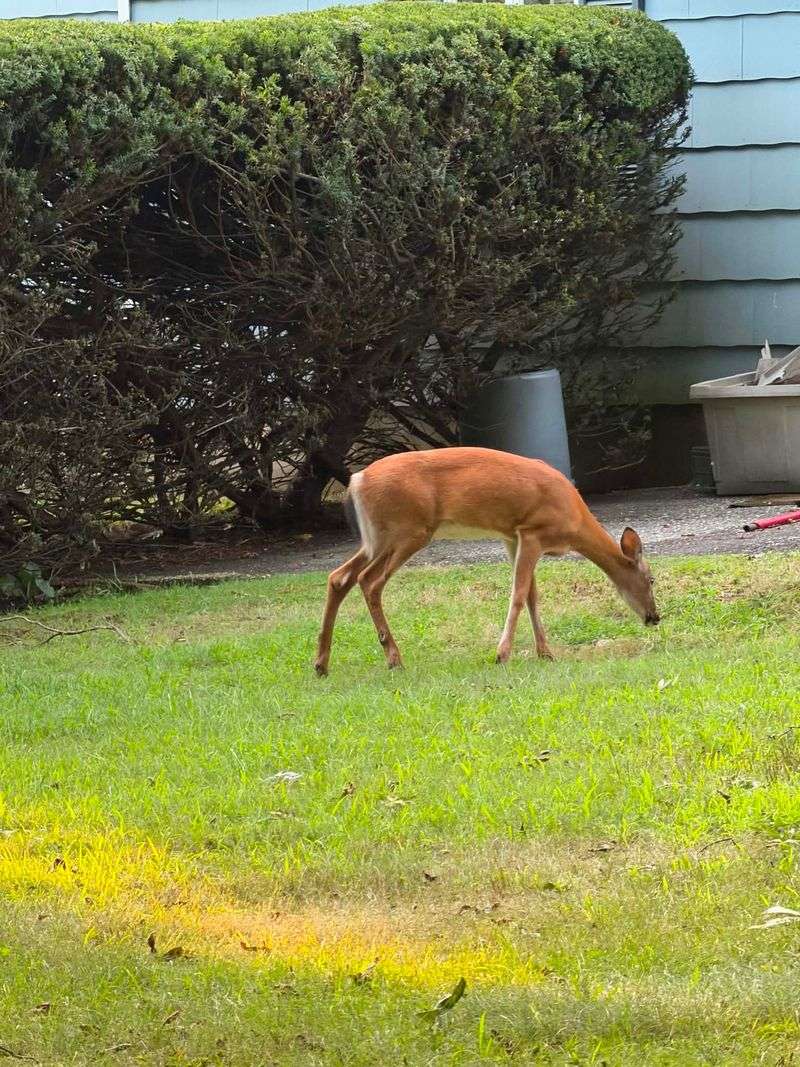
Nobody enjoys the smell of rotten eggs, and deer agree with us completely. That stinky sulfur odor is one of the most effective scents for keeping hungry deer away from your plants. Many popular store-bought repellents rely on it for good reason.
Check the label on a bottle of deer spray, and you will often see putrescent egg solids listed as an ingredient.
As eggs break down, they release a sulfur smell that deer connect with decay and possible danger. Research on deer repellents has found that egg-based products are among the most reliable choices available to home gardeners.
Getting good results takes a little planning. Spray the repellent directly on the plants deer are already nibbling, covering both the tops and undersides of leaves. Rain washes it off, so reapply after storms, and spray again whenever fresh new growth appears.
Timing matters more than most people realize. Start spraying before deer settle into a feeding habit, because breaking an old routine is much harder than preventing one. Once deer decide your yard is a buffet, they can be stubborn about coming back.
Rotation is another smart trick. Deer can slowly get used to one smell, so switch between two or three different repellents every few weeks. Keeping them guessing helps the scents stay powerful all season long.
Across North Carolina, white-tailed deer browse yards in every region, from mountain towns like Boone to Piedmont suburbs near Raleigh and coastal neighborhoods near Wilmington.
With deer so common, a dependable repellent is one of the best tools you can keep in your garden shed. A quick spray now can save your roses, hostas, and azaleas later.
2. Garlic Adds A Smell Deer Dislike
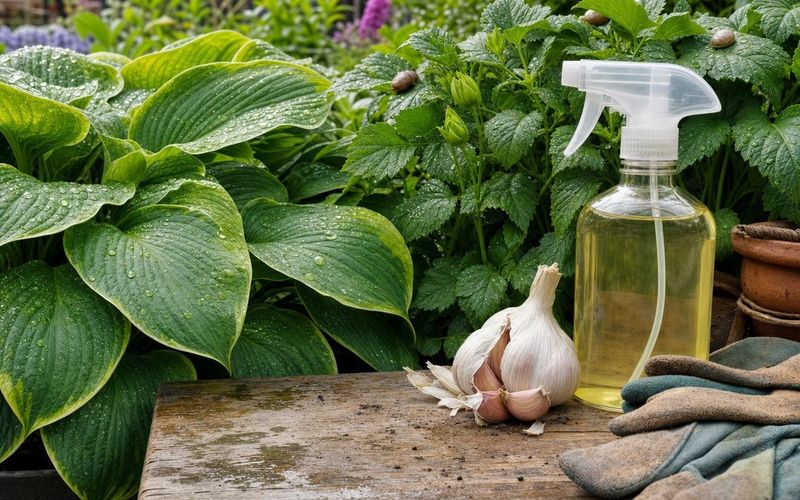
Garlic lovers might find it tasty, but deer tend to wrinkle their noses at it. That bold, sharp aroma has made garlic a favorite ingredient in many deer repellents. Its strength comes from natural sulfur compounds packed inside each clove.
When those compounds hit the air, they create a pungent odor that many deer simply choose to avoid.
Manufacturers often blend garlic with egg solids or other ingredients to make the formula even stronger. Together, these smells work better than garlic does by itself.
Shopping for a product is easy. Look for commercial repellents that list garlic on the label, and follow the directions carefully. Homemade garlic sprays exist, but tested products usually stick to leaves better and last longer.
Your North Carolina Garden Changes Every Week. Your Plan Should Too.
Gardening in North Carolina changes quickly throughout the season. Every Friday you’ll receive a simple weekly plan showing exactly what to plant, prune, fertilize, harvest, and protect so you never miss the right timing.
Consistency is the secret to success here. Reapply garlic repellents on a regular schedule, roughly every week or two, and always after a good rain. Skipping a few weeks gives deer a chance to sneak back and taste test your plants.
Keep your expectations realistic, too. Garlic alone usually works best when only a few deer pass through now and then. If you see deer every evening, pair garlic sprays with other tools like fencing, motion sprinklers, or strong-smelling plants.
For North Carolina gardeners, this layered approach makes a big difference. Deer here often munch steadily on vegetable gardens, leafy hostas, and ornamental shrubs like arborvitae and azaleas.
Using garlic as one part of a bigger plan helps protect those plants, especially during spring when tender new leaves are most tempting.
Think of garlic as a helpful teammate rather than a solo star. Used wisely, it adds one more smell deer would rather skip.
3. Lavender’s Strong Fragrance Turns Deer Away
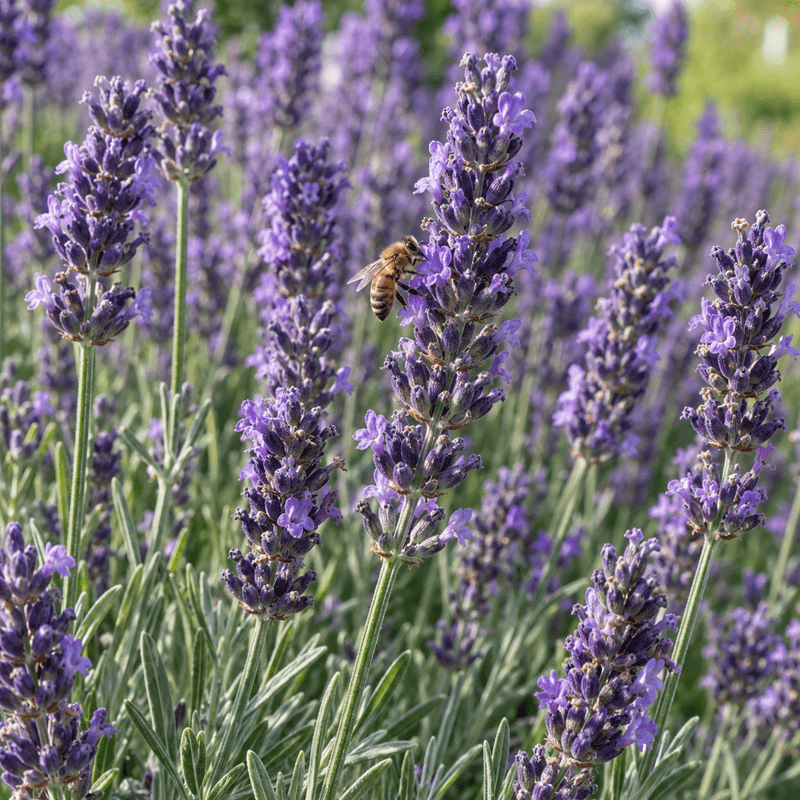
Walk past a lavender plant on a warm afternoon, and its sweet, soothing scent seems to follow you down the path. People find that fragrance relaxing, yet deer usually want nothing to do with it. That makes lavender both beautiful and practical.
Deer tend to pass up plants with intense smells and fuzzy or resinous leaves. Lavender checks both boxes, with fragrant oils in its gray-green foliage and flower spikes. Those oils make it unpleasant to chew, so deer typically move on to something milder.
Sunshine is lavender’s best friend. Plant it where it gets full sun, at least six to eight hours a day, and give it soil that drains very quickly. Wet roots are the fastest way to lose this Mediterranean herb.
Placement can also work in your favor. Tuck lavender between plants deer enjoy, such as roses or daylilies, so its scent helps mask their appeal. A border of lavender along a walkway adds color and a fragrant barrier at the same time.
Go easy with the hose. Lavender prefers to dry out between waterings, and too much moisture can cause root rot. After the main bloom fades, prune lightly to tidy the plant, but avoid cutting deep into old woody stems.
North Carolina presents a special challenge with its humid summers and heavy clay soils, especially in the Piedmont.
Raised beds filled with gritty, well-drained soil help lavender handle the steamy weather much better. Many local gardeners also add gravel mulch instead of wood mulch to keep the base of the plant dry.
Varieties like Phenomenal and Grosso are known for handling heat and humidity well, making them smart picks for Tar Heel gardens.
4. Rosemary Smells Too Strong For Deer
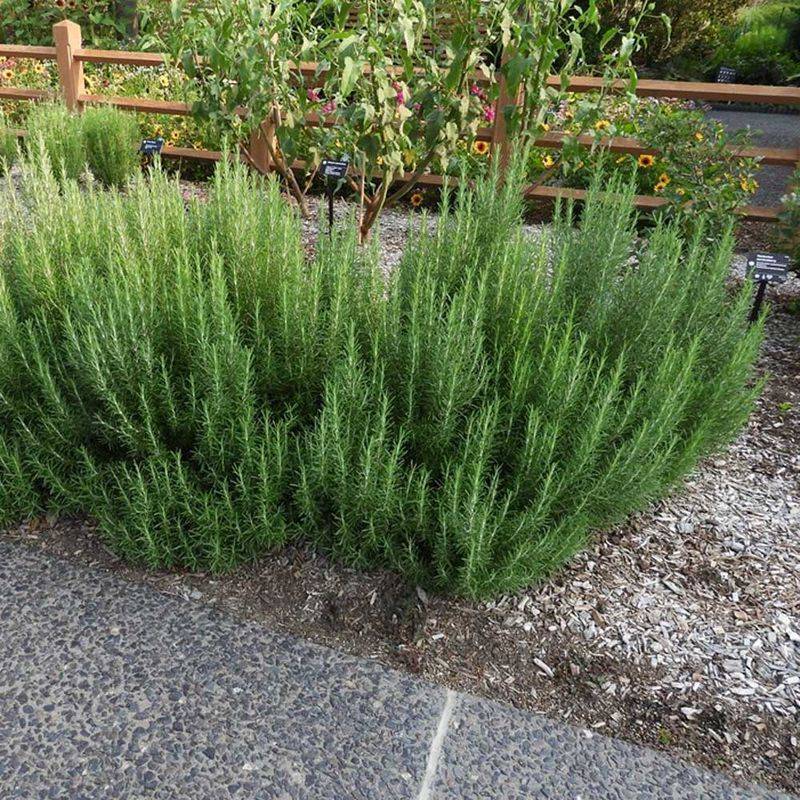
Brush your hand across a rosemary plant, and your fingers will smell like a holiday kitchen for an hour. That rich, piney fragrance comes from oils stored in its needle-like leaves. Cooks love it, but deer find it far too strong.
Those same aromatic oils give rosemary a bitter, resinous taste that deer find unpalatable. Because of this, deer rarely browse it, even when other food is scarce. Rosemary also stays green all year, so its scent keeps working through winter.
Growing rosemary is pleasantly simple. Choose a spot with full sun and soil that drains well, since soggy ground can harm the roots. Once it settles in, this tough herb needs very little fuss.
Smart placement turns rosemary into a garden guard. Plant it along borders, beside walkways, or near vegetable beds where deer like to snack. Its strong smell can help confuse deer as they sniff around for tastier treats.
Watering should be light. Give rosemary a drink only when the soil feels dry an inch or two down. Overwatering is one of the most common reasons this herb struggles.
Here in North Carolina, rosemary grows year round in the Coastal Plain and through much of the Piedmont.
Some plants grow into large shrubs several feet tall, especially near the coast. In cooler areas and the Mountains, winters can be harsh, so choose cold-hardy varieties like Arp or Hill Hardy for better survival.
A bonus comes with every plant. You can snip fresh sprigs for roasted potatoes, chicken, or bread while it protects your garden. Few plants pull double duty quite so deliciously.
5. Mint Family Herbs Discourage Browsing
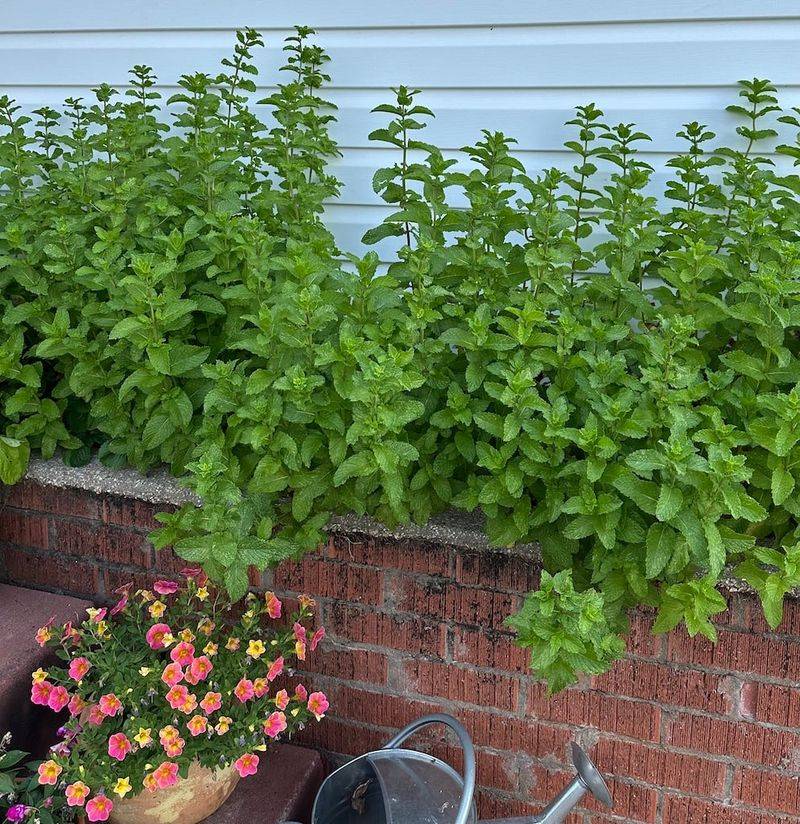
Crush a single mint leaf between your fingers, and the cool, fresh smell bursts out instantly. For deer, that powerful aroma is a big reason to keep walking. Mint and its close relatives are generally avoided by browsing deer.
The secret lies in the intense aromatic oils packed inside mint leaves. Deer often skip strongly scented plants, and mint is about as strong as garden herbs get. Spearmint, peppermint, and related herbs like lemon balm share this helpful trait.
Here comes the catch, though. Mint spreads aggressively through underground runners, popping up far from where you planted it. Left alone in an open bed, it can crowd out nearby flowers in just one season.
Containers solve that problem neatly. Grow mint in pots, buckets, or contained beds with edging buried several inches deep. You can even sink a bottomless pot into the ground to keep the roots in check.
Portable pots offer another advantage. Move them near plants deer love, like hostas or pansies, to surround favorite snacks with a minty shield. Rearranging pots also keeps the scent fresh in different parts of the yard.
Harvest often, and your mint will thank you. Regular snipping keeps plants bushy, full, and packed with fragrant new leaves. Fresh mint makes great iced tea, too.
North Carolina’s warm, moist growing season suits mint almost too well. Plants grow vigorously from spring into fall, especially in the Piedmont and Coastal Plain.
Keeping mint contained lets you enjoy its deer-deterring smell without letting it take over your entire garden. With a little planning, this eager herb becomes a helper instead of a headache.
6. Ornamental Onions Carry A Smell Deer Skip
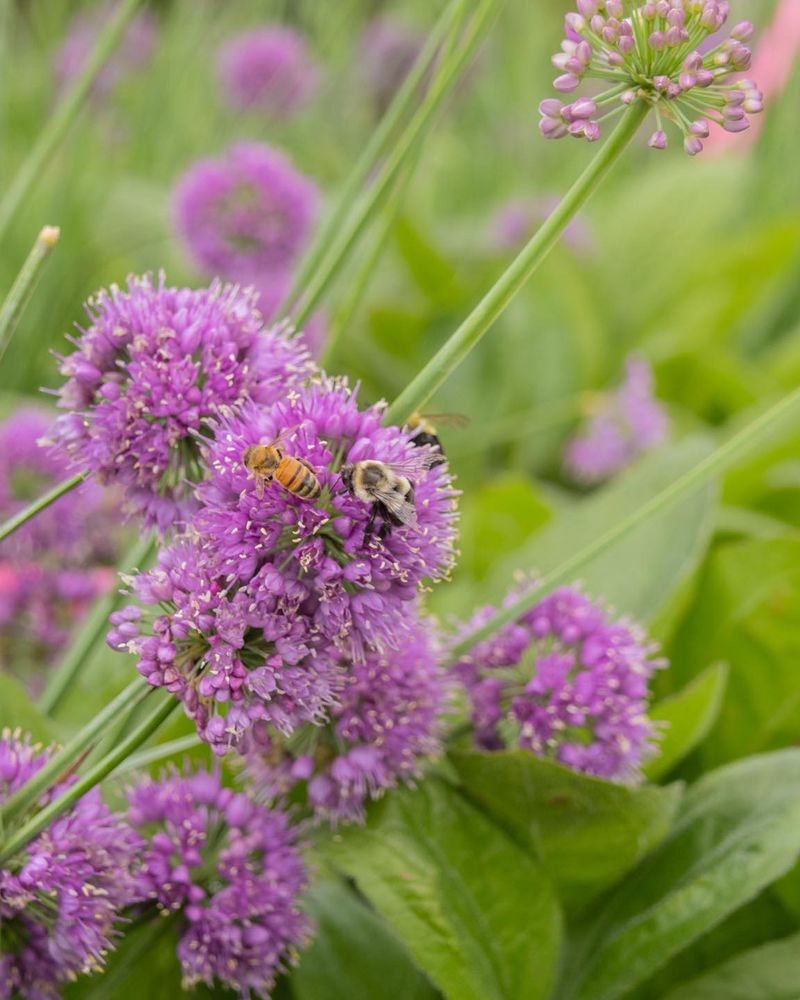
Tall stems topped with round purple globes look like something out of a storybook. Ornamental alliums bring that playful charm to gardens, and deer usually leave them alone. Their protection comes from a smell most of us know from the kitchen.
Alliums belong to the onion family, alongside garlic, chives, and leeks. These plants contain sulfur compounds that give their leaves and bulbs a strong onion odor. Deer find that smell unappealing, so they tend to wander past without taking a bite.
Fall is planting time for allium bulbs. Pick a spot with full sun and soil that drains well, since bulbs can rot in soggy ground. Plant them about two to three times as deep as the bulb is tall.
Creative spacing adds extra value. Tuck alliums among perennials and shrubs that deer sometimes nibble, like coneflowers or roses. Their oniony scent can help discourage deer from poking around the whole bed.
Once flowers fade, resist the urge to cut them down right away. The dried seed heads stay standing for weeks, adding interesting shapes and texture to the garden. Let the leaves yellow naturally, too, so the bulbs can store energy for next year.
In North Carolina, most ornamental alliums bloom in late spring, filling the gap between early bulbs and summer flowers.
Varieties like Globemaster, Purple Sensation, and drumstick alliums do well in sunny beds across the state.
Pollinators like bees and butterflies flock to the blooms, giving you even more reasons to plant them. A handful of bulbs in fall can bring deer-resistant color for years to come.
7. Catmint’s Aromatic Leaves Keep Deer Away
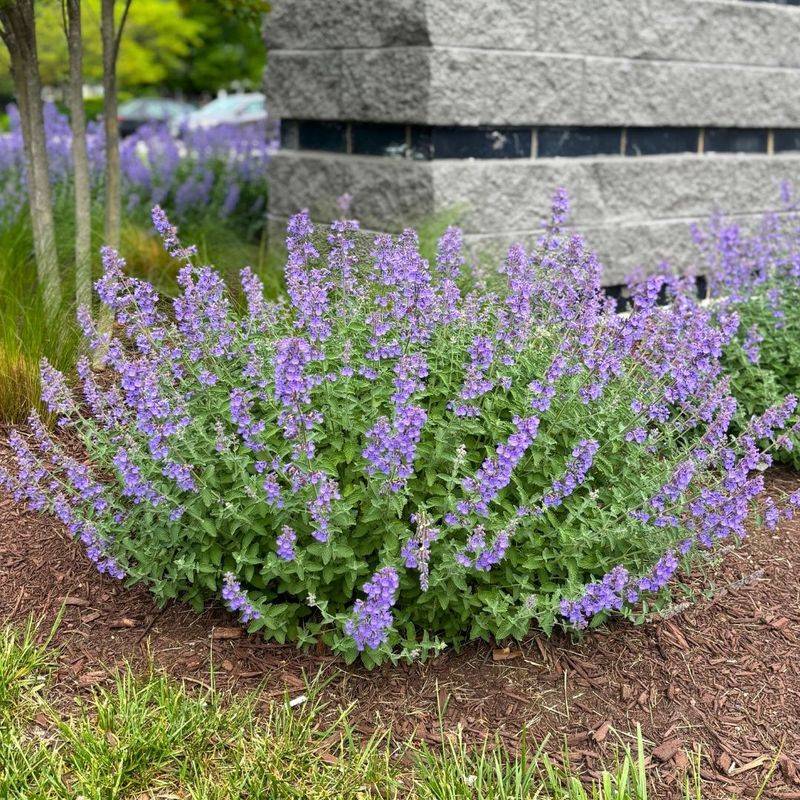
Bees buzz around catmint like it is the hottest spot in town. Deer, on the other hand, treat it like a place to avoid. This easygoing perennial forms soft mounds of gray-green leaves topped with clouds of lavender-blue flowers.
Its scientific name is Nepeta, and it is a cousin of catnip. Run your hand over the foliage, and you will notice a strong, herbal fragrance. That aroma makes deer turn away, while pollinators happily visit the blooms all season.
Planting catmint takes very little effort. Give it full sun and well-drained soil, and it will reward you with months of color. Once established, it handles dry spells better than many flowers.
A simple haircut keeps the show going. After the first big wave of flowers fades, shear the plant back by about half. Within a few weeks, fresh leaves and a new round of blooms will appear.
Edging is where catmint really shines. Plant it along the front of beds where deer like to browse, creating a fragrant border they must sniff past. Its loose, flowing shape also softens hard edges along paths and patios.
North Carolina gardeners in the Mountains and Piedmont tend to have great success with catmint. It handles summer heat well as long as the soil drains properly and roots stay out of standing water.
Popular varieties like Walker’s Low and Six Hills Giant grow reliably in many local yards. Bonus points go to its long bloom time, which feeds bees from spring into fall. Few plants offer such a winning mix of beauty, toughness, and deer resistance.
8. Ripe And Fallen Fruit Draws Deer In

Sweet smells drifting from a fruit tree can feel like a dinner bell to deer. As apples, pears, figs, and persimmons ripen, their scent travels through the air. Deer follow that trail straight into backyards.
Ripe fruit gives off strong, sugary aromas, and the smell grows even stronger once fruit hits the ground and starts to ferment. Deer seek out this high-energy food, especially in late summer and fall. They need extra calories to build fat reserves before winter arrives.
Once deer find a fruit tree, they often return night after night. While they visit, they may also nibble nearby shrubs, flowers, and vegetables. One tree can turn your whole yard into a regular stop.
Quick action makes a huge difference. Pick fruit as soon as it ripens instead of letting it hang too long. Walk under your trees daily and collect any fruit that has fallen.
Compost habits matter, too. Tossing fruit scraps into an open pile is like setting out a snack tray for deer. Use a closed compost bin or bury scraps deep under other materials.
North Carolina has plenty of fruit to tempt deer. Home apple, pear, and fig trees ripen in late summer, and wild American persimmons drop their sweet orange fruit in fall.
Deer are famous for gobbling persimmons, and hunters have long known it. If you have fruit trees, consider fencing around young ones or the whole orchard area.
Combining quick cleanup with a barrier helps you enjoy your harvest instead of sharing it with every deer in the neighborhood. A tidy yard sends a clear message that the buffet is closed.
9. Spilled Corn And Birdseed Pull Deer Close
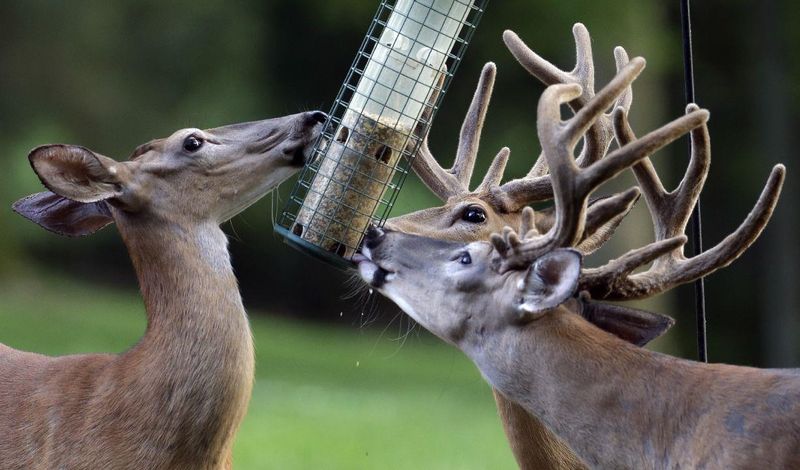
Bird lovers often get a surprise visitor at dawn. Instead of cardinals and chickadees, a deer stands under the feeder, happily licking up seed. It happens more often than you might think.
Deer are drawn to the smell of grains and seeds, which offer quick, filling energy. Seed that spills under bird feeders becomes an easy meal right on the ground. Corn set out for squirrels or other wildlife works the same way, pulling deer in again and again.
The real problem comes after they eat. Once deer learn your yard has free food, they start exploring nearby flower beds and shrubs. A small pile of seed can lead to a big browsing habit.
Better equipment helps a lot. Choose feeders with trays that catch falling seed before it reaches the ground. Seed blends without fillers like cracked corn also create less waste that deer can find.
Cleanup should become part of your routine. Rake or sweep up spilled seed every few days, especially in winter when food is scarce. Avoid putting out corn or other grains anywhere near your garden.
Nighttime is when many deer roam. If you notice them visiting, bring feeders inside in the evening and hang them back up in the morning. Birds will still get their breakfast, but deer will miss their midnight snack.
Plenty of North Carolina homeowners feed birds through fall and winter, when local birds need the extra help. Those same months are when deer search hardest for food.
A few simple changes let you keep enjoying your feathered friends without turning your yard into a deer cafeteria.
10. Fallen Acorns Bring Deer Under Oak Trees
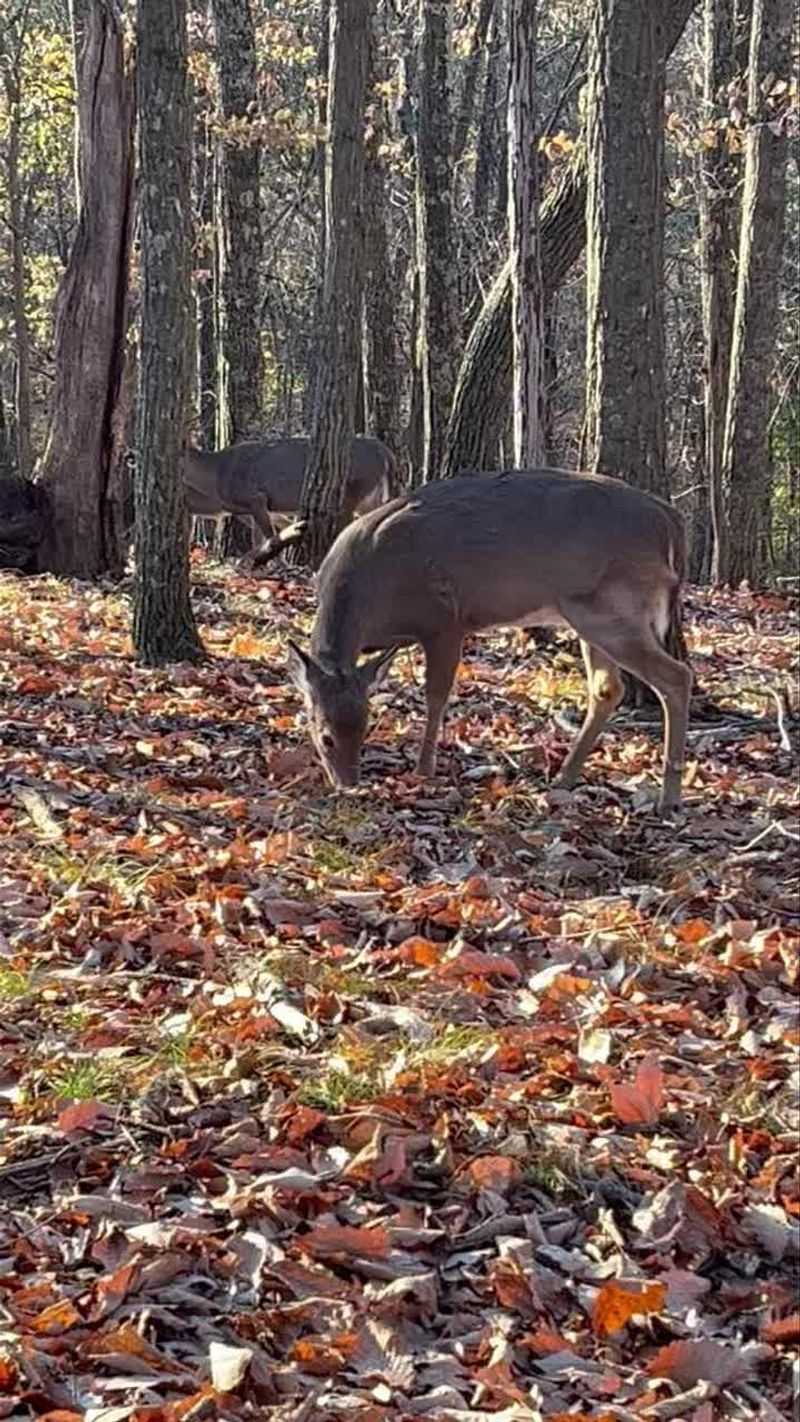
Crunch, crunch, crunch. Every fall, acorns pile up under oak trees, and deer arrive ready to feast. For many deer, these little nuts are the most important food of the entire season.
Acorns are packed with fats and carbohydrates, giving deer the energy they need to stay healthy through cold months. During a heavy drop, deer may visit the same yard every single day. Some will even ignore other foods to focus on acorns.
Biologists notice that acorn crops change from year to year. Oaks sometimes produce huge crops called mast years, followed by lighter years. Expect more deer activity in your yard when the branches are loaded and the ground is covered.
Raking can help if deer are causing trouble. Clear acorns from lawns and areas close to your garden beds, especially during peak drop weeks in fall. Bagging them up removes the main reason deer linger nearby.
Protection for nearby plants matters, too. Deer that come for acorns often stay to sample shrubs, flowers, and young trees. Use fencing, tree guards, or repellents around valuable plants during acorn season.
Oaks are among the most common trees in North Carolina, found in yards, woodlands, and neighborhoods from the Mountains to the coast.
White oaks, red oaks, willow oaks, and water oaks all drop acorns that deer enjoy. White oak acorns are especially popular because they taste less bitter.
Big oaks are worth keeping, since they shade homes and support wildlife. A little fall cleanup and some smart plant protection let you enjoy their beauty while keeping deer visits under control.