What California Law Actually Says About A Neighbor’s Tree Blocking Your Light
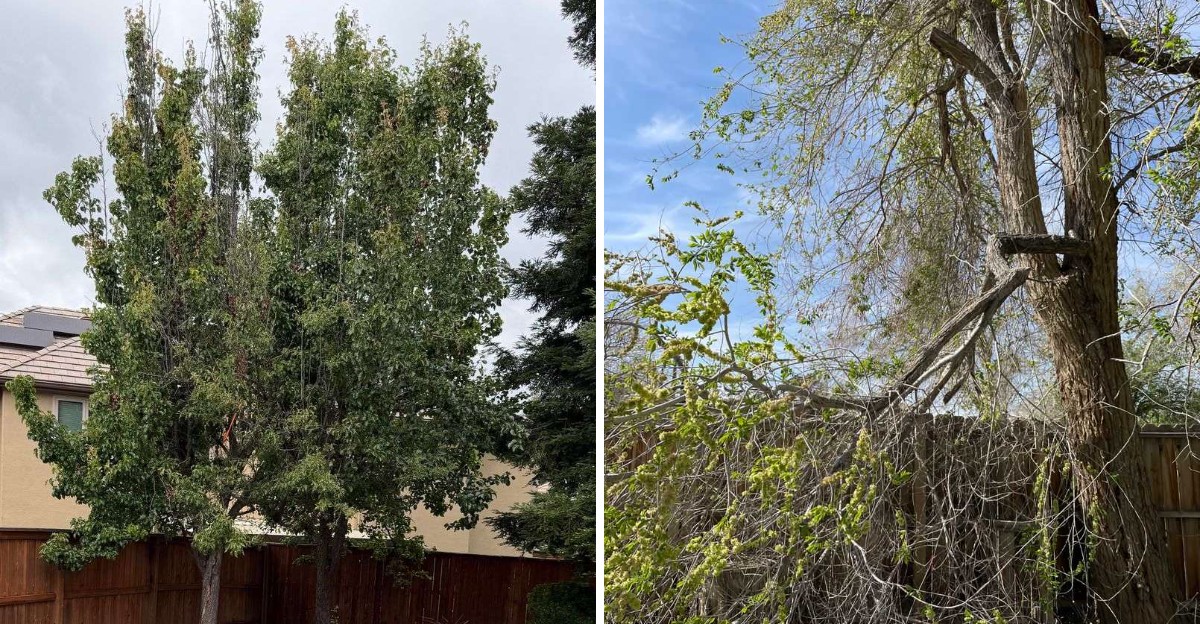
A sunny corner of the yard can disappear little by little, one growth season at a time. The culprit often stands just across the property line, adding height every year while a garden bed, patio, or rooftop slowly slips into shade.
Frustration builds quickly, along with a simple question about what the law can actually do.
California’s answer is clearer than many homeowners expect, and it may sting a little at first.
Still, a few narrow exceptions exist, along with practical tools that can recover some light without a courtroom showdown.
Knowing where those boundaries sit, both legal and literal, can turn a tense situation into a workable solution, and sometimes even a better friendship over the fence.
California Has No General Right To Light
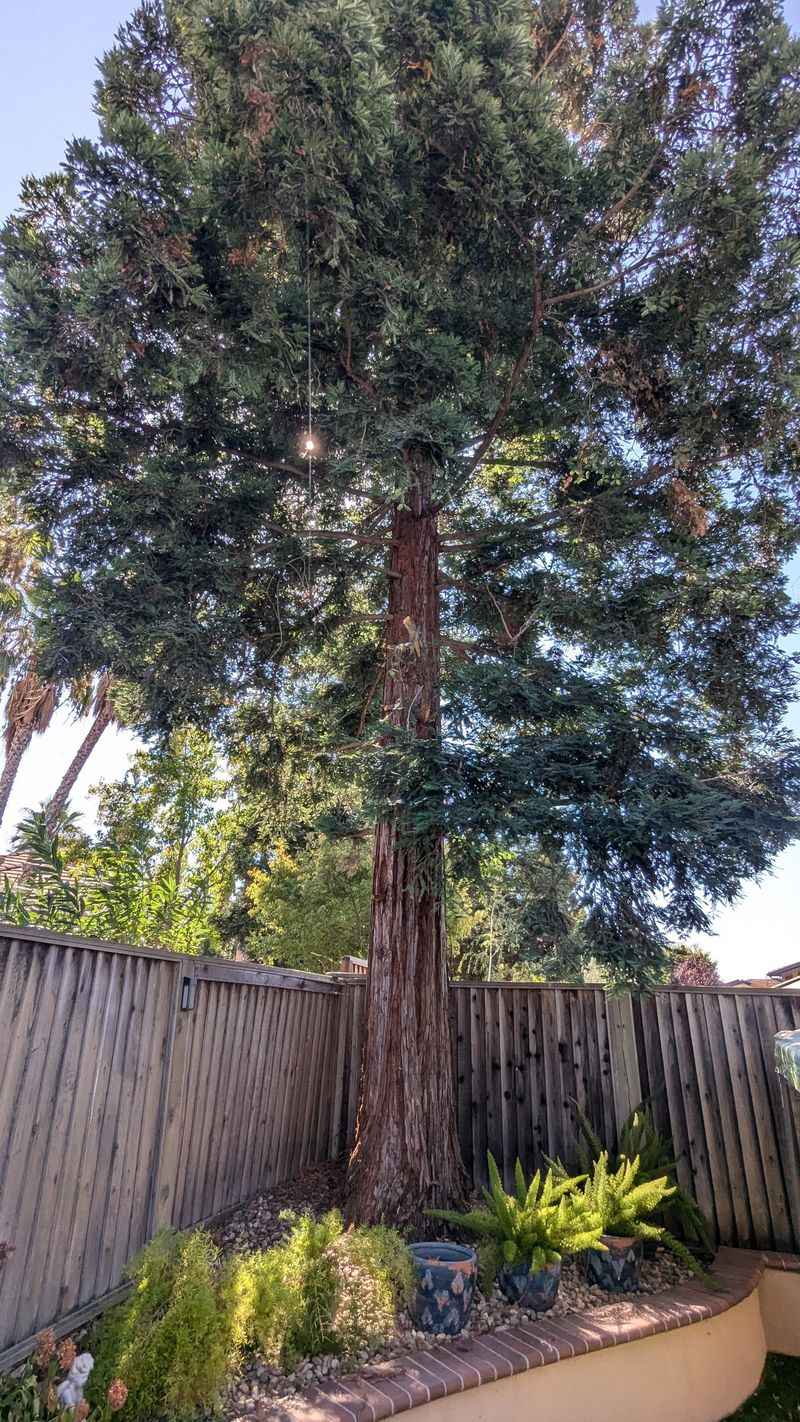
A judge hearing a complaint about lost sunshine would likely respond with a polite shrug.
That shrug has deep roots in California law, since courts here have long refused to recognize a general right to light, air, or a view across someone else’s property.
An older appellate case, Haehlen v. Wilson from 1936, found that a neighbor’s trees blocking light and air weren’t a legal nuisance on that basis alone. Later decisions followed the same path.
In plain terms, a neighbor can usually grow a tall tree on their own land, even if the next yard goes dark as a result. The reasoning ties back to property rights.
The law treats land ownership as a bundle of rights. Blocking a view is generally seen as using one’s own property rather than invading someone else’s.
Allowing every shaded neighbor to sue would turn backyards across the state into battlegrounds. Courts have shown little interest in opening that door.
A right to light can sometimes be created on purpose, though. A written easement, a recorded covenant, or a deed restriction might provide that protection.
Property records and a title report deserve a close look before assuming nothing applies. Those documents occasionally hold surprises.
The starting point, then, is sobering but simple. Shade alone usually isn’t enough for a lawsuit.
Real options come from narrow exceptions and local rules. State law works as the floor rather than the whole house.
Solar Panels Get Special Protection
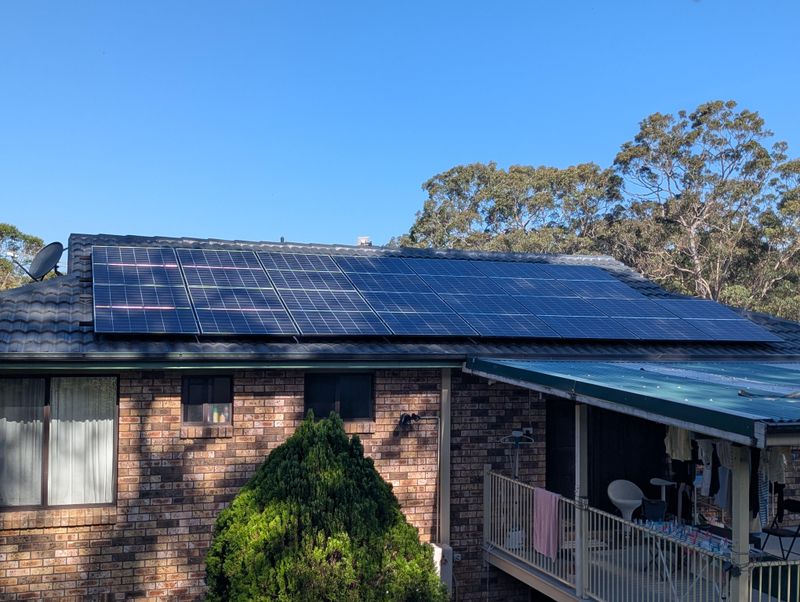
Rooftop panels sitting in a growing patch of shadow lose money every sunny afternoon. California carved out a special rule for them called the Solar Shade Control Act, found in Public Resources Code Sections 25980 to 25986.
Under the act, a tree or shrub generally may not grow on a property in a way that shades more than 10 percent of a neighbor’s active solar collector. That rule applies once the collector is installed.
Shade counts between 10 a.m. and 2 p.m., the hours when panels work hardest. A violation is treated as a public nuisance.
A major catch arrived in 2008. Lawmakers amended the act, and trees planted before the solar system went in are generally exempt.
An oak that was there first likely gets to stay, even if it grows taller later. Timing makes all the difference.
Your California Garden Changes Every Week. Your Plan Should Too.
Gardening in California changes quickly throughout the season. Every Friday you’ll receive a simple weekly plan showing exactly what to plant, prune, fertilize, harvest, and protect so you never miss the right timing.
The act carries other limits, too. Collector placement rules apply, including setback distance from the property line.
Some cities and counties have also opted out of the act through local ordinance. Exact requirements are technical, so the statute itself or a lawyer offers the clearest answers.
Anyone planning solar benefits from documenting the neighbor’s trees on installation day. Date-stamped photos can help prove which trees came later.
That small bit of paperwork can protect years of savings. A few minutes with a camera keeps those panels from slipping quietly into the shadows.
Passive Solar Homes Are Not Covered
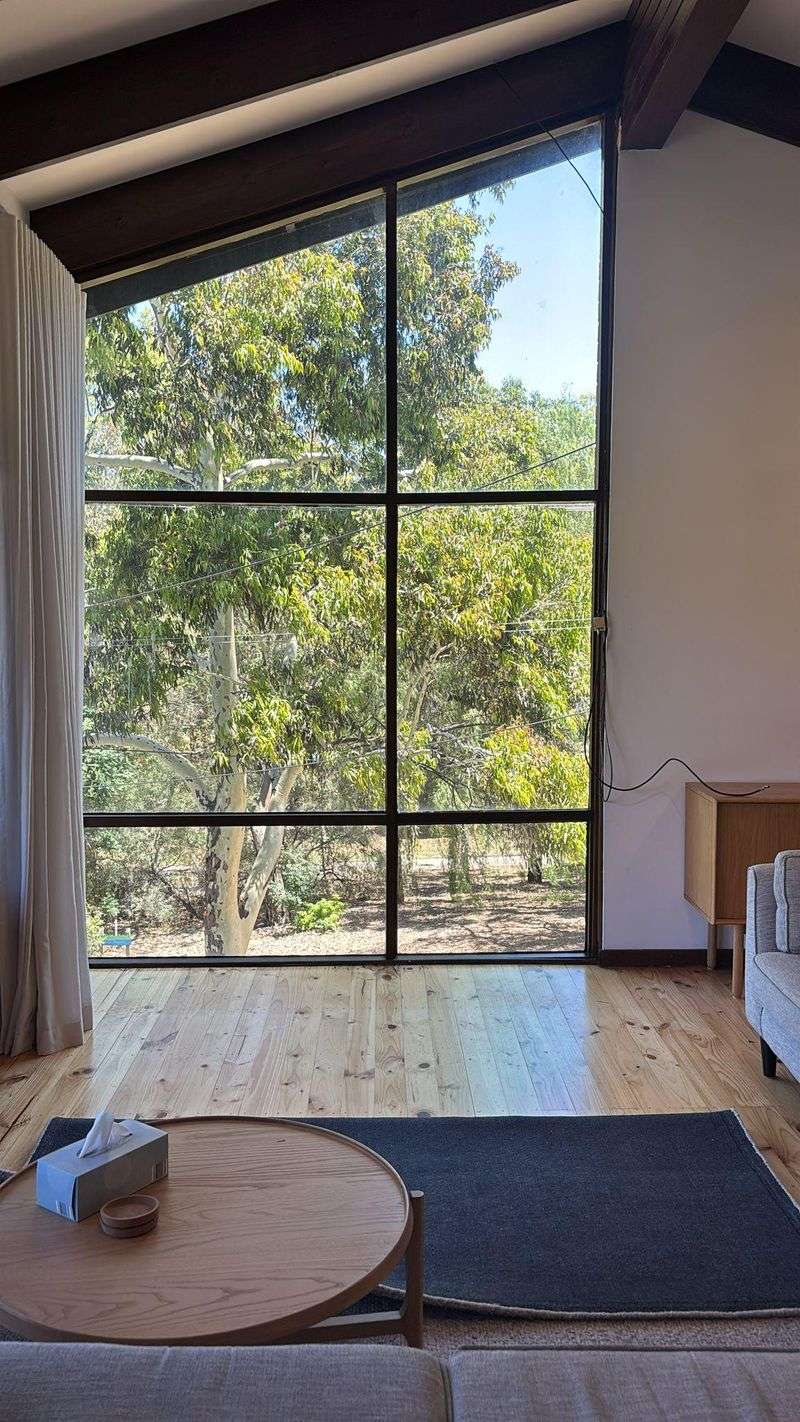
Big south-facing windows, a dark tile floor that soaks up winter warmth, and roof overhangs angled just right all define passive solar design. Many California homes use it cleverly, yet the Solar Shade Control Act doesn’t protect it.
The act focuses on active solar collectors. Those include photovoltaic panels and solar water heating systems that capture sunlight and turn it into usable energy.
A sunny window, a skylight, or a heat-storing wall counts as part of the building rather than a collector. That distinction matters a great deal.
A homeowner who designed a whole house around free winter heat may find no state statute shielding that design. A neighbor’s new row of trees could cool the living room and raise heating bills.
The general no-right-to-light rule would still apply. Gardeners face the same gap.
A sun-loving vegetable bed, a greenhouse, or a rose border doesn’t qualify as a solar collector either. Losing light to a pepper patch feels frustrating, though it usually doesn’t create a legal claim under this law.
A few paths can still help. California law allows neighbors to create a recorded solar easement through written agreement, offering lasting protection.
Some local ordinances or HOA rules may also protect light or views. A friendly conversation with the neighbor costs nothing and often accomplishes more than expected.
Passive design may lack legal armor, but it can still benefit from active diplomacy.
A Malicious Tree Row Can Be A Spite Fence
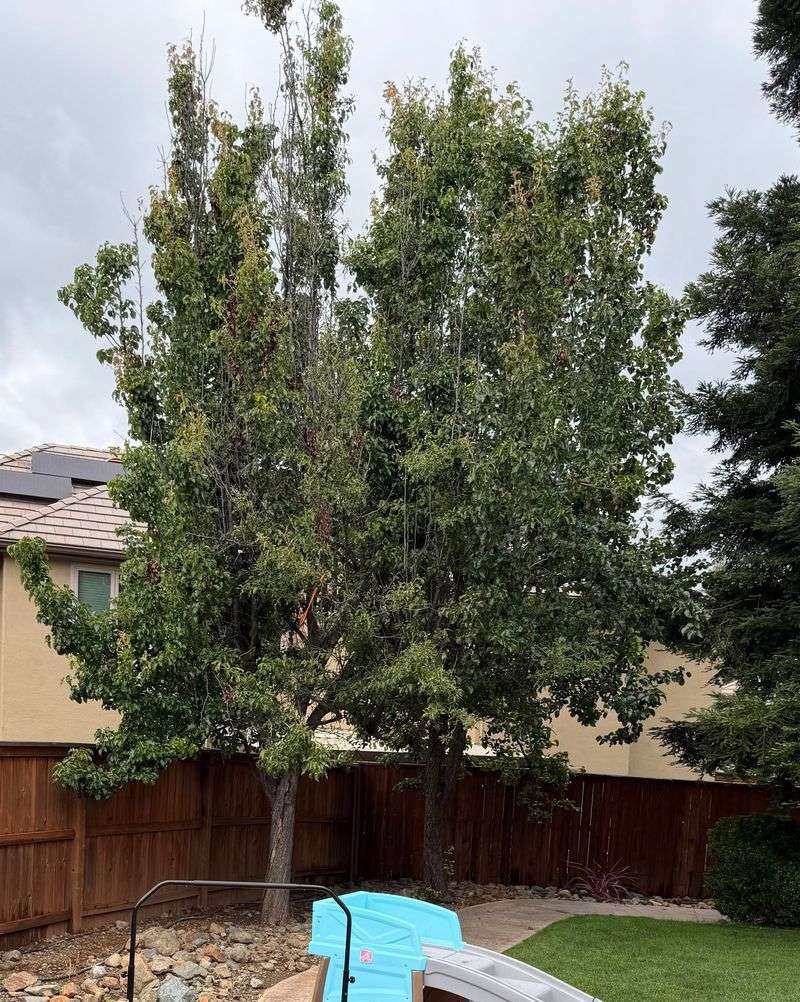
A lost dispute over a parking space, followed a week later by a wall of fast-growing cypress planted shoulder to shoulder along the shared line, rarely feels like a coincidence.
California law has a tool for exactly this kind of grudge.
Civil Code Section 841.4 is known as the spite fence statute. It covers a fence or other structure in the nature of a fence that unnecessarily exceeds 10 feet in height.
When such a structure is maliciously erected or maintained to annoy the neighbor, it counts as a private nuisance. The affected owner can seek relief in court.
Trees might seem like an odd fit for a fence law. However, in Wilson v. Handley from 2002, a California appellate court held that a row of trees can qualify as a structure in the nature of a fence.
In that case, trees planted in a line blocked a neighbor’s view, and the court applied the statute. That ruling opened the door for similar claims.
Proving a spite fence takes more than height. The trees generally must unnecessarily exceed 10 feet, with malice as the main purpose.
Evidence such as threatening comments, timing right after an argument, or no sensible garden reason can matter. A single shade tree planted for beauty rarely meets this test.
Notes, saved messages, and photos taken over time all help build a record. A lawyer can explain whether a situation truly has the bark and the bite to qualify.
You May Trim Only What Crosses Your Line
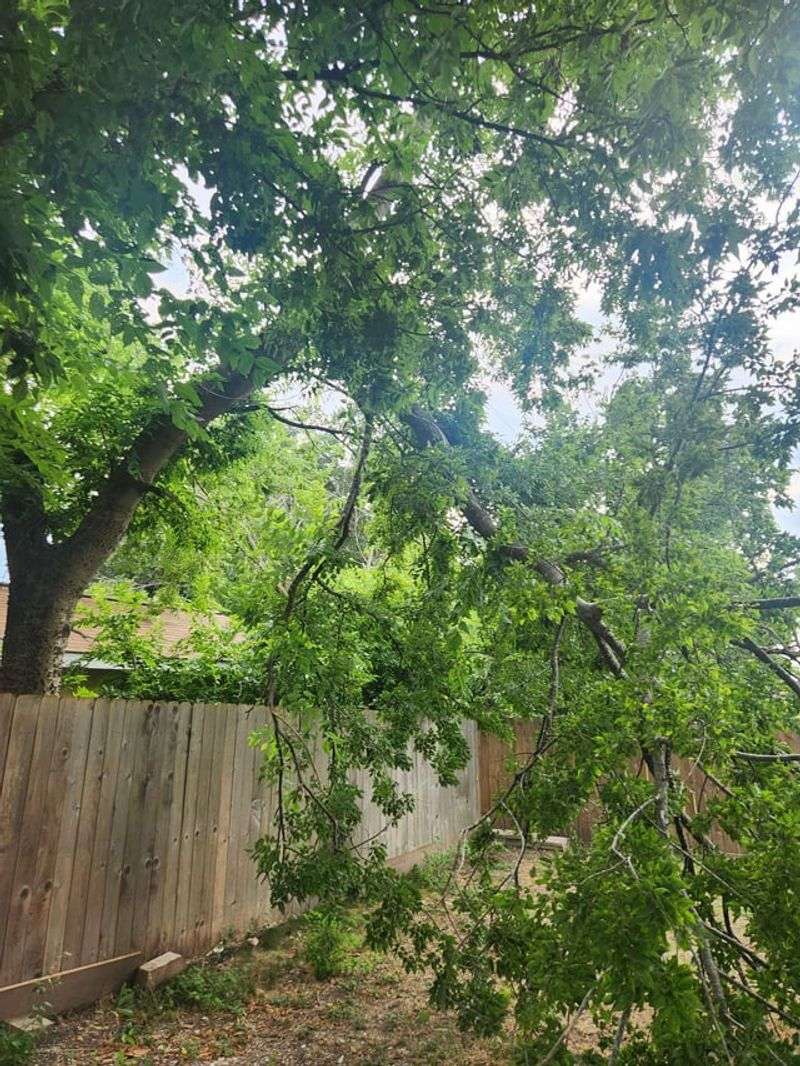
A pole saw can wait a moment while the property line gets sorted out. California generally allows trimming branches that hang over onto a property, up to the boundary.
That right often offers the fastest legal way to recover a slice of sky. The rule comes from old common law, and California courts have recognized it, including in Booska v. Patel from 1994.
Permission from the neighbor usually isn’t required to cut back branches above one’s own yard. Staying on the correct side, however, matters a great deal.
Crossing the line creates trouble. Stepping onto the neighbor’s property, leaning a ladder against their tree, or reaching over the fence to cut beyond the boundary without consent could count as trespass.
Harm to the tree itself raises even bigger risks. Knowing exactly where the line sits comes first.
Fences aren’t always built on the true boundary, so a survey or plot map deserves a look. A professional survey can settle doubts before a branch becomes evidence.
A heads-up to the neighbor helps keep the peace, even when the law doesn’t require it. A certified arborist handles large limbs safely, since a falling branch can damage roofs or fences.
Agreeing in advance on cleanup also prevents friction. Disputes over debris turn up surprisingly often.
Trimming rarely restores full sun from a giant tree. Still, a careful cut along the line may brighten a patio or garden bed noticeably.
Heavy Cuts Can Create Liability
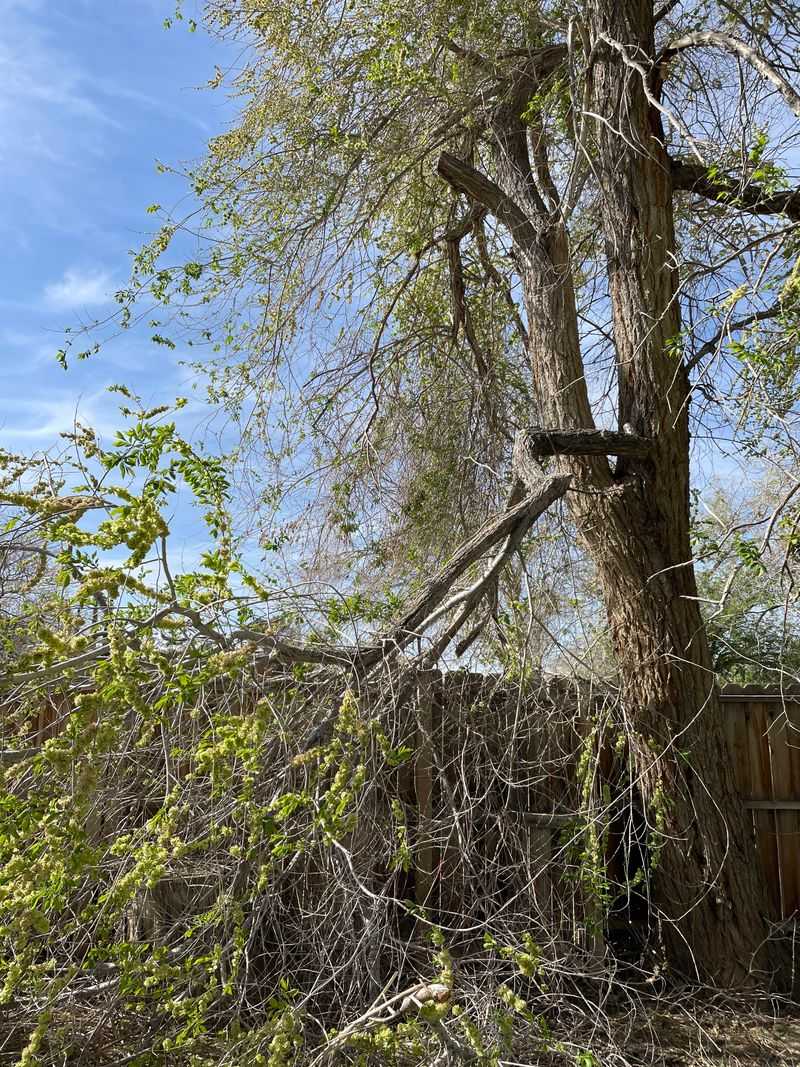
One weekend of aggressive pruning can turn into a very expensive lawsuit. Plenty of homeowners learn the hard way that the right to trim has a ceiling.
Booska v. Patel shows that limit clearly. In the 1994 case, a homeowner cut the roots of a neighbor’s tree on his own side of the line, and the tree was badly harmed.
The court said owners may trim, but they must act reasonably. Seriously injuring the neighbor’s tree falls outside that right.
Money damages can climb fast. California Civil Code Section 3346 allows double or even treble damages for wrongfully injuring trees, depending on the facts and the person’s intent.
Code of Civil Procedure Section 733 also addresses injury to trees. Mature trees can be appraised at thousands of dollars, so multiplied damages are no small branch.
Common mistakes include cutting large structural roots and removing too much canopy at once. Topping a tree on one side can also leave it unstable.
A lopsided tree that later falls can create a fresh set of claims. Prevention costs far less than repair.
An ISA certified arborist can plan cuts that keep the tree healthy. A written plan, shared with the neighbor when possible, adds another layer of protection.
Careful pruning shows good faith, which matters if a dispute ever reaches a judge. A little caution up front keeps a simple trim from becoming a costly legal tangle.
Talk First Then Consult A Lawyer
A plate of lemon bars has settled more tree disputes than most lawsuits ever will. A friendly knock on the door often works better than a demand letter, since many neighbors have no idea their tree is darkening the yard next door.
A calm, specific first conversation sets the right tone. Explaining what the shade affects, such as a garden, solar panels, or a sunroom, helps the neighbor understand.
Offering options keeps things cooperative. Splitting the cost of an arborist or thinning the canopy instead of removing the tree often feels fair to both sides.
Any agreement belongs in writing. A short signed note can prevent memory disputes later.
For lasting protection, a lawyer can help draft a recorded solar easement or a written trimming agreement. Those documents can outlast a change in ownership.
Talks sometimes stall, and that’s normal. Community mediation programs operate across California, often at low or no cost.
Many cities steer tree and view disputes there first. A neutral mediator can lower the temperature quickly.
A licensed California attorney becomes important when money, solar panels, a possible spite fence, or a local ordinance claim enters the picture. These rules carry deadlines and technical requirements that are easy to miss.
This article offers general information rather than legal advice. Laws and local rules change, facts matter, and a little neighborly patience often brings the sunlight back faster than any courtroom.