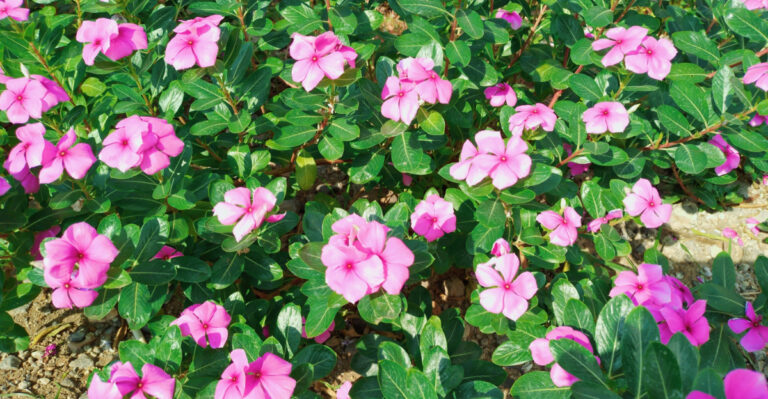
October Is The Best Time To Get Wild Violets Out Of Your Ohio Lawn
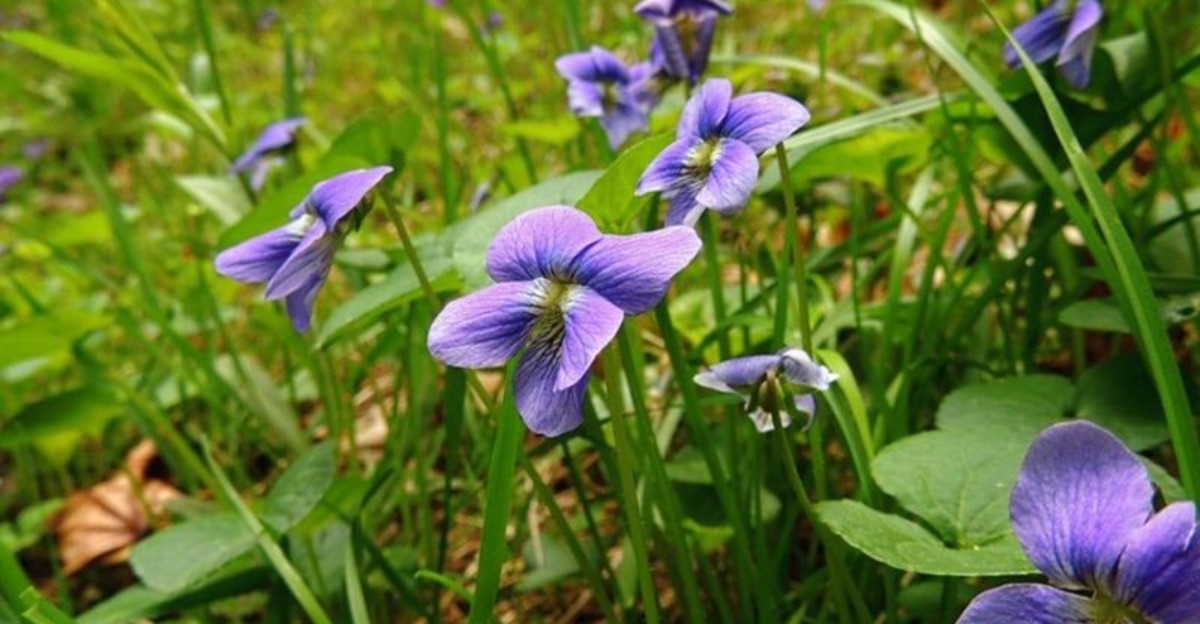
Spring gets all the credit for violet season, but the real fight in your Ohio lawn happens right now, and the plant knows it.
Those heart-shaped leaves look sweet until you try to evict them. Pull one clump and three more pop up in its place.
Every gardener who has lost a weekend to this battle knows the feeling.
October flips the script. Something shifts in the plant this month that gives you an edge it never offers in spring or summer.
Miss it and you’re back at square one by May.
Weed destroyers sit on the shelf promising miracles. Most of them fail here, and the reason has to do with the leaf itself.
Pick a dry afternoon this week and head out with a plan. A few smart moves now beat a whole season of losing ground.
1. Fall Is The Prime Time To Target Wild Violets
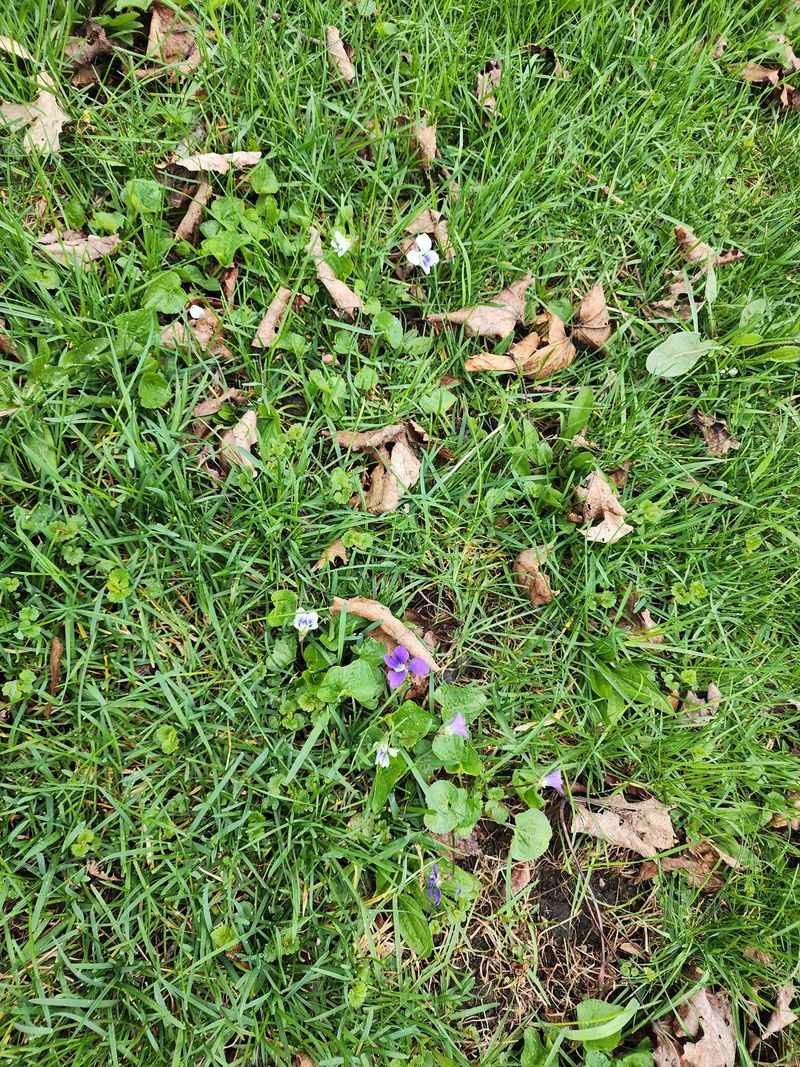
Ask any lawn pro in Ohio, and they will likely grin and say the same thing. Autumn is when you finally get the upper hand on those purple pests.
Wild violets are tough little plants that spread through thick underground stems called rhizomes. They also have shiny, waxy leaves that shrug off weed sprays like a raincoat sheds water.
In spring, you might spray them and watch them perk right back up a few weeks later.
Fall changes the whole game. As days get shorter and nights grow cooler, violets start getting ready for winter.
That natural shift makes them far easier to treat than at any other point in the year.
Think of it like catching a sports team during a timeout. The players are focused on resting and regrouping, so they are not defending as hard.
Violets act the same way in autumn, and that gives you a real opening.
So instead of fighting them all summer, save your energy. Mark your calendar for early fall and plan your attack.
A little patience now can mean a much cleaner lawn next year.
Fun fact: wild violets are the state flower of Illinois, New Jersey, Rhode Island, and Wisconsin. Ohio homeowners, however, rarely feel that same love when they pop up in the yard.
2. Perennial Weeds Send Energy To Their Roots In Fall
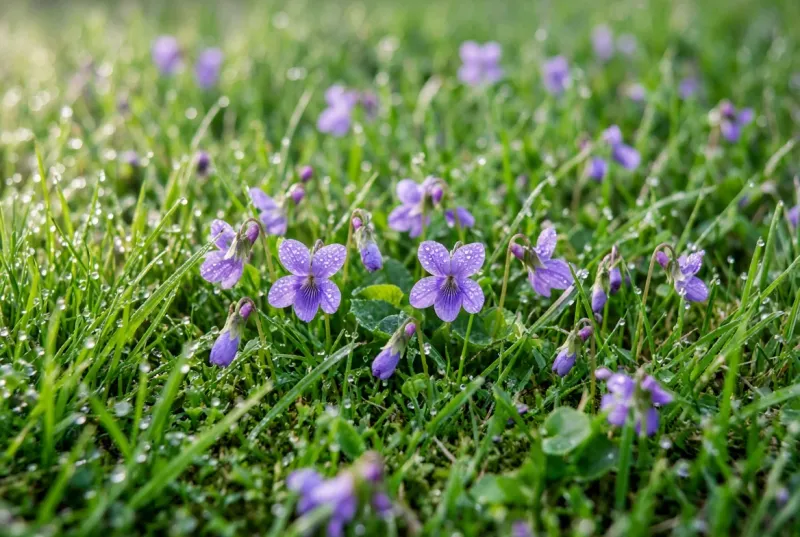
Squirrels bury acorns, and bears fatten up before winter. Plants have their own version of stocking the pantry, and it happens right under your feet.
Perennial weeds, like wild violets, come back year after year from the same roots. To survive cold winters, they need stored food.
So in fall, they start moving sugars and starches from their leaves down into their roots and rhizomes.
You can picture it like a busy elevator running mostly in one direction. During spring, energy rides up to push out new leaves and flowers.
In autumn, that elevator switches and carries the goods downward for safe keeping.
This seasonal shift is the whole reason fall treatment works so well. The plant is basically opening its front door and inviting anything on its leaves to come inside and travel down.
Your Ohio Garden Changes Every Week. Your Plan Should Too.
Gardening in Ohio changes quickly throughout the season. Every Friday you’ll receive a simple weekly plan showing exactly what to plant, prune, fertilize, harvest, and protect so you never miss the right timing.
It is not trying to hide anything at this point.
Knowing this little bit of plant science helps you make smarter choices. You are not just guessing about when to spray.
You are working with the plant’s own natural habits instead of against them.
Here is a neat bonus. Those stored sugars are what let violets bloom so early in spring.
Cutting off that supply in fall means fewer surprise purple flowers popping up next April.
3. Herbicides Ride Along Down To The Roots
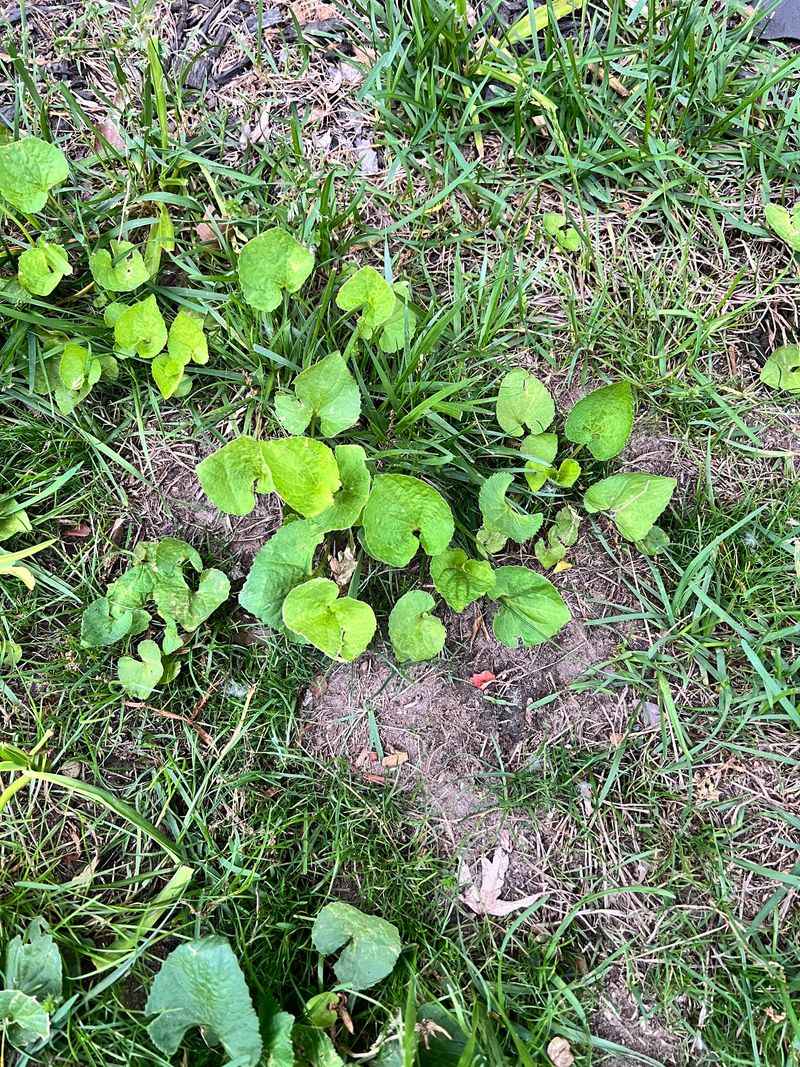
Hitching a ride is exactly what a good weed spray does in autumn. Once it lands on a violet leaf, it hops aboard the plant’s own delivery system.
Systemic herbicides are products that soak into a plant and move through it. They do not just sit on the surface.
In fall, they travel alongside those sugars heading down to the roots and rhizomes.
That matters a lot with violets. If you only burn back the leaves, the roots shrug it off and send up fresh growth.
The real target is the hidden network underground, and fall gives you a free ticket straight there.
Spraying in summer often feels like knocking on a locked door. The plant is pushing energy upward, so the product barely reaches the roots.
In autumn, the door swings wide open.
A few simple tips help the spray work its best:
Spray on a calm day so the mist stays on the violets and not your flower beds. Skip mowing for a couple of days before and after treatment.
Leaves need surface area to soak up the product.
Also check the forecast for dry weather. Rain right after spraying can wash it off before it sinks in.
Give it at least a few hours, or follow the time listed on the label.
4. Aim To Spray By Mid-October
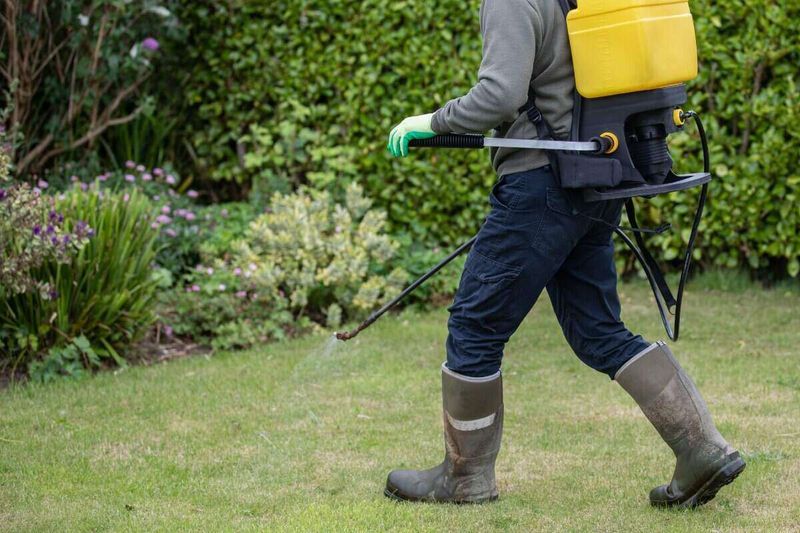
Mid-October in the state is a sweet spot, kind of like a perfect apple picked right off the tree. The weather is cool but not cold, and violets are still green and growing.
Experts say fall weed treatment works from mid-September through early November. In most of the state, though, the middle of October hits the target nicely.
The key is warm enough days for the plant to keep working.
Watch the thermometer. You want daytime temperatures above 50 degrees Fahrenheit.
When it is that warm, violets stay active and keep pulling the spray down into their roots.
Timing also means thinking ahead. Herbicides usually need about 7 to 10 days of mild weather after you spray.
That gives them time to move all the way through the plant before cold weather slows everything down.
Northern Ohio, near Lake Erie, can cool off a bit sooner than southern areas near Cincinnati. If you live up north, lean toward the early part of October.
Southern Ohio folks may have a little extra wiggle room.
A handy trick is to check a ten-day forecast before you head out. Pick a stretch of mild days with no hard frost in sight.
Then grab your sprayer and get to work while the window is wide open.
5. Wait Too Long And Violet Leaves Break Down
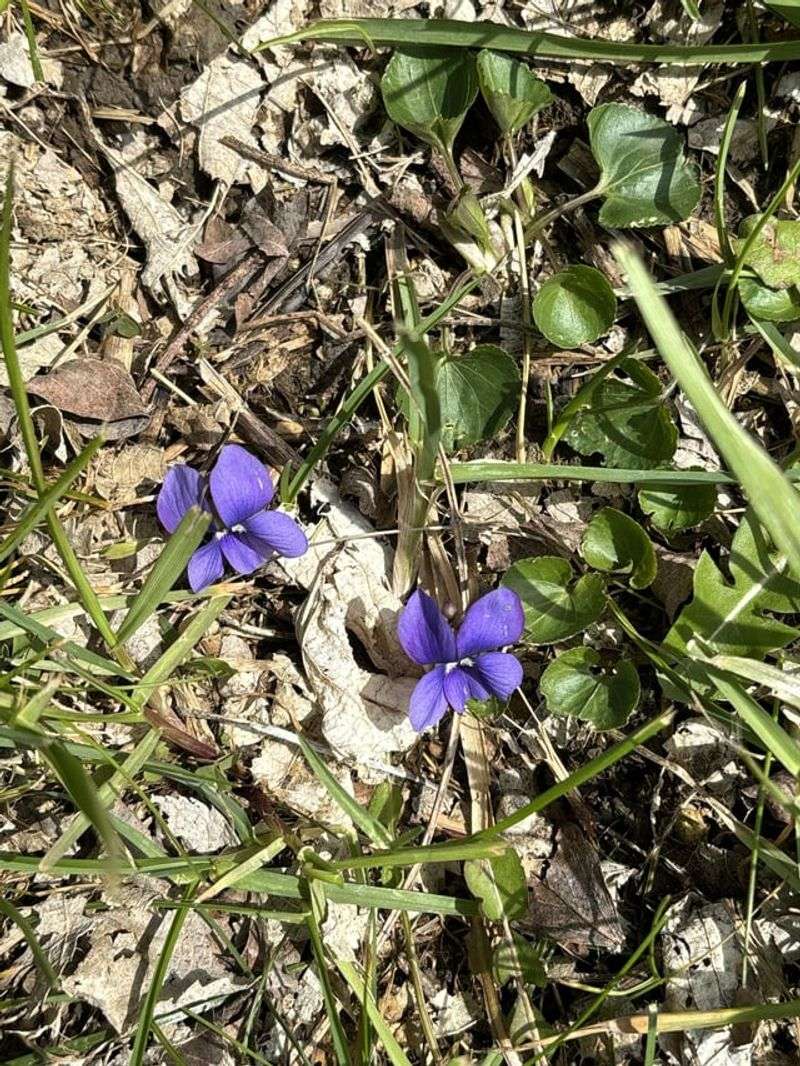
Procrastination has a price, and in lawn care it shows up as frosty, droopy leaves. Once that first hard freeze hits, your best chance starts slipping away.
Violets need healthy green leaves to soak up weed spray. Frost damages those leaves, and cold weather pushes the plant into a sleepy, dormant state.
A dormant plant is not moving much of anything to its roots.
Imagine trying to mail a letter after the post office closes. You can drop it in the slot, but nothing goes anywhere until morning.
Spraying frost-bitten violets feels a lot like that.
Even if the leaves still look somewhat green, damage from a hard frost can slow absorption. The product may sit on the surface and do very little.
That means wasted money, wasted time, and violets that bounce back next spring.
So keep an eye on the weather app as October rolls along. Ohio can surprise you with an early freeze, especially in low spots and northern counties.
If you do miss the window, do not panic. Simply put your sprayer away and make a plan for spring.
Violets will still be there, and you will get another shot when the leaves are fresh and green again. Next year, set a reminder in late September.
6. Look For Triclopyr Or Fluroxypyr On The Label
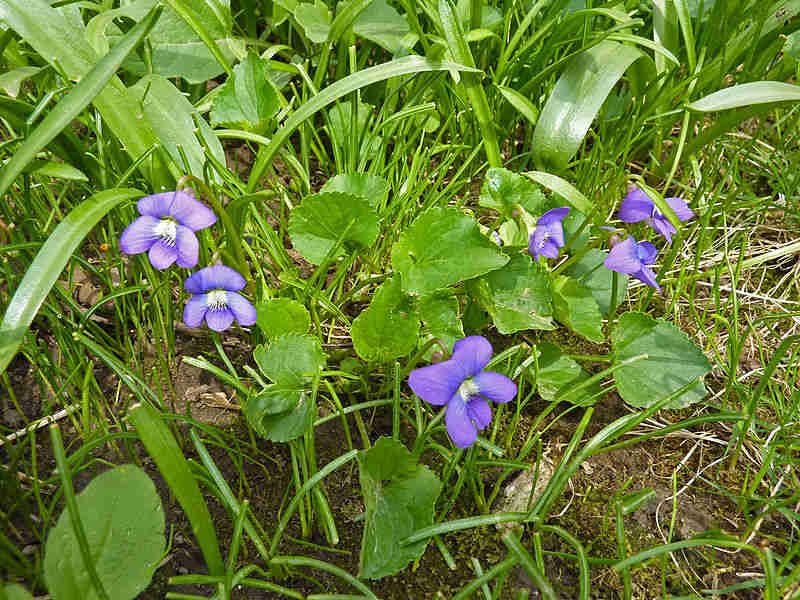
Reading a weed destroyer label can feel like decoding a secret message. A couple of tongue-twisting words, though, are the ones you really want to spot.
Triclopyr is the big star when it comes to wild violets. Lawn experts mention it again and again as one of the most effective ingredients.
It handles that waxy leaf coating better than many common weed sprays.
Fluroxypyr is another strong choice. It also does a solid job on violets and other tough broadleaf weeds.
You will often find it in products made for hard-to-control lawn invaders.
Many products mix triclopyr with other ingredients like 2,4-D or dicamba. These blends go after a wide range of weeds at once.
That is handy if your lawn has dandelions and clover joining the violet party.
When shopping, flip the bottle over and look at the active ingredients list. Make sure it says it is safe for your type of grass.
Most Ohio lawns use cool-season grasses like Kentucky bluegrass, tall fescue, and perennial ryegrass.
Safety matters too. Wear gloves, long sleeves, and closed shoes while spraying.
Keep kids and pets off the treated area until it dries. Follow the label exactly, because more product does not mean better results.
7. One Application Usually Isn’t Enough
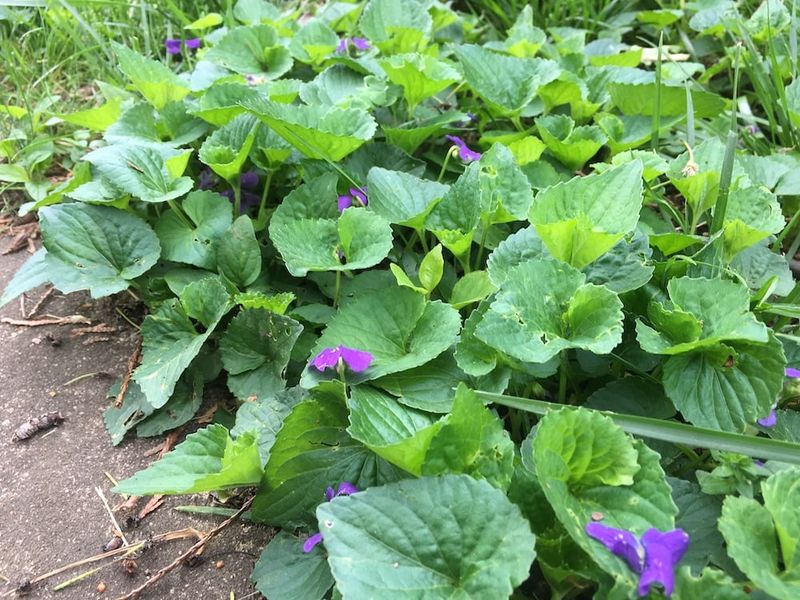
Stubborn might be the nicest word for wild violets. Gardeners have been known to call them a lot worse after a season of battle.
Here is the honest truth. One spray rarely clears out an established violet patch.
Their thick rhizomes store a ton of energy, and their waxy leaves resist absorption. Some plants will hang on no matter how carefully you spray.
Do not take it personally. Even professional lawn crews expect to come back more than once.
Managing violets is more like a marathon than a quick sprint around the block.
After your first fall treatment, wait about two to three weeks. Then walk the lawn and look closely.
You might see yellowing, curling leaves, which is a good sign. You may also notice a few plants still looking fresh and green.
If the weather is still mild, you can spot-treat those survivors. Always check the label for how soon a second application is allowed.
Keep a little notebook or take phone photos of problem areas. Tracking progress helps you see what is working and where violets keep sneaking back.
It also feels great to compare pictures later and see how much better things look. Small wins add up over time, so stay patient and keep going.
8. Plan A Follow-Up Spray In Spring
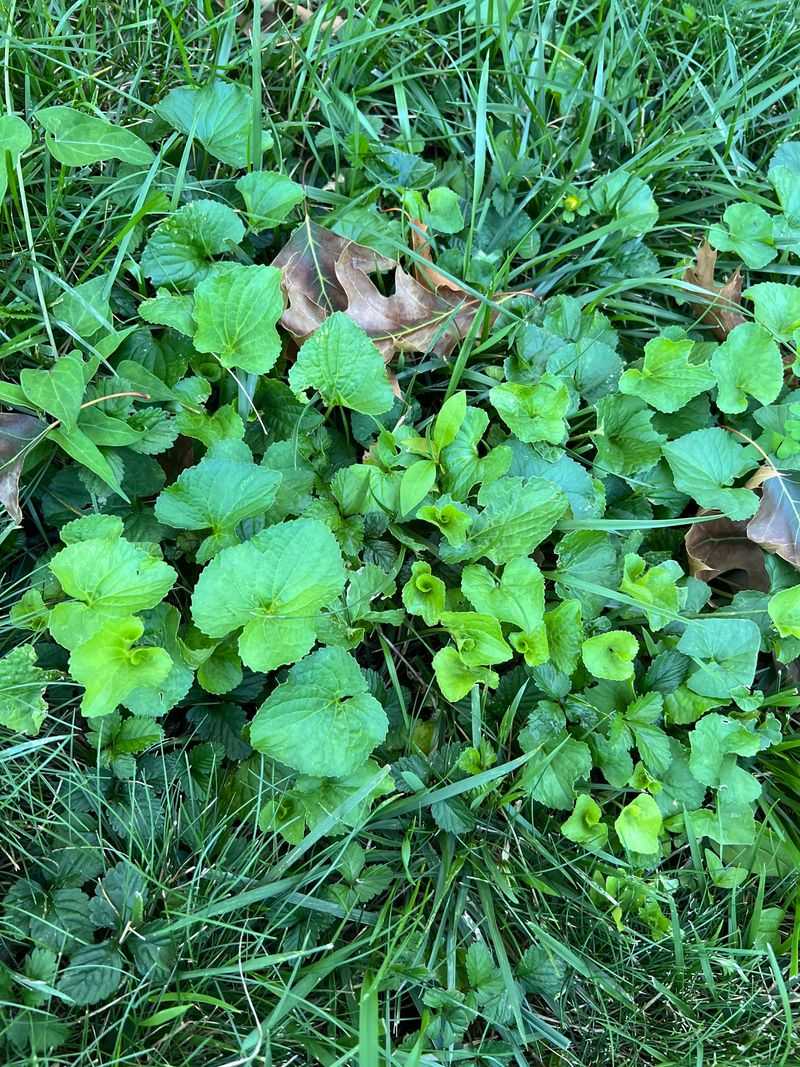
Spring in the state brings robins, rain boots, and, yes, a few cheeky violets peeking out to see if you forgot about them. Consider it round two.
Even after a great fall treatment, some violets may sprout again. They can return from rhizomes that survived winter or from seeds dropped the year before.
A spring follow-up helps clean up those leftovers.
Here is the tricky part. In spring, violets push energy upward to make leaves and flowers.
That means sprays do not travel to the roots as well as they do in fall. Still, a spring treatment knocks back new growth and keeps the patch from spreading.
Aim for a time after the violets finish blooming, usually late April into May. Leaves will be full and active by then, giving the product more surface to cling to.
Spot-treating works well this time of year. Instead of spraying the whole yard, just target the patches you see.
It saves money and is easier on your lawn.
Did you know violets can launch their seeds several feet away? Their seed pods pop open and fling seeds across the yard like tiny catapults.
That is one more reason to catch them early in spring before they spread their family any further.
9. A Thick, Healthy Lawn Helps Crowd Violets Out

Picture a crowded school bus where every seat is taken. A late kid has nowhere to sit, and that is exactly how a thick lawn treats wild violets.
Dense grass is your best long-term defense. When turf fills every inch, weeds struggle to find sunlight, water, and space.
Violets love thin, shady, damp spots where grass is weak.
Fall is also perfect for building a stronger lawn in Ohio. Cool-season grasses grow best in autumn.
That makes it a great time to overseed bare areas and give your turf a boost.
Try these simple habits:
Mow at around three to four inches tall. Taller grass shades the soil and keeps weed seeds from sprouting.
Feed your lawn with a fall fertilizer to strengthen roots before winter.
Fix drainage problems if water puddles in certain spots. Violets enjoy soggy soil, so drier ground makes them less comfortable.
Trimming low tree branches can also let more sunlight reach shady corners.
One caution: if you overseed, check the herbicide label first. Some products need a waiting period before new grass seed goes down.
Plan your spraying and seeding so they do not clash.
Over time, a healthy lawn does much of the hard work for you. Fewer gaps mean fewer violets moving in.