Avoid These Watering Mistakes With Mums This Fall In New York
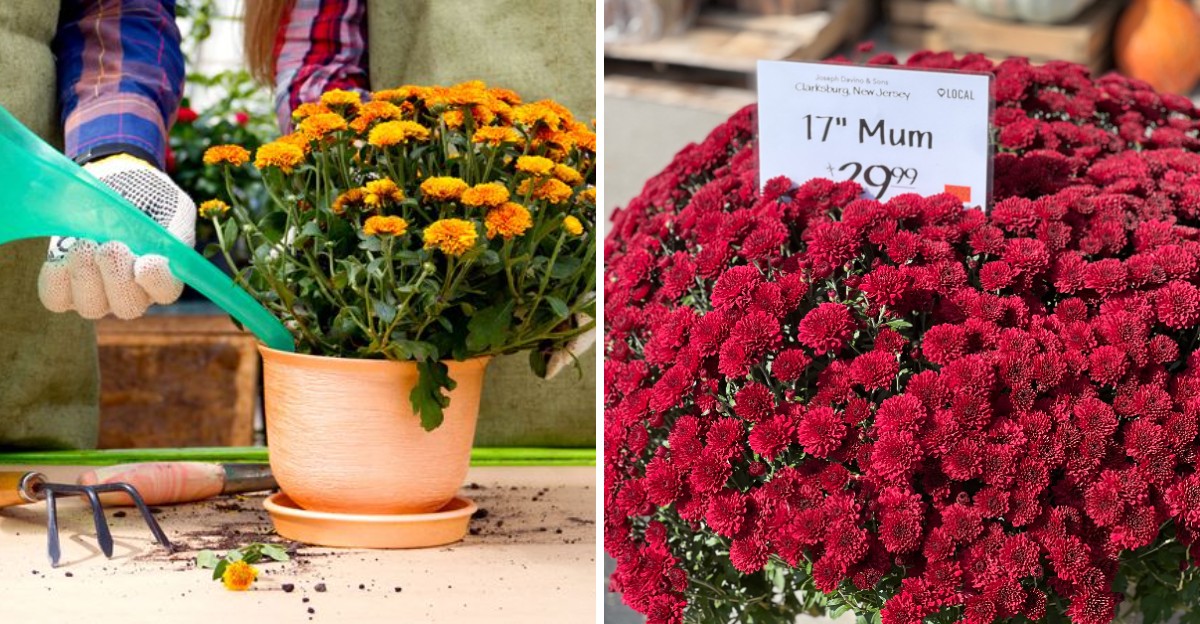
Why do the mums you bought in New York wilt before November? Your hose and your good intentions are often the real cause.
Soggy roots lose oxygen, and you get brown, limp petals. Garden center mums arrive with dense root balls, and you can misread their thirst.
Poke a finger into the soil before you pour anything. Dry crust fools you while damp, heavy mud sits beneath.
Saucers under your pots hold stagnant water that your plants keep sipping. Tip them out after each rain on your porch.
Chilly nights across New York bother hardy varieties less than you think. Aim your spout at the soil, since wet petals invite mold.
Pick pots with generous holes and a gritty mix you can trust. Master that balance and your porch can stay colorful well into November. Passersby will pause and admire.
1. Splashing Water On The Leaves Instead Of The Soil

Picture a mum wearing a wet wool sweater on a cold October night in Albany. That soggy feeling is what leaves experience when you spray them from above.
Wet foliage that stays damp overnight invites leaf spot and other fungal problems, and humid, cool nights also favor powdery mildew. Fungal problems like these thrive on cool New York nights when little dries quickly.
Instead, aim your watering can or hose right at the base of the plant. Gently lift the outer stems with one hand so water reaches the soil underneath.
Mums grow in tight, dome-shaped mounds, so their leaves act like a little umbrella. Much of the water you sprinkle on top rolls off and misses the roots.
A watering wand with a soft shower setting makes this job easier on your back. You can find one at most hardware stores for around fifteen to twenty dollars.
Drip lines or soaker hoses also work well for mums planted in garden beds. They deliver moisture slowly, right where roots can drink it up.
Check the leaves the next morning to see if any gray, dusty patches have appeared. Snip off affected leaves quickly and toss them in the trash, not the compost.
Keeping leaves dry is one of the simplest habits you can build this season. Your mums will reward you with cleaner foliage and blooms that last for weeks.
Neighbors may wonder why you are crouching beside your flowerpots like a detective. Let them wonder, because your porch will look great by November.
2. Letting The Pot Dry Out On A Windy Day

Fall wind in New York can pull moisture from soil and leaves quickly. A breezy afternoon on a Brooklyn rooftop can dry out a small pot surprisingly fast.
Many people assume cooler weather means plants need less attention. Temperature matters, but wind and low humidity can pull water from leaves at a surprising pace.
Garden center mums are often packed into plastic pots that hold very little soil. Their roots are crowded and tangled, so there is not much room to store water.
Your New York Garden Changes Every Week. Your Plan Should Too.
Gardening in New York changes quickly throughout the season. Every Friday you’ll receive a simple weekly plan showing exactly what to plant, prune, fertilize, harvest, and protect so you never miss the right timing.
On gusty days, check your mums in the morning and again in late afternoon. Push a finger about an inch into the soil to feel for moisture.
If the soil feels dry and the pot seems light when lifted, give it a deep drink. Water until you see it trickle out of the drainage holes.
Moving pots to a sheltered spot can make a big difference. Tucking them near a wall, fence, or larger planter blocks some of that drying breeze.
Repotting into a bigger container also helps your mums handle windy weather. More soil means more stored water and a bigger moisture buffer on blustery afternoons.
Wilted mums often bounce back if you water them promptly. However, repeated wilting weakens flower buds, and those buds may turn brown and fail to open.
Think of your mums like kids at a windy football game. They need regular water breaks, even when nobody on the bleachers feels particularly hot.
3. Drowning The Roots With Too Much Love

Overwatering is a common mistake, and it can seriously harm roots. Roots need air as much as they need moisture to stay healthy.
When soil stays soggy for days, tiny air pockets fill with water. Roots lose oxygen, turn mushy and brown, and lose their grip on the soil.
The tricky part is that an overwatered mum looks a lot like a thirsty one. Both droop, yellow, and look miserable on the front steps.
Before reaching for the hose, check the soil with your finger first. If it feels cool and damp an inch down, wait another day.
October in New York brings shorter days and lower sun, so soil dries more slowly. A schedule that worked in August may be far too much now.
Watch for yellow lower leaves, a sour smell, or fuzzy white film on the soil. Stems that feel soft near the base are another warning sign.
If you spot trouble, stop watering and let the pot drain fully. Make sure the drainage holes are clear so extra water can escape.
Saucers under pots are handy, but they can turn into tiny swimming pools. Empty them about thirty minutes after each watering session.
Grandma may have watered her garden every single day, and her flowers looked fine. Her clay pots and sunny yard simply dried out faster than most city stoops.
Love your mums, just with a little more patience. A slightly dry pot is far easier to fix than waterlogged soil.
4. Using Pots Without Drainage Holes
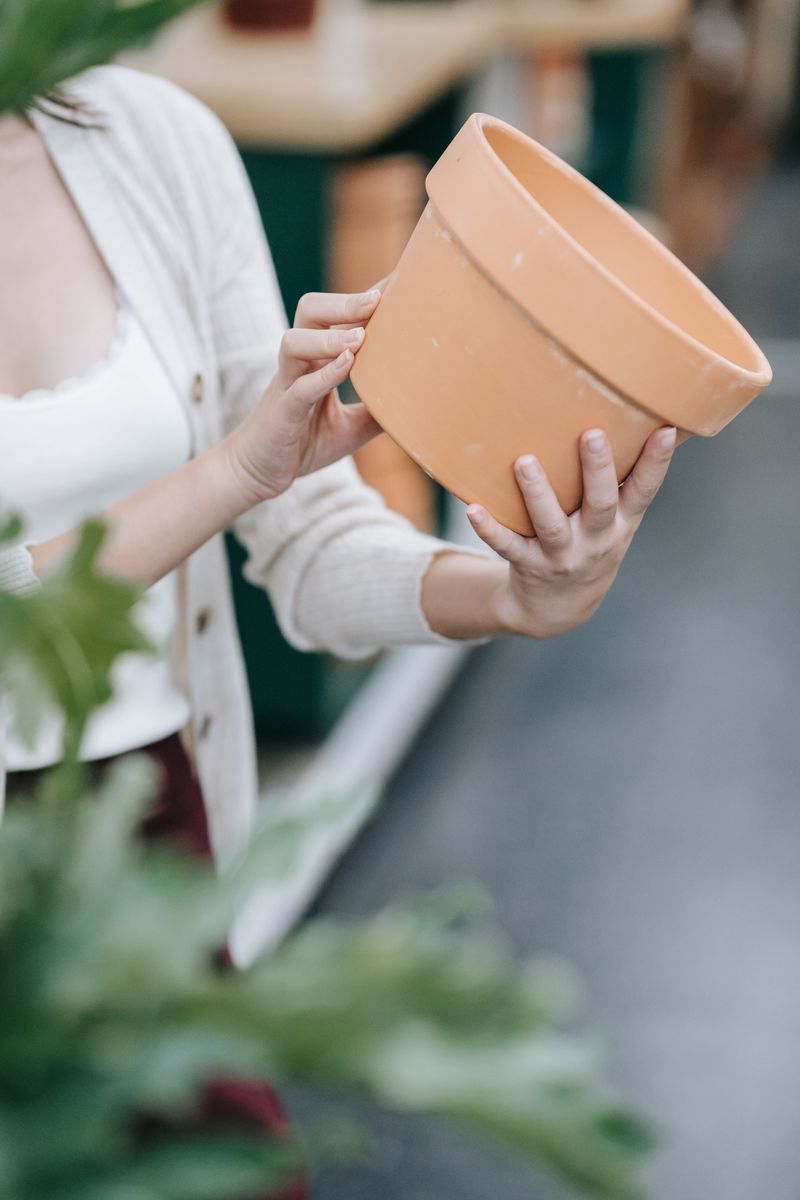
That adorable ceramic pumpkin planter may be a poor home for your mum. If it has no holes in the bottom, water has nowhere to go.
Decorative containers are everywhere in October, from galvanized buckets to painted crates. They look charming on porches, but many trap water like a bathtub.
Without drainage, extra water pools at the bottom and slowly soaks the roots. Over time, those roots can start rotting even if leaves still look okay.
The easiest fix is called double potting. Keep your mum in its plastic nursery pot and simply set it inside the pretty container.
After watering, lift the inner pot out and let it drip in the sink or yard. Then slide it back inside once the extra water has drained away.
Some gardeners place a layer of gravel at the bottom of decorative pots, but it does not improve drainage and can make it worse. Rely on real drainage holes and a well-draining mix instead.
If you own a sturdy plastic or wooden planter, you can drill a few holes yourself. A half-inch drill bit usually does the job in minutes.
Clay and terracotta pots are a good choice if you water consistently. They breathe, which lowers the risk of soggy roots, but they also dry out faster on windy days.
Before buying any container this season, flip it over and peek underneath. Those few seconds can spare your flowers from root rot.
Your mums deserve style and comfort at the same time. Drainage holes make a big difference.
5. Watering At The Wrong Time Of Day
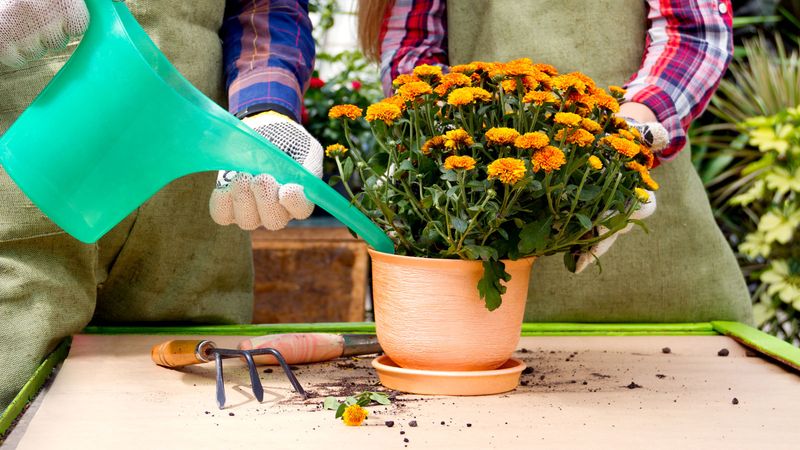
Timing matters more than most people think, especially when New York nights dip into the forties. A late evening soak leaves mums sitting wet in the cold for hours.
Cold, damp roots and leaves are a perfect recipe for fungus and rot. Mums handle chilly air fine, but chilly and soggy together is a different story.
Morning is the sweet spot for watering in fall. Plants get a drink before the day warms up, and any spills dry by afternoon.
Aim for somewhere between seven and ten in the morning if you can. Even a quick check before heading to school or work makes a difference.
Midday watering is not terrible in October, since the sun is weaker than in summer. Still, morning gives plants the best start and makes the routine easier to remember.
Busy schedules happen, so evening watering is sometimes the only choice. If so, water early in the evening and keep everything aimed at the soil.
Avoid soaking the foliage right before a frosty night in the forecast. Moist soil holds some warmth, so water the soil earlier in the day and keep the leaves dry.
A simple trick is to pair watering with something you already do each morning. Fill the can while the coffee brews or the dog finishes breakfast.
Some families even put a sticky note on the door as a reminder. It sounds silly, yet your mums will look sharper all season long.
Good timing costs nothing and takes no special tools. It might be the easiest upgrade your porch gets this fall.
6. Ignoring Rain And Weather Changes
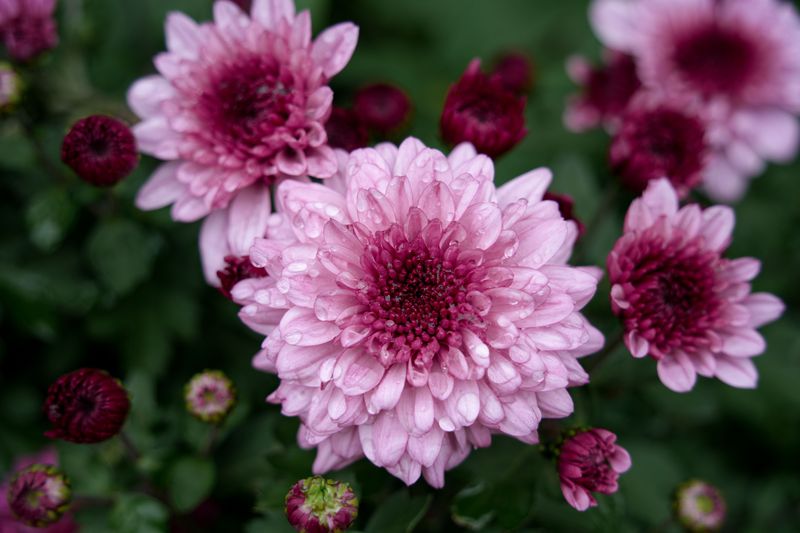
New York fall weather loves to keep people guessing. One week brings a soaking nor’easter, and the next feels dry and sunny like September.
Many gardeners water on a fixed schedule no matter what the sky is doing. That habit can leave mums drenched after storms or parched during dry spells.
A cheap rain gauge stuck in the garden takes the guesswork away. If it collects about an inch in a week, in-ground mums usually need no extra water.
Potted mums under porch roofs are a different story. Rain often misses them, so they may stay thirsty even during a stormy week.
Checking a weather app each morning is a smart habit this time of year. Look for rain chances, wind, and overnight lows before grabbing the hose.
After heavy rain, tip potted mums to drain off any standing water. Clogged drainage holes can turn a single downpour into a week of soggy roots.
Dry stretches deserve attention too, since autumn droughts happen more than people expect. Several sunny, breezy days in a row can empty soil moisture surprisingly fast.
Upstate areas like the Hudson Valley often cool off sooner than Manhattan or Long Island. Adjust your routine to match your own neighborhood instead of general advice.
Rainfall can do much of the watering if you pay attention to the forecast. Let it handle rainy weeks, and step in when it stops. Your water bill will thank you too. Smart watering saves money, time, and plenty of mums.
7. Giving Shallow Sips Instead Of Deep Drinks
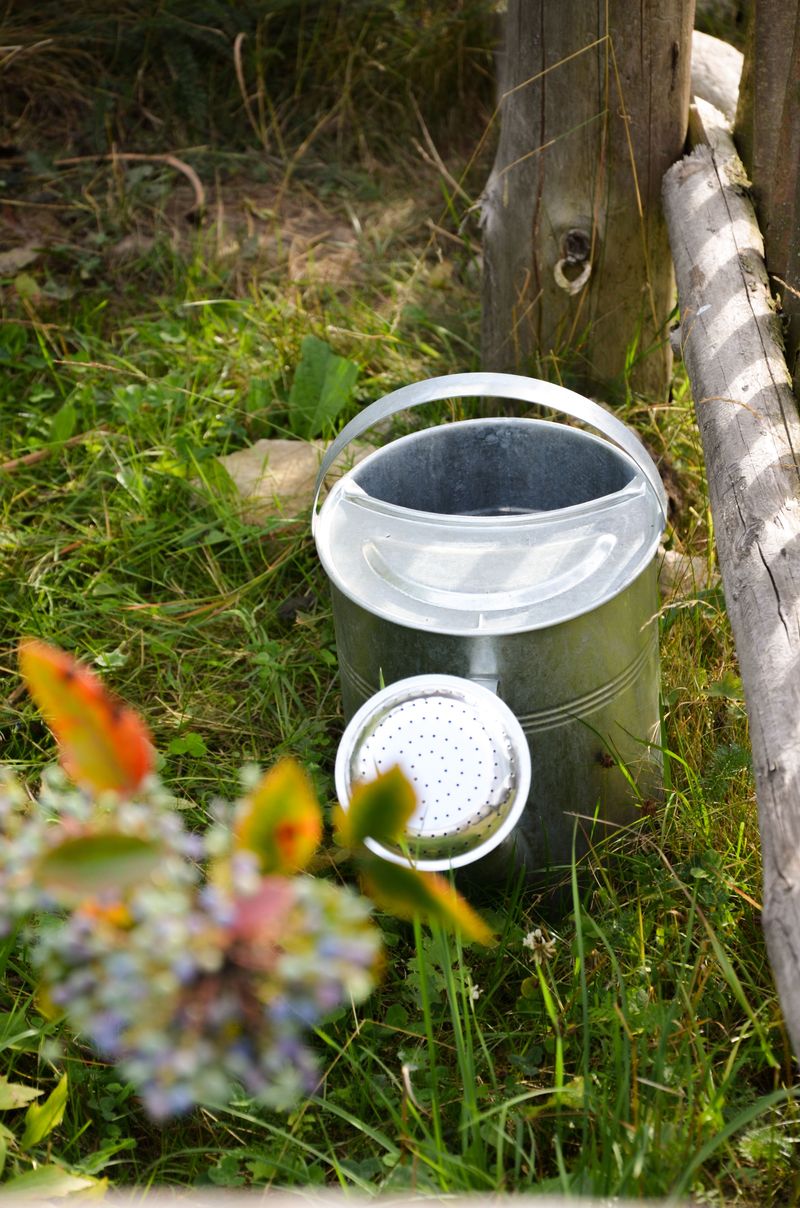
A quick splash from the watering can feels helpful, but it often wets only the top inch. Down below, the roots are still waiting for a real meal.
In garden beds, shallow watering trains roots to stay near the surface where soil dries fast. In pots, it leaves the lower root ball dry and the plant struggling during wind, sun, and the first chilly snaps.
Deep watering means soaking the soil until moisture reaches the bottom of the root ball. For potted mums, keep pouring until water drains from the holes.
Garden bed mums need a slow, steady soak. Water each plant for a minute or two, then come back and repeat once.
Garden center mums often arrive root-bound, with roots circling tightly inside the pot. Water may run down the sides and out the bottom without soaking in.
If that happens, try bottom watering for a change. Set the pot in a bucket of water for about twenty minutes so the soil soaks it up.
You will notice the pot feels much heavier afterward. That extra weight is a great clue that the roots finally got a proper drink.
Deep, less frequent watering builds sturdier plants than daily sprinkles. Many potted mums in October need a good soak every few days, depending on pot size, wind, and weather.
Think of it like eating a full lunch instead of nibbling crackers all afternoon. Your mums will feel more satisfied and stand up straighter on the porch. Patience at the hose pays off with fuller blooms. A few extra seconds per pot is all it takes.
8. Skipping Water Before A Hard Freeze

Depending on your location, the first freeze can arrive as early as October in the Hudson Valley and upstate, and weeks later around New York City. Many gardeners stop watering once the air turns cold, thinking plants are finished for the year.
Moist soil actually holds heat better than dry soil. A good drink a day or two before a freeze can help protect roots from cold damage.
If you hope your mums will come back next spring, this step matters even more. Hardy garden mums planted in the ground need healthy roots heading into winter.
Check the forecast for nights dipping below twenty-eight degrees. That is when tender blooms and shallow roots face the biggest risk.
Water in the morning before the freeze so the soil can absorb moisture during daylight. Skip watering late in the day when temperatures are already falling.
Covering mums overnight with an old sheet or frost cloth adds another layer of protection. Remove the cover the next morning so plants can breathe and soak up sun.
Potted mums can be moved into a garage or shed during the coldest nights. Keep them watered lightly there, since indoor air can still dry them out.
After blooms fade, leave the stems standing through winter, add mulch around planted mums, and cut them back in spring. Many garden center mums are not reliably winter-hardy.
Winter watering should slow way down once the ground freezes solid. Still, a dry, mild spell in late fall might call for one last drink.
A little effort now could mean surprise blooms next September. Your future self will be very glad you remembered.