Sow These Pennsylvania Native Seeds This Fall For Blooms Next Summer
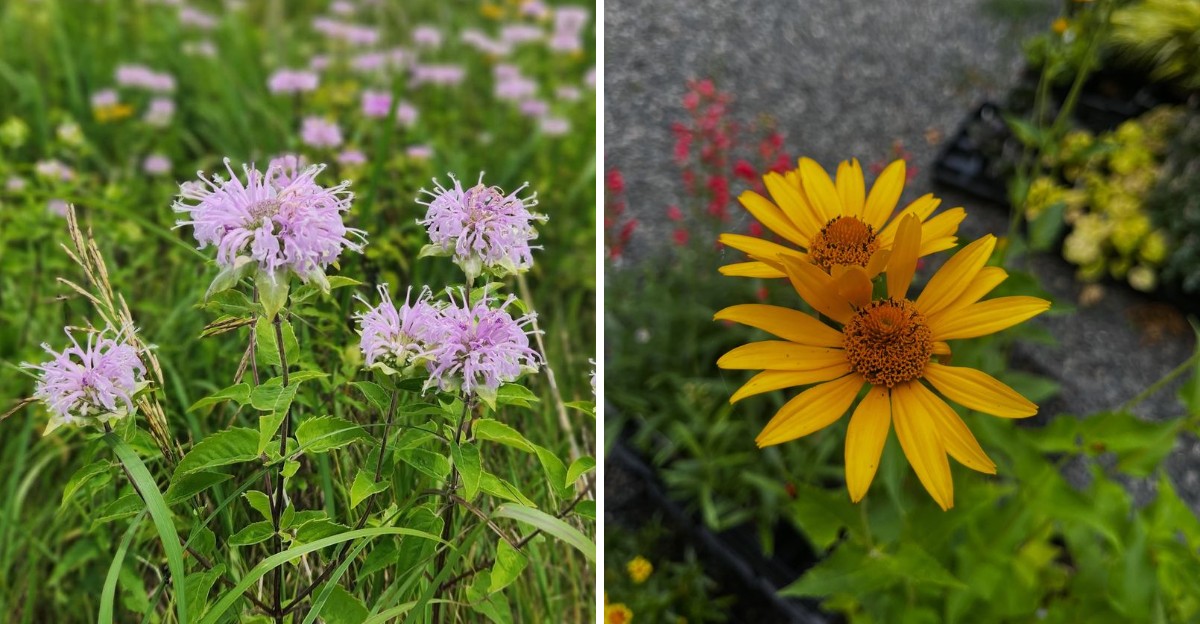
A single potted perennial at the garden center can easily cost $15 or more. A packet of native seeds often costs just a few bucks and can fill an entire bed with color. That’s a deal worth paying attention to.
Fall is the perfect time to sow many Pennsylvania wildflowers. It’s when they naturally spread their seeds in the wild.
Over the winter, cold, snow, and moisture soften the tough outer coatings and prepare the seeds to sprout. When spring warms the soil, seedlings pop up right on schedule, and many will be ready to bloom by summer.
All you have to do is scatter the seeds and let the seasons handle the rest. Plant a few varieties now, and next summer your yard could be buzzing with bees, butterflies, and blooms you grew from scratch.
1. Black-Eyed Susan
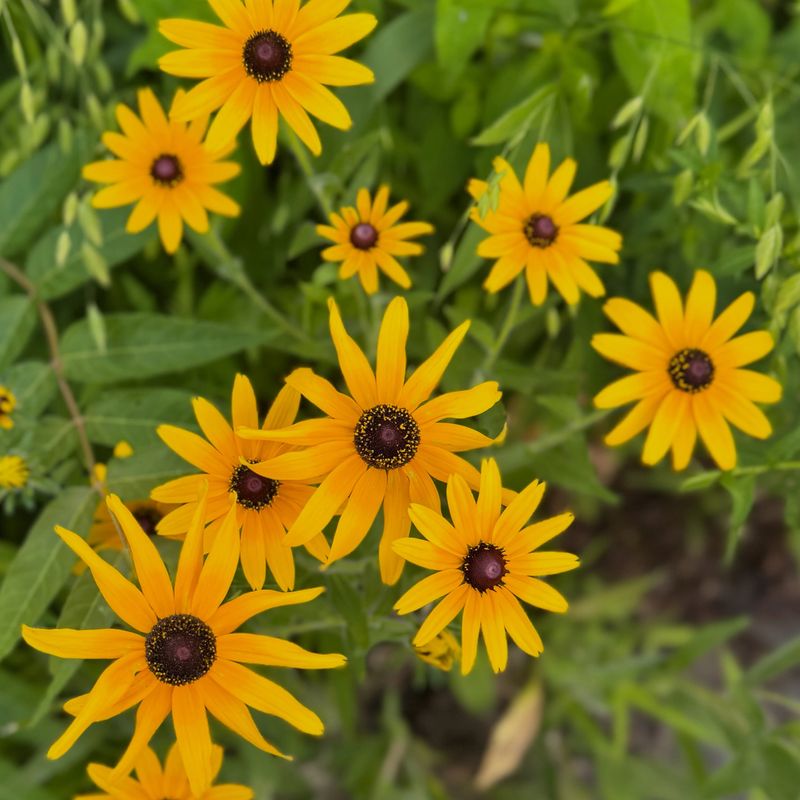
Few flowers say summer quite like a field of Black-Eyed Susans. Their golden petals and chocolate-brown centers look like tiny suns smiling up at you. Better yet, they often bloom the very first summer after you sow them in fall.
Black-Eyed Susan, or Rudbeckia hirta, grows wild all over Pennsylvania. You will spot it along roadsides, in old fields, and at the edges of farms. That tells you something important. It is tough, easygoing, and happy in plain soil.
To plant it, choose a spot with full sun. Rake the soil lightly so the seeds can touch the dirt. Scatter them on top in October or November and press them down with your shoe. Do not bury them deep, since the seeds need light to sprout.
Winter does the rest of the job. Cold and moisture help the seeds break out of their sleepy state. In spring, small fuzzy leaves will pop up. By July, you should see the first cheerful flowers opening.
Plants usually grow about two to three feet tall. Each one can keep blooming for weeks, especially if you snip off a few old flowers. They also make great cut flowers for a kitchen table vase.
Here is a fun bonus for bird lovers. Leave the seed heads standing in fall instead of cutting them down.
American goldfinches love to perch on the stems and peck out the seeds. It is like having a free bird feeder in your garden.
The plant also drops plenty of its own seeds. That means new plants will show up year after year. Once you sow Black-Eyed Susan, it tends to stick around like an old friend.
2. Brown-Eyed Susan
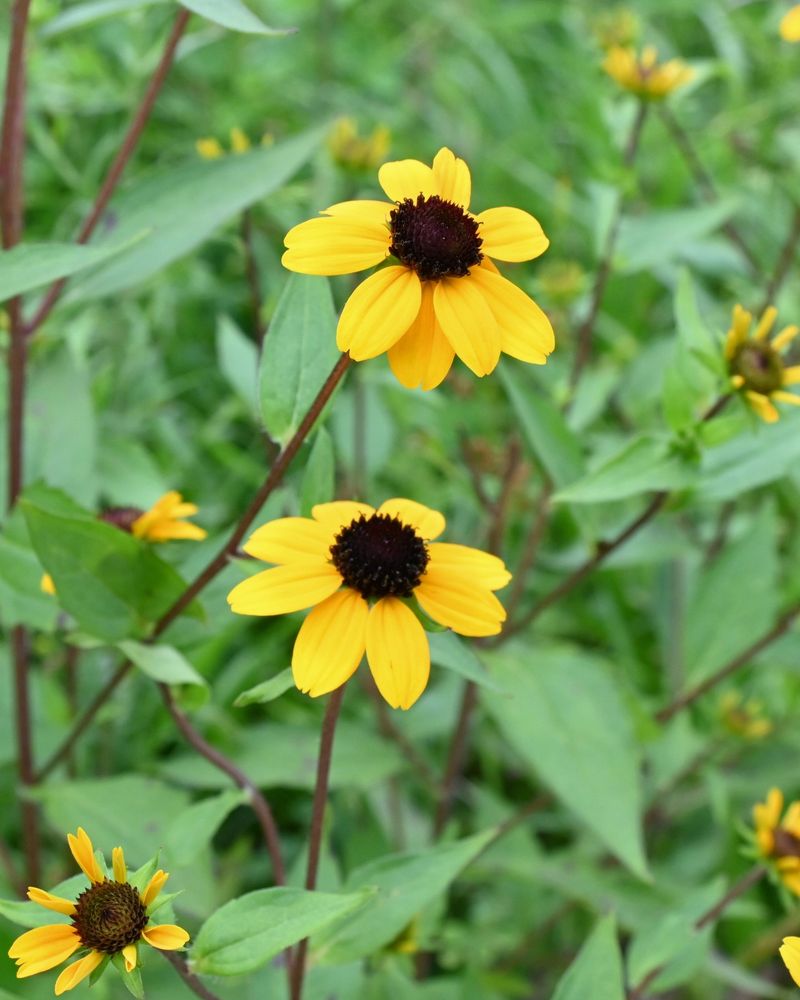
Meet the busy little cousin of the Black-Eyed Susan. Brown-Eyed Susan, also called Rudbeckia triloba, packs a whole lot of flowers onto one plant. Some plants carry dozens or even hundreds of blooms at the same time.
The flowers are smaller than its famous relative, about one to two inches wide. Each has bright yellow petals and a dark center.
What it lacks in size, it makes up for in sheer numbers. A single clump can look like a cloud of tiny yellow stars from mid to late summer.
Your Pennsylvania Garden Changes Every Week. Your Plan Should Too.
Gardening in Pennsylvania changes quickly throughout the season. Every Friday you’ll receive a simple weekly plan showing exactly what to plant, prune, fertilize, harvest, and protect so you never miss the right timing.
Gardeners love how fast it grows from seed. Fall sowing gives the seeds the cold spell they need. Simply scatter them on loose, weed-free soil and pat them in gently. A light layer of leaves on top is fine, but keep it thin.
Not every garden has full sun all day, and that is no problem here. Brown-Eyed Susan handles part shade better than many sunny wildflowers. It works well near trees, along fences, or on the east side of a house.
Plants can reach three to five feet tall and get quite bushy. Give each one some elbow room, about two feet apart. If they flop over in a windy storm, a simple stake or nearby plants will hold them up.
Did you know the name triloba means three-lobed? Some of the lower leaves split into three parts, which helps you tell it apart from other Susans.
Pollinators flock to these blooms. Small bees, hoverflies, and butterflies stop by all day long. Later, birds snack on the seeds. It is a hardworking plant that keeps on giving well into autumn.
3. Partridge Pea
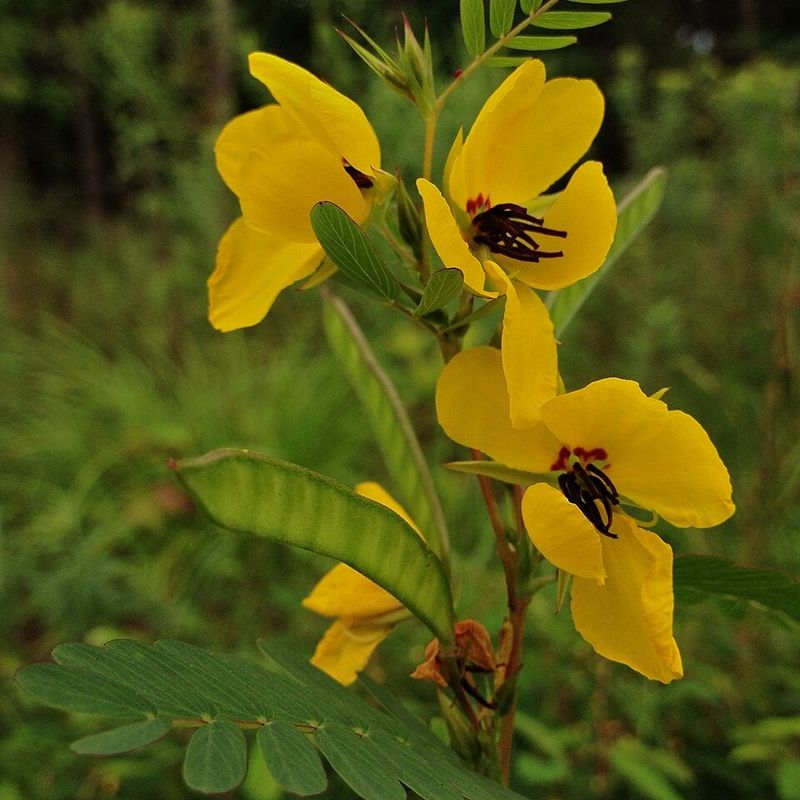
Quail have a favorite snack, and it grows right here in Pennsylvania. Partridge Pea earned its name because game birds like quail and partridges gobble up its seeds. But birds are not the only fans of this sunny little plant.
Partridge Pea is a native annual. That means it sprouts, blooms, and makes seeds all in one year. Plant it in fall, and you will see flowers the very next summer.
The blooms are bright yellow with a splash of red near the center. They look a bit like small butterflies resting on the stems.
Bumblebees go wild for them. The bees buzz loudly to shake pollen loose, which is fun to watch up close.
The leaves are just as interesting. They are feathery and split into many small leaflets. Touch them gently, and some will fold up a little. Kids especially get a kick out of this trick.
Planting tips are simple. Pick a sunny spot with dry or sandy soil. Partridge Pea actually prefers poor ground, so skip the fertilizer. Scatter the seeds in late fall and rake them in lightly, about a quarter inch deep.
Like other members of the pea family, it adds nitrogen to the soil. That helps feed nearby plants over time. It is a quiet helper that improves your garden without you lifting a finger.
By late summer, flat seed pods form along the stems. When they dry, they snap open and fling seeds around.
New plants will pop up next spring on their own. Just let some pods ripen, and your patch will keep coming back for years.
4. Blue Vervain
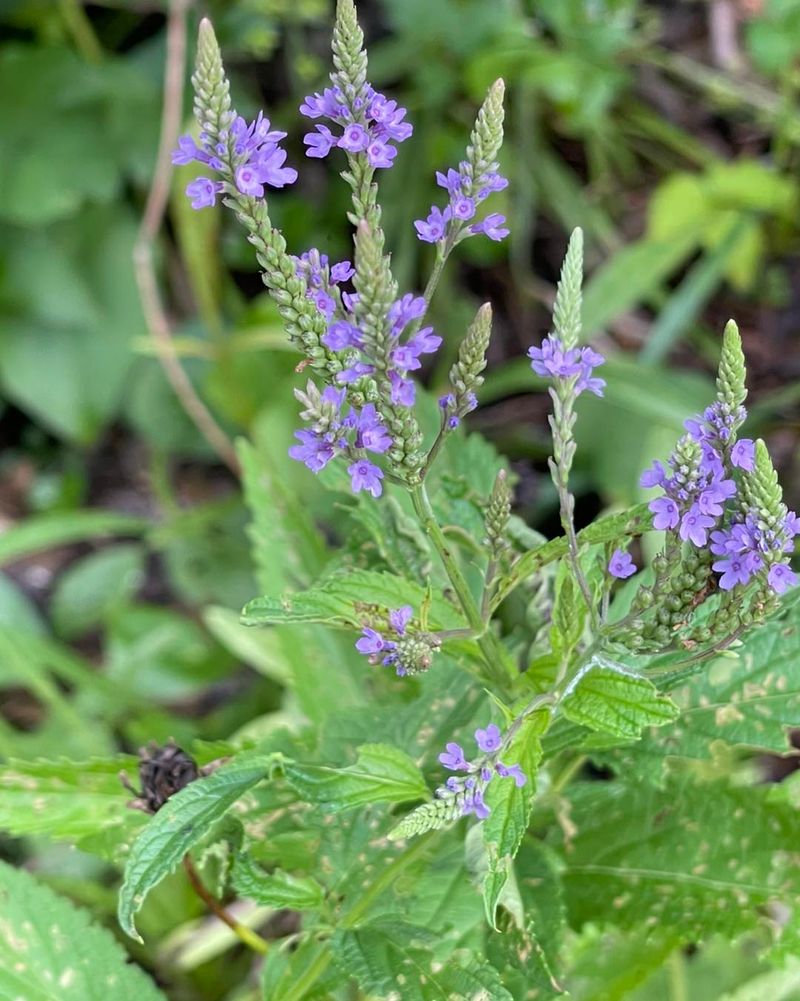
Got a soggy corner where nothing seems to grow? Blue Vervain might be the answer you have been searching for. It loves wet feet and turns damp spots into a purple show.
Blue Vervain, or Verbena hastata, grows naturally near streams, ponds, and wet meadows across Pennsylvania.
It sends up tall, thin stems that branch out like a candelabra. Each tip holds a spike of tiny purple-blue flowers.
The blooms open slowly from the bottom of the spike to the top. Only a ring of flowers is open at once. This means the plant stays in bloom for a long time, often from July into September.
Fall is the ideal time to sow it. The seeds need a long, cold, damp rest before they sprout. Scatter them on top of moist soil and press them down firmly. Do not cover them, because they need light.
Many gardeners are surprised to see flowers the first summer. Plants grow about three to five feet tall. They come back every year and slowly form larger clumps.
Bees, butterflies, and skippers visit the flowers all day. After blooming, the small seeds feed songbirds like cardinals and sparrows. Leave the stems standing through winter for the birds to enjoy.
A bit of history makes this plant even cooler. Native peoples and early settlers used parts of Blue Vervain in home remedies. Today, we mostly grow it for its beauty and wildlife value.
For best results, pair it with other moisture-loving natives like Joe-Pye weed or swamp milkweed. Together, they create a lively rain garden full of color and buzzing wings.
5. Wild Bergamot
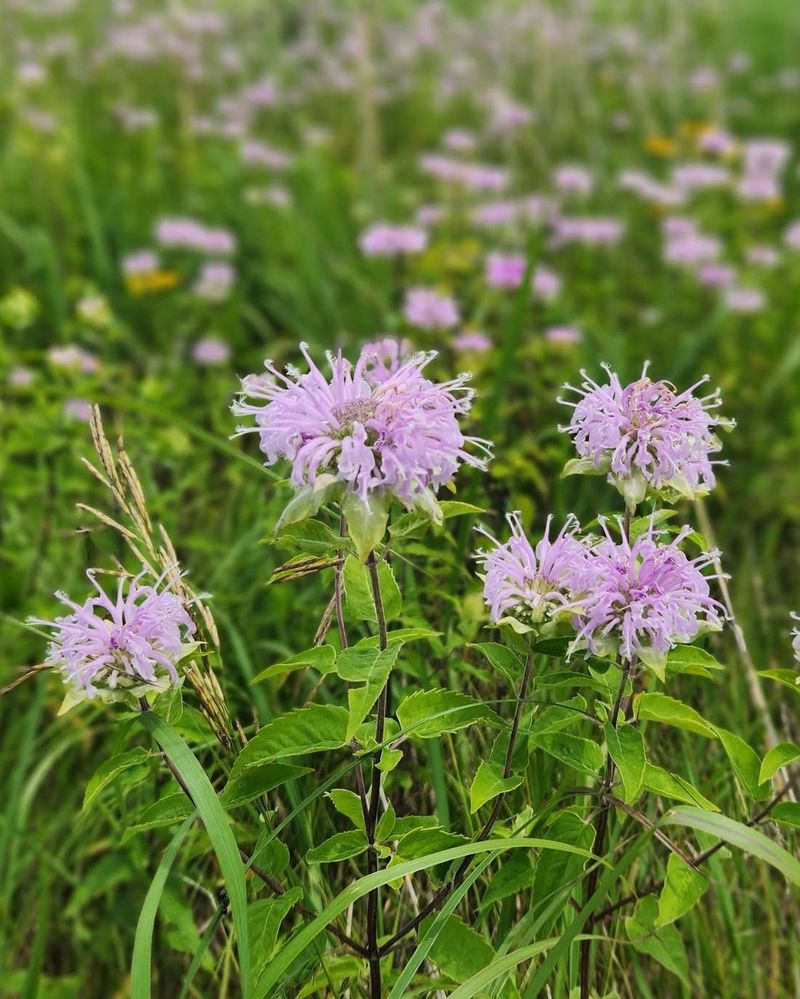
Rub a leaf of Wild Bergamot between your fingers, and you will smell something like oregano mixed with mint. That spicy scent is a big clue. This plant belongs to the mint family, and it has quite a personality.
Wild Bergamot, also called Monarda fistulosa, grows in fields and open woods throughout Pennsylvania.
In summer, it puts out fluffy clusters of lavender flowers. Each bloom looks a bit like a messy pom-pom or a tiny firework.
Pollinators simply cannot resist it. Bumblebees, butterflies, and moths visit constantly. Ruby-throated hummingbirds also sip from the long, tube-shaped petals. If you want a busy garden full of wings, this plant delivers.
Sowing seeds in fall works great. Scatter them on bare soil in a sunny spot and press lightly. The seeds are tiny, so mixing them with a little sand helps spread them evenly.
Patience pays off with this one. Some plants may bloom the first summer, though the show may be small. By the second year, roots are settled, and the plants burst with flowers. Think of year one as a warm-up act.
Wild Bergamot grows two to four feet tall. It handles dry soil and summer heat well once it is established. Deer and rabbits usually leave it alone because of the strong smell.
One tip worth knowing is that the leaves may get a white, dusty coating called powdery mildew in late summer. It looks odd but rarely harms the plant. Good airflow helps, so space plants about eighteen inches apart.
Fun fact: people once brewed the leaves into tea. Its nickname, bee balm, hints at how much bees adore it.
6. Ox-Eye Sunflower
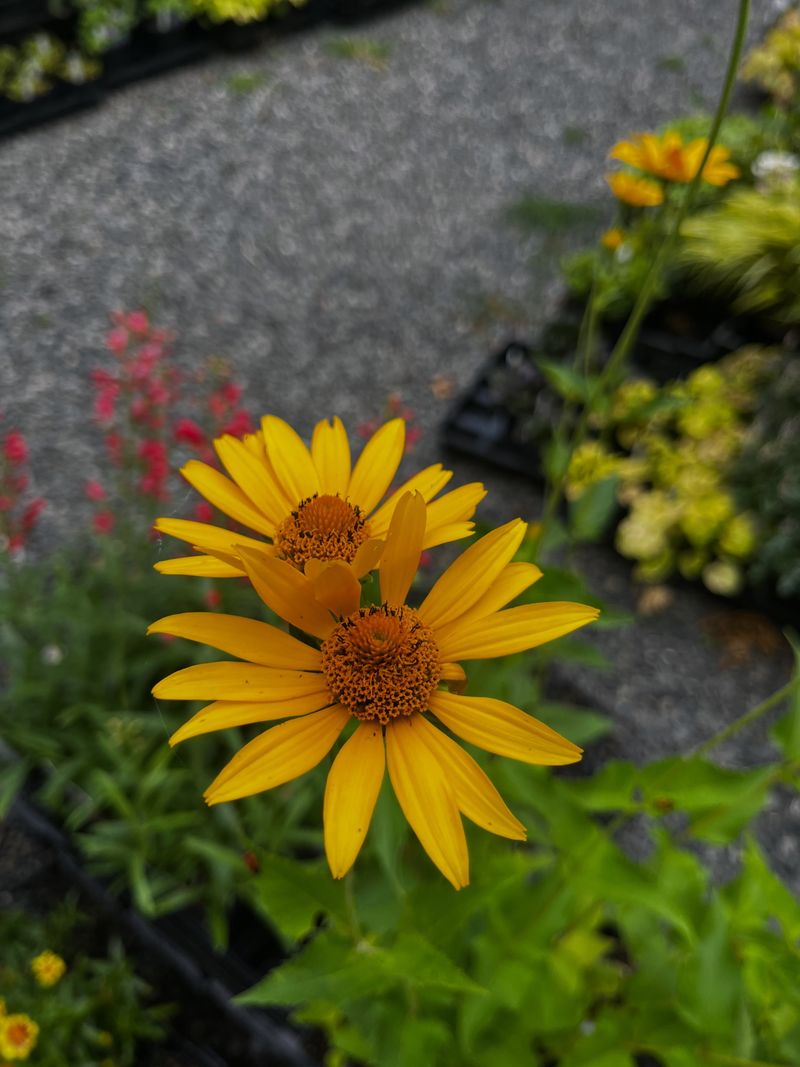
Love the look of sunflowers but lack space for a ten-foot giant? Ox-Eye Sunflower offers that same sunny charm in a smaller, tougher package. It is like a sunflower built for real backyards.
Its scientific name is Heliopsis helianthoides. That is a mouthful, but it simply means sun-like and sunflower-like.
The flowers are bright yellow, two to three inches wide, with golden centers. They look cheerful from midsummer all the way into fall.
Here is the exciting part for new gardeners. Ox-Eye Sunflower often blooms in its very first season from seed. You do not have to wait years to enjoy your hard work.
Sow seeds in late fall, about a quarter inch deep, in a sunny spot. Loose, well-drained soil is best. The plant is a perennial, so it will return year after year.
Toughness is its middle name. Once settled, it shrugs off heat, dry spells, and poor soil. It rarely needs extra water after its first summer. That makes it a smart pick for busy families or hot, sunny borders.
Plants grow three to five feet tall with sturdy stems. They look wonderful in meadows, along driveways, or at the back of a flower bed. Mix them with purple flowers like Wild Bergamot for a bold color combo.
Butterflies and bees visit the blooms often. Later in the season, finches and other small birds pick at the seed heads.
For a longer flower show, snip off faded blooms now and then. The plant will keep sending up new buds. You can also cut a few stems for bouquets, since the flowers last well in a vase.
7. Jewelweed
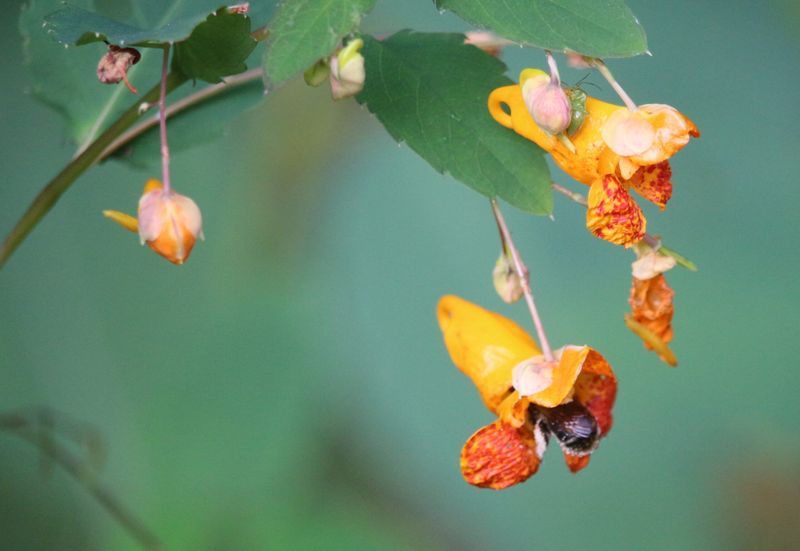
Walk past a ripe Jewelweed pod and give it a gentle tap. Pop! The pod bursts open and shoots seeds into the air. That playful trick is why many people call it touch-me-not.
Jewelweed, or Impatiens capensis, is a native annual that grows in shady, damp spots across Pennsylvania.
You will often find it near creeks and along wet woodland trails. It brings a burst of color to places where few flowers bloom.
The flowers are orange with tiny red spots. They hang from the stems like little dangling jewels or trumpets.
Ruby-throated hummingbirds absolutely love them. In late summer, hummingbirds may visit your patch again and again to sip the nectar.
The leaves have a neat secret too. When you dip them in water, they turn shiny and silver. Kids think it looks like magic. Folks have also rubbed the plant juice on skin after brushing against poison ivy.
Fall is the right time to plant. Jewelweed seeds need cold to wake up, and they lose their spark if kept dry too long. Scatter fresh seeds on moist soil in a shady area and lightly cover them with leaves.
Plants sprout in spring and bloom by midsummer. They can grow three to five feet tall with soft, juicy stems. Keep the soil damp, since dry ground makes them droop.
Fair warning, though. Jewelweed reseeds with a lot of energy. Those popping pods send seeds flying several feet away.
Plant it where it has room to roam, like a wild corner or woodland edge. Extra seedlings pull out easily if they wander too far.