Desert Marigold Has A Caliche Reputation In Arizona Yards, And Here’s What Its Roots Really Do
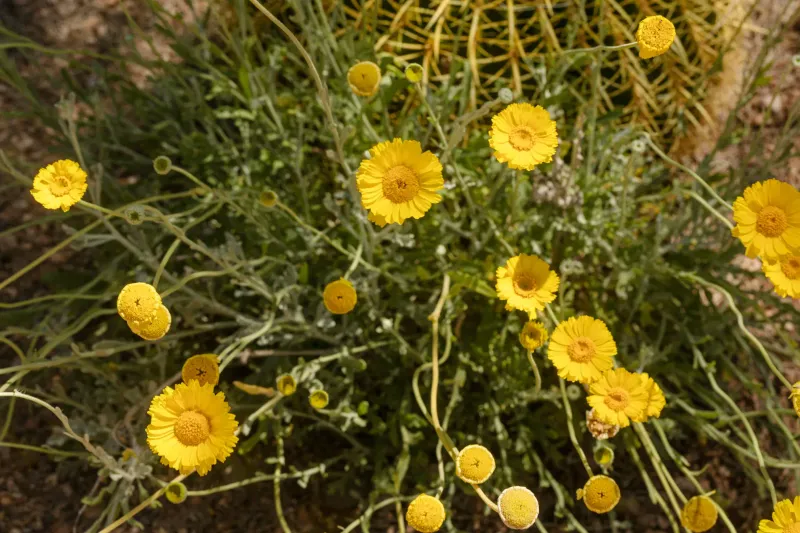
Desert marigold lights up Arizona roadsides with bright yellow flowers, and many gardeners wonder if it can handle the rock-hard soil in their yards. Some people assume its roots must be tough enough to punch through caliche.
That idea is worth testing before you plant. Here is what the roots can do, what caliche demands, and how to check your own spot.
What a taproot does—and does not—show
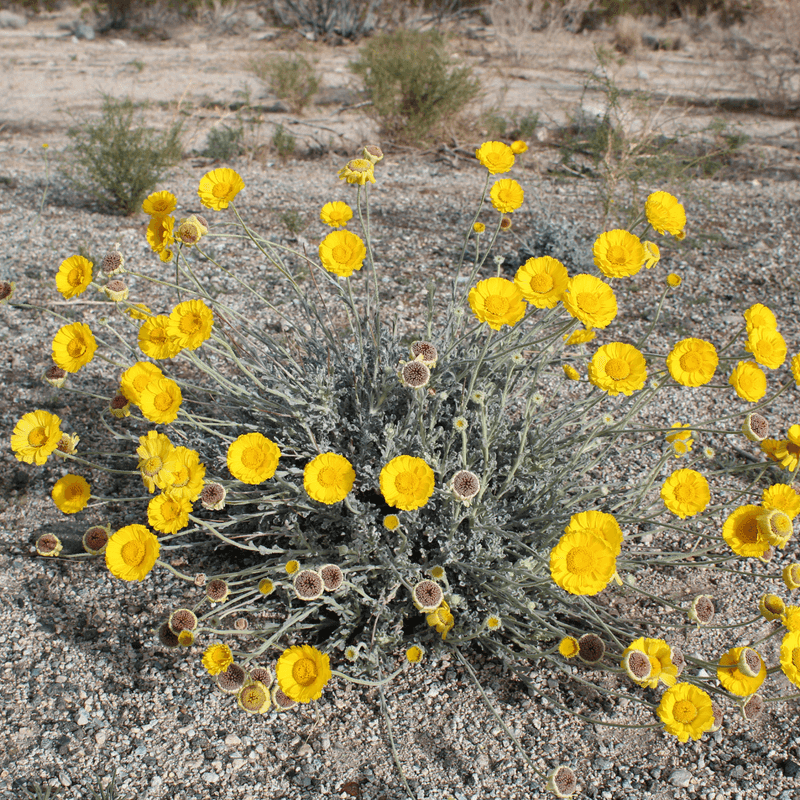
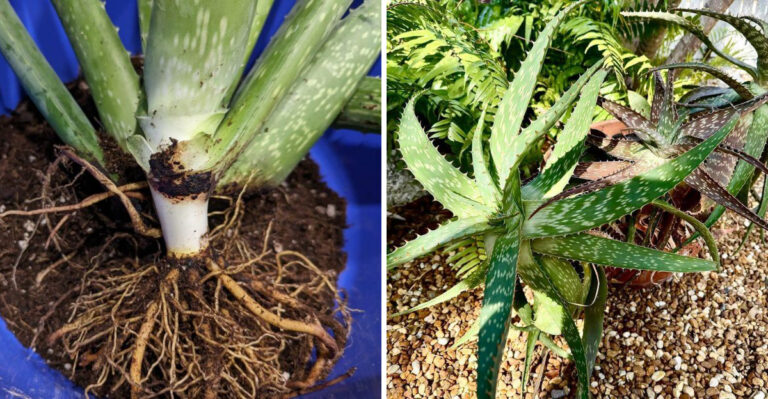
Pull a desert marigold out of loose desert ground and you will see a well-developed taproot, a main root that heads downward. The University of Arizona plant profile describes that taproot and notes the plant favors sandy, gravelly sites.
Here is the catch. A taproot describes the shape of a root, not how hard it can push.
Nothing in that profile says the root drills through caliche.
So the idea that desert marigold busts hardpan is a claim to test, not a proven fact. The evidence reviewed does not show it routinely gets through solid caliche.
Whether any root can get through depends on how tightly the layer is cemented, and that varies a lot from one yard to the next.
A plant can have a deep root and still struggle if water collects around it. Treat the taproot as a bonus, not a soil repair tool.
Caliche varies from loose material to solid layers
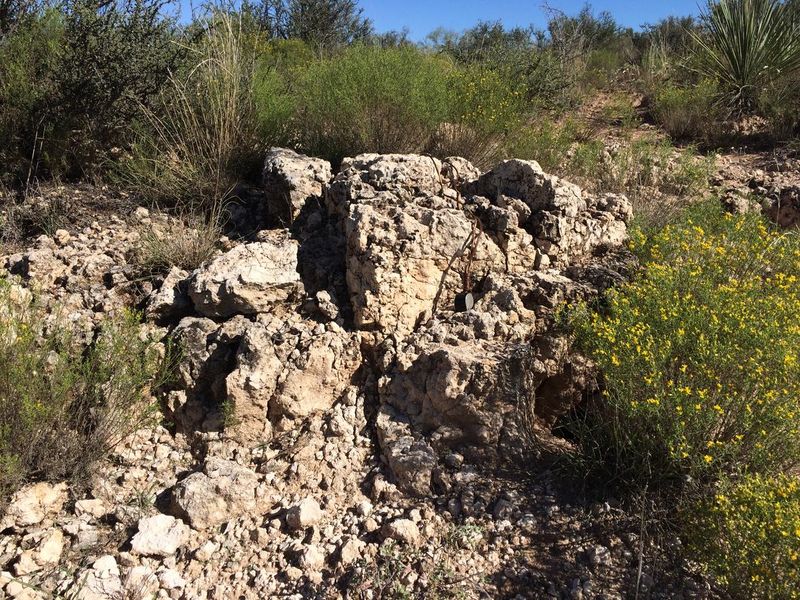
Caliche is not one single thing. University of Arizona Extension describes it as variable in form and thickness, and not every desert soil has it.
In some yards, caliche shows up as loose, crumbly concretions mixed into the soil. Roots and water can often work around those pieces.
In other spots, it forms a dense, cemented layer that feels like rock under a shovel.
Those solid layers can limit how far roots travel and how fast water drains. A pan of hard material a foot down can turn a planting hole into a bathtub after a monsoon storm.
The USDA also covers caliche in its root development lesson material, a reminder that hard layers matter to roots in general. Dig a test hole to see which kind you have, since your neighbor’s soil may be nothing like yours.
A drought-tolerant native still needs good drainage
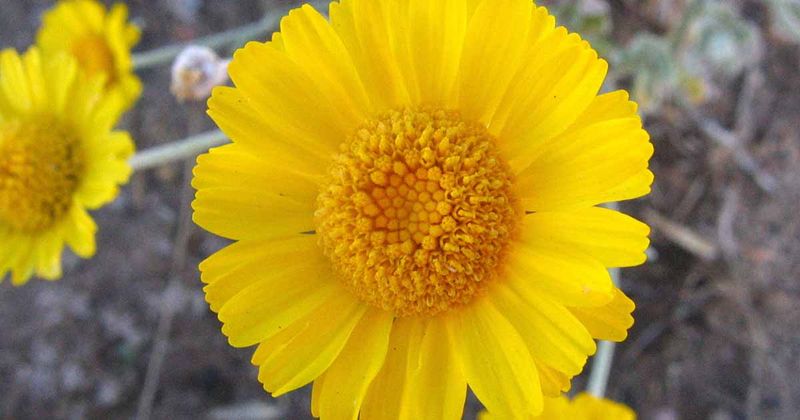
Desert marigold is native to Arizona and shows up in sandy and gravelly spots. It is also short-lived, listed as an annual or a short-lived perennial, so expect it to reseed or be replaced rather than live for decades.
The Arizona-Sonora Desert Museum care sheet says it tolerates heat and drought, needs little water once established in the low desert, and requires good drainage. Too much water may cause rot.
Liking sandy, gravelly ground is not the same as liking caliche. Gravel drains fast.
A cemented layer can hold water. Those are opposite situations, so keep the two ideas apart.
The same care sheet advises against organic mulch around it, so gravel is the safer choice. Think of drainage as the real requirement, with drought tolerance as the reward.
Your Arizona Garden Changes Every Week. Your Plan Should Too.
Gardening in Arizona changes quickly throughout the season. Every Friday you’ll receive a simple weekly plan showing exactly what to plant, prune, fertilize, harvest, and protect so you never miss the right timing.
Check drainage before you plant
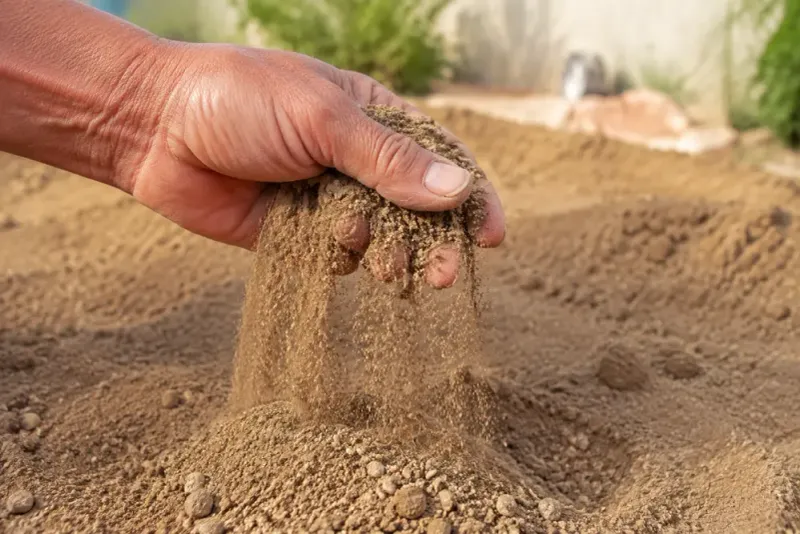
Before planting in a suspected caliche spot, test it. Dig a hole, fill it with water, and watch how fast it drops.
Do not just hope the taproot will find a way.
Published tests differ, so name the source you follow. The Extension caliche publication advises breaking through the layer when practical and checking whether water drains from the hole, and it uses a 12 to 24 hour drainage window.
A different document, the Extension xeriscape guide, says a 4 inch drop in 4 hours indicates adequate drainage. These are two separate guides with two separate numbers, so do not blend them into one rule.
Pick one, follow it as written, and repeat the test in more than one spot. If water sits, choose a different location or fix the layer before planting.
Use general planting advice, not a caliche cure
Once the site checks out, keep the planting simple. The caliche guidance from University of Arizona Extension suggests a hole no deeper than the root ball and wider than it.
That is general advice for caliche sites, not a special recipe for desert marigold.
The same guidance cautions against putting a drainage hole directly beneath the root ball. Skip that shortcut.
Resist the urge to doctor the soil. Sulfur is not recommended for desert plant species, and the xeriscape guide says adding organic matter is generally unnecessary for native plants adapted to arid soils.
A native plant in native-like soil with good drainage usually needs less fuss, not more. Treat these tips as ground rules for any desert planting.
Choose the plant for its real strengths
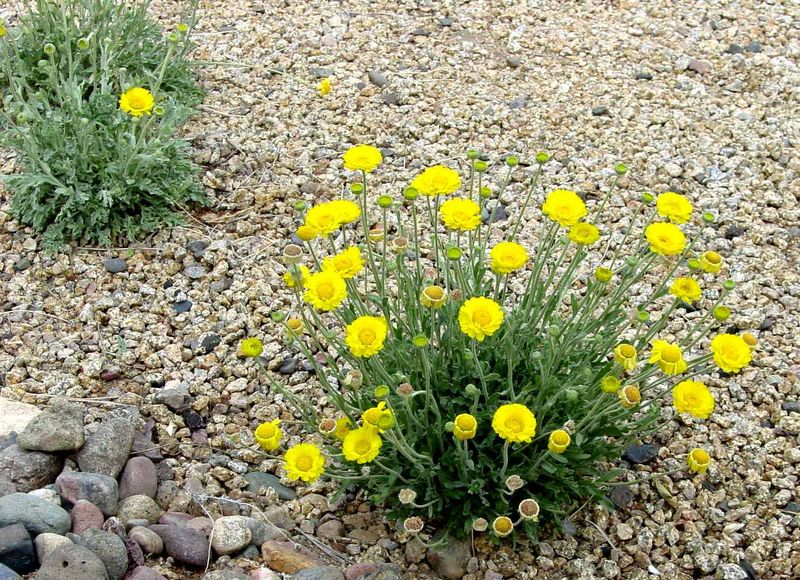
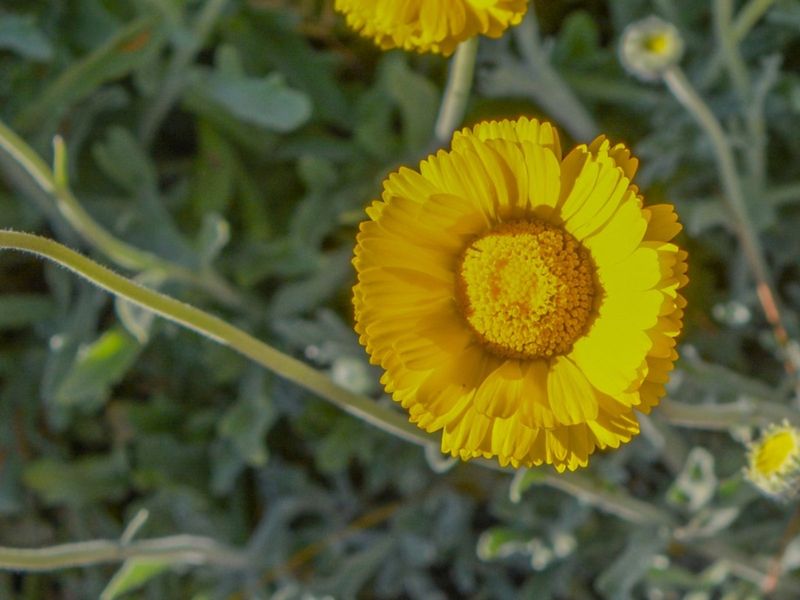
Desert marigold earns a spot in a low-water yard for reasons that are well documented. It is native, handles heat, sips water once established, and its bright flowers carry color across much of the year.
Its blooms may also draw pollinators.
What it is not is a hardpan fix. If your yard has a solid layer, the caliche guidance is where to turn, and a drainage test comes first.
Plant in fall or early spring, give it a spot where water moves away, and enjoy the yellow. A strong taproot is a nice detail, but drainage decides how this plant does.