Why Fall Planting Can Suddenly Turn Florida Flower Pots Into Squirrel Digging Sites
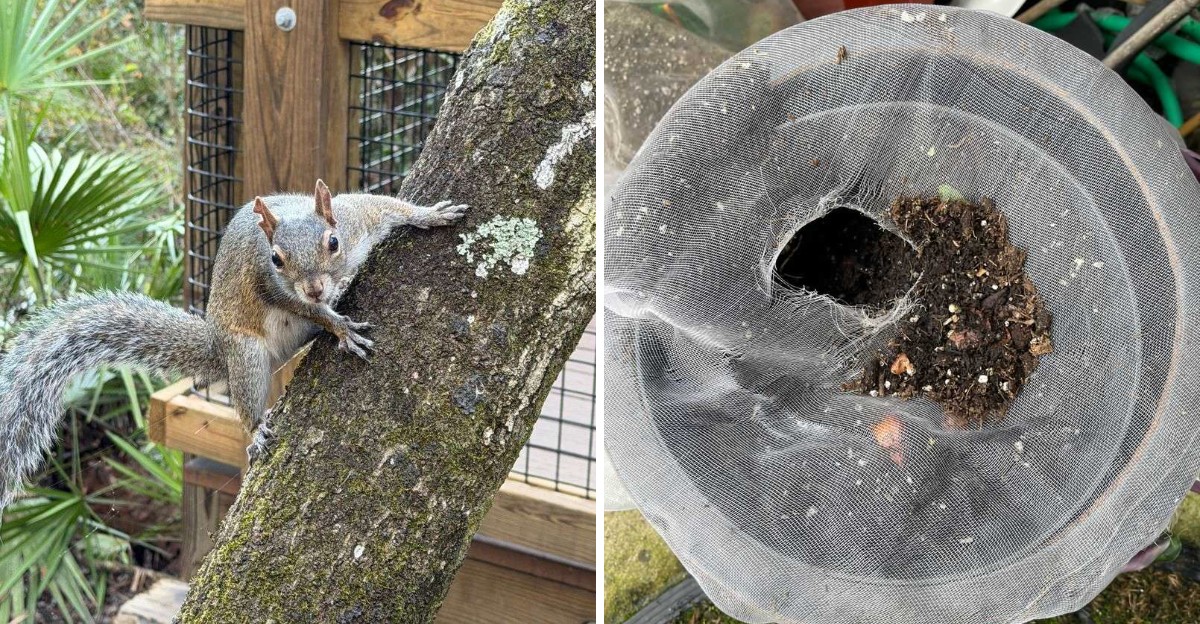
Freshly planted pansies tossed onto the patio with their roots exposed are a frustrating sight the morning after you fill your pots.
Squirrels are usually behind it, and the timing is no accident. Fall is when they get busy burying acorns and other food to dig up later.
Soft, newly loosened potting mix makes an ideal hiding spot for that stash. Firming the soil after planting helps, since loose, fluffy mix is far easier for them to dig.
Containers on patios and porches are especially tempting across Florida, where squirrels stay active in yards all year.
Some of what you mix in at planting time can draw extra attention, too.
A pot that keeps getting dug up often means something about the soil, not the plants, has caught their interest.
1. Fresh, Loose Potting Soil Makes An Easy Place To Dig
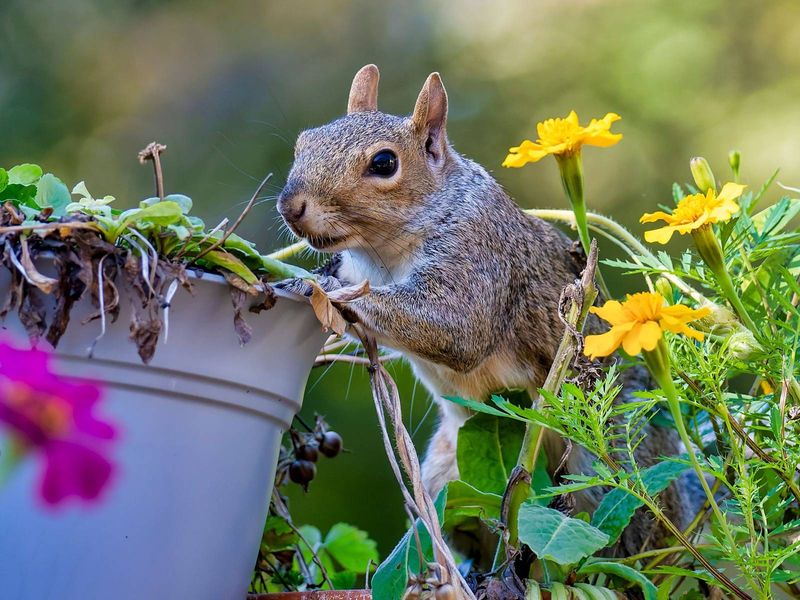
Soft soil is an open invitation. Squirrels look for spots where they can dig fast, drop a nut, and move on before a hawk or dog notices them.
Freshly bagged potting mix fits that need almost perfectly.
Compare it with the ground in a typical yard. Sandy soil in some areas can pack down, and lawn roots make digging slower, while a new container offers a fluffy, weed-free surface.
Animals tend to choose the easiest option when food needs hiding quickly, so a just-filled pot often gets checked first.
Disturbed soil may also carry new smells that seem worth investigating. Squirrels sometimes dig simply to explore, not to bury anything at all.
Here are a few ways to make that surface less inviting.
Firm the soil gently after planting so it settles around the roots without becoming hard. Watering it in well helps the mix settle naturally over the next few days.
Topping the pot with a layer of coarse pebbles or larger stones can make digging less appealing, though a determined squirrel may still push them aside.
Some gardeners place pinecones or short bamboo skewers between plants. Results vary, but anything that makes landing and digging awkward may help during the first few weeks after planting.
2. Fall Is Prime Season For Burying Acorns And Nuts
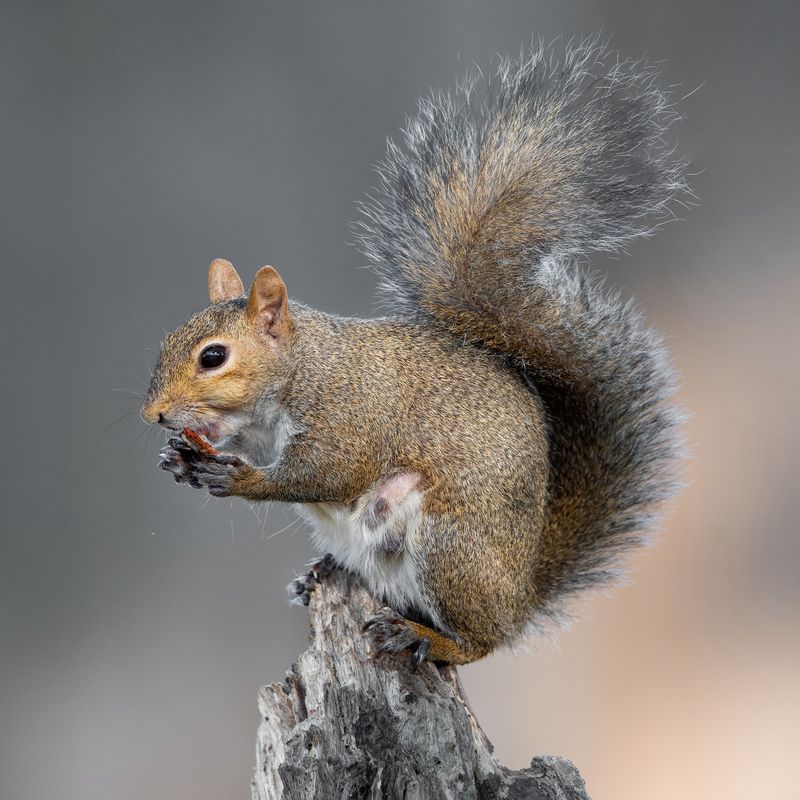
Acorns start piling up, and squirrels get busy. Eastern gray squirrels are scatter hoarders, meaning they bury food in many small hiding spots instead of one big pile.
Each nut may end up in a different place, which spreads the digging across your whole yard.
In Florida, live oaks, laurel oaks, and water oaks are common in many neighborhoods. Acorn drops can happen through fall, though timing differs by species, tree health, and location.
Pecan trees in North Florida add another tempting food source during the same stretch of the year.
So what does that mean for your patio pots? A container sitting close to an oak may get visited again and again as squirrels look for fresh storage space.
They also come back later to dig up their stash, especially when food runs short in winter.
Moving pots away from heavy acorn areas can lower the number of visits, although squirrels travel widely and may still find them.
Your Florida Garden Changes Every Week. Your Plan Should Too.
Gardening in Florida changes quickly throughout the season. Every Friday you’ll receive a simple weekly plan showing exactly what to plant, prune, fertilize, harvest, and protect so you never miss the right timing.
Planting a little later, after the biggest wave of acorn drops passes, is another option worth trying. Just balance that timing with what your flowers need, since some fall annuals do best when planted before cooler weather arrives.
3. Bone Meal And Fish Fertilizers Can Add A Tempting Scent
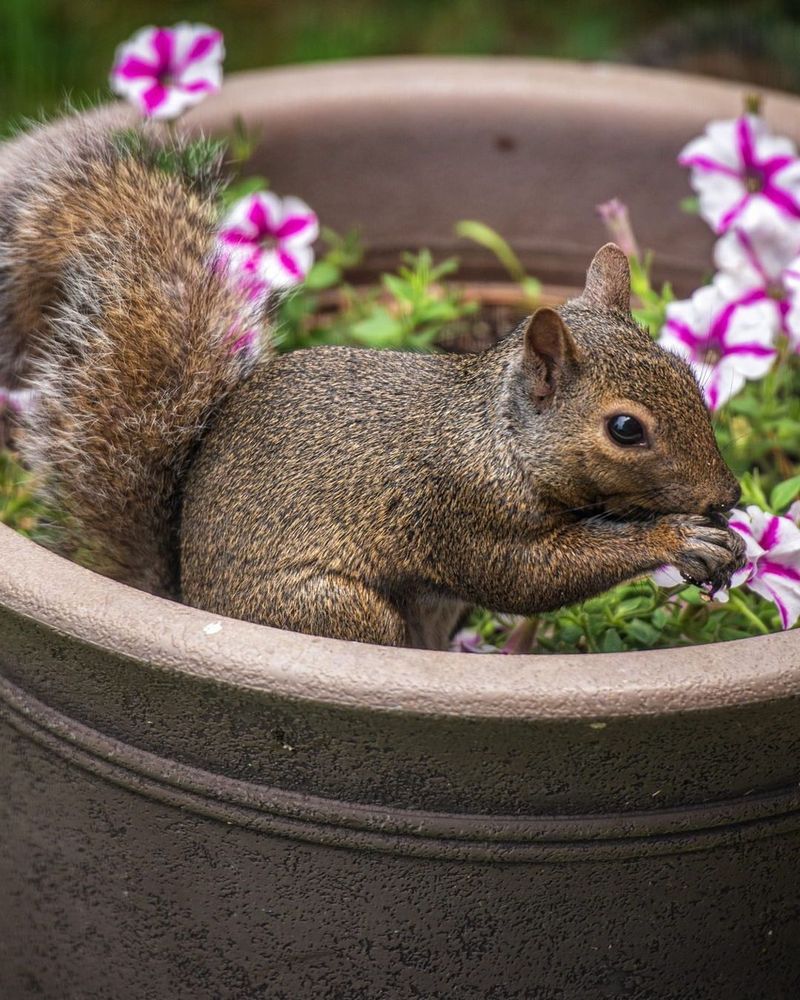
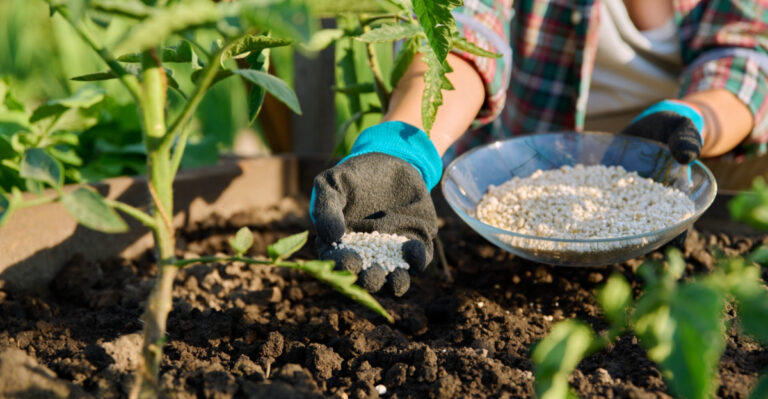
Your nose might miss it, but a squirrel’s nose probably will not. Organic fertilizers such as bone meal, blood meal, and fish emulsion give off strong smells that animals notice quickly.
Squirrels, raccoons, and even dogs have been known to dig where these products were mixed in.
That does not mean these fertilizers are bad choices. They simply add one more reason for curious animals to investigate a freshly planted pot.
If you have had repeated digging trouble, think about what went into the container last.
Gardeners in Florida often use slow-release fertilizer pellets in containers, and many of those have little noticeable odor. Switching to a low-scent product during planting season may cut down on visits, though it will not stop digging tied to nut burying.
Another simple step is to mix any fertilizer well into the soil rather than leaving it on top. Covering it with a thin layer of plain potting mix can help mask the smell a bit.
Liquid fish products tend to fade as they soak in and dry. You might apply them a few weeks after planting, once roots settle and the soil surface is less disturbed.
Always follow label directions for amounts, since too much fertilizer can harm container plants.
4. Newly Planted Bulbs May Get Dug Up And Eaten
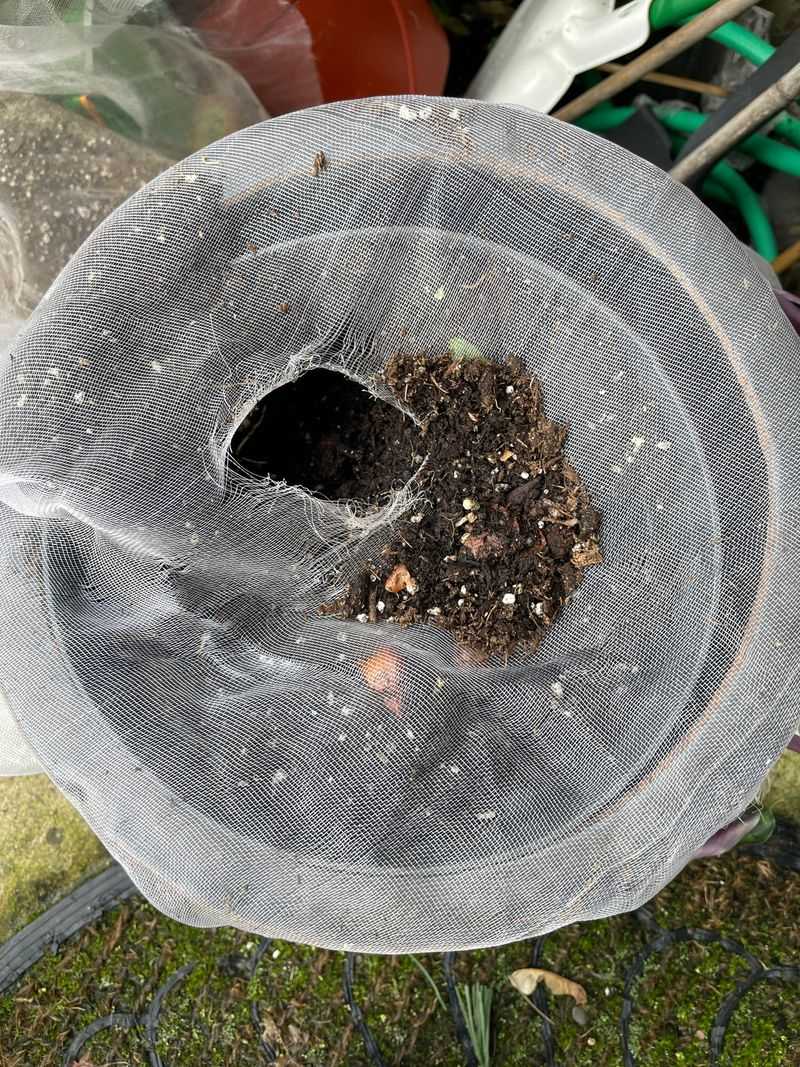
Bulbs look a lot like snacks to a hungry squirrel. Tulip and crocus bulbs are well-known favorites, and squirrels may dig them up within days of planting.
Some bulbs get eaten on the spot, while others just get moved or tossed aside.
Here is where Florida gardening gets a little different. Many classic spring bulbs need a long cold period that most of the state does not provide, so gardeners often chill them in the refrigerator first or treat them as one-season plants.
Warm-climate bulbs like amaryllis, rain lilies, and paperwhites are more common choices.
Daffodils and paperwhite narcissus contain compounds that squirrels generally avoid. That makes them a sensible option if digging has been a problem before.
Amaryllis bulbs are also considered toxic, so squirrels tend to leave them alone, though they may still dig around them.
To protect any bulb planting, cover the pot with wire mesh right after planting. Leave it in place until shoots start pushing up, then remove it or cut openings for growth.
Planting bulbs at the depth listed on the package also helps, since shallow bulbs are easier to find. Still, a persistent squirrel can reach surprisingly deep into loose potting mix.
5. A Layer Of Hardware Cloth Over The Soil Blocks Digging
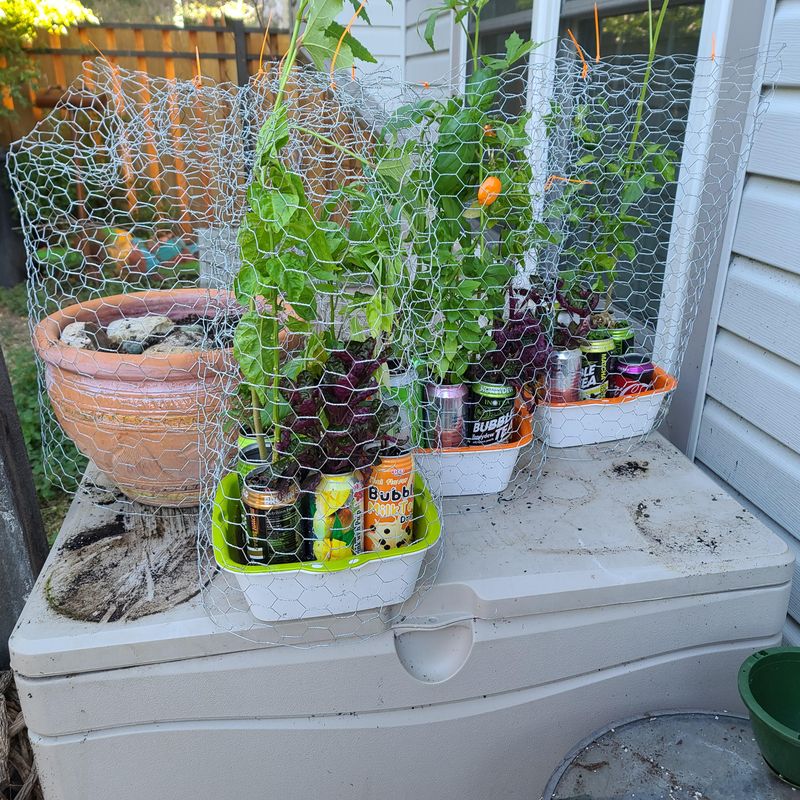
Wire mesh is not pretty, but it works better than most tricks. Hardware cloth is a stiff, galvanized wire screen sold at hardware stores, usually with small square openings.
Laid flat across the soil, it gives squirrels nothing soft to dig into.
Start by measuring the top of your pot. Cut a piece of hardware cloth slightly larger, then bend the edges down so it sits snugly inside the rim.
Wear gloves while cutting, because the trimmed wire edges can be sharp.
Openings around half an inch wide are a common choice for containers. Small seedlings can grow through those gaps, and you can snip larger holes around established plants.
Water passes right through, so regular watering stays easy.
Some gardeners hide the mesh with a thin layer of mulch or potting mix. Others prefer to leave it bare so they can spot problems fast.
Chicken wire is a cheaper option, though its wider holes may let small paws reach through. Anchoring the screen with landscape pins or heavy stones keeps squirrels from lifting it.
Once plants grow in and the soil settles, many Florida gardeners remove the mesh. Squirrels may lose interest after the first few weeks, though some keep checking pots all season.
6. Clearing Fallen Nuts And Birdseed Can Reduce Nearby Attractions
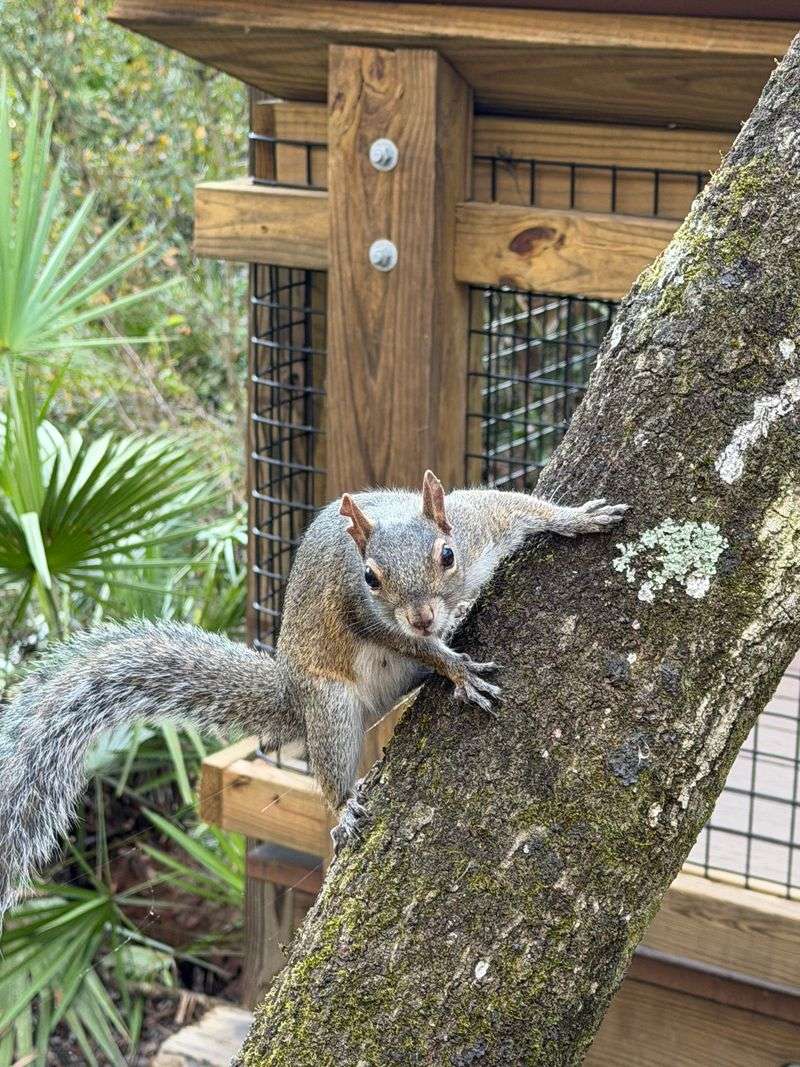
Squirrels go where the food is. A yard full of acorns and spilled seed basically tells them to stay a while and look for places to stash the extras.
Fewer snacks nearby can mean fewer visits to your patio pots.
Bird feeders are a big piece of the puzzle. Sunflower seeds and mixed seed blends often fall to the ground, and squirrels quickly learn to check below feeders every day.
Many of those seeds end up buried in the nearest soft soil.
Try moving feeders farther from your containers if you enjoy feeding birds. Seed catchers or trays under feeders can also limit the mess, though they will not stop it entirely.
Choosing seed that squirrels like less, such as safflower, may help.
Raking or sweeping up acorns under oak trees takes time during heavy drop periods. Still, clearing them from patios and walkways can make the area near your pots less appealing.
Pet food left outdoors is another common draw for squirrels and other wildlife in Florida neighborhoods.
Keep expectations realistic, since oaks in nearby yards and wooded lots will still feed plenty of squirrels. Cleanup works best when combined with physical barriers like mesh, rather than as a standalone fix.
7. Spicy Repellents Need Frequent Reapplying And Work Inconsistently
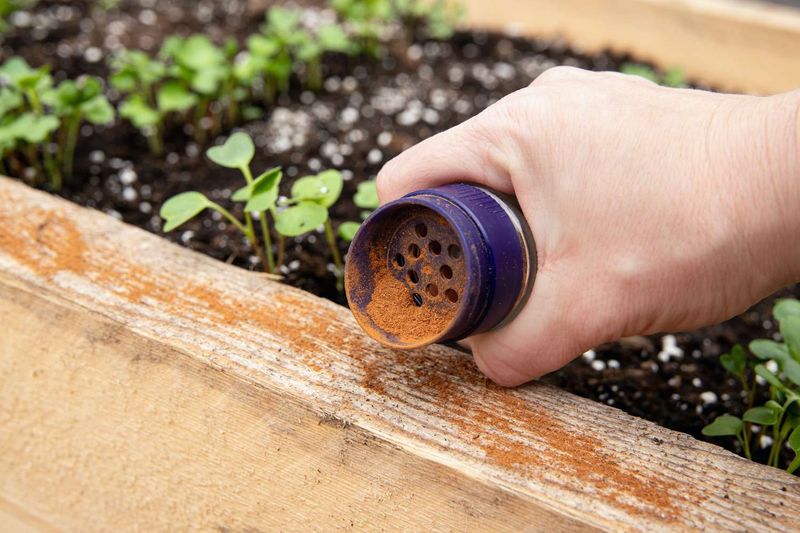
Hot pepper sounds like an easy answer, until it rains. Capsaicin-based products, including cayenne powder and commercial pepper sprays, can irritate squirrels and may discourage digging for a while.
Birds are much less sensitive to capsaicin, which is why some gardeners like this approach.
Results, though, can be hit or miss. Some squirrels seem to tolerate the heat, especially when food is plentiful and the soil is very inviting.
Others may avoid treated pots at first, then return after the scent fades.
Weather plays a large role across Florida. Afternoon showers and regular watering can wash powders away, so you may need to reapply often, especially after rain.
Sprays tend to last a little longer, but label directions usually call for repeat use.
Be careful while handling any pepper product. It can sting your eyes and skin, so wear gloves and avoid applying it on windy days.
Keep pets and children in mind as well, since curious paws and hands can pick up the residue.
Think of spicy repellents as a backup rather than a main defense. Pairing them with hardware cloth, cleanup, and smart fertilizer choices usually gives your fall containers a better chance of staying intact.